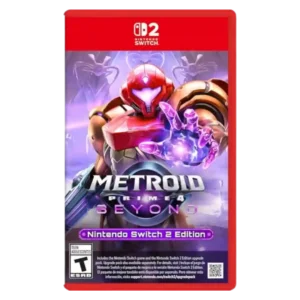
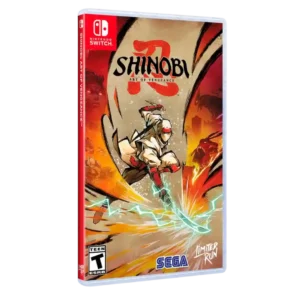
Compare Metroid Prime 4: Beyond vs Shinobi: Art of Vengeance

P1 Metroid Prime 4: Beyond
P2 Shinobi: Art of Vengeance

Comparison Takeaways

Metroid Prime 4: Beyond

Where It Has the Edge

  • world-building is 5.0 vs 2.5. World-building was a strength in reviews that praised scanning, Lamorn history, and the way environments explained Viewros.
  • frame rate stability is 4.9 vs 2.9. Frame rate was consistently praised across Switch 2 coverage, including smooth 60fps and 120fps options.
  • emotional impact is 4.0 vs 2.5. One review found the companion relationships strengthened the closing moments, though emotional delivery was not a universal focus.
  • sound design is 4.9 vs 3.5. Sound design was praised for supporting atmosphere, alien spaces, and the Prime identity.

Shinobi: Art of Vengeance

Where It Has the Edge

  • checkpoint system is 5.0 vs 2.0. The checkpoint system is praised as a quality-of-life improvement because it reduces frustration around difficult optional challenges.
  • fast travel convenience is 4.8 vs 2.0. Fast travel is repeatedly praised for making revisits, secret hunting, and post-completion cleanup smoother rather than tedious.
  • enemy variety is 4.7 vs 2.0. Enemy variety is a strength, with reviewers praising the range of ninjas, soldiers, monsters, bosses, and specialized foes...
  • upgrade system is 4.5 vs 2.0. The upgrade system is praised for meaningful amulets, combat additions, and flexible build choices that alter playstyle.
Average score
Product 1: Metroid Prime 4: Beyond
3.6
Product 2: Shinobi: Art of Vengeance
4.2
accessibility options
Product 1: Metroid Prime 4: Beyond
No score yet
Product 2: Shinobi: Art of Vengeance
4.2

Accessibility options are praised for adjustable difficulty, assist settings, and sliders that make the challenge more approachable without fully flattening it.

aiming precision
Product 1: Metroid Prime 4: Beyond
4.5

Aiming earned praise when using Switch 2 mouse-style controls, though some reviewers found that setup awkward in normal couch play.

Product 2: Shinobi: Art of Vengeance
No score yet
animation quality
Product 1: Metroid Prime 4: Beyond
No score yet
Product 2: Shinobi: Art of Vengeance
4.9

Animation quality is a standout, especially Joe’s motion, hand-drawn character work, and the way combat and traversal read in motion.

art direction
Product 1: Metroid Prime 4: Beyond
4.7

Art direction was one of the clearest strengths, with reviewers repeatedly calling the environments, lighting, and visual identity gorgeous or striking.

Product 2: Shinobi: Art of Vengeance
5.0

The hand-drawn art direction receives near-universal praise for its style, cohesion, painterly look, and strong franchise fit.

atmosphere
Product 1: Metroid Prime 4: Beyond
4.6

Atmosphere drew broad praise, especially in the Prime-style facilities where reviewers felt loneliness, dread, and alien mood were strongest.

Product 2: Shinobi: Art of Vengeance
4.5

Atmosphere is supported by presentation touches such as camera framing and mood-setting scenes that help the 2D spaces feel more dramatic.

boss design
Product 1: Metroid Prime 4: Beyond
4.4

Bosses were widely praised as memorable, cinematic, puzzle-like, and challenging, though a few reviews found them too weak-point-driven or uneven.

Product 2: Shinobi: Art of Vengeance
4.4

Boss design earns many positive notes for memorable, exciting encounters, though a few reviewers find some bosses too easy, clunky, or mechanically weaker than regular fights.

bug frequency
Product 1: Metroid Prime 4: Beyond
No score yet
Product 2: Shinobi: Art of Vengeance
2.0

Bug frequency is a concern in one review that reports a severe save-wipe issue, even though other technical impressions were cleaner.

camera behavior
Product 1: Metroid Prime 4: Beyond
No score yet
Product 2: Shinobi: Art of Vengeance
5.0

Camera behavior is praised in one review for intelligently changing framing to support mood, traversal, and visual depth.

character development
Product 1: Metroid Prime 4: Beyond
3.8

The Federation cast landed unevenly: some reviewers grew attached, while others felt characterization stayed broad or underdeveloped.

Product 2: Shinobi: Art of Vengeance
3.3

Character development is limited overall, with one reviewer liking a supporting character but another calling broader character depth minimal.

checkpoint system
Product 1: Metroid Prime 4: Beyond
2.0

Checkpointing drew criticism when boss retries or long optional stretches sent players farther back than expected.

Product 2: Shinobi: Art of Vengeance
5.0

The checkpoint system is praised as a quality-of-life improvement because it reduces frustration around difficult optional challenges.

combat system
Product 1: Metroid Prime 4: Beyond
3.5

Combat was generally seen as satisfying and polished, but some reviewers criticized repeated waves, limited enemy interplay, or mixed encounter pacing.

Product 2: Shinobi: Art of Vengeance
4.9

Combat is the most consistently praised attribute, with reviewers calling it fluid, deep, expressive, satisfying, and central to the game’s appeal.

companion AI
Product 1: Metroid Prime 4: Beyond
1.9

Companion behavior was a repeat complaint when allies caused game overs, needed reviving, or disrupted the usual solo Metroid flow.

Product 2: Shinobi: Art of Vengeance
No score yet
content variety
Product 1: Metroid Prime 4: Beyond
No score yet
Product 2: Shinobi: Art of Vengeance
4.5

Content variety is strong across stage themes, optional challenges, enemy encounters, bonus levels, and replay modes, though some side segments are less loved.

controls responsiveness
Product 1: Metroid Prime 4: Beyond
4.5

Controls were a major positive overall, with tight movement, responsive shooting, strong gyro support, and multiple schemes; mouse ergonomics were more divisive.

Product 2: Shinobi: Art of Vengeance
4.7

Controls are usually described as smooth, tight, intuitive, and responsive, with a few caveats around moments where scripted control loss or platforming inputs feel awkward.

core gameplay loop
Product 1: Metroid Prime 4: Beyond
4.2

The core Prime loop still worked for supportive reviewers, but some felt it was familiar rather than transformative.

Product 2: Shinobi: Art of Vengeance
4.7

The core loop is widely liked as fast, stylish 2D action with strong combat and traversal, with a few reviewers calling it great despite structural complaints.

crash stability
Product 1: Metroid Prime 4: Beyond
No score yet
Product 2: Shinobi: Art of Vengeance
5.0

Crash stability is strong in the PS5 review that reports no crashes, soft-locks, or freezes over a long playthrough.

dialogue quality
Product 1: Metroid Prime 4: Beyond
2.2

Dialogue was a common weak spot, with several reviewers calling the chatter irritating, clichéd, or out of place for Metroid.

Product 2: Shinobi: Art of Vengeance
2.5

Dialogue quality is uneven: one review criticizes a dull character, and another finds paused dialogue barks jarring despite fun narrative moments.

difficulty balance
Product 1: Metroid Prime 4: Beyond
3.3

Difficulty was mixed: bosses and set pieces could be satisfyingly challenging, but spikes and hand-cramping moments frustrated some players.

Product 2: Shinobi: Art of Vengeance
4.1

Difficulty is generally viewed as fair and satisfying, but opinions split on spikes, projectile-heavy sections, undertuned enemies, and some hard optional challenges.

driving mechanics
Product 1: Metroid Prime 4: Beyond
4.1

Vi-O-La itself often controlled well and could be fun, but its role was tied to the more divisive desert hub.

Product 2: Shinobi: Art of Vengeance
No score yet
emotional impact
Product 1: Metroid Prime 4: Beyond
4.0

One review found the companion relationships strengthened the closing moments, though emotional delivery was not a universal focus.

Product 2: Shinobi: Art of Vengeance
2.5

Emotional impact is limited in the review evidence, with one reviewer wishing for a stronger moment of emotional weight.

endgame content
Product 1: Metroid Prime 4: Beyond
No score yet
Product 2: Shinobi: Art of Vengeance
4.1

Endgame content is generally seen as useful for replay through Arcade Mode, Boss Rush, superbosses, and ranking challenges, though one reviewer sees arcade mode as padding.

enemy variety
Product 1: Metroid Prime 4: Beyond
2.0

Enemy variety was criticized where repeated bugs, bots, or lightly modified foes made combat feel less dynamic.

Product 2: Shinobi: Art of Vengeance
4.7

Enemy variety is a strength, with reviewers praising the range of ninjas, soldiers, monsters, bosses, and specialized foes that shape encounters.

environmental detail
Product 1: Metroid Prime 4: Beyond
4.8

Environmental detail was praised for making Viewros feel rich, alien, and visually meaningful.

Product 2: Shinobi: Art of Vengeance
5.0

Environmental detail stands out in reviews that praise painterly backgrounds, large-scale set pieces, and richly detailed level backdrops.

exploration quality
Product 1: Metroid Prime 4: Beyond
3.8

Exploration was strongest in the dungeon-like zones and weakest when the desert hub or heavy guidance interrupted discovery.

Product 2: Shinobi: Art of Vengeance
4.1

Exploration is divisive: many enjoy secrets, replayable routes, and rewards, while others find backtracking or Metroidvania-lite detours less compelling.

facial animations
Product 1: Metroid Prime 4: Beyond
4.5

Facial work earned praise in one review as an unexpectedly strong visual element for Nintendo.

Product 2: Shinobi: Art of Vengeance
No score yet
faithfulness to franchise
Product 1: Metroid Prime 4: Beyond
4.0

Reviewers split on franchise faithfulness: many felt the fundamentals remained Prime, while others felt the hub, companions, or linearity diluted Metroid.

Product 2: Shinobi: Art of Vengeance
4.7

Reviewers broadly describe the revival as faithful to Shinobi’s legacy while modernizing it with new structure, combat depth, and visual presentation.

fast travel convenience
Product 1: Metroid Prime 4: Beyond
2.0

The lack of fast travel frustrated one reviewer who otherwise accepted revisiting environments as part of Metroid.

Product 2: Shinobi: Art of Vengeance
4.8

Fast travel is repeatedly praised for making revisits, secret hunting, and post-completion cleanup smoother rather than tedious.

flying mechanics
Product 1: Metroid Prime 4: Beyond
No score yet
Product 2: Shinobi: Art of Vengeance
3.0

Flying mechanics are mildly criticized in the glider’s case, with the reviewer saying it slows down otherwise snappy traversal.

frame rate stability
Product 1: Metroid Prime 4: Beyond
4.9

Frame rate was consistently praised across Switch 2 coverage, including smooth 60fps and 120fps options.

Product 2: Shinobi: Art of Vengeance
2.9

Frame rate stability is mixed, especially on Switch, where reviewers note dips or painful frame-rate issues despite otherwise strong presentation.

fun factor
Product 1: Metroid Prime 4: Beyond
3.6

Overall enjoyment ranged from enthusiastic recommendations to sharp disappointment, with most positive reactions tied to classic Prime sections.

Product 2: Shinobi: Art of Vengeance
4.8

Fun factor is high, with many reviewers calling the combat, challenge rooms, and overall ninja fantasy enjoyable or easy to recommend.

gameplay mechanics
Product 1: Metroid Prime 4: Beyond
3.5

Moment-to-moment mechanics were often praised, but psychic powers, open-zone structure, and companion sections made the package uneven.

Product 2: Shinobi: Art of Vengeance
4.4

Gameplay mechanics are praised for depth and power fantasy, though one reviewer argues an execution mechanic lacks meaningful challenge pressure.

graphics quality
Product 1: Metroid Prime 4: Beyond
4.7

Graphics were one of the strongest consensus positives, frequently described as gorgeous, stunning, or among Nintendo's best-looking work.

Product 2: Shinobi: Art of Vengeance
5.0

Graphics quality is a major strength, with reviewers repeatedly calling the game gorgeous, beautiful, and visually impressive.

grind level
Product 1: Metroid Prime 4: Beyond
2.1

The green-crystal requirement was one of the most repeated pain points, often described as filler, tedious, or poorly paced.

Product 2: Shinobi: Art of Vengeance
No score yet
handheld play suitability
Product 1: Metroid Prime 4: Beyond
4.0

Handheld and docked play were generally viable, though Switch 1 presentation was less crisp and some preferred a full controller setup.

Product 2: Shinobi: Art of Vengeance
No score yet
HUD clarity
Product 1: Metroid Prime 4: Beyond
2.5

One review found scan-log clarity weakened by indistinct highlighting, making completion tracking more of a hassle than it needed to be.

Product 2: Shinobi: Art of Vengeance
3.0

HUD clarity receives a mixed score because flashy combat effects can make the player lose track of the action.

immersion
Product 1: Metroid Prime 4: Beyond
4.0

Immersion was strong when the game leaned into alien solitude, but hints, companions, and roadblocks could break that feeling.

Product 2: Shinobi: Art of Vengeance
4.0

Immersion is supported by strong presentation and visual depth, though one reviewer says the game remained enjoyable without strongly resonating.

innovation
Product 1: Metroid Prime 4: Beyond
2.8

Innovation was viewed as conservative: some refinements worked, but many reviewers felt the game did not push the genre forward.

Product 2: Shinobi: Art of Vengeance
4.8

Innovation is praised where reviewers say the game evolves Shinobi meaningfully instead of merely repeating the past.

learning curve
Product 1: Metroid Prime 4: Beyond
No score yet
Product 2: Shinobi: Art of Vengeance
4.5

The learning curve is favorable because reviewers describe the combat as simple to engage with while still rewarding mastery.

level design
Product 1: Metroid Prime 4: Beyond
4.3

The main facilities drew praise for set-piece design and atmosphere, while linearity and the connective hub lowered scores for some critics.

Product 2: Shinobi: Art of Vengeance
4.1

Level design is usually praised for scale, variety, secrets, and challenge structure, but some reviewers criticize flow, pacing, or underused combat spaces.

load times
Product 1: Metroid Prime 4: Beyond
4.5

Load screens were rarely a major complaint, and one review praised the minimal loading between areas.

Product 2: Shinobi: Art of Vengeance
4.5

Load times receive a positive note from one Switch reviewer who says they did not take too long.

lore depth
Product 1: Metroid Prime 4: Beyond
4.5

Lore through scanning and Lamorn history was a clear positive for reviewers who valued environmental storytelling.

Product 2: Shinobi: Art of Vengeance
4.0

Lore depth gets mild praise where the reviewer appreciates Shinobi’s blend of cultural mythological elements.

map and navigation design
Product 1: Metroid Prime 4: Beyond
4.0

Navigation was approachable and sometimes praised, but aggressive guidance and logbook tracking issues split opinion.

Product 2: Shinobi: Art of Vengeance
3.8

Map and navigation design is mixed: reviewers like map clarity and fast travel, but some cite confusing secret tracking or unclear pits.

menu usability
Product 1: Metroid Prime 4: Beyond
No score yet
Product 2: Shinobi: Art of Vengeance
5.0

Menu usability is praised through the clean, easy-to-navigate interface that removes friction around fast travel and play.

mission design
Product 1: Metroid Prime 4: Beyond
No score yet
Product 2: Shinobi: Art of Vengeance
4.5

Mission design is praised through comments about well-crafted stages that mix platforming, combat, puzzles, and optional routes.

mission variety
Product 1: Metroid Prime 4: Beyond
No score yet
Product 2: Shinobi: Art of Vengeance
4.5

Mission variety is supported by praise for fresh objectives and distinct environments across the stages.

movement feel
Product 1: Metroid Prime 4: Beyond
No score yet
Product 2: Shinobi: Art of Vengeance
4.8

Movement feel is heavily praised as fast, fluid, snappy, and fun, though one Switch review notes combat can feel slower than traversal.

narrative quality
Product 1: Metroid Prime 4: Beyond
2.9

Narrative reception was mixed-to-negative: Lamorn lore intrigued some reviewers, but the ending, Sylux, and character use often disappointed.

Product 2: Shinobi: Art of Vengeance
3.3

Narrative quality is the most mixed creative element: some call it one of the franchise’s better stories, while many describe it as simple, thin, or tonally inconsistent.

onboarding experience
Product 1: Metroid Prime 4: Beyond
No score yet
Product 2: Shinobi: Art of Vengeance
4.5

Onboarding is praised for easing the player into each move rather than overwhelming them with the full combat kit at once.

open-world design
Product 1: Metroid Prime 4: Beyond
2.2

Sol Valley was the most consistent criticism, described by many reviewers as empty, barren, padded, or less interesting than the dungeons.

Product 2: Shinobi: Art of Vengeance
No score yet
originality
Product 1: Metroid Prime 4: Beyond
No score yet
Product 2: Shinobi: Art of Vengeance
4.5

Originality is praised where reviewers call the revival fresh for the series rather than a simple nostalgic retread.

pacing
Product 1: Metroid Prime 4: Beyond
2.5

Pacing suffered whenever desert traversal, crystal collection, or upgrade trips slowed the stronger dungeon rhythm.

Product 2: Shinobi: Art of Vengeance
3.6

Pacing is mixed: several reviewers like the length and steady tool rollout, while others say long stages, revisit loops, or samey rhythm weaken momentum.

performance optimization
Product 1: Metroid Prime 4: Beyond
4.8

Technical performance was a standout strength, with reviewers praising stable modes, HDR, and smooth operation on Switch 2.

Product 2: Shinobi: Art of Vengeance
3.8

Performance optimization varies by platform and context, with PS5 impressions strong but Switch-oriented reviews noting optimization and frame-pacing caveats.

platform-specific feature support
Product 1: Metroid Prime 4: Beyond
3.1

Switch 2 options, HDR, and mouse controls were notable, but mouse comfort and Switch 1 compromises made this mixed.

Product 2: Shinobi: Art of Vengeance
No score yet
platforming precision
Product 1: Metroid Prime 4: Beyond
No score yet
Product 2: Shinobi: Art of Vengeance
4.0

Platforming is often praised as tight, precise, and rewarding, though several reviewers flag optional challenge rooms or late-game traversal as frustrating or inconsistent.

polish
Product 1: Metroid Prime 4: Beyond
3.5

Polish was mostly solid, but one review noted rough spots and visible Switch 1 roots.

Product 2: Shinobi: Art of Vengeance
4.8

Polish is praised where reviewers highlight the game as well put together and visually refined.

progression system
Product 1: Metroid Prime 4: Beyond
4.7

Progression was praised when upgrades opened new routes and improved movement, though some disliked overly linear or lock-and-key usage.

Product 2: Shinobi: Art of Vengeance
4.6

Progression is praised for steadily adding moves, abilities, upgrades, and customization that keep combat and traversal evolving.

protagonist appeal
Product 1: Metroid Prime 4: Beyond
2.0

Samus's silence hurt protagonist appeal for some reviewers when cutscenes and direct questions made her seem oddly passive.

Product 2: Shinobi: Art of Vengeance
4.5

Protagonist appeal is positive where Joe Musashi is described as a compelling, badass ninja fantasy rather than a talkative character.

puzzle design
Product 1: Metroid Prime 4: Beyond
3.9

Puzzles were generally satisfying and boss-like, though psychic mechanics were sometimes called familiar or clunky.

Product 2: Shinobi: Art of Vengeance
4.0

Puzzle design receives a mild positive note for being logical and not slowing the action down.

replay value
Product 1: Metroid Prime 4: Beyond
No score yet
Product 2: Shinobi: Art of Vengeance
4.1

Replay value is strong for completionists thanks to collectibles, secrets, stage revisits, Arcade Mode, Boss Rush, ranks, and unlockables, though not every reviewer loves revisiting.

save system reliability
Product 1: Metroid Prime 4: Beyond
2.0

Save design and autosaving drew criticism when point-of-no-return or optional cleanup setbacks undermined late-game play.

Product 2: Shinobi: Art of Vengeance
3.3

Save reliability is split: one review praises frequent saves, while another reports the serious problem of a save being wiped twice.

side character depth
Product 1: Metroid Prime 4: Beyond
2.7

Side characters were divisive: some reviewers warmed to them, while others found them annoying, tropey, or poorly matched to Metroid.

Product 2: Shinobi: Art of Vengeance
2.5

Side character depth is weak in the evidence focused on Ankou, whom one reviewer calls dull despite liking the broader visual design.

sound design
Product 1: Metroid Prime 4: Beyond
4.9

Sound design was praised for supporting atmosphere, alien spaces, and the Prime identity.

Product 2: Shinobi: Art of Vengeance
3.5

Sound design is mixed: impact feedback and combat audio are praised, but one reviewer strongly disliked the harsh radio or speaker filter.

soundtrack quality
Product 1: Metroid Prime 4: Beyond
4.6

The soundtrack was a strong positive, often described as excellent, memorable, atmospheric, or among the best parts of the game.

Product 2: Shinobi: Art of Vengeance
4.4

The soundtrack is mostly praised as energetic, fitting, and memorable, though one review finds it weaker than the visuals and Genesis-era expectations.

tutorial quality
Product 1: Metroid Prime 4: Beyond
2.7

Guidance split reviewers; some appreciated direction, but many disliked hand-holding, repeated hints, or tutorialization.

Product 2: Shinobi: Art of Vengeance
4.5

Tutorial quality is positive where one reviewer says the early tutorials made combat options easy to understand and apply.

upgrade system
Product 1: Metroid Prime 4: Beyond
2.0

Upgrades were fun and familiar for some, but others felt certain powers were underused or too lock-and-key.

Product 2: Shinobi: Art of Vengeance
4.5

The upgrade system is praised for meaningful amulets, combat additions, and flexible build choices that alter playstyle.

user interface design
Product 1: Metroid Prime 4: Beyond
No score yet
Product 2: Shinobi: Art of Vengeance
5.0

User interface design receives praise for being clean and easy to navigate.

value for money
Product 1: Metroid Prime 4: Beyond
2.7

Value was mixed, with some reviewers satisfied and others warning about price, length, or waiting for a sale.

Product 2: Shinobi: Art of Vengeance
4.6

Value for money is positive overall, especially for combat-focused or completionist players, though one review frames value as more moderate for players skipping side content.

vehicle roster
Product 1: Metroid Prime 4: Beyond
4.0

Only Vi-O-La drew meaningful opinion, and the reviewer who scored it saw future potential for the bike.

Product 2: Shinobi: Art of Vengeance
No score yet
visual effects quality
Product 1: Metroid Prime 4: Beyond
4.5

Visual effects and spectacular sights were praised as part of the game's high-end presentation.

Product 2: Shinobi: Art of Vengeance
4.8

Visual effects are praised for stylish Ninjutsu, cinematic flourishes, audiovisual impact, and bold combat feedback.

voice acting
Product 1: Metroid Prime 4: Beyond
3.5

Voice acting was mixed: some reviewers liked the performances, while others found the comedic or companion delivery uneven.

Product 2: Shinobi: Art of Vengeance
4.0

Voice acting receives mixed-to-positive reactions: some reviews praise the performances, while others call the English voices merely fine or jarring.

world-building
Product 1: Metroid Prime 4: Beyond
5.0

World-building was a strength in reviews that praised scanning, Lamorn history, and the way environments explained Viewros.

Product 2: Shinobi: Art of Vengeance
2.5

World-building is weak in the evidence that explicitly says not to expect captivating world building from the campy action story.

writing quality
Product 1: Metroid Prime 4: Beyond
2.1

Writing was among the weaker elements, criticized for clichés, awkward jokes, and underdeveloped storytelling.

Product 2: Shinobi: Art of Vengeance
2.8

Writing quality is mixed-to-weak, with reviewers describing the script as fine, tropey, or not especially nuanced.