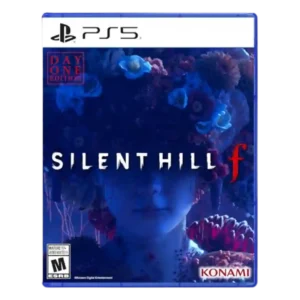
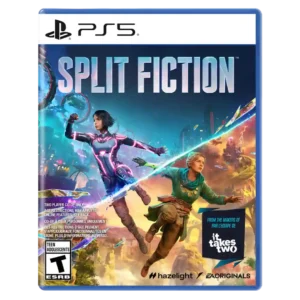
Compare Silent Hill f vs Split Fiction

P1 Silent Hill f
P2 Split Fiction

Comparison Takeaways

Silent Hill f

Where It Has the Edge

  • voice acting is 4.4 vs 2.6. Voice acting was generally praised across English and Japanese performances, with reviewers noting strong emotional delivery and atmosphere...
  • narrative quality is 4.5 vs 3.2. Narrative quality was one of the strongest points, praised for Japanese folklore, dark themes, psychological ambiguity, and emotional...
  • protagonist appeal is 4.6 vs 3.3. Hinako was repeatedly praised as a strong lead, with reviewers calling her captivating, memorable, and central to the...
  • exploration quality is 4.1 vs 2.9. Exploration was usually rewarding through notes, side paths, lore, and environmental discovery, though some combat and inventory friction...

Split Fiction

Where It Has the Edge

  • family friendliness is 4.6 vs 1.0. Family friendliness is positive for capable co-op pairs and families, though the challenge and darker tone may not...
  • age appropriateness is 4.0 vs 1.7. Age appropriateness is supported by T-rated content with some language, blood, darker themes, and relationship-testing difficulty.
  • core gameplay loop is 4.7 vs 2.8. The core loop is built around constant cooperative reinvention, with reviewers praising the way new tools and surprises...
  • movement feel is 4.7 vs 3.0. Movement earns strong praise for improved jumping, momentum, and timing, helping platforming and set pieces feel approachable.
Average score
Product 1: Silent Hill f
3.7
Product 2: Split Fiction
4.1
accessibility options
Product 1: Silent Hill f
2.5

Accessibility coverage was limited, with basic subtitle, color-blind filter, and controller layout options but no fully custom control remapping.

Product 2: Split Fiction
4.1

Accessibility receives positive notice for enemy-damage toggles, checkpoint skipping, camera help, and QuickTime-event options, though one review found a QTE option bug.

age appropriateness
Product 1: Silent Hill f
1.7

Age appropriateness is clearly adult-oriented, with reviewers emphasizing the 18 rating, graphic content, and serious content warnings.

Product 2: Split Fiction
4.0

Age appropriateness is supported by T-rated content with some language, blood, darker themes, and relationship-testing difficulty.

AI behavior
Product 1: Silent Hill f
2.5

Enemy AI was criticized for short sightlines and exploitable behavior, making avoidance easier than intended in several stretches.

Product 2: Split Fiction
No score yet
animation quality
Product 1: Silent Hill f
4.2

Animation quality was praised for cinematic presentation, character rendering, real-time weapon breakage, and responsive combat animation.

Product 2: Split Fiction
4.5

Animation quality is supported mainly by technical praise that characters look good and animate effectively.

art direction
Product 1: Silent Hill f
4.7

Art direction was one of the most consistent strengths, praised for striking scenery, grotesque creature design, floral imagery, and beauty-in-terror style.

Product 2: Split Fiction
4.7

Art direction is a standout, with repeated praise for gorgeous, varied, imaginative environments across sci-fi and fantasy spaces.

atmosphere
Product 1: Silent Hill f
4.2

Atmosphere was a major strength for most reviewers, built from fog, sound, horror imagery, and setting, though a few found it inconsistent.

Product 2: Split Fiction
4.6

Atmosphere is colorful, kinetic, and entertaining, helped by broad genre shifts and energetic presentation.

boss design
Product 1: Silent Hill f
4.2

Boss design was generally better received than regular combat, with reviewers praising spectacle, strategic depth, monster design, and emotional narrative roles.

Product 2: Split Fiction
4.5

Bosses are generally imaginative, cooperative, and memorable, though some fights can include cheap deaths or frustration.

bug frequency
Product 1: Silent Hill f
No score yet
Product 2: Split Fiction
3.0

Bug frequency is generally low but not absent, with reviews citing clipping, small snags, and one serious QuickTime-event bug.

camera behavior
Product 1: Silent Hill f
2.4

Camera behavior drew repeated criticism in narrow spaces and corners, though one technical review praised deliberate cinematic camera use.

Product 2: Split Fiction
4.0

Camera behavior is mostly positive, with one reviewer praising perfect tracking and another noting some perspective shifts made play harder.

character development
Product 1: Silent Hill f
4.5

Character development was praised where reviewers felt the cast had depth and Hinako’s relationships carried the story.

Product 2: Split Fiction
4.5

Character development is mixed-positive, with some reviewers praising Mio and Zoe’s arc while others found it slow, predictable, or limited.

checkpoint system
Product 1: Silent Hill f
4.0

Checkpoint and save-point design is anchored by shrines, which double as save points and progression hubs.

Product 2: Split Fiction
4.7

Checkpoints and respawns are a clear strength, frequently described as generous, instant, and frustration-reducing.

co-op experience
Product 1: Silent Hill f
No score yet
Product 2: Split Fiction
4.7

Co-op experience is the strongest attribute, with broad agreement that communication, teamwork, and shared surprise are the heart of the game.

combat system
Product 1: Silent Hill f
3.0

Combat was the most divisive element: some reviewers liked the melee tension and deliberate systems, while many found it clunky, repetitive, or overdesigned.

Product 2: Split Fiction
4.3

Combat is varied and generally enjoyable, using swords, guns, shooter sections, and action-platforming rather than one fixed battle style.

content variety
Product 1: Silent Hill f
4.0

Content variety grows through repeat play, where additional story details and altered playthroughs give the game more to uncover after credits.

Product 2: Split Fiction
4.8

Content variety is one of the strongest consensus points, with constant shifts across genres, perspectives, mechanics, side stories, and set pieces.

controls responsiveness
Product 1: Silent Hill f
2.8

Controls and responsiveness drew criticism around lock-on behavior, layout limits, dodge feel, and purposely clunky inputs, though some reviewers accepted that friction as intentional.

Product 2: Split Fiction
4.4

Controls are generally responsive and intuitive, with only platform-specific or sequence-specific issues appearing in a few reviews.

core gameplay loop
Product 1: Silent Hill f
2.8

The core loop was described as a mix of story, puzzles, combat, and resource pressure, with reactions ranging from frustrating to thematically effective.

Product 2: Split Fiction
4.7

The core loop is built around constant cooperative reinvention, with reviewers praising the way new tools and surprises arrive before old ideas grow stale.

couch co-op quality
Product 1: Silent Hill f
No score yet
Product 2: Split Fiction
4.4

Couch co-op quality is repeatedly praised, with local play, shared screens, and relationship-testing cooperation seen as core strengths.

crash stability
Product 1: Silent Hill f
1.5

Crash stability was a serious issue for one reviewer, who reported repeated crashes during an extended completion-focused playthrough.

Product 2: Split Fiction
No score yet
cross-play support
Product 1: Silent Hill f
No score yet
Product 2: Split Fiction
5.0

Cross-play support is repeatedly praised as generous and player-friendly, especially when paired with Friend Pass.

dialogue quality
Product 1: Silent Hill f
3.3

Dialogue reactions were mixed: one review praised haunting boss dialogue, while another found early teenage exchanges unconvincing and cringey.

Product 2: Split Fiction
3.2

Dialogue is mixed: one review found it thoughtful and believable, while several others found it cheesy, cliched, or grating.

difficulty balance
Product 1: Silent Hill f
3.2

Difficulty balance was uneven, with separate combat and puzzle settings offering flexibility but some reviewers finding action too easy, too fixed, or hard to interpret.

Product 2: Split Fiction
4.1

Difficulty is more demanding than It Takes Two, but generous checkpoints, respawns, and assists make it forgiving for many pairs.

economy and resource balance
Product 1: Silent Hill f
2.9

Resource balance was divisive because weapons break, inventory is limited, and fights can cost more than they reward, although a few reviewers liked the tension.

Product 2: Split Fiction
No score yet
emotional impact
Product 1: Silent Hill f
4.6

Emotional impact was high for many reviewers, with several describing the story as upsetting, personally resonant, or hard to stop thinking about.

Product 2: Split Fiction
4.4

Emotional impact lands for many reviewers through friendship, trauma, creativity, and player connection, even when story execution is imperfect.

enemy variety
Product 1: Silent Hill f
3.5

Enemy variety split reviewers: several praised strong creature designs, while others thought repeated archetypes and late-game encounters dulled the scares.

Product 2: Split Fiction
No score yet
environmental detail
Product 1: Silent Hill f
4.6

Environmental detail was praised for cultural touches, small-town Japanese setting, rich detail, and carefully crafted spaces.

Product 2: Split Fiction
4.7

Environmental detail is praised through vast, varied levels and backdrops that make short-lived worlds feel substantial.

exploration quality
Product 1: Silent Hill f
4.1

Exploration was usually rewarding through notes, side paths, lore, and environmental discovery, though some combat and inventory friction could make it harder to enjoy.

Product 2: Split Fiction
2.9

Exploration is limited and sometimes hurt by invisible walls, despite occasional optional side stories and environmental curiosities.

facial animations
Product 1: Silent Hill f
4.4

Facial animation and character expression were praised through Hinako’s visible fear and pain and clearly represented emotions.

Product 2: Split Fiction
4.6

Facial animation evidence is limited but positive, especially around character models and lip syncing.

faithfulness to franchise
Product 1: Silent Hill f
3.6

Faithfulness to the franchise was sharply split: many saw a true or bold Silent Hill return, while others felt it was disconnected from the town and lore.

Product 2: Split Fiction
No score yet
family friendliness
Product 1: Silent Hill f
1.0

Family friendliness is very low because the game’s graphic violence and disturbing themes require a strong stomach.

Product 2: Split Fiction
4.6

Family friendliness is positive for capable co-op pairs and families, though the challenge and darker tone may not suit complete beginners.

flying mechanics
Product 1: Silent Hill f
No score yet
Product 2: Split Fiction
2.8

Flying is exciting in some sections, but at least one reviewer found dragon flight floaty and less precise than other mechanics.

frame rate stability
Product 1: Silent Hill f
3.4

Frame-rate stability varied by platform and reviewer, ranging from excellent or mostly solid to intermittent stutter, dips, freezes, or capped cutscenes.

Product 2: Split Fiction
4.5

Frame rate stability is excellent on most consoles, while Switch 2 reviews note lower targets and occasional stutter.

fun factor
Product 1: Silent Hill f
4.4

Fun factor depended heavily on tolerance for combat, but several reviewers still called the game compelling, exciting, or among the best horror experiences.

Product 2: Split Fiction
4.5

Fun factor is very high across positive and mixed reviews, with many emphasizing laughs, surprise, and pure game feel.

gameplay mechanics
Product 1: Silent Hill f
3.9

Reviewers treated the sanity, stamina, focus, and combat twists as meaningful systems, but some felt they became nuisances or depended heavily on difficulty and context.

Product 2: Split Fiction
4.4

Reviewers consistently describe a fast-changing suite of mechanics that keeps play inventive, though a few felt individual mechanics could be forgettable or uneven.

graphics quality
Product 1: Silent Hill f
4.4

Graphics were usually praised as stunning or visually striking, though one review found the character models and overall look bland.

Product 2: Split Fiction
4.7

Graphics quality is strong on main platforms and still attractive on Switch 2 despite compromise, with reviewers calling presentation gorgeous or stunning.

handheld play suitability
Product 1: Silent Hill f
No score yet
Product 2: Split Fiction
4.2

Handheld suitability is a Switch 2 advantage, with portable play and tabletop mode valued despite visual and performance tradeoffs.

horror tension
Product 1: Silent Hill f
4.7

Horror tension was praised for discomfort, palpable fear, strong scares, and fights that often feel like a struggle for survival.

Product 2: Split Fiction
No score yet
HUD clarity
Product 1: Silent Hill f
2.0

HUD clarity was criticized where the pop-up inventory conveyed too little information during high-pressure moments.

Product 2: Split Fiction
No score yet
immersion
Product 1: Silent Hill f
No score yet
Product 2: Split Fiction
4.4

Immersion is supported by high-stakes set pieces and worlds that remain thrilling even when mechanics are simple.

innovation
Product 1: Silent Hill f
4.8

Innovation was praised for taking risks with setting, structure, combat framing, and the future direction of the series.

Product 2: Split Fiction
4.7

Innovation is a major strength, especially in cooperative design, set pieces, finales, and constant genre-switching ideas.

learning curve
Product 1: Silent Hill f
3.8

The learning curve asks players to adjust to clunky combat, weapon durability, and when to fight or run rather than treating every encounter the same way.

Product 2: Split Fiction
4.1

The learning curve is approachable but steeper for casual players who must handle cameras, timing, and fast genre shifts.

level design
Product 1: Silent Hill f
4.5

The shrine levels were praised for being built as elaborate puzzle-box spaces, making level design strongest when exploration and puzzles replace routine combat.

Product 2: Split Fiction
4.6

Level design is widely praised for audacious set pieces, memorable scenes, and strong environmental variety.

load times
Product 1: Silent Hill f
No score yet
Product 2: Split Fiction
2.9

Load-time evidence is limited to Switch 2 texture pop-in when loading into new areas, so this is a modest technical caveat rather than a core strength.

lore depth
Product 1: Silent Hill f
4.6

Lore depth was a strength, especially through New Game Plus, journals, notes, town history, religious details, and environmental storytelling.

Product 2: Split Fiction
No score yet
map and navigation design
Product 1: Silent Hill f
3.6

Map and navigation design was mixed, with praise for map structure but criticism of repetition, backtracking, and unclear organization in some areas.

Product 2: Split Fiction
No score yet
matchmaking quality
Product 1: Silent Hill f
No score yet
Product 2: Split Fiction
2.5

Matchmaking is a limitation: reviews note no random matchmaking and crossplay setup friction despite Friend Pass convenience.

menu usability
Product 1: Silent Hill f
2.3

Menu usability was mixed, ranging from praise for inventory management to complaints about journal organization, limited inventory, and item-use restrictions.

Product 2: Split Fiction
2.8

Menu usability evidence is limited to crossplay setup friction through outside apps and websites.

mission design
Product 1: Silent Hill f
No score yet
Product 2: Split Fiction
4.4

Mission and chapter design are structured around changing subgenres, world rhythms, and side-story detours that keep objectives fresh.

mission variety
Product 1: Silent Hill f
No score yet
Product 2: Split Fiction
4.6

Side stories and mission variety are repeatedly praised as surprising, funny, creative, and often among the best parts of the game.

movement feel
Product 1: Silent Hill f
3.0

Movement was described as sluggish and gradual, with navigation and combat requiring deliberate commitment rather than quick action-game responsiveness.

Product 2: Split Fiction
4.7

Movement earns strong praise for improved jumping, momentum, and timing, helping platforming and set pieces feel approachable.

multiplayer design
Product 1: Silent Hill f
No score yet
Product 2: Split Fiction
4.7

Multiplayer design is central to the game and praised for being purpose-built around two players and standout co-op structure.

narrative quality
Product 1: Silent Hill f
4.5

Narrative quality was one of the strongest points, praised for Japanese folklore, dark themes, psychological ambiguity, and emotional ambition despite occasional confusion.

Product 2: Split Fiction
3.2

Narrative quality is split: reviewers like the premise, AI/creativity theme, and some human beats, but many criticize predictable or thin story execution.

online stability
Product 1: Silent Hill f
No score yet
Product 2: Split Fiction
4.7

Online stability is praised across several reviews, with smooth connectivity, low latency, and online play performing like local play.

open-world design
Product 1: Silent Hill f
No score yet
Product 2: Split Fiction
2.8

The game is mostly linear; reviewers note that this focus supports pacing but limits open-world freedom.

originality
Product 1: Silent Hill f
4.8

Originality was praised through the game’s willingness to act like a proper artwork and take an unusual, culturally specific direction.

Product 2: Split Fiction
4.1

Originality is debated: some call it deeply original and inventive, while others argue it remixes familiar ideas with exceptional execution.

pacing
Product 1: Silent Hill f
3.1

Pacing split reviewers: early exploration and story momentum worked well, but several noted a combat-heavy final stretch or abrupt first-playthrough ending.

Product 2: Split Fiction
4.4

Pacing is usually energetic and brisk, but some reviewers felt certain scenarios or structure beats drag or climax unevenly.

performance optimization
Product 1: Silent Hill f
4.4

Performance optimization was mostly positive on PC and some console runs, though the PS5 Pro analysis highlighted notable mode and traversal issues.

Product 2: Split Fiction
4.5

Performance optimization is strong on PS5/Xbox/PC evidence and more compromised on Switch 2, but most reviewers still found it functional or polished.

platform-specific feature support
Product 1: Silent Hill f
No score yet
Product 2: Split Fiction
4.3

Platform-specific features are useful, especially Switch 2 Game Share and Friend Pass, though unsupported single Joy-Con play hurts local convenience.

platforming precision
Product 1: Silent Hill f
No score yet
Product 2: Split Fiction
4.8

Platforming is repeatedly described as precise, accessible, and immediately satisfying, especially with air dashes, wall runs, and forgiving assists.

polish
Product 1: Silent Hill f
4.0

Polish was mixed: quality-of-life features and presentation details were praised, but technical distractions and interface quirks kept it from feeling flawless.

Product 2: Split Fiction
4.6

Polish is broadly strong, especially on main platforms, while some reviews mention uneven stretches or Switch 2 compromises.

progression system
Product 1: Silent Hill f
4.0

Progression centers on upgrading health, stamina, sanity, and related systems, giving repeated playthroughs and shrine offerings a tangible payoff.

Product 2: Split Fiction
2.9

Progression relies on chapter abilities and side-story discovery rather than collectables, levels, or long-term customization.

protagonist appeal
Product 1: Silent Hill f
4.6

Hinako was repeatedly praised as a strong lead, with reviewers calling her captivating, memorable, and central to the game’s emotional pull.

Product 2: Split Fiction
3.3

Protagonist appeal varies sharply; some reviewers bonded with Mio and Zoe, while others found them flat or slow to like.

puzzle design
Product 1: Silent Hill f
4.0

Puzzle design was broadly praised for challenge, storytelling, and variety, though some reviewers found certain riddles confusing, culturally opaque, or inconsistent.

Product 2: Split Fiction
4.5

Puzzle design is a major strength, with reviewers highlighting cooperative problem solving, smart escalation, and partner-dependent solutions.

replay value
Product 1: Silent Hill f
4.2

Replay value was a major strength for many reviewers because multiple endings, New Game Plus changes, new content, and lore make repeat runs meaningful.

Product 2: Split Fiction
4.0

Replay value comes mainly from swapping characters, trying different partners, and returning to missed side stories rather than long-term progression.

save system reliability
Product 1: Silent Hill f
No score yet
Product 2: Split Fiction
4.6

Save and progression reliability is supported by same-save switching and non-host progression carryover.

server reliability
Product 1: Silent Hill f
No score yet
Product 2: Split Fiction
4.5

Server reliability evidence is limited but positive, with no noticeable connectivity issues reported in Switch 2 online play.

side character depth
Product 1: Silent Hill f
3.4

Side character depth split reviewers: one called Hinako’s friends underused, while another found the small cast multilayered and tied to the themes.

Product 2: Split Fiction
2.2

Side character depth is mostly weak because reviewers repeatedly describe the villain as one-dimensional or underdeveloped.

sound design
Product 1: Silent Hill f
4.6

Sound design was praised for enemy sounds, ambient terror, abnormal audio cues, and atmosphere-building effects.

Product 2: Split Fiction
No score yet
soundtrack quality
Product 1: Silent Hill f
4.1

Soundtrack quality was usually strong, especially Akira Yamaoka’s contributions, though one review found the music forgettable and another less recognizable.

Product 2: Split Fiction
3.5

Soundtrack quality is mixed: some praise sci-fi and fantasy musical identity, while others found the score ambient and forgettable.

split-screen quality
Product 1: Silent Hill f
No score yet
Product 2: Split Fiction
4.3

Split-screen quality is mostly strong, including online split-screen visibility, but portable Switch 2 play can make small details harder to read.

stealth mechanics
Product 1: Silent Hill f
4.5

Stealth and avoidance were treated as viable and even encouraged, especially when fighting every monster would cost weapons, health, or patience.

Product 2: Split Fiction
3.5

Stealth appears as one of the sci-fi gameplay styles, but evidence is limited to its inclusion rather than deep stealth-system praise.

tutorial quality
Product 1: Silent Hill f
No score yet
Product 2: Split Fiction
4.5

Onboarding is praised where reviewers describe the game teaching mechanics and escalating them clearly before new twists arrive.

upgrade system
Product 1: Silent Hill f
4.0

The upgrade system earned praise for trade-offs between keeping consumables and spending resources on omamori or survivability improvements.

Product 2: Split Fiction
No score yet
user interface design
Product 1: Silent Hill f
3.0

User interface design split reviewers, with one praising the journal and UI care while another called the UI and puzzles frustrating.

Product 2: Split Fiction
2.7

Interface evidence is limited and negative around crossplay setup explanation rather than the main HUD or menus.

value for money
Product 1: Silent Hill f
3.8

Value for money was mixed, with some reviewers recommending it or calling it a buy while others advised waiting for a sale.

Product 2: Split Fiction
4.3

Value is strong when viewed through Friend Pass and one-copy play, though some aggregate evidence notes it is shorter and more expensive than its predecessor.

visual effects quality
Product 1: Silent Hill f
4.4

Visual effects stood out through fog, lighting, corruption, and bizarre imagery, although some technical presentation issues remained.

Product 2: Split Fiction
4.7

Visual effects and technical spectacle are praised for high-impact finales, resolution, and sequences that keep up with rapid shifts.

voice acting
Product 1: Silent Hill f
4.4

Voice acting was generally praised across English and Japanese performances, with reviewers noting strong emotional delivery and atmosphere support.

Product 2: Split Fiction
2.6

Voice acting gets limited and mixed evidence, with some reviewers calling performances weak or unable to elevate the writing.

weapon balance
Product 1: Silent Hill f
2.2

Weapon balance was criticized where fast degradation made combat and exploration more annoying than tense.

Product 2: Split Fiction
No score yet
world-building
Product 1: Silent Hill f
4.8

World-building was praised for its strong sense of place and its detailed treatment of Ebisugaoka’s history, culture, and mythology.

Product 2: Split Fiction
4.7

World-building is praised for using Mio and Zoe’s imagined worlds to reveal personal histories and support the AI/creativity theme.

world interactivity
Product 1: Silent Hill f
No score yet
Product 2: Split Fiction
4.0

World interactivity appears in co-op props, environmental manipulation, and small interactables, though it is not a deep sandbox.

writing quality
Product 1: Silent Hill f
4.2

Writing quality was widely praised as bold, literary, and thematically rich, though one negative review felt the story lacked the town-centered power of classic Silent Hill.

Product 2: Split Fiction
3.1

Writing quality is the biggest divide, ranging from strong emotional praise to repeated criticism of cliches, quips, and amateurish dialogue.