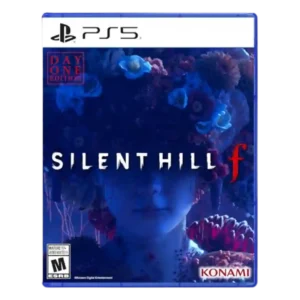
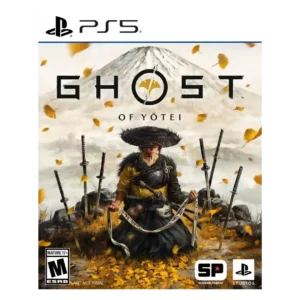
Compare Silent Hill f vs Ghost of Yōtei

P1 Silent Hill f
P2 Ghost of Yōtei

Comparison Takeaways

Silent Hill f

Where It Has the Edge

  • puzzle design is 4.0 vs 2.0. Puzzle design was broadly praised for challenge, storytelling, and variety, though some reviewers found certain riddles confusing, culturally...
  • innovation is 4.8 vs 3.9. Innovation was praised for taking risks with setting, structure, combat framing, and the future direction of the series.
  • originality is 4.8 vs 3.9. Originality was praised through the game’s willingness to act like a proper artwork and take an unusual, culturally...
  • dialogue quality is 3.3 vs 2.8. Dialogue reactions were mixed: one review praised haunting boss dialogue, while another found early teenage exchanges unconvincing and...

Ghost of Yōtei

Where It Has the Edge

  • HUD clarity is 4.7 vs 2.0. HUD clarity is praised for minimalism and reduced markers, helping players focus on the world.
  • weapon balance is 4.2 vs 2.2. Weapon balance is generally positive thanks to distinct tools and matchups, but some reviewers find non-counter weapons too...
  • core gameplay loop is 4.7 vs 2.8. The hit-list structure and steady flow of objectives make the moment-to-moment loop highly satisfying and hard to put...
  • movement feel is 4.8 vs 3.0. Movement is called fluid, especially as attacks, abilities, and parries flow together in combat.
Average score
Product 1: Silent Hill f
3.7
Product 2: Ghost of Yōtei
4.2
accessibility options
Product 1: Silent Hill f
2.5

Accessibility coverage was limited, with basic subtitle, color-blind filter, and controller layout options but no fully custom control remapping.

Product 2: Ghost of Yōtei
3.0

Accessibility is present but limited, with one review specifically noting lighter options and missing colorblind settings.

age appropriateness
Product 1: Silent Hill f
1.7

Age appropriateness is clearly adult-oriented, with reviewers emphasizing the 18 rating, graphic content, and serious content warnings.

Product 2: Ghost of Yōtei
1.8

Age appropriateness is low for children because the game carries mature ratings and violent content.

AI behavior
Product 1: Silent Hill f
2.5

Enemy AI was criticized for short sightlines and exploitable behavior, making avoidance easier than intended in several stretches.

Product 2: Ghost of Yōtei
4.1

Enemy behavior is aggressive and readable, with attacks and feints pushing players to commit to defensive timing.

animation quality
Product 1: Silent Hill f
4.2

Animation quality was praised for cinematic presentation, character rendering, real-time weapon breakage, and responsive combat animation.

Product 2: Ghost of Yōtei
4.2

Animation quality is strong in combat and movement, though some NPC animation is called less polished.

art direction
Product 1: Silent Hill f
4.7

Art direction was one of the most consistent strengths, praised for striking scenery, grotesque creature design, floral imagery, and beauty-in-terror style.

Product 2: Ghost of Yōtei
4.9

Art direction is one of the clearest strengths, with reviewers praising painterly landscapes, lighting, and environmental flourishes.

atmosphere
Product 1: Silent Hill f
4.2

Atmosphere was a major strength for most reviewers, built from fog, sound, horror imagery, and setting, though a few found it inconsistent.

Product 2: Ghost of Yōtei
4.8

Atmosphere is a major highlight, built through grief, weather, landscapes, music, and a contemplative tone.

boss design
Product 1: Silent Hill f
4.2

Boss design was generally better received than regular combat, with reviewers praising spectacle, strategic depth, monster design, and emotional narrative roles.

Product 2: Ghost of Yōtei
4.3

Boss and duel design is usually praised for memorable fights, though one reviewer thinks some bosses feel more cinematic than mechanical.

bug frequency
Product 1: Silent Hill f
No score yet
Product 2: Ghost of Yōtei
4.1

Bug frequency is low overall, though a few reviews mention minor technical issues or isolated bugs.

camera behavior
Product 1: Silent Hill f
2.4

Camera behavior drew repeated criticism in narrow spaces and corners, though one technical review praised deliberate cinematic camera use.

Product 2: Ghost of Yōtei
3.5

Camera behavior is mixed: reviewers praise improvements but still report visibility, targeting, and off-screen management issues.

character development
Product 1: Silent Hill f
4.5

Character development was praised where reviewers felt the cast had depth and Hinako’s relationships carried the story.

Product 2: Ghost of Yōtei
4.8

Atsu’s character development is a standout, with reviewers emphasizing growth, vulnerability, and a stronger character arc.

character roster
Product 1: Silent Hill f
No score yet
Product 2: Ghost of Yōtei
4.5

The character roster is generally strong, especially Atsu, the Yōtei Six, and key companions, though some supporting roles are thinner.

checkpoint system
Product 1: Silent Hill f
4.0

Checkpoint and save-point design is anchored by shrines, which double as save points and progression hubs.

Product 2: Ghost of Yōtei
4.0

The checkpoint system is forgiving, with instant respawns and mid-fight checkpoints reducing frustration.

combat system
Product 1: Silent Hill f
3.0

Combat was the most divisive element: some reviewers liked the melee tension and deliberate systems, while many found it clunky, repetitive, or overdesigned.

Product 2: Ghost of Yōtei
4.7

Combat is the strongest consensus point: reviewers repeatedly praise its fluid parries, weapon swapping, duels, and violent momentum, with only a few reservations about repetition or rigidity.

companion AI
Product 1: Silent Hill f
No score yet
Product 2: Ghost of Yōtei
4.0

The wolf companion is useful and thematically strong, but reviewers differ on how frequent or impactful it feels.

content variety
Product 1: Silent Hill f
4.0

Content variety grows through repeat play, where additional story details and altered playthroughs give the game more to uncover after credits.

Product 2: Ghost of Yōtei
4.6

Content variety is broadly praised, with tools, activities, bounties, and side content filling the world, though repetition appears in some reviews.

controls responsiveness
Product 1: Silent Hill f
2.8

Controls and responsiveness drew criticism around lock-on behavior, layout limits, dodge feel, and purposely clunky inputs, though some reviewers accepted that friction as intentional.

Product 2: Ghost of Yōtei
3.9

Controls are mostly praised for easy weapon selection and fluid handling, though some reviewers flag auto-targeting, control complexity, or lock-on/camera friction.

core gameplay loop
Product 1: Silent Hill f
2.8

The core loop was described as a mix of story, puzzles, combat, and resource pressure, with reactions ranging from frustrating to thematically effective.

Product 2: Ghost of Yōtei
4.7

The hit-list structure and steady flow of objectives make the moment-to-moment loop highly satisfying and hard to put down.

crafting system
Product 1: Silent Hill f
No score yet
Product 2: Ghost of Yōtei
4.1

Crafting is light but useful, with camp crafting and simplified material categories helping upgrades feel less rigid.

crash stability
Product 1: Silent Hill f
1.5

Crash stability was a serious issue for one reviewer, who reported repeated crashes during an extended completion-focused playthrough.

Product 2: Ghost of Yōtei
3.2

Crash stability is mostly good but not perfect, with one reviewer reporting two late-game crashes.

dialogue quality
Product 1: Silent Hill f
3.3

Dialogue reactions were mixed: one review praised haunting boss dialogue, while another found early teenage exchanges unconvincing and cringey.

Product 2: Ghost of Yōtei
2.8

Dialogue quality is mixed, with stilted line delivery, dated conversations, and low-consequence dialogue options appearing as recurring caveats.

difficulty balance
Product 1: Silent Hill f
3.2

Difficulty balance was uneven, with separate combat and puzzle settings offering flexibility but some reviewers finding action too easy, too fixed, or hard to interpret.

Product 2: Ghost of Yōtei
4.2

Difficulty is flexible and mostly well balanced, with options for easier play and tougher Lethal-style challenges.

economy and resource balance
Product 1: Silent Hill f
2.9

Resource balance was divisive because weapons break, inventory is limited, and fights can cost more than they reward, although a few reviewers liked the tension.

Product 2: Ghost of Yōtei
4.2

Resource balance is improved by broader material categories that reduce strict upgrade paths.

emotional impact
Product 1: Silent Hill f
4.6

Emotional impact was high for many reviewers, with several describing the story as upsetting, personally resonant, or hard to stop thinking about.

Product 2: Ghost of Yōtei
4.6

The emotional impact is strong, with reviewers citing grief, tears, vulnerability, and richly woven feelings.

endgame content
Product 1: Silent Hill f
No score yet
Product 2: Ghost of Yōtei
4.3

Endgame content includes unfinished business, side activities, challenges, and roaming opportunities after the main story.

enemy variety
Product 1: Silent Hill f
3.5

Enemy variety split reviewers: several praised strong creature designs, while others thought repeated archetypes and late-game encounters dulled the scares.

Product 2: Ghost of Yōtei
4.2

Enemy variety is improved over Tsushima, with more enemy types and weapon matchups shaping combat decisions.

environmental detail
Product 1: Silent Hill f
4.6

Environmental detail was praised for cultural touches, small-town Japanese setting, rich detail, and carefully crafted spaces.

Product 2: Ghost of Yōtei
4.8

Environmental detail is exceptional, with reviewers praising item detail, world texture, lighting, and dense visual craft.

exploration quality
Product 1: Silent Hill f
4.1

Exploration was usually rewarding through notes, side paths, lore, and environmental discovery, though some combat and inventory friction could make it harder to enjoy.

Product 2: Ghost of Yōtei
4.5

Exploration is a major strength across the reviews, driven by wind navigation, visual cues, organic discovery, and a beautiful world, despite one strong criticism of hand-holding.

facial animations
Product 1: Silent Hill f
4.4

Facial animation and character expression were praised through Hinako’s visible fear and pain and clearly represented emotions.

Product 2: Ghost of Yōtei
4.6

Facial animations are praised for conveying Atsu’s emotion, especially in stronger cutscenes.

faithfulness to franchise
Product 1: Silent Hill f
3.6

Faithfulness to the franchise was sharply split: many saw a true or bold Silent Hill return, while others felt it was disconnected from the town and lore.

Product 2: Ghost of Yōtei
4.2

Faithfulness to the Ghost formula is high, preserving Tsushima’s strengths while changing protagonist, weapons, and structure.

family friendliness
Product 1: Silent Hill f
1.0

Family friendliness is very low because the game’s graphic violence and disturbing themes require a strong stomach.

Product 2: Ghost of Yōtei
1.7

Family friendliness is low, with reviews explicitly warning against younger players because of bloody violence and frightening themes.

fast travel convenience
Product 1: Silent Hill f
No score yet
Product 2: Ghost of Yōtei
4.9

Fast travel is extremely convenient, with instant movement and new fast travel points helping the large world stay manageable.

frame rate stability
Product 1: Silent Hill f
3.4

Frame-rate stability varied by platform and reviewer, ranging from excellent or mostly solid to intermittent stutter, dips, freezes, or capped cutscenes.

Product 2: Ghost of Yōtei
4.8

Frame rate stability is very strong, especially on PS5 Pro, with multiple reviewers reporting stable 60 FPS or no frame drops.

fun factor
Product 1: Silent Hill f
4.4

Fun factor depended heavily on tolerance for combat, but several reviewers still called the game compelling, exciting, or among the best horror experiences.

Product 2: Ghost of Yōtei
4.6

Fun factor is high, with reviewers calling the game enjoyable, satisfying, and simply fun despite familiar structure.

gameplay mechanics
Product 1: Silent Hill f
3.9

Reviewers treated the sanity, stamina, focus, and combat twists as meaningful systems, but some felt they became nuisances or depended heavily on difficulty and context.

Product 2: Ghost of Yōtei
4.4

Reviewers describe the core mechanics as familiar but smoother and more cinematic, with weapon switching and disarming making play feel improved over Tsushima.

graphics quality
Product 1: Silent Hill f
4.4

Graphics were usually praised as stunning or visually striking, though one review found the character models and overall look bland.

Product 2: Ghost of Yōtei
4.9

Graphics are broadly acclaimed, with repeated praise for striking visuals, beautiful landscapes, and technical presentation.

grind level
Product 1: Silent Hill f
No score yet
Product 2: Ghost of Yōtei
3.2

Grind level is mixed: content is plentiful and rewarding, but repeated activities can create fatigue.

haptic feedback integration
Product 1: Silent Hill f
No score yet
Product 2: Ghost of Yōtei
4.7

Haptic feedback and DualSense integration are praised for wind, horse movement, steel impacts, and tactile feature use.

horror tension
Product 1: Silent Hill f
4.7

Horror tension was praised for discomfort, palpable fear, strong scares, and fights that often feel like a struggle for survival.

Product 2: Ghost of Yōtei
No score yet
HUD clarity
Product 1: Silent Hill f
2.0

HUD clarity was criticized where the pop-up inventory conveyed too little information during high-pressure moments.

Product 2: Ghost of Yōtei
4.7

HUD clarity is praised for minimalism and reduced markers, helping players focus on the world.

immersion
Product 1: Silent Hill f
No score yet
Product 2: Ghost of Yōtei
3.5

Immersion is a major strength through navigation, sound, and atmosphere, though one reviewer says some railroading can break it.

innovation
Product 1: Silent Hill f
4.8

Innovation was praised for taking risks with setting, structure, combat framing, and the future direction of the series.

Product 2: Ghost of Yōtei
3.9

Innovation is evolutionary rather than revolutionary, with refinements and expansions rather than a full overhaul.

learning curve
Product 1: Silent Hill f
3.8

The learning curve asks players to adjust to clunky combat, weapon durability, and when to fight or run rather than treating every encounter the same way.

Product 2: Ghost of Yōtei
4.3

The learning curve rewards attention to cues, readable animations, and practice, while still requiring adaptation to tougher systems.

level design
Product 1: Silent Hill f
4.5

The shrine levels were praised for being built as elaborate puzzle-box spaces, making level design strongest when exploration and puzzles replace routine combat.

Product 2: Ghost of Yōtei
4.6

Level and world layout are praised for varied regions, meaningful placement, and an impressive overall map structure.

load times
Product 1: Silent Hill f
No score yet
Product 2: Ghost of Yōtei
5.0

Load times are a major strength, with reviewers repeatedly noting near-instant travel, quick booting, and minimal loading screens.

loot system
Product 1: Silent Hill f
No score yet
Product 2: Ghost of Yōtei
4.4

Loot is framed as meaningful because quests and camps often reward useful information, gear, or clues.

lore depth
Product 1: Silent Hill f
4.6

Lore depth was a strength, especially through New Game Plus, journals, notes, town history, religious details, and environmental storytelling.

Product 2: Ghost of Yōtei
4.3

Lore depth appears through background notes, myths, and tales that add context to Atsu and Ezo.

map and navigation design
Product 1: Silent Hill f
3.6

Map and navigation design was mixed, with praise for map structure but criticism of repetition, backtracking, and unclear organization in some areas.

Product 2: Ghost of Yōtei
4.5

Map and navigation design are among the best-supported strengths, especially wind guidance, spyglass discovery, and a cleaner map.

menu usability
Product 1: Silent Hill f
2.3

Menu usability was mixed, ranging from praise for inventory management to complaints about journal organization, limited inventory, and item-use restrictions.

Product 2: Ghost of Yōtei
2.7

Menu usability has a specific legibility complaint around gray text on a light gray background.

mission design
Product 1: Silent Hill f
No score yet
Product 2: Ghost of Yōtei
4.6

Mission design is generally positive, with campaign missions, bounties, and side stories often rewarding Atsu with growth or useful discoveries.

mission variety
Product 1: Silent Hill f
No score yet
Product 2: Ghost of Yōtei
4.1

Mission variety is strong overall, with reviewers highlighting varied missions, bounties, side activities, and short stories.

movement feel
Product 1: Silent Hill f
3.0

Movement was described as sluggish and gradual, with navigation and combat requiring deliberate commitment rather than quick action-game responsiveness.

Product 2: Ghost of Yōtei
4.8

Movement is called fluid, especially as attacks, abilities, and parries flow together in combat.

narrative quality
Product 1: Silent Hill f
4.5

Narrative quality was one of the strongest points, praised for Japanese folklore, dark themes, psychological ambiguity, and emotional ambition despite occasional confusion.

Product 2: Ghost of Yōtei
4.5

The revenge narrative is widely described as compelling and emotionally delivered, though many reviewers call its broad beats predictable.

onboarding experience
Product 1: Silent Hill f
No score yet
Product 2: Ghost of Yōtei
4.2

Onboarding leans on learning by doing rather than heavy prompts, matching the game’s restrained guidance style.

open-world design
Product 1: Silent Hill f
No score yet
Product 2: Ghost of Yōtei
4.6

Ezo’s open world is widely praised as natural, varied, scenic, and more flexible than Tsushima, even when some reviewers note familiar open-world structure.

originality
Product 1: Silent Hill f
4.8

Originality was praised through the game’s willingness to act like a proper artwork and take an unusual, culturally specific direction.

Product 2: Ghost of Yōtei
3.9

Originality is moderate: Atsu and the setting refresh the formula, but several reviewers call the revenge blockbuster familiar.

pacing
Product 1: Silent Hill f
3.1

Pacing split reviewers: early exploration and story momentum worked well, but several noted a combat-heavy final stretch or abrupt first-playthrough ending.

Product 2: Ghost of Yōtei
3.6

Pacing is one of the more mixed areas: some praise the game’s flow, while others cite predictability, runaround moments, or a disjointed act structure.

performance optimization
Product 1: Silent Hill f
4.4

Performance optimization was mostly positive on PC and some console runs, though the PS5 Pro analysis highlighted notable mode and traversal issues.

Product 2: Ghost of Yōtei
4.9

Performance optimization is excellent overall, with PS5 execution described as flawless or technically strong.

platform-specific feature support
Product 1: Silent Hill f
No score yet
Product 2: Ghost of Yōtei
4.8

Platform-specific support is strong, especially on PS5 Pro, with reviewers praising hardware use and PS5 features.

platforming precision
Product 1: Silent Hill f
No score yet
Product 2: Ghost of Yōtei
3.7

Platforming and climbing are mixed: some reviewers see improvement, while others find climbing awkward or overly standard.

polish
Product 1: Silent Hill f
4.0

Polish was mixed: quality-of-life features and presentation details were praised, but technical distractions and interface quirks kept it from feeling flawless.

Product 2: Ghost of Yōtei
4.5

Polish is high overall, with reviewers calling the game cinematic and polished while noting occasional distracting issues.

progression system
Product 1: Silent Hill f
4.0

Progression centers on upgrading health, stamina, sanity, and related systems, giving repeated playthroughs and shrine offerings a tangible payoff.

Product 2: Ghost of Yōtei
4.4

Progression is tied strongly to exploration, shrines, charms, weapons, and activities, but a few reviewers think it is straightforward.

protagonist appeal
Product 1: Silent Hill f
4.6

Hinako was repeatedly praised as a strong lead, with reviewers calling her captivating, memorable, and central to the game’s emotional pull.

Product 2: Ghost of Yōtei
4.6

Atsu is repeatedly praised as a compelling, grounded, fiery lead who gives the sequel a stronger identity.

puzzle design
Product 1: Silent Hill f
4.0

Puzzle design was broadly praised for challenge, storytelling, and variety, though some reviewers found certain riddles confusing, culturally opaque, or inconsistent.

Product 2: Ghost of Yōtei
2.0

Puzzle design receives a notably negative assessment where one reviewer finds the puzzles too simple and unrewarding.

quest design
Product 1: Silent Hill f
No score yet
Product 2: Ghost of Yōtei
4.1

Quest design is mixed-to-positive: many reviewers find side content meaningful and surprising, while Eurogamer criticizes sidequests as repetitive busywork.

replay value
Product 1: Silent Hill f
4.2

Replay value was a major strength for many reviewers because multiple endings, New Game Plus changes, new content, and lore make repeat runs meaningful.

Product 2: Ghost of Yōtei
4.2

Replay value is supported by the map, side activities, and completion goals, but lack of New Game Plus is a caveat.

sandbox freedom
Product 1: Silent Hill f
No score yet
Product 2: Ghost of Yōtei
4.2

Sandbox freedom is present through non-linear target pursuit and exploratory choice, though reviewers also note that the freedom has limits.

side character depth
Product 1: Silent Hill f
3.4

Side character depth split reviewers: one called Hinako’s friends underused, while another found the small cast multilayered and tied to the themes.

Product 2: Ghost of Yōtei
4.1

Side character depth is mixed: some reviewers love the supporting cast, while others find secondary figures shallow or underused.

skill tree depth
Product 1: Silent Hill f
No score yet
Product 2: Ghost of Yōtei
4.1

Skill trees add useful depth and weapon mastery goals, though one reviewer says they have not changed much from Tsushima.

sound design
Product 1: Silent Hill f
4.6

Sound design was praised for enemy sounds, ambient terror, abnormal audio cues, and atmosphere-building effects.

Product 2: Ghost of Yōtei
4.8

Sound design is a major asset, from wind and wildlife to steel clashes and environmental audio cues.

soundtrack quality
Product 1: Silent Hill f
4.1

Soundtrack quality was usually strong, especially Akira Yamaoka’s contributions, though one review found the music forgettable and another less recognizable.

Product 2: Ghost of Yōtei
4.7

The soundtrack is consistently praised for atmosphere, shamisen motifs, and strong emotional support.

stealth mechanics
Product 1: Silent Hill f
4.5

Stealth and avoidance were treated as viable and even encouraged, especially when fighting every monster would cost weapons, health, or patience.

Product 2: Ghost of Yōtei
4.1

Stealth remains satisfying and useful, especially with assassinations and tools, but several reviewers call it straightforward or familiar rather than deep.

tutorial quality
Product 1: Silent Hill f
No score yet
Product 2: Ghost of Yōtei
3.1

Tutorial and control gimmicks are mixed: some touchpad interactions teach thematically, but others feel unnecessary or distracting.

upgrade system
Product 1: Silent Hill f
4.0

The upgrade system earned praise for trade-offs between keeping consumables and spending resources on omamori or survivability improvements.

Product 2: Ghost of Yōtei
4.3

Upgrade systems are well-liked for loadouts, gear bonuses, cosmetics, and flexible enhancement paths.

user interface design
Product 1: Silent Hill f
3.0

User interface design split reviewers, with one praising the journal and UI care while another called the UI and puzzles frustrating.

Product 2: Ghost of Yōtei
3.7

The user interface is mostly unobtrusive, but one review flags a small reticule as a readability problem.

value for money
Product 1: Silent Hill f
3.8

Value for money was mixed, with some reviewers recommending it or calling it a buy while others advised waiting for a sale.

Product 2: Ghost of Yōtei
No score yet
visual effects quality
Product 1: Silent Hill f
4.4

Visual effects stood out through fog, lighting, corruption, and bizarre imagery, although some technical presentation issues remained.

Product 2: Ghost of Yōtei
4.7

Visual effects support the game’s identity through environmental flourishes, weather, particles, and cinematic presentation.

voice acting
Product 1: Silent Hill f
4.4

Voice acting was generally praised across English and Japanese performances, with reviewers noting strong emotional delivery and atmosphere support.

Product 2: Ghost of Yōtei
4.6

Voice acting receives strong praise, especially Erika Ishii’s performance as Atsu and the broader cast work.

weapon balance
Product 1: Silent Hill f
2.2

Weapon balance was criticized where fast degradation made combat and exploration more annoying than tense.

Product 2: Ghost of Yōtei
4.2

Weapon balance is generally positive thanks to distinct tools and matchups, but some reviewers find non-counter weapons too situational.

world-building
Product 1: Silent Hill f
4.8

World-building was praised for its strong sense of place and its detailed treatment of Ebisugaoka’s history, culture, and mythology.

Product 2: Ghost of Yōtei
4.3

World-building benefits from Ezo’s culture, Ainu details, and the sense that the region has its own history and conflicts.

world interactivity
Product 1: Silent Hill f
No score yet
Product 2: Ghost of Yōtei
4.4

World interactivity is supported by tactile map placement and environmental systems that make exploration feel more active.

writing quality
Product 1: Silent Hill f
4.2

Writing quality was widely praised as bold, literary, and thematically rich, though one negative review felt the story lacked the town-centered power of classic Silent Hill.

Product 2: Ghost of Yōtei
4.2

Writing quality is praised for a compelling cinematic tale, but some reviewers criticize bloat, predictable turns, or limited choice impact.