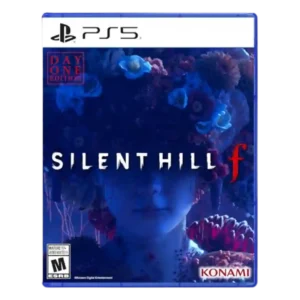
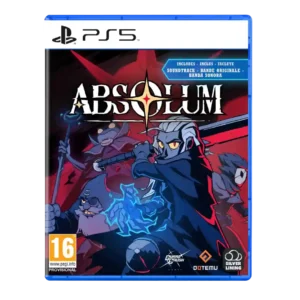
Compare Silent Hill f vs Absolum

P1 Silent Hill f
P2 Absolum

Comparison Takeaways

Silent Hill f

Where It Has the Edge

  • progression system is 4.3 vs 2.6. Progression was viewed positively when upgrades and New Game+ rewards encouraged exploration and gave players more reasons to...
  • narrative quality is 4.4 vs 2.9. Narrative quality was one of the strongest areas, with most reviewers praising its dark, layered psychological story, though...
  • voice acting is 5.0 vs 3.8. Voice acting received consistent praise from the reviews that addressed it, with Japanese and English performances both described...
  • difficulty balance is 3.9 vs 2.8. Difficulty balance was generally flexible because combat and puzzle settings are separate, though some reviewers wanted clearer or...

Absolum

Where It Has the Edge

  • menu usability is 5.0 vs 1.8. Menu usability received positive support for sleek, easy navigation.
  • AI behavior is 4.5 vs 2.0. AI behavior received limited but positive support for enemy responses that punish careless play.
  • accessibility options is 4.8 vs 2.5. Accessibility was a strong point thanks to assist settings and damage modifiers, with some online limitations noted.
  • immersion is 5.0 vs 3.0. Immersion was praised when reviewers felt pulled into the magical world and its escapist atmosphere.
Average score
Product 1: Silent Hill f
3.7
Product 2: Absolum
4.3
accessibility options
Product 1: Silent Hill f
2.5

Accessibility support was described as limited, with some useful subtitle, colorblind, and controller layout options but no extensive customization.

Product 2: Absolum
4.8

Accessibility was a strong point thanks to assist settings and damage modifiers, with some online limitations noted.

age appropriateness
Product 1: Silent Hill f
1.9

Age appropriateness was consistently cautionary because reviewers emphasized the 18 rating, graphic violence, content warnings, and strong-stomach requirements.

Product 2: Absolum
No score yet
AI behavior
Product 1: Silent Hill f
2.0

Enemy AI was criticized in IGN’s written and video reviews for being easy to exploit by breaking line of sight or skipping encounters.

Product 2: Absolum
4.5

AI behavior received limited but positive support for enemy responses that punish careless play.

animation quality
Product 1: Silent Hill f
4.5

Animation quality was praised in the limited evidence available, especially for lifelike cutscene movement and striking cinematic sequences.

Product 2: Absolum
4.8

Animation quality drew strong praise for smooth, expressive motion and lively character/enemy animation.

art direction
Product 1: Silent Hill f
4.9

Art direction was one of the clearest strengths, with reviewers repeatedly praising the beauty-in-terror concept, monster imagery, and striking visual identity.

Product 2: Absolum
4.9

Art direction was one of the strongest consensus positives, repeatedly described as gorgeous, striking, or beautifully stylized.

atmosphere
Product 1: Silent Hill f
4.7

Atmosphere was a signature strength, with most reviewers praising the foggy, oppressive, beautiful, and unsettling mood, though TechRadar found it inconsistent.

Product 2: Absolum
No score yet
boss design
Product 1: Silent Hill f
4.0

Boss design was mostly praised for strong visual concepts, spectacle, symbolism, and better encounter pacing than regular combat, though a few found fights unexciting or too action-like.

Product 2: Absolum
3.3

Boss design ranged from memorable and mechanically strong to harshly criticized for an instant-kill final-boss gimmick.

bug frequency
Product 1: Silent Hill f
No score yet
Product 2: Absolum
3.5

Bug frequency was limited but mixed, with one pre-launch freeze fixed and another reviewer reporting several bugs.

camera behavior
Product 1: Silent Hill f
2.2

Camera behavior was one of the weaker mechanical areas, with repeated complaints about narrow spaces, lock-on fights, and blocked views.

Product 2: Absolum
No score yet
character development
Product 1: Silent Hill f
2.8

Character development was mixed: one review found optional material effective enough, while another criticized the characters as unlikable and poorly developed.

Product 2: Absolum
No score yet
character roster
Product 1: Silent Hill f
No score yet
Product 2: Absolum
4.5

The character roster was praised for distinct heroes, but some reviewers wished there were more than four playable characters.

class balance
Product 1: Silent Hill f
No score yet
Product 2: Absolum
3.0

Class balance had limited mixed evidence, with at least one broken build described as trivializing the game.

co-op experience
Product 1: Silent Hill f
No score yet
Product 2: Absolum
4.4

Co-op was usually praised as fun and easy to access, though reviewers wanted more than two players and noted balance limits.

combat system
Product 1: Silent Hill f
3.1

Combat was the most divisive attribute: several reviewers liked the melee pressure and thematic vulnerability, while many others found it clunky, overemphasized, unrewarding, or exhausting by the final act.

Product 2: Absolum
4.9

Combat was the clearest strength, with reviewers repeatedly praising its feel, depth, combo freedom, and beat-em-up fundamentals.

content variety
Product 1: Silent Hill f
4.5

New Game+ was singled out for adding more content, which improves the product’s content variety beyond a single first run.

Product 2: Absolum
4.3

Content variety was praised for new encounters, paths, and discoveries, though some reviewers still wanted more areas or variation.

controls responsiveness
Product 1: Silent Hill f
2.8

Responsiveness drew mixed-to-negative reactions, with frequent complaints about sluggish attacks, stamina limits, jank, and loss of control, though one technical review praised responsive animation.

Product 2: Absolum
4.7

Controls were generally praised as responsive and fluid, especially with a controller, with only a few platform or precision caveats.

core gameplay loop
Product 1: Silent Hill f
4.5

The core loop was praised when exploration and combat reinforced Hinako’s psychological journey rather than acting like a pure action game.

Product 2: Absolum
4.5

The core loop was often described as addictive and replay-friendly, though a few reviewers found the loop slowed by structure.

crash stability
Product 1: Silent Hill f
2.0

Crash stability evidence was limited but mixed-negative, with one reviewer reporting many crashes and another only one crash.

Product 2: Absolum
No score yet
dialogue quality
Product 1: Silent Hill f
2.0

Dialogue quality received limited but negative evidence, with Eurogamer criticizing early teen dialogue as cringey or irritating.

Product 2: Absolum
No score yet
difficulty balance
Product 1: Silent Hill f
3.9

Difficulty balance was generally flexible because combat and puzzle settings are separate, though some reviewers wanted clearer or more normal middle-ground tuning.

Product 2: Absolum
2.8

Difficulty balance was mixed, ranging from adjustable and fair to overly grind-dependent or punishing in co-op.

economy and resource balance
Product 1: Silent Hill f
3.3

Resource balance split reviewers: some liked the tension from durability, sanity, scarce supplies, and limited inventory, while others found healing scarcity or item limits frustrating.

Product 2: Absolum
No score yet
emotional impact
Product 1: Silent Hill f
5.0

Emotional impact was very strong among supporters, who described the story as moving, haunting, morose, and difficult to stop thinking about.

Product 2: Absolum
No score yet
endgame content
Product 1: Silent Hill f
2.5

Endgame content drew criticism where the final fourth shifted too heavily into combat and lost the earlier balance.

Product 2: Absolum
2.3

Endgame content was a recurring concern, with reviewers describing it as thin, anticlimactic, or lacking meaningful progression.

enemy variety
Product 1: Silent Hill f
3.2

Enemy variety was highly contested: reviewers loved many grotesque designs, but a repeated complaint was that too few archetypes become overused late-game.

Product 2: Absolum
4.4

Enemy variety was usually positive, with several reviewers praising distinct foes, while one found variety lacking.

environmental detail
Product 1: Silent Hill f
4.0

Environmental detail was mostly positive for rich, interesting spaces, though TechRadar found some locations too clean or mundane.

Product 2: Absolum
5.0

Environmental detail was praised for highly detailed locations and memorable, secret-filled areas.

exploration quality
Product 1: Silent Hill f
3.9

Exploration was usually seen as rewarding and atmospheric, but several reviewers said combat, tight inventory, or enemy pressure made it harder to enjoy freely.

Product 2: Absolum
4.9

Exploration was a major positive, supported by alternate routes, secrets, handcrafted spaces, and reasons to revisit paths.

facial animations
Product 1: Silent Hill f
5.0

Facial animations received a strong positive note for clearly representing character emotions in Unreal Engine 5.

Product 2: Absolum
No score yet
faithfulness to franchise
Product 1: Silent Hill f
4.0

Faithfulness to franchise was sharply split: many reviewers called it a return to form or landmark entry, while others felt it was disconnected from Silent Hill’s town, lore, or feel.

Product 2: Absolum
No score yet
family friendliness
Product 1: Silent Hill f
1.5

Family friendliness is very low because reviewers repeatedly emphasized mature content, graphic violence, and content warnings.

Product 2: Absolum
No score yet
frame rate stability
Product 1: Silent Hill f
3.3

Frame-rate stability was mixed: several reviewers reported stable or mostly locked performance, while others noted stutters, dips, choppiness, or 30 fps cutscene limits.

Product 2: Absolum
4.9

Frame rate stability was usually praised, especially 60 FPS reports, though one Switch review noted occasional drops.

fun factor
Product 1: Silent Hill f
3.4

Fun factor was polarized: positive reviews called the game amazing or hype-worthy, while dissenting reviewers said it failed to grab them or became obnoxious.

Product 2: Absolum
4.8

Fun factor was very high overall, with many reviewers calling the game addictive, joyful, or a favorite.

gameplay mechanics
Product 1: Silent Hill f
4.2

Reviewers generally praised the mechanical mix when it supported survival-horror pressure, highlighting risk/reward systems, progression, and thematic alignment; the few caveats centered on complexity and friction.

Product 2: Absolum
4.8

Reviewers praised the mechanical depth and expressive systems, especially once combos, rituals, and enemy responses opened up.

graphics quality
Product 1: Silent Hill f
4.6

Graphics quality was broadly praised as stunning or gorgeous, with only one negative review calling the visuals bland despite their color and artistry.

Product 2: Absolum
5.0

Graphics quality was praised for hand-drawn detail, strong locations, and appealing fantasy presentation.

grind level
Product 1: Silent Hill f
No score yet
Product 2: Absolum
2.4

Grind level was one of the most common complaints, though a few reviewers felt it avoided becoming a total grindfest.

handheld play suitability
Product 1: Silent Hill f
No score yet
Product 2: Absolum
4.8

Handheld suitability was positive, especially for Steam Deck and Switch, despite small-text and co-op screen caveats.

haptic feedback integration
Product 1: Silent Hill f
No score yet
Product 2: Absolum
4.5

Haptic feedback support received limited praise for selective controller jolts reinforcing hits.

horror tension
Product 1: Silent Hill f
4.2

Horror tension was strong for many reviewers, especially in symbolic scenes and chase-like moments, but some felt scares faded or never matched classic dread.

Product 2: Absolum
No score yet
HUD clarity
Product 1: Silent Hill f
2.0

HUD clarity was criticized where the pop-up inventory exposed only tiny icons during stressful moments.

Product 2: Absolum
No score yet
immersion
Product 1: Silent Hill f
3.0

Immersion was mixed: atmosphere and world detail often pulled reviewers in, but combat friction, stutters, or performance issues could break the spell.

Product 2: Absolum
5.0

Immersion was praised when reviewers felt pulled into the magical world and its escapist atmosphere.

innovation
Product 1: Silent Hill f
4.3

Innovation was viewed as bold and risk-taking, though TechRadar framed those risks as both fantastic and flawed.

Product 2: Absolum
5.0

Innovation was praised where reviewers felt Absolum advanced or changed expectations for the beat-em-up genre.

learning curve
Product 1: Silent Hill f
3.5

The learning curve was described as noticeable but manageable, especially as players adapt to clunky melee timing and survival choices.

Product 2: Absolum
3.8

The learning curve can be frustrating early, but reviewers said mastery and focused builds make the game more rewarding.

level design
Product 1: Silent Hill f
4.8

Level design was praised for compact, meaningful areas and strong map layout, especially when supporting exploration, puzzles, and atmosphere.

Product 2: Absolum
4.0

Level design earned praise for criss-crossing paths and route variety rather than a purely linear brawler flow.

lore depth
Product 1: Silent Hill f
4.1

Lore depth was usually praised for notes, folklore, religious context, and New Game+ revelations, though one negative review argued the lore lacked cohesion.

Product 2: Absolum
No score yet
map and navigation design
Product 1: Silent Hill f
4.8

Map and navigation design was praised where reviewers highlighted strong map layout and clear side-area structure.

Product 2: Absolum
5.0

Map and navigation design was praised for making routes and playthroughs feel meaningfully different.

menu usability
Product 1: Silent Hill f
1.8

Menu usability was a recurring complaint, especially around messy inventory management, tiny icons, and awkward item handling.

Product 2: Absolum
5.0

Menu usability received positive support for sleek, easy navigation.

mission design
Product 1: Silent Hill f
No score yet
Product 2: Absolum
5.0

Mission structure worked best when story events and run transitions surfaced naturally during exploration.

movement feel
Product 1: Silent Hill f
3.0

Movement was described as deliberately sluggish and gradual, fitting vulnerability but making navigation and fights feel heavy.

Product 2: Absolum
3.8

Movement feel was split: some found it exceptionally fluid, while others struggled with 2.5D positioning and precision.

narrative quality
Product 1: Silent Hill f
4.4

Narrative quality was one of the strongest areas, with most reviewers praising its dark, layered psychological story, though a minority found it confusing, disjointed, or unengaging.

Product 2: Absolum
2.9

Narrative quality split reviewers: some enjoyed the world and evolving story, while others found the plot bland or slow.

online stability
Product 1: Silent Hill f
No score yet
Product 2: Absolum
5.0

Online stability had limited evidence, but one co-op review reported no crashes or bugs during Steam play.

originality
Product 1: Silent Hill f
5.0

Originality received a strong positive score from one reviewer who emphasized how divergent and culturally distinct this entry feels.

Product 2: Absolum
4.5

Originality received positive support for its fresh beat-em-up and roguelite hybrid approach.

pacing
Product 1: Silent Hill f
3.4

Pacing opinions were mixed: some liked the compact survival-horror length, while others criticized abrupt arcs, drawn-out final hours, or disjointed world transitions.

Product 2: Absolum
5.0

Pacing was praised by some for compact run lengths and momentum once the systems clicked.

performance optimization
Product 1: Silent Hill f
4.3

Performance optimization was mostly positive, especially on base PS5 and PC, though some reviewers still reported stutters, technical problems, or platform-specific issues.

Product 2: Absolum
4.8

Performance optimization was positive overall, especially on Steam Deck and Switch 2, with some Switch caveats.

platform-specific feature support
Product 1: Silent Hill f
2.5

Platform-specific support was mixed-negative in the technical review because the PS5 Pro version showed image-quality problems.

Product 2: Absolum
No score yet
polish
Product 1: Silent Hill f
3.5

Polish received a single mixed score from a technical review that highlighted distracting image-quality issues despite otherwise strong console performance.

Product 2: Absolum
4.8

Polish was widely positive, with reviewers calling the game polished, crafted, and high-quality despite design caveats.

progression system
Product 1: Silent Hill f
4.3

Progression was viewed positively when upgrades and New Game+ rewards encouraged exploration and gave players more reasons to revisit areas.

Product 2: Absolum
2.6

Progression was the most divisive system: some liked the steady growth, while others felt it over-relied on grinding and numbers.

protagonist appeal
Product 1: Silent Hill f
4.3

Hinako was usually praised as a memorable, vulnerable, and compelling protagonist, though a small minority found her less likable or undercut by the broader story.

Product 2: Absolum
4.5

The playable leads were generally appealing, with reviewers highlighting fun fantasy archetypes and standout characters.

puzzle design
Product 1: Silent Hill f
4.2

Puzzle design was broadly a strength, with many reviewers praising clever, thematic, challenging puzzles, though some found certain clues obtuse, culturally unclear, or overlong.

Product 2: Absolum
No score yet
quest design
Product 1: Silent Hill f
No score yet
Product 2: Absolum
2.0

Quest design was divisive, with some side-quest gating and RNG requirements described as tedious.

replay value
Product 1: Silent Hill f
4.2

Replay value was a major strength for most reviewers, driven by multiple endings, New Game+ changes, extra lore, and altered routes; dissenters disliked replaying because of combat.

Product 2: Absolum
4.0

Replay value was highly divisive: many found it addictive and varied, while others felt repetition and forced replay hurt it.

side character depth
Product 1: Silent Hill f
3.5

Side-character depth split reviewers, with one praising the small cast as multilayered and another saying Hinako’s friends felt underused.

Product 2: Absolum
No score yet
sound design
Product 1: Silent Hill f
4.8

Sound design was consistently strong, with reviewers praising enemy audio, ambient terror, and atmospheric cues that heighten tension.

Product 2: Absolum
5.0

Sound design was praised for punchy hits, crunchy feedback, and strong audiovisual pairing.

soundtrack quality
Product 1: Silent Hill f
4.5

Soundtrack quality was usually excellent, especially for tension and identity, though one negative review called the music forgettable and another found fewer standout songs.

Product 2: Absolum
4.9

The soundtrack was a standout strength, repeatedly described as excellent, phenomenal, varied, or among the year’s best.

stealth mechanics
Product 1: Silent Hill f
4.5

Stealth received a positive note from one reviewer who found avoidance viable and encouraged rather than merely optional.

Product 2: Absolum
No score yet
upgrade system
Product 1: Silent Hill f
3.6

Upgrade systems were appreciated for strategic trade-offs and natural-feeling growth, but a few reviewers found the mechanics minor or confusing.

Product 2: Absolum
3.8

Upgrade systems offered build variety and experimentation, but reviewers split over random, temporary, or underwhelming upgrades.

user interface design
Product 1: Silent Hill f
2.8

User interface design was split between praise for the journal’s care and criticism of poor organization in notes and collectibles.

Product 2: Absolum
3.5

User interface design was mostly fine but received a handheld-specific caveat around small text and lack of font scaling.

value for money
Product 1: Silent Hill f
4.3

Value for money leaned positive, with several reviewers recommending it or calling it a buy, while one more cautious reviewer suggested waiting for a sale.

Product 2: Absolum
5.0

Value for money was positive in the limited evidence available, with reviewers calling it inexpensive or good value.

visual effects quality
Product 1: Silent Hill f
5.0

Visual effects were praised for fog, lighting, volumetrics, and visual storytelling that reinforce the oppressive atmosphere.

Product 2: Absolum
5.0

Visual effects were praised for making spells, explosions, and combat impacts engaging.

voice acting
Product 1: Silent Hill f
5.0

Voice acting received consistent praise from the reviews that addressed it, with Japanese and English performances both described as strong or superb.

Product 2: Absolum
3.8

Voice acting was mixed, with several reviewers praising performances while others found some delivery weak or uneven.

weapon balance
Product 1: Silent Hill f
2.4

Weapon balance was divisive but leaned negative: some liked durability as tension, while many felt weapons broke too quickly, felt similar, or became tedious to manage.

Product 2: Absolum
No score yet
world-building
Product 1: Silent Hill f
5.0

World-building was consistently praised, especially the Japanese folklore, historical setting, regional symbolism, and mythos behind Ebisugaoka and the Dark Shrine.

Product 2: Absolum
4.7

World-building was widely praised for its magical setting, history, culture, and lore hooks even when the main plot lagged.

world interactivity
Product 1: Silent Hill f
No score yet
Product 2: Absolum
5.0

World interactivity stood out when player actions produced new dialogue, events, enemies, and persistent changes.

writing quality
Product 1: Silent Hill f
4.6

Writing quality was usually celebrated as literary, sharp, and emotionally unsettling, but the most negative review criticized it as bloated and note-heavy.

Product 2: Absolum
No score yet