Compare Cabernet vs Split Fiction

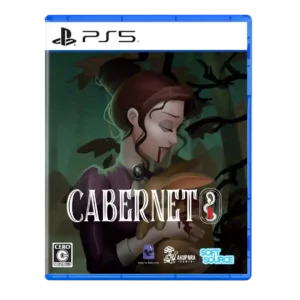
P1 Cabernet
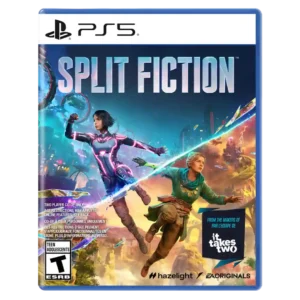
P2 Split Fiction

Comparison Takeaways

Cabernet

Where It Has the Edge

  • side character depth is 4.6 vs 2.2. Side characters are a major draw, with reviewers praising their depth, relationship arcs, and well-rounded roles in the...
  • voice acting is 4.2 vs 2.6. Voice acting is broadly praised and often elevates the writing, although some reviewers noticed uneven accents, audio quality,...
  • writing quality is 4.6 vs 3.1. Writing is one of Cabernet’s clearest strengths, with reviewers repeatedly praising its sharp dialogue, themes, and character-driven storytelling.
  • protagonist appeal is 4.8 vs 3.3. Liza is highlighted as an unusually endearing protagonist whose humanity anchors the vampire role-playing.

Split Fiction

Where It Has the Edge

  • combat system is 4.3 vs 1.0. Combat is varied and generally enjoyable, using swords, guns, shooter sections, and action-platforming rather than one fixed battle...
  • platform-specific feature support is 4.3 vs 2.0. Platform-specific features are useful, especially Switch 2 Game Share and Friend Pass, though unsupported single Joy-Con play hurts...
  • facial animations is 4.6 vs 2.4. Facial animation evidence is limited but positive, especially around character models and lip syncing.
  • polish is 4.6 vs 2.4. Polish is broadly strong, especially on main platforms, while some reviews mention uneven stretches or Switch 2 compromises.
Average score
Product 1: Cabernet
3.8
Product 2: Split Fiction
4.1
accessibility options
Product 1: Cabernet
4.5

An infinite blood option gives players a way to soften the feeding pressure and focus more comfortably on the story.

Product 2: Split Fiction
4.1

Accessibility receives positive notice for enemy-damage toggles, checkpoint skipping, camera help, and QuickTime-event options, though one review found a QTE option bug.

age appropriateness
Product 1: Cabernet
3.8

Age appropriateness is moderate: the game is rated T and lacks sex or gore, but reviews emphasize dark vampire themes.

Product 2: Split Fiction
4.0

Age appropriateness is supported by T-rated content with some language, blood, darker themes, and relationship-testing difficulty.

animation quality
Product 1: Cabernet
4.0

Animation quality is mixed-positive, with impressive cutscenes offset by noted limitations in character interaction animation.

Product 2: Split Fiction
4.5

Animation quality is supported mainly by technical praise that characters look good and animate effectively.

art direction
Product 1: Cabernet
4.5

Art direction is a strength, with paper-cutout, storybook, hand-painted, and gothic visual descriptions appearing across reviews.

Product 2: Split Fiction
4.7

Art direction is a standout, with repeated praise for gorgeous, varied, imaginative environments across sci-fi and fantasy spaces.

atmosphere
Product 1: Cabernet
4.7

The gothic atmosphere is repeatedly praised, with reviewers highlighting background art, mood, and the opening’s strong tone.

Product 2: Split Fiction
4.6

Atmosphere is colorful, kinetic, and entertaining, helped by broad genre shifts and energetic presentation.

boss design
Product 1: Cabernet
No score yet
Product 2: Split Fiction
4.5

Bosses are generally imaginative, cooperative, and memorable, though some fights can include cheap deaths or frustration.

bug frequency
Product 1: Cabernet
2.6

Bugs are the most repeated concern, ranging from minor visual jank to quest-breaking glitches and progress-blocking issues.

Product 2: Split Fiction
3.0

Bug frequency is generally low but not absent, with reviews citing clipping, small snags, and one serious QuickTime-event bug.

camera behavior
Product 1: Cabernet
No score yet
Product 2: Split Fiction
4.0

Camera behavior is mostly positive, with one reviewer praising perfect tracking and another noting some perspective shifts made play harder.

character development
Product 1: Cabernet
4.4

Character development is strong overall, with Liza and the broader cast shaped through relationships, choices, and branching consequences.

Product 2: Split Fiction
4.5

Character development is mixed-positive, with some reviewers praising Mio and Zoe’s arc while others found it slow, predictable, or limited.

character roster
Product 1: Cabernet
4.2

The character roster is varied, with reviewers emphasizing a diverse range of vampires, humans, and side-story figures.

Product 2: Split Fiction
No score yet
checkpoint system
Product 1: Cabernet
4.0

Autosaves can help recover from failed action segments, but the broader save and bug situation still makes manual caution important.

Product 2: Split Fiction
4.7

Checkpoints and respawns are a clear strength, frequently described as generous, instant, and frustration-reducing.

co-op experience
Product 1: Cabernet
No score yet
Product 2: Split Fiction
4.7

Co-op experience is the strongest attribute, with broad agreement that communication, teamwork, and shared surprise are the heart of the game.

combat system
Product 1: Cabernet
1.0

Combat is effectively absent; the game is framed as a social RPG built around dialogue and vampire role-play rather than fighting.

Product 2: Split Fiction
4.3

Combat is varied and generally enjoyable, using swords, guns, shooter sections, and action-platforming rather than one fixed battle style.

content variety
Product 1: Cabernet
4.2

Content variety comes from side quests, character-specific stories, puzzles, stealth, and relationship-driven objectives rather than action combat.

Product 2: Split Fiction
4.8

Content variety is one of the strongest consensus points, with constant shifts across genres, perspectives, mechanics, side stories, and set pieces.

controls responsiveness
Product 1: Cabernet
2.5

Controls are a recurring weak point, with clunky movement, awkward ability activation, and finicky positioning making interaction less smooth than the writing.

Product 2: Split Fiction
4.4

Controls are generally responsive and intuitive, with only platform-specific or sequence-specific issues appearing in a few reviews.

core gameplay loop
Product 1: Cabernet
4.3

Reviewers describe a talk-heavy loop of night exploration, quests, relationship building, and resource management that suits Cabernet’s narrative RPG structure.

Product 2: Split Fiction
4.7

The core loop is built around constant cooperative reinvention, with reviewers praising the way new tools and surprises arrive before old ideas grow stale.

couch co-op quality
Product 1: Cabernet
No score yet
Product 2: Split Fiction
4.4

Couch co-op quality is repeatedly praised, with local play, shared screens, and relationship-testing cooperation seen as core strengths.

crash stability
Product 1: Cabernet
2.6

Crash stability is inconsistent: several reviewers reported crashes or freezes, while one Switch reviewer had no unexpected crashes.

Product 2: Split Fiction
No score yet
cross-play support
Product 1: Cabernet
No score yet
Product 2: Split Fiction
5.0

Cross-play support is repeatedly praised as generous and player-friendly, especially when paired with Friend Pass.

dialogue quality
Product 1: Cabernet
4.3

Dialogue is widely praised for shaping relationships, unlocking options through stats, and making the cast feel vibrant and reactive.

Product 2: Split Fiction
3.2

Dialogue is mixed: one review found it thoughtful and believable, while several others found it cheesy, cliched, or grating.

difficulty balance
Product 1: Cabernet
3.4

Difficulty is mostly thoughtful, but some gated choices and early skill checks can feel punitive depending on player build.

Product 2: Split Fiction
4.1

Difficulty is more demanding than It Takes Two, but generous checkpoints, respawns, and assists make it forgiving for many pairs.

economy and resource balance
Product 1: Cabernet
4.0

Blood, money, feeding, and relationship costs create meaningful resource pressure, especially when bottled blood is expensive or relationships decay.

Product 2: Split Fiction
No score yet
emotional impact
Product 1: Cabernet
4.6

The game lands strong emotional moments through grief, addiction, moral compromise, difficult choices, and character consequences.

Product 2: Split Fiction
4.4

Emotional impact lands for many reviewers through friendship, trauma, creativity, and player connection, even when story execution is imperfect.

endgame content
Product 1: Cabernet
4.2

Endgame material is viewed positively, with one reviewer singling out the last chapters as especially strong.

Product 2: Split Fiction
No score yet
environmental detail
Product 1: Cabernet
4.5

Environmental detail supports the story, especially through graphic-novel-like settings and environmental storytelling.

Product 2: Split Fiction
4.7

Environmental detail is praised through vast, varied levels and backdrops that make short-lived worlds feel substantial.

exploration quality
Product 1: Cabernet
4.1

Exploration benefits from the town-at-night premise and bat traversal, though it is more about social routes than broad physical discovery.

Product 2: Split Fiction
2.9

Exploration is limited and sometimes hurt by invisible walls, despite occasional optional side stories and environmental curiosities.

facial animations
Product 1: Cabernet
2.4

Facial presentation is a weakness on Switch, with reviewers calling out blurry character faces and conversation models.

Product 2: Split Fiction
4.6

Facial animation evidence is limited but positive, especially around character models and lip syncing.

family friendliness
Product 1: Cabernet
3.2

Family friendliness is limited by vampire themes, though one reviewer notes the game lacks sex and gore.

Product 2: Split Fiction
4.6

Family friendliness is positive for capable co-op pairs and families, though the challenge and darker tone may not suit complete beginners.

fast travel convenience
Product 1: Cabernet
4.5

Fast travel convenience is helped by bat form, which reviewers describe as rapid travel across the map.

Product 2: Split Fiction
No score yet
flying mechanics
Product 1: Cabernet
3.2

Flying as a bat is often fun and useful for travel, but landing detection and action sequences can make the mechanic feel unreliable.

Product 2: Split Fiction
2.8

Flying is exciting in some sections, but at least one reviewer found dragon flight floaty and less precise than other mechanics.

frame rate stability
Product 1: Cabernet
3.1

Frame-rate evidence is mixed, with one Switch reviewer seeing smooth play while another reported drastic frame skipping.

Product 2: Split Fiction
4.5

Frame rate stability is excellent on most consoles, while Switch 2 reviews note lower targets and occasional stutter.

fun factor
Product 1: Cabernet
4.2

Fun factor is strong for narrative fans, with reviewers calling it enjoyable, hard to put down, and satisfying despite flaws.

Product 2: Split Fiction
4.5

Fun factor is very high across positive and mixed reviews, with many emphasizing laughs, surprise, and pure game feel.

gameplay mechanics
Product 1: Cabernet
3.9

Vampire powers, feeding, morality, and social manipulation are praised as strong narrative supports, though reviewers note the ability set is limited.

Product 2: Split Fiction
4.4

Reviewers consistently describe a fast-changing suite of mechanics that keeps play inventive, though a few felt individual mechanics could be forgettable or uneven.

graphics quality
Product 1: Cabernet
4.2

Graphics are generally appealing and stylish, though some reviewers describe them as simple or note platform-specific blur.

Product 2: Split Fiction
4.7

Graphics quality is strong on main platforms and still attractive on Switch 2 despite compromise, with reviewers calling presentation gorgeous or stunning.

handheld play suitability
Product 1: Cabernet
4.0

Handheld suitability is mixed-positive in one review that calls the Switch port strong despite longer initial loading and blur.

Product 2: Split Fiction
4.2

Handheld suitability is a Switch 2 advantage, with portable play and tabletop mode valued despite visual and performance tradeoffs.

horror tension
Product 1: Cabernet
3.8

Horror tension is more eerie than terrifying, creating a spooky gothic mood rather than a gore-heavy or hard-R experience.

Product 2: Split Fiction
No score yet
HUD clarity
Product 1: Cabernet
4.0

HUD and menu information is generally useful, with clear blood and glossary/inventory systems, though not every UI element is equally smooth.

Product 2: Split Fiction
No score yet
immersion
Product 1: Cabernet
4.7

Immersion is a major strength, supported by role-play identity, atmosphere, art, and the feeling of inhabiting Liza’s world.

Product 2: Split Fiction
4.4

Immersion is supported by high-stakes set pieces and worlds that remain thrilling even when mechanics are simple.

innovation
Product 1: Cabernet
4.7

Innovation stands out through its knowledge-based leveling, funeral-stat setup, and RPG systems inside a narrative game.

Product 2: Split Fiction
4.7

Innovation is a major strength, especially in cooperative design, set pieces, finales, and constant genre-switching ideas.

learning curve
Product 1: Cabernet
4.0

The game is approachable once its systems are explained, and quality-of-life touches like skipping read dialogue reduce friction.

Product 2: Split Fiction
4.1

The learning curve is approachable but steeper for casual players who must handle cameras, timing, and fast genre shifts.

level design
Product 1: Cabernet
3.5

The 2D areas support nocturnal exploration, though blocked-off routes and linear boundaries keep the level design from feeling fully open.

Product 2: Split Fiction
4.6

Level design is widely praised for audacious set pieces, memorable scenes, and strong environmental variety.

load times
Product 1: Cabernet
2.5

Load times are a recurring drawback, especially on Switch, with multiple reviewers noting long or delayed loading.

Product 2: Split Fiction
2.9

Load-time evidence is limited to Switch 2 texture pop-in when loading into new areas, so this is a modest technical caveat rather than a core strength.

lore depth
Product 1: Cabernet
4.5

Lore is rich and useful, drawing from vampire society, Eastern European folklore, and optional glossary/contextual material.

Product 2: Split Fiction
No score yet
map and navigation design
Product 1: Cabernet
2.5

Map and navigation are limited, with reviewers specifically noting the lack of a map and difficulty locating NPCs.

Product 2: Split Fiction
No score yet
matchmaking quality
Product 1: Cabernet
No score yet
Product 2: Split Fiction
2.5

Matchmaking is a limitation: reviews note no random matchmaking and crossplay setup friction despite Friend Pass convenience.

menu usability
Product 1: Cabernet
2.0

Menus are a major pain point, particularly on Switch where mouse-style cursor control and poor navigation hurt usability.

Product 2: Split Fiction
2.8

Menu usability evidence is limited to crossplay setup friction through outside apps and websites.

mission design
Product 1: Cabernet
4.2

Quest structure is substantial, with reviewers highlighting many human and vampire tasks that fill the nightly routine.

Product 2: Split Fiction
4.4

Mission and chapter design are structured around changing subgenres, world rhythms, and side-story detours that keep objectives fresh.

mission variety
Product 1: Cabernet
4.3

Mission variety is solid, with branching side stories and varied quest types helping keep the narrative structure from feeling one-note.

Product 2: Split Fiction
4.6

Side stories and mission variety are repeatedly praised as surprising, funny, creative, and often among the best parts of the game.

movement feel
Product 1: Cabernet
3.0

Movement earns mixed marks: bat travel can help, but slow walking, character snags, and awkward speed controls repeatedly frustrated reviewers.

Product 2: Split Fiction
4.7

Movement earns strong praise for improved jumping, momentum, and timing, helping platforming and set pieces feel approachable.

multiplayer design
Product 1: Cabernet
No score yet
Product 2: Split Fiction
4.7

Multiplayer design is central to the game and praised for being purpose-built around two players and standout co-op structure.

narrative quality
Product 1: Cabernet
4.2

Narrative quality is consistently strong, though a few reviewers found parts of the main plot less compelling than the character stories.

Product 2: Split Fiction
3.2

Narrative quality is split: reviewers like the premise, AI/creativity theme, and some human beats, but many criticize predictable or thin story execution.

onboarding experience
Product 1: Cabernet
4.4

Onboarding is strong, using the funeral, vampire induction, and early controls to teach both lore and mechanics smoothly.

Product 2: Split Fiction
No score yet
online stability
Product 1: Cabernet
No score yet
Product 2: Split Fiction
4.7

Online stability is praised across several reviews, with smooth connectivity, low latency, and online play performing like local play.

open-world design
Product 1: Cabernet
3.2

The game suggests open-world freedom, but reviewers note its structure is more guided and sequence-dependent than truly open.

Product 2: Split Fiction
2.8

The game is mostly linear; reviewers note that this focus supports pacing but limits open-world freedom.

originality
Product 1: Cabernet
4.2

Originality is a strength, with reviewers calling it a distinctive vampire game and unusual visual novel/RPG hybrid.

Product 2: Split Fiction
4.1

Originality is debated: some call it deeply original and inventive, while others argue it remixes familiar ideas with exceptional execution.

pacing
Product 1: Cabernet
3.9

Pacing is mixed: several reviewers praise the nocturnal rhythm and urgency, while others found midgame lulls or waiting periods.

Product 2: Split Fiction
4.4

Pacing is usually energetic and brisk, but some reviewers felt certain scenarios or structure beats drag or climax unevenly.

performance optimization
Product 1: Cabernet
2.3

Performance optimization is one of the clearest weaknesses, especially on Switch and consoles where reviewers cite roughness and unresolved issues.

Product 2: Split Fiction
4.5

Performance optimization is strong on PS5/Xbox/PC evidence and more compromised on Switch 2, but most reviewers still found it functional or polished.

platform-specific feature support
Product 1: Cabernet
2.0

Platform-specific support is weak on Switch, where reviewers describe the conversion from PC controls as insufficiently thought through.

Product 2: Split Fiction
4.3

Platform-specific features are useful, especially Switch 2 Game Share and Friend Pass, though unsupported single Joy-Con play hurts local convenience.

platforming precision
Product 1: Cabernet
No score yet
Product 2: Split Fiction
4.8

Platforming is repeatedly described as precise, accessible, and immediately satisfying, especially with air dashes, wall runs, and forgiving assists.

polish
Product 1: Cabernet
2.4

Polish is the main tradeoff against the strong writing, with quality-control concerns and technical rough edges recurring across reviews.

Product 2: Split Fiction
4.6

Polish is broadly strong, especially on main platforms, while some reviews mention uneven stretches or Switch 2 compromises.

progression system
Product 1: Cabernet
4.4

The progression system is a standout, tying stats, reading, outfits, quests, and experience to new dialogue and role-play options.

Product 2: Split Fiction
2.9

Progression relies on chapter abilities and side-story discovery rather than collectables, levels, or long-term customization.

protagonist appeal
Product 1: Cabernet
4.8

Liza is highlighted as an unusually endearing protagonist whose humanity anchors the vampire role-playing.

Product 2: Split Fiction
3.3

Protagonist appeal varies sharply; some reviewers bonded with Mio and Zoe, while others found them flat or slow to like.

puzzle design
Product 1: Cabernet
3.8

Puzzle content exists alongside stealth and quest challenges, but reviewers discuss it as a light supporting element rather than a major strength.

Product 2: Split Fiction
4.5

Puzzle design is a major strength, with reviewers highlighting cooperative problem solving, smart escalation, and partner-dependent solutions.

quest design
Product 1: Cabernet
4.4

Optional quest lines are a major strength, offering variety, side character focus, and some of the game’s most memorable material.

Product 2: Split Fiction
No score yet
replay value
Product 1: Cabernet
4.5

Replay value is a major strength, with multiple endings, branching relationships, varied quests, and achievements encouraging new runs.

Product 2: Split Fiction
4.0

Replay value comes mainly from swapping characters, trying different partners, and returning to missed side stories rather than long-term progression.

sandbox freedom
Product 1: Cabernet
3.9

Freedom is strongest in dialogue, morality, and role-play choices, while sandbox-style systemic freedom is more constrained.

Product 2: Split Fiction
No score yet
save system reliability
Product 1: Cabernet
3.0

Saving is mixed: manual and autosaves exist, but reloads, no save states, and broken questlines make reliability a concern.

Product 2: Split Fiction
4.6

Save and progression reliability is supported by same-save switching and non-host progression carryover.

server reliability
Product 1: Cabernet
No score yet
Product 2: Split Fiction
4.5

Server reliability evidence is limited but positive, with no noticeable connectivity issues reported in Switch 2 online play.

side character depth
Product 1: Cabernet
4.6

Side characters are a major draw, with reviewers praising their depth, relationship arcs, and well-rounded roles in the town.

Product 2: Split Fiction
2.2

Side character depth is mostly weak because reviewers repeatedly describe the villain as one-dimensional or underdeveloped.

skill tree depth
Product 1: Cabernet
4.0

Dialogue skill categories give Cabernet some RPG depth, though reviewers describe them more as knowledge tracks than a sprawling skill tree.

Product 2: Split Fiction
No score yet
sound design
Product 1: Cabernet
3.5

Sound design mostly fits the tone, but isolated audio issues and tinny delivery keep it from being uniformly strong.

Product 2: Split Fiction
No score yet
soundtrack quality
Product 1: Cabernet
4.5

The soundtrack is repeatedly praised as gothic, mournful, haunting, and emotionally effective.

Product 2: Split Fiction
3.5

Soundtrack quality is mixed: some praise sci-fi and fantasy musical identity, while others found the score ambient and forgettable.

split-screen quality
Product 1: Cabernet
No score yet
Product 2: Split Fiction
4.3

Split-screen quality is mostly strong, including online split-screen visibility, but portable Switch 2 play can make small details harder to read.

stealth mechanics
Product 1: Cabernet
4.0

Invisibility is noted as useful for stealth-oriented quest approaches, though stealth is only one small part of the broader adventure design.

Product 2: Split Fiction
3.5

Stealth appears as one of the sci-fi gameplay styles, but evidence is limited to its inclusion rather than deep stealth-system praise.

tutorial quality
Product 1: Cabernet
4.8

The tutorial design is praised for avoiding intrusive explanations and weaving mechanics into the opening narrative.

Product 2: Split Fiction
4.5

Onboarding is praised where reviewers describe the game teaching mechanics and escalating them clearly before new twists arrive.

upgrade system
Product 1: Cabernet
4.2

Skill upgrades are simple and satisfying, letting players improve dialogue capabilities and shape Liza’s build over time.

Product 2: Split Fiction
No score yet
user interface design
Product 1: Cabernet
2.7

The user interface needs refinement, especially around parsing information and selecting the right interaction in busy areas.

Product 2: Split Fiction
2.7

Interface evidence is limited and negative around crossplay setup explanation rather than the main HUD or menus.

value for money
Product 1: Cabernet
4.2

Value is favorable for players drawn to narrative RPGs, with one reviewer framing the discussion around the $20 price.

Product 2: Split Fiction
4.3

Value is strong when viewed through Friend Pass and one-copy play, though some aggregate evidence notes it is shorter and more expensive than its predecessor.

visual effects quality
Product 1: Cabernet
2.8

Visual effects are uneven, with temporary visual echo and other visual jank mentioned as part of the technical roughness.

Product 2: Split Fiction
4.7

Visual effects and technical spectacle are praised for high-impact finales, resolution, and sequences that keep up with rapid shifts.

voice acting
Product 1: Cabernet
4.2

Voice acting is broadly praised and often elevates the writing, although some reviewers noticed uneven accents, audio quality, or performance variance.

Product 2: Split Fiction
2.6

Voice acting gets limited and mixed evidence, with some reviewers calling performances weak or unable to elevate the writing.

world-building
Product 1: Cabernet
4.7

World-building is consistently praised for making the gothic town, vampire society, and historical setting feel distinctive and alive.

Product 2: Split Fiction
4.7

World-building is praised for using Mio and Zoe’s imagined worlds to reveal personal histories and support the AI/creativity theme.

world interactivity
Product 1: Cabernet
4.5

Choices can meaningfully alter character outcomes and story elements, making relationships and decisions feel consequential.

Product 2: Split Fiction
4.0

World interactivity appears in co-op props, environmental manipulation, and small interactables, though it is not a deep sandbox.

writing quality
Product 1: Cabernet
4.6

Writing is one of Cabernet’s clearest strengths, with reviewers repeatedly praising its sharp dialogue, themes, and character-driven storytelling.

Product 2: Split Fiction
3.1

Writing quality is the biggest divide, ranging from strong emotional praise to repeated criticism of cliches, quips, and amateurish dialogue.