If you want better menu usability
Choose Shinobi: Art of Vengeance. It scores 5.0 vs 2.3 for menu usability, with a 4.4 overall score.
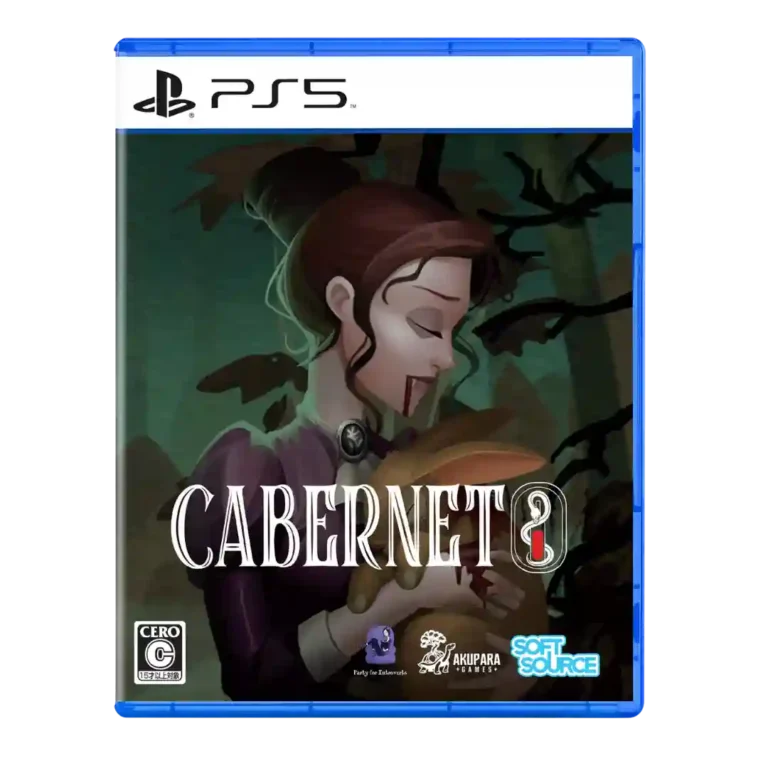
Choose Cabernet for a choice-heavy vampire RPG with strong writing, atmosphere, and voice acting. Skip it if bugs, Switch menu friction, slow pacing, or the lack of combat would sour the experience.
Cabernet is best for players who want a dialogue-heavy vampire narrative RPG with meaningful choices, gothic atmosphere, strong voice acting, and relationship consequences. It especially suits visual novel fans who enjoy replaying for different paths.
It is not for players seeking combat, high-speed action, or a frictionless console port. Reviewers who were sensitive to bugs, slow movement, cursor-style menus, or Switch rough edges were more likely to recommend waiting.
Cabernet’s review consensus points to a richly written narrative RPG whose best qualities are its gothic atmosphere, relationship-driven choices, voice acting, art direction, and replayable branching outcomes. Reviewers repeatedly valued how its vampire systems turn feeding, time, relationships, and morality into story pressure rather than combat. The tradeoff is polish: many reviews, especially on Switch and consoles, describe bugs, crashes, soft-locks, cursor-like menus, load times, and occasional pacing lulls. Its strongest appeal is not action, but inhabiting Liza’s complicated unlife and seeing how choices ripple through a memorable cast.
Compared with other Video Games, this product is above average in mission variety, narrative quality, writing quality, near average in voice acting, gameplay mechanics, below average in frame rate stability, visual effects quality, polish.
| Attribute | This product | Category average | Difference |
|---|---|---|---|
| frame rate stability | 1.8 | 4.0 | -2.2 |
| visual effects quality | 2.5 | 4.3 | -1.8 |
| polish | 2.1 | 3.8 | -1.7 |
| controls responsiveness | 2.3 | 3.9 | -1.6 |
| movement feel | 2.4 | 3.9 | -1.4 |
| platform-specific feature support | 2.3 | 3.7 | -1.4 |
| load times | 2.6 | 3.9 | -1.4 |
| performance optimization | 2.7 | 4.0 | -1.3 |
Choose Shinobi: Art of Vengeance. It scores 5.0 vs 2.3 for menu usability, with a 4.4 overall score.
Choose Zero Parades: For Dead Spies. It scores 4.8 vs 2.3 for platform-specific feature support, with a 4.1 overall score.
Choose Hyrule Warriors: Age of Imprisonment. It scores 4.8 vs 1.8 for frame rate stability, with a 4.1 overall score.
Choose The Rogue Prince of Persia. It scores 5.0 vs 2.7 for crash stability, with a 4.0 overall score.
Products reviewers directly compared with this model, grouped into quick takeaways.
Reviewers describe it as a narrative RPG or visual-novel-like adventure with RPG stats, dialogue checks, action points, relationships, and branching choices.
No. Reviews describe it as a social, dialogue-heavy vampire game where survival depends on relationships, choices, feeding, and time management rather than fighting.
The strongest praise goes to the writing, atmosphere, voice acting, art style, relationship-driven choices, lore, and emotional character stories.
The most common complaints are bugs, quest-breaking glitches, crashes, rough menus, long load times, awkward cursor-style controls on Switch, and occasional pacing lulls.
Yes. Multiple reviewers point to different endings, relationship outcomes, morality paths, achievements, and unfinished side stories as reasons to replay.
Switch impressions are split. Some reviewers found it enjoyable or smooth, while others criticized optimization, cursor-based menus, blurry character models, crashes, and loading delays.
These are a few of the reviews included in our analysis.
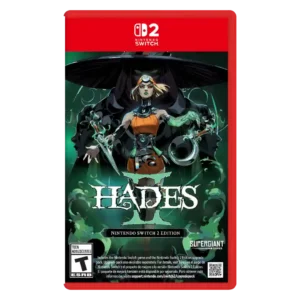
Good if you want fast, tactical roguelite combat with huge progression depth, striking art, and standout music. Skip it if repetition, resource micromanagement, or a less emotionally satisfying sequel story...
Pros: skill tree depth, dialogue quality
Cons: emotional impact, economy and resource balance
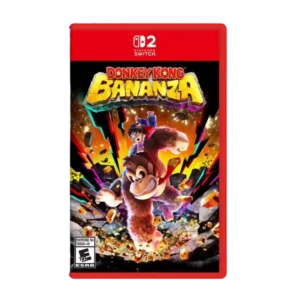
Best for joyful destruction, dense exploration, and a charming DK-Pauline adventure. Skip it if camera quirks, frame-rate dips, easy bosses, or premium Switch 2 pricing are dealbreakers.
Pros: gameplay mechanics, world interactivity
Cons: economy and resource balance, enemy variety
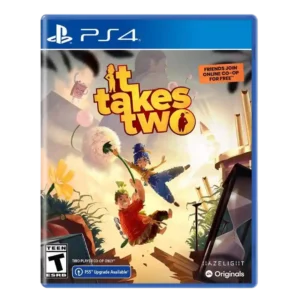
Best for joyful, inventive co-op with a partner, especially on couch. Skip it if divorce themes, uneven story tone, or Switch visual compromises would distract you.
Pros: core gameplay loop, movement feel
Cons: character development, dialogue quality
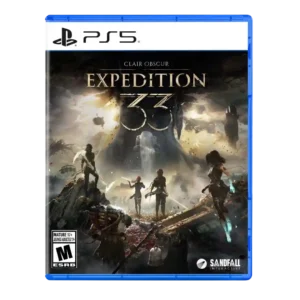
Choose Clair Obscur if you want a story-rich RPG with thrilling timed combat, gorgeous art, and standout music. Skip it if poor maps, tight parry timing, or occasional bugs and...
Pros: monetization fairness, microtransaction impact
Cons: platforming precision, menu usability