
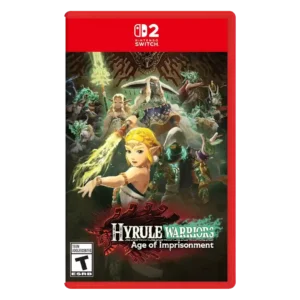
Compare Cabernet vs Hyrule Warriors: Age of Imprisonment

P1 Cabernet
P2 Hyrule Warriors: Age of Imprisonment

Comparison Takeaways

Cabernet

Where It Has the Edge

  • innovation is 4.8 vs 2.8. Innovation had limited but strong support from a reviewer who said the RPG-infused visual novel felt unlike anything...
  • writing quality is 4.7 vs 2.8. Writing quality was consistently praised as fantastic, sharp, thoughtful, and beautifully written, helping carry the dialogue-heavy structure.
  • dialogue quality is 4.3 vs 2.5. Dialogue was widely liked for richness, vibrancy, and delight, though one reviewer noted occasional out-of-order conversations that hurt...
  • mission variety is 4.8 vs 3.0. Mission variety was praised for the large variety of optional quests and the range of task types, from...

Hyrule Warriors: Age of Imprisonment

Where It Has the Edge

  • frame rate stability is 4.8 vs 1.8. Frame rate stability was a standout strength, with many reviewers praising smooth 60 fps or only minor dips.
  • movement feel is 4.8 vs 2.4. Movement feel was positive where cited, especially improved locomotion and responsive control feel.
  • controls responsiveness is 4.7 vs 2.3. Controls were described as simple, readable, and responsive, with strong input latency and snappy combat feel.
  • performance optimization is 4.8 vs 2.7. Performance optimization was one of the strongest areas, with reviewers repeatedly saying Switch 2 runs the action cleanly...
Average score
Product 1: Cabernet
3.9
Product 2: Hyrule Warriors: Age of Imprisonment
4.0
accessibility options
Product 1: Cabernet
5.0

Accessibility support was praised in one review because infinite blood mode lets players avoid feeding pressure and focus on the story.

Product 2: Hyrule Warriors: Age of Imprisonment
4.6

Reviewers noted approachable configuration and combat clarity, with sensitivity options and complexity/accessibility balance helping the game feel easier to engage with.

animation quality
Product 1: Cabernet
3.9

Animation quality had limited but positive support, with one reviewer praising close-up cutscenes while another noted the aesthetic masks animation limitations.

Product 2: Hyrule Warriors: Age of Imprisonment
5.0

Animation was praised where cited, especially for character attacks and fast object-summoning effects that make combat feel stylish.

art direction
Product 1: Cabernet
4.6

Art direction was a major strength, with praise for detailed characters, striking storybook aesthetics, gothic setting, and strong visual identity.

Product 2: Hyrule Warriors: Age of Imprisonment
4.8

Art direction was a major positive, repeatedly tied to the Tears of the Kingdom aesthetic and strong visual mood.

atmosphere
Product 1: Cabernet
4.8

Atmosphere was consistently praised as gothic, eerie, haunting, and immersive, with reviewers frequently tying it to art, music, and setting.

Product 2: Hyrule Warriors: Age of Imprisonment
4.9

Atmosphere was praised through the fusion of Zelda presentation, music, and battle audio that gave fights a stronger sense of place.

boss design
Product 1: Cabernet
No score yet
Product 2: Hyrule Warriors: Age of Imprisonment
4.3

Boss design was generally positive thanks to counter windows, elemental weaknesses, and satisfying interrupts, though complexity was not always deep.

bug frequency
Product 1: Cabernet
2.6

Bug frequency was the most repeated technical concern, with many reviews reporting glitches, soft-locks, quest-breaking issues, or visual jank; a few encountered only minor problems.

Product 2: Hyrule Warriors: Age of Imprisonment
No score yet
camera behavior
Product 1: Cabernet
No score yet
Product 2: Hyrule Warriors: Age of Imprisonment
2.5

Camera feedback was limited but mixed, with one performance-focused reviewer specifically criticizing the default sensitivity as too slow.

character development
Product 1: Cabernet
4.3

Character development was generally strong, with reviewers praising memorable personalities, relationship consequences, and excellent development, though one found some characters less complex.

Product 2: Hyrule Warriors: Age of Imprisonment
4.1

Review evidence supports a scored assessment for this attribute.

character roster
Product 1: Cabernet
4.5

The character roster/cast was praised as plentiful, diverse, and well-written, with enough variety to support the relationship-driven structure.

Product 2: Hyrule Warriors: Age of Imprisonment
4.0

Review evidence supports a scored assessment for this attribute.

checkpoint system
Product 1: Cabernet
4.0

Checkpointing had limited positive support because one reviewer noted autosaves before frustrating action segments.

Product 2: Hyrule Warriors: Age of Imprisonment
No score yet
co-op experience
Product 1: Cabernet
No score yet
Product 2: Hyrule Warriors: Age of Imprisonment
4.4

Co-op was viewed positively overall, with split-screen and two-player play considered smooth or valid despite 30 fps and pauses.

combat system
Product 1: Cabernet
No score yet
Product 2: Hyrule Warriors: Age of Imprisonment
4.6

Combat was the clearest strength across the review set, often called deep, reactive, satisfying, or the best Hyrule Warriors has felt.

companion AI
Product 1: Cabernet
No score yet
Product 2: Hyrule Warriors: Age of Imprisonment
2.2

Companion behavior received a low score where one reviewer said ordered allies were not useful at actually completing objectives.

content variety
Product 1: Cabernet
3.8

Content variety had mixed support: one review wanted more vampiric ability variety, while another noted more transformations unlocking as the game progressed.

Product 2: Hyrule Warriors: Age of Imprisonment
3.9

Content variety was mixed: reviewers praised new mechanics, flight sections, and breaks in action, while others saw too much combat repetition.

controls responsiveness
Product 1: Cabernet
2.3

Control and interaction precision were a recurring weak spot, with reviewers pointing to tricky icon selection, awkward action segments, and hard-to-trigger object interactions.

Product 2: Hyrule Warriors: Age of Imprisonment
4.7

Controls were described as simple, readable, and responsive, with strong input latency and snappy combat feel.

core gameplay loop
Product 1: Cabernet
4.3

The nightly action-point loop, coffin deadline, and relationship management were usually praised for creating meaningful prioritization, with one reviewer noting the slow social pace is not for everyone.

Product 2: Hyrule Warriors: Age of Imprisonment
3.4

The core loop was fun but repetitive, with several reviewers enjoying the loop while openly calling out genre repetition.

couch co-op quality
Product 1: Cabernet
No score yet
Product 2: Hyrule Warriors: Age of Imprisonment
4.0

Couch co-op quality was positive where reviewers described split-screen play as valid, fun, or seamless despite frame-rate tradeoffs.

crafting system
Product 1: Cabernet
No score yet
Product 2: Hyrule Warriors: Age of Imprisonment
4.0

Crafting-like camp and economy systems were praised as simple support loops rather than deep creative crafting.

crash stability
Product 1: Cabernet
2.7

Crash stability was mixed, with several reviews reporting crashes or freezes while one Switch review said it did not unexpectedly crash.

Product 2: Hyrule Warriors: Age of Imprisonment
No score yet
dialogue quality
Product 1: Cabernet
4.3

Dialogue was widely liked for richness, vibrancy, and delight, though one reviewer noted occasional out-of-order conversations that hurt immersion.

Product 2: Hyrule Warriors: Age of Imprisonment
2.5

Dialogue quality was only directly judged in one review, which found the dialogue and voice performances unimpressive.

difficulty balance
Product 1: Cabernet
4.0

Difficulty balance had limited positive support, with one reviewer saying the dawn timer functioned more as a gentle nudge than a harsh death threat.

Product 2: Hyrule Warriors: Age of Imprisonment
3.7

Difficulty balance was mixed, with tactical higher difficulties and tough bosses offset by comments that Normal or optimized play could be too easy.

economy and resource balance
Product 1: Cabernet
3.9

Resource balance was mixed: time pressure created urgency, but another review felt blood management became too trivial by the end.

Product 2: Hyrule Warriors: Age of Imprisonment
3.3

Economy and resource balance was mixed: some found the item economy deliberate, while others found materials too abundant or weapon resources awkward.

emotional impact
Product 1: Cabernet
4.7

Emotional impact was high, with reviewers citing heartbreaking moments, difficult choices, sobbing reactions, and themes treated with gravity.

Product 2: Hyrule Warriors: Age of Imprisonment
4.9

Emotional impact was positive where cited, especially around Zelda, Calamo, and the ending moments that moved reviewers.

endgame content
Product 1: Cabernet
4.5

Endgame content was positively received in limited evidence, with reviewers praising the final chapters and an unexpected epilogue.

Product 2: Hyrule Warriors: Age of Imprisonment
4.2

Endgame content was praised when mentioned for high-level postgame battles and extra missions beyond credits.

enemy variety
Product 1: Cabernet
No score yet
Product 2: Hyrule Warriors: Age of Imprisonment
2.7

Enemy variety was criticized in the clearest evidence, with repetition of the same enemies hurting long sessions.

environmental detail
Product 1: Cabernet
4.5

Environmental detail had limited positive support, with one review praising the environmental storytelling built into the settings.

Product 2: Hyrule Warriors: Age of Imprisonment
4.6

Environmental detail was praised for richer environments, landmarks, and small visual touches such as grass and pollen.

exploration quality
Product 1: Cabernet
4.2

Exploration was strongest when tied to bat traversal, side quests, and optional world discovery, with reviewers generally finding it fun and effective despite a contained world.

Product 2: Hyrule Warriors: Age of Imprisonment
4.0

Exploration quality was limited but positively noted in the hands-on review for adding slower searching and environmental interaction between battles.

faithfulness to franchise
Product 1: Cabernet
No score yet
Product 2: Hyrule Warriors: Age of Imprisonment
4.9

Faithfulness to the franchise was one of the strongest areas, with canon handling and Zelda/Tears of the Kingdom attention repeatedly praised.

fast travel convenience
Product 1: Cabernet
4.4

Fast travel convenience was praised when reviewers discussed bat form and dialogue skipping improving pace and movement around town.

Product 2: Hyrule Warriors: Age of Imprisonment
4.2

Fast travel convenience was positively noted where Zonai devices were said to prevent tiresome walks across the map.

flying mechanics
Product 1: Cabernet
3.7

Bat traversal was often enjoyable and convenient, but one review found landing and ability activation janky while another described the powers as conceptually fun but uneven.

Product 2: Hyrule Warriors: Age of Imprisonment
3.8

Flying mechanics were mixed but generally useful as variety, with reviewers praising them as a break while noting limited depth or underuse.

frame rate stability
Product 1: Cabernet
1.8

Frame rate stability had limited negative support, with a Switch review reporting drastic frame skipping in a specific area.

Product 2: Hyrule Warriors: Age of Imprisonment
4.8

Frame rate stability was a standout strength, with many reviewers praising smooth 60 fps or only minor dips.

fun factor
Product 1: Cabernet
4.7

Fun factor was strongly positive among reviewers who connected with the narrative RPG format, with several saying they had a genuinely good or best-time experience.

Product 2: Hyrule Warriors: Age of Imprisonment
4.7

Fun factor was high overall, with reviewers repeatedly calling the combat addictive, cathartic, and hard to put down despite repetition.

gameplay mechanics
Product 1: Cabernet
4.3

Reviewers generally found the RPG, morality, feeding, and vampire systems engaging and well matched to the narrative, though a few noted uneven execution or jank in ability use.

Product 2: Hyrule Warriors: Age of Imprisonment
4.5

Gameplay mechanics were widely praised for adapting Zonai devices, Sync Strikes, counters, and elemental reactions into Musou combat.

graphics quality
Product 1: Cabernet
4.2

Graphics were generally praised for attractive backgrounds, effective cel-shaded visuals, and storybook presentation, though one review found the visuals somewhat simplistic.

Product 2: Hyrule Warriors: Age of Imprisonment
4.5

Graphics quality was mostly praised, though some technical reviews noted low resolution or visual softness.

grind level
Product 1: Cabernet
No score yet
Product 2: Hyrule Warriors: Age of Imprisonment
3.0

Grind level was mixed to negative, mainly due to repetitive side missions or fatigue over long sessions.

handheld play suitability
Product 1: Cabernet
3.5

Handheld suitability was split: one reviewer felt Switch was not the best platform, while another called it a great Switch port.

Product 2: Hyrule Warriors: Age of Imprisonment
4.0

Handheld play was mixed, from strong portable performance to one reviewer finding it less impressive on a smaller screen.

horror tension
Product 1: Cabernet
4.2

Horror tension had limited positive support from the preview’s praise for the dark, mysterious gothic setup.

Product 2: Hyrule Warriors: Age of Imprisonment
No score yet
HUD clarity
Product 1: Cabernet
2.8

HUD clarity had limited negative support, with one reviewer wanting NPC locations added to reduce unnecessary searching.

Product 2: Hyrule Warriors: Age of Imprisonment
4.7

HUD clarity was praised through clear prompts and on-screen guidance, though broader tutorial flow could feel dense.

immersion
Product 1: Cabernet
4.8

Immersion was a standout for many reviewers, driven by role-playing, atmosphere, world-building, and emotional investment, though some audio and logic issues could disrupt it.

Product 2: Hyrule Warriors: Age of Imprisonment
4.9

Immersion was high where discussed, especially for recreating the feeling of returning to Tears of the Kingdom’s Hyrule.

innovation
Product 1: Cabernet
4.8

Innovation had limited but strong support from a reviewer who said the RPG-infused visual novel felt unlike anything they had encountered in the genre.

Product 2: Hyrule Warriors: Age of Imprisonment
2.8

Innovation was mixed to low, with strong mechanical adaptations but criticism that creative thinking and mission structure were limited.

learning curve
Product 1: Cabernet
4.5

The learning curve had limited positive support, with one reviewer saying the mechanics initially seem complex but are actually simple.

Product 2: Hyrule Warriors: Age of Imprisonment
3.2

Learning curve was approachable but sometimes dense, with tutorial and prompt support balanced against information overload.

level design
Product 1: Cabernet
No score yet
Product 2: Hyrule Warriors: Age of Imprisonment
2.4

Level design was a repeated weakness, with corridors, boxes, bland routes, and underused depths/sky spaces criticized.

load times
Product 1: Cabernet
2.6

Load times were a recurring platform concern, especially on Switch, though one review balanced the initial wait against smooth movement after loading.

Product 2: Hyrule Warriors: Age of Imprisonment
4.4

Load times were positively noted as quick or reasonable in the performance-focused reviews.

loot system
Product 1: Cabernet
No score yet
Product 2: Hyrule Warriors: Age of Imprisonment
4.2

Loot and item rewards were viewed positively where discussed, with random post-battle items treated as useful for quests and bonuses.

lore depth
Product 1: Cabernet
4.6

Lore depth was a strong point, with reviewers praising the vampire mythology, folklore, glossary material, and social-commentary roots.

Product 2: Hyrule Warriors: Age of Imprisonment
4.0

Lore depth was divisive: many praised canonical gap-filling, while IGN-style reviews argued key lore threads were still underexplored.

map and navigation design
Product 1: Cabernet
2.8

Map and navigation design had limited negative support from a reviewer who noted the lack of a map and reliance on memory.

Product 2: Hyrule Warriors: Age of Imprisonment
3.1

Map and navigation design was mixed, with useful territory/progression structure offset by cluttered or cheap-feeling interfaces.

menu usability
Product 1: Cabernet
2.3

Menu usability was a recurring complaint on controller and Switch, with reviewers criticizing cursor-based menus, small text, and lack of button navigation; one PC-focused review found the menu effective.

Product 2: Hyrule Warriors: Age of Imprisonment
3.0

Menu usability was criticized in direct evidence for a long single-row menu.

mission design
Product 1: Cabernet
4.5

Mission structure received positive support from one review that highlighted varied tasks and fresh, engaging gameplay.

Product 2: Hyrule Warriors: Age of Imprisonment
3.4

Mission design was mixed to negative, with story missions praised but many objectives criticized as repetitive, short, or non-bespoke.

mission variety
Product 1: Cabernet
4.8

Mission variety was praised for the large variety of optional quests and the range of task types, from fetch quests to puzzles and dialogue.

Product 2: Hyrule Warriors: Age of Imprisonment
3.0

Mission variety was mixed, with some reviewers finding each level distinct and others calling variety limited.

movement feel
Product 1: Cabernet
2.4

Movement drew mixed-to-negative feedback: reviewers liked some traversal ideas but criticized slow walking, clunkiness, obstacle snagging, and awkward fast movement.

Product 2: Hyrule Warriors: Age of Imprisonment
4.8

Movement feel was positive where cited, especially improved locomotion and responsive control feel.

multiplayer design
Product 1: Cabernet
No score yet
Product 2: Hyrule Warriors: Age of Imprisonment
5.0

Multiplayer design was positive where local split-screen support was tested, though related evidence also notes 30 fps compromises.

narrative quality
Product 1: Cabernet
4.5

Narrative quality was the dominant strength, with broad praise for the vampire premise, branching story, character focus, and emotional storytelling despite some mixed views on main-plot lulls.

Product 2: Hyrule Warriors: Age of Imprisonment
4.0

Narrative quality was the most divisive attribute: several reviewers praised the canon story, while others found it dull or a missed opportunity.

onboarding experience
Product 1: Cabernet
4.7

Onboarding was praised for teaching controls, lore, stats, and vampiric rules through the opening narrative rather than through intrusive instruction.

Product 2: Hyrule Warriors: Age of Imprisonment
4.0

Onboarding experience was positive where prior knowledge was said not to be required.

open-world design
Product 1: Cabernet
3.5

Open-world design was only lightly supported; one reviewer felt the game gives the illusion of openness while still expecting specific sequences.

Product 2: Hyrule Warriors: Age of Imprisonment
2.8

Open-world design scored low where the game’s static map was contrasted with mainline Zelda’s open world.

originality
Product 1: Cabernet
4.5

Originality was praised through the game’s unusual vampire-life premise, unique narrative RPG flavor, and distinctive approach to the visual novel genre.

Product 2: Hyrule Warriors: Age of Imprisonment
3.3

Originality was mixed, with strong fit and fanservice but criticism that the game was not consistently novel.

pacing
Product 1: Cabernet
3.8

Pacing was mixed, with praise for strong momentum and well-paced stretches balanced against story lulls, slow social play, and a central plot that could recede too much.

Product 2: Hyrule Warriors: Age of Imprisonment
4.2

Pacing was generally positive when story breaks and ability unlocks were praised, but sidequest padding disrupted some narrative momentum.

performance optimization
Product 1: Cabernet
2.7

Performance optimization varied by platform; Switch and console reviews often criticized optimization, while one Switch-focused review said it ran really well.

Product 2: Hyrule Warriors: Age of Imprisonment
4.8

Performance optimization was one of the strongest areas, with reviewers repeatedly saying Switch 2 runs the action cleanly and smoothly.

platform-specific feature support
Product 1: Cabernet
2.3

Platform-specific support was weak on Switch and consoles, with reviewers pointing to poor PC-to-Switch conversion and rough console experience.

Product 2: Hyrule Warriors: Age of Imprisonment
4.0

Platform-specific feature support was mixed: Game Share exists but was described as unusual and limited to 30 fps in one performance review.

polish
Product 1: Cabernet
2.1

Polish was a common weakness, with reviewers saying glitches, rough edges, and quality-control issues held the game back from higher scores.

Product 2: Hyrule Warriors: Age of Imprisonment
3.9

Polish was mixed overall, with high praise for care and detail but repeated caveats about compressed or stuttering cutscenes.

progression system
Product 1: Cabernet
4.4

Progression was widely praised for tying stats, books, outfits, and dialogue checks into role-playing, with reviewers calling the RPG elements satisfying and intriguing.

Product 2: Hyrule Warriors: Age of Imprisonment
4.5

Progression was praised for a rewarding map loop, meaningful unlocks, and steady character growth.

protagonist appeal
Product 1: Cabernet
5.0

Liza’s protagonist appeal had strong but limited support, with one reviewer calling her exceptionally endearing.

Product 2: Hyrule Warriors: Age of Imprisonment
4.3

Protagonist appeal was mostly positive around Zelda’s central role, though one review criticized how the Construct displaced her.

quest design
Product 1: Cabernet
4.4

Side quests were a major strength across reviews, often called intriguing, imaginative, and high quality, though one reviewer found some boring, rushed, or uneven.

Product 2: Hyrule Warriors: Age of Imprisonment
3.9

Quest design was mixed, with useful rewards and side stories offset by repetitive or hollow side objectives.

replay value
Product 1: Cabernet
4.6

Replay value was one of the clearest strengths, with reviewers citing different choices, endings, relationships, achievements, and quest outcomes as reasons to replay.

Product 2: Hyrule Warriors: Age of Imprisonment
4.4

Replay value was positive overall due to optional missions, postgame content, achievements, and long completion paths, though not every reviewer wanted to return.

sandbox freedom
Product 1: Cabernet
3.9

Sandbox freedom was mixed: reviewers appreciated moral and dialogue freedom, but also noted invisible walls, predetermined quest paths, and an illusion of openness.

Product 2: Hyrule Warriors: Age of Imprisonment
No score yet
save system reliability
Product 1: Cabernet
2.8

Save reliability was mixed, with one review emphasizing saving regularly and another reporting forgotten progress after a reload.

Product 2: Hyrule Warriors: Age of Imprisonment
2.0

Save system reliability was only directly judged once, with a negative comment about not being able to save during missions.

side character depth
Product 1: Cabernet
4.5

Side characters were repeatedly praised as well-written, complex, rounded, and enjoyable to interact with, though one reviewer found some contemporaries merely personable rather than deeply developed.

Product 2: Hyrule Warriors: Age of Imprisonment
2.8

Side character depth was mixed to negative, with some reviewers connecting to new characters and others finding them underdeveloped or weak.

sound design
Product 1: Cabernet
3.5

Sound design was mixed: one reviewer found the audio immersion-breaking, while others praised fitting sound, emotional reinforcement, or noted only limited audio misfires.

Product 2: Hyrule Warriors: Age of Imprisonment
4.5

Sound design was praised where discussed, especially for recreating the Tears of the Kingdom aesthetic through familiar effects.

soundtrack quality
Product 1: Cabernet
4.7

The soundtrack was consistently praised as gothic, mournful, haunting, atmospheric, and memorable.

Product 2: Hyrule Warriors: Age of Imprisonment
5.0

Soundtrack quality was consistently praised where discussed, often called excellent, fantastic, or among the series’ best.

split-screen quality
Product 1: Cabernet
No score yet
Product 2: Hyrule Warriors: Age of Imprisonment
4.3

Split-screen quality was generally positive, with smooth or playable 30 fps and only mild visual compromises.

stealth mechanics
Product 1: Cabernet
4.2

One reviewer praised invisibility as useful for sneaking and completing quests, giving stealth a positive but lightly supported score.

Product 2: Hyrule Warriors: Age of Imprisonment
No score yet
tutorial quality
Product 1: Cabernet
4.1

Tutorial quality was mixed-to-positive, with one preview praising seamless instruction while another full review felt the vampire reveal was partially spoiled by tutorial wording.

Product 2: Hyrule Warriors: Age of Imprisonment
4.2

Tutorial quality was positive in direct evidence, with a decent early tutorial session helping new Warriors players.

upgrade system
Product 1: Cabernet
4.5

The upgrade system had one strong supporting review that described the RPG elements behind skill growth as simple but satisfying.

Product 2: Hyrule Warriors: Age of Imprisonment
3.7

Upgrade system was mixed: reviewers liked easy, useful upgrades and new moves but criticized weapon upgrading as resource-heavy or boring.

user interface design
Product 1: Cabernet
3.0

User interface design was mixed: one review found it organized and another effective, but several criticized parsing, hotspot cycling, and rough interface elements.

Product 2: Hyrule Warriors: Age of Imprisonment
4.5

User interface design was mixed, with praise for faithful Zelda-style menus but other reviews criticizing map/interface clutter.

value for money
Product 1: Cabernet
4.0

Value was positive but platform-dependent: some reviewers recommended it or loved it, while others advised waiting for patches before buying.

Product 2: Hyrule Warriors: Age of Imprisonment
4.0

Value for money was mixed, with lots of content praised but price concerns noted for the Switch 2 package or game cost.

visual effects quality
Product 1: Cabernet
2.5

Visual effects quality had limited negative support from a review that disliked temporary visual echoing during character movement.

Product 2: Hyrule Warriors: Age of Imprisonment
4.6

Visual effects quality was mostly strong, with praise for spectacular attacks and dense effects, though a technical review noted visual variance.

voice acting
Product 1: Cabernet
4.3

Voice acting was strongly praised by most reviewers, especially for Liza and the broader cast, but some criticized inconsistent accents, uneven performances, or audio quality.

Product 2: Hyrule Warriors: Age of Imprisonment
4.9

Voice acting was consistently praised except for one broader dialogue/voice caveat, with several reviewers calling performances strong or fantastic.

world-building
Product 1: Cabernet
4.8

World-building was consistently praised for its living town, memorable characters, political themes, folklore, and richly imagined Eastern European vampire society.

Product 2: Hyrule Warriors: Age of Imprisonment
3.6

World-building was mixed, praised as meaningful Zelda history while some reviews said ancient Hyrule felt insufficiently distinct.

world interactivity
Product 1: Cabernet
4.7

Reviewers praised the consequence-driven world, noting meaningful choices, character-altering outcomes, and impactful interactions with people and systems.

Product 2: Hyrule Warriors: Age of Imprisonment
3.2

World interactivity was mixed, praised for elemental interactions but criticized for underused sky/depth layers.

writing quality
Product 1: Cabernet
4.7

Writing quality was consistently praised as fantastic, sharp, thoughtful, and beautifully written, helping carry the dialogue-heavy structure.

Product 2: Hyrule Warriors: Age of Imprisonment
2.8

Writing quality was mixed to negative where cited, with concerns about dull lore, key moments being danced around, or uneven story delivery.