If you want better level design
Choose Saros. It scores 4.7 vs 2.4 for level design, with a 4.3 overall score.
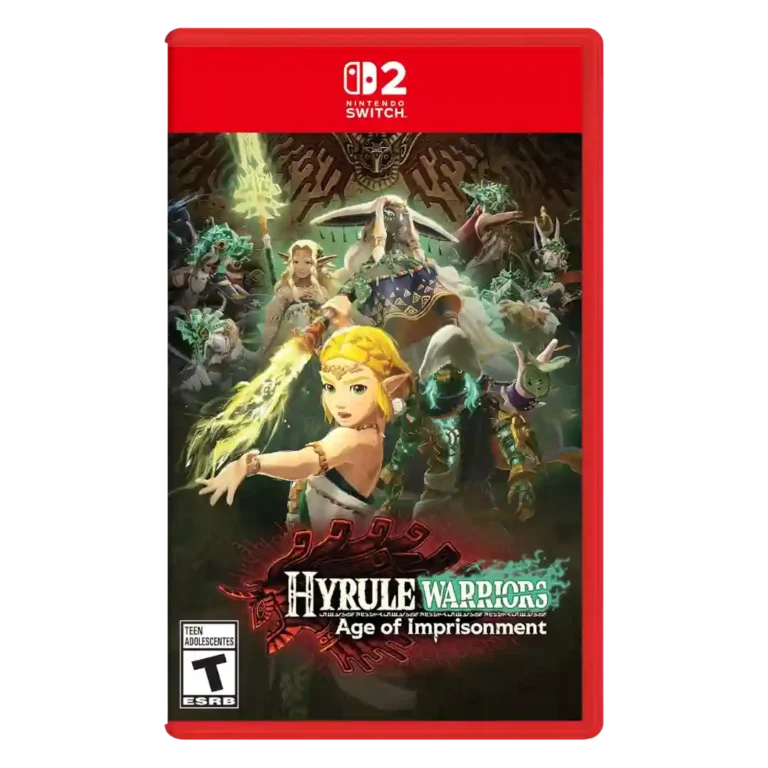
Choose it for polished Musou combat, rich Zelda lore, and strong Switch 2 performance. Skip it if you want classic Zelda exploration, puzzle dungeons, or dislike repetitive battlefield missions.
Best for Zelda fans who want more Tears of the Kingdom lore and players who enjoy Musou combat with character variety, Sync Strikes, Zonai devices, and plenty of optional content.
Not for players expecting traditional Zelda exploration, dungeon puzzles, or a fully open-world adventure, and not ideal for anyone quickly fatigued by repeated battlefield objectives.
Reviews frame Age of Imprisonment as a strong Zelda-flavored Musou game whose best qualities are reactive combat, stylish character kits, canon-minded lore, and far smoother Switch 2 performance than earlier entries. The tradeoff is that the same battlefield loop, sidequest structure, and map layouts can wear thin, and narrative reactions split sharply: some reviewers call the story cohesive and heartfelt, while others see it as dull, padded, or too focused on new characters. Its strongest case is as an action-heavy companion to Tears of the Kingdom rather than a replacement for mainline Zelda exploration or puzzles.
Compared with other Video Games, this product is above average in HUD clarity, performance optimization, multiplayer design, near average in narrative quality, fun factor, below average in level design, save system reliability, innovation.
| Attribute | This product | Category average | Difference |
|---|---|---|---|
| level design | 2.4 | 3.9 | -1.5 |
| HUD clarity | 4.7 | 3.3 | +1.4 |
| performance optimization | 4.8 | 4.0 | +0.9 |
| save system reliability | 2.0 | 3.2 | -1.2 |
| innovation | 2.8 | 4.0 | -1.2 |
| multiplayer design | 5.0 | 3.9 | +1.1 |
| user interface design | 4.5 | 3.4 | +1.1 |
| companion AI | 2.2 | 3.3 | -1.1 |
Choose Saros. It scores 4.7 vs 2.4 for level design, with a 4.3 overall score.
Choose Monster Hunter Stories 3: Twisted Reflection. It scores 5.0 vs 3.1 for map and navigation design, with a 4.2 overall score.
Choose Donkey Kong Bananza. It scores 5.0 vs 2.8 for side character depth, with a 4.5 overall score.
Choose Hollow Knight: Silksong. It scores 5.0 vs 2.8 for writing quality, with a 4.3 overall score.
Products reviewers directly compared with this model, grouped into quick takeaways.
Mostly yes. Many reviewers praised its canon placement and Tears of the Kingdom connections, though some felt it still left major lore threads underexplored.
Combat is the strongest consensus positive. Reviews highlight reactive counters, elemental systems, Sync Strikes, varied character kits, and Zonai-device mechanics.
Yes, several reviewers call repetition the main drawback. The combat stays fun for many, but side missions and battlefield objectives can blur together.
Performance is widely praised. Most reviews describe smooth 60 fps single-player action, with caveats around cutscenes, split-screen at 30 fps, or occasional dips.
No. Some reviewers found it cohesive, heartfelt, and respectful of canon, while others considered it dull, padded, or a missed opportunity for deeper Ganondorf and sage lore.
Reviews mention optional missions, upgrades, postgame battles, achievements, and completion goals, so replay value is strong for players who enjoy the core loop.
Several reviews say it is approachable thanks to prompts, tutorials, and simple controls, but players who dislike Musou repetition may still bounce off it.
These are a few of the reviews included in our analysis.
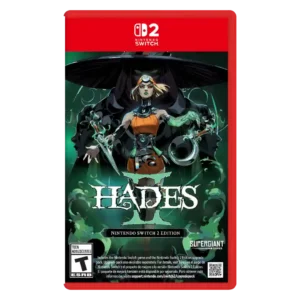
Good if you want fast, tactical roguelite combat with huge progression depth, striking art, and standout music. Skip it if repetition, resource micromanagement, or a less emotionally satisfying sequel story...
Pros: skill tree depth, dialogue quality
Cons: emotional impact, economy and resource balance
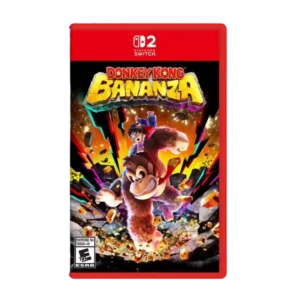
Best for joyful destruction, dense exploration, and a charming DK-Pauline adventure. Skip it if camera quirks, frame-rate dips, easy bosses, or premium Switch 2 pricing are dealbreakers.
Pros: gameplay mechanics, world interactivity
Cons: economy and resource balance, enemy variety
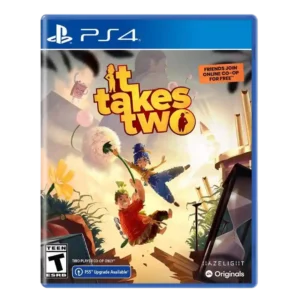
Best for joyful, inventive co-op with a partner, especially on couch. Skip it if divorce themes, uneven story tone, or Switch visual compromises would distract you.
Pros: core gameplay loop, movement feel
Cons: character development, dialogue quality
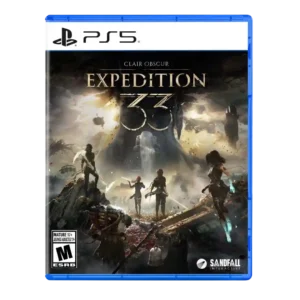
Choose Clair Obscur if you want a story-rich RPG with thrilling timed combat, gorgeous art, and standout music. Skip it if poor maps, tight parry timing, or occasional bugs and...
Pros: monetization fairness, microtransaction impact
Cons: platforming precision, menu usability