Compare The Alters vs Final Fantasy VII Rebirth

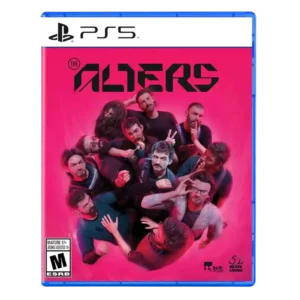
P1 The Alters
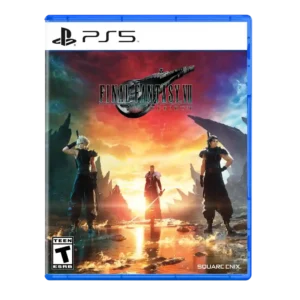
P2 Final Fantasy VII Rebirth

Comparison Takeaways

The Alters

Where It Has the Edge

  • map and navigation design is 4.3 vs 2.5. Map and navigation design was praised for clever fast travel and tense maze-like routing that reduced backtracking.
  • sound design is 5.0 vs 3.3. Sound design evidence was strongly positive, emphasizing exceptional audio, tension-building environmental sound, and fantastic sound design.
  • crafting system is 4.5 vs 2.8. The crafting and production automation earned positive evidence for reducing food and essential-goods micromanagement.
  • onboarding experience is 5.0 vs 3.5. Onboarding was praised for introducing many systems without overwhelming the player.

Final Fantasy VII Rebirth

Where It Has the Edge

  • crash stability is 5.0 vs 1.5. Crash stability is strong in the limited evidence, with one reviewer reporting no crashes.
  • load times is 4.9 vs 2.5. Load times and fast-travel speed are praised as quick and convenient.
  • combat system is 4.7 vs 3.1. Combat is one of the strongest points: reviewers repeatedly praise the hybrid action/ATB foundation, Synergy additions, tactical depth,...
  • bug frequency is 4.9 vs 3.5. Reported bug frequency is low, with multiple reviewers saying they encountered no bugs or only minor visual issues.
Average score
Product 1: The Alters
4.0
Product 2: Final Fantasy VII Rebirth
4.2
accessibility options
Product 1: The Alters
3.0

Accessibility evidence was limited and mixed, with reviewers noting useful settings but also describing the overall accessibility approach as limited.

Product 2: Final Fantasy VII Rebirth
No score yet
age appropriateness
Product 1: The Alters
2.0

Age appropriateness evidence points to mature themes, with one reviewer warning about substance abuse, suicide, and self-harm.

Product 2: Final Fantasy VII Rebirth
No score yet
animation quality
Product 1: The Alters
4.3

Animation quality was mostly praised for character design and subtle idle movement, though one reviewer found some animations rough.

Product 2: Final Fantasy VII Rebirth
4.8

Synergy Ability animations are praised for personality and relationship expression.

art direction
Product 1: The Alters
5.0

Art direction received strong praise for the alien planet, visual design, and Jan/Alter presentation.

Product 2: Final Fantasy VII Rebirth
5.0

Art direction receives high praise for maximalist world creation and imaginative modern design.

atmosphere
Product 1: The Alters
4.9

Atmosphere was consistently praised as isolating, eerie, tense, symbolic, and thrilling.

Product 2: Final Fantasy VII Rebirth
5.0

Atmosphere is praised for beauty, loss, escapism, and a strong sense of place.

boss design
Product 1: The Alters
No score yet
Product 2: Final Fantasy VII Rebirth
4.8

Boss fights are regarded as major highlights, with reviewers praising their spectacle, challenge, and layered design.

bug frequency
Product 1: The Alters
3.5

Bug evidence was mixed: several reviewers saw minor bugs, glitches, or stuck characters, while one reported zero bugs and another saw more disruptive issues.

Product 2: Final Fantasy VII Rebirth
4.9

Reported bug frequency is low, with multiple reviewers saying they encountered no bugs or only minor visual issues.

character development
Product 1: The Alters
4.4

Character development was broadly praised for distinct, evolving Jans, though one reviewer felt the alters leaned into caricature.

Product 2: Final Fantasy VII Rebirth
4.9

Character development is a standout consensus strength, with reviewers emphasizing deeper bonds, richer backstories, and more rounded portrayals across the party.

character roster
Product 1: The Alters
4.3

The Alter roster was mostly praised for distinct variants, though one reviewer felt not all Alters were equally useful or nuanced.

Product 2: Final Fantasy VII Rebirth
4.8

The roster is praised for adding distinct, memorable party members whose combat styles and personalities broaden the experience.

checkpoint system
Product 1: The Alters
No score yet
Product 2: Final Fantasy VII Rebirth
4.2

The checkpoint system is praised for reducing repetition during tricky chocobo-taming sections.

combat system
Product 1: The Alters
3.1

Combat-like anomaly encounters were generally seen as simple or secondary; some found them fitting, while others called them weak or uneven.

Product 2: Final Fantasy VII Rebirth
4.7

Combat is one of the strongest points: reviewers repeatedly praise the hybrid action/ATB foundation, Synergy additions, tactical depth, and character-specific playstyles, while only a few note occasional clumsy or frustrating encounters.

companion AI
Product 1: The Alters
No score yet
Product 2: Final Fantasy VII Rebirth
4.4

One review specifically says AI-controlled party behavior and aerial-combat complaints from Remake were addressed through Synergy systems.

content variety
Product 1: The Alters
4.3

Reviewers generally praised the variety created by survival, puzzles, exploration, branching side quests, and genre mixing, with one caveat about restrictive base building.

Product 2: Final Fantasy VII Rebirth
4.3

The game is packed with minigames, card battles, side activities, races, and regional diversions; most reviewers praise the abundance, while a few feel it becomes too much.

controls responsiveness
Product 1: The Alters
5.0

One reviewer specifically praised the controls on both controller and mouse/keyboard, with no conflicting control-responsiveness evidence.

Product 2: Final Fantasy VII Rebirth
No score yet
core gameplay loop
Product 1: The Alters
4.3

The core loop was often described as compelling, addictive, or well-designed, with one dissenting review arguing the hybrid systems failed to cohere.

Product 2: Final Fantasy VII Rebirth
4.8

Reviewers describe the overall loop as a much larger and more satisfying RPG experience than Remake, with battle, exploration, and side systems keeping them engaged.

crafting system
Product 1: The Alters
4.5

The crafting and production automation earned positive evidence for reducing food and essential-goods micromanagement.

Product 2: Final Fantasy VII Rebirth
2.8

Crafting receives limited support and one reviewer found little need to engage with it.

crash stability
Product 1: The Alters
1.5

Crash stability was a major issue in one PC review, which reported frequent crashes around the Quantum Computer.

Product 2: Final Fantasy VII Rebirth
5.0

Crash stability is strong in the limited evidence, with one reviewer reporting no crashes.

dialogue quality
Product 1: The Alters
3.4

Dialogue quality was mixed: some praised meaningful character conversations, while others found the script or conversations flat and stilted.

Product 2: Final Fantasy VII Rebirth
4.5

Dialogue is praised for charming quiet moments, sharp exchanges, and touching character interactions.

difficulty balance
Product 1: The Alters
3.3

Difficulty balance was mixed: several reviewers valued the pressure, but others found the stress overwhelming or the economy hard for newcomers.

Product 2: Final Fantasy VII Rebirth
3.6

Difficulty balance is mostly manageable and rewarding, but reviewers mention a strange spike, demanding bosses, and encounters that occasionally test patience.

economy and resource balance
Product 1: The Alters
4.1

Resource balance was mostly praised for satisfying pressure and strong management hooks, though some reviewers found it irritating or overly punishing.

Product 2: Final Fantasy VII Rebirth
No score yet
emotional impact
Product 1: The Alters
4.9

Emotional impact was consistently strong, with reviewers describing thought-provoking, personal, vulnerable, and resonant moments.

Product 2: Final Fantasy VII Rebirth
4.7

Emotional impact is very strong overall, producing tears, reflection, and attachment, though one review says the ending's delivery undermines a crucial moment.

endgame content
Product 1: The Alters
No score yet
Product 2: Final Fantasy VII Rebirth
4.4

Postgame content is viewed positively for adding more to do after the main story.

enemy variety
Product 1: The Alters
4.0

Enemy or hazard variety had limited but positive evidence, with anomaly variants helping keep exploration tense.

Product 2: Final Fantasy VII Rebirth
3.8

Enemy variety is praised in combat-focused reviews, though one reviewer found open-world mobs bland and rote.

environmental detail
Product 1: The Alters
4.8

Environmental detail was praised for adorable base rooms, dinky detail, and visually distinct alien landscapes.

Product 2: Final Fantasy VII Rebirth
4.9

Environmental detail is heavily praised for making Gaia's landscapes, regions, and familiar locations feel vivid and emotionally resonant.

exploration quality
Product 1: The Alters
3.6

Exploration divided reviewers: several found it atmospheric, tactile, or satisfying, while others found it basic, repetitive, or chore-like.

Product 2: Final Fantasy VII Rebirth
4.5

Exploration is broadly praised for rewarding curiosity with sights, activities, and regional depth, especially when the world design feels handcrafted rather than checklist-driven.

facial animations
Product 1: The Alters
5.0

Facial animation evidence was positive, with one reviewer specifically praising how faces reflect current attitude.

Product 2: Final Fantasy VII Rebirth
5.0

Expressive faces are credited with amplifying the cast's emotional drama.

faithfulness to franchise
Product 1: The Alters
No score yet
Product 2: Final Fantasy VII Rebirth
4.9

Reviewers strongly praise its respect for Final Fantasy VII's legacy while still modernizing or reshaping it.

fast travel convenience
Product 1: The Alters
No score yet
Product 2: Final Fantasy VII Rebirth
5.0

Fast travel is praised as well-designed, plentiful, and fast.

frame rate stability
Product 1: The Alters
4.8

Frame rate stability was generally strong, with reviewers citing consistent 60+ fps, 120 fps, or stable 60 fps with only occasional drops.

Product 2: Final Fantasy VII Rebirth
No score yet
fun factor
Product 1: The Alters
4.5

Fun factor was positive, with reviewers describing the game as entertaining, a blast, hard to put down, or excellent from start to finish.

Product 2: Final Fantasy VII Rebirth
4.8

Reviewers frequently describe the game, combat, Queen's Blood, and minigames as extremely fun despite pacing or bloat caveats.

gameplay mechanics
Product 1: The Alters
4.4

Most reviewers praised the blended survival, management, and narrative mechanics as polished or inventive, though a few found the underlying gameplay basic.

Product 2: Final Fantasy VII Rebirth
No score yet
graphics quality
Product 1: The Alters
4.7

Graphics were praised repeatedly, with reviewers calling the game gorgeous, detailed, good-looking, or visually distinctive.

Product 2: Final Fantasy VII Rebirth
4.2

Visuals are often praised for cutscenes, vistas, and character models, but performance-mode blur and occasional inconsistency reduce the score in several reviews.

grind level
Product 1: The Alters
2.0

Grind level drew negative evidence, with reviewers criticizing repetitive busywork and mindless material loops.

Product 2: Final Fantasy VII Rebirth
3.2

Grind and bloat are manageable when players avoid completionist impulses, but the amount of optional content can be overwhelming.

handheld play suitability
Product 1: The Alters
4.0

Handheld suitability had limited but positive evidence, with Steam Deck described as playable with decent image quality.

Product 2: Final Fantasy VII Rebirth
3.7

Handheld suitability is mixed: Steam Deck/PC handheld play is possible but compromised, while PlayStation Portal use is praised.

immersion
Product 1: The Alters
4.5

Immersion was strong but intense, with reviewers describing deep involvement and a claustrophobic, absorbing feel.

Product 2: Final Fantasy VII Rebirth
No score yet
innovation
Product 1: The Alters
4.8

Innovation was praised through the game’s unusual genre blend and standout sci-fi structure.

Product 2: Final Fantasy VII Rebirth
4.8

Innovation is praised in the game's density, polish, and inventive design ambition.

learning curve
Product 1: The Alters
No score yet
Product 2: Final Fantasy VII Rebirth
3.6

The interlocking combat and progression systems can feel overwhelming at first, but reviewers say they become rewarding once understood.

level design
Product 1: The Alters
4.3

Level and map design were praised for dense, hand-crafted layouts and well-crafted act-specific maps.

Product 2: Final Fantasy VII Rebirth
3.7

Level design ranges from exceptional set pieces to divisive dungeons, with the Cait Sith/Shinra Manor-style segments and hallway-like stretches drawing the sharpest criticism.

load times
Product 1: The Alters
2.5

Load-time evidence was mixed-to-negative because shader precompilation was called long or repeatedly required on launch.

Product 2: Final Fantasy VII Rebirth
4.9

Load times and fast-travel speed are praised as quick and convenient.

lore depth
Product 1: The Alters
No score yet
Product 2: Final Fantasy VII Rebirth
4.5

World Intel and regional information are praised for deepening understanding of Final Fantasy VII's world.

map and navigation design
Product 1: The Alters
4.3

Map and navigation design was praised for clever fast travel and tense maze-like routing that reduced backtracking.

Product 2: Final Fantasy VII Rebirth
2.5

Map and compass design is criticized as insufficient for complex terrain such as Gongaga.

menu usability
Product 1: The Alters
3.9

Menu usability was generally positive thanks to quality-of-life tools, though some reviewers found navigation old or menu-jumping cumbersome.

Product 2: Final Fantasy VII Rebirth
2.8

Menu usability has a notable complaint around the lack of saveable loadouts for equipment and Materia setups.

mission design
Product 1: The Alters
3.0

Mission design received mixed evidence because one reviewer felt survival objectives and narrative goals could work against each other.

Product 2: Final Fantasy VII Rebirth
2.4

Some mandatory or heavily gamified tasks were criticized for interrupting flow and failing to give players breathing room.

mission variety
Product 1: The Alters
No score yet
Product 2: Final Fantasy VII Rebirth
3.1

Mission variety is mixed because Chadley-style objectives and world intel can repeat across regions despite the game offering many different activities overall.

movement feel
Product 1: The Alters
2.8

Movement drew mixed-to-negative notes, with one reviewer calling traversal cumbersome and another saying Jan could feel awkward or get stuck.

Product 2: Final Fantasy VII Rebirth
2.9

Movement is mixed: broad traversal supports adventure, but dodging, climbing, chocobo handling, and uneven-ground movement drew complaints for feeling awkward or stiff.

narrative quality
Product 1: The Alters
4.7

Narrative quality was one of the strongest areas, with many reviewers praising the story as compelling, thoughtful, philosophical, or emotionally resonant.

Product 2: Final Fantasy VII Rebirth
4.0

Narrative response is divided: reviewers praise the character-driven journey and remixed story, but several criticize thin macro plotting, convolution, or the ending's execution.

onboarding experience
Product 1: The Alters
5.0

Onboarding was praised for introducing many systems without overwhelming the player.

Product 2: Final Fantasy VII Rebirth
3.5

Onboarding is uneven: Red XIII's recap helps returning players, but multiple reviewers warn newcomers may still be lost.

open-world design
Product 1: The Alters
No score yet
Product 2: Final Fantasy VII Rebirth
3.9

The open-world structure is the most divisive area: many reviewers admire its scale and reward loops, while others criticize bloat, repetition, and momentum-breaking busywork.

originality
Product 1: The Alters
4.7

Originality was strongly praised, with reviewers calling the concept unique, uncategorizable, ambitious, or unlike anything else.

Product 2: Final Fantasy VII Rebirth
4.5

Originality is supported by reviewers who say the reimagined story still surprises them despite familiarity with the original.

pacing
Product 1: The Alters
3.3

Pacing was mixed, with praise for quick days and well-timed beats offset by complaints about cyclical acts, clocks, and difficult bad-end pressure.

Product 2: Final Fantasy VII Rebirth
3.2

Pacing is mixed: some reviewers like the scenic, character-forward route, but many complain that open-world checklists, minigames, and late sections slow or derail the main story.

performance optimization
Product 1: The Alters
4.3

Performance optimization was mostly praised on reviewed builds, though one PC review reported dreadful performance.

Product 2: Final Fantasy VII Rebirth
3.6

Performance is mixed across platforms and modes: some reviews report smooth play, while others criticize blur, pop-in, texture streaming, or technical tradeoffs.

platform-specific feature support
Product 1: The Alters
No score yet
Product 2: Final Fantasy VII Rebirth
4.2

PS5-specific features receive light but positive mention through DualSense motion controls and haptics.

polish
Product 1: The Alters
3.3

Polish was mixed, with notes about lacking presentation and unskippable scenes despite otherwise strong execution.

Product 2: Final Fantasy VII Rebirth
4.3

Polish is generally high but not flawless, with minor hiccups, visual issues, or areas needing more shoring up.

progression system
Product 1: The Alters
2.5

Progression drew criticism from one reviewer who felt unlocks mostly reduced earlier friction rather than adding exciting new capabilities.

Product 2: Final Fantasy VII Rebirth
3.7

Folios and related progression systems are considered useful and flexible by several reviewers, though at least one found character leveling and skill growth confusing.

protagonist appeal
Product 1: The Alters
3.7

Jan’s appeal was mixed: some found him more complete, plausible, and sympathetic, while one reviewer found him unpleasant.

Product 2: Final Fantasy VII Rebirth
No score yet
puzzle design
Product 1: The Alters
3.5

Puzzle evidence was mixed: environmental puzzles earned praise, but the probe-based resource puzzle was criticized as fiddly and low-value.

Product 2: Final Fantasy VII Rebirth
No score yet
quest design
Product 1: The Alters
No score yet
Product 2: Final Fantasy VII Rebirth
4.1

Side quests are generally viewed positively when they deepen party relationships or world context, though some reviewers call out filler, repetition, or isolated dull tasks.

remake/remaster quality
Product 1: The Alters
No score yet
Product 2: Final Fantasy VII Rebirth
4.6

As a remake/reimagining, Rebirth is widely praised for honoring the original while expanding, modernizing, and sometimes boldly changing it.

replay value
Product 1: The Alters
4.3

Replay value was widely praised because alternate Alters, choices, endings, and remembered dialogue paths encourage repeat runs, though a few reviewers saw replay fatigue.

Product 2: Final Fantasy VII Rebirth
4.5

Replay value is strong thanks to hard mode, New Game Plus, postgame options, relationship outcomes, and many remaining activities.

save system reliability
Product 1: The Alters
3.0

Save reliability was mixed: one reviewer lost progress due to daily saves and crashes, while another appreciated nightly/location auto-saves.

Product 2: Final Fantasy VII Rebirth
No score yet
side character depth
Product 1: The Alters
5.0

Side character depth was praised in the reviews that addressed it, with the Alters described as distinct and fully realized.

Product 2: Final Fantasy VII Rebirth
No score yet
sound design
Product 1: The Alters
5.0

Sound design evidence was strongly positive, emphasizing exceptional audio, tension-building environmental sound, and fantastic sound design.

Product 2: Final Fantasy VII Rebirth
3.3

Sound design is mixed: effects and environmental audio can impress, but multiple reviews mention poor mixing or music drowning out dialogue.

soundtrack quality
Product 1: The Alters
4.5

Soundtrack quality was praised for its synth mood, Piotr Musial’s work, and enjoyable/chill music.

Product 2: Final Fantasy VII Rebirth
5.0

The soundtrack is an overwhelming consensus strength, repeatedly described as incredible, phenomenal, moving, and among the series' best.

stealth mechanics
Product 1: The Alters
No score yet
Product 2: Final Fantasy VII Rebirth
2.5

The small stealth segments were singled out as a weak link, especially because the engine was not seen as well-suited to stealth maneuvers.

upgrade system
Product 1: The Alters
No score yet
Product 2: Final Fantasy VII Rebirth
4.2

The character upgrade system is viewed as more nuanced and strategic than Remake's approach.

user interface design
Product 1: The Alters
4.2

UI design was mostly praised as clean, tactile, and not intrusive, with some interface quirks noted.

Product 2: Final Fantasy VII Rebirth
No score yet
value for money
Product 1: The Alters
4.9

Value for money was praised, especially around the $35 price and replayable mid-sized scope.

Product 2: Final Fantasy VII Rebirth
4.3

Value is strong because of the game's length and abundance of content, though some reviewers question whether it asks for too much time.

visual effects quality
Product 1: The Alters
3.0

Visual effects evidence was mixed-to-negative in one review because close-up scenes sometimes became pixelated.

Product 2: Final Fantasy VII Rebirth
4.4

Visual spectacle is strong, although one reviewer notes motion blur can obscure otherwise striking battle imagery.

voice acting
Product 1: The Alters
4.8

Voice acting was strongly praised across many reviews, especially Alex Jordan’s work differentiating the many Jans, with only one mild delivery caveat.

Product 2: Final Fantasy VII Rebirth
4.9

Voice acting is one of the clearest strengths, with reviewers repeatedly calling out expressive, emotional, and well-cast performances.

world-building
Product 1: The Alters
4.5

World-building was praised for its strange sci-fi setting, cultural detail, and labor/corporate themes.

Product 2: Final Fantasy VII Rebirth
5.0

World-building is praised for making Gaia feel more alive, detailed, and newly understandable compared with older versions.

world interactivity
Product 1: The Alters
No score yet
Product 2: Final Fantasy VII Rebirth
4.0

World interactions such as animals leading to objectives and fast-travel points were seen as pleasant touches that make Gaia feel reactive, though repetition remains a caveat.

writing quality
Product 1: The Alters
4.0

Writing was mostly praised as authentic, human, or excellent, though one negative review called it shallow and another noted occasional creaking.

Product 2: Final Fantasy VII Rebirth
4.8

Writing is strongly praised for expanding the original, deepening the human element, and selling relationships, even when broader story choices remain divisive.