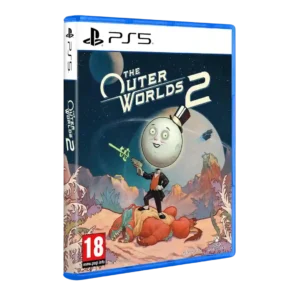
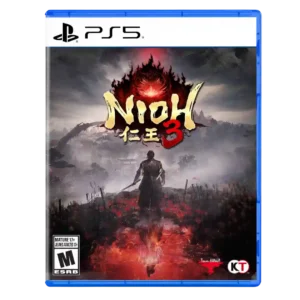
Compare The Outer Worlds 2 vs Nioh 3

P1 The Outer Worlds 2
P2 Nioh 3

Comparison Takeaways

The Outer Worlds 2

Where It Has the Edge

  • loot system is 4.2 vs 2.7. Loot was praised as meaningful, rewarding, and varied enough to support distinct builds.
  • voice acting is 4.3 vs 2.8. Voice acting was considered strong or solid, with performances generally supporting the setting and comedy.
  • stealth mechanics is 4.0 vs 2.5. Stealth was often viable and rewarding, especially with builds and gadgets, but some reviewers found it imbalanced or...
  • world-building is 4.7 vs 3.4. World-building was a major strength, with reviewers praising factions, moral dilemmas, environmental context, and a lived-in universe.

Nioh 3

Where It Has the Edge

  • endgame content is 4.9 vs 2.3. Endgame content was strongly praised through NG+, deep loot payoff, and multiplayer/endgame longevity.
  • enemy variety is 3.9 vs 1.5. Enemy variety was divisive, ranging from praise for a huge monster lineup to criticism of recycled or repetitive...
  • pacing is 5.0 vs 2.9. Pacing received excellent marks where reviewers described the setting and exploration rhythm as unrelentingly addictive.
  • animation quality is 4.5 vs 2.8. Animation quality received positive evidence from one review that noted improved animations supporting better combat feel.
Average score
Product 1: The Outer Worlds 2
3.7
Product 2: Nioh 3
3.8
accessibility options
Product 1: The Outer Worlds 2
No score yet
Product 2: Nioh 3
3.0

Accessibility evidence was mixed: one review criticized the lack of lower difficulty options, while another noted subtitle and caption-related options.

AI behavior
Product 1: The Outer Worlds 2
3.1

Enemy AI was sharply split between smart tactical behavior and complaints about idling, aggro, detection, or rough enemy decisions.

Product 2: Nioh 3
2.5

AI behavior was criticized in one review for enemies failing to react believably to nearby actions.

aiming precision
Product 1: The Outer Worlds 2
3.9

Aiming was mostly better and more natural, but one reviewer still found the reticle a little slippery.

Product 2: Nioh 3
No score yet
animation quality
Product 1: The Outer Worlds 2
2.8

Animation quality was mixed to negative, mostly due to janky or weak animation comments.

Product 2: Nioh 3
4.5

Animation quality received positive evidence from one review that noted improved animations supporting better combat feel.

art direction
Product 1: The Outer Worlds 2
4.0

Art direction was mostly praised for color, personality, and alien worlds, though one reviewer preferred the first game's grounded look.

Product 2: Nioh 3
4.2

Art direction was mostly positive, especially for aesthetic and yokai style, despite one review saying it lacked FromSoftware-like beauty.

atmosphere
Product 1: The Outer Worlds 2
4.4

Atmosphere was praised for oppressive planets, overwhelming corporate spaces, and a strong sense of place.

Product 2: Nioh 3
4.5

Atmosphere was praised for distinctive hubs, strong Sengoku flavor, and memorable area identity.

boss design
Product 1: The Outer Worlds 2
No score yet
Product 2: Nioh 3
4.3

Boss design was broadly praised for memorable, fair, and demanding encounters, though a few reviewers found some bosses generic or less memorable.

bug frequency
Product 1: The Outer Worlds 2
3.1

Bug frequency was mixed, with several reviewers noting annoying or persistent bugs and others saying issues were minor.

Product 2: Nioh 3
2.8

Bug frequency was a concern in several reviews, including disappearing health bars, glitches, and enemies behaving incorrectly.

camera behavior
Product 1: The Outer Worlds 2
2.5

Third-person camera implementation was criticized as uncomfortable by one reviewer.

Product 2: Nioh 3
2.5

Camera behavior received a negative technical note because stuttery camera movement was part of a broader PC issue list.

character customization
Product 1: The Outer Worlds 2
No score yet
Product 2: Nioh 3
4.4

Character customization was mostly praised as deep and flexible, though one review found it weaker than Nioh 2.

character development
Product 1: The Outer Worlds 2
2.9

Character development was mixed, with some praise for relationship growth but several complaints about unmemorable or thin characters.

Product 2: Nioh 3
No score yet
character roster
Product 1: The Outer Worlds 2
3.3

The companion roster drew mixed reactions, from mostly memorable faction representatives to a separate view that no one truly stood out.

Product 2: Nioh 3
2.0

Character roster was criticized in one review as thin compared with previous entries.

checkpoint system
Product 1: The Outer Worlds 2
No score yet
Product 2: Nioh 3
4.5

Checkpoints were praised as well placed and supported by abundant shortcuts.

class balance
Product 1: The Outer Worlds 2
No score yet
Product 2: Nioh 3
4.2

Class balance was mostly positive, with Samurai and Ninja both seen as viable despite some flexibility concerns.

co-op experience
Product 1: The Outer Worlds 2
No score yet
Product 2: Nioh 3
4.2

Co-op was generally praised as smooth, strong, and helpful, with only some stability caveats.

combat system
Product 1: The Outer Worlds 2
4.1

Combat was widely seen as a major improvement, especially gunplay, though melee feel and RPG-shooter limitations kept some scores mixed.

Product 2: Nioh 3
4.9

Combat was the most strongly praised attribute, repeatedly called deep, smooth, flexible, and among the best in the soulslike/action RPG space.

companion AI
Product 1: The Outer Worlds 2
2.0

Companion AI drew negative comments for reckless combat behavior and frequent deaths.

Product 2: Nioh 3
2.5

Companion AI received a negative note where summonable allies were said to be ignored by bosses.

content variety
Product 1: The Outer Worlds 2
3.0

Content variety was mixed, with one review arguing expanded quantity sometimes came at the cost of depth.

Product 2: Nioh 3
3.6

Content variety was mixed: several reviews praised packed activities and systems, while others felt repetition or density set in.

controls responsiveness
Product 1: The Outer Worlds 2
4.5

Controls were praised for snappier, more responsive shooting and better weapon heft.

Product 2: Nioh 3
4.5

Style switching was described as smooth and responsive, with reviewers noting that swapping between Samurai and Ninja quickly became satisfying in battle.

core gameplay loop
Product 1: The Outer Worlds 2
4.2

The main loop of talking, looting, fighting, and resolving problems your way was praised as satisfying and strongly role-play driven.

Product 2: Nioh 3
4.9

The core loop was described as addictive and hard to put down, with repeated praise for combat-driven progression and long-term engagement.

crash stability
Product 1: The Outer Worlds 2
3.5

Crash stability was mixed, from one-crash praise to reports of hard crashes or repeated crashes in a specific area.

Product 2: Nioh 3
2.7

Crash stability was mixed-negative, with multiple reviewers reporting crashes or fatal errors even when saves survived.

cross-save support
Product 1: The Outer Worlds 2
4.0

Cross-save support was positively noted when saves moved between Xbox and PC.

Product 2: Nioh 3
No score yet
dialogue quality
Product 1: The Outer Worlds 2
4.4

Dialogue was praised for branching options, smooth integration of background choices, and rewarding nonviolent solutions.

Product 2: Nioh 3
No score yet
difficulty balance
Product 1: The Outer Worlds 2
3.7

Difficulty was mixed: some liked the challenge and fairness, while others noted reverse difficulty or uneven spikes.

Product 2: Nioh 3
3.9

Difficulty was generally seen as challenging but more approachable and flexible, though one review strongly criticized the lack of lower difficulty options.

economy and resource balance
Product 1: The Outer Worlds 2
2.0

Economy balance drew criticism from one reviewer who found bits and faction standing underdeveloped.

Product 2: Nioh 3
2.5

Resource balance drew criticism around elixir management, especially early on when healing items felt unnecessarily stressful.

emotional impact
Product 1: The Outer Worlds 2
2.8

Emotional impact was limited in mixed reviews, with satire and tone sometimes keeping decisions from landing deeply.

Product 2: Nioh 3
4.0

Emotional impact received limited but positive evidence from one review citing some emotional weight in the leadership theme.

endgame content
Product 1: The Outer Worlds 2
2.3

Endgame content drew criticism when the level cap arrived before some arcs or final hours, reducing reward momentum.

Product 2: Nioh 3
4.9

Endgame content was strongly praised through NG+, deep loot payoff, and multiplayer/endgame longevity.

enemy variety
Product 1: The Outer Worlds 2
1.5

Enemy variety was a repeated low point in IGN-aligned reviews, especially repeated creatures across planets.

Product 2: Nioh 3
3.9

Enemy variety was divisive, ranging from praise for a huge monster lineup to criticism of recycled or repetitive foes.

environmental detail
Product 1: The Outer Worlds 2
4.5

Environmental detail was praised for purposeful design, interiors, environmental storytelling, and handcrafted spaces.

Product 2: Nioh 3
4.5

Environmental detail was praised where reviewers found the large landscapes impressive.

exploration quality
Product 1: The Outer Worlds 2
3.9

Exploration was generally rewarding and purposeful, though some reviewers found open stretches empty or unrewarding.

Product 2: Nioh 3
4.5

Exploration was consistently praised as rewarding, meaningful, and strongly tied to progression, though a few reviewers noted checklist fatigue.

faithfulness to franchise
Product 1: The Outer Worlds 2
4.3

Faithfulness to the franchise was praised for refining the series, keeping its soul, and moving closer to Obsidian's RPG promise.

Product 2: Nioh 3
4.4

Faithfulness to franchise was praised where reviewers felt the game preserved Nioh’s identity while evolving its formula.

fast travel convenience
Product 1: The Outer Worlds 2
3.8

Fast travel was useful and sometimes praised, though lack of interplanetary fast travel frustrated one reviewer.

Product 2: Nioh 3
No score yet
frame rate stability
Product 1: The Outer Worlds 2
3.9

Frame rate evidence ranged from smooth 60 FPS praise to concerns about 4K performance and quality/performance tradeoffs.

Product 2: Nioh 3
3.3

Frame rate stability varied sharply by reviewer and platform, from stable or flawless to serious regional problems and forced FPS caps.

fun factor
Product 1: The Outer Worlds 2
3.9

Fun factor was mostly positive, though some reviewers tied their enjoyment to tolerance for repetition, pacing, or familiar design.

Product 2: Nioh 3
4.8

Fun factor was very high across reviews, with repeated language around fun, addictive play, and strong enjoyment.

gameplay mechanics
Product 1: The Outer Worlds 2
4.5

Reviewers generally liked the RPG systems, build options, and reactive mechanics, though a few found familiar systems less imaginative.

Product 2: Nioh 3
4.2

Reviewers largely praised the Samurai/Ninja systems and style switching for adding flexibility and depth, though a few found specific mechanics underpowered or limiting.

graphics quality
Product 1: The Outer Worlds 2
4.2

Graphics were generally positive, with vibrant worlds and improved visuals, though some character models or performance-mode compromises drew criticism.

Product 2: Nioh 3
3.7

Graphics were mixed: some called the game good-looking or visually impressive, while others found graphics dated or uneven.

grind level
Product 1: The Outer Worlds 2
3.1

Grind level was mixed: IGN found the RPG grind compelling, while RPGFan said repetitive tasks and level-cap timing hurt motivation.

Product 2: Nioh 3
No score yet
immersion
Product 1: The Outer Worlds 2
2.5

Immersion was limited in one review where the ship never felt like home.

Product 2: Nioh 3
3.0

Immersion was mixed: one review said empty restored areas harmed it, while another said technical hiccups did not break it.

innovation
Product 1: The Outer Worlds 2
3.8

Innovation was split between praise for the flaws system and criticism that broader mechanics felt unimaginative.

Product 2: Nioh 3
4.2

Innovation received positive evidence for blending outside influences into a cohesive whole.

learning curve
Product 1: The Outer Worlds 2
4.0

One reviewer found the broader RPG structure easy to grasp despite its added ambition.

Product 2: Nioh 3
3.4

The learning curve was widely described as approachable but still steep, dense, or overwhelming depending on player familiarity.

level design
Product 1: The Outer Worlds 2
4.3

Dense openings and dungeon spaces earned strong praise, with reviewers singling out alternate routes and thoughtful layouts.

Product 2: Nioh 3
4.6

Level design was broadly praised for open-field layouts, strong world structure, and mission-like areas integrated into larger spaces.

load times
Product 1: The Outer Worlds 2
4.5

Load times were praised as reasonably short in one cross-platform review.

Product 2: Nioh 3
5.0

Load times were praised as very quick in both supporting reviews.

loot system
Product 1: The Outer Worlds 2
4.2

Loot was praised as meaningful, rewarding, and varied enough to support distinct builds.

Product 2: Nioh 3
2.7

Loot was one of the most repeated pain points, with reviewers describing abundance, inventory pressure, and menu-heavy cleanup despite some useful tools.

lore depth
Product 1: The Outer Worlds 2
4.5

Lore depth was praised where new factions made Arcadia feel deeper and more distinct than the first game.

Product 2: Nioh 3
No score yet
map and navigation design
Product 1: The Outer Worlds 2
2.8

Navigation drew criticism for unclear markers, map cursor issues, and unintuitive routes.

Product 2: Nioh 3
4.0

Map and navigation design was mostly positive, especially collectible reveal systems, though one review disliked checklist-style map completion.

menu usability
Product 1: The Outer Worlds 2
3.0

Menus and inventory drew mixed-to-negative reactions, especially inventory patience, UI bugs, and clutter.

Product 2: Nioh 3
2.9

Menu usability was a repeated drawback, with reviewers citing convoluted systems, cluttered menus, and too much menu busy work despite mitigation tools.

mission design
Product 1: The Outer Worlds 2
4.6

Major missions and tentpole scenarios were praised for puzzle-box structure, role-play opportunities, and varied routes.

Product 2: Nioh 3
4.3

Mission and Crucible design were viewed positively, with reviewers noting more open paths, pressure-test encounters, and dungeon-like challenge.

mission variety
Product 1: The Outer Worlds 2
1.5

Mission variety was criticized by one reviewer who felt objectives repeated too often.

Product 2: Nioh 3
No score yet
movement feel
Product 1: The Outer Worlds 2
3.8

Movement was usually considered improved and freer, helped by mobility options, though fall damage and melee sluggishness drew criticism.

Product 2: Nioh 3
4.5

Movement earned praise for mobility and flow, especially through Ninja style and the broader feel of moment-to-moment action.

multiplayer design
Product 1: The Outer Worlds 2
No score yet
Product 2: Nioh 3
4.0

Multiplayer design received limited positive evidence for remaining a strong suit.

narrative quality
Product 1: The Outer Worlds 2
3.8

Narrative quality ranged from excellent political intrigue and strong story beats to complaints about a weak, predictable, or flat core story.

Product 2: Nioh 3
2.8

Narrative quality was the clearest creative weakness, often described as hard to follow, dry, rough, or merely functional, with a few positive exceptions.

onboarding experience
Product 1: The Outer Worlds 2
4.2

Onboarding and character setup were mostly praised for immediately expressing background, traits, and build identity.

Product 2: Nioh 3
4.1

Onboarding was usually praised for pacing new systems well and helping players get up to speed despite mechanical density.

online stability
Product 1: The Outer Worlds 2
No score yet
Product 2: Nioh 3
2.8

Online stability was mixed-negative, with co-op praised but disconnections and network instability noted.

open-world design
Product 1: The Outer Worlds 2
3.0

Open-zone design drew mixed reactions, with compact areas praised but barren spaces and shallow depth criticized.

Product 2: Nioh 3
4.4

The open-field/open-world shift was mostly praised as a strong evolution, with a minority finding it unnecessary or gimmicky.

originality
Product 1: The Outer Worlds 2
3.0

Originality was moderate, with one reviewer describing the sequel as incremental rather than transformative.

Product 2: Nioh 3
No score yet
pacing
Product 1: The Outer Worlds 2
2.9

Pacing was the most consistent caveat, with slow first acts, uneven zones, or late-game drag appearing in several reviews.

Product 2: Nioh 3
5.0

Pacing received excellent marks where reviewers described the setting and exploration rhythm as unrelentingly addictive.

performance optimization
Product 1: The Outer Worlds 2
3.8

Performance optimization was mixed but generally acceptable, with strong platform reports offset by rough PC or ray-tracing complaints.

Product 2: Nioh 3
3.3

Performance optimization was mixed, with some smooth experiences but repeated PC issues, frame dips, and calls for optimization.

platforming precision
Product 1: The Outer Worlds 2
No score yet
Product 2: Nioh 3
2.5

Platforming was criticized in one review for inconsistency and for making terrain feel more dangerous than intended.

polish
Product 1: The Outer Worlds 2
3.5

Polish was mixed, balancing technical reliability improvements against uneven design and jank.

Product 2: Nioh 3
4.5

Polish was praised by reviews that called Nioh 3 polished, refined, and fleshed out.

progression system
Product 1: The Outer Worlds 2
4.4

Progression, perks, flaws, and no-respec commitment were widely praised, though level-cap and respec complaints created some friction.

Product 2: Nioh 3
4.7

Progression was praised for free respecs, build freedom, rewarding upgrades, and flexible experimentation across styles and weapons.

protagonist appeal
Product 1: The Outer Worlds 2
4.0

One reviewer enjoyed shaping an idiot-savant commander, supporting protagonist role-play appeal.

Product 2: Nioh 3
No score yet
puzzle design
Product 1: The Outer Worlds 2
4.2

Puzzle support was praised where gadgets expanded both combat and puzzle-solving options.

Product 2: Nioh 3
No score yet
quest design
Product 1: The Outer Worlds 2
3.9

Quest design was split: several reviewers loved the branching checks and side content, while others saw busywork or inconsequential side quests.

Product 2: Nioh 3
4.0

Side quests were viewed favorably in the cited review because Myths were spaced out rather than overwhelming the map.

replay value
Product 1: The Outer Worlds 2
4.5

Replay value was a major strength, with reviewers wanting additional runs for alternate builds, choices, paths, and endings.

Product 2: Nioh 3
4.9

Replay value was rated very highly, with reviewers pointing to postgame hostility resets, NG+, long playtimes, and ongoing engagement.

sandbox freedom
Product 1: The Outer Worlds 2
4.4

Reviewers strongly praised the freedom to solve situations through speech, stealth, combat, skills, traits, and prior discoveries.

Product 2: Nioh 3
No score yet
side character depth
Product 1: The Outer Worlds 2
3.8

Side characters and companions were divisive: many praised their faction ties and quests, while others found them uneven or unmemorable.

Product 2: Nioh 3
No score yet
skill tree depth
Product 1: The Outer Worlds 2
4.5

Skill depth was praised for meaningful specialization, tough choices, and builds that affected both dialogue and combat.

Product 2: Nioh 3
4.2

Skill trees were praised for depth and hidden unlocks, though some reviewers felt the system could be overwhelming at first.

sound design
Product 1: The Outer Worlds 2
4.0

Sound design and radio presentation were praised for adding flavor and helping scenes land.

Product 2: Nioh 3
4.8

Sound design was strongly praised, especially combat effects, ambient audio, and overall audio presentation.

soundtrack quality
Product 1: The Outer Worlds 2
3.5

Soundtrack quality was mixed: radio and themed music were liked, while several reviewers found the score sparse or not memorable.

Product 2: Nioh 3
3.8

Soundtrack quality ranged from forgettable to gorgeous and well-placed, making the overall evidence mixed-positive.

stealth mechanics
Product 1: The Outer Worlds 2
4.0

Stealth was often viable and rewarding, especially with builds and gadgets, but some reviewers found it imbalanced or merely serviceable.

Product 2: Nioh 3
2.5

Stealth received a mixed note because one reviewer found stealth attacks could alert enemies too easily.

tutorial quality
Product 1: The Outer Worlds 2
No score yet
Product 2: Nioh 3
1.8

Tutorial quality was criticized for poorly introduced systems and badly timed mechanics during difficult early moments.

upgrade system
Product 1: The Outer Worlds 2
3.8

Weapon and gear upgrades were usually liked for customization, but some reviewers found mod limits or specific systems clunky.

Product 2: Nioh 3
No score yet
user interface design
Product 1: The Outer Worlds 2
3.3

Interface design was split between a UI that stayed out of the way and a cluttered UI complaint.

Product 2: Nioh 3
No score yet
value for money
Product 1: The Outer Worlds 2
3.8

Value was mixed-positive: Game Pass and standard pricing were praised, while some reviewers recommended waiting for broader opinions or a sale.

Product 2: Nioh 3
4.8

Value for money was rated highly due to 100-hour completion, content richness, and strong day-one value claims.

visual effects quality
Product 1: The Outer Worlds 2
4.0

Visual effects were praised by one reviewer for good-looking special effects and reflections.

Product 2: Nioh 3
5.0

Visual effects quality was strongly praised in one review for the Crucible’s striking visual design.

voice acting
Product 1: The Outer Worlds 2
4.3

Voice acting was considered strong or solid, with performances generally supporting the setting and comedy.

Product 2: Nioh 3
2.8

Voice acting was mixed, with Japanese voiceover praised but English voice acting criticized as poor or distracting.

weapon balance
Product 1: The Outer Worlds 2
3.6

Weapon balance ranged from fresh, satisfying arsenals to overpowered or underwhelming weapons and uneven biomass guns.

Product 2: Nioh 3
4.3

Weapon balance/depth was positive overall, though style-locked weapons were also described as controversial.

world-building
Product 1: The Outer Worlds 2
4.7

World-building was a major strength, with reviewers praising factions, moral dilemmas, environmental context, and a lived-in universe.

Product 2: Nioh 3
3.4

World-building was mixed, with time-period variety praised but identity, lore depth, and restored-world immersion criticized in several reviews.

world interactivity
Product 1: The Outer Worlds 2
4.5

World interactivity was praised where obvious environmental solutions and discovered information could be acted on directly.

Product 2: Nioh 3
No score yet
writing quality
Product 1: The Outer Worlds 2
4.2

Writing was one of the best-supported strengths, especially satire, dialogue, humor, and faction commentary, despite a few complaints about patchiness.

Product 2: Nioh 3
3.9

Writing quality was mixed-positive, with praise for spectacle and some story impact despite broader narrative caveats.