If you want better economy and resource balance
Choose Ghost of Yōtei. It scores 4.5 vs 2.0 for economy and resource balance, with a 4.4 overall score.
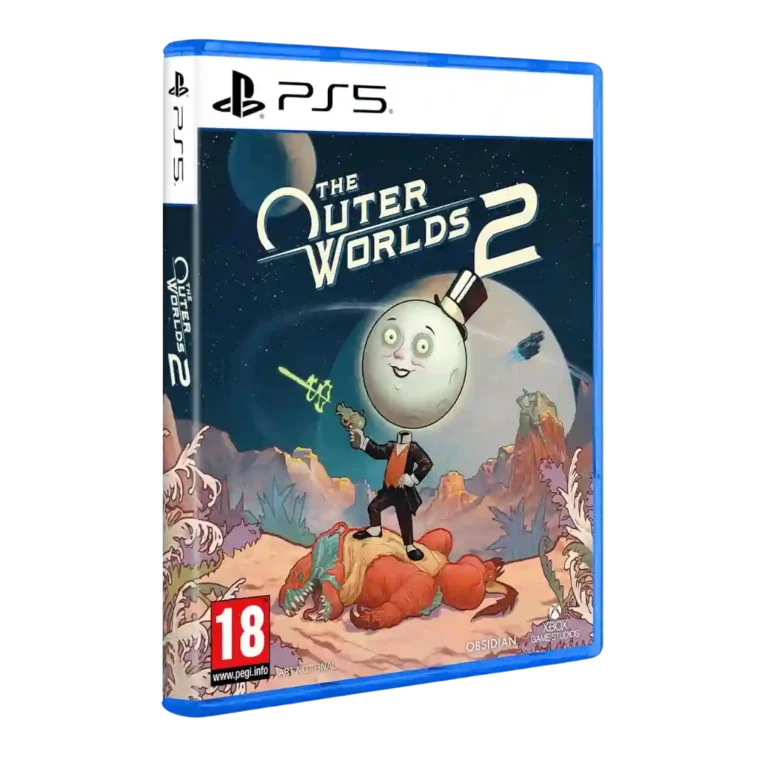
Choose The Outer Worlds 2 for deep RPG choice, sharp writing, stronger combat, and replayable builds. Skip it if uneven pacing, weak enemy variety, bugs, or inconsistent companions would sour the adventure.
Best for players who want a choice-heavy single-player RPG with sharp satire, meaningful builds, flexible quest solutions, and strong replay incentives.
Not for players who need consistently polished combat AI, dense open-world spaces, memorable companions across the board, or a tightly paced story from the opening hours.
Across the reviews, The Outer Worlds 2 lands as a stronger, more reactive RPG than its predecessor, with the most praise going to buildcrafting, flaws, skill checks, writing, faction world-building, and improved gunplay. The tradeoff is consistency: several reviewers loved the dense, choice-heavy missions and replay hooks, while others found the first act slow, open areas sparse, enemy variety thin, and companions uneven. Technical impressions also range from smooth performance to notable bugs and crashes. Its best evidence points to a confident Obsidian sequel that excels when systems, satire, and player agency overlap, but occasionally loses focus when pacing, polish, or emotional character work need to carry the experience.
Compared with other Video Games, this product is above average in mission design, writing quality, progression system, near average in side character depth, combat system, below average in mission variety, enemy variety, immersion.
| Attribute | This product | Category average | Difference |
|---|---|---|---|
| mission variety | 1.5 | 3.5 | -2.0 |
| enemy variety | 1.5 | 3.5 | -2.0 |
| immersion | 2.5 | 4.2 | -1.7 |
| emotional impact | 2.8 | 4.3 | -1.5 |
| animation quality | 2.8 | 4.1 | -1.3 |
| economy and resource balance | 2.0 | 3.3 | -1.3 |
| companion AI | 2.0 | 3.3 | -1.3 |
| endgame content | 2.3 | 3.5 | -1.3 |
Choose Ghost of Yōtei. It scores 4.5 vs 2.0 for economy and resource balance, with a 4.4 overall score.
Choose Kingdom Come: Deliverance II. It scores 4.9 vs 1.5 for mission variety, with a 4.3 overall score.
Choose Avowed. It scores 4.6 vs 3.9 for exploration quality, with a 3.7 overall score.
Choose Monster Hunter Wilds. It scores 4.6 vs 1.5 for enemy variety, with a 3.6 overall score.
Products reviewers directly compared with this model, grouped into quick takeaways.
Yes. Reviews repeatedly emphasize skill checks, perks, flaws, dialogue options, and build expression, even while noting that gunplay is much improved.
Most reviewers say combat is better than the first game, especially gunplay and weapon variety. Criticism centers on melee feel, enemy variety, AI issues, and occasional balance quirks.
Opinions are split. Some reviewers praised companions as faction gateways with strong quests and banter, while others found them uneven, thin, or not especially memorable.
Yes. Many reviews highlight alternate builds, permanent progression choices, faction paths, flaws, and different quest outcomes as reasons to replay.
The main drawbacks across reviews are uneven pacing, a slow or weak first act, repeated enemy types, some empty open areas, bugs, and occasional crashes.
Value evidence is generally positive, especially where reviewers mention Game Pass or the $69.99 price. A few reviewers still suggest waiting if pacing or tone concerns matter.
These are a few of the reviews included in our analysis.
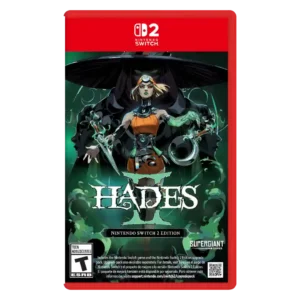
Good if you want fast, tactical roguelite combat with huge progression depth, striking art, and standout music. Skip it if repetition, resource micromanagement, or a less emotionally satisfying sequel story...
Pros: skill tree depth, dialogue quality
Cons: emotional impact, economy and resource balance
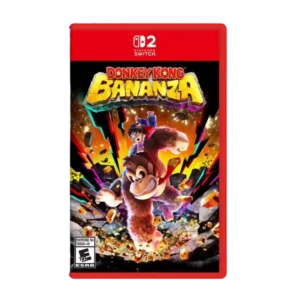
Best for joyful destruction, dense exploration, and a charming DK-Pauline adventure. Skip it if camera quirks, frame-rate dips, easy bosses, or premium Switch 2 pricing are dealbreakers.
Pros: gameplay mechanics, world interactivity
Cons: economy and resource balance, enemy variety
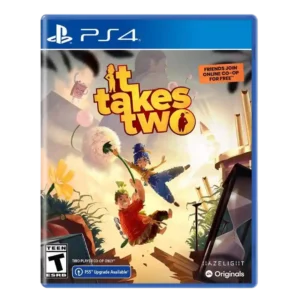
Best for joyful, inventive co-op with a partner, especially on couch. Skip it if divorce themes, uneven story tone, or Switch visual compromises would distract you.
Pros: core gameplay loop, movement feel
Cons: character development, dialogue quality
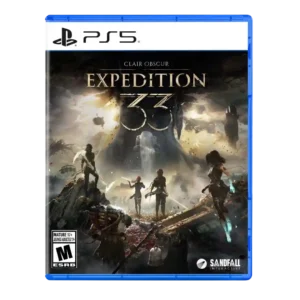
Choose Clair Obscur if you want a story-rich RPG with thrilling timed combat, gorgeous art, and standout music. Skip it if poor maps, tight parry timing, or occasional bugs and...
Pros: monetization fairness, microtransaction impact
Cons: platforming precision, menu usability