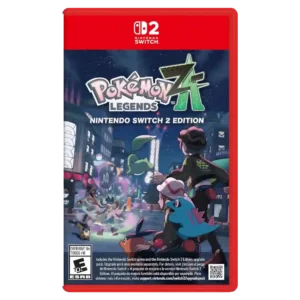
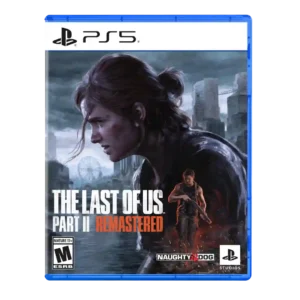
Compare Pokémon Legends: Z-A vs The Last of Us Part II Remastered

P1 Pokémon Legends: Z-A
P2 The Last of Us Part II Remastered

Comparison Takeaways

Pokémon Legends: Z-A

Where It Has the Edge

  • family friendliness is 4.5 vs 1.5. Family friendliness evidence was positive where the game was described as accessible to players of all ages without...
  • puzzle design is 4.0 vs 2.0. Puzzle evidence centered on rooftop route-finding, which one reviewer found meaningfully puzzle-like within Lumiose traversal.
  • innovation is 4.4 vs 3.0. Innovation was widely praised for taking risks, evolving the formula, and experimenting with real-time combat and city structure.
  • gameplay mechanics is 4.8 vs 3.5. Reviewers praised the broader mechanics for making Pokémon management and move choices feel fresh, though some noted jank...

The Last of Us Part II Remastered

Where It Has the Edge

  • AI behavior is 4.3 vs 1.0. AI behavior was praised in combat-focused reviews for swarming, faction pressure, and strong arena behavior.
  • voice acting is 5.0 vs 1.7. Voice acting earned unanimous praise from scored reviews, especially for the main cast’s performances.
  • environmental detail is 4.9 vs 2.1. Environmental detail drew strong praise for scenery, foliage, world texture, and dense visual craftsmanship.
  • value for money is 4.3 vs 1.5. Value for money was strongly positive for the $10 upgrade, with more mixed views for first-time or double-dip...
Average score
Product 1: Pokémon Legends: Z-A
3.5
Product 2: The Last of Us Part...
4.2
accessibility options
Product 1: Pokémon Legends: Z-A
No score yet
Product 2: The Last of Us Part...
4.9

Accessibility options were strongly praised, with reviewers calling the expanded descriptive audio, speech-to-vibration, and broader tools meaningful additions.

age appropriateness
Product 1: Pokémon Legends: Z-A
3.9

Age appropriateness was positive overall but tempered by one review warning that some harder fights might challenge younger players.

Product 2: The Last of Us Part...
3.0

Age appropriateness was limited by the game’s mature themes, violence, and emotional weight, with one reviewer saying younger players may not appreciate it.

AI behavior
Product 1: Pokémon Legends: Z-A
1.0

AI behavior drew harsh criticism in one review for pathfinding and battle behavior problems.

Product 2: The Last of Us Part...
4.3

AI behavior was praised in combat-focused reviews for swarming, faction pressure, and strong arena behavior.

aiming precision
Product 1: Pokémon Legends: Z-A
2.7

Aiming and targeting drew complaints when lock-on, line of sight, or capture selection made hits and throws harder to control.

Product 2: The Last of Us Part...
4.5

Aiming precision received specific praise on PC, where mouse input gave reviewers strong control for headshots.

animation quality
Product 1: Pokémon Legends: Z-A
3.2

Animation quality ranged from major criticism of lifeless NPCs to praise for improved or well-animated cutscenes.

Product 2: The Last of Us Part...
No score yet
art direction
Product 1: Pokémon Legends: Z-A
2.9

Art direction was mixed, with praise for character designs and criticism for uneven or weak Mega designs.

Product 2: The Last of Us Part...
4.0

Art direction was praised as visually striking, though one review also noted the remaster could look too dark in places.

atmosphere
Product 1: Pokémon Legends: Z-A
3.7

Atmosphere split reviewers between Lumiose charm and magic versus a lifeless or empty-feeling city.

Product 2: The Last of Us Part...
5.0

Atmosphere was praised as masterful, especially for its oppressive tension and survival-horror mood.

battle mode quality
Product 1: Pokémon Legends: Z-A
4.1

Battle mode quality was positive in multiplayer and Royale evidence, especially when matches or nightly Battle Zones stayed engaging.

Product 2: The Last of Us Part...
No score yet
boss design
Product 1: Pokémon Legends: Z-A
4.4

Boss design was strongly praised through Rogue Mega battles, which reviewers called fun, intense, paced well, or a strong direction.

Product 2: The Last of Us Part...
5.0

Boss design stood out in one PC review, which highlighted major fights as some of Naughty Dog’s best.

bug frequency
Product 1: Pokémon Legends: Z-A
3.8

Bug frequency evidence was mostly positive for stability, though reviewers acknowledged some glitches or attack/collision issues.

Product 2: The Last of Us Part...
3.3

Bug frequency was mixed: some PC reviewers reported minor UI or texture glitches, while others found the port clean.

camera behavior
Product 1: Pokémon Legends: Z-A
2.0

Camera behavior received negative evidence from a review that said the camera struggled during busy combat.

Product 2: The Last of Us Part...
No score yet
character customization
Product 1: Pokémon Legends: Z-A
4.5

Reviewers repeatedly praised trainer fashion and character customization as stylish, broad, and fun to use.

Product 2: The Last of Us Part...
No score yet
character development
Product 1: Pokémon Legends: Z-A
3.6

Character development was praised by some for expressive, colorful, and more developed characters, but others found the cast flat.

Product 2: The Last of Us Part...
5.0

Character development was praised for its heavy character work and risky perspective structure.

character roster
Product 1: Pokémon Legends: Z-A
3.5

The roster was mixed: reviewers liked favorites and Mega options but noted a thin Pokédex or restricted team choices.

Product 2: The Last of Us Part...
4.7

The character roster in No Return was praised for bringing secondary characters forward with different loadouts, traits, and playstyles.

checkpoint system
Product 1: Pokémon Legends: Z-A
4.8

The checkpoint system was praised for letting players retain damage dealt in Rogue Mega fights without penalty.

Product 2: The Last of Us Part...
No score yet
combat system
Product 1: Pokémon Legends: Z-A
4.3

Real-time combat was the dominant positive, widely praised as fresh and exciting, though a few reviewers called it clunky, spammy, or poorly refined.

Product 2: The Last of Us Part...
4.6

Combat was one of the strongest areas overall, with reviewers praising its brutal feel, polish, resource pressure, and ability to shine in No Return despite a few dissenting takes.

companion AI
Product 1: Pokémon Legends: Z-A
3.0

Companion AI was mixed: one reviewer loved Pokémon following along, while another criticized ally behavior in battle.

Product 2: The Last of Us Part...
No score yet
competitive balance
Product 1: Pokémon Legends: Z-A
3.5

Competitive balance had limited evidence, with one reviewer seeing potential if tweaks were made.

Product 2: The Last of Us Part...
No score yet
content variety
Product 1: Pokémon Legends: Z-A
3.2

Content variety was mixed: reviewers cited many quests and systems, but also samey city spaces, repeated battles, and limited activity variety.

Product 2: The Last of Us Part...
4.3

Content variety was broadly praised, especially No Return, Lost Levels, commentary, guitar free play, skins, speedrun tools, and modifiers, though some extras were called short or uneven.

controls responsiveness
Product 1: Pokémon Legends: Z-A
2.8

Control feedback was mixed, with praise for active movement but complaints about lock-on, obstacles, hand strain, and positioning bugs.

Product 2: The Last of Us Part...
4.6

Controls were usually described as smooth, responsive, and solid, with PC mouse-and-keyboard support adding precision for some players.

core gameplay loop
Product 1: Pokémon Legends: Z-A
3.9

The core loop was often described as fun, breezy, and addictive, but some reviewers found catching pressure or repetition less satisfying.

Product 2: The Last of Us Part...
5.0

The No Return loop was praised as a high-stakes, rewarding way to experience the game’s encounters repeatedly.

crafting system
Product 1: Pokémon Legends: Z-A
No score yet
Product 2: The Last of Us Part...
4.5

Crafting was praised as part of the game’s excellent survival-combat foundation.

crash stability
Product 1: Pokémon Legends: Z-A
5.0

Crash stability was praised by one reviewer who recalled no crashes across a long playthrough.

Product 2: The Last of Us Part...
No score yet
dialogue quality
Product 1: Pokémon Legends: Z-A
3.3

Dialogue quality ranged from funny and lively NPC chatter to generic or false-choice complaints.

Product 2: The Last of Us Part...
No score yet
difficulty balance
Product 1: Pokémon Legends: Z-A
3.4

Difficulty balance was uneven: Rogue Mega fights and late battles could challenge, while standard trainers were often called trivial or easy.

Product 2: The Last of Us Part...
4.1

Difficulty was usually viewed positively as tense and intentional, with challenge options and survival pressure fitting the game’s design.

DLC value
Product 1: Pokémon Legends: Z-A
1.8

DLC value was mostly criticized, from pre-order frustration to a later DLC review calling much of Mega Dimension empty calories.

Product 2: The Last of Us Part...
No score yet
economy and resource balance
Product 1: Pokémon Legends: Z-A
No score yet
Product 2: The Last of Us Part...
5.0

Resource balance was praised for keeping ammo and materials scarce enough to make survival tense.

emotional impact
Product 1: Pokémon Legends: Z-A
4.8

Emotional impact was supported by one strong reaction to Lumiose citizens uniting around their city.

Product 2: The Last of Us Part...
5.0

Emotional impact was extremely strong, with reviewers repeatedly describing the story as gutting, heartbreaking, or emotionally shattering.

endgame content
Product 1: Pokémon Legends: Z-A
4.2

Endgame content was treated positively when reviewers cited post-game zones, quests, or a substantial base-game activity list.

Product 2: The Last of Us Part...
No score yet
enemy variety
Product 1: Pokémon Legends: Z-A
4.0

Enemy variety received positive evidence when opponents felt less one-note than traditional type-specialist teams.

Product 2: The Last of Us Part...
3.5

Enemy variety was mixed: No Return adds faction variety and AI pressure, but one reviewer criticized the limited number of new enemies.

environmental detail
Product 1: Pokémon Legends: Z-A
2.1

Environmental detail was a common concern because Lumiose often appeared flat, repetitive, bland, or under-detailed.

Product 2: The Last of Us Part...
4.9

Environmental detail drew strong praise for scenery, foliage, world texture, and dense visual craftsmanship.

exploration quality
Product 1: Pokémon Legends: Z-A
3.6

Exploration was one of the most split attributes, praised for rooftop discoveries and rare Pokémon, but criticized for samey, restricted spaces.

Product 2: The Last of Us Part...
4.2

Exploration was generally valued for scavenging, optional environmental stories, and player choice, though one reviewer found it sometimes too guided.

facial animations
Product 1: Pokémon Legends: Z-A
4.2

Facial animations received positive evidence when characters were described as more expressive than before.

Product 2: The Last of Us Part...
5.0

Facial animation was praised as industry-leading and central to the emotional performances.

faithfulness to franchise
Product 1: Pokémon Legends: Z-A
4.4

Faithfulness to franchise stayed positive because reviewers still saw Z-A as recognizably Pokémon and appealing to long-time fans.

Product 2: The Last of Us Part...
No score yet
family friendliness
Product 1: Pokémon Legends: Z-A
4.5

Family friendliness evidence was positive where the game was described as accessible to players of all ages without talking down to them.

Product 2: The Last of Us Part...
1.5

Family friendliness scored low because one reviewer explicitly described the game as gritty, intense, and extremely violent.

fast travel convenience
Product 1: Pokémon Legends: Z-A
4.8

Fast travel convenience was praised because ample fast-travel points made mission-focused play easier.

Product 2: The Last of Us Part...
No score yet
frame rate stability
Product 1: Pokémon Legends: Z-A
4.5

Frame rate stability was consistently positive in Switch 2 evidence, with repeated praise for smooth 60 fps or stable performance.

Product 2: The Last of Us Part...
4.4

Frame rate stability was mostly praised, especially in performance mode, with some caveats around 30fps fidelity mode and certain PC scenes.

fun factor
Product 1: Pokémon Legends: Z-A
4.3

Fun factor was broadly positive across many reviews, even when they attached caveats about repetition, visuals, or value.

Product 2: The Last of Us Part...
4.4

Fun factor was strongest in No Return and combat-focused extras, though the main story’s grim tone made it less relaxing for some reviewers.

gameplay mechanics
Product 1: Pokémon Legends: Z-A
4.8

Reviewers praised the broader mechanics for making Pokémon management and move choices feel fresh, though some noted jank around execution.

Product 2: The Last of Us Part...
3.5

Gameplay mechanics drew mixed responses: several reviewers liked the remastered combat tools, but one felt the core stealth-loot-shoot loop had aged poorly.

graphics quality
Product 1: Pokémon Legends: Z-A
2.8

Graphics quality was heavily mixed: several reviewers criticized flat, dated visuals, while others called the Switch 2 presentation solid or improved.

Product 2: The Last of Us Part...
4.4

Graphics were widely praised as excellent or stunning, but reviewers often stressed that the jump over the PS4/PS5-patched version is modest.

grind level
Product 1: Pokémon Legends: Z-A
2.1

Grind level was a recurring concern, with some reviewers finding battles, maps, or wild-Pokémon work repetitive despite occasional strategic payoff.

Product 2: The Last of Us Part...
No score yet
handheld play suitability
Product 1: Pokémon Legends: Z-A
4.7

Handheld play suitability was positive in the reviews that tested handheld play, especially on Switch 2.

Product 2: The Last of Us Part...
4.5

Handheld suitability was praised in one PC review because the Steam Deck version ran well enough to deserve verification.

haptic feedback integration
Product 1: Pokémon Legends: Z-A
No score yet
Product 2: The Last of Us Part...
4.7

Haptic feedback integration was strongly praised for bows, weapons, bandaging, traversal, and added immersion, though one reviewer found extended use tiring.

horror tension
Product 1: Pokémon Legends: Z-A
No score yet
Product 2: The Last of Us Part...
4.8

Horror tension was praised for causing anxiety, dread, and memorable scare sequences.

HUD clarity
Product 1: Pokémon Legends: Z-A
1.9

HUD clarity was criticized because battle information and feedback could move too fast or be hard to read.

Product 2: The Last of Us Part...
No score yet
immersion
Product 1: Pokémon Legends: Z-A
4.7

Immersion was praised when battles felt like the anime or boss fights engaged the player, but voice and UI issues could undercut it elsewhere.

Product 2: The Last of Us Part...
No score yet
innovation
Product 1: Pokémon Legends: Z-A
4.4

Innovation was widely praised for taking risks, evolving the formula, and experimenting with real-time combat and city structure.

Product 2: The Last of Us Part...
3.0

Innovation was limited in one review, which found No Return fun but not especially unique as a mode.

learning curve
Product 1: Pokémon Legends: Z-A
3.2

The learning curve was noticeable because movement, battle positioning, and strategy took time to internalize.

Product 2: The Last of Us Part...
No score yet
level design
Product 1: Pokémon Legends: Z-A
4.3

Level design was praised when interiors, rooftops, and compact city layouts felt purposeful, even as repeated streets limited variety.

Product 2: The Last of Us Part...
5.0

Level design received strong praise from one reviewer for making linear spaces feel flexible and meaningful.

load times
Product 1: Pokémon Legends: Z-A
4.7

Load times were praised as fast or snappy in the reviews that mentioned them.

Product 2: The Last of Us Part...
4.8

Load times were consistently praised as much faster and a clear quality-of-life upgrade.

lore depth
Product 1: Pokémon Legends: Z-A
4.2

Lore depth was praised when reviews connected Z-A to X/Y, Sinnoh-style mythology, or franchise history.

Product 2: The Last of Us Part...
No score yet
map and navigation design
Product 1: Pokémon Legends: Z-A
2.4

Map and navigation design drew criticism when map zoom or Pokédex location guidance made places and Pokémon harder to find.

Product 2: The Last of Us Part...
2.5

Map and navigation design drew one notable complaint about unclear progression paths in naturalistic environments.

mission design
Product 1: Pokémon Legends: Z-A
4.2

Mission design evidence praised the range of stakes and activities, especially when missions kept the adventure moving.

Product 2: The Last of Us Part...
No score yet
mission variety
Product 1: Pokémon Legends: Z-A
2.2

Mission variety suffered for some reviewers due to a lack of environmental variety and repeated structures.

Product 2: The Last of Us Part...
4.3

Mission variety in No Return was praised for randomized objectives and encounter types, with some caveats about uneven encounters.

monetization fairness
Product 1: Pokémon Legends: Z-A
1.0

Monetization fairness drew strong criticism from a negative review calling the package exploitative.

Product 2: The Last of Us Part...
No score yet
movement feel
Product 1: Pokémon Legends: Z-A
4.3

Movement and traversal earned praise when tied to verticality, dodging, and rooftops, but weaker reactions appeared when platforming replaced broader travel options.

Product 2: The Last of Us Part...
No score yet
multiplayer design
Product 1: Pokémon Legends: Z-A
4.0

Multiplayer design received positive evidence after a patch made battle rewards more directly useful.

Product 2: The Last of Us Part...
No score yet
narrative quality
Product 1: Pokémon Legends: Z-A
3.9

Narrative quality was broadly praised for mature themes and civic ideas, though some reviewers called it flat, underexplored, or not groundbreaking.

Product 2: The Last of Us Part...
4.3

Narrative quality remained divisive but mostly positive, with many reviewers calling it profound or masterful while others criticized its structure, bleakness, and execution.

onboarding experience
Product 1: Pokémon Legends: Z-A
2.8

Onboarding drew repeated criticism for slow or restrictive openings, though a few found the tutorial quicker or integrated well enough.

Product 2: The Last of Us Part...
No score yet
online stability
Product 1: Pokémon Legends: Z-A
3.5

Online stability and online play evidence was limited but generally positive or practical, though trading requirements were a caveat.

Product 2: The Last of Us Part...
No score yet
open-world design
Product 1: Pokémon Legends: Z-A
2.4

Open-world design was mixed to negative, with some appreciating a dense city focus while others disliked the single-location limits.

Product 2: The Last of Us Part...
4.0

The limited semi-open Seattle section stood out positively to one reviewer, who wished more of the game pursued that feeling.

originality
Product 1: Pokémon Legends: Z-A
4.2

Originality was supported by praise for the game's strong proof-of-concept feel and fresh Legends identity.

Product 2: The Last of Us Part...
3.5

Originality was mixed, with one review finding No Return strange and unusual but artistically awkward.

pacing
Product 1: Pokémon Legends: Z-A
3.6

Pacing ranged from tight and breezy to repetitive or slow, depending on whether reviewers focused on the start, Royale loop, or full campaign.

Product 2: The Last of Us Part...
2.9

Pacing was the most consistent structural complaint, with multiple reviewers saying the campaign felt long, bloated, or uneven despite strong moments.

performance optimization
Product 1: Pokémon Legends: Z-A
4.4

Performance optimization was usually praised, especially on Switch 2, though a few reviews treated merely stable performance as modest.

Product 2: The Last of Us Part...
4.4

Performance optimization was generally strong on PS5 and many PC setups, though one PC review reported stutter and texture issues.

platform-specific feature support
Product 1: Pokémon Legends: Z-A
No score yet
Product 2: The Last of Us Part...
5.0

Platform-specific support was praised for PS5-native upgrades such as load times, DualSense features, and 3D audio.

platforming precision
Product 1: Pokémon Legends: Z-A
2.1

Platforming was generally treated as a weak spot: half-baked, awkward, or annoying, despite some rooftop puzzle utility.

Product 2: The Last of Us Part...
No score yet
polish
Product 1: Pokémon Legends: Z-A
3.2

Polish was mixed: some reviewers saw a tighter, improved Pokémon game, while others called combat or presentation unpolished.

Product 2: The Last of Us Part...
4.4

Polish was a consistent strength, with reviewers describing the package, presentation, and bonus modes as well-crafted.

progression system
Product 1: Pokémon Legends: Z-A
3.2

Progression through the Z-A Royale was enjoyable for some, but rank skipping and façade-like structure disappointed several reviewers.

Product 2: The Last of Us Part...
4.5

Progression in No Return was praised for unlocks, challenges, and longer-term rewards that kept runs moving.

protagonist appeal
Product 1: Pokémon Legends: Z-A
No score yet
Product 2: The Last of Us Part...
4.0

Protagonist appeal was mixed: Ellie was praised as carrying the sequel by some, while one reviewer found her harder to relate to.

puzzle design
Product 1: Pokémon Legends: Z-A
4.0

Puzzle evidence centered on rooftop route-finding, which one reviewer found meaningfully puzzle-like within Lumiose traversal.

Product 2: The Last of Us Part...
2.0

Puzzle design was a weak point in one review, which complained that environmental puzzles were too few and underdeveloped.

quest design
Product 1: Pokémon Legends: Z-A
3.4

Quest design was mixed: many reviewers liked silly or worthwhile side quests, while others found battle and fetch quests basic or uneven.

Product 2: The Last of Us Part...
No score yet
remake/remaster quality
Product 1: Pokémon Legends: Z-A
No score yet
Product 2: The Last of Us Part...
4.5

Remaster quality was generally praised as a definitive or worthwhile edition, though the visual upgrade was often called modest and content-focused.

replay value
Product 1: Pokémon Legends: Z-A
4.4

Replay value was supported by continued play, completionist goals, and dozens of possible hours, especially for fans of the loop.

Product 2: The Last of Us Part...
4.4

Replay value was one of the strongest remaster arguments, driven mainly by No Return, daily/custom runs, unlocks, and added extras.

sandbox freedom
Product 1: Pokémon Legends: Z-A
3.0

Sandbox freedom felt limited to some reviewers because the single-city structure restricted the broader roaming fantasy.

Product 2: The Last of Us Part...
4.0

No Return’s sandbox-like setup was praised as a fun way to experiment outside the campaign’s narrative constraints.

side character depth
Product 1: Pokémon Legends: Z-A
4.7

Side character depth was generally positive in the scored reviews, with Team MZ and supporting characters described as likable or among the series' best.

Product 2: The Last of Us Part...
No score yet
skill tree depth
Product 1: Pokémon Legends: Z-A
No score yet
Product 2: The Last of Us Part...
3.5

Skill systems were split: one reviewer liked the upgrade satisfaction, while another felt No Return upgrades did not meaningfully change play enough.

sound design
Product 1: Pokémon Legends: Z-A
4.8

Sound design earned strong praise for Pokémon-specific footsteps, cries, and small audio details.

Product 2: The Last of Us Part...
4.8

Sound design was praised for 3D audio, directionality, anxiety, and stealth-tension cues.

soundtrack quality
Product 1: Pokémon Legends: Z-A
3.9

Soundtrack quality was mixed to positive: some praised strong music, while others noted limited variety or frantic tracks.

Product 2: The Last of Us Part...
5.0

The soundtrack was praised as atmospheric and emotionally effective.

stealth mechanics
Product 1: Pokémon Legends: Z-A
2.6

Stealth was divisive: some liked ambushes and surprise attacks, while others found the system unreliable, shallow, or lazy.

Product 2: The Last of Us Part...
4.7

Stealth mechanics were widely praised as tense, flexible, and improved, especially when No Return encouraged new approaches.

tutorial quality
Product 1: Pokémon Legends: Z-A
3.0

Tutorial quality was acknowledged as necessary for the new systems, though one reviewer wished it could be skipped.

Product 2: The Last of Us Part...
No score yet
upgrade system
Product 1: Pokémon Legends: Z-A
4.0

Upgrade and Mega-related systems were praised when Mega Evolution felt improved, but some reviewers reduced it to a stat boost button.

Product 2: The Last of Us Part...
No score yet
user interface design
Product 1: Pokémon Legends: Z-A
2.0

User interface design drew criticism where feedback during combat was hard to parse.

Product 2: The Last of Us Part...
2.5

User interface design had one PC-specific criticism, where mouse-related UI elements could hurt frame rate.

value for money
Product 1: Pokémon Legends: Z-A
1.5

Value for money was mixed to negative, especially in reviews objecting to the price, DLC, or premium positioning.

Product 2: The Last of Us Part...
4.3

Value for money was strongly positive for the $10 upgrade, with more mixed views for first-time or double-dip buyers at full price.

visual effects quality
Product 1: Pokémon Legends: Z-A
4.0

Visual effects quality had limited positive evidence, focused on HDR vibrancy and color pop.

Product 2: The Last of Us Part...
3.5

Visual effects were mostly strong, but one PC review noted distracting upscaling artifacts around transparencies.

voice acting
Product 1: Pokémon Legends: Z-A
1.7

Voice acting was one of the clearest negatives, with reviewers repeatedly saying silent dramatic scenes hurt presentation and immersion.

Product 2: The Last of Us Part...
5.0

Voice acting earned unanimous praise from scored reviews, especially for the main cast’s performances.

world-building
Product 1: Pokémon Legends: Z-A
4.4

World-building was a strength for many reviewers, especially around Lumiose's civic tensions, coexistence themes, and wider Pokémon-world implications.

Product 2: The Last of Us Part...
4.8

World-building was praised for Seattle’s detail, environmental storytelling, and the way the sequel frames grief and factions.

world interactivity
Product 1: Pokémon Legends: Z-A
1.9

World interactivity was often criticized because much of Lumiose cannot be entered or meaningfully interacted with beyond traversal and menus.

Product 2: The Last of Us Part...
No score yet
writing quality
Product 1: Pokémon Legends: Z-A
3.2

Writing quality split reviewers: some found the writing stronger than usual, while one negative review called the script poor.

Product 2: The Last of Us Part...
4.1

Writing quality was polarized: several reviewers praised the ambitious, intentional storytelling, while one criticized the script as unsubtle.