Pokémon Legends: Z-A Review
Bottom Line
Choose Pokémon Legends: Z-A for fresh real-time battles, Rogue Mega fights, and a mature Lumiose story. Skip it if flat city visuals, repetition, missing voice acting, or premium pricing bother you.
Best for Pokémon fans who want a fresher battle system, Rogue Mega boss fights, a city-focused story, and smoother Switch 2 performance than recent entries. It also suits lapsed fans curious about a more action-forward Legends experiment.
Not for players who need high-end visuals, varied biomes, extensive building interiors, voice acting, or a low-grind structure. Price-sensitive buyers may also dislike the premium pricing and DLC concerns raised by several reviewers.
Pokémon Legends: Z-A lands as one of the franchise's boldest experiments, with reviewers repeatedly praising its real-time combat, Rogue Mega boss fights, denser Lumiose exploration, and smoother Switch 2 performance. The tradeoff is that the single-city structure exposes flat environmental detail, repeated rooftops, limited building access, and a Royale loop that can feel grindy or façade-like. Narrative reactions skew positive thanks to more mature civic themes and stronger supporting characters, but silent cutscenes and uneven writing hold the presentation back. The consensus is not universal: some reviewers call it the most fun Pokémon has been in years, while harsher critics see a premium-priced, under-polished game leaning too heavily on brand goodwill.
Feature Scorecards
Summary
79 reviewed features- Very positive 4.5-5.0 16% 13 features
- Positive 3.5-4.4 42% 33 features
- Neutral 2.5-3.4 23% 18 features
- Negative 1.5-2.4 16% 13 features
- Very negative below 1.5 3% 2 features
Pros
-
Crash stability was praised by one reviewer who recalled no crashes across a long playthrough.
-
Reviewers praised the broader mechanics for making Pokémon management and move choices feel fresh, though some noted jank around execution.
-
The checkpoint system was praised for letting players retain damage dealt in Rogue Mega fights without penalty.
-
Emotional impact was supported by one strong reaction to Lumiose citizens uniting around their city.
-
Fast travel convenience was praised because ample fast-travel points made mission-focused play easier.
-
Sound design earned strong praise for Pokémon-specific footsteps, cries, and small audio details.
-
Handheld play suitability was positive in the reviews that tested handheld play, especially on Switch 2.
-
Immersion was praised when battles felt like the anime or boss fights engaged the player, but voice and UI issues could undercut it elsewhere.
-
Load times were praised as fast or snappy in the reviews that mentioned them.
-
Side character depth was generally positive in the scored reviews, with Team MZ and supporting characters described as likable or among the series' best.
-
Frame rate stability was consistently positive in Switch 2 evidence, with repeated praise for smooth 60 fps or stable performance.
-
Reviewers repeatedly praised trainer fashion and character customization as stylish, broad, and fun to use.
-
Family friendliness evidence was positive where the game was described as accessible to players of all ages without talking down to them.
-
Boss design was strongly praised through Rogue Mega battles, which reviewers called fun, intense, paced well, or a strong direction.
-
Innovation was widely praised for taking risks, evolving the formula, and experimenting with real-time combat and city structure.
-
Performance optimization was usually praised, especially on Switch 2, though a few reviews treated merely stable performance as modest.
-
World-building was a strength for many reviewers, especially around Lumiose's civic tensions, coexistence themes, and wider Pokémon-world implications.
-
Faithfulness to franchise stayed positive because reviewers still saw Z-A as recognizably Pokémon and appealing to long-time fans.
-
Replay value was supported by continued play, completionist goals, and dozens of possible hours, especially for fans of the loop.
-
Real-time combat was the dominant positive, widely praised as fresh and exciting, though a few reviewers called it clunky, spammy, or poorly refined.
-
Fun factor was broadly positive across many reviews, even when they attached caveats about repetition, visuals, or value.
-
Movement and traversal earned praise when tied to verticality, dodging, and rooftops, but weaker reactions appeared when platforming replaced broader travel options.
-
Level design was praised when interiors, rooftops, and compact city layouts felt purposeful, even as repeated streets limited variety.
-
Endgame content was treated positively when reviewers cited post-game zones, quests, or a substantial base-game activity list.
-
Lore depth was praised when reviews connected Z-A to X/Y, Sinnoh-style mythology, or franchise history.
-
Facial animations received positive evidence when characters were described as more expressive than before.
-
Mission design evidence praised the range of stakes and activities, especially when missions kept the adventure moving.
-
Originality was supported by praise for the game's strong proof-of-concept feel and fresh Legends identity.
-
Battle mode quality was positive in multiplayer and Royale evidence, especially when matches or nightly Battle Zones stayed engaging.
-
Upgrade and Mega-related systems were praised when Mega Evolution felt improved, but some reviewers reduced it to a stat boost button.
-
Enemy variety received positive evidence when opponents felt less one-note than traditional type-specialist teams.
-
Multiplayer design received positive evidence after a patch made battle rewards more directly useful.
-
Puzzle evidence centered on rooftop route-finding, which one reviewer found meaningfully puzzle-like within Lumiose traversal.
-
Visual effects quality had limited positive evidence, focused on HDR vibrancy and color pop.
-
Narrative quality was broadly praised for mature themes and civic ideas, though some reviewers called it flat, underexplored, or not groundbreaking.
-
The core loop was often described as fun, breezy, and addictive, but some reviewers found catching pressure or repetition less satisfying.
-
Soundtrack quality was mixed to positive: some praised strong music, while others noted limited variety or frantic tracks.
-
Age appropriateness was positive overall but tempered by one review warning that some harder fights might challenge younger players.
-
Bug frequency evidence was mostly positive for stability, though reviewers acknowledged some glitches or attack/collision issues.
-
Atmosphere split reviewers between Lumiose charm and magic versus a lifeless or empty-feeling city.
-
Exploration was one of the most split attributes, praised for rooftop discoveries and rare Pokémon, but criticized for samey, restricted spaces.
-
Pacing ranged from tight and breezy to repetitive or slow, depending on whether reviewers focused on the start, Royale loop, or full campaign.
-
Character development was praised by some for expressive, colorful, and more developed characters, but others found the cast flat.
-
The roster was mixed: reviewers liked favorites and Mega options but noted a thin Pokédex or restricted team choices.
-
Online stability and online play evidence was limited but generally positive or practical, though trading requirements were a caveat.
-
Competitive balance had limited evidence, with one reviewer seeing potential if tweaks were made.
Cons
-
Quest design was mixed: many reviewers liked silly or worthwhile side quests, while others found battle and fetch quests basic or uneven.
-
Difficulty balance was uneven: Rogue Mega fights and late battles could challenge, while standard trainers were often called trivial or easy.
-
Dialogue quality ranged from funny and lively NPC chatter to generic or false-choice complaints.
-
Progression through the Z-A Royale was enjoyable for some, but rank skipping and façade-like structure disappointed several reviewers.
-
Content variety was mixed: reviewers cited many quests and systems, but also samey city spaces, repeated battles, and limited activity variety.
-
Polish was mixed: some reviewers saw a tighter, improved Pokémon game, while others called combat or presentation unpolished.
-
Animation quality ranged from major criticism of lifeless NPCs to praise for improved or well-animated cutscenes.
-
Writing quality split reviewers: some found the writing stronger than usual, while one negative review called the script poor.
-
The learning curve was noticeable because movement, battle positioning, and strategy took time to internalize.
-
Companion AI was mixed: one reviewer loved Pokémon following along, while another criticized ally behavior in battle.
-
Sandbox freedom felt limited to some reviewers because the single-city structure restricted the broader roaming fantasy.
-
Tutorial quality was acknowledged as necessary for the new systems, though one reviewer wished it could be skipped.
-
Art direction was mixed, with praise for character designs and criticism for uneven or weak Mega designs.
-
Graphics quality was heavily mixed: several reviewers criticized flat, dated visuals, while others called the Switch 2 presentation solid or improved.
-
Control feedback was mixed, with praise for active movement but complaints about lock-on, obstacles, hand strain, and positioning bugs.
-
Onboarding drew repeated criticism for slow or restrictive openings, though a few found the tutorial quicker or integrated well enough.
-
Aiming and targeting drew complaints when lock-on, line of sight, or capture selection made hits and throws harder to control.
-
Stealth was divisive: some liked ambushes and surprise attacks, while others found the system unreliable, shallow, or lazy.
-
Open-world design was mixed to negative, with some appreciating a dense city focus while others disliked the single-location limits.
-
Map and navigation design drew criticism when map zoom or Pokédex location guidance made places and Pokémon harder to find.
-
Mission variety suffered for some reviewers due to a lack of environmental variety and repeated structures.
-
Environmental detail was a common concern because Lumiose often appeared flat, repetitive, bland, or under-detailed.
-
Grind level was a recurring concern, with some reviewers finding battles, maps, or wild-Pokémon work repetitive despite occasional strategic payoff.
-
Platforming was generally treated as a weak spot: half-baked, awkward, or annoying, despite some rooftop puzzle utility.
-
Camera behavior received negative evidence from a review that said the camera struggled during busy combat.
-
User interface design drew criticism where feedback during combat was hard to parse.
-
World interactivity was often criticized because much of Lumiose cannot be entered or meaningfully interacted with beyond traversal and menus.
-
HUD clarity was criticized because battle information and feedback could move too fast or be hard to read.
-
DLC value was mostly criticized, from pre-order frustration to a later DLC review calling much of Mega Dimension empty calories.
-
Voice acting was one of the clearest negatives, with reviewers repeatedly saying silent dramatic scenes hurt presentation and immersion.
-
Value for money was mixed to negative, especially in reviews objecting to the price, DLC, or premium positioning.
-
AI behavior drew harsh criticism in one review for pathfinding and battle behavior problems.
-
Monetization fairness drew strong criticism from a negative review calling the package exploitative.
Compared With Category Average
Compared with other Video Games, this product is below average in voice acting, value for money, environmental detail.
Summary
8 compared features- Above average 0.4+ pts higher 0% 0 features
- Same as average within 0.3 pts 0% 0 features
- Below average 0.4+ pts lower 100% 8 features
| Attribute | This product | Category average | Difference |
|---|---|---|---|
| voice acting | 1.7 | 4.2 | -2.5 |
| value for money | 1.5 | 3.9 | -2.4 |
| environmental detail | 2.1 | 4.4 | -2.3 |
| monetization fairness | 1.0 | 3.3 | -2.3 |
| world interactivity | 1.9 | 4.1 | -2.2 |
| graphics quality | 2.8 | 4.5 | -1.7 |
| AI behavior | 1.0 | 3.0 | -2.0 |
| DLC value | 1.8 | 3.6 | -1.7 |
FAQ
Is Pokémon Legends: Z-A mostly praised for combat?
Yes. Across the reviews, real-time combat is the most consistently praised change, though some critics still call it clunky, spammy, or in need of refinement.
Does Lumiose City work as the whole setting?
It works for some reviewers because of rooftop discoveries, rare Pokémon, side quests, and city themes. Others say the city is flat, repetitive, and too limited for an entire game.
How is the story received?
Most positive reviews highlight more mature themes about coexistence, community, and Lumiose's future. Mixed and negative reviews criticize flat characters, recycled beats, or underexplored ideas.
Are the visuals good?
Visual reactions are mixed to negative. Reviewers often praise smoother Switch 2 performance but criticize flat building textures, repetitive streets, and limited environmental detail.
Is the game difficult?
Difficulty is uneven. Standard trainer fights are often described as easy, while Rogue Mega fights and some late-game encounters provide more pressure and challenge.
Does it have voice acting?
Reviewers repeatedly criticize the lack of voice acting, especially during major dramatic cutscenes where silent characters mime emotional scenes.
Is the DLC considered worth it?
The review evidence is skeptical. Several reviewers criticized launch-period DLC messaging or value, and one DLC-focused review described Mega Dimension as repetitive despite some fun high-level encounters.
Sample Expert Reviews We Analyzed
These are a few of the reviews included in our analysis.

Video Reviews
- Review score
- 3.2
- Review score
- 4.1
Article Reviews
- Review score
- 4.6
- Review score
- 4.1
- Review score
- 4.0
- Review score
- 3.7
Compared in Reviews
Products reviewers directly compared with this model, grouped into quick takeaways.
Arceus
- Worse: Rogue Mega boss fights The reviewer felt Z-A's Rogue Mega encounters improved on Arceus-style Frenzied fights.
- Better: overall Legends preference The reviewer ultimately preferred Arceus to Z-A among the Legends games.
- Compared: Legends design approach The reviewer emphasized that Z-A uses a very different design direction from Arceus.
Scarlet and Violet
- Worse: visuals and smoothness The reviewer said Z-A looked better and ran smoother than Scarlet and Violet.
- Worse: technical and visual condition The reviewer said Z-A was far removed from Scarlet and Violet's technical and visual mess.
- Worse: pop-in and performance polish The reviewer found Z-A's pop-in and performance substantially better than Scarlet and Violet.
Legends: Arceus
- Worse: textures and performance The previewer called Z-A a step up from Legends: Arceus in early texture and performance impressions.
- Better: open exploration The reviewer preferred the more open exploration of Legends: Arceus while still finding Lumiose strong.
Consider This Instead
If you want better voice acting
Choose Ghost of Yōtei. It scores 4.9 vs 1.7 for voice acting, with a 4.1 overall score.
If you want better environmental detail
Choose Monster Hunter Stories 3: Twisted Reflection. It scores 5.0 vs 2.1 for environmental detail, with a 4.0 overall score.
If you want better AI behavior
Choose Kingdom Come: Deliverance II. It scores 4.7 vs 1.0 for AI behavior, with a 4.1 overall score.
If you want better monetization fairness
Choose Borderlands 4. It scores 5.0 vs 1.0 for monetization fairness, with a 3.6 overall score.
Top Video Games to Consider
Good if you want fast, tactical roguelite combat with huge progression depth, striking art, and standout music. Skip it if repetition, resource micromanagement, or a less emotionally satisfying sequel story...
Pros: skill tree depth, dialogue quality
Cons: emotional impact, economy and resource balance
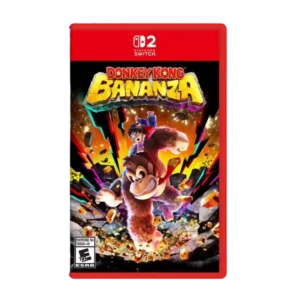
Best for joyful destruction, dense exploration, and a charming DK-Pauline adventure. Skip it if camera quirks, frame-rate dips, easy bosses, or premium Switch 2 pricing are dealbreakers.
Pros: gameplay mechanics, world interactivity
Cons: economy and resource balance, enemy variety
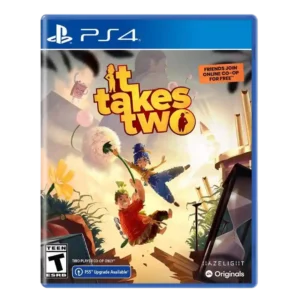
Best for joyful, inventive co-op with a partner, especially on couch. Skip it if divorce themes, uneven story tone, or Switch visual compromises would distract you.
Pros: core gameplay loop, movement feel
Cons: character development, dialogue quality
Best for tense Grace-led horror, slick Leon action, and lavish franchise callbacks. Skip it if you want a bolder reinvention, evenly mixed pacing, or substantial post-game modes.
Pros: driving mechanics, protagonist appeal
Cons: platform-specific feature support, checkpoint system