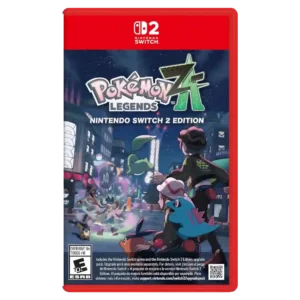
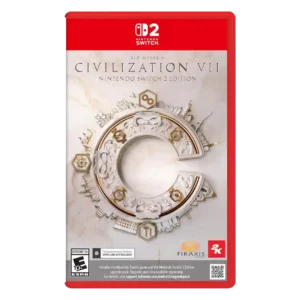
Compare Pokémon Legends: Z-A vs Civilization VII

P1 Pokémon Legends: Z-A
P2 Civilization VII

Comparison Takeaways

Pokémon Legends: Z-A

Where It Has the Edge

  • immersion is 4.7 vs 1.9. Immersion was praised when battles felt like the anime or boss fights engaged the player, but voice and...
  • world-building is 4.4 vs 2.0. World-building was a strength for many reviewers, especially around Lumiose's civic tensions, coexistence themes, and wider Pokémon-world implications.
  • endgame content is 4.2 vs 2.1. Endgame content was treated positively when reviewers cited post-game zones, quests, or a substantial base-game activity list.
  • faithfulness to franchise is 4.4 vs 2.4. Faithfulness to franchise stayed positive because reviewers still saw Z-A as recognizably Pokémon and appealing to long-time fans.

Civilization VII

Where It Has the Edge

  • mission variety is 4.5 vs 2.2. One reviewer strongly praised the variety created by changing civilization options across ages.
  • animation quality is 5.0 vs 3.2. One later review praised the unit animation detail as unusually rich and lively.
  • controls responsiveness is 4.5 vs 2.8. One reviewer strongly praised the fast, responsive feel of commands and turn-to-turn actions.
  • AI behavior is 2.6 vs 1.0. AI impressions varied sharply, from weak challenge and war-happy behavior to later praise that AI had become smarter...
Average score
Product 1: Pokémon Legends: Z-A
3.5
Product 2: Civilization VII
3.1
age appropriateness
Product 1: Pokémon Legends: Z-A
3.9

Age appropriateness was positive overall but tempered by one review warning that some harder fights might challenge younger players.

Product 2: Civilization VII
No score yet
AI behavior
Product 1: Pokémon Legends: Z-A
1.0

AI behavior drew harsh criticism in one review for pathfinding and battle behavior problems.

Product 2: Civilization VII
2.6

AI impressions varied sharply, from weak challenge and war-happy behavior to later praise that AI had become smarter or more competent.

aiming precision
Product 1: Pokémon Legends: Z-A
2.7

Aiming and targeting drew complaints when lock-on, line of sight, or capture selection made hits and throws harder to control.

Product 2: Civilization VII
No score yet
animation quality
Product 1: Pokémon Legends: Z-A
3.2

Animation quality ranged from major criticism of lifeless NPCs to praise for improved or well-animated cutscenes.

Product 2: Civilization VII
5.0

One later review praised the unit animation detail as unusually rich and lively.

art direction
Product 1: Pokémon Legends: Z-A
2.9

Art direction was mixed, with praise for character designs and criticism for uneven or weak Mega designs.

Product 2: Civilization VII
3.5

Art direction was praised by some for less cartoonish, gorgeous presentation, while a negative review preferred Civ 6’s color-coded style.

atmosphere
Product 1: Pokémon Legends: Z-A
3.7

Atmosphere split reviewers between Lumiose charm and magic versus a lifeless or empty-feeling city.

Product 2: Civilization VII
No score yet
battle mode quality
Product 1: Pokémon Legends: Z-A
4.1

Battle mode quality was positive in multiplayer and Royale evidence, especially when matches or nightly Battle Zones stayed engaging.

Product 2: Civilization VII
No score yet
boss design
Product 1: Pokémon Legends: Z-A
4.4

Boss design was strongly praised through Rogue Mega battles, which reviewers called fun, intense, paced well, or a strong direction.

Product 2: Civilization VII
No score yet
bug frequency
Product 1: Pokémon Legends: Z-A
3.8

Bug frequency evidence was mostly positive for stability, though reviewers acknowledged some glitches or attack/collision issues.

Product 2: Civilization VII
2.3

Bug reports were common at launch and on Switch/console, though one later review said bugs had become less noticeable.

camera behavior
Product 1: Pokémon Legends: Z-A
2.0

Camera behavior received negative evidence from a review that said the camera struggled during busy combat.

Product 2: Civilization VII
No score yet
character customization
Product 1: Pokémon Legends: Z-A
4.5

Reviewers repeatedly praised trainer fashion and character customization as stylish, broad, and fun to use.

Product 2: Civilization VII
No score yet
character development
Product 1: Pokémon Legends: Z-A
3.6

Character development was praised by some for expressive, colorful, and more developed characters, but others found the cast flat.

Product 2: Civilization VII
No score yet
character roster
Product 1: Pokémon Legends: Z-A
3.5

The roster was mixed: reviewers liked favorites and Mega options but noted a thin Pokédex or restricted team choices.

Product 2: Civilization VII
2.0

The launch leader roster drew repeated criticism for missing recognizable favorites, though some reviewers liked the broader choices.

checkpoint system
Product 1: Pokémon Legends: Z-A
4.8

The checkpoint system was praised for letting players retain damage dealt in Rogue Mega fights without penalty.

Product 2: Civilization VII
No score yet
combat system
Product 1: Pokémon Legends: Z-A
4.3

Real-time combat was the dominant positive, widely praised as fresh and exciting, though a few reviewers called it clunky, spammy, or poorly refined.

Product 2: Civilization VII
4.1

Combat was one of the most consistently praised systems thanks to commanders, easier army movement, and reduced tedium, though a few reviewers found war only adequate or overused.

companion AI
Product 1: Pokémon Legends: Z-A
3.0

Companion AI was mixed: one reviewer loved Pokémon following along, while another criticized ally behavior in battle.

Product 2: Civilization VII
No score yet
competitive balance
Product 1: Pokémon Legends: Z-A
3.5

Competitive balance had limited evidence, with one reviewer seeing potential if tweaks were made.

Product 2: Civilization VII
2.7

Balance concerns included overpowered air units, effective influence warfare, and wonky systems, though some later balance updates were praised.

content variety
Product 1: Pokémon Legends: Z-A
3.2

Content variety was mixed: reviewers cited many quests and systems, but also samey city spaces, repeated battles, and limited activity variety.

Product 2: Civilization VII
3.5

Content breadth was viewed unevenly, with some praise for the package but criticism of bare-bones launch content.

controls responsiveness
Product 1: Pokémon Legends: Z-A
2.8

Control feedback was mixed, with praise for active movement but complaints about lock-on, obstacles, hand strain, and positioning bugs.

Product 2: Civilization VII
4.5

One reviewer strongly praised the fast, responsive feel of commands and turn-to-turn actions.

core gameplay loop
Product 1: Pokémon Legends: Z-A
3.9

The core loop was often described as fun, breezy, and addictive, but some reviewers found catching pressure or repetition less satisfying.

Product 2: Civilization VII
3.6

The one-more-turn loop still landed for many reviewers, with strong addiction and replay pull, but critical reviews called the core loop dull or emotionally thin.

crash stability
Product 1: Pokémon Legends: Z-A
5.0

Crash stability was praised by one reviewer who recalled no crashes across a long playthrough.

Product 2: Civilization VII
3.9

Crash stability ranged from no crashes in some reviews to occasional or loading-related crashes in others.

cross-play support
Product 1: Pokémon Legends: Z-A
No score yet
Product 2: Civilization VII
4.0

Cross-play support was positively noted on Switch as a good start.

dialogue quality
Product 1: Pokémon Legends: Z-A
3.3

Dialogue quality ranged from funny and lively NPC chatter to generic or false-choice complaints.

Product 2: Civilization VII
No score yet
difficulty balance
Product 1: Pokémon Legends: Z-A
3.4

Difficulty balance was uneven: Rogue Mega fights and late battles could challenge, while standard trainers were often called trivial or easy.

Product 2: Civilization VII
No score yet
DLC value
Product 1: Pokémon Legends: Z-A
1.8

DLC value was mostly criticized, from pre-order frustration to a later DLC review calling much of Mega Dimension empty calories.

Product 2: Civilization VII
2.4

DLC value was mixed to negative at launch because of early paid content, but later update/DLC comments were more positive.

economy and resource balance
Product 1: Pokémon Legends: Z-A
No score yet
Product 2: Civilization VII
3.9

Resource, influence, town/city, and balance systems drew praise for meaningful choices and diplomacy, but some reviewers found influence, gold, or console resource management confusing or unbalanced.

emotional impact
Product 1: Pokémon Legends: Z-A
4.8

Emotional impact was supported by one strong reaction to Lumiose citizens uniting around their city.

Product 2: Civilization VII
No score yet
endgame content
Product 1: Pokémon Legends: Z-A
4.2

Endgame content was treated positively when reviewers cited post-game zones, quests, or a substantial base-game activity list.

Product 2: Civilization VII
2.1

Modern/endgame content was often criticized as missing, lacklustre, or too early-ending compared with prior entries.

enemy variety
Product 1: Pokémon Legends: Z-A
4.0

Enemy variety received positive evidence when opponents felt less one-note than traditional type-specialist teams.

Product 2: Civilization VII
No score yet
environmental detail
Product 1: Pokémon Legends: Z-A
2.1

Environmental detail was a common concern because Lumiose often appeared flat, repetitive, bland, or under-detailed.

Product 2: Civilization VII
No score yet
exploration quality
Product 1: Pokémon Legends: Z-A
3.6

Exploration was one of the most split attributes, praised for rooftop discoveries and rare Pokémon, but criticized for samey, restricted spaces.

Product 2: Civilization VII
4.3

Exploration received praise when maps, scouts, distant lands, and later updates made discovery feel rewarding, though some launch-era opinions were more limited.

facial animations
Product 1: Pokémon Legends: Z-A
4.2

Facial animations received positive evidence when characters were described as more expressive than before.

Product 2: Civilization VII
No score yet
faithfulness to franchise
Product 1: Pokémon Legends: Z-A
4.4

Faithfulness to franchise stayed positive because reviewers still saw Z-A as recognizably Pokémon and appealing to long-time fans.

Product 2: Civilization VII
2.4

Faithfulness to franchise was one of the sharpest divides: some said it still felt like Civ or a return to form, while others said it lost the series’ identity.

family friendliness
Product 1: Pokémon Legends: Z-A
4.5

Family friendliness evidence was positive where the game was described as accessible to players of all ages without talking down to them.

Product 2: Civilization VII
No score yet
fast travel convenience
Product 1: Pokémon Legends: Z-A
4.8

Fast travel convenience was praised because ample fast-travel points made mission-focused play easier.

Product 2: Civilization VII
No score yet
frame rate stability
Product 1: Pokémon Legends: Z-A
4.5

Frame rate stability was consistently positive in Switch 2 evidence, with repeated praise for smooth 60 fps or stable performance.

Product 2: Civilization VII
3.6

Frame-rate evidence was mixed, with smooth PC experiences but notable drops or Switch/console slowdowns.

fun factor
Product 1: Pokémon Legends: Z-A
4.3

Fun factor was broadly positive across many reviews, even when they attached caveats about repetition, visuals, or value.

Product 2: Civilization VII
3.7

Fun factor was deeply split but often positive: many reviewers still felt the classic Civ pull, while the harshest critics found it dull or frustrating.

gameplay mechanics
Product 1: Pokémon Legends: Z-A
4.8

Reviewers praised the broader mechanics for making Pokémon management and move choices feel fresh, though some noted jank around execution.

Product 2: Civilization VII
3.8

Reviewers often found the redesigned mechanics ambitious and sometimes strong, especially city/town changes and streamlined decisions, though several thought simplification removed texture.

graphics quality
Product 1: Pokémon Legends: Z-A
2.8

Graphics quality was heavily mixed: several reviewers criticized flat, dated visuals, while others called the Switch 2 presentation solid or improved.

Product 2: Civilization VII
3.9

Graphics were widely praised as gorgeous, detailed, and attractive, with some platform-specific or readability caveats.

grind level
Product 1: Pokémon Legends: Z-A
2.1

Grind level was a recurring concern, with some reviewers finding battles, maps, or wild-Pokémon work repetitive despite occasional strategic payoff.

Product 2: Civilization VII
3.0

Grind level improved where micromanagement and builders were removed, but religion, repairs, and some late systems were criticized as chores or busywork.

handheld play suitability
Product 1: Pokémon Legends: Z-A
4.7

Handheld play suitability was positive in the reviews that tested handheld play, especially on Switch 2.

Product 2: Civilization VII
3.5

Handheld suitability varied: Steam Deck was workable and valuable for some, while Switch play suffered from limits and performance issues.

HUD clarity
Product 1: Pokémon Legends: Z-A
1.9

HUD clarity was criticized because battle information and feedback could move too fast or be hard to read.

Product 2: Civilization VII
1.9

HUD and information clarity were frequent weaknesses, including missing information, hard-to-see tiles, and buried or microscopic details.

immersion
Product 1: Pokémon Legends: Z-A
4.7

Immersion was praised when battles felt like the anime or boss fights engaged the player, but voice and UI issues could undercut it elsewhere.

Product 2: Civilization VII
1.9

Immersion suffered for critics because age resets, civ switching, and thin leader identity broke connection, though some reviewers accepted the tradeoff.

innovation
Product 1: Pokémon Legends: Z-A
4.4

Innovation was widely praised for taking risks, evolving the formula, and experimenting with real-time combat and city structure.

Product 2: Civilization VII
3.2

Innovation was generally acknowledged through bold structural changes, but reviewers disagreed on whether those changes improved the series.

learning curve
Product 1: Pokémon Legends: Z-A
3.2

The learning curve was noticeable because movement, battle positioning, and strategy took time to internalize.

Product 2: Civilization VII
1.8

Several reviewers found the learning curve frustrating because familiar Civ knowledge did not transfer cleanly and the UI obscured key rules.

level design
Product 1: Pokémon Legends: Z-A
4.3

Level design was praised when interiors, rooftops, and compact city layouts felt purposeful, even as repeated streets limited variety.

Product 2: Civilization VII
No score yet
live-service support
Product 1: Pokémon Legends: Z-A
No score yet
Product 2: Civilization VII
3.7

Live-service support was viewed as promising when updates, feedback, and future content improved or could improve the game.

load times
Product 1: Pokémon Legends: Z-A
4.7

Load times were praised as fast or snappy in the reviews that mentioned them.

Product 2: Civilization VII
4.5

One reviewer praised quick load screens alongside smooth performance.

lore depth
Product 1: Pokémon Legends: Z-A
4.2

Lore depth was praised when reviews connected Z-A to X/Y, Sinnoh-style mythology, or franchise history.

Product 2: Civilization VII
No score yet
map and navigation design
Product 1: Pokémon Legends: Z-A
2.4

Map and navigation design drew criticism when map zoom or Pokédex location guidance made places and Pokémon harder to find.

Product 2: Civilization VII
2.4

Map and navigation design drew criticism for limited options and weak generation, but later updates and some reviews praised improved maps or map control.

matchmaking quality
Product 1: Pokémon Legends: Z-A
No score yet
Product 2: Civilization VII
1.5

One Switch reviewer found matchmaking and lobby compatibility frustrating enough to call the process migraine-inducing.

menu usability
Product 1: Pokémon Legends: Z-A
No score yet
Product 2: Civilization VII
2.2

Menus were also divisive: a few reviewers liked simplified navigation, but many found menus painful, inconsistent, or poorly laid out.

mission design
Product 1: Pokémon Legends: Z-A
4.2

Mission design evidence praised the range of stakes and activities, especially when missions kept the adventure moving.

Product 2: Civilization VII
2.9

Legacy paths, quests, and victory objectives were seen as useful guidance by some, but others found certain paths rigid, repetitive, or unevenly designed.

mission variety
Product 1: Pokémon Legends: Z-A
2.2

Mission variety suffered for some reviewers due to a lack of environmental variety and repeated structures.

Product 2: Civilization VII
4.5

One reviewer strongly praised the variety created by changing civilization options across ages.

monetization fairness
Product 1: Pokémon Legends: Z-A
1.0

Monetization fairness drew strong criticism from a negative review calling the package exploitative.

Product 2: Civilization VII
2.0

One reviewer criticized early paid DLC and pricing as a monetization concern.

movement feel
Product 1: Pokémon Legends: Z-A
4.3

Movement and traversal earned praise when tied to verticality, dodging, and rooftops, but weaker reactions appeared when platforming replaced broader travel options.

Product 2: Civilization VII
No score yet
multiplayer design
Product 1: Pokémon Legends: Z-A
4.0

Multiplayer design received positive evidence after a patch made battle rewards more directly useful.

Product 2: Civilization VII
3.2

Multiplayer worked smoothly for one reviewer and had useful age/session ideas, but others noted launch feature limits or platform restrictions.

narrative quality
Product 1: Pokémon Legends: Z-A
3.9

Narrative quality was broadly praised for mature themes and civic ideas, though some reviewers called it flat, underexplored, or not groundbreaking.

Product 2: Civilization VII
2.8

Narrative events and historical flavor split reviewers: some enjoyed the added human character, while others found events shallow, dull, or lacking impact.

onboarding experience
Product 1: Pokémon Legends: Z-A
2.8

Onboarding drew repeated criticism for slow or restrictive openings, though a few found the tutorial quicker or integrated well enough.

Product 2: Civilization VII
3.8

Onboarding was split: some reviewers called VII welcoming and well tutorialized, while others warned casual players could struggle with the changed systems.

online stability
Product 1: Pokémon Legends: Z-A
3.5

Online stability and online play evidence was limited but generally positive or practical, though trading requirements were a caveat.

Product 2: Civilization VII
No score yet
open-world design
Product 1: Pokémon Legends: Z-A
2.4

Open-world design was mixed to negative, with some appreciating a dense city focus while others disliked the single-location limits.

Product 2: Civilization VII
No score yet
originality
Product 1: Pokémon Legends: Z-A
4.2

Originality was supported by praise for the game's strong proof-of-concept feel and fresh Legends identity.

Product 2: Civilization VII
No score yet
pacing
Product 1: Pokémon Legends: Z-A
3.6

Pacing ranged from tight and breezy to repetitive or slow, depending on whether reviewers focused on the start, Royale loop, or full campaign.

Product 2: Civilization VII
3.1

Pacing was highly divisive: some liked the three-act structure and reduced late-game drag, while others disliked abrupt transitions, short ages, or weak modern/endgame momentum.

performance optimization
Product 1: Pokémon Legends: Z-A
4.4

Performance optimization was usually praised, especially on Switch 2, though a few reviews treated merely stable performance as modest.

Product 2: Civilization VII
3.3

Performance ranged from smooth on capable PCs and improved updates to major console slowdowns and late-game chugging.

platforming precision
Product 1: Pokémon Legends: Z-A
2.1

Platforming was generally treated as a weak spot: half-baked, awkward, or annoying, despite some rooftop puzzle utility.

Product 2: Civilization VII
No score yet
polish
Product 1: Pokémon Legends: Z-A
3.2

Polish was mixed: some reviewers saw a tighter, improved Pokémon game, while others called combat or presentation unpolished.

Product 2: Civilization VII
2.9

Polish was a common concern at launch, with many calling the game rushed, unfinished, or bug-coated, while some saw a strong foundation or improving state.

progression system
Product 1: Pokémon Legends: Z-A
3.2

Progression through the Z-A Royale was enjoyable for some, but rank skipping and façade-like structure disappointed several reviewers.

Product 2: Civilization VII
3.3

The age, civ-switching, legacy, and meta-progression systems were the product’s central split, praised as fresh by some and criticized as disjointed or anti-Civ by others.

puzzle design
Product 1: Pokémon Legends: Z-A
4.0

Puzzle evidence centered on rooftop route-finding, which one reviewer found meaningfully puzzle-like within Lumiose traversal.

Product 2: Civilization VII
No score yet
quest design
Product 1: Pokémon Legends: Z-A
3.4

Quest design was mixed: many reviewers liked silly or worthwhile side quests, while others found battle and fetch quests basic or uneven.

Product 2: Civilization VII
No score yet
replay value
Product 1: Pokémon Legends: Z-A
4.4

Replay value was supported by continued play, completionist goals, and dozens of possible hours, especially for fans of the loop.

Product 2: Civilization VII
4.4

Replay value was a major positive for supporters, who cited long sessions, fresh age combinations, and wanting another run; skeptics saw less appeal.

sandbox freedom
Product 1: Pokémon Legends: Z-A
3.0

Sandbox freedom felt limited to some reviewers because the single-city structure restricted the broader roaming fantasy.

Product 2: Civilization VII
2.8

Sandbox freedom split reviewers: some loved the flexibility of leaders, towns, and paths, while many felt map options, forced ages, and guided goals narrowed play.

side character depth
Product 1: Pokémon Legends: Z-A
4.7

Side character depth was generally positive in the scored reviews, with Team MZ and supporting characters described as likable or among the series' best.

Product 2: Civilization VII
No score yet
sound design
Product 1: Pokémon Legends: Z-A
4.8

Sound design earned strong praise for Pokémon-specific footsteps, cries, and small audio details.

Product 2: Civilization VII
3.7

Sound design was more mixed: some reviewers praised satisfying effects, while one found audio cues flat or missing.

soundtrack quality
Product 1: Pokémon Legends: Z-A
3.9

Soundtrack quality was mixed to positive: some praised strong music, while others noted limited variety or frantic tracks.

Product 2: Civilization VII
4.3

The soundtrack was one of the clearest positives, often described as brilliant, splendid, fantastic, or culturally evocative.

stealth mechanics
Product 1: Pokémon Legends: Z-A
2.6

Stealth was divisive: some liked ambushes and surprise attacks, while others found the system unreliable, shallow, or lazy.

Product 2: Civilization VII
No score yet
tutorial quality
Product 1: Pokémon Legends: Z-A
3.0

Tutorial quality was acknowledged as necessary for the new systems, though one reviewer wished it could be skipped.

Product 2: Civilization VII
2.4

Tutorials and Civilopedia support were polarizing, ranging from rich and useful for newcomers to inadequate, overexplained, or missing key information.

upgrade system
Product 1: Pokémon Legends: Z-A
4.0

Upgrade and Mega-related systems were praised when Mega Evolution felt improved, but some reviewers reduced it to a stat boost button.

Product 2: Civilization VII
No score yet
user interface design
Product 1: Pokémon Legends: Z-A
2.0

User interface design drew criticism where feedback during combat was hard to parse.

Product 2: Civilization VII
1.7

The user interface was the most repeated complaint, often described as inadequate, ugly, missing information, or confusing even when later improved.

value for money
Product 1: Pokémon Legends: Z-A
1.5

Value for money was mixed to negative, especially in reviews objecting to the price, DLC, or premium positioning.

Product 2: Civilization VII
2.5

Value for money was a major concern at full price and with DLC, though some reviewers said the base game could still provide hundreds of hours.

visual effects quality
Product 1: Pokémon Legends: Z-A
4.0

Visual effects quality had limited positive evidence, focused on HDR vibrancy and color pop.

Product 2: Civilization VII
No score yet
voice acting
Product 1: Pokémon Legends: Z-A
1.7

Voice acting was one of the clearest negatives, with reviewers repeatedly saying silent dramatic scenes hurt presentation and immersion.

Product 2: Civilization VII
2.9

Voice work drew praise for Gwendoline Christie’s narration, but leader interactions and reduced voice lines were frequent complaints.

world-building
Product 1: Pokémon Legends: Z-A
4.4

World-building was a strength for many reviewers, especially around Lumiose's civic tensions, coexistence themes, and wider Pokémon-world implications.

Product 2: Civilization VII
2.0

One reviewer criticized VII for weakening the series’ educational and historical identity.

world interactivity
Product 1: Pokémon Legends: Z-A
1.9

World interactivity was often criticized because much of Lumiose cannot be entered or meaningfully interacted with beyond traversal and menus.

Product 2: Civilization VII
No score yet
writing quality
Product 1: Pokémon Legends: Z-A
3.2

Writing quality split reviewers: some found the writing stronger than usual, while one negative review called the script poor.

Product 2: Civilization VII
No score yet