If you want better faithfulness to franchise
Choose Dragon Ball FighterZ. It scores 4.9 vs 2.4 for faithfulness to franchise, with a 4.0 overall score.
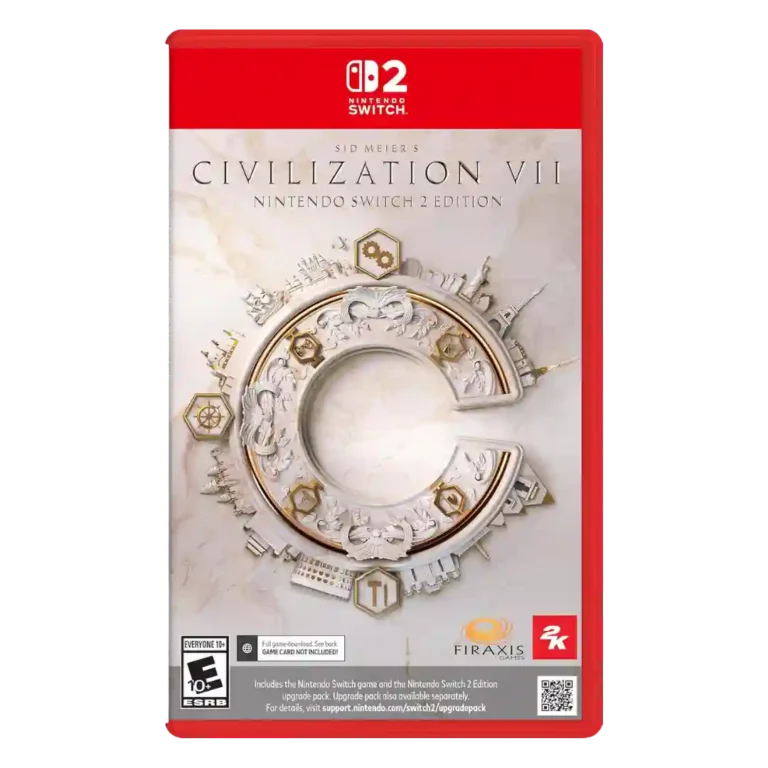
Choose Civilization VII if you want bold age-based strategy, great audiovisuals, and streamlined warfare. Skip it if you need classic single-civ continuity, deep UI information, polished launch stability, or strong value at full price.
Best for players open to a more directed, age-based Civ with streamlined warfare, strong music, gorgeous maps, and replayable leader/civ combinations.
Not for players who want a classic single-civilization arc, dense information-rich UI, large sandbox setup options, or a fully polished full-price package.
Civilization VII emerges from the reviews as a bold but divisive strategy sequel. Supporters praise its gorgeous map, strong music, addictive one-more-turn pull, better warfare through commanders, and diplomacy built around influence. The tradeoff is that the same streamlining and age-based resets that reduce bloat can also make the game feel less like a continuous Civilization saga. Across launch and later-update evidence, the most persistent weaknesses are the UI, uneven onboarding information, missing or thin modern-era content, bugs, and value concerns around early DLC. Later reviews suggest updates improved maps, readability, and AI, but the core civ-switching identity remains polarizing.
Compared with other Video Games, this product is above average in mission variety, economy and resource balance, animation quality, near average in pacing, gameplay mechanics, below average in immersion, faithfulness to franchise, world-building.
| Attribute | This product | Category average | Difference |
|---|---|---|---|
| immersion | 1.9 | 4.2 | -2.3 |
| faithfulness to franchise | 2.4 | 4.4 | -2.0 |
| world-building | 2.0 | 4.3 | -2.3 |
| user interface design | 1.7 | 3.4 | -1.7 |
| character roster | 2.0 | 4.0 | -2.0 |
| learning curve | 1.8 | 3.5 | -1.8 |
| value for money | 2.4 | 3.8 | -1.4 |
| sandbox freedom | 2.8 | 4.2 | -1.4 |
Choose Dragon Ball FighterZ. It scores 4.9 vs 2.4 for faithfulness to franchise, with a 4.0 overall score.
Choose Pokémon Legends: Z-A. It scores 4.7 vs 1.9 for immersion, with a 3.5 overall score.
Choose Street Fighter 6. It scores 4.8 vs 2.4 for tutorial quality, with a 4.2 overall score.
Choose Forza Horizon 5. It scores 5.0 vs 2.9 for polish, with a 4.3 overall score.
Products reviewers directly compared with this model, grouped into quick takeaways.
Some reviewers found it welcoming, streamlined, and well tutorialized, but others warned that the new age system and weak UI make learning frustrating.
The most praised areas are the visuals, soundtrack, one-more-turn pull, commander-led combat, and influence-based diplomacy.
The user interface is the most repeated issue, with many reviewers saying it hides information, weakens readability, or makes systems harder to understand.
It is the main divide. Some say ages improve pacing and replayability, while others say civ switching breaks continuity and the classic Civ fantasy.
Launch-era reviews often called it buggy, unfinished, or rushed. Later review evidence says updates improved bugs, UI, maps, and AI, but rough edges remain.
Value opinions are cautious. Several reviews criticize the price and early DLC, while positive reviews argue the base game can still provide hundreds of hours.
These are a few of the reviews included in our analysis.

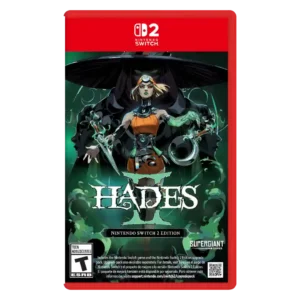
Good if you want fast, tactical roguelite combat with huge progression depth, striking art, and standout music. Skip it if repetition, resource micromanagement, or a less emotionally satisfying sequel story...
Pros: skill tree depth, dialogue quality
Cons: emotional impact, economy and resource balance
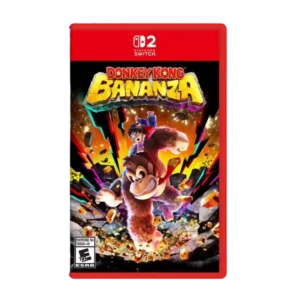
Best for joyful destruction, dense exploration, and a charming DK-Pauline adventure. Skip it if camera quirks, frame-rate dips, easy bosses, or premium Switch 2 pricing are dealbreakers.
Pros: gameplay mechanics, world interactivity
Cons: economy and resource balance, enemy variety
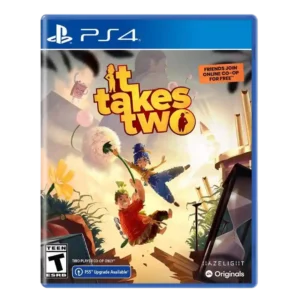
Best for joyful, inventive co-op with a partner, especially on couch. Skip it if divorce themes, uneven story tone, or Switch visual compromises would distract you.
Pros: core gameplay loop, movement feel
Cons: character development, dialogue quality
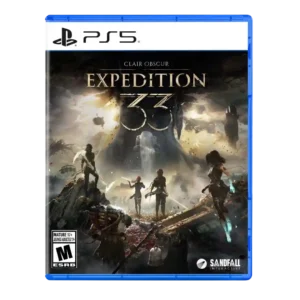
Choose Clair Obscur if you want a story-rich RPG with thrilling timed combat, gorgeous art, and standout music. Skip it if poor maps, tight parry timing, or occasional bugs and...
Pros: monetization fairness, microtransaction impact
Cons: platforming precision, menu usability