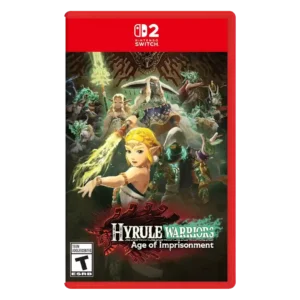
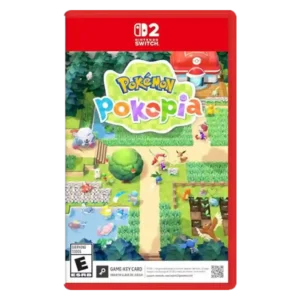
Compare Hyrule Warriors: Age of Imprisonment vs Pokémon Pokopia

P1 Hyrule Warriors: Age of Imprisonment
P2 Pokémon Pokopia

Comparison Takeaways

Hyrule Warriors: Age of Imprisonment

Where It Has the Edge

  • accessibility options is 4.6 vs 3.0. Reviewers noted approachable configuration and combat clarity, with sensitivity options and complexity/accessibility balance helping the game feel easier...
  • load times is 4.4 vs 3.0. Load times were positively noted as quick or reasonable in the performance-focused reviews.
  • multiplayer design is 5.0 vs 3.8. Multiplayer design was positive where local split-screen support was tested, though related evidence also notes 30 fps compromises.
  • pacing is 4.2 vs 3.3. Pacing was generally positive when story breaks and ability unlocks were praised, but sidequest padding disrupted some narrative...

Pokémon Pokopia

Where It Has the Edge

  • companion AI is 4.7 vs 2.2. Follower pathing and companion behavior were praised as reliable, with Pokémon keeping up and functioning smoothly.
  • innovation is 4.7 vs 2.8. Innovation was praised as a fresh direction for Pokémon, with reviewers calling it novel, benchmark-setting, and franchise-reinvigorating.
  • writing quality is 4.3 vs 2.8. Writing quality was praised for charm, humor, clever dialogue, and sharp cross-generational references.
  • core gameplay loop is 4.7 vs 3.4. The core loop drew the strongest agreement: building habitats, helping Pokémon, gathering resources, and progressing was repeatedly called...
Average score
Product 1: Hyrule Warriors: Age of Imprisonment
4.0
Product 2: Pokémon Pokopia
4.2
accessibility options
Product 1: Hyrule Warriors: Age of Imprisonment
4.6

Reviewers noted approachable configuration and combat clarity, with sensitivity options and complexity/accessibility balance helping the game feel easier to engage with.

Product 2: Pokémon Pokopia
3.0

Accessibility evidence is mixed: one review praised the interface for speed and immediacy, while another found the dedicated accessibility menu thin beyond basics.

age appropriateness
Product 1: Hyrule Warriors: Age of Imprisonment
No score yet
Product 2: Pokémon Pokopia
3.0

Younger players may enjoy the gentle premise, but one reviewer warned that heavy reading could deter some younger trainers.

aiming precision
Product 1: Hyrule Warriors: Age of Imprisonment
No score yet
Product 2: Pokémon Pokopia
2.8

Block-breaking aim was a recurring weak point, with reviewers noting that directional punches could be fiddly and accidentally destructive.

animation quality
Product 1: Hyrule Warriors: Age of Imprisonment
5.0

Animation was praised where cited, especially for character attacks and fast object-summoning effects that make combat feel stylish.

Product 2: Pokémon Pokopia
4.8

Animation detail was strongly praised, especially Ditto’s transformations and Pokémon character touches.

art direction
Product 1: Hyrule Warriors: Age of Imprisonment
4.8

Art direction was a major positive, repeatedly tied to the Tears of the Kingdom aesthetic and strong visual mood.

Product 2: Pokémon Pokopia
4.4

Reviewers liked the cute, bright visual style, with praise for gorgeous art and a distinct look.

atmosphere
Product 1: Hyrule Warriors: Age of Imprisonment
4.9

Atmosphere was praised through the fusion of Zelda presentation, music, and battle audio that gave fights a stronger sense of place.

Product 2: Pokémon Pokopia
4.7

The overall mood landed warmly for reviewers, who described the experience as comforting and inviting.

boss design
Product 1: Hyrule Warriors: Age of Imprisonment
4.3

Boss design was generally positive thanks to counter windows, elemental weaknesses, and satisfying interrupts, though complexity was not always deep.

Product 2: Pokémon Pokopia
No score yet
camera behavior
Product 1: Hyrule Warriors: Age of Imprisonment
2.5

Camera feedback was limited but mixed, with one performance-focused reviewer specifically criticizing the default sensitivity as too slow.

Product 2: Pokémon Pokopia
2.8

Camera and placement friction appeared in building-heavy moments, especially in tight spaces or while placing items.

character development
Product 1: Hyrule Warriors: Age of Imprisonment
4.1

Review evidence supports a scored assessment for this attribute.

Product 2: Pokémon Pokopia
No score yet
character roster
Product 1: Hyrule Warriors: Age of Imprisonment
4.0

Review evidence supports a scored assessment for this attribute.

Product 2: Pokémon Pokopia
4.0

The roster impressed through variety and personality, though a few reviewers wanted more individuality or found some Pokémon less distinct.

co-op experience
Product 1: Hyrule Warriors: Age of Imprisonment
4.4

Co-op was viewed positively overall, with split-screen and two-player play considered smooth or valid despite 30 fps and pauses.

Product 2: Pokémon Pokopia
4.3

Co-op impressions were positive overall, especially GameShare and relaxed building, though some review evidence came from previews or limited sessions.

combat system
Product 1: Hyrule Warriors: Age of Imprisonment
4.6

Combat was the clearest strength across the review set, often called deep, reactive, satisfying, or the best Hyrule Warriors has felt.

Product 2: Pokémon Pokopia
4.5

The lack of combat was judged as a good fit for the life-sim design rather than a missing feature.

companion AI
Product 1: Hyrule Warriors: Age of Imprisonment
2.2

Companion behavior received a low score where one reviewer said ordered allies were not useful at actually completing objectives.

Product 2: Pokémon Pokopia
4.7

Follower pathing and companion behavior were praised as reliable, with Pokémon keeping up and functioning smoothly.

content variety
Product 1: Hyrule Warriors: Age of Imprisonment
3.9

Content variety was mixed: reviewers praised new mechanics, flight sections, and breaks in action, while others saw too much combat repetition.

Product 2: Pokémon Pokopia
4.6

Content variety was one of the strongest points, with reviewers repeatedly citing huge amounts to do, discover, collect, and build.

controls responsiveness
Product 1: Hyrule Warriors: Age of Imprisonment
4.7

Controls were described as simple, readable, and responsive, with strong input latency and snappy combat feel.

Product 2: Pokémon Pokopia
4.6

Controls were generally praised as intuitive, smooth, and snappy in common actions like planting and traversal.

core gameplay loop
Product 1: Hyrule Warriors: Age of Imprisonment
3.4

The core loop was fun but repetitive, with several reviewers enjoying the loop while openly calling out genre repetition.

Product 2: Pokémon Pokopia
4.7

The core loop drew the strongest agreement: building habitats, helping Pokémon, gathering resources, and progressing was repeatedly called addictive and satisfying.

couch co-op quality
Product 1: Hyrule Warriors: Age of Imprisonment
4.0

Couch co-op quality was positive where reviewers described split-screen play as valid, fun, or seamless despite frame-rate tradeoffs.

Product 2: Pokémon Pokopia
No score yet
crafting system
Product 1: Hyrule Warriors: Age of Imprisonment
4.0

Crafting-like camp and economy systems were praised as simple support loops rather than deep creative crafting.

Product 2: Pokémon Pokopia
3.6

Crafting and building were seen as deep and rewarding, but some reviewers found manual construction cumbersome or imprecise.

dialogue quality
Product 1: Hyrule Warriors: Age of Imprisonment
2.5

Dialogue quality was only directly judged in one review, which found the dialogue and voice performances unimpressive.

Product 2: Pokémon Pokopia
No score yet
difficulty balance
Product 1: Hyrule Warriors: Age of Imprisonment
3.7

Difficulty balance was mixed, with tactical higher difficulties and tough bosses offset by comments that Normal or optimized play could be too easy.

Product 2: Pokémon Pokopia
4.0

Difficulty was described as approachable and not especially tough, with the challenge mostly coming from planning and organization.

economy and resource balance
Product 1: Hyrule Warriors: Age of Imprisonment
3.3

Economy and resource balance was mixed: some found the item economy deliberate, while others found materials too abundant or weapon resources awkward.

Product 2: Pokémon Pokopia
No score yet
emotional impact
Product 1: Hyrule Warriors: Age of Imprisonment
4.9

Emotional impact was positive where cited, especially around Zelda, Calamo, and the ending moments that moved reviewers.

Product 2: Pokémon Pokopia
4.7

Several reviewers found the game unexpectedly moving, linking its restoration theme to warmth, melancholy, and emotional payoff.

endgame content
Product 1: Hyrule Warriors: Age of Imprisonment
4.2

Endgame content was praised when mentioned for high-level postgame battles and extra missions beyond credits.

Product 2: Pokémon Pokopia
No score yet
enemy variety
Product 1: Hyrule Warriors: Age of Imprisonment
2.7

Enemy variety was criticized in the clearest evidence, with repetition of the same enemies hurting long sessions.

Product 2: Pokémon Pokopia
No score yet
environmental detail
Product 1: Hyrule Warriors: Age of Imprisonment
4.6

Environmental detail was praised for richer environments, landmarks, and small visual touches such as grass and pollen.

Product 2: Pokémon Pokopia
No score yet
exploration quality
Product 1: Hyrule Warriors: Age of Imprisonment
4.0

Exploration quality was limited but positively noted in the hands-on review for adding slower searching and environmental interaction between battles.

Product 2: Pokémon Pokopia
4.4

Exploration was widely praised for rewarding curiosity through routes, secrets, lore, vistas, and discoveries.

faithfulness to franchise
Product 1: Hyrule Warriors: Age of Imprisonment
4.9

Faithfulness to the franchise was one of the strongest areas, with canon handling and Zelda/Tears of the Kingdom attention repeatedly praised.

Product 2: Pokémon Pokopia
4.8

Longtime Pokémon references and Kanto treatment were praised as respectful, nostalgic, and faithful to the wider franchise.

family friendliness
Product 1: Hyrule Warriors: Age of Imprisonment
No score yet
Product 2: Pokémon Pokopia
4.6

One review found it well suited to family play, with kids drawn in by the Pokémon-Minecraft-like building loop.

fast travel convenience
Product 1: Hyrule Warriors: Age of Imprisonment
4.2

Fast travel convenience was positively noted where Zonai devices were said to prevent tiresome walks across the map.

Product 2: Pokémon Pokopia
No score yet
flying mechanics
Product 1: Hyrule Warriors: Age of Imprisonment
3.8

Flying mechanics were mixed but generally useful as variety, with reviewers praising them as a break while noting limited depth or underuse.

Product 2: Pokémon Pokopia
No score yet
frame rate stability
Product 1: Hyrule Warriors: Age of Imprisonment
4.8

Frame rate stability was a standout strength, with many reviewers praising smooth 60 fps or only minor dips.

Product 2: Pokémon Pokopia
4.5

Frame rate evidence was consistently positive, with multiple reviews noting stable or solid 60fps performance.

fun factor
Product 1: Hyrule Warriors: Age of Imprisonment
4.7

Fun factor was high overall, with reviewers repeatedly calling the combat addictive, cathartic, and hard to put down despite repetition.

Product 2: Pokémon Pokopia
4.8

Reviewers repeatedly described the game as highly fun, special, and difficult to stop playing.

gameplay mechanics
Product 1: Hyrule Warriors: Age of Imprisonment
4.5

Gameplay mechanics were widely praised for adapting Zonai devices, Sync Strikes, counters, and elemental reactions into Musou combat.

Product 2: Pokémon Pokopia
4.6

Gameplay mechanics were praised for being intuitive, modern, novel, and less laborious than similar cozy games.

graphics quality
Product 1: Hyrule Warriors: Age of Imprisonment
4.5

Graphics quality was mostly praised, though some technical reviews noted low resolution or visual softness.

Product 2: Pokémon Pokopia
4.4

Graphics were praised as cute, bright, charming, and strong for Switch 2, though one review framed them as limited but charming.

grind level
Product 1: Hyrule Warriors: Age of Imprisonment
3.0

Grind level was mixed to negative, mainly due to repetitive side missions or fatigue over long sessions.

Product 2: Pokémon Pokopia
3.2

Late-game grind was a repeated caveat, though reviewers usually treated it as a manageable blemish rather than a dealbreaker.

handheld play suitability
Product 1: Hyrule Warriors: Age of Imprisonment
4.0

Handheld play was mixed, from strong portable performance to one reviewer finding it less impressive on a smaller screen.

Product 2: Pokémon Pokopia
4.5

Handheld suitability was positive in the available evidence, with one reviewer saying it looked and ran great both handheld and docked.

HUD clarity
Product 1: Hyrule Warriors: Age of Imprisonment
4.7

HUD clarity was praised through clear prompts and on-screen guidance, though broader tutorial flow could feel dense.

Product 2: Pokémon Pokopia
No score yet
immersion
Product 1: Hyrule Warriors: Age of Imprisonment
4.9

Immersion was high where discussed, especially for recreating the feeling of returning to Tears of the Kingdom’s Hyrule.

Product 2: Pokémon Pokopia
4.7

Immersion was boosted by Ditto’s fantasy, environmental storytelling, and the sense of being locked into the Pokémon world.

innovation
Product 1: Hyrule Warriors: Age of Imprisonment
2.8

Innovation was mixed to low, with strong mechanical adaptations but criticism that creative thinking and mission structure were limited.

Product 2: Pokémon Pokopia
4.7

Innovation was praised as a fresh direction for Pokémon, with reviewers calling it novel, benchmark-setting, and franchise-reinvigorating.

learning curve
Product 1: Hyrule Warriors: Age of Imprisonment
3.2

Learning curve was approachable but sometimes dense, with tutorial and prompt support balanced against information overload.

Product 2: Pokémon Pokopia
3.6

Learning curve impressions were mixed: some liked the lack of handholding, while others needed many hours or wanted more nudges.

level design
Product 1: Hyrule Warriors: Age of Imprisonment
2.4

Level design was a repeated weakness, with corridors, boxes, bland routes, and underused depths/sky spaces criticized.

Product 2: Pokémon Pokopia
3.0

Level design was mixed, with one reviewer finding the large terrain rewarding but sometimes too mountainous or exhausting.

load times
Product 1: Hyrule Warriors: Age of Imprisonment
4.4

Load times were positively noted as quick or reasonable in the performance-focused reviews.

Product 2: Pokémon Pokopia
3.0

Load times were a recurring technical complaint, especially when moving between large customized zones.

loot system
Product 1: Hyrule Warriors: Age of Imprisonment
4.2

Loot and item rewards were viewed positively where discussed, with random post-battle items treated as useful for quests and bonuses.

Product 2: Pokémon Pokopia
No score yet
lore depth
Product 1: Hyrule Warriors: Age of Imprisonment
4.0

Lore depth was divisive: many praised canonical gap-filling, while IGN-style reviews argued key lore threads were still underexplored.

Product 2: Pokémon Pokopia
4.5

Lore was praised through notes, drops, and mysteries that hinted at what happened to the ruined world.

map and navigation design
Product 1: Hyrule Warriors: Age of Imprisonment
3.1

Map and navigation design was mixed, with useful territory/progression structure offset by cluttered or cheap-feeling interfaces.

Product 2: Pokémon Pokopia
2.8

Map and navigation design drew complaints about limited map detail, lack of full-screen access, and weak labeling.

menu usability
Product 1: Hyrule Warriors: Age of Imprisonment
3.0

Menu usability was criticized in direct evidence for a long single-row menu.

Product 2: Pokémon Pokopia
3.0

Menu and inventory usability were a major caveat, especially storage management, though one reviewer liked item pictures.

mission design
Product 1: Hyrule Warriors: Age of Imprisonment
3.4

Mission design was mixed to negative, with story missions praised but many objectives criticized as repetitive, short, or non-bespoke.

Product 2: Pokémon Pokopia
3.4

Mission design was useful for structure but sometimes too guided, rail-like, or busywork-heavy.

mission variety
Product 1: Hyrule Warriors: Age of Imprisonment
3.0

Mission variety was mixed, with some reviewers finding each level distinct and others calling variety limited.

Product 2: Pokémon Pokopia
No score yet
movement feel
Product 1: Hyrule Warriors: Age of Imprisonment
4.8

Movement feel was positive where cited, especially improved locomotion and responsive control feel.

Product 2: Pokémon Pokopia
4.6

Movement feel was praised for making Pokémon feel unusually free, especially as abilities opened up traversal.

multiplayer design
Product 1: Hyrule Warriors: Age of Imprisonment
5.0

Multiplayer design was positive where local split-screen support was tested, though related evidence also notes 30 fps compromises.

Product 2: Pokémon Pokopia
3.8

Multiplayer design had strong ideas like shared islands and group building, but some reviewers saw limitations or early roughness.

narrative quality
Product 1: Hyrule Warriors: Age of Imprisonment
4.0

Narrative quality was the most divisive attribute: several reviewers praised the canon story, while others found it dull or a missed opportunity.

Product 2: Pokémon Pokopia
4.6

Narrative quality was widely praised for mystery, emotional hooks, and surprising story strength for a cozy spin-off.

onboarding experience
Product 1: Hyrule Warriors: Age of Imprisonment
4.0

Onboarding experience was positive where prior knowledge was said not to be required.

Product 2: Pokémon Pokopia
4.3

Onboarding was mostly positive, with several reviewers finding early flow smooth, concise, or less cumbersome than expected.

open-world design
Product 1: Hyrule Warriors: Age of Imprisonment
2.8

Open-world design scored low where the game’s static map was contrasted with mainline Zelda’s open world.

Product 2: Pokémon Pokopia
3.6

The open-world structure was praised for scale and freedom but could become daunting without enough guardrails.

originality
Product 1: Hyrule Warriors: Age of Imprisonment
3.3

Originality was mixed, with strong fit and fanservice but criticism that the game was not consistently novel.

Product 2: Pokémon Pokopia
4.3

Originality evidence was positive, with one reviewer stressing that it was not simply Animal Crossing and felt more interesting.

pacing
Product 1: Hyrule Warriors: Age of Imprisonment
4.2

Pacing was generally positive when story breaks and ability unlocks were praised, but sidequest padding disrupted some narrative momentum.

Product 2: Pokémon Pokopia
3.3

Pacing was sharply mixed: some called it brilliant, while others disliked day-long construction waits and story throttling.

performance optimization
Product 1: Hyrule Warriors: Age of Imprisonment
4.8

Performance optimization was one of the strongest areas, with reviewers repeatedly saying Switch 2 runs the action cleanly and smoothly.

Product 2: Pokémon Pokopia
4.7

Performance optimization was positive, with reviewers reporting no issues and smooth Switch 2 play.

platform-specific feature support
Product 1: Hyrule Warriors: Age of Imprisonment
4.0

Platform-specific feature support was mixed: Game Share exists but was described as unusual and limited to 30 fps in one performance review.

Product 2: Pokémon Pokopia
4.5

Platform-specific support was praised around Switch 2/GameShare-style features that let more players join with one copy.

polish
Product 1: Hyrule Warriors: Age of Imprisonment
3.9

Polish was mixed overall, with high praise for care and detail but repeated caveats about compressed or stuttering cutscenes.

Product 2: Pokémon Pokopia
4.7

Overall polish was praised in broad terms, especially how thoughtfully made and player-first the experience felt.

progression system
Product 1: Hyrule Warriors: Age of Imprisonment
4.5

Progression was praised for a rewarding map loop, meaningful unlocks, and steady character growth.

Product 2: Pokémon Pokopia
4.2

Progression drew both praise and criticism: reviewers liked unlocks and ability growth but flagged occasional poor gating.

protagonist appeal
Product 1: Hyrule Warriors: Age of Imprisonment
4.3

Protagonist appeal was mostly positive around Zelda’s central role, though one review criticized how the Construct displaced her.

Product 2: Pokémon Pokopia
4.8

Ditto was praised as a lovable, funny protagonist whose odd transformations became a major source of charm.

puzzle design
Product 1: Hyrule Warriors: Age of Imprisonment
No score yet
Product 2: Pokémon Pokopia
4.4

Habitat construction worked as a light puzzle system, with simple environmental puzzles that made discovery satisfying.

quest design
Product 1: Hyrule Warriors: Age of Imprisonment
3.9

Quest design was mixed, with useful rewards and side stories offset by repetitive or hollow side objectives.

Product 2: Pokémon Pokopia
3.6

Quest design ranged from rewarding app-based goals to occasional chaotic quest completion and unclear sequencing.

replay value
Product 1: Hyrule Warriors: Age of Imprisonment
4.4

Replay value was positive overall due to optional missions, postgame content, achievements, and long completion paths, though not every reviewer wanted to return.

Product 2: Pokémon Pokopia
4.7

Replay value was very high, with reviewers describing daily play, dozens or hundreds of hours, and long-term projects.

sandbox freedom
Product 1: Hyrule Warriors: Age of Imprisonment
No score yet
Product 2: Pokémon Pokopia
4.5

Sandbox freedom was strongly praised, especially the mix of free-form building, guidance, and postgame creative space.

save system reliability
Product 1: Hyrule Warriors: Age of Imprisonment
2.0

Save system reliability was only directly judged once, with a negative comment about not being able to save during missions.

Product 2: Pokémon Pokopia
No score yet
side character depth
Product 1: Hyrule Warriors: Age of Imprisonment
2.8

Side character depth was mixed to negative, with some reviewers connecting to new characters and others finding them underdeveloped or weak.

Product 2: Pokémon Pokopia
No score yet
sound design
Product 1: Hyrule Warriors: Age of Imprisonment
4.5

Sound design was praised where discussed, especially for recreating the Tears of the Kingdom aesthetic through familiar effects.

Product 2: Pokémon Pokopia
4.6

Sound design was praised alongside the music as wonderfully handled.

soundtrack quality
Product 1: Hyrule Warriors: Age of Imprisonment
5.0

Soundtrack quality was consistently praised where discussed, often called excellent, fantastic, or among the series’ best.

Product 2: Pokémon Pokopia
4.2

The soundtrack was broadly praised for nostalgic, ambient remixes, though one reviewer found the music grating after a while.

split-screen quality
Product 1: Hyrule Warriors: Age of Imprisonment
4.3

Split-screen quality was generally positive, with smooth or playable 30 fps and only mild visual compromises.

Product 2: Pokémon Pokopia
No score yet
tutorial quality
Product 1: Hyrule Warriors: Age of Imprisonment
4.2

Tutorial quality was positive in direct evidence, with a decent early tutorial session helping new Warriors players.

Product 2: Pokémon Pokopia
3.7

Tutorial quality was mixed-positive: one reviewer liked its brevity, while another wanted more early explanation.

upgrade system
Product 1: Hyrule Warriors: Age of Imprisonment
3.7

Upgrade system was mixed: reviewers liked easy, useful upgrades and new moves but criticized weapon upgrading as resource-heavy or boring.

Product 2: Pokémon Pokopia
No score yet
user interface design
Product 1: Hyrule Warriors: Age of Imprisonment
4.5

User interface design was mixed, with praise for faithful Zelda-style menus but other reviews criticizing map/interface clutter.

Product 2: Pokémon Pokopia
4.5

User interface design was praised for clarity, cleanliness, and a more seamless feel than many cozy sims.

value for money
Product 1: Hyrule Warriors: Age of Imprisonment
4.0

Value for money was mixed, with lots of content praised but price concerns noted for the Switch 2 package or game cost.

Product 2: Pokémon Pokopia
4.0

Value for money was supported mainly by playtime evidence, with one review citing 20+ hours and far more for completionists.

visual effects quality
Product 1: Hyrule Warriors: Age of Imprisonment
4.6

Visual effects quality was mostly strong, with praise for spectacular attacks and dense effects, though a technical review noted visual variance.

Product 2: Pokémon Pokopia
4.3

Visual effects had limited but positive evidence, with glowing visual touches helping the presentation feel lively.

voice acting
Product 1: Hyrule Warriors: Age of Imprisonment
4.9

Voice acting was consistently praised except for one broader dialogue/voice caveat, with several reviewers calling performances strong or fantastic.

Product 2: Pokémon Pokopia
No score yet
world-building
Product 1: Hyrule Warriors: Age of Imprisonment
3.6

World-building was mixed, praised as meaningful Zelda history while some reviews said ancient Hyrule felt insufficiently distinct.

Product 2: Pokémon Pokopia
4.6

World-building was a major strength, with reviewers praising Kanto’s depth, lore, environmental clues, and ruined-world context.

world interactivity
Product 1: Hyrule Warriors: Age of Imprisonment
3.2

World interactivity was mixed, praised for elemental interactions but criticized for underused sky/depth layers.

Product 2: Pokémon Pokopia
4.4

World interactivity was praised through Pokémon reacting to objects, environmental interactions, and functional items.

writing quality
Product 1: Hyrule Warriors: Age of Imprisonment
2.8

Writing quality was mixed to negative where cited, with concerns about dull lore, key moments being danced around, or uneven story delivery.

Product 2: Pokémon Pokopia
4.3

Writing quality was praised for charm, humor, clever dialogue, and sharp cross-generational references.