If you want better accessibility options
Choose Hyrule Warriors: Age of Imprisonment. It scores 4.6 vs 3.0 for accessibility options, with a 4.1 overall score.
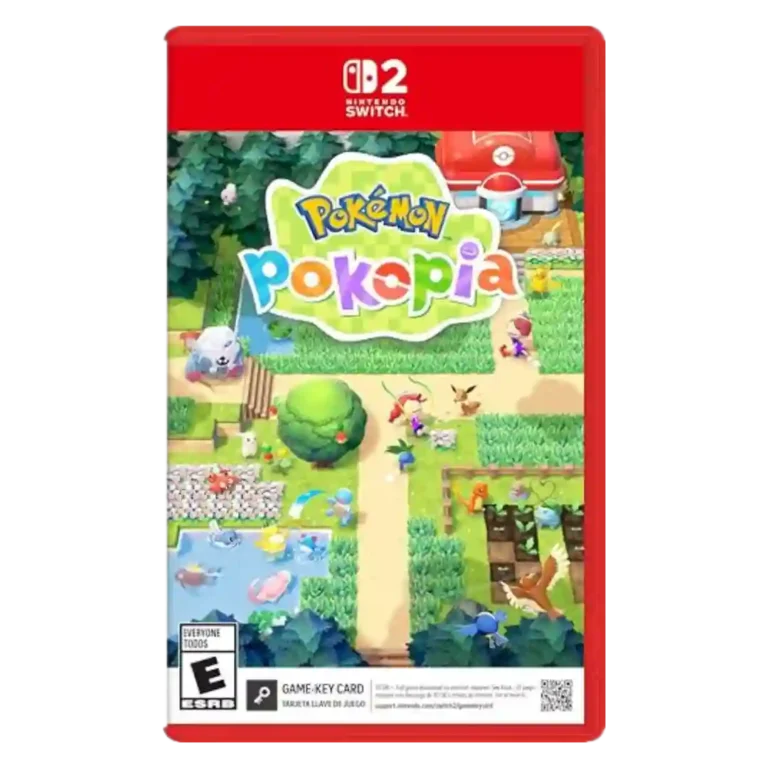
Choose Pokémon Pokopia for a cozy Pokémon sandbox with rewarding habitats, exploration, and long-term projects. Skip it if storage friction, map limits, late-game grind, or timed construction will sour the pace.
Best for Pokémon fans and cozy-sandbox players who enjoy collecting, decorating, exploring, and slowly rebuilding a world around lovable characters. It especially suits players who want long-term projects rather than combat.
Not for players who mainly want traditional battles, competitive systems, or action-heavy Pokémon. It may also frustrate players who dislike inventory management, timed building, or unclear late-game goals.
Pokémon Pokopia lands as a highly praised cozy sandbox because its habitat-building loop turns collecting Pokémon into a warm cycle of discovery, resource gathering, rebuilding, and relationship-building. Reviewers repeatedly found the world absorbing, emotionally richer than expected, and packed with enough objectives, secrets, and postgame projects to last for dozens or even hundreds of hours. The tradeoff is organizational friction: storage is not unified, map tools are limited, building precision and camera behavior can irritate, and timed construction or late-game grind can slow momentum. Even so, the consensus is that its charm, content, and fresh use of the Pokémon license outweigh those rough edges.
Compared with other Video Games, this product is above average in companion AI, user interface design, narrative quality, near average in age appropriateness, tutorial quality, below average in load times, accessibility options, level design.
| Attribute | This product | Category average | Difference |
|---|---|---|---|
| companion AI | 4.7 | 3.2 | +1.4 |
| user interface design | 4.5 | 3.4 | +1.1 |
| narrative quality | 4.6 | 3.7 | +0.9 |
| family friendliness | 4.6 | 3.5 | +1.1 |
| core gameplay loop | 4.7 | 4.0 | +0.7 |
| content variety | 4.6 | 4.0 | +0.7 |
| load times | 3.0 | 3.9 | -0.9 |
| protagonist appeal | 4.8 | 3.9 | +0.9 |
Choose Hyrule Warriors: Age of Imprisonment. It scores 4.6 vs 3.0 for accessibility options, with a 4.1 overall score.
Choose Monster Hunter Stories 3: Twisted Reflection. It scores 5.0 vs 2.8 for map and navigation design, with a 4.2 overall score.
Choose Donkey Kong Bananza. It scores 5.0 vs 3.0 for load times, with a 4.5 overall score.
Choose Kingdom Come: Deliverance II. It scores 4.9 vs 4.2 for soundtrack quality, with a 4.3 overall score.
Products reviewers directly compared with this model, grouped into quick takeaways.
No. Reviewers noted the absence of combat, but several felt the restoration and friendship-focused loop worked better without it.
You build habitats, attract Pokémon, gather and craft resources, improve comfort, unlock abilities, and use those abilities to restore and explore more of the world.
Reviewers compared it to both, plus Dragon Quest Builders and Viva Piñata, but generally said Pokopia combines those influences into its own Pokémon-centered life sim.
Reviewers consistently described a huge amount of content, including hundreds of Pokémon, habitats, secrets, areas, furniture, recipes, and postgame building projects.
The most repeated complaints involve scattered storage, limited map tools, fiddly block placement or camera behavior, some timed construction, load times, and occasional late-game grind.
The gentle tone and GameShare-style play can fit families, but at least one reviewer warned that lots of reading may deter younger trainers from the full experience.
These are a few of the reviews included in our analysis.




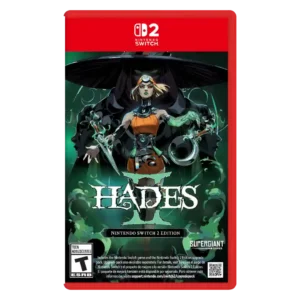
Good if you want fast, tactical roguelite combat with huge progression depth, striking art, and standout music. Skip it if repetition, resource micromanagement, or a less emotionally satisfying sequel story...
Pros: skill tree depth, dialogue quality
Cons: emotional impact, economy and resource balance

Best for joyful destruction, dense exploration, and a charming DK-Pauline adventure. Skip it if camera quirks, frame-rate dips, easy bosses, or premium Switch 2 pricing are dealbreakers.
Pros: gameplay mechanics, world interactivity
Cons: economy and resource balance, enemy variety
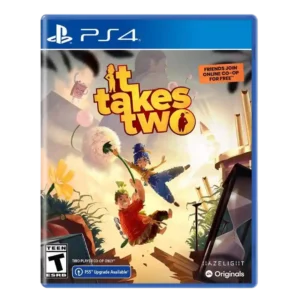
Best for joyful, inventive co-op with a partner, especially on couch. Skip it if divorce themes, uneven story tone, or Switch visual compromises would distract you.
Pros: core gameplay loop, movement feel
Cons: character development, dialogue quality
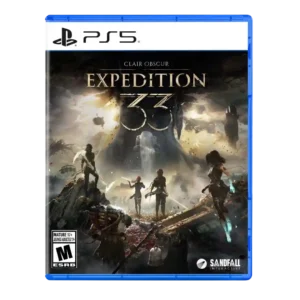
Choose Clair Obscur if you want a story-rich RPG with thrilling timed combat, gorgeous art, and standout music. Skip it if poor maps, tight parry timing, or occasional bugs and...
Pros: monetization fairness, microtransaction impact
Cons: platforming precision, menu usability