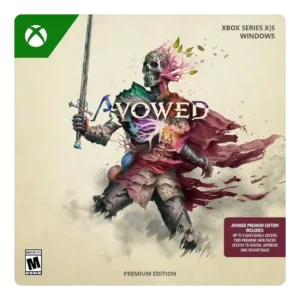
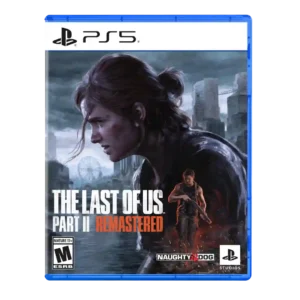
Compare Avowed vs The Last of Us Part II Remastered

P1 Avowed
P2 The Last of Us Part II Remastered

Comparison Takeaways

Avowed

Where It Has the Edge

  • puzzle design is 3.7 vs 2.0. Puzzles were generally light but appreciated when they used environmental elements, timing, and exploration paths.
  • user interface design is 4.0 vs 2.5. UI options such as text sizing and subtitles were appreciated as useful interface support.
  • visual effects quality is 4.6 vs 3.5. Visual effects, especially magic, were repeatedly praised for impact, color, and satisfying feedback.
  • age appropriateness is 4.0 vs 3.0. One reviewer specifically framed Avowed as more appropriate for older teens and adults because of its complex themes...

The Last of Us Part II Remastered

Where It Has the Edge

  • stealth mechanics is 4.7 vs 1.4. Stealth mechanics were widely praised as tense, flexible, and improved, especially when No Return encouraged new approaches.
  • boss design is 5.0 vs 1.8. Boss design stood out in one PC review, which highlighted major fights as some of Naughty Dog’s best.
  • core gameplay loop is 5.0 vs 2.0. The No Return loop was praised as a high-stakes, rewarding way to experience the game’s encounters repeatedly.
  • economy and resource balance is 5.0 vs 2.6. Resource balance was praised for keeping ammo and materials scarce enough to make survival tense.
Average score
Product 1: Avowed
3.6
Product 2: The Last of Us Part...
4.2
accessibility options
Product 1: Avowed
4.2

Reviewers noted useful accessibility and comfort controls such as camera, subtitle, difficulty, and arachnophobia-related options, though colorblind support was called out as missing.

Product 2: The Last of Us Part...
4.9

Accessibility options were strongly praised, with reviewers calling the expanded descriptive audio, speech-to-vibration, and broader tools meaningful additions.

age appropriateness
Product 1: Avowed
4.0

One reviewer specifically framed Avowed as more appropriate for older teens and adults because of its complex themes and mature material.

Product 2: The Last of Us Part...
3.0

Age appropriateness was limited by the game’s mature themes, violence, and emotional weight, with one reviewer saying younger players may not appreciate it.

AI behavior
Product 1: Avowed
3.5

Enemy AI was considered serviceable but not especially smart; later impressions suggested fights remain engaging without feeling brain-dead.

Product 2: The Last of Us Part...
4.3

AI behavior was praised in combat-focused reviews for swarming, faction pressure, and strong arena behavior.

aiming precision
Product 1: Avowed
2.5

Aiming and first-person spell placement drew criticism when ground-targeted abilities were hard to place precisely.

Product 2: The Last of Us Part...
4.5

Aiming precision received specific praise on PC, where mouse input gave reviewers strong control for headshots.

animation quality
Product 1: Avowed
3.0

Animation feedback was mixed, with stiff NPCs and less impressive presentation keeping the game from feeling fully modern.

Product 2: The Last of Us Part...
No score yet
art direction
Product 1: Avowed
4.6

Most reviewers praised the bold, colorful, alien fantasy art direction, though a few disliked the cartoony look or felt presentation was uneven.

Product 2: The Last of Us Part...
4.0

Art direction was praised as visually striking, though one review also noted the remaster could look too dark in places.

atmosphere
Product 1: Avowed
4.7

The Living Lands’ vivid tone, music, and dreamlike spaces were repeatedly praised for creating a distinctive atmosphere.

Product 2: The Last of Us Part...
5.0

Atmosphere was praised as masterful, especially for its oppressive tension and survival-horror mood.

boss design
Product 1: Avowed
1.8

Boss design was criticized as disappointing, with bosses feeling like tougher versions of regular enemies rather than unique encounters.

Product 2: The Last of Us Part...
5.0

Boss design stood out in one PC review, which highlighted major fights as some of Naughty Dog’s best.

bug frequency
Product 1: Avowed
3.6

Bug reports varied widely: some reviewers found almost none, while others hit quest bugs, map-edge bugs, or issues that required reloads.

Product 2: The Last of Us Part...
3.3

Bug frequency was mixed: some PC reviewers reported minor UI or texture glitches, while others found the port clean.

camera behavior
Product 1: Avowed
4.2

Camera-related options were appreciated, especially the ability to adjust head bob and camera shake for comfort.

Product 2: The Last of Us Part...
No score yet
character customization
Product 1: Avowed
4.3

Character creation was generally praised as solid or deep, with later updates adding more races and appearance options.

Product 2: The Last of Us Part...
No score yet
character development
Product 1: Avowed
2.7

Character development split reviewers: some found companions distinct and engaging, while others thought characters were bland or hard to care about.

Product 2: The Last of Us Part...
5.0

Character development was praised for its heavy character work and risky perspective structure.

character roster
Product 1: Avowed
3.3

The companion roster was often seen as small or limited, though some reviewers still liked the four supporting characters.

Product 2: The Last of Us Part...
4.7

The character roster in No Return was praised for bringing secondary characters forward with different loadouts, traits, and playstyles.

class balance
Product 1: Avowed
4.4

Build and class flexibility was praised because Avowed lets players mix archetypes freely, though balance sometimes favored magic or specific styles.

Product 2: The Last of Us Part...
No score yet
combat system
Product 1: Avowed
4.2

Combat was one of the most consistently praised elements, especially magic, responsiveness, and build variety, despite repetition and gear-gating complaints.

Product 2: The Last of Us Part...
4.6

Combat was one of the strongest areas overall, with reviewers praising its brutal feel, polish, resource pressure, and ability to shine in No Return despite a few dissenting takes.

companion AI
Product 1: Avowed
3.1

Companion combat AI was mixed: some found companions self-sufficient or improved by patches, while others called them weak or unnecessary in fights.

Product 2: The Last of Us Part...
No score yet
content variety
Product 1: Avowed
4.2

Reviewers liked the dense zones and amount of side content, although some felt the scope was restrained rather than sprawling.

Product 2: The Last of Us Part...
4.3

Content variety was broadly praised, especially No Return, Lost Levels, commentary, guitar free play, skins, speedrun tools, and modifiers, though some extras were called short or uneven.

controls responsiveness
Product 1: Avowed
4.4

Controls and combat feel were commonly praised for responsiveness, impact, and keybind flexibility, with a few targeting frustrations.

Product 2: The Last of Us Part...
4.6

Controls were usually described as smooth, responsive, and solid, with PC mouse-and-keyboard support adding precision for some players.

core gameplay loop
Product 1: Avowed
2.0

The core loop was divisive: strong combat and exploration were often undermined for some reviewers by gear-tier repetition and open-zone structure.

Product 2: The Last of Us Part...
5.0

The No Return loop was praised as a high-stakes, rewarding way to experience the game’s encounters repeatedly.

crafting system
Product 1: Avowed
2.7

Crafting was mixed to negative, with several reviewers calling it threadbare, expensive, or too tied to gear-tier progression.

Product 2: The Last of Us Part...
4.5

Crafting was praised as part of the game’s excellent survival-combat foundation.

crash stability
Product 1: Avowed
4.0

Crash stability varied by platform and version: some reviewers reported no crashes, while another had severe startup crashes before fixes.

Product 2: The Last of Us Part...
No score yet
dialogue quality
Product 1: Avowed
3.7

Dialogue quality ranged from standout and well acted to overly wordy, forced, or limited in the options it offered.

Product 2: The Last of Us Part...
No score yet
difficulty balance
Product 1: Avowed
3.4

Difficulty balance was one of the most debated areas, with some finding it fair and flexible and others criticizing gear checks, sponginess, or uneven scaling.

Product 2: The Last of Us Part...
4.1

Difficulty was usually viewed positively as tense and intentional, with challenge options and survival pressure fitting the game’s design.

economy and resource balance
Product 1: Avowed
2.6

Resource balance divided reviewers: some liked the meaningful economy, while others felt crafting materials and upgrade resources were too scarce.

Product 2: The Last of Us Part...
5.0

Resource balance was praised for keeping ammo and materials scarce enough to make survival tense.

emotional impact
Product 1: Avowed
4.1

Emotional impact came mostly from moral choices, consequences, and companion moments, though some endings or fallout felt muted to critics.

Product 2: The Last of Us Part...
5.0

Emotional impact was extremely strong, with reviewers repeatedly describing the story as gutting, heartbreaking, or emotionally shattering.

endgame content
Product 1: Avowed
1.5

Endgame content was criticized because the original experience did not allow continued post-story play and lacked New Game Plus at launch.

Product 2: The Last of Us Part...
No score yet
enemy variety
Product 1: Avowed
2.5

Enemy variety was a recurring concern; many reviewers felt the same bears, spiders, skeletons, and humanoids appeared too often.

Product 2: The Last of Us Part...
3.5

Enemy variety was mixed: No Return adds faction variety and AI pressure, but one reviewer criticized the limited number of new enemies.

environmental detail
Product 1: Avowed
4.6

Environmental detail was strongly praised through dense secrets, vistas, caves, and handcrafted spaces, even by some otherwise mixed reviewers.

Product 2: The Last of Us Part...
4.9

Environmental detail drew strong praise for scenery, foliage, world texture, and dense visual craftsmanship.

exploration quality
Product 1: Avowed
4.6

Exploration was one of the strongest consensus positives, with dense maps, secrets, vertical paths, and constant rewards keeping reviewers engaged.

Product 2: The Last of Us Part...
4.2

Exploration was generally valued for scavenging, optional environmental stories, and player choice, though one reviewer found it sometimes too guided.

facial animations
Product 1: Avowed
2.8

Facial animations were criticized in later impressions as not matching next-generation expectations.

Product 2: The Last of Us Part...
5.0

Facial animation was praised as industry-leading and central to the emotional performances.

faithfulness to franchise
Product 1: Avowed
4.7

Returning Eora fans often felt Avowed was faithful to the Pillars of Eternity world, while still accessible to newcomers.

Product 2: The Last of Us Part...
No score yet
family friendliness
Product 1: Avowed
No score yet
Product 2: The Last of Us Part...
1.5

Family friendliness scored low because one reviewer explicitly described the game as gritty, intense, and extremely violent.

fast travel convenience
Product 1: Avowed
4.4

Fast travel was viewed as convenient and generous, making it easy to revisit areas without friction.

Product 2: The Last of Us Part...
No score yet
frame rate stability
Product 1: Avowed
3.3

Frame-rate stability varied: some reviewers saw stable performance, while others reported hitches, drops, screen tearing, or stuttering.

Product 2: The Last of Us Part...
4.4

Frame rate stability was mostly praised, especially in performance mode, with some caveats around 30fps fidelity mode and certain PC scenes.

fun factor
Product 1: Avowed
4.2

Fun factor leaned positive overall, especially for combat and exploration, though some reviewers found the experience merely solid or underwhelming.

Product 2: The Last of Us Part...
4.4

Fun factor was strongest in No Return and combat-focused extras, though the main story’s grim tone made it less relaxing for some reviewers.

gameplay mechanics
Product 1: Avowed
3.9

Gameplay mechanics were generally praised as streamlined and flexible, but a few reviewers felt RPG systems lacked depth or reactivity.

Product 2: The Last of Us Part...
3.5

Gameplay mechanics drew mixed responses: several reviewers liked the remastered combat tools, but one felt the core stealth-loot-shoot loop had aged poorly.

graphics quality
Product 1: Avowed
4.2

Graphics quality was divisive but often positive, with praise for stunning vistas and vivid visuals alongside criticism of poor or compromised visuals on some platforms.

Product 2: The Last of Us Part...
4.4

Graphics were widely praised as excellent or stunning, but reviewers often stressed that the jump over the PS4/PS5-patched version is modest.

grind level
Product 1: Avowed
2.4

Grind level was a common complaint tied to gear upgrades, resource hunting, and spongy combat loops.

Product 2: The Last of Us Part...
No score yet
handheld play suitability
Product 1: Avowed
3.5

Steam Deck suitability was considered playable and verified, but the visual tradeoff was significant.

Product 2: The Last of Us Part...
4.5

Handheld suitability was praised in one PC review because the Steam Deck version ran well enough to deserve verification.

haptic feedback integration
Product 1: Avowed
3.5

Haptic support was platform-dependent: one PS5 review praised DualSense vibration, while another noted missing haptic and trigger use.

Product 2: The Last of Us Part...
4.7

Haptic feedback integration was strongly praised for bows, weapons, bandaging, traversal, and added immersion, though one reviewer found extended use tiring.

horror tension
Product 1: Avowed
No score yet
Product 2: The Last of Us Part...
4.8

Horror tension was praised for causing anxiety, dread, and memorable scare sequences.

HUD clarity
Product 1: Avowed
3.5

HUD clarity improved through options to reduce clutter, adjust opacity, and toggle display elements.

Product 2: The Last of Us Part...
No score yet
immersion
Product 1: Avowed
3.7

Immersion was helped by dense worldbuilding and atmosphere but hurt for some by static NPCs and limited world reactivity.

Product 2: The Last of Us Part...
No score yet
innovation
Product 1: Avowed
3.0

Innovation was usually described as limited; reviewers saw Avowed as confident and enjoyable rather than genre-changing.

Product 2: The Last of Us Part...
3.0

Innovation was limited in one review, which found No Return fun but not especially unique as a mode.

learning curve
Product 1: Avowed
4.0

Learning support was helped by reference and lore systems that made Eora’s terminology easier to understand.

Product 2: The Last of Us Part...
No score yet
level design
Product 1: Avowed
4.8

Level design was praised for verticality, density, handcrafted routes, and spaces that felt larger than their footprint.

Product 2: The Last of Us Part...
5.0

Level design received strong praise from one reviewer for making linear spaces feel flexible and meaningful.

live-service support
Product 1: Avowed
4.4

Post-launch support was viewed positively, with free updates improving stability, customization, build options, and quality-of-life features.

Product 2: The Last of Us Part...
No score yet
load times
Product 1: Avowed
No score yet
Product 2: The Last of Us Part...
4.8

Load times were consistently praised as much faster and a clear quality-of-life upgrade.

loot system
Product 1: Avowed
3.0

Loot opinions were mixed: unique items and progression could be satisfying, but many chests and rewards felt predictable or unexciting.

Product 2: The Last of Us Part...
No score yet
lore depth
Product 1: Avowed
4.7

Lore depth was consistently praised, especially the in-game books, history, politics, and reference systems that made Eora feel rich.

Product 2: The Last of Us Part...
No score yet
map and navigation design
Product 1: Avowed
3.0

Map and navigation design was mixed, with missing custom markers criticized before later updates added them.

Product 2: The Last of Us Part...
2.5

Map and navigation design drew one notable complaint about unclear progression paths in naturalistic environments.

menu usability
Product 1: Avowed
3.6

Menu and ability-wheel usability was mixed; some quality-of-life systems helped, but radial wheels and limited hotkeys disrupted combat for others.

Product 2: The Last of Us Part...
No score yet
mission design
Product 1: Avowed
2.2

Mission design drew criticism when quests felt repetitive, fetchy, or like back-and-forth errands, though some standout missions remained.

Product 2: The Last of Us Part...
No score yet
mission variety
Product 1: Avowed
No score yet
Product 2: The Last of Us Part...
4.3

Mission variety in No Return was praised for randomized objectives and encounter types, with some caveats about uneven encounters.

movement feel
Product 1: Avowed
4.6

Movement feel and parkour were strongly praised for making exploration fluid, vertical, and enjoyable.

Product 2: The Last of Us Part...
No score yet
narrative quality
Product 1: Avowed
4.1

Narrative quality was usually a strength thanks to mystery, choices, and world stakes, but some reviewers found the main plot predictable or underwhelming.

Product 2: The Last of Us Part...
4.3

Narrative quality remained divisive but mostly positive, with many reviewers calling it profound or masterful while others criticized its structure, bleakness, and execution.

onboarding experience
Product 1: Avowed
3.8

Onboarding was praised when it taught by doing, though lore-heavy openings could feel steep for newcomers.

Product 2: The Last of Us Part...
No score yet
open-world design
Product 1: Avowed
3.5

Open-zone design split reviewers: many liked curated, dense hubs, while others found the world restrictive, lifeless, or not interactive enough.

Product 2: The Last of Us Part...
4.0

The limited semi-open Seattle section stood out positively to one reviewer, who wished more of the game pursued that feeling.

originality
Product 1: Avowed
2.9

Originality was limited; reviewers often described Avowed as familiar comfort-food fantasy rather than a bold genre evolution.

Product 2: The Last of Us Part...
3.5

Originality was mixed, with one review finding No Return strange and unusual but artistically awkward.

pacing
Product 1: Avowed
3.0

Pacing was mixed, with slow starts, downtime, filler quests, and late-game repetition weighing against an otherwise easy-to-follow story.

Product 2: The Last of Us Part...
2.9

Pacing was the most consistent structural complaint, with multiple reviewers saying the campaign felt long, bloated, or uneven despite strong moments.

performance optimization
Product 1: Avowed
3.4

Performance optimization varied sharply across versions, from stable and improved after patches to demanding, stuttery, or poorly optimized on some PCs.

Product 2: The Last of Us Part...
4.4

Performance optimization was generally strong on PS5 and many PC setups, though one PC review reported stutter and texture issues.

platform-specific feature support
Product 1: Avowed
4.4

Platform-specific support was praised for PS5 performance modes, Sony-platform feel, and PC features such as DLSS.

Product 2: The Last of Us Part...
5.0

Platform-specific support was praised for PS5-native upgrades such as load times, DualSense features, and 3D audio.

platforming precision
Product 1: Avowed
4.3

Platforming precision was a pleasant surprise, with simple mantling and vertical puzzles adding a welcome exploration layer.

Product 2: The Last of Us Part...
No score yet
polish
Product 1: Avowed
3.7

Polish improved over time but remained uneven, with reviewers citing jank, lack of gloss, or presentation limits alongside strong craftsmanship.

Product 2: The Last of Us Part...
4.4

Polish was a consistent strength, with reviewers describing the package, presentation, and bonus modes as well-crafted.

progression system
Product 1: Avowed
3.1

Progression systems were divisive: some liked flexible builds and added points, while others found midgame growth stagnant or too gear-dependent.

Product 2: The Last of Us Part...
4.5

Progression in No Return was praised for unlocks, challenges, and longer-term rewards that kept runs moving.

protagonist appeal
Product 1: Avowed
No score yet
Product 2: The Last of Us Part...
4.0

Protagonist appeal was mixed: Ellie was praised as carrying the sequel by some, while one reviewer found her harder to relate to.

puzzle design
Product 1: Avowed
3.7

Puzzles were generally light but appreciated when they used environmental elements, timing, and exploration paths.

Product 2: The Last of Us Part...
2.0

Puzzle design was a weak point in one review, which complained that environmental puzzles were too few and underdeveloped.

quest design
Product 1: Avowed
3.7

Quest design ranged from excellent side stories and meaningful follow-ups to fetchy, inconsistent, or repetitive tasks.

Product 2: The Last of Us Part...
No score yet
remake/remaster quality
Product 1: Avowed
No score yet
Product 2: The Last of Us Part...
4.5

Remaster quality was generally praised as a definitive or worthwhile edition, though the visual upgrade was often called modest and content-focused.

replay value
Product 1: Avowed
3.7

Replay value improved with choices and post-launch New Game Plus, though some reviewers felt repeated runs changed too little.

Product 2: The Last of Us Part...
4.4

Replay value was one of the strongest remaster arguments, driven mainly by No Return, daily/custom runs, unlocks, and added extras.

sandbox freedom
Product 1: Avowed
2.3

Sandbox freedom was limited compared with full open-world RPGs, though some reviewers still appreciated freedom in story choices or builds.

Product 2: The Last of Us Part...
4.0

No Return’s sandbox-like setup was praised as a fun way to experiment outside the campaign’s narrative constraints.

save system reliability
Product 1: Avowed
3.0

Save reliability was a concern for at least one reviewer who needed more careful saving because of bugs.

Product 2: The Last of Us Part...
No score yet
side character depth
Product 1: Avowed
3.9

Side characters and companions were highly divisive: some found them memorable and heartfelt, while others thought they were shallow or uninspired.

Product 2: The Last of Us Part...
No score yet
skill tree depth
Product 1: Avowed
3.6

Skill trees were praised for flexibility but criticized by others as simple, shallow, or uneven across archetypes.

Product 2: The Last of Us Part...
3.5

Skill systems were split: one reviewer liked the upgrade satisfaction, while another felt No Return upgrades did not meaningfully change play enough.

sound design
Product 1: Avowed
4.4

Sound design was praised for impactful effects, combat feedback, and strong weapon audio.

Product 2: The Last of Us Part...
4.8

Sound design was praised for 3D audio, directionality, anxiety, and stealth-tension cues.

soundtrack quality
Product 1: Avowed
3.5

Soundtrack reception was generally positive but often stopped short of calling the music unforgettable.

Product 2: The Last of Us Part...
5.0

The soundtrack was praised as atmospheric and emotionally effective.

stealth mechanics
Product 1: Avowed
1.4

Stealth was criticized as underdeveloped or nearly useless, with little support for stealth-focused play.

Product 2: The Last of Us Part...
4.7

Stealth mechanics were widely praised as tense, flexible, and improved, especially when No Return encouraged new approaches.

tutorial quality
Product 1: Avowed
4.9

The tutorial was praised for teaching systems naturally and creating meaningful choices early.

Product 2: The Last of Us Part...
No score yet
upgrade system
Product 1: Avowed
2.9

Upgrade systems were sharply divisive, with some liking gear longevity and many others criticizing tiers, scarcity, or number-go-up design.

Product 2: The Last of Us Part...
No score yet
user interface design
Product 1: Avowed
4.0

UI options such as text sizing and subtitles were appreciated as useful interface support.

Product 2: The Last of Us Part...
2.5

User interface design had one PC-specific criticism, where mouse-related UI elements could hurt frame rate.

value for money
Product 1: Avowed
3.1

Value for money was mixed: reviewers praised Game Pass or lower pricing but questioned the original premium price for the scope.

Product 2: The Last of Us Part...
4.3

Value for money was strongly positive for the $10 upgrade, with more mixed views for first-time or double-dip buyers at full price.

visual effects quality
Product 1: Avowed
4.6

Visual effects, especially magic, were repeatedly praised for impact, color, and satisfying feedback.

Product 2: The Last of Us Part...
3.5

Visual effects were mostly strong, but one PC review noted distracting upscaling artifacts around transparencies.

voice acting
Product 1: Avowed
4.1

Voice acting was mostly praised as strong or outstanding, though one reviewer found performances unable to save weaker writing.

Product 2: The Last of Us Part...
5.0

Voice acting earned unanimous praise from scored reviews, especially for the main cast’s performances.

weapon balance
Product 1: Avowed
4.1

Weapon balance and variety were mostly praised for experimentation and flexible loadouts, but some reviewers felt magic outclassed melee or guns.

Product 2: The Last of Us Part...
No score yet
world-building
Product 1: Avowed
4.5

World-building was one of Avowed’s clearest strengths, especially its politics, cultures, history, and Eora continuity.

Product 2: The Last of Us Part...
4.8

World-building was praised for Seattle’s detail, environmental storytelling, and the way the sequel frames grief and factions.

world interactivity
Product 1: Avowed
1.9

World interactivity was one of the most common criticisms, with many reviewers finding NPCs, theft, objects, and systems too static.

Product 2: The Last of Us Part...
No score yet
writing quality
Product 1: Avowed
3.9

Writing quality was widely praised for lore, companion dialogue, and sharp prose, but a minority found it wordy, pretentious, or mid.

Product 2: The Last of Us Part...
4.1

Writing quality was polarized: several reviewers praised the ambitious, intentional storytelling, while one criticized the script as unsubtle.