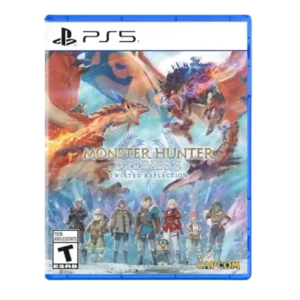
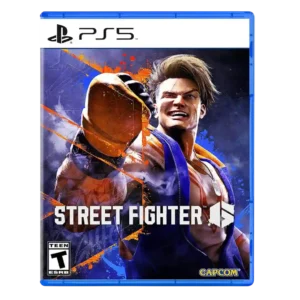
Compare Monster Hunter Stories 3: Twisted Reflection vs Street Fighter 6

P1 Monster Hunter Stories 3: Twisted Reflection
P2 Street Fighter 6

Comparison Takeaways

Monster Hunter Stories 3: Twisted Reflection

Where It Has the Edge

  • protagonist appeal is 4.1 vs 2.0. The voiced, adult protagonist was generally seen as a welcome improvement over blank-slate or mascot-led storytelling.
  • fast travel convenience is 4.5 vs 2.5. Fast travel was praised as convenient without feeling overly handed out.
  • mission design is 4.0 vs 2.4. Mission objectives were described as quick and useful for making the world feel active.
  • exploration quality is 4.6 vs 3.0. Exploration was one of the most praised areas, with reviewers enjoying open zones, secrets, dens, and traversal-driven discovery.

Street Fighter 6

Where It Has the Edge

  • multiplayer design is 4.7 vs 1.8. Multiplayer design was praised for Battle Hub, ranked/casual paths, and flexible ways to fight without forcing the social...
  • accessibility options is 4.8 vs 2.0. Accessibility was a standout, with Modern/Dynamic controls and approachable design repeatedly praised for welcoming new players.
  • dialogue quality is 4.5 vs 2.2. Dialogue and small master interactions were warmly received, especially casual chats and text-message moments.
  • onboarding experience is 4.9 vs 3.0. Onboarding was consistently strong because World Tour, guides, and Modern controls taught fundamentals without isolating newcomers.
Average score
Product 1: Monster Hunter Stories 3: Twisted...
4.0
Product 2: Street Fighter 6
4.0
accessibility options
Product 1: Monster Hunter Stories 3: Twisted...
2.0

Accessibility evidence was negative, with one review saying the game was not fully accessible.

Product 2: Street Fighter 6
4.8

Accessibility was a standout, with Modern/Dynamic controls and approachable design repeatedly praised for welcoming new players.

age appropriateness
Product 1: Monster Hunter Stories 3: Twisted...
3.0

Age appropriateness was mixed because the story gets darker despite retaining cutesy elements.

Product 2: Street Fighter 6
No score yet
AI behavior
Product 1: Monster Hunter Stories 3: Twisted...
No score yet
Product 2: Street Fighter 6
3.3

AI-related features were mixed: V-Rival-style practice was useful, while some World Tour AI behavior drew criticism.

animation quality
Product 1: Monster Hunter Stories 3: Twisted...
4.5

Animation quality was praised for fluid battles and more dynamic special moves.

Product 2: Street Fighter 6
5.0

Animation quality stood out through expressive character movement and polished fight presentation.

art direction
Product 1: Monster Hunter Stories 3: Twisted...
5.0

Art direction was unanimously praised among scored reviews as gorgeous, distinctive, and visually confident.

Product 2: Street Fighter 6
5.0

Art direction was a major strength, with repeated praise for the graffiti, hip-hop, urban, and colorful visual identity.

atmosphere
Product 1: Monster Hunter Stories 3: Twisted...
3.5

Atmosphere was mixed, with one reviewer missing the older ambience while another praised lighting and nighttime mood.

Product 2: Street Fighter 6
5.0

The atmosphere captured an arcade/community feeling that several reviewers found nostalgic and energizing.

battle mode quality
Product 1: Monster Hunter Stories 3: Twisted...
4.8

Battle mode quality was praised as revitalized and among the best in the series.

Product 2: Street Fighter 6
No score yet
battle pass value
Product 1: Monster Hunter Stories 3: Twisted...
No score yet
Product 2: Street Fighter 6
2.0

Battle pass value was viewed negatively as unnecessary in a paid fighting game.

boss design
Product 1: Monster Hunter Stories 3: Twisted...
4.5

Boss and invasive monster encounters were praised for forcing specific tactical engagement.

Product 2: Street Fighter 6
No score yet
bug frequency
Product 1: Monster Hunter Stories 3: Twisted...
5.0

Bug frequency was praised by one reviewer who noticed no meaningful glitches or technical problems.

Product 2: Street Fighter 6
No score yet
character customization
Product 1: Monster Hunter Stories 3: Twisted...
4.2

Character customization was praised for broad visual options, with a caveat about limited body-type customization.

Product 2: Street Fighter 6
No score yet
character development
Product 1: Monster Hunter Stories 3: Twisted...
4.2

Character development was often praised through party arcs and companion stories, though one review found much of the cast forgettable.

Product 2: Street Fighter 6
4.0

Character development showed up in master bonds and arcade/world interactions, but it was not the central narrative strength.

character roster
Product 1: Monster Hunter Stories 3: Twisted...
4.1

The roster of characters and monsters was mostly praised, though one reviewer singled out Rudy as frustrating.

Product 2: Street Fighter 6
4.8

The roster was widely praised as balanced, varied, stylish, and strong for both returning and new characters.

class balance
Product 1: Monster Hunter Stories 3: Twisted...
No score yet
Product 2: Street Fighter 6
4.5

Class or archetype balance was praised through comments that every character had viable strengths and weaknesses.

combat system
Product 1: Monster Hunter Stories 3: Twisted...
4.4

Combat was widely praised for tactical depth, body-part targeting and challenge, but several reviewers found it passive, slow or mentally taxing.

Product 2: Street Fighter 6
4.9

Combat earned the strongest praise: reviewers highlighted expressive Drive options, strategic meter use, and satisfying risk-reward decisions.

community features
Product 1: Monster Hunter Stories 3: Twisted...
No score yet
Product 2: Street Fighter 6
4.8

Community features were praised through Battle Hub's arcade feel, rival/friend tools, and social gathering design.

companion AI
Product 1: Monster Hunter Stories 3: Twisted...
2.9

Companion AI was mixed: some found allies useful or improved, while others were frustrated by uncontrollable or poor choices.

Product 2: Street Fighter 6
No score yet
competitive balance
Product 1: Monster Hunter Stories 3: Twisted...
No score yet
Product 2: Street Fighter 6
4.3

Competitive balance was viewed positively overall, especially the Drive system, Modern tradeoffs, and later character viability.

content variety
Product 1: Monster Hunter Stories 3: Twisted...
4.9

Content variety was strongly praised, with reviewers repeatedly noting lots of activities, side content, dens, and long-term goals.

Product 2: Street Fighter 6
4.9

Content variety was a major strength, with reviewers emphasizing the breadth of modes, training, arcade, online, and offline extras.

controls responsiveness
Product 1: Monster Hunter Stories 3: Twisted...
No score yet
Product 2: Street Fighter 6
4.6

Responsiveness was strong across most versions, though weaker platforms and connections could still affect the feel.

core gameplay loop
Product 1: Monster Hunter Stories 3: Twisted...
4.6

The hunting, hatching, restoring and upgrading loop was repeatedly described as rewarding and self-sustaining, with only a few reviewers finding collection repetitive.

Product 2: Street Fighter 6
4.8

The core loop was repeatedly described as quick, satisfying, addictive, and hard to put down.

crafting system
Product 1: Monster Hunter Stories 3: Twisted...
4.5

Crafting was praised for turning monster farming into meaningful equipment improvements.

Product 2: Street Fighter 6
No score yet
crash stability
Product 1: Monster Hunter Stories 3: Twisted...
2.0

Crash stability was a concern in one review because repeated crashing undermined an otherwise smooth experience.

Product 2: Street Fighter 6
No score yet
dialogue quality
Product 1: Monster Hunter Stories 3: Twisted...
2.2

Dialogue quality drew criticism from one review that tied weak attachment to uninspired dialogue.

Product 2: Street Fighter 6
4.5

Dialogue and small master interactions were warmly received, especially casual chats and text-message moments.

difficulty balance
Product 1: Monster Hunter Stories 3: Twisted...
3.7

Difficulty was divisive: some found the challenge satisfying and engaging, while others felt spikes or technical complexity interfered.

Product 2: Street Fighter 6
2.6

Difficulty balance was mixed, with some reviewers finding World Tour too easy and others hitting frustrating late-game spikes.

DLC value
Product 1: Monster Hunter Stories 3: Twisted...
No score yet
Product 2: Street Fighter 6
5.0

DLC value was strongest for the Years 1-2 Fighters Edition, which bundled characters at a better value.

economy and resource balance
Product 1: Monster Hunter Stories 3: Twisted...
No score yet
Product 2: Street Fighter 6
4.5

The Drive Gauge's resource design was praised as a balanced risk-reward system with meaningful consequences.

emotional impact
Product 1: Monster Hunter Stories 3: Twisted...
4.7

Several reviewers cited real emotional impact, including surprise, tears, and rethinking characters.

Product 2: Street Fighter 6
4.5

Some reviewers described a genuine emotional response to the character redesigns and franchise comeback.

endgame content
Product 1: Monster Hunter Stories 3: Twisted...
3.5

Endgame was mixed: optional superbosses and elder dragons impressed, but several reviewers wanted more post-credits change or multiplayer content.

Product 2: Street Fighter 6
4.5

Endgame content centered on ranked play and ongoing improvement, which reviewers saw as a long-term grind.

enemy variety
Product 1: Monster Hunter Stories 3: Twisted...
3.5

Monster variety was mostly liked, but one reviewer wanted more distinct designs beyond color variants.

Product 2: Street Fighter 6
4.5

Enemy variety in World Tour was praised for teaching matchups and adding amusing oddball opponents.

environmental detail
Product 1: Monster Hunter Stories 3: Twisted...
5.0

Environmental detail was praised for the highly detailed spaces and adventure feel.

Product 2: Street Fighter 6
4.3

Environmental detail was strong in stages and city presentation, though older hardware reduced background liveliness.

exploration quality
Product 1: Monster Hunter Stories 3: Twisted...
4.6

Exploration was one of the most praised areas, with reviewers enjoying open zones, secrets, dens, and traversal-driven discovery.

Product 2: Street Fighter 6
3.0

Exploration was considered fun in spots but not consistently distinctive compared with other open-world games.

faithfulness to franchise
Product 1: Monster Hunter Stories 3: Twisted...
4.8

Reviewers strongly agreed it captures Monster Hunter identity in turn-based form while using monsters, equipment and exploration well.

Product 2: Street Fighter 6
4.8

Faithfulness to the franchise was strong because reviewers felt the game honored Street Fighter while moving it forward.

family friendliness
Product 1: Monster Hunter Stories 3: Twisted...
3.0

Family friendliness was similarly mixed because some darker scenes could trouble younger players.

Product 2: Street Fighter 6
4.0

Family or casual-group play was supported by Dynamic controls, party-style modes, and approachable local play.

fast travel convenience
Product 1: Monster Hunter Stories 3: Twisted...
4.5

Fast travel was praised as convenient without feeling overly handed out.

Product 2: Street Fighter 6
2.5

Fast travel was useful only after unlocking points; before then, one reviewer felt they ran around aimlessly.

flying mechanics
Product 1: Monster Hunter Stories 3: Twisted...
3.9

Gliding and currents were fun for several reviewers, though others wanted true free flight rather than glide-only movement.

Product 2: Street Fighter 6
No score yet
frame rate stability
Product 1: Monster Hunter Stories 3: Twisted...
3.2

Frame rate evidence was mixed, with Switch 2 dips and 30 FPS concerns but some reviewers calling it playable.

Product 2: Street Fighter 6
2.8

Frame-rate stability was excellent in core fights on stronger versions but inconsistent in World Tour, PS4, PC open areas, and Switch 2 exploration.

fun factor
Product 1: Monster Hunter Stories 3: Twisted...
4.9

Fun factor was extremely strong, with reviewers calling the game addictive, a blast, and a must-play.

Product 2: Street Fighter 6
4.9

Fun factor was extremely high, with reviewers repeatedly calling matches, modes, and systems exciting or addictive.

gameplay mechanics
Product 1: Monster Hunter Stories 3: Twisted...
4.6

Reviewers mostly praised the layered systems around habitat restoration, genes, traversal and team building, though one found the extra layers overwhelming.

Product 2: Street Fighter 6
4.9

Reviewers praised the Drive-era mechanics as deep, flexible, and satisfying, with post-launch updates adding meaningful tactical changes.

graphics quality
Product 1: Monster Hunter Stories 3: Twisted...
4.5

Graphics were mostly praised as vibrant and beautiful, though Switch 2 image quality and technical issues reduced some scores.

Product 2: Street Fighter 6
4.5

Graphics were generally praised, though Switch, PS4, and World Tour performance/visual compromises were noted.

grind level
Product 1: Monster Hunter Stories 3: Twisted...
3.7

Grinding was mixed: some reviewers found it relaxed or avoidable, while others saw late-game or genre grind as a drawback.

Product 2: Street Fighter 6
2.4

Grind level was a recurring drawback in World Tour, especially master/style leveling and late-game stat farming.

handheld play suitability
Product 1: Monster Hunter Stories 3: Twisted...
4.6

Handheld play was positively received, including Switch handheld and Steam Deck experiences.

Product 2: Street Fighter 6
4.3

Handheld suitability was positive on Switch 2, though World Tour and visual compromises limited the result.

haptic feedback integration
Product 1: Monster Hunter Stories 3: Twisted...
4.5

HD Rumble was praised for subtle feedback that made exploration and combat more impactful.

Product 2: Street Fighter 6
No score yet
HUD clarity
Product 1: Monster Hunter Stories 3: Twisted...
2.5

HUD clarity/accessibility was limited by subtitle size options that may not be large enough.

Product 2: Street Fighter 6
No score yet
immersion
Product 1: Monster Hunter Stories 3: Twisted...
4.5

Immersion improved through party backstories, character niches, and the more realized story presentation.

Product 2: Street Fighter 6
5.0

Immersion benefited from World Tour and Battle Hub, with reviewers calling it the franchise's most immersive entry.

innovation
Product 1: Monster Hunter Stories 3: Twisted...
4.0

Innovation was generally positive around ambition and stronger systems, though one review noted it still plays safe.

Product 2: Street Fighter 6
4.5

Innovation was praised in the open-world RPG structure, accessibility ideas, and Drive system.

learning curve
Product 1: Monster Hunter Stories 3: Twisted...
3.0

The early learning curve was considered sharp and occasionally overwhelming.

Product 2: Street Fighter 6
4.3

The learning curve was considered manageable because the game has depth but gives players practical tools to improve.

level design
Product 1: Monster Hunter Stories 3: Twisted...
4.8

Level and map layouts were praised for thoughtful movement, beautiful spaces, and rewarding terrain.

Product 2: Street Fighter 6
3.5

World Tour's main hubs were appreciated, while smaller global areas were criticized for feeling limited.

live-service support
Product 1: Monster Hunter Stories 3: Twisted...
No score yet
Product 2: Street Fighter 6
4.0

Live-service support was considered solid after launch, though monetization concerns kept it from being unqualified praise.

load times
Product 1: Monster Hunter Stories 3: Twisted...
4.5

Load-related convenience was praised through quick fast travel between stands.

Product 2: Street Fighter 6
3.5

Load times ranged from extremely quick in stronger versions to sluggish on base PS4 hardware.

loot system
Product 1: Monster Hunter Stories 3: Twisted...
4.8

The randomized egg and gene reward loop was praised as exciting rather than wasteful.

Product 2: Street Fighter 6
No score yet
lore depth
Product 1: Monster Hunter Stories 3: Twisted...
4.0

Lore depth was supported by locations that communicate their own stories and inhabitants.

Product 2: Street Fighter 6
4.0

Lore references and Final Fight/Street Fighter connections added flavor for longtime fans.

map and navigation design
Product 1: Monster Hunter Stories 3: Twisted...
5.0

Map design was praised as excellent both visually and structurally.

Product 2: Street Fighter 6
No score yet
matchmaking quality
Product 1: Monster Hunter Stories 3: Twisted...
No score yet
Product 2: Street Fighter 6
4.0

Matchmaking was mostly quick and smooth, but ranked matchmaking concerns appeared in one later player-focused review.

menu usability
Product 1: Monster Hunter Stories 3: Twisted...
2.8

Menu usability was criticized when Excursions and skill differences were not clearly explained.

Product 2: Street Fighter 6
2.8

Menu usability had some friction, especially around settings, friends, and navigation.

microtransaction impact
Product 1: Monster Hunter Stories 3: Twisted...
No score yet
Product 2: Street Fighter 6
2.1

Microtransactions were a repeated negative, even when reviewers noted cosmetics did not affect gameplay.

mission design
Product 1: Monster Hunter Stories 3: Twisted...
4.0

Mission objectives were described as quick and useful for making the world feel active.

Product 2: Street Fighter 6
2.4

Mission design was mixed to negative because reviewers enjoyed some lessons and minigames but disliked fetch quests and backtracking.

mission variety
Product 1: Monster Hunter Stories 3: Twisted...
No score yet
Product 2: Street Fighter 6
4.6

Mission variety was positive when minigames and combat lessons taught mechanics, but not all mission structures stayed fresh.

monetization fairness
Product 1: Monster Hunter Stories 3: Twisted...
No score yet
Product 2: Street Fighter 6
2.6

Monetization fairness was the most persistent concern, with several reviewers objecting to premium currency and aggressive cosmetic monetization.

movement feel
Product 1: Monster Hunter Stories 3: Twisted...
4.6

Traversal and monster swapping were usually praised as seamless, slick and intuitive across exploration.

Product 2: Street Fighter 6
5.0

The fighting feel was described as fluid, logical, natural, and easy to pick up without losing depth.

multiplayer design
Product 1: Monster Hunter Stories 3: Twisted...
1.8

Multiplayer design was a weakness because reviewers missed PvP or multiplayer dungeon-style options.

Product 2: Street Fighter 6
4.7

Multiplayer design was praised for Battle Hub, ranked/casual paths, and flexible ways to fight without forcing the social lobby.

narrative quality
Product 1: Monster Hunter Stories 3: Twisted...
4.1

Narrative reception was broadly positive but mixed, with many praising richer stakes and political drama while others criticized pacing or weak script.

Product 2: Street Fighter 6
2.8

Narrative quality was the most common creative weakness, with several reviewers calling World Tour's main story weak, dull, or shallow.

onboarding experience
Product 1: Monster Hunter Stories 3: Twisted...
3.0

Onboarding was mixed because the dense systems could feel overwhelming or insufficiently explained.

Product 2: Street Fighter 6
4.9

Onboarding was consistently strong because World Tour, guides, and Modern controls taught fundamentals without isolating newcomers.

online stability
Product 1: Monster Hunter Stories 3: Twisted...
No score yet
Product 2: Street Fighter 6
4.5

Online stability was a clear strength, with reviewers repeatedly praising netcode and smooth connections, despite isolated issues.

open-world design
Product 1: Monster Hunter Stories 3: Twisted...
4.5

The semi-open structure was praised for being broad without feeling bloated.

Product 2: Street Fighter 6
4.1

World Tour was broadly welcomed as an ambitious single-player RPG mode, though reviewers varied on its execution and polish.

originality
Product 1: Monster Hunter Stories 3: Twisted...
4.5

Originality was praised as special and more than a cheap clone, even when it evoked classic RPG energy.

Product 2: Street Fighter 6
4.5

Originality came through World Tour's unusual fighting-game RPG structure and the full package's fresh approach.

pacing
Product 1: Monster Hunter Stories 3: Twisted...
2.9

Pacing drew mixed-to-negative notes, with story momentum hurt by grinding, a sagging middle, or underdeveloped ideas despite some quick starts.

Product 2: Street Fighter 6
2.5

Pacing was uneven: the main fighting stayed engaging, but World Tour could feel repetitive, grindy, or padded.

performance optimization
Product 1: Monster Hunter Stories 3: Twisted...
3.6

Performance was platform-dependent: PS5 and PC drew praise, while Switch 2 optimization and one crash-heavy PC case were concerns.

Product 2: Street Fighter 6
3.3

Performance optimization varied sharply by platform and mode, with traditional fights strong but World Tour often weaker.

platform-specific feature support
Product 1: Monster Hunter Stories 3: Twisted...
No score yet
Product 2: Street Fighter 6
2.5

Platform-specific features were mixed: touch controls helped on Switch 2, while gyro modes felt more gimmicky than essential.

platforming precision
Product 1: Monster Hunter Stories 3: Twisted...
No score yet
Product 2: Street Fighter 6
2.0

Platforming in World Tour was one of the few clearly criticized mechanical side activities.

polish
Product 1: Monster Hunter Stories 3: Twisted...
3.8

Polish was mixed: some saw a very clean, polished game, while others found Switch 2 presentation janky.

Product 2: Street Fighter 6
3.0

Polish was mostly strong, though pop-in and platform-specific compromises prevented a perfect score everywhere.

progression system
Product 1: Monster Hunter Stories 3: Twisted...
3.0

Progression was seen as requiring meaningful time and commitment, especially around gear and upgrades.

Product 2: Street Fighter 6
3.0

Progression was criticized for slow style leveling and a drip-feed of unlocks despite giving players plenty to chase.

protagonist appeal
Product 1: Monster Hunter Stories 3: Twisted...
4.1

The voiced, adult protagonist was generally seen as a welcome improvement over blank-slate or mascot-led storytelling.

Product 2: Street Fighter 6
2.0

The World Tour avatar/protagonist drew criticism when described as mute and overly errand-focused.

puzzle design
Product 1: Monster Hunter Stories 3: Twisted...
4.5

Puzzle-like invasive monster encounters were praised for asking players to solve specific tactical problems.

Product 2: Street Fighter 6
No score yet
quest design
Product 1: Monster Hunter Stories 3: Twisted...
2.6

Standard sidequests were consistently considered basic, forgettable or tedious, even when companion quests were better liked.

Product 2: Street Fighter 6
2.5

Quest design drew criticism when missions required backtracking and became tedious despite some memorable character interactions.

replay value
Product 1: Monster Hunter Stories 3: Twisted...
4.8

Replay value looked strong, with reviewers citing long playtimes, ongoing side content, and even wanting more.

Product 2: Street Fighter 6
4.9

Replay value was very high thanks to ranked play, Battle Hub, training, World Tour completion, and long-term competitive depth.

sandbox freedom
Product 1: Monster Hunter Stories 3: Twisted...
4.5

Exploration freedom impressed because major traversal options and challenges opened up early.

Product 2: Street Fighter 6
4.7

Avatar and moveset customization were major positives, letting players build intentionally wild or broken fighters.

seasonal content quality
Product 1: Monster Hunter Stories 3: Twisted...
No score yet
Product 2: Street Fighter 6
4.3

Seasonal content quality was positive in post-launch coverage, especially for well-received guest and returning fighters.

server reliability
Product 1: Monster Hunter Stories 3: Twisted...
No score yet
Product 2: Street Fighter 6
4.0

Server reliability had a brief private-lobby issue, but the reviewer noted Capcom resolved it quickly.

side character depth
Product 1: Monster Hunter Stories 3: Twisted...
4.0

Companion side stories were usually liked for adding personality and backstory, though some reviewers found their structure limited.

Product 2: Street Fighter 6
4.3

Side-character depth was a pleasant surprise, especially through master relationships and smaller personal interactions.

skill tree depth
Product 1: Monster Hunter Stories 3: Twisted...
No score yet
Product 2: Street Fighter 6
3.0

Skill-tree depth was viewed as functional but basic rather than a major strength.

social features
Product 1: Monster Hunter Stories 3: Twisted...
No score yet
Product 2: Street Fighter 6
4.3

Social features were one of the game's identity points, from avatars and chat to spectating and lobby interactions.

sound design
Product 1: Monster Hunter Stories 3: Twisted...
4.7

Sound design was praised for monster effects, ambient environmental audio, and strong overall audio presentation.

Product 2: Street Fighter 6
4.5

Sound design was praised for adding impact through fight shouts, hits, and combat audio.

soundtrack quality
Product 1: Monster Hunter Stories 3: Twisted...
4.8

The soundtrack drew strong praise, including amazing, bombastic, and top-tier reactions.

Product 2: Street Fighter 6
4.2

Soundtrack reactions were mostly positive, with a few reservations about specific new character themes.

tutorial quality
Product 1: Monster Hunter Stories 3: Twisted...
4.2

Tutorials were generally praised for in-world framing and clear introductions, especially through teaching Thea.

Product 2: Street Fighter 6
4.8

Tutorials and training tools were among the most acclaimed parts of the package, often called best-in-class.

upgrade system
Product 1: Monster Hunter Stories 3: Twisted...
4.0

Upgrade rewards were praised for giving allies and Monsties meaningful battle improvements.

Product 2: Street Fighter 6
No score yet
user interface design
Product 1: Monster Hunter Stories 3: Twisted...
2.7

UI drew repeated criticism for quirks, objective clarity, and missing convenience such as auto-loot.

Product 2: Street Fighter 6
2.5

User interface design was criticized by at least one reviewer as confusing and harder than it should be.

value for money
Product 1: Monster Hunter Stories 3: Twisted...
4.6

Value for money was praised because the game offers a lot of content and was described as worth picking up.

Product 2: Street Fighter 6
4.6

Value for money was high because reviewers saw a large, feature-rich package with offline, online, and edition-specific value.

visual effects quality
Product 1: Monster Hunter Stories 3: Twisted...
4.5

Kinship skills and ultimate attacks were praised for flashy visual variety.

Product 2: Street Fighter 6
5.0

Visual effects, especially paint-splatter and Drive Impact effects, were consistently praised.

voice acting
Product 1: Monster Hunter Stories 3: Twisted...
4.4

Voice acting was mostly praised as strong or exceptional, with one minor subtitle-sync complaint.

Product 2: Street Fighter 6
4.5

Voice and commentary features were liked when they made fights feel more like events, though repetition was a caveat elsewhere.

world-building
Product 1: Monster Hunter Stories 3: Twisted...
4.6

World-building was a strength thanks to environmental themes, habitat restoration, and a more believable ecosystem.

Product 2: Street Fighter 6
4.7

World-building was praised for making Metro City and the broader Street Fighter universe feel lived-in and connected.

world interactivity
Product 1: Monster Hunter Stories 3: Twisted...
4.5

Habitat changes were praised for giving players agency over which species populate the world.

Product 2: Street Fighter 6
4.3

Reviewers enjoyed the ability to fight nearly anyone and interact with the world in silly, playful ways.

writing quality
Product 1: Monster Hunter Stories 3: Twisted...
3.3

Writing was split between praise for localization and criticism of a thin or underdeveloped script.

Product 2: Street Fighter 6
2.0

Writing quality suffered where the story relied on thin characters, predictable twists, or fetch-quest framing.