If you want better multiplayer design
Choose Hyrule Warriors: Age of Imprisonment. It scores 5.0 vs 1.8 for multiplayer design, with a 4.1 overall score.
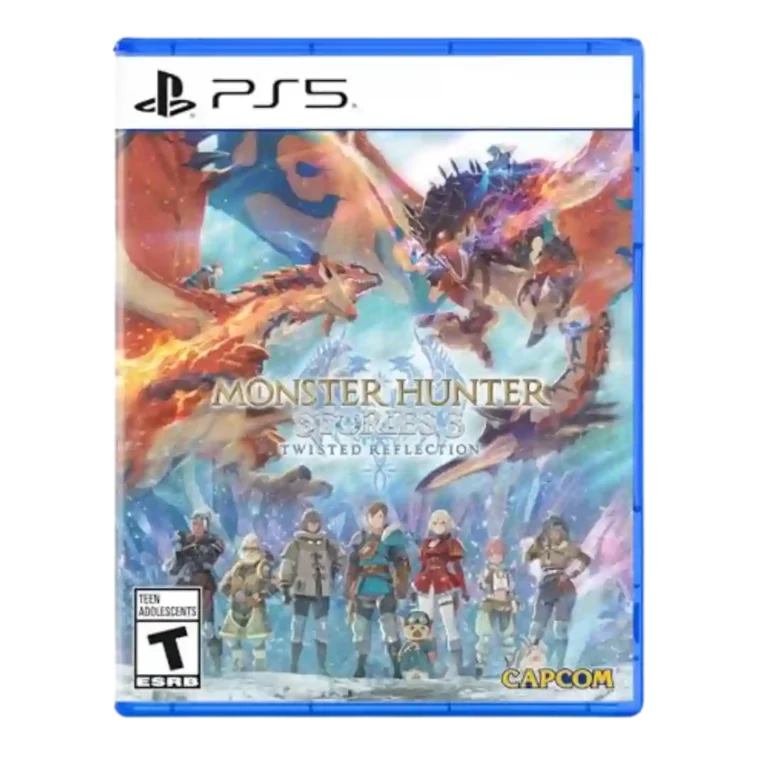
Choose Monster Hunter Stories 3 for deep turn-based combat, rewarding exploration, and monster-building loops. Skip it if you dislike dense systems, grinding, UI friction, or uneven Switch 2 performance.
Best for Monster Hunter fans and turn-based RPG players who enjoy deep team building, monster collecting, exploration, crafting, and long optional checklists.
Not for players who want fast, lightweight battles, simple onboarding, robust multiplayer, or consistently strong Switch 2 technical performance.
Reviewers frame Monster Hunter Stories 3: Twisted Reflection as a major step forward for the spin-off: deeper turn-based combat, a strong monster-raising loop, richer environmental themes, and expansive exploration earned frequent praise. Its biggest tradeoff is density. The same layered systems that make habitat restoration, genes, gear, and battle strategy rewarding also make onboarding uneven, side activities grindy for some, and combat slow or overly demanding for less patient players. Story reception is positive overall, especially around political stakes and party arcs, but several reviews call out pacing dips, weaker dialogue, or limited endgame and multiplayer. Performance also varies sharply by platform, with PC and PS5 faring better than Switch 2.
Compared with other Video Games, this product is above average in bug frequency, map and navigation design, loot system, near average in combat system, world-building, below average in multiplayer design, accessibility options, dialogue quality.
| Attribute | This product | Category average | Difference |
|---|---|---|---|
| multiplayer design | 1.8 | 4.0 | -2.2 |
| accessibility options | 2.0 | 3.9 | -1.9 |
| bug frequency | 5.0 | 3.1 | +1.9 |
| map and navigation design | 5.0 | 3.4 | +1.6 |
| loot system | 4.8 | 3.5 | +1.3 |
| dialogue quality | 2.2 | 3.4 | -1.2 |
| crash stability | 2.0 | 3.2 | -1.2 |
| quest design | 2.6 | 3.7 | -1.1 |
Choose Hyrule Warriors: Age of Imprisonment. It scores 5.0 vs 1.8 for multiplayer design, with a 4.1 overall score.
Choose Ghost of Yōtei. It scores 4.8 vs 2.5 for HUD clarity, with a 4.4 overall score.
Choose Fantasy Life i: The Girl Who Steals Time. It scores 5.0 vs 2.0 for crash stability, with a 4.0 overall score.
Choose Donkey Kong Bananza. It scores 4.8 vs 2.2 for dialogue quality, with a 4.5 overall score.
Products reviewers directly compared with this model, grouped into quick takeaways.
Reviewers generally say it works as a standalone entry and a strong place to start, though dense systems and a sharp learning curve can be intimidating.
Most reviews praise the combat as deep, tactical, and more engaging than earlier entries. A minority found it too slow, passive, or mentally demanding.
Yes. Reviewers often highlight the political stakes, environmental themes, and stronger party arcs, but some criticize pacing dips, dialogue, or an underdeveloped middle.
Yes. Reviews repeatedly mention extensive side content, egg hunting, habitat restoration, crafting, companion quests, and dozens of hours of play.
Performance depends heavily on platform. PC and PS5 impressions were strong, while Switch 2 reviews noted frame-rate dips, soft image quality, and occasional pop-in.
Endgame impressions are mixed. Optional superbosses and elder dragons are appreciated, but several reviewers wanted more post-credits changes, PvP, or multiplayer dungeons.
These are a few of the reviews included in our analysis.





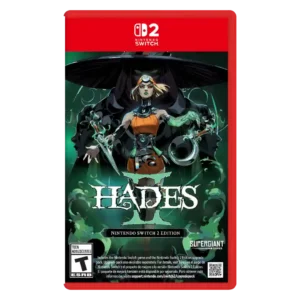
Good if you want fast, tactical roguelite combat with huge progression depth, striking art, and standout music. Skip it if repetition, resource micromanagement, or a less emotionally satisfying sequel story...
Pros: skill tree depth, dialogue quality
Cons: emotional impact, economy and resource balance
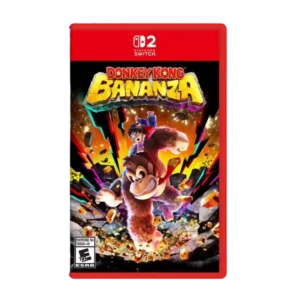
Best for joyful destruction, dense exploration, and a charming DK-Pauline adventure. Skip it if camera quirks, frame-rate dips, easy bosses, or premium Switch 2 pricing are dealbreakers.
Pros: gameplay mechanics, world interactivity
Cons: economy and resource balance, enemy variety
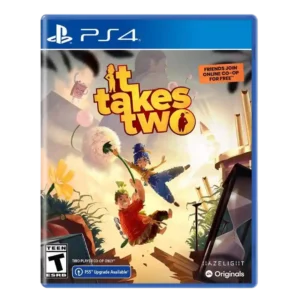
Best for joyful, inventive co-op with a partner, especially on couch. Skip it if divorce themes, uneven story tone, or Switch visual compromises would distract you.
Pros: core gameplay loop, movement feel
Cons: character development, dialogue quality
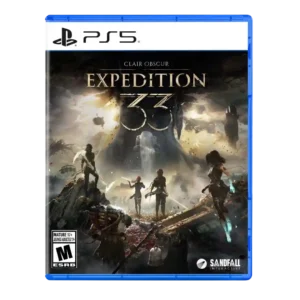
Choose Clair Obscur if you want a story-rich RPG with thrilling timed combat, gorgeous art, and standout music. Skip it if poor maps, tight parry timing, or occasional bugs and...
Pros: monetization fairness, microtransaction impact
Cons: platforming precision, menu usability