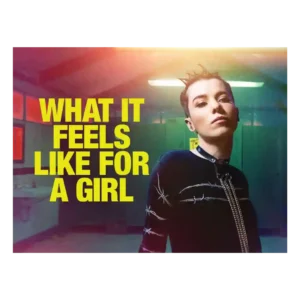
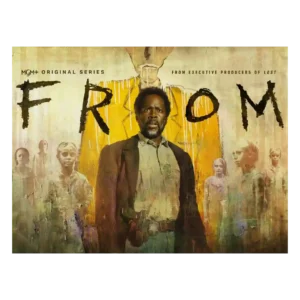
Compare What It Feels Like For A Girl, Season 1 vs From, Season 4

P1 What It Feels Like For A Girl, Season 1
P2 From, Season 4

Comparison Takeaways

What It Feels Like For A Girl, Season 1

Where It Has the Edge

  • critic appeal is 4.5 vs 1.5. Critic appeal is strong, with the series called urgent, necessary, compelling, and exactly the kind of TV needed...
  • screenplay quality is 4.8 vs 2.0. Screenplay praise is narrower but positive, with the forum response calling the script amazing. It reinforces the broader...
  • drama quality is 4.3 vs 2.0. The drama hits hardest in family rejection, exploitation, and self-destruction. It is praised for staying joyful and funny...
  • episode pacing is 4.5 vs 2.7. When the pacing works, the show feels propulsive and hard to look away from. Dream sequences and a...

From, Season 4

Where It Has the Edge

  • violence level is 4.5 vs 2.0. The finale raises the violence level with major deaths and disturbing monster incidents. The bloodshed is treated as...
  • season finale quality is 4.2 vs 2.5. The season finale delivers danger, deaths, and big visual moments, earning praise as a strong closer from some....
  • audience appeal is 5.0 vs 3.4. Audience appeal is polarized but durable. The show clearly keeps a dedicated theory-driven audience engaged, while some critics...
  • editing quality is 4.5 vs 3.2. Editing receives a narrow but positive note for the premiere’s reveal, though another viewer thinks simple editing fixes...
Average score
Product 1: What It Feels Like For...
4.0
Product 2: From, Season 4
3.7
accountability handling
Product 1: What It Feels Like For...
4.5

The show handles accountability by making Byron flawed, not saintly. It presents a self-critical story where survival, harm, and responsibility can coexist.

Product 2: From, Season 4
No score yet
acting quality
Product 1: What It Feels Like For...
4.7

Acting quality is consistently strong across the ensemble. Howard gets the loudest praise, but the wider cast is also described as top-notch, specific, and full of energy.

Product 2: From, Season 4
4.6

Acting is one of the clearest strengths. Harold Perrineau, Julia Doyle, Chloe Van Landschoot, Kaelen Ohm, and the wider ensemble are repeatedly described as strong or exceptional.

age appropriateness
Product 1: What It Feels Like For...
2.1

Age appropriateness skews firmly mature because of sex work, violence, drugs, and disturbing scenes. Multiple reactions warn that it is not for squeamish or younger audiences.

Product 2: From, Season 4
No score yet
audience appeal
Product 1: What It Feels Like For...
3.4

Audience appeal is passionate but not universal. Enthusiastic viewers call it a favorite, while others warn that its hard-to-watch material and topic fatigue make it unsuitable for everyone.

Product 2: From, Season 4
5.0

Audience appeal is polarized but durable. The show clearly keeps a dedicated theory-driven audience engaged, while some critics say they are fed up or nearly ready to quit.

bingeability
Product 1: What It Feels Like For...
4.7

Bingeability is strong for viewers who connect with the tone. The show is called addictive, snappy, and tempting to continue straight through on iPlayer.

Product 2: From, Season 4
3.5

Bingeability may help the season. One viewer who watched week to week says the pacing issues would be less noticeable as a binge, while another recommends waiting to binge if Season 5 repeats the same pattern.

cast chemistry
Product 1: What It Feels Like For...
4.7

The chemistry is especially strong around Byron’s relationships and the Fallen Divas. Viewers singled out Calam Lynch’s pairing with Howard and the group dynamic as electric.

Product 2: From, Season 4
4.8

The veteran ensemble chemistry is a bright spot, especially in pressure-heavy scenes. Boyd and Jade’s dynamic earns particular praise as a pairing that gives the season fresh energy.

character consistency
Product 1: What It Feels Like For...
3.7

Byron is intentionally difficult: clever, vicious, selfish, funny, and morally questionable. That complexity is admired by many, though some viewers found the main character hard to like.

Product 2: From, Season 4
2.3

A few character choices strain credibility, especially people trusting Sophia too easily or Tabitha resisting revelations after everything she has seen. Some characters also flatten into repetitive arguing.

character development
Product 1: What It Feels Like For...
4.5

Character growth is messy and often painful, especially for Byron and Sasha. The strongest praise goes to the way the show lets people grow without making them instantly likable or cleanly redeemed.

Product 2: From, Season 4
3.9

Character work is one of the season’s strongest positives when it focuses on arcs like Jade, Donna, Victor, Boyd, Sophia, and Fatima. The main complaint is that some favorites are sidelined or given less satisfying follow-through.

cinematography
Product 1: What It Feels Like For...
4.5

The cinematography uses color expressively, especially in relation to Byron’s moods. This gives the drama a polished, mood-driven visual language.

Product 2: From, Season 4
4.5

The camera work stands out in panic-heavy sequences, especially close, claustrophobic scenes that put viewers inside the chaos. Some broader criticism says cinematography is not always matched by script discipline.

cliffhanger effectiveness
Product 1: What It Feels Like For...
No score yet
Product 2: From, Season 4
4.3

Cliffhangers remain effective at keeping people talking and anticipating the final season. Some viewers enjoy the watchability they create, while others wish the ending had shown more immediate panic or consequence.

continuity
Product 1: What It Feels Like For...
3.0

Continuity is a minor weakness, with one critic finding the timeline hard to follow. The jumps between hours, days, and weeks can blur in the season’s longer stretch.

Product 2: From, Season 4
No score yet
costume design
Product 1: What It Feels Like For...
3.9

Costuming adds fun and personality, especially around the Fallen Divas and noughties culture. One critic, however, felt the Y2K styling looked a little too polished and rose-tinted.

Product 2: From, Season 4
No score yet
critic appeal
Product 1: What It Feels Like For...
4.5

Critic appeal is strong, with the series called urgent, necessary, compelling, and exactly the kind of TV needed now. Its best reviews respond to both the craft and cultural timing.

Product 2: From, Season 4
1.5

Critic appeal is mixed. Scores and verdicts range from near-raves calling it the best season yet to harsh dismissals labeling it the weakest or worst so far.

cultural representation
Product 1: What It Feels Like For...
4.4

Cultural representation is one of the show’s defining strengths, especially in its working-class trans and queer perspective. The praise is broad, though a small number of viewers reject its framing.

Product 2: From, Season 4
No score yet
dialogue quality
Product 1: What It Feels Like For...
4.2

The dialogue is sharp, sarcastic, and often caustically funny, with savage put-downs adding bite. The main drawback is audibility, as at least one viewer had to rewind to decipher lines.

Product 2: From, Season 4
2.7

Dialogue is sharply split. At its best, the exchanges feel unusually strong for modern TV; at worst, they turn into repetitive arguing, exposition, and momentum-draining conversations.

directing quality
Product 1: What It Feels Like For...
4.0

Direction is more divisive than the performances: raw scenes and formal play are praised, while heavy visual motifs had mixed success. The show works best when style serves Byron’s inner life.

Product 2: From, Season 4
5.0

Direction is praised when the season misleads viewers, stages shocks, and moves toward reveals. The premiere earns especially strong approval for how its direction handles the Sophia twist.

drama quality
Product 1: What It Feels Like For...
4.3

The drama hits hardest in family rejection, exploitation, and self-destruction. It is praised for staying joyful and funny while still letting the darker streak return.

Product 2: From, Season 4
2.0

The drama can be moving, but not every emotional beat earns the same investment. Underdeveloped characters make some deaths land with less force than the season intends.

editing quality
Product 1: What It Feels Like For...
3.2

The editing style can be brash, with fast cuts grouped alongside music and narration that may make some viewers cringe. It adds energy but is not the show’s smoothest element.

Product 2: From, Season 4
4.5

Editing receives a narrow but positive note for the premiere’s reveal, though another viewer thinks simple editing fixes could improve flow elsewhere.

emotional impact
Product 1: What It Feels Like For...
4.5

The emotional range is broad: moving, heartbreaking, disturbing, tragic, funny, and sometimes heartwarming. Several reactions point to tears, lingering impact, and a strong sense of survival against the odds.

Product 2: From, Season 4
4.3

Emotional impact is strong when the season focuses on grief, sacrifice, father-son pain, and goodbye scenes. Specific deaths and reunions come through as heartbreaking or visceral.

entertainment value
Product 1: What It Feels Like For...
4.7

Entertainment value is high for most positive viewers, who call it brilliant, addictive, gripping, and worth watching. The appeal depends on being open to a messy, explicit, emotionally intense ride.

Product 2: From, Season 4
4.3

Entertainment value remains high for fans who enjoy chaos, theories, and big reveals. Even with flaws, the show’s momentum and addictive quality keep people engaged.

episode length
Product 1: What It Feels Like For...
3.0

Episode length becomes a problem for at least one critic, who felt eight 50-minute installments dragged in places. The individual episodes may feel heavier in the middle stretch.

Product 2: From, Season 4
3.0

Episode length comes up mainly around the finale. One viewer wanted the final episode to run longer so it could deliver a bigger conclusion.

episode pacing
Product 1: What It Feels Like For...
4.5

When the pacing works, the show feels propulsive and hard to look away from. Dream sequences and a fast-moving club-life rhythm help keep the episodes lively.

Product 2: From, Season 4
2.7

Individual episodes can work very well when they move with urgency, especially the premiere and standout horror installments. Complaints focus on episodes that pack the excitement at the edges and let the middle sag.

episode structure
Product 1: What It Feels Like For...
3.0

Episode structure is more uneven in the middle of the season, where some scenes were seen as repetitive or under-motivated. The show’s strongest parts appear to be its opening and closing runs.

Product 2: From, Season 4
2.7

Episode structure gets mixed reactions. A few viewers point to focused A/B plotting as a strength, while others say the finale and several arcs feel padded, abrupt, or unresolved.

faithfulness to source material
Product 1: What It Feels Like For...
4.5

The adaptation feels closely tied to lived experience, with specific performances that one critic described as documentary-adjacent. That gives the show a truth-based texture rather than a generic issue-drama feel.

Product 2: From, Season 4
No score yet
family friendliness
Product 1: What It Feels Like For...
1.8

This is not family-friendly viewing. The material is explicitly adult, and one critic says directly that it is definitely not for family viewing.

Product 2: From, Season 4
No score yet
finale satisfaction
Product 1: What It Feels Like For...
2.9

The ending is one of the more mixed pieces of the season. Some saw the redemptive final note as conventional or trite after a much harsher, less sentimental story.

Product 2: From, Season 4
2.9

The finale lands as exciting but uneven. Some enjoyed the set pieces and setup for the final season, while disappointed voices felt it ended abruptly or played more like a mid-season pause.

genre satisfaction
Product 1: What It Feels Like For...
5.0

For queer-TV fans, the response can be extremely strong. One viewer called it one of the best queer shows they had seen in a while.

Product 2: From, Season 4
4.8

As horror-mystery television, Season 4 satisfies many fans with darker scares, bigger mythology, and an ambitious late-series escalation. The harshest dissenters still question whether the genre promise is paying off.

humor
Product 1: What It Feels Like For...
4.5

Humor is a major part of the show’s appeal, even when the material is grim. Camp moments, bawdy jokes, and cutting one-liners keep the series from becoming purely bleak.

Product 2: From, Season 4
No score yet
interview and source material quality
Product 1: What It Feels Like For...
4.6

The source material is treated as a major asset. Paris Lees’ memoir is described as brilliant, beautifully written, and strong enough to support a fearless adaptation.

Product 2: From, Season 4
No score yet
lore depth
Product 1: What It Feels Like For...
No score yet
Product 2: From, Season 4
4.3

Lore expansion is a consistent hook. Cycles, reincarnation, the Man in Yellow, town architecture, and monster origins all add intrigue, though they are not always fully resolved.

main cast performance
Product 1: What It Feels Like For...
4.9

Ellis Howard is the clearest consensus standout. The performance is repeatedly called brilliant, magnetic, fearless, stunning, and worth watching on its own.

Product 2: From, Season 4
4.8

The core cast remains a major reason to watch, with Boyd, Jade, and Tabitha receiving especially strong attention. Harold Perrineau’s work as Boyd is repeatedly singled out as intense and compelling.

makeup quality
Product 1: What It Feels Like For...
No score yet
Product 2: From, Season 4
1.5

Makeup feedback is mostly absent, but one viewer sharply criticizes a wig. That isolated complaint makes this a narrow negative rather than a broad pattern.

media scrutiny portrayal
Product 1: What It Feels Like For...
4.8

The show is praised for pushing past headlines and statistics to humanize trans experience. It turns media-scrutinized identity debates back into a story about real people.

Product 2: From, Season 4
No score yet
modern political framing
Product 1: What It Feels Like For...
3.6

The political framing is timely and unavoidable, especially around trans rights in Britain. Most reactions see that urgency as a strength, though one customer dismisses the show as ideological.

Product 2: From, Season 4
No score yet
pilot episode quality
Product 1: What It Feels Like For...
4.5

The first episode made a strong impression, with early viewers calling it great and fantastic. It sets up the tone quickly: dark, witty, sad, and engaging.

Product 2: From, Season 4
No score yet
plot clarity
Product 1: What It Feels Like For...
2.3

Clarity is one of the weaker areas: one critic found the passage of time hard to track, and one viewer rejected the premise entirely. The show asks viewers to live with ambiguity rather than explaining every step.

Product 2: From, Season 4
2.9

Answers are the biggest fault line. Season 4 finally delivers major revelations in places, but too many core mysteries still feel cloudy this late in the series.

plot originality
Product 1: What It Feels Like For...
4.5

The series earns praise for avoiding a familiar coming-of-age template and pushing into riskier, rougher territory. Its trans girlhood story is framed as anything but generic.

Product 2: From, Season 4
4.0

The season still has bold ideas, from Fatima’s transformation to new mythology possibilities. Some viewers find those swings exciting, while one sharply negative take argues the premise has not been used imaginatively enough.

plot twists
Product 1: What It Feels Like For...
No score yet
Product 2: From, Season 4
4.8

The season keeps delivering shocking turns, especially around the Man in Yellow, Fatima, and the finale. That unpredictability remains a core part of the show’s appeal.

practical effects quality
Product 1: What It Feels Like For...
No score yet
Product 2: From, Season 4
4.0

Practical creature work gets a narrow positive note through the life-sized puppets, which come across as menacing. There is not enough detail to judge the whole season’s practical effects broadly.

production design
Product 1: What It Feels Like For...
4.5

Production design strongly sells the Y2K Nottingham world. The clubs, flats, period details, and nostalgic backdrop are often described as vivid, accurate, and polished.

Product 2: From, Season 4
4.5

The show’s environments still create a disturbing, claustrophobic atmosphere. The production design helps the town feel oppressive and tied to the mystery rather than like a generic horror backdrop.

realism
Product 1: What It Feels Like For...
4.6

The setting and social world feel grounded, especially the working-class Nottinghamshire and early-2000s details. Reviewers also valued how the story stays rooted in truth and context.

Product 2: From, Season 4
No score yet
renewal interest
Product 1: What It Feels Like For...
4.5

Renewal interest is clear among fans who wanted to keep watching. Some wished it was not over and one customer was disappointed there was no second season.

Product 2: From, Season 4
4.5

Interest in the final season remains high despite frustration. Even critics who are skeptical often say they will keep watching to see how the endgame resolves.

rewatch value
Product 1: What It Feels Like For...
No score yet
Product 2: From, Season 4
5.0

Rewatch value is especially strong for the premiere. Knowing the Sophia reveal changes how earlier scenes play, making at least that episode rewarding to revisit.

score quality
Product 1: What It Feels Like For...
4.2

The score gets a smaller but positive mention for using opera to sharpen a dramatic scene. Music choices generally deepen the show’s heightened emotional atmosphere.

Product 2: From, Season 4
4.3

The score is used effectively in emotional and tense scenes. The piano-backed goodbye and the music’s bigger moments are called out as highlights.

screenplay quality
Product 1: What It Feels Like For...
4.8

Screenplay praise is narrower but positive, with the forum response calling the script amazing. It reinforces the broader sense that the show’s voice is one of its strengths.

Product 2: From, Season 4
2.0

Screenplay criticism centers on missed efficiency and imbalance. The finale has strong moments, but the script is faulted for not matching the care put into music and atmosphere.

season finale quality
Product 1: What It Feels Like For...
2.5

The season finale’s happy-ending impulse did not work for everyone. One critic felt the final episode healed damaged people too neatly because the script demanded it.

Product 2: From, Season 4
4.2

The season finale delivers danger, deaths, and big visual moments, earning praise as a strong closer from some. Others liked pieces of it but felt the larger season made the ending carry too much weight.

season length
Product 1: What It Feels Like For...
3.0

Season length is mixed: fans wanted more story, but some felt the same material might have been tighter as six episodes. The eight-part run gives depth at the cost of occasional drag.

Product 2: From, Season 4
2.0

Season length feeds the broader pacing concern. Ten episodes can feel stretched when the strongest material seems concentrated into fewer hours.

season pacing
Product 1: What It Feels Like For...
3.0

The middle stretch drew the clearest pacing complaint, with some feeling that not enough happened in several episodes. The beginning and ending landed better for those viewers.

Product 2: From, Season 4
3.1

Pacing is the most repeated concern. The season can feel relentless and coherent at its best, but it also drags, spins in circles, or saves too much momentum for the end.

sexual content level
Product 1: What It Feels Like For...
2.2

Sexual content is frequent, explicit, and divisive. Some see it as essential to the story’s rawness, while others felt a few scenes were excessive or repetitive.

Product 2: From, Season 4
No score yet
soundtrack quality
Product 1: What It Feels Like For...
4.6

The soundtrack is a standout nostalgia engine, with references to UK garage, 2000s dance music, and Blackberry-era pop texture. It helps make the club scenes feel infectious and specific.

Product 2: From, Season 4
No score yet
special effects quality
Product 1: What It Feels Like For...
No score yet
Product 2: From, Season 4
4.0

The season’s creature and horror imagery can still hit hard. Scarecrow and monster moments are described as brutal, terrifying, and a welcome return of missing horror energy.

story quality
Product 1: What It Feels Like For...
4.5

The story is usually described as raw, beautiful, gripping, and chaotic, with one sharply negative take calling the plot pathetic. Its strongest appeal is as a bruising coming-of-age tale rather than a tidy uplift arc.

Product 2: From, Season 4
3.4

Season 4 is highly divisive as a story: the strongest responses praise its darker, more purposeful mythology, while detractors say too many plots stall, pile up, or go nowhere.

supporting cast performance
Product 1: What It Feels Like For...
4.6

The supporting cast is a major strength, from Michael Socha’s terrifying father to Hannah Walters, Jake Dunn, and the Fallen Divas. Several responses describe the ensemble as excellent with no weak link.

Product 2: From, Season 4
4.9

The supporting bench is widely praised, especially Scott McCord, Julia Doyle, Chloe Van Landschoot, and Elizabeth Saunders. Their work often stands out even when the writing around them frustrates.

suspense
Product 1: What It Feels Like For...
4.8

The show’s suspense registers for viewers who describe it as gripping. Its tension comes less from mystery and more from watching volatile choices and risky situations escalate.

Product 2: From, Season 4
4.4

The horror and tension still work strongly for many viewers, especially when the season leans into darkness, tunnels, monsters, and dread. A minority feel the fear factor has faded outside the biggest set pieces.

theme depth
Product 1: What It Feels Like For...
4.8

The show’s themes run deeper than identity alone, tying trans experience to class, morality, trauma, forgiveness, and survival. It is strongest when it refuses easy answers.

Product 2: From, Season 4
4.5

The season’s themes of hope, despair, humanity, and survival receive strong praise. Its quieter character-driven material works best when it connects the town’s horror to emotional endurance.

value for money
Product 1: What It Feels Like For...
No score yet
Product 2: From, Season 4
1.0

Value for money appears only in one strongly negative subscription comment. It suggests frustration with the season’s payoff, but there is not enough broader pricing discussion to treat this as a major pattern.

violence level
Product 1: What It Feels Like For...
2.0

The violence level is part of what makes the show uncomfortable and visceral. Predatory encounters and physical danger are presented as harrowing rather than sanitized.

Product 2: From, Season 4
4.5

The finale raises the violence level with major deaths and disturbing monster incidents. The bloodshed is treated as a meaningful escalation rather than background gore.

visual style
Product 1: What It Feels Like For...
4.5

The visual style is bold and memorable, from shifting color palettes to dreamlike flourishes. Even short viewer reactions singled out the visuals as a selling point.

Product 2: From, Season 4
4.3

The visual style is strongest when the town itself turns hostile: black skies, red-light dread, and deliberate framing make the supernatural threat feel immediate.

world-building
Product 1: What It Feels Like For...
No score yet
Product 2: From, Season 4
4.2

World-building continues to deepen through cycles, rituals, systems, and town mythology. Fans of the mystery-box side find plenty to chew on, even when the rules remain incomplete.

writing quality
Product 1: What It Feels Like For...
4.8

The writing is praised for warmth, empathy, humor, and thematic reach. It balances class, sex work, trauma, and trans identity without sanding off the characters’ rough edges.

Product 2: From, Season 4
3.8

Writing reactions swing from admiration to frustration. The season’s best moments are called clever and even diabolical, but slow setup and repeated stalling make other viewers impatient.