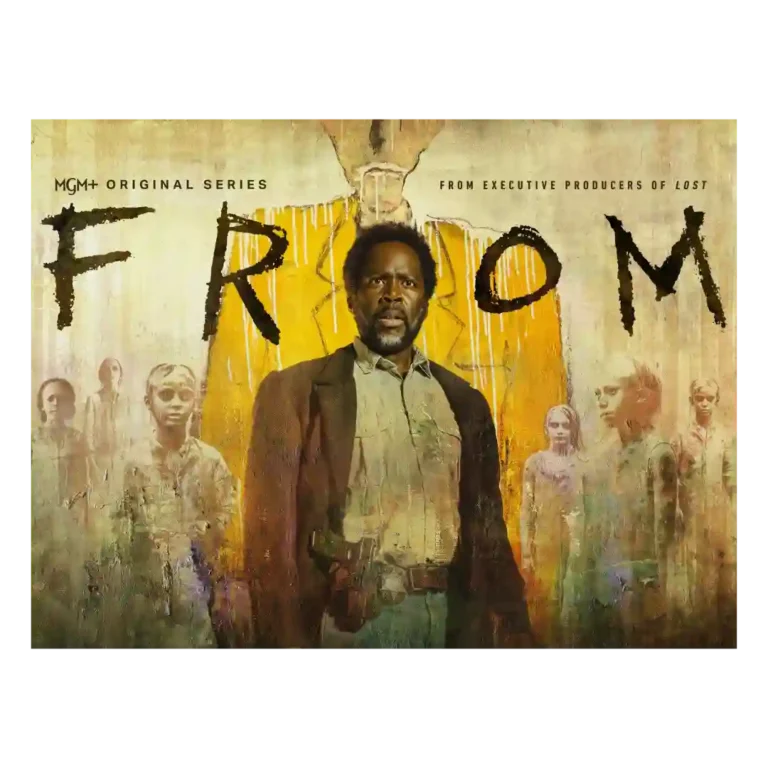
Choose From Season 4 for intense horror, strong acting, and deeper lore. Skip it if slow pacing, dangling answers, and setup-heavy finales make mystery-box shows feel exhausting.
Best for
Best for committed From fans who enjoy dark horror, theory-heavy mythology, and character suffering that feeds into a larger endgame. It works especially well for viewers who can tolerate ambiguity in exchange for atmosphere and speculation.
Not for
Not for viewers who need quick answers, clean episode-to-episode payoff, or tightly resolved season finales. The season’s slow-burn structure and dangling mysteries are a recurring frustration.
Verdict
From Season 4 earns a mixed-to-positive verdict because its strengths and flaws are unusually clear. The best reviews praise the darker horror, strong performances, richer mythology, and major answers that move the endgame forward. The harshest reviews argue that the season still drags, repeats conflicts, shelves promising storylines, and asks viewers to wait too long for payoff. The finale gives many critics real tension, deaths, and visual spectacle, but it also frustrates viewers who wanted cleaner resolution before the final season. For committed fans, the season offers plenty to theorize about; for impatient viewers, it may feel like another long detour.
Compared in Reviews
Products reviewers directly compared with this model, grouped into quick takeaways.
Lost
Compared: final-season mythology conflictThe finale’s boy-in-white and Man-in-Yellow dynamic gave the reviewer Lost final-season vibes.
Compared: mystery-box storytelling and cliffhanger momentumThe review compares From with LOST as an addictive mystery show that can feel like it raises more questions than answers.
Audience appeal is polarized but durable. The show clearly keeps a dedicated theory-driven audience engaged, while some critics say they are fed up or nearly ready to quit.
Direction is praised when the season misleads viewers, stages shocks, and moves toward reveals. The premiere earns especially strong approval for how its direction handles the Sophia twist.
Rewatch value is especially strong for the premiere. Knowing the Sophia reveal changes how earlier scenes play, making at least that episode rewarding to revisit.
supporting cast performance: 4.9, based on 4 reviews
The supporting bench is widely praised, especially Scott McCord, Julia Doyle, Chloe Van Landschoot, and Elizabeth Saunders. Their work often stands out even when the writing around them frustrates.
The core cast remains a major reason to watch, with Boyd, Jade, and Tabitha receiving especially strong attention. Harold Perrineau’s work as Boyd is repeatedly singled out as intense and compelling.
As horror-mystery television, Season 4 satisfies many fans with darker scares, bigger mythology, and an ambitious late-series escalation. The harshest dissenters still question whether the genre promise is paying off.
The veteran ensemble chemistry is a bright spot, especially in pressure-heavy scenes. Boyd and Jade’s dynamic earns particular praise as a pairing that gives the season fresh energy.
The season keeps delivering shocking turns, especially around the Man in Yellow, Fatima, and the finale. That unpredictability remains a core part of the show’s appeal.
Acting is one of the clearest strengths. Harold Perrineau, Julia Doyle, Chloe Van Landschoot, Kaelen Ohm, and the wider ensemble are repeatedly described as strong or exceptional.
Interest in the final season remains high despite frustration. Even critics who are skeptical often say they will keep watching to see how the endgame resolves.
The season’s themes of hope, despair, humanity, and survival receive strong praise. Its quieter character-driven material works best when it connects the town’s horror to emotional endurance.
The camera work stands out in panic-heavy sequences, especially close, claustrophobic scenes that put viewers inside the chaos. Some broader criticism says cinematography is not always matched by script discipline.
The show’s environments still create a disturbing, claustrophobic atmosphere. The production design helps the town feel oppressive and tied to the mystery rather than like a generic horror backdrop.
The finale raises the violence level with major deaths and disturbing monster incidents. The bloodshed is treated as a meaningful escalation rather than background gore.
The horror and tension still work strongly for many viewers, especially when the season leans into darkness, tunnels, monsters, and dread. A minority feel the fear factor has faded outside the biggest set pieces.
cliffhanger effectiveness: 4.3, based on 3 reviews
Cliffhangers remain effective at keeping people talking and anticipating the final season. Some viewers enjoy the watchability they create, while others wish the ending had shown more immediate panic or consequence.
Emotional impact is strong when the season focuses on grief, sacrifice, father-son pain, and goodbye scenes. Specific deaths and reunions come through as heartbreaking or visceral.
Lore expansion is a consistent hook. Cycles, reincarnation, the Man in Yellow, town architecture, and monster origins all add intrigue, though they are not always fully resolved.
Entertainment value remains high for fans who enjoy chaos, theories, and big reveals. Even with flaws, the show’s momentum and addictive quality keep people engaged.
The visual style is strongest when the town itself turns hostile: black skies, red-light dread, and deliberate framing make the supernatural threat feel immediate.
The season finale delivers danger, deaths, and big visual moments, earning praise as a strong closer from some. Others liked pieces of it but felt the larger season made the ending carry too much weight.
World-building continues to deepen through cycles, rituals, systems, and town mythology. Fans of the mystery-box side find plenty to chew on, even when the rules remain incomplete.
The season still has bold ideas, from Fatima’s transformation to new mythology possibilities. Some viewers find those swings exciting, while one sharply negative take argues the premise has not been used imaginatively enough.
Practical creature work gets a narrow positive note through the life-sized puppets, which come across as menacing. There is not enough detail to judge the whole season’s practical effects broadly.
The season’s creature and horror imagery can still hit hard. Scarecrow and monster moments are described as brutal, terrifying, and a welcome return of missing horror energy.
Character work is one of the season’s strongest positives when it focuses on arcs like Jade, Donna, Victor, Boyd, Sophia, and Fatima. The main complaint is that some favorites are sidelined or given less satisfying follow-through.
Writing reactions swing from admiration to frustration. The season’s best moments are called clever and even diabolical, but slow setup and repeated stalling make other viewers impatient.
Bingeability may help the season. One viewer who watched week to week says the pacing issues would be less noticeable as a binge, while another recommends waiting to binge if Season 5 repeats the same pattern.
Season 4 is highly divisive as a story: the strongest responses praise its darker, more purposeful mythology, while detractors say too many plots stall, pile up, or go nowhere.
Pacing is the most repeated concern. The season can feel relentless and coherent at its best, but it also drags, spins in circles, or saves too much momentum for the end.
Answers are the biggest fault line. Season 4 finally delivers major revelations in places, but too many core mysteries still feel cloudy this late in the series.
The finale lands as exciting but uneven. Some enjoyed the set pieces and setup for the final season, while disappointed voices felt it ended abruptly or played more like a mid-season pause.
Dialogue is sharply split. At its best, the exchanges feel unusually strong for modern TV; at worst, they turn into repetitive arguing, exposition, and momentum-draining conversations.
Individual episodes can work very well when they move with urgency, especially the premiere and standout horror installments. Complaints focus on episodes that pack the excitement at the edges and let the middle sag.
Episode structure gets mixed reactions. A few viewers point to focused A/B plotting as a strength, while others say the finale and several arcs feel padded, abrupt, or unresolved.
A few character choices strain credibility, especially people trusting Sophia too easily or Tabitha resisting revelations after everything she has seen. Some characters also flatten into repetitive arguing.
The drama can be moving, but not every emotional beat earns the same investment. Underdeveloped characters make some deaths land with less force than the season intends.
Screenplay criticism centers on missed efficiency and imbalance. The finale has strong moments, but the script is faulted for not matching the care put into music and atmosphere.
Critic appeal is mixed. Scores and verdicts range from near-raves calling it the best season yet to harsh dismissals labeling it the weakest or worst so far.
Makeup feedback is mostly absent, but one viewer sharply criticizes a wig. That isolated complaint makes this a narrow negative rather than a broad pattern.
Value for money appears only in one strongly negative subscription comment. It suggests frustration with the season’s payoff, but there is not enough broader pricing discussion to treat this as a major pattern.
Compared With Category Average
Compared with other TV Shows, this product is above average in plot twists, directing quality, theme depth, below average in drama quality, critic appeal, episode structure.
Summary
8 compared features
Above average0.4+ pts higher38%
3 features
Same as averagewithin 0.3 pts0%
0 features
Below average0.4+ pts lower63%
5 features
Attribute
This product
Category average
Difference
drama quality
2.0
4.7
-2.7
critic appeal
1.5
4.1
-2.6
episode structure
2.7
4.0
-1.3
plot twists
4.8
3.5
+1.2
episode pacing
2.7
3.8
-1.2
bingeability
3.5
4.5
-1.0
directing quality
5.0
4.1
+0.9
theme depth
4.5
3.8
+0.7
FAQ
Is From Season 4 scarier than earlier seasons?
Many reviews say the horror escalates, especially in the darker finale material, monster scenes, and psychologically disturbing turns. A few critics think the fear factor has weakened between big set pieces.
Does Season 4 answer major questions?
Yes, several reviews say it gives some of the biggest answers so far. The frustration is that those answers often create new questions or leave important storylines unresolved.
How is the acting?
Acting is one of the season’s strongest points. Harold Perrineau, Julia Doyle, Scott McCord, Chloe Van Landschoot, and other ensemble members receive repeated praise.
Is the finale satisfying?
The finale is tense and eventful, with deaths, horror, and major setup for the final season. Reactions are mixed because some viewers felt it ended abruptly or should have resolved more.
Is Season 4 slow?
Many reviewers say yes, at least in stretches. Positive reviews call the season intentional or relentless, but pacing is the most repeated complaint from mixed and negative reviews.
Should I binge it or watch weekly?
The reviews suggest bingeing may soften the pacing issues. Week-to-week viewers were more likely to notice stalled arcs and delayed answers.
Sample Expert Reviews We Analyzed
These are a few of the reviews included in our analysis.
Choose Silo Season 3 for revealing, ambitious sci-fi with strong performances and a rewarding finale. Skip it if slow-burn pacing, amnesia plots, or dense mystery-box storytelling test your patience.
Choose Widow's Bay for a fresh, funny, genuinely creepy island mystery with a standout ensemble. Skip it if unresolved lore, weird tonal swings, profanity, or horror violence will frustrate you.
Choose The Bear Season 5 for a character-driven final service with strong performances and a moving close. Skip it if you disliked the show’s sentimental detours or want a leaner,...
Pros: directing quality, cinematography
Cons: dialogue quality, plot originality
#4Current product
From, Season 4
3.7
Choose From Season 4 for intense horror, strong acting, and deeper lore. Skip it if slow pacing, dangling answers, and setup-heavy finales make mystery-box shows feel exhausting.