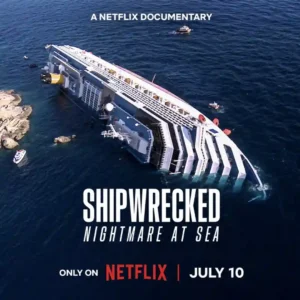
Shipwrecked: Nightmare at Sea
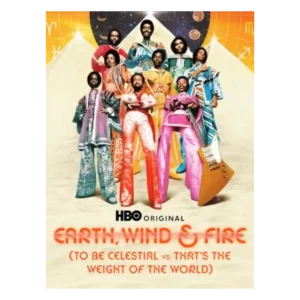
Earth, Wind & Fire (To Be Celestial vs. That’s the Weight of the World)
Average score
Shipwrecked: Nightmare at Sea
4.3
Earth, Wind & Fire (To Be Celestial vs. That’s the Weight of the World)
4.7
character development
Shipwrecked: Nightmare at Sea
2.0
The survivors are vivid and affecting during the disaster itself, but the film gives too little attention to how their lives changed afterward. Their long-term recovery and legal struggles remain underdeveloped.
Earth, Wind & Fire (To Be Celestial vs. That’s the Weight of the World)
4.7
Maurice White emerges as visionary, wounded, controlling, inspiring, and self-sabotaging rather than a flattened musical icon. Family and bandmate testimony gives his contradictions emotional weight.
ending satisfaction
Shipwrecked: Nightmare at Sea
2.5
The final stretch introduces corporate and investigative context too late and too quickly. It closes with major questions still open instead of delivering a fully developed reckoning.
Earth, Wind & Fire (To Be Celestial vs. That’s the Weight of the World)
5.0
The closing emphasis on September, reunion, forgiveness, and the music’s permanence leaves the film on an exuberant and emotionally satisfying note.
theme depth
Shipwrecked: Nightmare at Sea
2.5
The film raises questions about leadership, training, corporate responsibility, and systemic failure but does not explore them deeply enough. Important context arrives late or remains outside the documentary.
Earth, Wind & Fire (To Be Celestial vs. That’s the Weight of the World)
4.7
The tension between celestial ambition and worldly cost gives the documentary substantial depth. It explores how spiritual idealism, artistic control, family trauma, money, and fame shaped both the music and the fractures.
pacing
Shipwrecked: Nightmare at Sea
2.0
The evacuation unfolds with strong momentum, but the film rushes once it reaches the investigation and aftermath. The late acceleration makes the final section feel compressed and uneven.
Earth, Wind & Fire (To Be Celestial vs. That’s the Weight of the World)
4.0
Most of the film moves with musical energy and keeps interviews flowing smoothly. The broad scope occasionally creates rushed or checklist-like stretches, especially when covering decades in limited time.
message quality
Shipwrecked: Nightmare at Sea
2.8
The documentary communicates the cost of failed leadership and the importance of preparedness with force. Its message is weakened by limited attention to corporate accountability, rescue heroism, and survivors’ later lives.
Earth, Wind & Fire (To Be Celestial vs. That’s the Weight of the World)
4.3
The film clearly communicates the band’s belief in music as a force for hope, unity, expanded consciousness, and cultural possibility while acknowledging the personal cost of that vision.
editing quality
Shipwrecked: Nightmare at Sea
3.5
Cross-cutting between people ashore and those still trapped sharply heightens the tension. The editing becomes less effective when the final investigative section suddenly accelerates.
Earth, Wind & Fire (To Be Celestial vs. That’s the Weight of the World)
4.6
The strongest sequences combine interviews, archival performances, animation, and needle drops with infectious rhythm. The lone major complaint is that busy cutting sometimes interrupts songs before viewers can fully savor them.
genre satisfaction
Shipwrecked: Nightmare at Sea
3.8
It succeeds strongly as a tense disaster documentary and emotional survivor account. Viewers expecting a rigorous true-crime investigation or definitive corporate exposé may find it incomplete.
Earth, Wind & Fire (To Be Celestial vs. That’s the Weight of the World)
4.7
This is widely seen as a strong music documentary that combines biography, cultural history, and musical analysis. Its main limitation is a conventional greatest-hits structure that occasionally feels more comprehensive than penetrating.
runtime
Shipwrecked: Nightmare at Sea
2.0
The shorter runtime keeps the film accessible but leaves too little room for the disaster’s legal, corporate, and human aftermath. The subject feels larger than the time allotted to it.
Earth, Wind & Fire (To Be Celestial vs. That’s the Weight of the World)
2.8
The two-hour scope is packed with history, music, and personalities, yet the determination to be definitive can make some passages feel both overstuffed and hurried.
plot clarity
Shipwrecked: Nightmare at Sea
4.8
The chronological structure clearly explains how the collision, misinformation, delayed evacuation, and rescue unfolded. Testimony is tied to recordings and footage in a way that keeps a complicated sequence easy to follow.
Earth, Wind & Fire (To Be Celestial vs. That’s the Weight of the World)
4.1
The documentary generally explains the band’s evolution, sound, and philosophy in a clear, accessible way. Its more impressionistic passages can feel sprawling, and one critique finds the overall focus insufficiently sharp.
story quality
Shipwrecked: Nightmare at Sea
4.1
As a reconstruction of the night, the film is clear, gripping, and emotionally powerful. As a complete account of causes and consequences, it feels frustratingly surface-level.
Earth, Wind & Fire (To Be Celestial vs. That’s the Weight of the World)
4.6
The film builds a compelling story around Earth, Wind & Fire’s rise and Maurice White’s complicated leadership. Most find it rich and moving, though one critique sees an authorized greatest-hits tour where a deeper reappraisal was needed.
originality
Shipwrecked: Nightmare at Sea
3.7
Previously unseen footage and survivor testimony give the film a fresh immediate draw. Its overall format still feels familiar beside other Netflix disaster documentaries.
Earth, Wind & Fire (To Be Celestial vs. That’s the Weight of the World)
3.3
Its immersive collage, animation, and musical analysis can feel distinctive, but some sections fall back on a conventional chronological survey of albums, hits, and personnel changes.
visual style
Shipwrecked: Nightmare at Sea
4.6
Passenger videos, surveillance footage, and archival images create an immediate, documentary-first visual style. The real material makes the reconstruction vivid and unsettling.
Earth, Wind & Fire (To Be Celestial vs. That’s the Weight of the World)
4.9
Gold-toned archival footage, animation, stage spectacle, and trippy period imagery create a vivid ’70s atmosphere. Concert sequences are especially immersive and sometimes almost synesthetic.
emotional impact
Shipwrecked: Nightmare at Sea
4.9
The firsthand stories of panic, loss, and survival are repeatedly described as heartbreaking and harrowing. Families carrying children and survivors recalling lost loved ones give the film substantial emotional force.
Earth, Wind & Fire (To Be Celestial vs. That’s the Weight of the World)
4.6
Joy, nostalgia, spiritual uplift, betrayal, loss, and forgiveness all register strongly. The best moments make the band’s music feel newly immediate while the darker history adds haunting weight.
critic appeal
Shipwrecked: Nightmare at Sea
4.2
Critical response leans positive on immersion, clarity, and emotional power. The main division is whether those strengths outweigh the film’s limited investigative depth.
Earth, Wind & Fire (To Be Celestial vs. That’s the Weight of the World)
4.5
Most critical reactions are highly enthusiastic, calling the film superb, polished, essential, or a must-see. A notable dissent argues that it never reaches the greatness of its subject.
drama quality
Shipwrecked: Nightmare at Sea
4.8
The evacuation stories deliver intense human drama without needing reenacted spectacle. Accounts involving trapped crew, families with children, and failed lifeboats are especially powerful.
Earth, Wind & Fire (To Be Celestial vs. That’s the Weight of the World)
5.0
Maurice White’s brilliance, family wounds, financial conflicts, and strained band relationships give the documentary genuine tension beyond its celebratory music history.
audience appeal
Shipwrecked: Nightmare at Sea
4.9
It has broad appeal for true-crime, disaster, and survival-documentary viewers because it is easy to follow and intensely gripping. People anxious about cruises may find it especially unsettling.
Earth, Wind & Fire (To Be Celestial vs. That’s the Weight of the World)
4.8
The film has broad pull for longtime fans and newcomers because its familiar songs, lively interviews, and cultural context are immediately inviting. One dissenting take finds the presentation more dependable than revelatory.
interview quality
Shipwrecked: Nightmare at Sea
4.9
The candid survivor and crew interviews are the documentary’s strongest element. They communicate panic, grief, confusion, and resilience with exceptional immediacy.
Earth, Wind & Fire (To Be Celestial vs. That’s the Weight of the World)
4.8
Band members, family, peers, and famous admirers provide candid, funny, and informative perspectives. Philip Bailey, Marilyn White, Stevie Wonder, and the Obamas contribute several standout moments.
entertainment value
Shipwrecked: Nightmare at Sea
4.8
The documentary is consistently described as gripping and easy to stay absorbed in. Its intensity makes it compelling viewing, though the thin investigation may limit lasting satisfaction.
Earth, Wind & Fire (To Be Celestial vs. That’s the Weight of the World)
4.7
Classic songs, charismatic interviews, humor, and vivid performance footage make the documentary consistently engaging. Even the most critical assessment concedes that the band’s catalog creates a high entertainment floor.
directing quality
Shipwrecked: Nightmare at Sea
4.8
The direction turns survivor testimony, surveillance material, and recorded audio into a coherent, immersive reconstruction. It balances factual detail with strong emotional weight.
Earth, Wind & Fire (To Be Celestial vs. That’s the Weight of the World)
4.8
Questlove’s musical knowledge, enthusiasm, and archival instincts make the film vivid and accessible. The main reservation is that his attempt to balance celebration with reappraisal can sometimes feel unfocused.
animation quality
Shipwrecked: Nightmare at SeaNo score yet
Earth, Wind & Fire (To Be Celestial vs. That’s the Weight of the World)
4.7
The animated passages make Maurice White’s spiritual and metaphysical ideas easier to grasp while preserving the film’s vibrant, period-rich personality.
archival footage quality
Shipwrecked: Nightmare at SeaNo score yet
Earth, Wind & Fire (To Be Celestial vs. That’s the Weight of the World)
4.9
Rare concert clips and archival interviews bring the band’s peak years vividly to life. The strongest footage feels immersive enough to place viewers inside the performances.
cultural representation
Shipwrecked: Nightmare at SeaNo score yet
Earth, Wind & Fire (To Be Celestial vs. That’s the Weight of the World)
4.8
The documentary connects Earth, Wind & Fire’s sound to African roots, Afrofuturism, Black cultural history, spiritual uplift, and crossover success without reducing the band to nostalgia.
historical accuracy
Shipwrecked: Nightmare at Sea
4.8
The documentary is regarded as fact-rich and broadly comprehensive about the collision and evacuation. Its weakness is omission and compression rather than a clearly identified factual distortion.
Earth, Wind & Fire (To Be Celestial vs. That’s the Weight of the World)No score yet
humor
Shipwrecked: Nightmare at SeaNo score yet
Earth, Wind & Fire (To Be Celestial vs. That’s the Weight of the World)
4.7
Playful interview moments, especially around Reasons and the band’s rivalries, add warmth without undercutting the more painful material.
plot originality
Shipwrecked: Nightmare at SeaNo score yet
Earth, Wind & Fire (To Be Celestial vs. That’s the Weight of the World)
3.3
The sensory, non-linear passages feel fresh, but the career chronology often resembles a familiar music-documentary timeline. The result is inventive in texture more than in overall structure.
realism
Shipwrecked: Nightmare at Sea
4.7
Real footage, eyewitness testimony, and ship recordings make the disaster feel frighteningly present. The documentary’s strongest achievement is placing viewers inside the confusion without fictionalizing it.
Earth, Wind & Fire (To Be Celestial vs. That’s the Weight of the World)No score yet
scares
Shipwrecked: Nightmare at Sea
5.0
The real-life panic, darkness, tilting ship, and delayed rescue make the documentary more frightening than many fictional horror films. The terror comes from knowing every desperate moment actually happened.
Earth, Wind & Fire (To Be Celestial vs. That’s the Weight of the World)No score yet
score quality
Shipwrecked: Nightmare at SeaNo score yet
Earth, Wind & Fire (To Be Celestial vs. That’s the Weight of the World)
5.0
The Roots’ floaty ambient score supports the documentary’s meditative, cosmic atmosphere without competing with Earth, Wind & Fire’s own music.
sound design
Shipwrecked: Nightmare at Sea
4.5
Black-box recordings, intercepted calls, and archival audio add immediacy and expose the failures on the bridge. Their placement intensifies the dread without needing artificial dramatization.
Earth, Wind & Fire (To Be Celestial vs. That’s the Weight of the World)No score yet
soundtrack quality
Shipwrecked: Nightmare at SeaNo score yet
Earth, Wind & Fire (To Be Celestial vs. That’s the Weight of the World)
4.9
The band’s catalog is the film’s most dependable strength, with familiar songs made vivid through context, performance footage, and musical breakdowns. Several reactions say the documentary makes well-known tracks sound fresh again.
suspense
Shipwrecked: Nightmare at Sea
5.0
The delayed evacuation, failing lifeboats, darkness, and cross-cutting between survivors create sustained, edge-of-the-seat tension. The danger feels immediate rather than merely recounted.
Earth, Wind & Fire (To Be Celestial vs. That’s the Weight of the World)No score yet
tonal consistency
Shipwrecked: Nightmare at SeaNo score yet
Earth, Wind & Fire (To Be Celestial vs. That’s the Weight of the World)
3.8
The film usually balances affection, honesty, humor, and sadness effectively. A dissenting view finds the celebration and critical inquiry insufficiently integrated.
world-building
Shipwrecked: Nightmare at SeaNo score yet
Earth, Wind & Fire (To Be Celestial vs. That’s the Weight of the World)
5.0
The film conveys Earth, Wind & Fire’s stage universe as a fusion of African roots, cosmic futurism, choreography, costumes, magic, and spiritual aspiration.