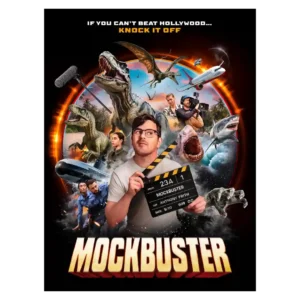
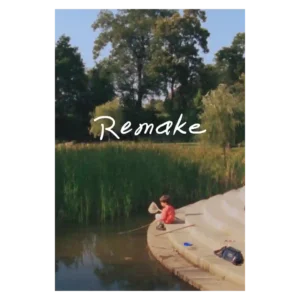
Compare Mockbuster vs Remake

Mockbuster
Remake

Quick verdict

What each product is best for

Choose Mockbuster for runtime and lead performance.

Choose Remake for ending satisfaction and plot clarity.

Comparison Takeaways

Mockbuster

Where It Has the Edge

  • runtime is 4.8 vs 3.0. At roughly 90 minutes, it fits its subject and generally feels appropriately sized. Minor middle-section drag does not...
  • supporting cast performance is rated 5.0 while the other product has no score yet. The veteran actors and Asylum executives add warmth, humor, and blunt candor. Michael Paré, Eric Roberts, Paul Bales,...
  • lead performance is rated 4.4 while the other product has no score yet. Frith is a charming, vulnerable guide whose passion and self-doubt carry the documentary. His occasional impatience and uncertainty...

Remake

Where It Has the Edge

  • ending satisfaction is 5.0 vs 3.5. The final passages and farewell land with overwhelming force, bringing grief, regret, and enduring love together without pretending...
  • plot clarity is 4.5 vs 3.2. The grief story and failed Hollywood adaptation initially seem disconnected, but the film links them through legacy, authorship,...
  • drama quality is 5.0 vs 4.0. The documentary transforms private tragedy into gripping human drama, especially as childhood joy gives way to addiction, regret,...
  • editing quality is 4.6 vs 3.8. The best passages weave decades of footage into intricate emotional and thematic echoes. A few critics found the...
Average score
Mockbuster
4.4
Remake
4.8
runtime
Mockbuster
4.8

At roughly 90 minutes, it fits its subject and generally feels appropriately sized. Minor middle-section drag does not make the overall length excessive.

Remake
3.0

At roughly two hours, the film earns most of its length through emotional and thematic depth, though repetition makes some sections feel longer than necessary.

ending satisfaction
Mockbuster
3.5

The premiere provides a joyful finish, but the route there is rushed. More detail on reshoots, editing, and final delivery would have made the conclusion more satisfying.

Remake
5.0

The final passages and farewell land with overwhelming force, bringing grief, regret, and enduring love together without pretending to resolve them.

plot clarity
Mockbuster
3.2

The central six-day filmmaking challenge is easy to follow. Context for The Asylum, preparation details, and the path from reshoots to premiere are thinner than they should be.

Remake
4.5

The grief story and failed Hollywood adaptation initially seem disconnected, but the film links them through legacy, authorship, and the impossibility of controlling what remains.

drama quality
Mockbuster
4.0

The six-day shoot supplies genuine tension through clashes, delays, and impossible logistics. The conflict stays engaging without becoming melodramatic.

Remake
5.0

The documentary transforms private tragedy into gripping human drama, especially as childhood joy gives way to addiction, regret, and mourning.

editing quality
Mockbuster
3.8

Editing and narration usually keep the chaos clear and light on its feet. The jump from reshoots to the premiere feels abrupt and could have used another connective scene.

Remake
4.6

The best passages weave decades of footage into intricate emotional and thematic echoes. A few critics found the cross-cutting clumsy or repetitive in places.

interview quality
Mockbuster
4.3

The Asylum interviews are candid, funny, and among the film’s best material, especially the executives’ blunt descriptions of their business. Once shooting begins, the documentary could use more outside voices.

Remake
5.0

Adrian’s candid discussion after rehab is especially affecting because his honesty and intelligence remain visible amid the severity of his addiction.

story quality
Mockbuster
4.3

The personal dream-chasing narrative gives the industry access a clear emotional spine. It balances setbacks, absurdity, and collaboration well enough to make the process satisfying.

Remake
4.9

The film turns decades of family footage into a profound, heartbreaking portrait of a father, son, and the limits of memory. Its private details grow into universal questions about love, loss, and responsibility.

humor
Mockbuster
4.1

The funniest moments come from blunt studio executives, improvised problem-solving, and nobody pretending the production is under control. The comedy complements rather than erases the stress.

Remake
4.6

Dry industry satire, family teasing, and off-kilter observations provide welcome levity without trivializing the central loss.

theme depth
Mockbuster
4.5

Beneath the production comedy is a thoughtful question about whether creating flawed art is better than never creating at all. It also explores ego, compromise, work, family, and success.

Remake
5.0

Its richest ideas concern memory, artistic responsibility, family privacy, legacy, and the camera’s power to preserve life while also distorting it.

entertainment value
Mockbuster
4.5

The hectic production, candid personalities, and self-aware comedy make this consistently entertaining. Even viewers unfamiliar with The Asylum can enjoy the ride.

Remake
5.0

The subject is difficult, but the personalities, humor, revealing footage, and evolving family story remain absorbing and consistently compelling.

emotional impact
Mockbuster
4.6

The stress, self-doubt, and eventual premiere create a surprisingly warm payoff. Its affection for scrappy filmmaking makes the feel-good moments land without seeming manipulative.

Remake
5.0

The film is consistently described as devastating, shattering, and deeply moving, yet moments of humor and tenderness keep it from becoming emotionally one-note.

genre satisfaction
Mockbuster
4.7

B-movie fans and aspiring filmmakers should find it especially rewarding. It offers affectionate schlock culture alongside a practical look at making a feature under absurd constraints.

Remake
5.0

As a personal documentary, it is widely viewed as accomplished, profound, and even masterful, working both as a standalone film and a career culmination.

message quality
Mockbuster
4.7

Its strongest idea is that making imperfect work can matter more than waiting for ideal conditions. The film turns creative compromise into an encouraging case for starting somewhere.

Remake
5.0

The film argues that images cannot undo loss, but they can preserve fragments of love, invite accountability, and help the living continue.

character development
Mockbuster
4.8

Frith’s shift from stalled corporate-video director to overwhelmed feature filmmaker gives the documentary a strong emotional center. His self-doubt and growth make the journey relatable.

Remake
5.0

Adrian emerges as a bright, funny, ambitious child and a complicated adult whose talent and pain are shown without reducing him to addiction.

originality
Mockbuster
4.8

The unusual double-production setup gives the documentary a distinctive hook: Frith directs a mockbuster while filming his own struggle to make it. The access keeps the dream-chasing story fresh.

Remake
5.0

This is an unusually singular grief documentary: part family archive, career reckoning, Hollywood satire, and ethical self-interrogation.

plot originality
Mockbuster
4.8

Directing a bargain-basement dinosaur movie while simultaneously documenting the experience gives the story a rare, self-reflexive premise. It finds a fresh angle on the familiar pursuit-of-a-dream arc.

Remake
5.0

Rather than forcing a conventional documentary arc, it builds around an open question about whether life, memory, or a damaged relationship can ever be remade.

realism
Mockbuster
4.6

The candid access makes low-budget filmmaking feel messy, exhausting, and genuinely collaborative. A little staging is noticeable, but the pressures and compromises still come across as authentic.

Remake
4.8

Home movies, candid conversations, and Adrian’s own footage create an unusually unvarnished portrait of family strain, addiction, and grief.

directing quality
Mockbuster
4.5

Frith handles the self-aware documentary with confidence, balancing production chaos, humor, and personal stakes. A few structural gaps keep the final stretch from feeling fully polished.

Remake
4.7

McElwee is widely praised for shaping an enormous personal archive into a searching, emotionally devastating film. One critic sharply questions the ethics of turning family life into public art.

audience appeal
Mockbuster
4.6

It works beyond The Asylum’s core fan base, especially for B-movie devotees and anyone curious about filmmaking. Aspiring directors are the clearest fit.

Remake
4.8

It works for newcomers as well as longtime followers, and its layered questions make it especially rewarding for viewers who want to discuss a film afterward.

pacing
Mockbuster
3.3

Most of the 90-minute journey moves briskly, but the middle logistics can linger. The final act then compresses key steps, creating a slow-middle, rushed-ending rhythm.

Remake
3.4

Most of the archival journey is absorbing, though repeated returns to certain ideas and the remake subplot create occasional stretches of tedium.

chemistry between characters
MockbusterNo score yet
Remake
4.5

The father-son relationship feels loving, funny, tense, and painfully unresolved; their banter makes the bond vivid even when the camera creates distance.

cinematography
MockbusterNo score yet
Remake
4.8

Adrian’s mobile, precise footage provides an energetic contrast to his father’s steadier style and lets the film briefly see the world through the son’s eyes.

critic appeal
MockbusterNo score yet
Remake
5.0

Critical response is overwhelmingly enthusiastic, with the film called a masterpiece, a career high, and one of the year’s strongest documentaries.

dialogue quality
MockbusterNo score yet
Remake
5.0

McElwee’s droll, gentle voiceover gives the film clarity and warmth, while candid father-son exchanges expose affection, tension, and regret.

lead performance
Mockbuster
4.4

Frith is a charming, vulnerable guide whose passion and self-doubt carry the documentary. His occasional impatience and uncertainty make the portrait more candid, though less consistently polished.

RemakeNo score yet
screenplay quality
MockbusterNo score yet
Remake
5.0

The narration and interlaced structure connect childhood, addiction, family rupture, career history, and grief with unusual thoughtfulness.

supporting cast performance
Mockbuster
5.0

The veteran actors and Asylum executives add warmth, humor, and blunt candor. Michael Paré, Eric Roberts, Paul Bales, David Michael Latt, and David Rimawi are particular standouts.

RemakeNo score yet
visual style
MockbusterNo score yet
Remake
5.0

The mix of old film, digital footage, and Adrian’s visually expressive material makes shifting time and memory feel tangible.