If you want better ending satisfaction
Choose Remake. It scores 5.0 vs 3.5 for ending satisfaction, with a 4.8 overall score.
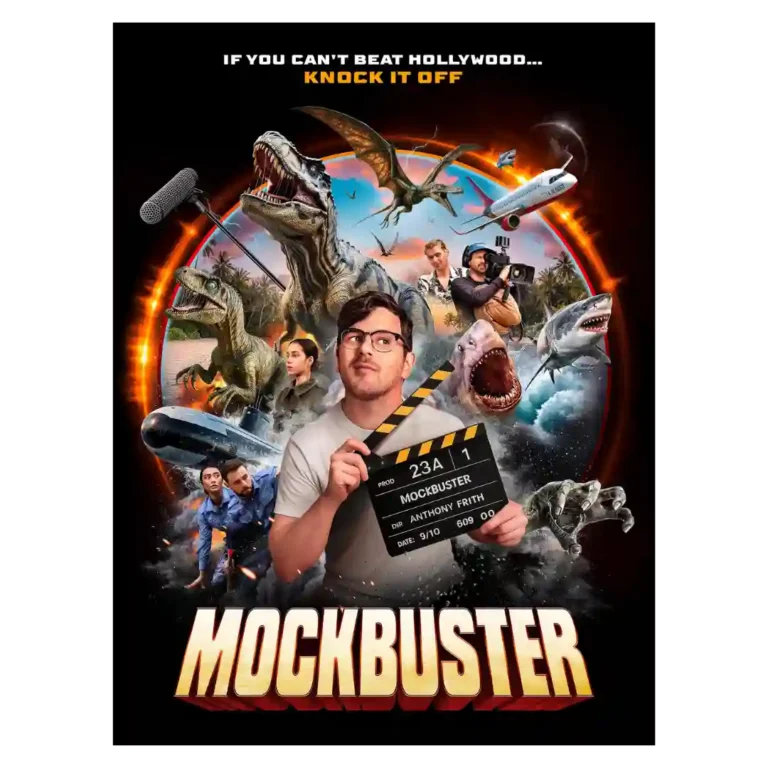
Choose it for a funny, heartfelt, unusually candid look at low-budget filmmaking and a charming creator under pressure. Skip it if you need a fully explained production process or a smoothly paced final act.
Best for B-movie fans, aspiring filmmakers, and viewers who enjoy candid creative-process documentaries with humor and heart. Its start-anywhere message is especially encouraging for hesitant creators.
Skip it if you want a polished industry exposé, detailed post-production coverage, or a tightly even pace. Viewers uninterested in filmmaking logistics may find the middle too specialized.
Mockbuster turns a six-day bargain-basement dinosaur shoot into an engaging portrait of creative ambition under pressure. Anthony Frith’s charm, self-doubt, and willingness to expose his own mistakes give the documentary a warm emotional center, while the candid Asylum interviews deliver the funniest and most revealing material. The production chaos feels authentic, and the film’s message—that making imperfect work can be more valuable than waiting forever for ideal conditions—lands with real force. Its limitations are structural rather than fundamental: some logistical stretches linger, unfamiliar viewers may want more context, and the jump from reshoots to premiere leaves the ending feeling compressed. Even so, the humor, access, and affection for scrappy filmmaking make it a rewarding watch for B-movie fans, aspiring creators, and anyone fascinated by how movies get finished against the odds.
View all 22 feature scores and cast & creators
Compared with other Movies, this product is above average in runtime, character development, plot originality, near average in plot clarity, interview quality.
| Attribute | This product | Category average | Difference |
|---|---|---|---|
| runtime | 4.8 | 2.7 | +2.1 |
| character development | 4.8 | 3.1 | +1.7 |
| plot originality | 4.8 | 3.1 | +1.6 |
| realism | 4.6 | 3.3 | +1.3 |
| originality | 4.8 | 3.3 | +1.4 |
| story quality | 4.3 | 3.2 | +1.1 |
| message quality | 4.7 | 3.6 | +1.1 |
| supporting cast performance | 5.0 | 3.9 | +1.1 |
Choose Remake. It scores 5.0 vs 3.5 for ending satisfaction, with a 4.8 overall score.
Choose Honeyjoon. It scores 5.0 vs 3.8 for editing quality, with a 4.2 overall score.
Choose Shipwrecked: Nightmare at Sea. It scores 4.8 vs 3.2 for plot clarity, with a 4.3 overall score.
Choose Earth, Wind & Fire (To Be Celestial vs. That’s the Weight of the World). It scores 5.0 vs 4.0 for drama quality, with a 4.7 overall score.
Products reviewers directly compared with this model, grouped into quick takeaways.
No. Existing fans will catch more of the studio-specific humor, but the creative struggle and six-day production challenge are easy to enjoy without prior knowledge.
It is primarily playful and funny, but the stress, self-doubt, family responsibilities, and creative compromises give it genuine emotional weight.
It provides unusually candid access to the fast, low-budget process and studio mindset. Some preparation, editing, reshoot, and delivery steps are compressed or skipped.
Yes. His charm, passion, insecurity, and willingness to show mistakes make him a relatable guide, though a few tense moments reveal impatience and uncertainty.
The premiere delivers a joyful emotional payoff, but the documentary reaches it abruptly and leaves viewers wanting more detail about how the production was finished.
These are a few of the reviews included in our analysis.

Best for pristine archival footage, immersive sound, and a surprisingly tense look at Disneyland’s construction. Skip it if you want a comprehensive, deeply critical history; several reviewers found the 78–79-minute...
Pros: plot clarity, realism
Cons: plot originality, runtime
Best for a profound, formally inventive meditation on grief, memory, and the ethics of filming family. Skip it if intensely personal addiction material, a 114-minute runtime, or occasional repetition will...
Pros: plot originality, ending satisfaction
Cons: runtime, pacing
Best for joyful music, rare footage, candid interviews, and a layered Maurice White portrait. Skip it if you want a tightly focused, unconventional reappraisal that lingers on performances instead of...
Pros: ending satisfaction, drama quality
Cons: runtime, originality
Best for a tender, accessible portrait that lets Oliver’s poetry, friends, and archival voice carry the experience. Skip it if you want a brisk, deeply investigative biography; the calm rhythm...
Pros: romance quality, faithfulness to source material
Cons: none