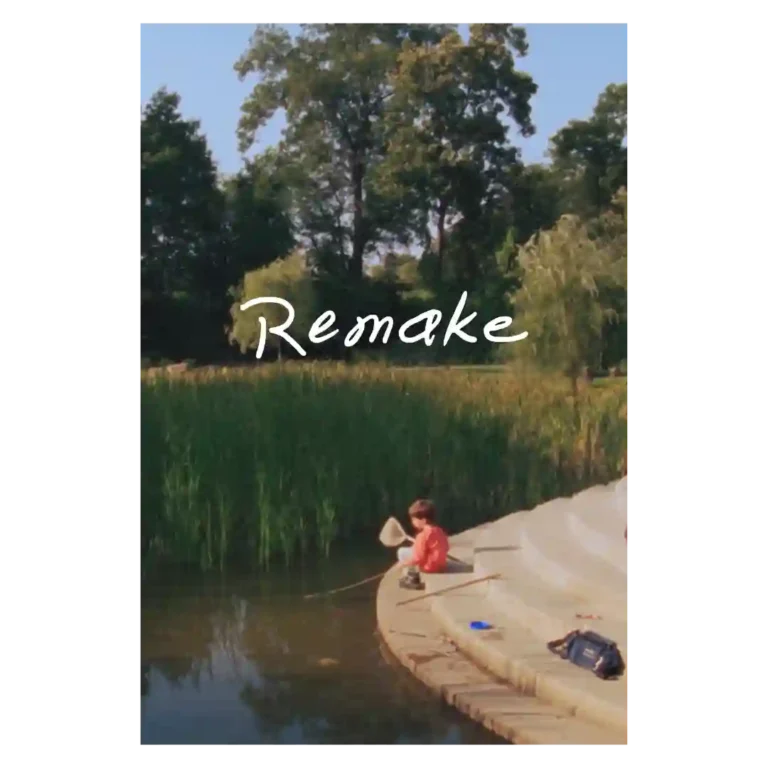
Remake

Remake Movie Review

Released: July 10, 2026
Updated: 2 days ago
4.8
Overall review score
84
Review evidence points
26
Scored features
18
Expert reviews

Bottom Line

Choose it for a profound, formally inventive meditation on grief, memory, and the ethics of filming family. Skip it if intensely personal addiction material, a 114-minute runtime, or occasional repetition will make the experience too difficult.

Best for

Best for viewers who value personal documentaries, reflective nonfiction, and emotionally demanding films about grief, memory, family, and artistic responsibility.

Not for

Not ideal for viewers seeking light entertainment, a brisk conventional narrative, or distance from addiction, parental grief, and ethically uncomfortable family footage.

Verdict

Ross McElwee turns decades of family footage into an intimate, intellectually searching documentary about his son Adrian, the limits of memory, and the moral cost of filming the people closest to him. The film’s emotional force is extraordinary, but it is not merely a grief memoir: dry humor, a failed Hollywood remake, and Adrian’s own dynamic footage widen the story into a meditation on legacy and authorship. Most critics praise the intricate construction, gentle narration, and refusal of easy answers. The main weaknesses are occasional repetition, a secondary remake thread that can feel less urgent, and a serious ethical concern about turning family pain into public art. Even with those reservations, the result is compassionate, formally distinctive, and deeply affecting.

Feature Scorecards

Summary

26 reviewed features
  • Very positive 4.5-5.0 92% 24 features
  • Positive 3.5-4.4 0% 0 features
  • Neutral 2.5-3.4 8% 2 features
  • Negative 1.5-2.4 0% 0 features
  • Very negative below 1.5 0% 0 features

Pros

  • 5.0
    based on 13 reviews
    emotional impact: 5.0, based on 13 reviews
    The film is consistently described as devastating, shattering, and deeply moving, yet moments of humor and tenderness keep it from becoming emotionally one-note.
  • 5.0
    based on 8 reviews
    theme depth: 5.0, based on 8 reviews
    Its richest ideas concern memory, artistic responsibility, family privacy, legacy, and the camera’s power to preserve life while also distorting it.
  • 5.0
    based on 4 reviews
    character development: 5.0, based on 4 reviews
    Adrian emerges as a bright, funny, ambitious child and a complicated adult whose talent and pain are shown without reducing him to addiction.
  • 5.0
    based on 2 reviews
    drama quality: 5.0, based on 2 reviews
    The documentary transforms private tragedy into gripping human drama, especially as childhood joy gives way to addiction, regret, and mourning.
  • 5.0
    based on 2 reviews
    ending satisfaction: 5.0, based on 2 reviews
    The final passages and farewell land with overwhelming force, bringing grief, regret, and enduring love together without pretending to resolve them.
  • 5.0
    based on 2 reviews
    genre satisfaction: 5.0, based on 2 reviews
    As a personal documentary, it is widely viewed as accomplished, profound, and even masterful, working both as a standalone film and a career culmination.
  • 5.0
    based on 2 reviews
    message quality: 5.0, based on 2 reviews
    The film argues that images cannot undo loss, but they can preserve fragments of love, invite accountability, and help the living continue.
  • 5.0
    based on 2 reviews
    originality: 5.0, based on 2 reviews
    This is an unusually singular grief documentary: part family archive, career reckoning, Hollywood satire, and ethical self-interrogation.
  • 5.0
    based on 1 review
    critic appeal: 5.0, based on 1 review
    Critical response is overwhelmingly enthusiastic, with the film called a masterpiece, a career high, and one of the year’s strongest documentaries.
  • 5.0
    based on 1 review
    dialogue quality: 5.0, based on 1 review
    McElwee’s droll, gentle voiceover gives the film clarity and warmth, while candid father-son exchanges expose affection, tension, and regret.
  • 5.0
    based on 1 review
    entertainment value: 5.0, based on 1 review
    The subject is difficult, but the personalities, humor, revealing footage, and evolving family story remain absorbing and consistently compelling.
  • 5.0
    based on 1 review
    interview quality: 5.0, based on 1 review
    Adrian’s candid discussion after rehab is especially affecting because his honesty and intelligence remain visible amid the severity of his addiction.
  • 5.0
    based on 1 review
    plot originality: 5.0, based on 1 review
    Rather than forcing a conventional documentary arc, it builds around an open question about whether life, memory, or a damaged relationship can ever be remade.
  • 5.0
    based on 1 review
    screenplay quality: 5.0, based on 1 review
    The narration and interlaced structure connect childhood, addiction, family rupture, career history, and grief with unusual thoughtfulness.
  • 5.0
    based on 1 review
    visual style: 5.0, based on 1 review
    The mix of old film, digital footage, and Adrian’s visually expressive material makes shifting time and memory feel tangible.
  • 4.9
    based on 8 reviews
    story quality: 4.9, based on 8 reviews
    The film turns decades of family footage into a profound, heartbreaking portrait of a father, son, and the limits of memory. Its private details grow into universal questions about love, loss, and responsibility.
  • 4.8
    based on 2 reviews
    audience appeal: 4.8, based on 2 reviews
    It works for newcomers as well as longtime followers, and its layered questions make it especially rewarding for viewers who want to discuss a film afterward.
  • 4.8
    based on 2 reviews
    cinematography: 4.8, based on 2 reviews
    Adrian’s mobile, precise footage provides an energetic contrast to his father’s steadier style and lets the film briefly see the world through the son’s eyes.
  • 4.8
    based on 2 reviews
    realism: 4.8, based on 2 reviews
    Home movies, candid conversations, and Adrian’s own footage create an unusually unvarnished portrait of family strain, addiction, and grief.
  • 4.7
    based on 11 reviews
    directing quality: 4.7, based on 11 reviews
    McElwee is widely praised for shaping an enormous personal archive into a searching, emotionally devastating film. One critic sharply questions the ethics of turning family life into public art.
  • 4.6
    based on 6 reviews
    humor: 4.6, based on 6 reviews
    Dry industry satire, family teasing, and off-kilter observations provide welcome levity without trivializing the central loss.
  • 4.6
    based on 4 reviews
    editing quality: 4.6, based on 4 reviews
    The best passages weave decades of footage into intricate emotional and thematic echoes. A few critics found the cross-cutting clumsy or repetitive in places.
  • 4.5
    based on 1 review
    chemistry between characters: 4.5, based on 1 review
    The father-son relationship feels loving, funny, tense, and painfully unresolved; their banter makes the bond vivid even when the camera creates distance.
  • 4.5
    based on 1 review
    plot clarity: 4.5, based on 1 review
    The grief story and failed Hollywood adaptation initially seem disconnected, but the film links them through legacy, authorship, and the impossibility of controlling what remains.

Cons

  • 3.4
    based on 4 reviews
    pacing: 3.4, based on 4 reviews
    Most of the archival journey is absorbing, though repeated returns to certain ideas and the remake subplot create occasional stretches of tedium.
  • 3.0
    based on 1 review
    runtime: 3.0, based on 1 review
    At roughly two hours, the film earns most of its length through emotional and thematic depth, though repetition makes some sections feel longer than necessary.

Cast & Creators

  • Editor
    5.0
    based on 2 reviews
    Joe Bini: 5.0, based on 2 reviews
    Bini is praised as a master editor whose collaboration helps organize decades of material into an intricate, shifting structure.
  • Self
    4.9
    based on 6 reviews
    Charleen Swansea: 4.9, based on 6 reviews
    Swansea remains a vivid, scene-stealing presence whose wit and forceful personality enliven the film. Her later struggle with memory also gives the documentary one of its most poignant contrasts.
  • Director
    4.8
    based on 18 reviews
    Ross McElwee: 4.8, based on 18 reviews
    McElwee’s direction is overwhelmingly praised for its emotional honesty, searching intelligence, and ability to connect family grief with larger questions about art and memory. One critic argues that his lifelong practice of filming relatives also carries serious ethical harm.
  • Cinematographer
    4.8
    based on 6 reviews
    Adrian McElwee: 4.8, based on 6 reviews
    Adrian’s footage is mobile, precise, visually distinctive, and emotionally revealing. His images give the film a perspective his father could not supply and preserve his creative talent on screen.

Compared With Category Average

Compared with other Movies, this product is above average in screenplay quality, character development, dialogue quality.

Summary

8 compared features
  • Above average 0.4+ pts higher 100% 8 features
  • Same as average within 0.3 pts 0% 0 features
  • Below average 0.4+ pts lower 0% 0 features
Attribute This product Category average Difference
screenplay quality 5.0 2.7 +2.3
character development 5.0 2.9 +2.1
dialogue quality 5.0 2.9 +2.1
story quality 4.9 3.2 +1.7
plot clarity 4.5 2.7 +1.8
plot originality 5.0 3.3 +1.7
realism 4.8 3.1 +1.6
ending satisfaction 5.0 3.4 +1.6

FAQ

Do I need to see Ross McElwee’s earlier films first?

No. The film provides enough context to work on its own, though familiarity with Sherman’s March, Time Indefinite, or Photographic Memory adds another layer.

Is the film relentlessly sad?

It is emotionally devastating, but dry humor, family teasing, and the absurd Hollywood-remake storyline provide meaningful relief.

What is the documentary mainly about?

It centers on McElwee’s grief after his son Adrian’s death, while examining memory, addiction, fatherhood, filmmaking, and the ethics of recording family life.

Does the pacing drag?

Most critics found it absorbing, but several noted repeated ideas, clumsy cross-cutting, or a secondary storyline that sometimes feels less urgent.

What makes the film visually distinctive?

It combines decades of film and digital material with Adrian’s own more mobile, energetic footage, allowing father and son to shape the story from different perspectives.

Sample Expert Reviews We Analyzed

These are a few of the reviews included in our analysis.

Compared in Reviews

Products reviewers directly compared with this model, grouped into quick takeaways.

Blue Heron

  • Similar: personal grief documentary approach The film is grouped with recent personal documentaries that use memory and grief as their central form.

Romeria

  • Similar: personal grief documentary approach The film is compared with another recent personal work that confronts memory and loss.

Time Indefinite

  • Similar: family, loss, and autobiographical structure It is described as a mournful companion to McElwee’s earlier family-and-loss documentary.

Consider This Instead

If you want better pacing

Choose The Invite. It scores 4.2 vs 3.4 for pacing, with a 4.5 overall score.
Compare

Top Movies to Consider

#1 Mary Oliver: Saved by the Beauty of the World
4.7

Best for a tender, accessible portrait that lets Oliver’s poetry, friends, and archival voice carry the experience. Skip it if you want a brisk, deeply investigative biography; the calm rhythm...

Pros: romance quality, faithfulness to source material

Cons: none
#2 The Invite
4.5

Best for razor-sharp adult comedy, exceptional ensemble work, and a surprisingly moving marriage story. Skip it if talk-heavy chamber pieces, explicit relationship discussions, or an occasionally intrusive string score wear...

Pros: plot originality, lead performance

Cons: runtime, score quality

#3 Romería
4.5

Best for luminous coastal imagery, an exceptional debut performance, and a tender search through family memory. Skip it if slow pacing, subdued conflict, or a late shift into magical realism...

Pros: ending satisfaction, acting performance

Cons: character development, score quality

#4 Rose of Nevada
4.4

Best for a haunting, handcrafted time-travel drama with extraordinary 16mm imagery, thunderous sound, and a deeply moving lead performance. Skip it if slow pacing, unresolved rules, and an open ending...

Pros: plot originality, lead performance

Cons: runtime, screenplay quality