makeup quality
Moana
1.2
Maui’s wig, prosthetic bodysuit, and overly literal physical recreation are among the most repeated complaints. The look is frequently described as artificial, distracting, or costume-like.
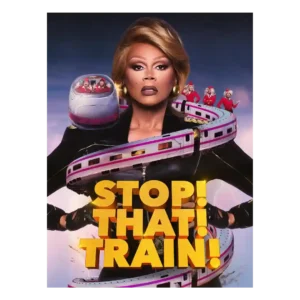
Stop! That! Train!
5.0
The queens are presented with flattering lighting, polished hair, and spectacular makeup that gives the production a more glamorous finish.
age appropriateness
Moana
5.0
The coming-of-age themes are presented clearly enough for children while still carrying ideas about identity, duty, and courage for older viewers.
Stop! That! Train!
1.5
This is an adult-oriented spoof rather than a children’s comedy, with an R rating, sexual jokes, language, drug material, and brief nudity.
realism
Moana
1.3
The mix of actors, green screens, digital water, and cartoon-like creatures rarely feels physically coherent. Many scenes look polished but not convincingly real.
Stop! That! Train!
4.5
The movie wisely abandons realism and embraces cartoon logic, which suits the camp tone even when it weakens suspense.
cinematography
Moana
4.7
The strongest images are crisp tropical vistas, sweeping island views, and bright ocean colors. Oscar Faura’s long shots give the production some genuine scale even when effects-heavy scenes feel enclosed.
Stop! That! Train!
1.8
The bright interiors occasionally pop, but flat digital photography, washed-out lighting, and uninspired framing make the movie look less cinematic than its premise deserves.
critic appeal
Moana
1.5
Critical response is predominantly negative, centered on the remake’s lack of purpose and invention. A smaller group considers it a buoyant or at least competent entry among Disney’s live-action adaptations.
Stop! That! Train!
4.0
Critical response leaned positive overall, but enthusiasm varies sharply depending on tolerance for camp, Drag Race references, and rapid-fire silliness.
directing quality
Moana
2.0
Thomas Kail handles some musical and village scenes with energy, but the broader direction is often described as anonymous, stagebound, and overly dependent on the animated blueprint.
Stop! That! Train!
4.1
Adam Shankman generally keeps the sprawling cast and relentless gag flow under control, though the rushed production limits visual invention and polish.
dialogue quality
Moana
2.7
The lyrics and occasional witty exchanges still land, but much of the spoken dialogue feels copied, stiff, or delivered without enough rhythm and spontaneity.
Stop! That! Train!
4.8
The strongest lines use queer wordplay, double meanings, and conversational rhythm rather than relying only on familiar references.
emotional impact
Moana
2.6
Moana’s songs, her bond with Tala, and parts of the finale can still move audiences. Much of the remake, however, feels emotionally muted because it recreates familiar moments without restoring their original spark.
Stop! That! Train!
4.5
The friendship between Tess and DeeDee creates unexpected warmth, especially when hurt, loyalty, and reconciliation briefly cut through the chaos.
runtime
Moana
2.2
At roughly the same length as the original plus a modest extension, the runtime is not excessive on paper. Even so, sluggish middle sections make it feel considerably longer to many viewers.
Stop! That! Train!
3.8
At roughly 90 to 95 minutes, the film feels brisk to enthusiastic viewers but surprisingly long to critics who did not connect with the jokes.
production design
Moana
5.0
Motunui, the boats, and the practical island spaces show strong craftsmanship and texture. The production is most convincing before the adventure moves into heavily digital settings.
Stop! That! Train!
3.4
The colorful train interiors and class contrasts are appealing, although the rushed, low-budget production becomes obvious outside the main sets.
ending satisfaction
Moana
5.0
The final act earns praise for its warmth, visual lift, and emotional release. The choral score helps the conclusion feel more stirring than several of the middle sections.
Stop! That! Train!
3.5
The finale keeps enough laughs flowing to remain enjoyable for many viewers, but several critics found the third act rote, prolonged, or unable to stick the landing.
story quality
Moana
4.4
The core tale of identity, leadership, restoration, and voyaging remains strong, clear, and emotionally accessible. The remake benefits greatly from inheriting one of Disney’s better modern stories.
Stop! That! Train!
3.0
The friendship and runaway-train objective provide a functional spine, but the movie can still feel like loosely connected sketches and cameos.
family friendliness
Moana
2.8
The story remains accessible, musical, and centered on courage, family, and community. Families new to the material may have fun, though some critics believe children are better served by the more colorful original.
Stop! That! Train!
1.5
Parents should expect an adult comedy rather than family viewing because of sexual material, language, drug references, and brief nudity.
pacing
Moana
1.9
The voyage often drags between musical highlights, and several critics felt every minute of the nearly two-hour runtime. Familiarity makes slower passages feel even longer.
Stop! That! Train!
3.2
The opening half usually moves at an effective joke-a-minute clip, while repeated bits, side plots, and the final stretch can make the movie feel longer than it is.
visual style
Moana
1.8
The tropical palette, costumes, and occasional stylized musical passages can be attractive. Much of the movie still looks flat, overprocessed, stagebound, or less vibrant than the animation it copies.
Stop! That! Train!
3.0
The costumes, saturated interiors, and retro camp attitude are appealing, but cheap exteriors and flat photography create a visibly uneven presentation.
chemistry between characters
Moana
3.7
Moana and Maui sometimes have snappy, playful friction that keeps the adventure moving. Other critics found the pairing awkward, stiff, or short on the effortless camaraderie of the animated film.
Stop! That! Train!
4.9
Ginger Minj and Jujubee’s affectionate, synchronized rapport is widely regarded as the movie’s heart and helps the absurdity feel warm.
screenplay quality
Moana
2.0
The screenplay preserves a strong underlying story but contributes little invention of its own. Familiar lines, scenes, and structure are reproduced with only modest adjustments.
Stop! That! Train!
3.1
The script delivers clever queer wordplay and a dense supply of gags, but repetition, weak runners, and thin character work keep it uneven.
special effects quality
Moana
2.9
The effects range from artful water work and lively stylization to obvious green screen and awkward creature designs. The overall result is technically busy but inconsistent.
Stop! That! Train!
1.8
The storm, greenscreen, and exterior train shots are the most repeated complaint, ranging from knowingly campy to distractingly unfinished.
originality
Moana
1.1
The overwhelming complaint is that the remake adds almost nothing new. Its shot-for-shot instincts, recycled staging, and fear of meaningful change make it feel more like imitation than reinterpretation.
Stop! That! Train!
2.2
The queer drag-centered perspective feels fresh, but the plot structure and many gags borrow heavily from established disaster spoofs.
humor
Moana
2.4
You’re Welcome, Shiny, and a few character exchanges still generate laughs. Heihei and other visual gags often translate poorly, becoming awkward or less charming in the realistic style.
Stop! That! Train!
3.5
The joke volume is enormous and the best bits are genuinely hilarious, but the hit rate ranges from strong to painfully low depending on the viewer.
theme depth
Moana
3.0
Themes of identity, duty, inheritance, courage, ecology, and cultural memory remain meaningful. The remake preserves them but misses opportunities to deepen their relevance for a new decade.
Stop! That! Train!
2.0
The film is deliberately lightweight and offers little thematic complexity beyond friendship, cooperation, and queer celebration.
genre satisfaction
Moana
3.0
As a family fantasy musical, it delivers recognizable songs, adventure, comedy, and a clear heroic journey. It works adequately within the genre but rarely feels fresh or magical.
Stop! That! Train!
4.0
As a modern disaster spoof, it captures the throw-everything-at-the-wall spirit of Airplane!-style comedy without matching the classics’ consistency.
plot originality
Moana
1.0
The story follows the 2016 film beat-for-beat with only minor additions. Viewers should expect the same quest, conflicts, twists, and resolution.
Stop! That! Train!
2.0
The train setting adds a playful variation, but the story remains an openly familiar patchwork of Airplane!, disaster-movie, and Mean Girls conventions.
romance quality
Moana
5.0
Moana’s story remains refreshingly free of a love interest. The focus stays on leadership, identity, family, and friendship rather than forcing a romance into her journey.
Stop! That! Train!
4.0
DeeDee and Cal’s romance is intentionally goofy and lightweight, with enough sweetness to complement the central friendship.
world-building
Moana
5.0
The ocean, mythology, village life, and animated flourishes create a colorful world between live action and fantasy. The cultural specificity is more convincing than the digital physicality.
Stop! That! Train!
4.0
The Glamazonian Express is a fun exaggerated setting, with luxury, coach, disco, and meditation spaces that support the movie’s cartoon logic.
entertainment value
Moana
2.3
The songs, cultural detail, and occasional bursts of whimsy provide real pleasure. Overall enjoyment is limited by repetition, flat stretches, and the constant sense that the animated film offers the same experience more vividly.
Stop! That! Train!
3.3
For viewers receptive to proudly stupid camp, the film is an energetic good time; others found the same nonstop approach exhausting or disposable.
soundtrack quality
Moana
4.2
The returning songs are the remake’s most consistent strength, with How Far I’ll Go, We Know the Way, You’re Welcome, and Shiny still landing. The new end-credits song receives much weaker reactions.
Stop! That! Train!
3.3
The musical numbers are lively and fun for some viewers, while others found the disco songs forgettable or visually constrained.
action sequences
Moana
2.9
The seafaring set pieces can look large and energetic, especially the Kakamora and ocean encounters. The climax is more divisive, with some finding it spectacular and others seeing noisy, weightless spectacle.
Stop! That! Train!
2.0
The runaway-train set pieces have goofy movement and spectacle, but the thin storm effects keep the danger from feeling exciting.
CGI quality
Moana
2.4
A few water effects, Kakamora scenes, and stylized sequences impress, but the dominant look is polished yet artificial. Green-screen backgrounds and cartoon creatures frequently lack physical weight.
Stop! That! Train!
1.5
The digital train and landscape shots are the clearest technical weakness, often looking cheap enough to pull attention away from the comedy.
supporting cast performance
Moana
4.8
Rena Owen, John Tui, and Frankie Adams add warmth, dignity, and family texture. Owen in particular is repeatedly singled out for scene-stealing emotional presence.
Stop! That! Train!
3.9
Latrice Royale, Rachel Bloom, Chris Parnell, Matt Rogers, and several cameo players repeatedly steal scenes, although a few guest bits fall flat.
rewatch value
Moana
1.6
The remake often inspires a desire to revisit the animated original instead. Its limited surprises and weaker visual translation reduce the incentive for repeat viewing.
Stop! That! Train!
2.3
Fans may enjoy repeat communal screenings and quote-alongs, but inconsistent jokes, dated references, and rough effects limit broader replay value.
lead performance
Moana
4.5
Catherine Laga’aia is one of the film’s most dependable strengths, bringing an earnest presence, likability, and a strong singing voice to Moana.
Stop! That! Train!
4.1
Ginger Minj and Jujubee carry the picture with comic confidence, sincerity, and enough emotional grounding to hold the sketch-like material together.
costume design
Moana
4.8
The practical clothing is one of the remake’s clearest craft strengths, with rich texture, careful cultural detail, and convincing weathering. Liz McGregor’s work translates the animated designs with impressive precision.
Stop! That! Train!
4.4
Colorful uniforms, polished drag looks, and theatrical styling are among the movie’s most consistently praised visual strengths.
cultural representation
Moana
4.7
The Polynesian and Pacific Islander cast, dance, music, community rituals, and physical diversity are consistently celebrated. The live performers make Motunui’s culture feel more tangible and specific.
Stop! That! Train!
4.7
The movie’s proud queer perspective is a major strength, centering drag performers as heroes and celebrating queer joy without making them the joke.
faithfulness to source material
Moana
2.6
This is an exceptionally faithful adaptation, preserving nearly every plot beat, song, joke, and character turn. That accuracy will comfort some viewers but is also the main reason others find it redundant.
Stop! That! Train!No score yet
practical effects quality
Moana
4.8
The physical sets, costumes, hair, and weathered details are carefully executed. These tangible elements stand out positively against the less convincing digital environments.
Stop! That! Train!No score yet
sound design
Moana
5.0
The ocean, storms, and environmental effects receive strong, immersive treatment. In a premium theater, the surrounding waves and weather add welcome scale.
Stop! That! Train!No score yet