Compare The Get Out vs Stop! That! Train!

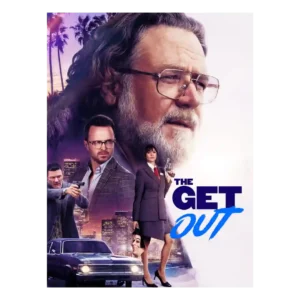
The Get Out
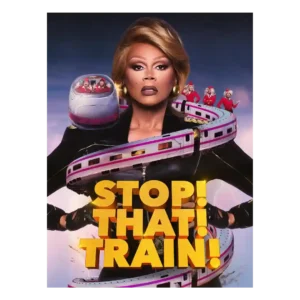
Stop! That! Train!

Quick verdict

What each product is best for

Choose The Get Out for soundtrack quality and theme depth.

Choose Stop! That! Train! for emotional impact and world-building.

Comparison Takeaways

The Get Out

Where It Has the Edge

  • soundtrack quality is 4.8 vs 3.3. The closing use of the Gipsy Kings’ “Hotel California” is a consistent highlight and gives the ending a...
  • theme depth is 3.5 vs 2.0. A good-hearted view of human nature gives the film more thematic interest than its conventional crime setup initially...
  • cinematography is 2.9 vs 1.8. The visuals range from anonymous and unremarkable to fluid and inventive. Tracking shots and the interior car-wreck sequence...
  • suspense is 2.1 vs 1.7. The movie rarely creates sustained danger or tension, and many action beats feel toothless. A few critics still...

Stop! That! Train!

Where It Has the Edge

  • emotional impact is 4.5 vs 1.3. The friendship between Tess and DeeDee creates unexpected warmth, especially when hurt, loyalty, and reconciliation briefly cut through...
  • world-building is 4.0 vs 1.0. The Glamazonian Express is a fun exaggerated setting, with luxury, coach, disco, and meditation spaces that support the...
  • realism is 4.5 vs 1.7. The movie wisely abandons realism and embraces cartoon logic, which suits the camp tone even when it weakens...
  • dialogue quality is 4.8 vs 2.2. The strongest lines use queer wordplay, double meanings, and conversational rhythm rather than relying only on familiar references.
Average score
The Get Out
2.6
Stop! That! Train!
3.5
emotional impact
The Get Out
1.3

The crowded plotting leaves little room for meaningful investment, so violent turns and late twists land with limited weight.

Stop! That! Train!
4.5

The friendship between Tess and DeeDee creates unexpected warmth, especially when hurt, loyalty, and reconciliation briefly cut through the chaos.

world-building
The Get Out
1.0

The Los Angeles crime setting lacks memorable locations and a convincing sense of place.

Stop! That! Train!
4.0

The Glamazonian Express is a fun exaggerated setting, with luxury, coach, disco, and meditation spaces that support the movie’s cartoon logic.

realism
The Get Out
1.7

The blackmail, robberies, and character decisions frequently strain credibility, with several plot turns feeling contrived rather than naturally escalating.

Stop! That! Train!
4.5

The movie wisely abandons realism and embraces cartoon logic, which suits the camp tone even when it weakens suspense.

dialogue quality
The Get Out
2.2

The dialogue lacks the sharp wit and quirky specificity expected from this kind of crime comedy. Too many exchanges exist to explain motives or move the next twist into place.

Stop! That! Train!
4.8

The strongest lines use queer wordplay, double meanings, and conversational rhythm rather than relying only on familiar references.

drama quality
The Get Out
1.5

The darker violence carries little emotional weight because the characters and stakes are not developed enough to make it matter.

Stop! That! Train!
4.0

The tested friendship adds a few sincere and touching beats, but the drama stays light and secondary to the spoof machinery.

costume design
The Get Out
2.0

Luke Evans’ flamboyant styling is memorable, but its goofiness clashes with the movie’s broader visual palette.

Stop! That! Train!
4.4

Colorful uniforms, polished drag looks, and theatrical styling are among the movie’s most consistently praised visual strengths.

tonal consistency
The Get Out
2.1

The film struggles to balance goofy comedy, sincere drama, and sudden violence. A small minority found the lethal-but-light blend effective, but most experienced jarring shifts.

Stop! That! Train!
4.5

Its best quality is total commitment to heightened camp, though occasional sincere drama and attempted suspense do not always blend smoothly.

genre satisfaction
The Get Out
2.0

The crime-comedy blend rarely feels cohesive enough to satisfy as either a thriller or a farce. More positive reactions treat it as undemanding, laid-back genre entertainment.

Stop! That! Train!
4.0

As a modern disaster spoof, it captures the throw-everything-at-the-wall spirit of Airplane!-style comedy without matching the classics’ consistency.

sexual content level
The Get Out
2.0

The opening sexual scene is deliberately comic but can feel jarring and overly in-your-face.

Stop! That! Train!
3.8

The R-rated humor includes innuendo, sexual props, and raunchy jokes, though some viewers found it less explicit than expected.

plot clarity
The Get Out
1.3

The intersecting schemes feel tangled and tenuously connected, making the story harder to follow than its basic premise should be.

Stop! That! Train!
2.8

A simple runaway-train setup gives the comedy useful structure, though some critics found the multiple subplots unnecessarily convoluted.

screenplay quality
The Get Out
1.6

The screenplay is the central weakness, overloading the movie with twists, thin characters, tonal conflict, and forced connections. Its promising pieces rarely form a satisfying whole.

Stop! That! Train!
3.1

The script delivers clever queer wordplay and a dense supply of gags, but repetition, weak runners, and thin character work keep it uneven.

ending satisfaction
The Get Out
1.9

Most critics find the climax flat, unsurprising, or unearned, with the converging subplots producing relief more often than payoff. A few enjoyed seeing the puzzle connect and praised the final song choice.

Stop! That! Train!
3.5

The finale keeps enough laughs flowing to remain enjoyable for many viewers, but several critics found the third act rote, prolonged, or unable to stick the landing.

soundtrack quality
The Get Out
4.8

The closing use of the Gipsy Kings’ “Hotel California” is a consistent highlight and gives the ending a stylish final lift.

Stop! That! Train!
3.3

The musical numbers are lively and fun for some viewers, while others found the disco songs forgettable or visually constrained.

score quality
The Get Out
3.0

The score divides opinion. Its playful, synth-heavy approach reinforces the unserious tone for one critic, while another finds it misplaced during dramatic and violent scenes.

Stop! That! Train!
4.5

The disaster-movie musical cues and retro callbacks help establish the spoof tone, with the Poseidon Adventure-style opening music receiving particular praise.

theme depth
The Get Out
3.5

A good-hearted view of human nature gives the film more thematic interest than its conventional crime setup initially suggests.

Stop! That! Train!
2.0

The film is deliberately lightweight and offers little thematic complexity beyond friendship, cooperation, and queer celebration.

directing quality
The Get Out
2.7

The direction earns occasional praise for brisk movement and a light crime-story tone, but more often struggles to unify the humor, violence, and crowded plotting.

Stop! That! Train!
4.1

Adam Shankman generally keeps the sprawling cast and relentless gag flow under control, though the rushed production limits visual invention and polish.

character development
The Get Out
1.6

Most characters are reduced to one-note quirks, familiar types, or functional plot pieces. The crowded story rarely gives their motives and arcs enough room to matter.

Stop! That! Train!
3.0

Tess and DeeDee receive a workable friendship arc, but most characters remain broad comic types and the emotional throughline can feel thin.

runtime
The Get Out
2.5

At roughly 102 minutes, the movie still feels overfilled because it tries to carry too many characters and ideas.

Stop! That! Train!
3.8

At roughly 90 to 95 minutes, the film feels brisk to enthusiastic viewers but surprisingly long to critics who did not connect with the jokes.

cinematography
The Get Out
2.9

The visuals range from anonymous and unremarkable to fluid and inventive. Tracking shots and the interior car-wreck sequence earn praise, but the overall look often lacks a distinctive identity.

Stop! That! Train!
1.8

The bright interiors occasionally pop, but flat digital photography, washed-out lighting, and uninspired framing make the movie look less cinematic than its premise deserves.

pacing
The Get Out
2.1

Too many subplots make the film feel sluggish, jarring, or overstuffed despite its moderate runtime. A few critics found the movement brisk or at least never dull.

Stop! That! Train!
3.2

The opening half usually moves at an effective joke-a-minute clip, while repeated bits, side plots, and the final stretch can make the movie feel longer than it is.

chemistry between characters
The Get Out
3.8

Manco and Sunny provide a warm, grounding relationship, while Paul and Dobrev can be funny when their opposite energies click. That second pairing is more divisive, becoming irritating for some critics.

Stop! That! Train!
4.9

Ginger Minj and Jujubee’s affectionate, synchronized rapport is widely regarded as the movie’s heart and helps the absurdity feel warm.

humor
The Get Out
2.5

The comedy is highly inconsistent: Crowe’s deadpan delivery and some eccentric supporting turns work, but many jokes feel dry, crass, or poorly timed.

Stop! That! Train!
3.5

The joke volume is enormous and the best bits are genuinely hilarious, but the hit rate ranges from strong to painfully low depending on the viewer.

editing quality
The Get Out
2.0

The movie can feel stilted and lose momentum as it cuts among competing storylines.

Stop! That! Train!
3.0

Some cutaways and visual punchlines are sharply timed, while the competing subplots and repeated gags make other stretches feel jumbled.

story quality
The Get Out
2.2

The central idea of an aging nightclub owner trying to leave crime behind is appealing, but the surrounding story becomes generic, excessive, and unfocused.

Stop! That! Train!
3.0

The friendship and runaway-train objective provide a functional spine, but the movie can still feel like loosely connected sketches and cameos.

rewatch value
The Get Out
1.5

The film leaves little lasting impression for most critics and is often described as forgettable. One review gave its rewatchability the lowest possible mark.

Stop! That! Train!
2.3

Fans may enjoy repeat communal screenings and quote-alongs, but inconsistent jokes, dated references, and rough effects limit broader replay value.

production design
The Get Out
2.8

Reactions to the setting are split. Some locations convincingly stand in for Los Angeles, while others make the Australian shoot obvious and visually generic.

Stop! That! Train!
3.4

The colorful train interiors and class contrasts are appealing, although the rushed, low-budget production becomes obvious outside the main sets.

visual style
The Get Out
2.4

A few tracking shots and action images show real flair, but the overall presentation is more often anonymous, flat, or lacking visual panache.

Stop! That! Train!
3.0

The costumes, saturated interiors, and retro camp attitude are appealing, but cheap exteriors and flat photography create a visibly uneven presentation.

suspense
The Get Out
2.1

The movie rarely creates sustained danger or tension, and many action beats feel toothless. A few critics still enjoyed waiting to see how the storylines would collide.

Stop! That! Train!
1.7

Constant jokes and weak effects undercut the danger, making the disaster plot more of a comic framework than a genuinely tense ride.

lead performance
The Get Out
4.5

Russell Crowe is the clear highlight, bringing warmth, comic timing, charisma, and grounded presence to Manco. Even the harshest reviews consider him the main reason to keep watching.

Stop! That! Train!
4.1

Ginger Minj and Jujubee carry the picture with comic confidence, sincerity, and enough emotional grounding to hold the sketch-like material together.

originality
The Get Out
2.5

The premise has some charm, but the movie feels heavily indebted to stronger crime capers and rarely develops an identity of its own.

Stop! That! Train!
2.2

The queer drag-centered perspective feels fresh, but the plot structure and many gags borrow heavily from established disaster spoofs.

message quality
The Get Out
4.0

The protagonist’s decency and reluctance toward violence give the movie a refreshingly humane streak beneath the criminal chaos.

Stop! That! Train!
3.7

Beneath the silliness, the film champions friendship, cooperation, resilience, and queer joy during a politically difficult moment.

action sequences
The Get Out
2.2

The action is usually serviceable rather than exciting, with several critics finding little tension or originality. One car-wreck sequence stands out for its claustrophobic staging and impact.

Stop! That! Train!
2.0

The runaway-train set pieces have goofy movement and spectacle, but the thin storm effects keep the danger from feeling exciting.

entertainment value
The Get Out
3.1

The movie is intermittently fun and easy to watch, especially when the cast leans into the goofiness. Its clutter, weak tension, and uneven comedy keep it from becoming consistently engaging.

Stop! That! Train!
3.3

For viewers receptive to proudly stupid camp, the film is an energetic good time; others found the same nonstop approach exhausting or disposable.

acting performance
The Get Out
4.1

The cast brings strong energy and commitment even when the material falters. Most praise centers on the performers making thin or chaotic scenes more watchable.

Stop! That! Train!
4.3

The ensemble’s commitment gives the movie most of its momentum, with performers treating even the silliest material seriously enough to make it work.

plot originality
The Get Out
1.8

The setup has workable ideas but is repeatedly described as derivative, familiar, or an imitation of better crime comedies.

Stop! That! Train!
2.0

The train setting adds a playful variation, but the story remains an openly familiar patchwork of Airplane!, disaster-movie, and Mean Girls conventions.

supporting cast performance
The Get Out
3.8

The ensemble is generally game and energetic, with several performers elevating limited roles. The writing often prevents those performances from becoming fully rounded characters.

Stop! That! Train!
3.9

Latrice Royale, Rachel Bloom, Chris Parnell, Matt Rogers, and several cameo players repeatedly steal scenes, although a few guest bits fall flat.
audience appeal
The Get Out
3.6

This fits best as a casual streaming crime comedy or B-movie for viewers who enjoy quirky capers. Its recognizable cast broadens the appeal, though the messy execution limits it.

Stop! That! Train!
3.6

Drag Race fans and viewers who enjoy broad camp are the strongest match, though several nonfans still found the humor accessible and fun.

romance quality
The Get Out
4.0

Manco and Sunny’s affectionate, loyal relationship is one of the movie’s most effective elements and gives the story a needed emotional anchor.

Stop! That! Train!
4.0

DeeDee and Cal’s romance is intentionally goofy and lightweight, with enough sweetness to complement the central friendship.

age appropriateness
The Get OutNo score yet
Stop! That! Train!
1.5

This is an adult-oriented spoof rather than a children’s comedy, with an R rating, sexual jokes, language, drug material, and brief nudity.

animation quality
The Get OutNo score yet
Stop! That! Train!
1.5

The exterior imagery and animated-looking environments were criticized as visually crude and lacking artistic polish.

CGI quality
The Get OutNo score yet
Stop! That! Train!
1.5

The digital train and landscape shots are the clearest technical weakness, often looking cheap enough to pull attention away from the comedy.

critic appeal
The Get OutNo score yet
Stop! That! Train!
4.0

Critical response leaned positive overall, but enthusiasm varies sharply depending on tolerance for camp, Drag Race references, and rapid-fire silliness.

cultural representation
The Get OutNo score yet
Stop! That! Train!
4.7

The movie’s proud queer perspective is a major strength, centering drag performers as heroes and celebrating queer joy without making them the joke.

family friendliness
The Get OutNo score yet
Stop! That! Train!
1.5

Parents should expect an adult comedy rather than family viewing because of sexual material, language, drug references, and brief nudity.

language level
The Get OutNo score yet
Stop! That! Train!
4.3

The comedy mixes bawdy dialogue with cleaner wordplay, and several critics appreciated that some of its biggest laughs do not depend on explicit language.

makeup quality
The Get OutNo score yet
Stop! That! Train!
5.0

The queens are presented with flattering lighting, polished hair, and spectacular makeup that gives the production a more glamorous finish.

special effects quality
The Get OutNo score yet
Stop! That! Train!
1.8

The storm, greenscreen, and exterior train shots are the most repeated complaint, ranging from knowingly campy to distractingly unfinished.

value for money
The Get OutNo score yet
Stop! That! Train!
1.0

One strongly negative critic felt the disputed, cheap-looking effects made the theatrical ticket feel insulting, while most others focused less on price.