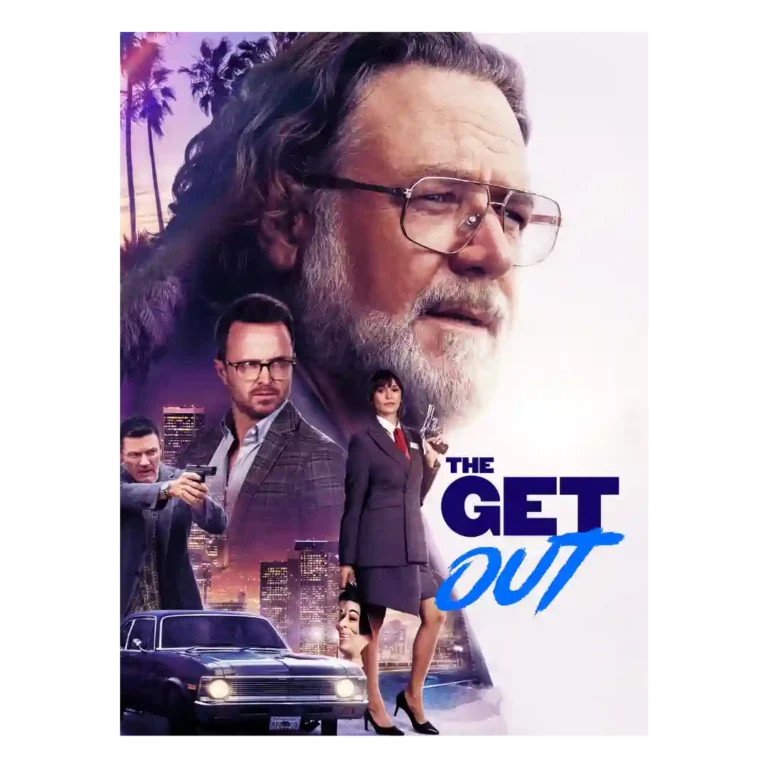
Choose it for Russell Crowe’s playful, charismatic lead turn and a few lively ensemble moments. Skip it if you want a sharp, suspenseful crime comedy; the crowded plot, thin characters, and uneven tone make the film feel forgettable.
Best for
Best for Russell Crowe fans and viewers who enjoy loose, quirky crime capers as undemanding streaming entertainment.
Not for
Skip it if you want a tightly plotted thriller, sharp dialogue, sustained suspense, deep characters, or a memorable climax.
Verdict
Russell Crowe supplies the charm, warmth, and deadpan comic timing that keep this crime caper watchable, and several supporting performances create lively moments around him. The central idea—an aging nightclub owner trying to retire from a criminal life—has real appeal, while the humane relationship with Sunny gives the story a welcome anchor. However, the screenplay overloads that premise with thin characters, forced connections, and too many competing subplots. Humor, suspense, and violence rarely settle into a coherent tone, and most critics found the pacing sluggish, the action toothless, and the climax forgettable. It works best as a casual streaming diversion for Crowe fans, not as a sharp or satisfying crime comedy.
lead performance: 4.5, 10 reviews, strong consensus
Russell Crowe is the clear highlight, bringing warmth, comic timing, charisma, and grounded presence to Manco. Even the harshest reviews consider him the main reason to keep watching.
The cast brings strong energy and commitment even when the material falters. Most praise centers on the performers making thin or chaotic scenes more watchable.
chemistry between characters: 3.8, 6 reviews, low consensus
Manco and Sunny provide a warm, grounding relationship, while Paul and Dobrev can be funny when their opposite energies click. That second pairing is more divisive, becoming irritating for some critics.
The ensemble is generally game and energetic, with several performers elevating limited roles. The writing often prevents those performances from becoming fully rounded characters.
This fits best as a casual streaming crime comedy or B-movie for viewers who enjoy quirky capers. Its recognizable cast broadens the appeal, though the messy execution limits it.
character development: 1.6, 11 reviews, strong consensus
Most characters are reduced to one-note quirks, familiar types, or functional plot pieces. The crowded story rarely gives their motives and arcs enough room to matter.
The screenplay is the central weakness, overloading the movie with twists, thin characters, tonal conflict, and forced connections. Its promising pieces rarely form a satisfying whole.
The film leaves little lasting impression for most critics and is often described as forgettable. One review gave its rewatchability the lowest possible mark.
The crime-comedy blend rarely feels cohesive enough to satisfy as either a thriller or a farce. More positive reactions treat it as undemanding, laid-back genre entertainment.
Most critics find the climax flat, unsurprising, or unearned, with the converging subplots producing relief more often than payoff. A few enjoyed seeing the puzzle connect and praised the final song choice.
The blackmail, robberies, and character decisions frequently strain credibility, with several plot turns feeling contrived rather than naturally escalating.
Too many subplots make the film feel sluggish, jarring, or overstuffed despite its moderate runtime. A few critics found the movement brisk or at least never dull.
The film struggles to balance goofy comedy, sincere drama, and sudden violence. A small minority found the lethal-but-light blend effective, but most experienced jarring shifts.
The movie rarely creates sustained danger or tension, and many action beats feel toothless. A few critics still enjoyed waiting to see how the storylines would collide.
story quality: 2.2, 10 reviews, moderate consensus
The central idea of an aging nightclub owner trying to leave crime behind is appealing, but the surrounding story becomes generic, excessive, and unfocused.
The action is usually serviceable rather than exciting, with several critics finding little tension or originality. One car-wreck sequence stands out for its claustrophobic staging and impact.
The dialogue lacks the sharp wit and quirky specificity expected from this kind of crime comedy. Too many exchanges exist to explain motives or move the next twist into place.
production design: 2.8, 2 reviews, limited evidence
Reactions to the setting are split. Some locations convincingly stand in for Los Angeles, while others make the Australian shoot obvious and visually generic.
The direction earns occasional praise for brisk movement and a light crime-story tone, but more often struggles to unify the humor, violence, and crowded plotting.
The score divides opinion. Its playful, synth-heavy approach reinforces the unserious tone for one critic, while another finds it misplaced during dramatic and violent scenes.
The visuals range from anonymous and unremarkable to fluid and inventive. Tracking shots and the interior car-wreck sequence earn praise, but the overall look often lacks a distinctive identity.
entertainment value: 3.1, 13 reviews, low consensus
The movie is intermittently fun and easy to watch, especially when the cast leans into the goofiness. Its clutter, weak tension, and uneven comedy keep it from becoming consistently engaging.
Crowe is the movie’s strongest and most reliable asset, mixing deadpan humor, warmth, charisma, and occasional menace. Even negative reviews find him watchable, though a few feel the campy accent and material limit the performance.
Palmer brings warmth and steadiness to Sunny, helping make Manco’s relationship feel affectionate and grounded. Her role is limited, but her chemistry with Crowe is consistently valued.
Dobrev’s eccentric energy and comic commitment are lively highlights for some viewers, particularly in her scenes with Paul. Others find the timing weak and the character more irritating than coherent.
Paul’s anxious, frustrated Jeff works well for some critics, especially opposite Nina Dobrev. Others find the performance repetitive, overly grim, or badly miscast for the intended comedy.
Borte occasionally keeps the story brisk and captures a light crime-caper mood, but most criticism targets his failure to unify the tone, visuals, and crowded plot.
Forte’s co-written screenplay is criticized for tonal confusion and for clashing with the film’s comic presentation.
Compared With Category Average
Compared with other Movies, this product is above average in soundtrack quality, romance quality, near average in lead performance, acting performance, below average in world-building, emotional impact, rewatch value.
Comparison summary
38 compared features
Above average0.4+ pts higher
2(5%)
Same as averagewithin 0.3 pts
7(18%)
Below average0.4+ pts lower
29(76%)
Largest category differences
Attribute
This product
Category average
Difference
world-building
1.0
3.9
-2.9
emotional impact
1.3
3.9
-2.6
rewatch value
1.5
3.7
-2.2
genre satisfaction
2.0
4.0
-2.0
costume design
2.0
4.2
-2.2
drama quality
1.5
3.6
-2.1
visual style
2.4
4.1
-1.7
realism
1.7
3.4
-1.8
Consider This Instead
If you want better emotional impact
Choose The Invite. It scores 4.8 vs 1.3 for emotional impact, with a 4.5 overall score.
Products reviewers directly compared with this model, grouped into quick takeaways.
Kraven the Hunter
Similar: Russell Crowe's comic performanceCrowe's exaggerated comic energy is compared with his work in Kraven the Hunter.
Point Break
Alternative: Paul and Dobrev's crime pairingPaul and Dobrev's oddball partnership is pitched as material for a more entertaining Point Break-style movie.
Sexy Beast
Similar: Russell Crowe's performance styleCrowe's performance is described as blending qualities associated with The Big Lebowski and Sexy Beast.
FAQ
Is Russell Crowe good in The Get Out?
Yes. He is the clearest consensus strength, bringing charisma, warmth, deadpan humor, and enough presence to keep weak material watchable.
Is The Get Out actually funny?
It has scattered laughs, especially from Crowe and some eccentric supporting turns, but the comedy is inconsistent and often clashes with the darker violence.
Is the movie suspenseful?
Usually not. Most critics found the danger toothless, the action low on tension, and the plot complications more exhausting than thrilling.
Does the complicated plot pay off?
Only occasionally. A few enjoyed seeing the pieces connect, but most found the climax flat, predictable, or less satisfying than the setup promised.
Who is The Get Out best for?
It is best for Russell Crowe fans and viewers seeking a casual, undemanding streaming crime comedy rather than a tightly constructed thriller.
Sample Expert Reviews We Analyzed
These are a few of the reviews included in our analysis.
Best for a profound, formally inventive meditation on grief, memory, and the ethics of filming family. Skip it if intensely personal addiction material, a 114-minute runtime, or occasional repetition will...
Best for joyful music, rare footage, candid interviews, and a layered Maurice White portrait. Skip it if you want a tightly focused, unconventional reappraisal that lingers on performances instead of...
Best for a tender, accessible portrait that lets Oliver’s poetry, friends, and archival voice carry the experience. Skip it if you want a brisk, deeply investigative biography; the calm rhythm...
Pros: romance quality, faithfulness to source material
Best for razor-sharp adult comedy, exceptional ensemble work, and a surprisingly moving marriage story. Skip it if talk-heavy chamber pieces, explicit relationship discussions, or an occasionally intrusive string score wear...