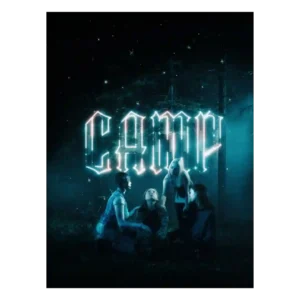
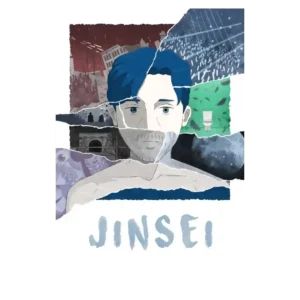
Compare Camp vs Jinsei

P1 Camp
P2 Jinsei

Comparison Takeaways

Camp

Where It Has the Edge

  • romance quality is 4.5 vs 1.5. Emily and Clara’s attraction remains understated, but their chemistry gives the relationship a vivid glow. The romance functions...
  • world-building is 5.0 vs 3.8. The camp’s Christian façade, secret coven culture, and enchanted woodland imagery create a distinctive microcosm. The world feels...
  • genre satisfaction is 4.3 vs 3.0. This is an unconventional witchy coming-of-age drama rather than a slasher or jump-scare vehicle. It satisfies viewers open...
  • drama quality is 4.0 vs 3.0. The film works as a melancholic tragedy about guilt, grief, and damaged healing rather than a conventional camp...

Jinsei

Where It Has the Edge

  • ending satisfaction is 3.7 vs 2.2. The cosmic, largely wordless finale is visually audacious and memorable. Some see it as a graceful culmination of...
  • tonal consistency is 4.4 vs 3.3. The restrained visual palette and melancholy atmosphere provide a steady foundation across radical genre shifts. Still, the film’s...
  • sound design is 5.0 vs 4.0. The sound presentation is a major strength, reinforcing the eerie atmosphere and the film’s sudden tonal shifts. It...
  • runtime is 3.3 vs 2.3. Compressing a century into roughly 90 minutes is an impressive feat, but the short runtime also forces too...
Average score
Product 1: Camp
3.8
Product 2: Jinsei
3.8
acting performance
Product 1: Camp
3.8

The ensemble often feels intimate and natural, with several critics praising its persuasive, unforced quality. A smaller group found the supporting performances flat, forced, or overly stylized.

Product 2: Jinsei
3.0

The voice performances are deliberately restrained, with occasional bursts of energy. That subdued approach suits the film’s alienation but can also make the characters feel emotionally remote.

animation quality
Product 1: Camp
4.8

Handcrafted animated flourishes deepen the film’s dream logic and make its supernatural moments feel distinctive. They are generally seen as purposeful rather than decorative.

Product 2: Jinsei
4.4

The handmade animation is the film’s defining strength, using sparse motion, sharp composition, and carefully controlled color to create memorable images. Some viewers may still find the limited movement stiff or inert.

audience appeal
Product 1: Camp
3.1

This is best suited to viewers who enjoy queer arthouse horror, ambiguity, and slow, mood-led storytelling. Its thin plot and refusal to explain itself will alienate viewers seeking a conventional genre ride.

Product 2: Jinsei
3.2

This is best suited to adventurous animation fans who enjoy cryptic, formally daring work. Its fragmented storytelling and emotionally distant lead make it a difficult recommendation for mainstream audiences.

character development
Product 1: Camp
3.0

Emily’s emotional progression and the counselors’ shared damage can be compelling, but several side characters and relationships disappear before they are fully developed. The character-driven material is strongest when the film stays close to its central group.

Product 2: Jinsei
3.3

The protagonist’s changing names and identities create a compelling study of trauma, fame, and detachment. Reactions split sharply over whether his blankness feels profound or simply prevents emotional connection.

chemistry between characters
Product 1: Camp
4.8

The cast’s easy rapport gives the coven a believable sense of intimacy and belonging. Emily and Clara’s connection is especially warm and magnetic.

Product 2: Jinsei
3.8

The friendship with Kin supplies the story’s warmest and most accessible human connection. Several accounts wanted more time with that bond, while the later romance feels far less convincing.

cinematography
Product 1: Camp
4.8

Soft focus, colored fog, analog textures, handheld movement, and glowing woodland imagery create the film’s most consistently admired strength. The photography makes even ordinary daylight feel enchanted and unstable.

Product 2: Jinsei
4.6

Careful framing, symmetry, negative space, and inventive camera movement give the film a striking visual grammar. Its strongest compositions can land with remarkable force.

cultural representation
Product 1: Camp
4.5

The film’s queer, female-centered perspective feels lived-in rather than tokenized. Its focus on community, girlhood, and self-invention gives the horror a broad emotional reach.

Product 2: Jinsei
4.8

The film draws meaningfully on Japanese idol culture, social pressures, pop imagery, and traditional visual influences. Its critique of celebrity machinery and modern society is direct without becoming simplistic.

dialogue quality
Product 1: Camp
2.0

The deliberately lo-fi dialogue divides opinion. Some accept its monotone awkwardness as part of the dream state, while others find it clunky, airless, and emotionally flat.

Product 2: Jinsei
2.0

Sparse dialogue suits the taciturn protagonist, but later stretches rely on heavy exposition that weakens the film’s mystery. The writing is most effective when images carry the meaning.

directing quality
Product 1: Camp
4.8

Avalon Fast’s direction is bold, personal, and visually assured, with a clear willingness to reject conventional structure. The rawness can become disjointed, but the creative control and singular voice are widely apparent.

Product 2: Jinsei
4.0

Ryuya Suzuki’s direction is bold, personal, and visually assured, especially in montages and composition. The main weakness is his difficulty integrating every chapter and idea into a fully coherent whole.

drama quality
Product 1: Camp
4.0

The film works as a melancholic tragedy about guilt, grief, and damaged healing rather than a conventional camp thriller. Its emotional rot is more central than plot mechanics.

Product 2: Jinsei
3.0

The film remains intriguing and emotionally charged, but its later episodes do not always build toward satisfying dramatic payoffs. Its ambition often exceeds its narrative control.

editing quality
Product 1: Camp
4.0

Analog memory fragments and abrupt transitions place the viewer inside Emily’s unstable headspace. The approach can be disorienting, but it gives past trauma a strong visual presence.

Product 2: Jinsei
4.1

The rapid montages and precise visual transitions are among the film’s strongest achievements. Elsewhere, abrupt jump cuts can feel heavy-handed and contribute to the fragmented structure.

emotional impact
Product 1: Camp
4.9

The film’s grief, guilt, and hunger for absolution land with unusual tenderness and intensity. Its strongest moments make healing feel both comforting and potentially dangerous.

Product 2: Jinsei
4.2

The film can be deeply moving in its images of trauma, loneliness, chance, and identity. Its cool tone and opaque lead create powerful distance for some viewers and frustrating detachment for others.

ending satisfaction
Product 1: Camp
2.2

The ending is intentionally unresolved and will be a major dividing point. Some appreciate its refusal of reassurance, while others find the missing payoff, dropped threads, and troubling implications frustrating.

Product 2: Jinsei
3.7

The cosmic, largely wordless finale is visually audacious and memorable. Some see it as a graceful culmination of the identity theme, while others find its transcendence forced, hollow, or unresolved.

entertainment value
Product 1: Camp
3.7

The experience is hypnotic and transfixing for receptive viewers, but it is rarely fun in a conventional sense. Its slow, mournful drift can feel either absorbing or soporific.

Product 2: Jinsei
3.5

Patient viewers may find the film strange, absorbing, and never boring, especially once its visual imagination expands. Others may struggle with the slow, fragmented experience.

genre satisfaction
Product 1: Camp
4.3

This is an unconventional witchy coming-of-age drama rather than a slasher or jump-scare vehicle. It satisfies viewers open to compassionate, ambiguous horror but may disappoint those expecting a traditional camp fright film.

Product 2: Jinsei
3.0

The shift from grounded family drama to celebrity satire and psychedelic science fiction is daring and unpredictable. That genre-bending energy impresses even when the transitions feel abrupt.

humor
Product 1: Camp
No score yet
Product 2: Jinsei
4.2

Dry, jarring humor adds momentum and keeps the bleak material from becoming monotonous. Its odd comic flashes generally complement the horror and melancholy rather than undercut them.

lead performance
Product 1: Camp
4.7

Zola Grimmer gives a remarkably controlled debut, conveying sorrow, guarded hope, and longing through restrained speech and expressive reactions. Even harsher assessments of the ensemble tend to single her out positively.

Product 2: Jinsei
No score yet
message quality
Product 1: Camp
4.5

The fragmented story ultimately forms a strong message about guilt, belonging, and the possibility of healing outside familiar moral systems. Its meaning is powerful, though never delivered neatly.

Product 2: Jinsei
4.3

The critique of fame, exploitation, social roles, wealth, and fractured identity is often sharp and resonant. The film’s reach for profundity can feel overextended when the narrative threads do not fully connect.

originality
Product 1: Camp
4.7

The film stands out through its handmade textures, moral ambiguity, and refusal to turn its coven into a familiar villainous force. Its raw, singular vision often matters more than narrative polish.

Product 2: Jinsei
4.8

The film feels genuinely singular, from its one-person production to its century-spanning structure and evolving visual language. Even its harshest critics acknowledge how unusual and personal it is.

pacing
Product 1: Camp
2.6

The meditative pace supports the dreamlike atmosphere, but it is the most repeated drawback. Long silences and meandering transitions frequently make the film feel overextended.

Product 2: Jinsei
2.6

The opening and closing montages condense time with impressive rhythm, but the middle idol chapters often drag or rush past key connections. The century-long scope makes the pacing intentionally disorienting.

plot clarity
Product 1: Camp
2.3

Reality, dreams, memory, and witchcraft blur by design, leaving major questions unanswered. That ambiguity can be seductive, but it also makes the plot feel incoherent or nearly illegible to some viewers.

Product 2: Jinsei
2.5

The basic life chronology remains traceable, yet causal links, character transitions, and thematic connections are frequently cryptic. Many viewers will need to accept ambiguity or revisit the film to piece it together.

plot originality
Product 1: Camp
4.5

The story avoids predictable coven conflicts and standard horror escalation, favoring acceptance, guilt, and collective power. Its unconventional structure is fresh even when it feels incomplete.

Product 2: Jinsei
4.7

A traumatized boy’s century-long journey through pop stardom, crime, godhood, war, and a cosmic finale is unlike conventional anime storytelling. The audacity of the premise is a major attraction.

production design
Product 1: Camp
No score yet
Product 2: Jinsei
4.0

Muted environments, geometric spaces, and dense background details create a coherent world despite the limited production. The settings gain impact through composition rather than lavish detail.

realism
Product 1: Camp
4.5

The supernatural framework is balanced by recognizable interactions, awkward speech, and believable camp friendships. The social behavior often feels more grounded than the plot around it.

Product 2: Jinsei
No score yet
rewatch value
Product 1: Camp
4.0

The layered imagery and uncertain reality invite repeat viewing. A second look may clarify motifs and connections that are easy to miss during the film’s sleepy first pass.

Product 2: Jinsei
4.0

A second viewing may reveal implied connections, recurring motifs, and visual clues that are easy to miss at first. Repeat viewing is more likely to reward patient viewers than resolve every ambiguity.

romance quality
Product 1: Camp
4.5

Emily and Clara’s attraction remains understated, but their chemistry gives the relationship a vivid glow. The romance functions more as a route to belonging and self-recognition than a conventional love story.

Product 2: Jinsei
1.5

The later relationship with Sakura is underdeveloped and difficult to understand. It lacks the emotional clarity and warmth found in the friendship with Kin.

runtime
Product 1: Camp
2.3

At 111 minutes, the film pushes its sparse narrative close to the breaking point. Even positive reactions often suggest that trimming 10 to 15 minutes would strengthen the experience.

Product 2: Jinsei
3.3

Compressing a century into roughly 90 minutes is an impressive feat, but the short runtime also forces too many ideas and life stages into limited space. Narrative bloat and missing connective tissue are recurring drawbacks.

scares
Product 1: Camp
4.0

The film favors unease, ritual imagery, and emotional dread over jump scares or a body-count structure. Its horror is soft-edged but capable of leaving a lingering chill.

Product 2: Jinsei
No score yet
score quality
Product 1: Camp
4.4

The fuzzy, reverb-heavy score is a major part of the enchanted atmosphere. It shifts between gentle drift and devouring noise to mirror Emily’s unstable emotional state.

Product 2: Jinsei
4.8

The score is a standout, shifting between dreamlike, minimalist, hysterical, and subdued moods with ease. It provides emotional continuity when the story itself becomes fragmented.

screenplay quality
Product 1: Camp
2.3

The screenplay contains potent ideas about guilt, faith, and female community, but it often abandons setups and underdevelops motivations. Its intuitive power is stronger than its structural discipline.

Product 2: Jinsei
2.4

The screenplay is overflowing with bold ideas, but its episodic structure, exposition, and missing transitions prevent all of them from cohering. Strong individual chapters sit beside rushed or underdeveloped sections.

sound design
Product 1: Camp
4.0

Abrupt static and abrasive sonic interruptions unsettle the otherwise hypnotic opening. The contrast helps signal that the film’s softness carries hidden danger.

Product 2: Jinsei
5.0

The sound presentation is a major strength, reinforcing the eerie atmosphere and the film’s sudden tonal shifts. It works closely with the music to make the sparse imagery feel more immersive.

soundtrack quality
Product 1: Camp
4.5

The synth-heavy and shoegaze-inflected music deepens the surreal haze. Its rough, emotionally exposed closing texture leaves a particularly strong aftereffect.

Product 2: Jinsei
5.0

The music is central to the film’s mood and momentum, with a drifting, dreamlike quality that elevates the experience. For some viewers, it is the element that holds the movie together.

story quality
Product 1: Camp
3.7

The central story of damaged healing is tender and unusual, but the narrative can feel like a collection of ideas rather than a fully resolved arc. Viewers who accept mood as the organizing principle tend to respond far more positively.

Product 2: Jinsei
3.4

The century-spanning story is ambitious, strange, and often rewarding, but its chapter-to-chapter consistency varies widely. Its best moments feel visionary; its weakest feel incomplete or incoherent.

supporting cast performance
Product 1: Camp
4.5

Alice Wordsworth and Cherry Moore are especially effective at giving the coven warmth and personality. The broader ensemble’s naturalism helps the group feel like a lived-in community.

Product 2: Jinsei
No score yet
suspense
Product 1: Camp
4.5

Tension comes from uncertainty, whispered danger, and the possibility that acceptance has a cost. The slow-burn dread is effective without relying on conventional shocks.

Product 2: Jinsei
No score yet
theme depth
Product 1: Camp
4.4

The film thoughtfully connects grief, female sexuality, faith, guilt, and chosen family. Its moral refusal to label healing as purely good or evil gives the material unusual depth.

Product 2: Jinsei
4.7

Identity, trauma, fame, paternity, chance, loneliness, and mortality give the film substantial philosophical depth. The ideas are powerful even when the narrative cannot fully organize them.

tonal consistency
Product 1: Camp
3.3

The dreamy, melancholy atmosphere is sustained with strong visual and musical control. A few viewers experience the abrupt dialogue and character shifts as tonal whiplash rather than purposeful instability.

Product 2: Jinsei
4.4

The restrained visual palette and melancholy atmosphere provide a steady foundation across radical genre shifts. Still, the film’s deadpan humor, violence, and abstraction can feel intentionally jarring.

visual style
Product 1: Camp
4.4

The handmade visual language is the film’s clearest triumph, blending Super 8 grain, colored fog, animation, ritual tableaux, and glowing natural light. It is consistently described as gorgeous, hypnotic, and otherworldly.

Product 2: Jinsei
4.5

Clean lines, muted blues and grays, shifting aspect ratios, negative space, and sudden color accents give the film a distinctive look. The imagery is widely considered more successful than the storytelling.

world-building
Product 1: Camp
5.0

The camp’s Christian façade, secret coven culture, and enchanted woodland imagery create a distinctive microcosm. The world feels larger and more alluring than the modest budget suggests.

Product 2: Jinsei
3.8

The move from idol culture into bunkers, robots, war, and transhumanist society creates an imaginative future. The world is visually compelling, though some transitions into it feel abrupt.