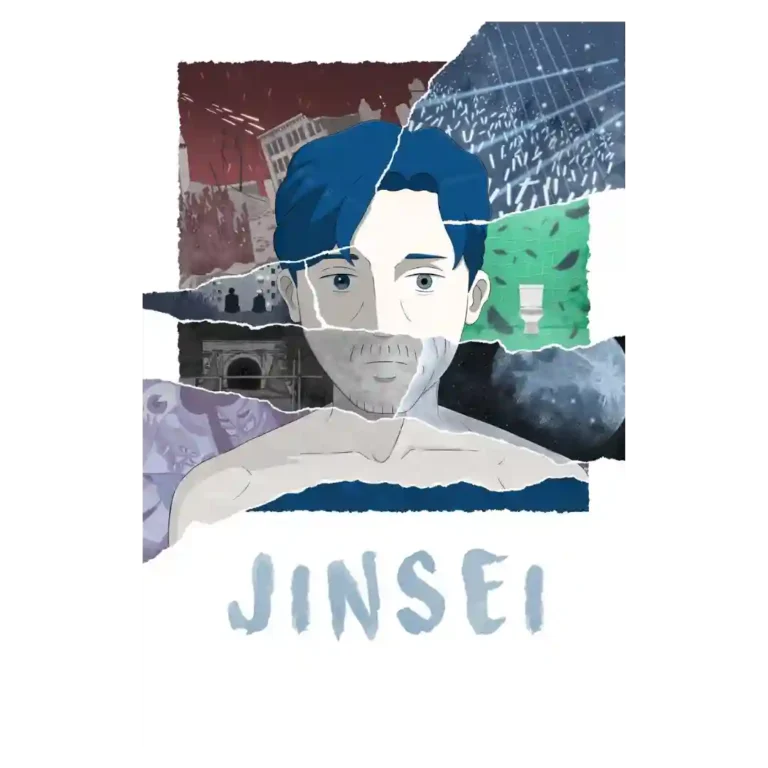
Jinsei

Jinsei Movie Review

Released: June 5, 2026
Updated: 2 hours ago
3.8
Overall review score
200
Review evidence points
34
Scored features
19
Expert reviews

Bottom Line

Choose it for singular hand-drawn imagery, a haunting score, and an audacious century-spanning meditation on identity. Skip it if fragmented plotting, uneven pacing, and an emotionally distant protagonist outweigh formal invention.

Best for

Best for adventurous animation fans who value singular visual authorship, philosophical themes, and unconventional structure more than straightforward plotting.

Not for

Not for viewers seeking a clear, emotionally accessible narrative, brisk pacing, conventional character development, or polished studio-style animation.

Verdict

Jinsei is one of the most visually distinctive independent anime features in recent memory, built from stark hand-drawn imagery, inventive composition, and a dreamlike score. Its century-spanning meditation on identity, trauma, fame, and mortality can feel profound, especially in the opening and cosmic finale. The tradeoff is a deliberately fragmented narrative whose middle chapters often drag, skip key connections, and keep the protagonist at an emotional distance. Some critics see those gaps as rewarding ambiguity; others find them incoherent or hollow. The result is a daring, deeply personal debut whose formal imagination is more consistently successful than its screenplay.

Feature Scorecards

Summary

34 reviewed features
  • Very positive 4.5-5.0 26% 9 features
  • Positive 3.5-4.4 38% 13 features
  • Neutral 2.5-3.4 26% 9 features
  • Negative 1.5-2.4 9% 3 features
  • Very negative below 1.5 0% 0 features

Pros

  • 5.0
    based on 1 review
    sound design: 5.0, based on 1 review
    The sound presentation is a major strength, reinforcing the eerie atmosphere and the film’s sudden tonal shifts. It works closely with the music to make the sparse imagery feel more immersive.
  • 5.0
    based on 1 review
    soundtrack quality: 5.0, based on 1 review
    The music is central to the film’s mood and momentum, with a drifting, dreamlike quality that elevates the experience. For some viewers, it is the element that holds the movie together.
  • 4.8
    based on 12 reviews
    originality: 4.8, based on 12 reviews
    The film feels genuinely singular, from its one-person production to its century-spanning structure and evolving visual language. Even its harshest critics acknowledge how unusual and personal it is.
  • 4.8
    based on 4 reviews
    score quality: 4.8, based on 4 reviews
    The score is a standout, shifting between dreamlike, minimalist, hysterical, and subdued moods with ease. It provides emotional continuity when the story itself becomes fragmented.
  • 4.8
    based on 2 reviews
    cultural representation: 4.8, based on 2 reviews
    The film draws meaningfully on Japanese idol culture, social pressures, pop imagery, and traditional visual influences. Its critique of celebrity machinery and modern society is direct without becoming simplistic.
  • 4.7
    based on 10 reviews
    theme depth: 4.7, based on 10 reviews
    Identity, trauma, fame, paternity, chance, loneliness, and mortality give the film substantial philosophical depth. The ideas are powerful even when the narrative cannot fully organize them.
  • 4.7
    based on 3 reviews
    plot originality: 4.7, based on 3 reviews
    A traumatized boy’s century-long journey through pop stardom, crime, godhood, war, and a cosmic finale is unlike conventional anime storytelling. The audacity of the premise is a major attraction.
  • 4.6
    based on 4 reviews
    cinematography: 4.6, based on 4 reviews
    Careful framing, symmetry, negative space, and inventive camera movement give the film a striking visual grammar. Its strongest compositions can land with remarkable force.
  • 4.5
    based on 15 reviews
    visual style: 4.5, based on 15 reviews
    Clean lines, muted blues and grays, shifting aspect ratios, negative space, and sudden color accents give the film a distinctive look. The imagery is widely considered more successful than the storytelling.
  • 4.4
    based on 17 reviews
    animation quality: 4.4, based on 17 reviews
    The handmade animation is the film’s defining strength, using sparse motion, sharp composition, and carefully controlled color to create memorable images. Some viewers may still find the limited movement stiff or inert.
  • 4.4
    based on 7 reviews
    tonal consistency: 4.4, based on 7 reviews
    The restrained visual palette and melancholy atmosphere provide a steady foundation across radical genre shifts. Still, the film’s deadpan humor, violence, and abstraction can feel intentionally jarring.
  • 4.3
    based on 5 reviews
    message quality: 4.3, based on 5 reviews
    The critique of fame, exploitation, social roles, wealth, and fractured identity is often sharp and resonant. The film’s reach for profundity can feel overextended when the narrative threads do not fully connect.
  • 4.2
    based on 7 reviews
    emotional impact: 4.2, based on 7 reviews
    The film can be deeply moving in its images of trauma, loneliness, chance, and identity. Its cool tone and opaque lead create powerful distance for some viewers and frustrating detachment for others.
  • 4.2
    based on 3 reviews
    humor: 4.2, based on 3 reviews
    Dry, jarring humor adds momentum and keeps the bleak material from becoming monotonous. Its odd comic flashes generally complement the horror and melancholy rather than undercut them.
  • 4.1
    based on 7 reviews
    editing quality: 4.1, based on 7 reviews
    The rapid montages and precise visual transitions are among the film’s strongest achievements. Elsewhere, abrupt jump cuts can feel heavy-handed and contribute to the fragmented structure.
  • 4.0
    based on 4 reviews
    directing quality: 4.0, based on 4 reviews
    Ryuya Suzuki’s direction is bold, personal, and visually assured, especially in montages and composition. The main weakness is his difficulty integrating every chapter and idea into a fully coherent whole.
  • 4.0
    based on 2 reviews
    rewatch value: 4.0, based on 2 reviews
    A second viewing may reveal implied connections, recurring motifs, and visual clues that are easy to miss at first. Repeat viewing is more likely to reward patient viewers than resolve every ambiguity.
  • 4.0
    based on 1 review
    production design: 4.0, based on 1 review
    Muted environments, geometric spaces, and dense background details create a coherent world despite the limited production. The settings gain impact through composition rather than lavish detail.
  • 3.8
    based on 3 reviews
    chemistry between characters: 3.8, based on 3 reviews
    The friendship with Kin supplies the story’s warmest and most accessible human connection. Several accounts wanted more time with that bond, while the later romance feels far less convincing.
  • 3.8
    based on 2 reviews
    world-building: 3.8, based on 2 reviews
    The move from idol culture into bunkers, robots, war, and transhumanist society creates an imaginative future. The world is visually compelling, though some transitions into it feel abrupt.
  • 3.7
    based on 12 reviews
    ending satisfaction: 3.7, based on 12 reviews
    The cosmic, largely wordless finale is visually audacious and memorable. Some see it as a graceful culmination of the identity theme, while others find its transcendence forced, hollow, or unresolved.
  • 3.5
    based on 3 reviews
    entertainment value: 3.5, based on 3 reviews
    Patient viewers may find the film strange, absorbing, and never boring, especially once its visual imagination expands. Others may struggle with the slow, fragmented experience.

Cons

  • 3.4
    based on 17 reviews
    story quality: 3.4, based on 17 reviews
    The century-spanning story is ambitious, strange, and often rewarding, but its chapter-to-chapter consistency varies widely. Its best moments feel visionary; its weakest feel incomplete or incoherent.
  • 3.3
    based on 9 reviews
    character development: 3.3, based on 9 reviews
    The protagonist’s changing names and identities create a compelling study of trauma, fame, and detachment. Reactions split sharply over whether his blankness feels profound or simply prevents emotional connection.
  • 3.3
    based on 2 reviews
    runtime: 3.3, based on 2 reviews
    Compressing a century into roughly 90 minutes is an impressive feat, but the short runtime also forces too many ideas and life stages into limited space. Narrative bloat and missing connective tissue are recurring drawbacks.
  • 3.2
    based on 11 reviews
    audience appeal: 3.2, based on 11 reviews
    This is best suited to adventurous animation fans who enjoy cryptic, formally daring work. Its fragmented storytelling and emotionally distant lead make it a difficult recommendation for mainstream audiences.
  • 3.0
    based on 2 reviews
    drama quality: 3.0, based on 2 reviews
    The film remains intriguing and emotionally charged, but its later episodes do not always build toward satisfying dramatic payoffs. Its ambition often exceeds its narrative control.
  • 3.0
    based on 1 review
    acting performance: 3.0, based on 1 review
    The voice performances are deliberately restrained, with occasional bursts of energy. That subdued approach suits the film’s alienation but can also make the characters feel emotionally remote.
  • 3.0
    based on 1 review
    genre satisfaction: 3.0, based on 1 review
    The shift from grounded family drama to celebrity satire and psychedelic science fiction is daring and unpredictable. That genre-bending energy impresses even when the transitions feel abrupt.
  • 2.6
    based on 9 reviews
    pacing: 2.6, based on 9 reviews
    The opening and closing montages condense time with impressive rhythm, but the middle idol chapters often drag or rush past key connections. The century-long scope makes the pacing intentionally disorienting.
  • 2.5
    based on 13 reviews
    plot clarity: 2.5, based on 13 reviews
    The basic life chronology remains traceable, yet causal links, character transitions, and thematic connections are frequently cryptic. Many viewers will need to accept ambiguity or revisit the film to piece it together.
  • 2.4
    based on 8 reviews
    screenplay quality: 2.4, based on 8 reviews
    The screenplay is overflowing with bold ideas, but its episodic structure, exposition, and missing transitions prevent all of them from cohering. Strong individual chapters sit beside rushed or underdeveloped sections.
  • 2.0
    based on 1 review
    dialogue quality: 2.0, based on 1 review
    Sparse dialogue suits the taciturn protagonist, but later stretches rely on heavy exposition that weakens the film’s mystery. The writing is most effective when images carry the meaning.
  • 1.5
    based on 1 review
    romance quality: 1.5, based on 1 review
    The later relationship with Sakura is underdeveloped and difficult to understand. It lacks the emotional clarity and warmth found in the friendship with Kin.

Cast & Creators

  • Director
    4.2
    based on 18 reviews
    Ryuya Suzuki: 4.2, based on 18 reviews
    Suzuki’s all-encompassing authorship is the film’s greatest source of admiration, producing a bold and unmistakably personal debut. His visual instincts are exceptional, while the screenplay and overall cohesion remain divisive.

Compared With Category Average

Compared with other Movies, this product is above average in originality, plot originality, theme depth, below average in romance quality, dialogue quality.

Summary

8 compared features
  • Above average 0.4+ pts higher 75% 6 features
  • Same as average within 0.3 pts 0% 0 features
  • Below average 0.4+ pts lower 25% 2 features
Attribute This product Category average Difference
romance quality 1.5 3.6 -2.1
originality 4.8 3.4 +1.4
plot originality 4.7 3.3 +1.4
theme depth 4.7 3.7 +1.0
dialogue quality 2.0 3.1 -1.1
animation quality 4.4 3.7 +0.7
editing quality 4.1 3.3 +0.8
tonal consistency 4.4 3.5 +0.8

FAQ

Is the animation in Jinsei good?

The hand-drawn animation is the clearest consensus strength. Its minimalist motion may look stiff to some viewers, but the composition, color design, and striking imagery receive widespread praise.

Is Jinsei easy to follow?

Not consistently. The basic chronology moves forward, but abrupt chapter changes, implied connections, and a cryptic final act make the story challenging and occasionally confusing.

What are Jinsei’s main themes?

The film explores identity, trauma, fame, exploitation, paternity, chance, loneliness, and mortality through the protagonist’s many names and roles across a century.

How is the music?

The score is a major highlight, described as dreamlike, flexible, and emotionally unifying. It often provides continuity when the episodic story feels scattered.

Who is Jinsei best suited for?

It is best suited to adventurous animation fans who enjoy experimental structure, philosophical ambiguity, and strong visual authorship. Viewers wanting conventional plotting may find it frustrating.

Does the ending work?

The cosmic finale is visually memorable and highly divisive. Some see it as a graceful culmination of the identity theme, while others find it forced, hollow, or unresolved.

Sample Expert Reviews We Analyzed

These are a few of the reviews included in our analysis.

film-forward.com

Jinsei (Greenwich Entertainment) One beauty of telling a story through animation is the inherent lack of limitations. Animation can be...

Review score
2.6
moviegique.com

If I told you that a movie made just over $30K at the box office, you'd think that was pretty bad, right?What if I mentioned that the budget...

Review score
3.9

Compared in Reviews

Products reviewers directly compared with this model, grouped into quick takeaways.

100 Meters

  • Similar: friendship across hardship The central bond is compared favorably with the friendship in 100 Meters.

A.I.: Artificial Intelligence

  • Similar: apocalyptic finale and visual mood The quiet apocalyptic finale is compared to the melancholy futuristic ending of A.I.: Artificial Intelligence.

Away

  • Similar: singular one-person animation authorship Suzuki’s hands-on authorship is compared with Gints Zilbalodis’s work on Away.

Consider This Instead

If you want better romance quality

Choose Camp. It scores 4.5 vs 1.5 for romance quality, with a 3.8 overall score.
Compare

If you want better dialogue quality

Choose Rose of Nevada. It scores 4.2 vs 2.0 for dialogue quality, with a 4.4 overall score.

Compare

If you want better screenplay quality

Choose Voicemails for Isabelle. It scores 4.4 vs 2.4 for screenplay quality, with a 4.0 overall score.

Compare

If you want better pacing

Choose Honeyjoon. It scores 4.3 vs 2.6 for pacing, with a 4.2 overall score.

Compare

Top Movies to Consider

#1 Remake
4.8

Best for a profound, formally inventive meditation on grief, memory, and the ethics of filming family. Skip it if intensely personal addiction material, a 114-minute runtime, or occasional repetition will...

Pros: plot originality, ending satisfaction

Cons: runtime, pacing
#2 Mary Oliver: Saved by the Beauty of the World
4.7

Best for a tender, accessible portrait that lets Oliver’s poetry, friends, and archival voice carry the experience. Skip it if you want a brisk, deeply investigative biography; the calm rhythm...

Pros: romance quality, faithfulness to source material

Cons: none
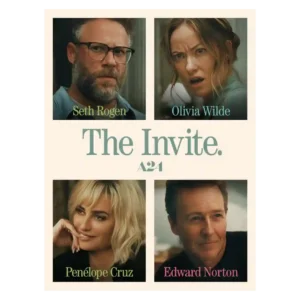
#4 The Invite
4.5

Best for razor-sharp adult comedy, exceptional ensemble work, and a surprisingly moving marriage story. Skip it if talk-heavy chamber pieces, explicit relationship discussions, or an occasionally intrusive string score wear...

Pros: plot originality, lead performance

Cons: runtime, score quality