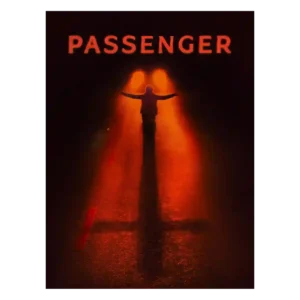
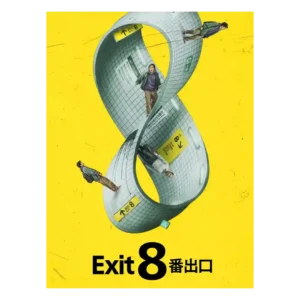
Passenger
Where It Has the Edge
- makeup quality is rated 4.0 while the other product has no score yet. The Passenger’s hollowed, decayed look can be creepy and physically threatening, especially at a distance. The design loses...
Quick verdict
Choose Passenger for makeup quality.
Choose Exit 8 for value for money and drama quality.
The most negative reviewers advise waiting for streaming or skipping it entirely, describing a theatrical ticket as poor value for such familiar material.
Reviewers who connected with the film considered it worth a theatrical ticket, often emphasizing the large screen and sound system as part of the experience.
The relationship drama does not blend smoothly with the horror and rarely becomes emotionally involving. It often interrupts tension instead of deepening it.
The fatherhood story adds an emotionally charged human drama beneath the puzzle mechanics.
The screenplay is the central weakness: generic structure, thin characters, exposition dumps, inconsistent rules, and a weak finale repeatedly undercut the direction.
The screenplay earns strong praise for building character, theme, and structure around a nearly plotless game. Its more literal or moralizing choices are the main source of criticism.
The dialogue is frequently criticized as clunky, unnatural, or overloaded with lore. Relationship conversations and explanations often sound more functional than human.
The sparse dialogue is treated as a strength, allowing the film to stay clear and engaging through movement, sound, and visual storytelling.
Character reactions, decisions, and relationship conversations often feel manufactured for the plot. Several critics found the couple difficult to believe as real people.
Even within a supernatural loop, the characters’ emotions and everyday anxieties remain grounded and relatable.
The relationship and religious themes remain muddled, and the implied endorsement of settling down and conforming drew strong criticism. The movie never lands a persuasive larger point.
The film’s ideas about empathy, responsibility, parenthood, and breaking passive routines connected strongly with many viewers. Others considered the lesson heavy-handed, moralistic, or restrictive.
Relationship drama, rock songs, jokes, gore, and supernatural horror often pull in different directions. Several reviewers describe the movie’s identity and rhythm as muddled.
The film often balances calm repetition, dark comedy, dread, and emotion with impressive control. Some viewers felt the later tonal shifts interrupted the horror or became disorienting.
The movie creates immediate fear more successfully than lasting emotion. Thin characterization and undeveloped relationship themes keep the ordeal from carrying much weight.
Many reviewers were surprised by the pathos beneath the horror, especially the father-and-child material. Others felt the third act did not fully earn the emotional payoff.
The score and some needle drops are praised, but several song choices feel random or tonally disruptive. The music works best when it stays restrained.
The classical selections and recurring motifs fit the looping transit setting, with the Boléro use and other needle drops receiving particularly enthusiastic praise.
Individual scare timing can be sharp, but the overall rhythm is uneven. Repetitive set pieces, abrupt cuts, and stop-start transitions prevent the film from building sustained momentum.
Seamless loops, hidden cuts, brisk transitions, and perspective changes make the corridor feel physically continuous while preventing the structure from becoming completely static.
Tyler and Maddie are widely seen as thinly written, with backstory and relationship conflict arriving too late or too mechanically. Several critics struggled to care about their survival.
The added fatherhood arc and shifting viewpoints give the game’s anonymous figures more humanity, especially the Lost Man and the boy. Some critics still found the protagonist thin or the growth overly obvious.
The road setting offers a modest twist, yet the plot follows a familiar curse-and-exposition formula almost beat for beat. Predictability is one of the most repeated complaints.
The spot-the-difference premise feels fresh on film, and several critics admired how it becomes a narrative engine. More negative reactions found the added fatherhood plot predictable or limiting.
The road-haunting premise has a strong foundation, but most reviewers find the finished narrative generic, underdeveloped, or poorly conceived. Standout scenes rarely combine into a satisfying whole.
Most reviewers think the film finds a surprisingly effective human story inside a nearly storyless game. The central disagreement is whether that added narrative is resonant and focused or thin, forced, and overextended.
Ideas about home, commitment, faith, rootlessness, and relationship incompatibility are present but lightly developed. The film gestures toward meaning without building an emotional or thematic engine.
Fatherhood, responsibility, passivity, empathy, routine, and modern isolation give the loop more meaning than the game provides. Reactions split over whether those themes feel profound, elegantly integrated, or too literal.
Silence, road noise, horns, and carefully timed impacts make the opening and several set pieces unnerving. Abrupt audio cuts and excessive loud stingers become distracting elsewhere.
Footsteps, fluorescent hum, silence, cries, and recurring audio cues are treated as major weapons of suspense. The sound work is among the most consistently praised elements.
Melissa Leo brings authority and presence, but her exposition-heavy role is repeatedly described as wasted or underused. Other supporting performances are generally serviceable.
Yamato Kochi’s Walking Man is the standout, repeatedly described as unnerving and memorable. The boy and other figures add useful perspective, though some critics found the secondary roles underdeveloped.
Most negative reviewers have little interest in returning to the full film, though a few expect its visual set pieces may gain cult appreciation on streaming.
Some reviewers want to revisit the film with friends to search for details, while others see the solved puzzle as a one-time experience and have no desire to endure the repetition again.
Small jokes, campy lines, and accidental silliness provide occasional amusement. For some viewers, its strongest comic value is as a knowingly bad group watch.
Dark humor and precise comic timing provide welcome release without undercutting the horror, and several viewers were surprised by how funny the film could be.
The desert-church climax is the most consistent disappointment. Reviewers call it generic, silly, rushed, or inconsistent with the threat established earlier.
The ending is one of the most divisive elements: some found it resonant, satisfying, or beautifully thematic, while others called it didactic, underpowered, or overly obvious.
The customized van and nighttime road environments can feel convincingly lived-in and claustrophobic. Other stops and locations are criticized as drab or underused.
The immaculate white-tiled corridor is one of the film’s clearest triumphs. Its exact details, changing anomalies, harsh lighting, and game-accurate layout make the limited setting immersive and oppressive.
At roughly 94 minutes, the film is compact on paper but often feels padded. Multiple reviewers argue the premise would have worked better as a short.
At roughly feature length, the premise feels perfectly sustained to some viewers and noticeably stretched to others. Several critics specifically argued that a shorter version could have been stronger.
The van-life setting, projector sequence, rotating parking-lot shot, and vehicle technology provide fresh touches. The larger cursed-entity structure remains highly familiar.
Reviewers repeatedly call the film fresh, singular, and unusually inventive, especially in how it turns a tiny game premise into a theatrical experience. A few familiar homages and generic thematic choices temper that praise.
The basic pursuit is easy to follow, but the Passenger’s motives, rules, religious weaknesses, and hobo-code mythology remain inconsistent or overexplained in awkward bursts.
The rules of the corridor are generally easy to learn, but the origin and logic of the loop remain unexplained. That ambiguity enriches the mystery for some viewers and breaks immersion for others.
A few striking scares and likable moments make the ride enjoyable for some viewers, but many find the surrounding story forgettable or dull. Enjoyment depends heavily on tolerance for familiar jump-scare horror.
For viewers who enjoy contained puzzle films, the anomaly hunt is absorbing and often fun. The same repetition can turn the experience into a chore for less receptive audiences.
The opening, projector scene, and rotating parking-lot sequence earn substantial praise, and several viewers found the film gripping. The heavy reliance on predictable, loud jump scares sharply divides opinion.
The film relies more on claustrophobia, uncertainty, and accumulating dread than constant jump scares. Most found it effectively creepy, though a few said it was barely scary at all.
The film includes some effective makeup, gore, and surveillance-image tricks, but the demon’s digital presentation often looks ordinary, derivative, or unconvincing.
Set transformations, blood, water, lighting, and restrained effects usually support the anomalies well. The more overt creature imagery drew a more mixed response.
The film works best as uncomplicated B-horror with polished craft. Viewers expecting fresh mythology or a major new horror landmark are likely to be disappointed.
The film is widely seen as a strong piece of liminal and psychological horror, favoring dread, uncertainty, and participation over conventional shocks. Its deliberately repetitive style remains an acquired taste.
Casual viewers seeking a straightforward jump-scare movie may have fun, while seasoned horror fans are much more likely to find it safe, repetitive, and disposable.
Puzzle-horror fans and players of the game are the clearest match, though several reviewers say newcomers can enjoy it too. Viewers with little patience for repetition or ambiguity may find it frustrating.
The hobo code, Saint Christopher imagery, van-life folklore, and demon rules never fully cohere. The antagonist becomes less frightening as the movie explains more while contradicting itself.
The corridor’s rules are understandable, but the larger reality behind the loop remains deliberately vague. That restraint supports the metaphor while leaving some viewers wanting firmer answers.
Many reviewers find Scipio and Llobell likable, supportive, and believable together, which helps carry the movie. Others see the pairing as bland or unconvincing.
The strangers gradually develop believable camaraderie and concern for one another, helping the contained story feel warmer and more layered.
The film generated early breakout expectations, but the completed movie drew sharply divided reactions, with visual craft praised more often than the story.
Most critics and video reviewers strongly recommend the film, often calling it one of the better game adaptations or horror releases of the year. A smaller group found it disappointing or easier to admire than enjoy.
Night roads, parking lots, headlights, shadows, and cramped van interiors are photographed with unusual clarity and atmosphere. The visual craft is one of the film’s most consistent strengths.
Long takes, first-person framing, precise camera moves, and bright corridor compositions repeatedly earn standout praise. The photography turns a single hallway into an interactive, claustrophobic visual puzzle.
The lead performances divide opinion, but the stronger notices praise their grounded reactions, natural charm, and ability to keep a thin story watchable. Harsher takes call the acting flat or unconvincing.
The ensemble is widely praised for making a sparse, repetitive concept feel human and immediate. Even more critical takes generally found the performances solid.
Patient camera movement, negative space, darkness, and long takes generate real tension in the strongest scenes. Confusing rules and repetitive payoffs frequently break that momentum.
The film builds tension by making viewers inspect every corner and fear a missed detail. That slow-burn uncertainty works strongly for most, but a few viewers never felt the intended unease.
André Øvredal’s command of light, timing, camera movement, and spatial tension repeatedly elevates the material. Even negative reviews tend to find his set-piece direction more accomplished than the script.
Genki Kawamura is repeatedly praised for controlling tension, perspective, and repetition with unusual precision. The direction makes a minimal premise feel cinematic rather than merely copied from a game.
The opening moves with precision, but the middle repeatedly loses steam and the climax arrives without enough buildup. Several reviewers felt the short runtime dragged.
Repetition is the central tradeoff. Some found the loops hypnotic, brisk, or carefully varied, while many others felt the movie dragged, lost steam, or would have worked better at a shorter length.
The movie’s strongest identity comes from red lights, deep shadows, projector images, rotating camera moves, and readable nighttime compositions. Even harsh reviews acknowledge striking visual ideas.
The overlit, sterile, game-like imagery is widely admired as elegant, hypnotic, and claustrophobic. A few critics felt the sterility eventually became limiting or some homages too obvious.
Christopher Young’s score is repeatedly praised as restrained, fearsome, and effective. It supports the road-at-night atmosphere without overwhelming the strongest scenes.
The restrained score and recurring motifs are praised for supporting the atmosphere, with several reviewers highlighting forceful musical cues. One review found the score less memorable than the sound design.
The leads are often praised for naturalism, charm, and grounded fear responses. Lou Llobell receives particular credit for doing strong work with underwritten material.
Kazunari Ninomiya’s physical, anxious everyman performance is frequently credited with holding the film together. A few critics blamed the thin writing or slow decisions rather than the acting itself.
The creature is more effective in shadow than in full view. Its sleek digital rendering is repeatedly described as unconvincing and less frightening up close.
The practical corridor work is far stronger than the digital imagery; one critic singled out the human-featured rats as poorly rendered.
The limited bursts of gore are vivid, surprising, and generally well received. Some reviewers wished the movie had committed more consistently to that harsher edge.
The film is not especially gory, and one reviewer viewed that restraint as fitting its atmospheric approach.
The best action-oriented set pieces use the van, projector, parking lots, and road hazards inventively. The climax and limited number of kills provide much less excitement.
One review strongly objects to the film’s traditional framing of masculinity and underwritten women, arguing that its message narrows the roles available to its characters.
The corridor, rules, game rhythm, and interactive feeling are recreated with exceptional fidelity. Reviewers repeatedly praise the film for expanding the game without losing its identity.
Because the film uses little dialogue and communicates heavily through action and framing, reviewers found the subtitles unusually easy to follow.
The Passenger’s hollowed, decayed look can be creepy and physically threatening, especially at a distance. The design loses impact when overexposed or paired with weak digital work.
The long corridor takes and repeating Walking Man movements are praised for being achieved practically, with hidden cuts and in-camera work that feel seamless.
The engaged couple has flashes of warmth and support, but the relationship conflict is thin and unevenly integrated. Some viewers buy their chemistry; others never believe the romance.