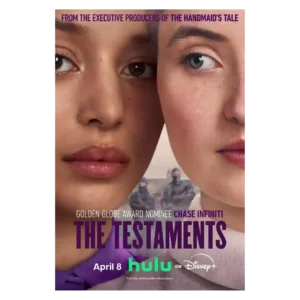
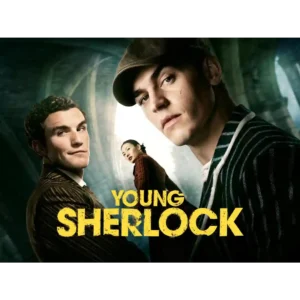
Average score
The Testaments, Season 1
3.8
Young Sherlock, Season 1
4.0
modern political framing
The Testaments, Season 1
4.8
The contemporary parallels are among the strongest points of agreement, especially around reproductive control, authoritarianism, grooming, and complacency. For some viewers, that relevance is so close and repetitive that it becomes exhausting.
Young Sherlock, Season 1
1.0
One critic objects that the series recreates imperial-era Oxford without offering enough perspective on its colonial context.
family friendliness
The Testaments, Season 1
1.0
The series is not family-friendly, with sexual abuse, coercion, executions, mutilation, grooming, and sustained political oppression driving the story.
Young Sherlock, Season 1
4.5
Reviewers describe the series as comparatively clean and suitable for a broad family audience, with restrained violence and mild suggestive material.
sexual content level
The Testaments, Season 1
1.3
The marriage market, predatory older men, grooming, and molestation make the sexual material deeply unsettling rather than titillating.
Young Sherlock, Season 1
4.0
The suggestive material is described as mild, contributing to the show’s relatively restrained TV-14 profile.
age appropriateness
The Testaments, Season 1
1.7
Despite the YA framing and teenage leads, the material is intensely adult and often harder to watch because the victims are young. One critic also found the actors’ ages distracting for the roles.
Young Sherlock, Season 1
4.3
The series is generally viewed as accessible to teens and adults, with a comparatively clean TV-14 level and broad family appeal.
audience appeal
The Testaments, Season 1
2.0
One critic felt the series depends too heavily on prior Handmaid’s Tale knowledge to work as a truly standalone experience.
Young Sherlock, Season 1
4.3
Most reviewers see an easy-to-recommend adventure with wide appeal, though a few question whether its youthful remix will satisfy either traditional Holmes fans or Gen Z viewers.
realism
The Testaments, Season 1
5.0
Reviewers value how ordinary teenage behavior sits beside normalized authoritarian cruelty. That contrast makes indoctrination, privilege, and the mundanity of fascism feel disturbingly plausible.
Young Sherlock, Season 1
3.0
The deliberately heightened adventure asks viewers to suspend disbelief; some enjoy the scrappy fight authenticity, while others find deductions and conspiracy turns implausible.
directing quality
The Testaments, Season 1
3.0
The more intimate middle episodes allow characters to lead the story and draw praise. Elsewhere, emotional scenes and voiceover-heavy material are judged less effectively directed.
Young Sherlock, Season 1
4.7
Guy Ritchie’s kinetic approach is widely praised for giving the show energy and visual identity, even as a minority finds the imitation of his style overbearing or stale.
bingeability
The Testaments, Season 1
5.0
Positive reviewers describe the season as moreish, addictive, and difficult to stop watching despite its bleak subject matter.
Young Sherlock, Season 1
3.4
The propulsive mystery makes the season easy to binge for some viewers, while others found the all-at-once experience exhausting or padded enough to benefit from breaks.
world-building
The Testaments, Season 1
3.5
The school, marriage market, and privileged girls make familiar Gilead feel fresh to many reviewers. Detractors think the show overexplains a world audiences already know and treats old information like revelation.
Young Sherlock, Season 1
5.0
Oxford, the Holmes family estate, Paris, Constantinople, and the wider Victorian setting create a rich, expansive adventure world that reviewers find immersive.
pilot episode quality
The Testaments, Season 1
3.5
The opening episodes impressed some viewers with their atmosphere, performances, and promise. Others found the pilot overloaded with exposition and too trapped in Gilead’s familiar formalities.
Young Sherlock, Season 1
5.0
The opening episode is repeatedly praised as a strong, stylish, fast-moving introduction that balances character setup with an engaging case.
dialogue quality
The Testaments, Season 1
2.4
Reactions to the dialogue are sharply divided. One reviewer found the teenage speech authentic, while many others called it trite, clunky, overly explanatory, or painfully on the nose.
Young Sherlock, Season 1
3.7
The rapid banter and one-liners are often called sharp, witty, and fun, though detractors find the quipping forced, anachronistic, or exhausting.
entertainment value
The Testaments, Season 1
3.1
Enjoyment depends heavily on tolerance for Gilead’s cruelty and political parallels. Some had a great time and rated it highly; others found it tiring, exploitative, or impossible to recommend right now.
Young Sherlock, Season 1
4.4
The dominant verdict is that the series is lively, fun, and highly watchable even when its logic, fidelity, or depth falls short.
violence level
The Testaments, Season 1
2.8
The sequel is generally less graphically violent than The Handmaid’s Tale, but it still includes mutilation, executions, abuse, and deeply disturbing violence against women. Reviewers often found the level emotionally difficult.
Young Sherlock, Season 1
4.0
Violence is frequent but generally restrained rather than graphic, which one family-focused critic considers appropriate for the TV-14 range.
writing quality
The Testaments, Season 1
2.8
The writing earns praise for its themes and some strong character work, but criticism is frequent. Reviewers repeatedly mention didactic voiceovers, blunt messaging, cringe-inducing lines, and missed dramatic potential.
Young Sherlock, Season 1
1.7
The harshest critics see weak subplots, fuzzy characterization, and poor writing as core problems, even though other aspects of the production remain entertaining.
plot twists
The Testaments, Season 1
3.7
The season delivers several effective surprises and a late shock for some reviewers. Others saw major developments coming well in advance or felt the twists were insufficiently earned.
Young Sherlock, Season 1
4.8
Twists are a major attraction, frequently described as bold, surprising, riveting, and effective enough to propel the binge.
theme depth
The Testaments, Season 1
5.0
Girlhood, indoctrination, complicity, friendship, resistance, and patriarchal power give the season substantial thematic weight. This is one of the show’s most consistently praised qualities.
Young Sherlock, Season 1
4.0
The best thematic material comes from grief, family, loyalty, class differences, morality, and the diverging values that will eventually separate Holmes and Moriarty.
drama quality
The Testaments, Season 1
3.8
The coming-of-age drama can be absorbing and emotionally forceful. Some stylistic choices, especially conspicuous music and YA flourishes, make the darkest material feel less serious than intended.
Young Sherlock, Season 1
4.7
Family revelations, rivalry, and intrigue give the adventure real dramatic pull, especially as the season moves into its more personal material.
plot clarity
The Testaments, Season 1
3.2
Some reviewers found the story easy to follow without a rewatch. Others were distracted by plot holes, implausibly careless Mayday operations, and character decisions that weaken the internal logic.
Young Sherlock, Season 1
2.3
The widening conspiracy often becomes difficult to follow, with critics citing logical leaps, too many subplots, and revelations that can overwhelm rather than clarify.
emotional impact
The Testaments, Season 1
4.2
The series is frequently described as gut-wrenching, disturbing, and deeply moving. For some viewers, its closeness to current politics makes it too exhausting or painful to enjoy.
Young Sherlock, Season 1
5.0
The Holmes family tragedy and the doomed Sherlock-Moriarty friendship provide unusually strong emotional stakes for such a pulpy adventure.
continuity
The Testaments, Season 1
1.8
Differences among the novel, The Handmaid’s Tale, and this sequel create noticeable strain. Aunt Lydia’s history and the shortened timeline are the most frequently questioned points.
Young Sherlock, Season 1
1.0
One critic flags information gaps where characters appear to know things the established continuity has not shown them learning.
faithfulness to source material
The Testaments, Season 1
3.7
The adaptation takes substantial liberties with character ages, relationships, timelines, and plot order. Many reviewers accept those changes because the novel’s spirit remains intact, while others are less convinced.
Young Sherlock, Season 1
2.9
The show takes major liberties with Conan Doyle and Andrew Lane, which some viewers embrace as a fresh remix and purists or critics see as barely recognizable Holmes.
cultural representation
The Testaments, Season 1
2.0
Diverse casting is visible, but critics repeatedly say the series avoids meaningful engagement with race and leaves its queer-coded elements underdeveloped.
Young Sherlock, Season 1
2.7
Princess Shou’an’s wardrobe is praised for avoiding lazy Orientalism, but other reviews criticize the series for thin cultural context and broad stereotypes.
season pacing
The Testaments, Season 1
3.3
Slow-burn setup is the season’s most repeated drawback, with several reviewers calling it a prologue stretched across ten episodes. A smaller group appreciates the measured buildup or finds it faster than The Handmaid’s Tale.
Young Sherlock, Season 1
2.7
The season’s overall rhythm is its biggest structural weakness: a fast opening and ending can surround a dull middle, while nonstop revelations leave little breathing room.
supporting cast performance
The Testaments, Season 1
5.0
The supporting ensemble is repeatedly singled out as a strength, with Becka, Shunammite, Hulda, the Aunts, and Gilead’s adults all receiving specific praise.
Young Sherlock, Season 1
4.4
The supporting ensemble is a major asset, with Dónal Finn, Colin Firth, Natascha McElhone, Zine Tseng, and Holly Cattle receiving repeated individual praise.
soundtrack quality
The Testaments, Season 1
3.2
The music is a major point of disagreement. Some call it unusual but effective and well suited to youthful daydreaming; others find the needle drops obvious, awkward, or damaging to the drama.
Young Sherlock, Season 1
3.8
The modern, high-energy soundtrack helps sell the youthful Ritchie style for many viewers, but others find the choices dated, anachronistic, or potentially quick to age.
genre satisfaction
The Testaments, Season 1
3.9
The YA dystopian approach is the season’s defining gamble. Many find the teen-drama blend fresh and effective, while others experience tonal whiplash or feel it trivializes the material.
Young Sherlock, Season 1
4.5
As a mystery-adventure caper, the show is widely enjoyed for its blend of crime, action, humor, suspense, and globe-trotting escapades.
humor
The Testaments, Season 1
3.8
Humor appears only in small doses, but the occasional jokes and Rowan Blanchard’s comic moments provide welcome relief from the oppressive setting.
Young Sherlock, Season 1
4.4
The banter, quips, campiness, and comic performances land very well for most reviewers, though a few find the jokes effortful or overly constant.
cliffhanger effectiveness
The Testaments, Season 1
4.5
The finale leaves several character and rebellion threads hanging in a way that strongly increases interest in Season 2. A smaller episode-ending cliffhanger also keeps immediate questions alive.
Young Sherlock, Season 1
5.0
The season’s cliffhangers land strongly, with reviewers describing them as effective hooks that immediately create appetite for another episode or season.
episode structure
The Testaments, Season 1
4.0
Rotating viewpoints and character-focused episodes give the season useful depth, with Aunt Lydia’s material producing both a major highlight and some of the sharpest criticism. Exposition-heavy stretches and an underdeveloped standalone episode keep the structure uneven.
Young Sherlock, Season 1
4.4
Several reviewers like how individual episodes build their own hooks while feeding the larger mystery, though others dislike the season-long case swallowing episodic detective storytelling.
main cast performance
The Testaments, Season 1
4.5
The central performances are a clear attraction, giving the younger perspective emotional credibility even for viewers unsure about the sequel itself.
Young Sherlock, Season 1
4.1
The core cast is generally strong, especially Dónal Finn, though Hero Fiennes Tiffin receives more divided reactions and Max Irons draws some notable criticism.
story quality
The Testaments, Season 1
3.5
The season’s coming-of-age story is often described as fresh, gripping, and politically urgent. Less enthusiastic critics find it emotionally hollow, repetitive, or too reliant on shock.
Young Sherlock, Season 1
3.9
The central mystery and family conspiracy are compelling enough to sustain the adventure, though some critics find the story overcomplicated, disjointed, or weaker than its presentation.
character development
The Testaments, Season 1
4.4
The girls’ gradual awakening, friendships, and small acts of rebellion are among the season’s strongest elements. Daisy’s depth and Aunt Lydia’s shifting motives are less consistently convincing.
Young Sherlock, Season 1
4.0
The family history and Moriarty friendship give several characters meaningful arcs, but some critics feel the breakneck conspiracy leaves too little room for reflection or earned growth.
cast chemistry
The Testaments, Season 1
4.9
The friendships feel lived-in, believable, and essential to the story. Reviewers especially respond to Agnes and Becka’s bond, Agnes and Daisy’s developing trust, and the wider sisterhood.
Young Sherlock, Season 1
4.5
Sherlock and Moriarty’s chemistry is one of the clearest strengths, with their banter, camaraderie, and doomed-friendship dynamic repeatedly singled out as the show’s best element.
plot originality
The Testaments, Season 1
3.6
The privileged teenage viewpoint gives Gilead a genuinely different angle, especially through its marriage-market setting. Several critics still feel the sequel repeats too many ideas and story beats from The Handmaid’s Tale.
Young Sherlock, Season 1
4.1
Turning Moriarty into Sherlock’s friend and reshaping his family history gives the familiar character a fresh angle, even if some reviewers see the broader prequel formula as derivative.
renewal interest
The Testaments, Season 1
4.7
Interest in another season is consistently high among favorable reviewers, who see abundant room for rebellion, character growth, and a larger payoff. Even several mixed reviews hope later seasons fix the pacing.
Young Sherlock, Season 1
5.0
Multiple reviewers explicitly want another season, citing the open ending, strong character dynamics, and curiosity about where Sherlock and Moriarty go next.
lore depth
The Testaments, Season 1
4.5
The sequel is considered understandable across different levels of Gilead familiarity, using recognizable lore without requiring every viewer to remember the full original series.
Young Sherlock, Season 1
4.8
Reviewers enjoy the family history, early mind palace, Moriarty friendship, and other origin-story additions that expand Holmes lore beyond familiar Baker Street territory.
suspense
The Testaments, Season 1
4.1
At its best, the season is an unnerving, slow-building thriller that keeps viewers alert. Its tension drops when the pacing stalls or Mayday’s easy movement through Gilead feels too convenient.
Young Sherlock, Season 1
4.3
The conspiracy, recurring mysteries, and steady curveballs keep tension high, although the lighter tone occasionally softens the urgency.
finale satisfaction
The Testaments, Season 1
3.3
The ending offers hope and a strong appetite for more, especially through its unresolved character threads. Critics who disliked it found the central reveal obvious, confusing, or too dependent on franchise knowledge.
Young Sherlock, Season 1
3.5
The finale delivers major payoffs, revelations, and appetite for more, but reactions are mixed because some twists feel rushed or overstuffed.
character consistency
The Testaments, Season 1
1.8
Aunt Lydia is the main point of friction: several reviewers feel her softening, redemption, and double-agent direction clash with the character established earlier.
Young Sherlock, Season 1
2.0
Sherlock’s characterization can wobble, and one review specifically found his behavior inconsistent across the season.
season length
The Testaments, Season 1
1.5
The ten-episode season is criticized as far longer than its amount of story can support, with one reviewer comparing it to a pilot’s worth of plot.
Young Sherlock, Season 1
1.7
Several critics think eight episodes overextend the material and argue a six-episode season or even a film could have preserved momentum better.
episode pacing
The Testaments, Season 1
4.0
The middle of the season gains momentum and becomes more character-focused after a mechanical opening. That improvement helps, but the early episodes still spend too long explaining familiar territory.
Young Sherlock, Season 1
4.2
Episodes usually move quickly and keep viewers engaged, but the middle stretch and finale draw complaints for either dragging or cramming too much into too little time.
costume design
The Testaments, Season 1
5.0
The expanded color-coded wardrobe gives the younger generation a vivid identity while preserving Gilead’s social hierarchy and visual symbolism.
Young Sherlock, Season 1
4.9
Costumes are a standout craft element, praised for rich detail, character storytelling, texture, and visual appeal even when historical accuracy is imperfect.
cinematography
The Testaments, Season 1
4.6
The cinematography is widely admired for smooth movement, painterly framing, and imagery that can feel exquisite and creepy at once.
Young Sherlock, Season 1
4.8
The visual photography is consistently praised as polished, immersive, carefully curated, and cinematic.
visual style
The Testaments, Season 1
4.6
Bright pastels, purple-and-white uniforms, and carefully composed iconography give the sequel a striking look. Even skeptical critics generally acknowledge the polish, though some find it too similar to its predecessor.
Young Sherlock, Season 1
4.4
The production is repeatedly described as stylish, polished, cinematic, and visually impressive, even by reviewers who dislike the story.
acting quality
The Testaments, Season 1
4.9
Acting is one of the strongest areas of agreement. Even negative reviews usually praise the young ensemble, with only a few reservations about Daisy’s performance.
Young Sherlock, Season 1
4.8
Performance quality is a major strength overall, with the ensemble repeatedly called superb, phenomenal, fantastic, or assured despite a few sharply negative takes on the leads.
franchise connection
The Testaments, Season 1
3.6
Callbacks and continuity with The Handmaid’s Tale can elevate the story and reward longtime fans. They can also make the sequel feel inaccessible to newcomers or trapped in the original’s shadow.
Young Sherlock, Season 1
3.5
The series borrows recognizable Holmes lore and Ritchie-style DNA without belonging to his Robert Downey Jr. film continuity, a separation reviewers view with both relief and disappointment.
production design
The Testaments, Season 1
5.0
The finishing school, opulent homes, ritual spaces, and culturally suggestive details create a beautiful but threatening environment. Reviewers repeatedly see the design as one of the production’s strongest assets.
Young Sherlock, Season 1
5.0
Period Oxford, elaborate sets, props, and international locations are consistently praised as detailed, high-budget, and immersive.
season finale quality
The Testaments, Season 1
3.0
One reviewer celebrated an explosive, unexpected finish, while others thought the finale reverted to predictable Handmaid’s Tale patterns or undercut its climax with weak writing.
Young Sherlock, Season 1
3.0
The last episode offers big revelations and spectacle but is polarizing because some reviewers find the payoff earned while others call it rushed and overloaded.
episode length
The Testaments, Season 1
2.0
One critic found the sub-45-minute episodes oddly truncated yet still underfilled, reinforcing the sense that too little plot is being stretched across the season.
Young Sherlock, Season 1
2.0
One critic argues the overall running time feels bloated, suggesting the story could have worked better in a much shorter format.
accent authenticity
The Testaments, Season 1No score yet
Young Sherlock, Season 1
2.0
One critic found the exaggerated Victorian accents part of the show’s broad, stereotyped period caricature rather than convincing texture.
action quality
The Testaments, Season 1No score yet
Young Sherlock, Season 1
3.9
The fights and chases are energetic and frequent, but reactions split: some call them inventive and top-notch, while others find them forgettable, overused, or unable to generate excitement.
character likability
The Testaments, Season 1No score yet
Young Sherlock, Season 1
4.2
This younger Sherlock is often described as boyish, accessible, and easy to like, while Moriarty’s charm also wins over many reviewers.
critic appeal
The Testaments, Season 1No score yet
Young Sherlock, Season 1
4.0
One reviewer thought the show’s Metacritic score understated its quality, placing it closer to a solidly positive reception.
editing quality
The Testaments, Season 1No score yet
Young Sherlock, Season 1
4.0
Fast, rhythmic editing gives the series momentum and style, but the same hyperactive cutting can make scenes feel trailer-like or rushed.
educational value
The Testaments, Season 1
5.0
The series can prompt reflection on how democracies normalize authoritarian ideas and how indoctrinated people gradually recognize their loss of freedom.
Young Sherlock, Season 1No score yet
fourth-wall narration
The Testaments, Season 1No score yet
Young Sherlock, Season 1
5.0
One reviewer especially enjoyed the playful mind-palace device, where remembered characters seem to interact with Sherlock inside his reconstruction.
language level
The Testaments, Season 1No score yet
Young Sherlock, Season 1
4.0
One family-focused review found only a modest amount of language, keeping the show comfortably within a TV-14 range.
makeup quality
The Testaments, Season 1No score yet
Young Sherlock, Season 1
5.0
Colin Firth’s transformation earns specific praise for its delightful makeup-and-hair disguise.
release schedule
The Testaments, Season 1No score yet
Young Sherlock, Season 1
1.5
The full-season drop is criticized by reviewers who think the dense plotting and constant reveals would have played better with a weekly release.
rewatch value
The Testaments, Season 1No score yet
Young Sherlock, Season 1
5.0
One devoted Holmes reviewer was already rewatching early episodes and expected to restart the season immediately after finishing.
score quality
The Testaments, Season 1No score yet
Young Sherlock, Season 1
5.0
The theme music receives unusually enthusiastic praise for amplifying the show’s energy.
screenplay quality
The Testaments, Season 1No score yet
Young Sherlock, Season 1
3.0
Writing reactions are divided: some praise the tightly threaded mystery and character work, while harsher critics call the subplots weak and the dialogue/material poorly written.
spin-off quality
The Testaments, Season 1
4.0
A large group calls the series a worthy, fresh, or exemplary follow-up. The opposing view sees franchise fatigue, creative dependence, and a story that should not have been extended.
Young Sherlock, Season 1No score yet
tone consistency
The Testaments, Season 1No score yet
Young Sherlock, Season 1
4.1
The show sustains a brash, playful adventure tone surprisingly well, though some reviewers think its lighter energy undercuts tension or its late escalation pushes too far.
villain quality
The Testaments, Season 1No score yet
Young Sherlock, Season 1
4.2
Moriarty’s reinvention is widely praised as fresh and compelling, but his late movement toward villainy can feel rushed and inconsistent to some reviewers.