If you want better character development
Choose Spider-Noir, Season 1. It scores 4.5 vs 4.0 for character development, with a 3.9 overall score.
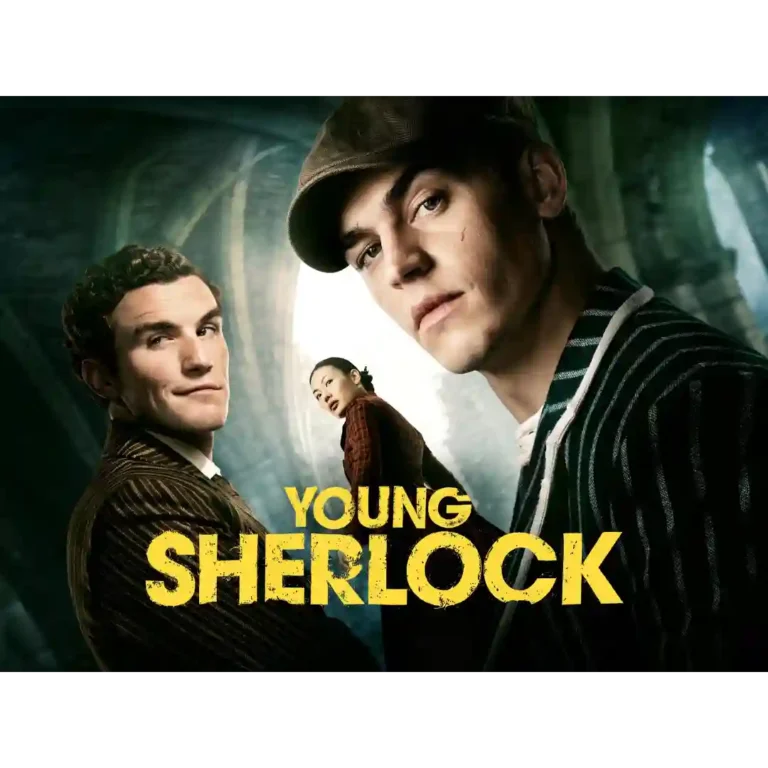
Choose it for energetic mystery-adventure, standout Sherlock–Moriarty chemistry, and polished period craft. Skip it if you want strict Conan Doyle fidelity, measured detective logic, or a season that slows down for character reflection.
Viewers who want a fast, funny, visually polished mystery-adventure with a younger Sherlock, strong ensemble chemistry, and a bold Moriarty friendship.
Holmes purists or viewers who prioritize intricate deduction, strict canon fidelity, restrained pacing, and slow-burn character development may find the season too loose and hyperactive.
Young Sherlock succeeds most clearly as a brisk, stylish adventure rather than a precision-first detective drama. Reviewers repeatedly praise the Sherlock–Moriarty chemistry, lively ensemble, costumes, production design, visual flair, humor, and twists, with Dónal Finn emerging as a particular standout. The same high-speed approach creates the central tradeoff: several critics think the season races through too many subplots, sacrifices deduction and reflection for action, and becomes messy or rushed around its larger conspiracy and finale. Its loose relationship to Conan Doyle and Andrew Lane is similarly divisive—some welcome the fresh family history and Moriarty friendship, while purists see too little of the Holmes they recognize. Taken on its own terms, it is broadly entertaining, ambitious, and easy to recommend to viewers who favor momentum over rigor.
View all 63 feature scores and cast & creators
Compared with other TV Shows, this product is above average in family friendliness, age appropriateness, language level, near average in story quality, cast chemistry, below average in modern political framing, continuity, writing quality.
| Attribute | This product | Category average | Difference |
|---|---|---|---|
| modern political framing | 1.0 | 3.6 | -2.6 |
| family friendliness | 4.5 | 2.2 | +2.3 |
| continuity | 1.0 | 3.2 | -2.2 |
| age appropriateness | 4.3 | 2.5 | +1.8 |
| writing quality | 1.7 | 3.4 | -1.8 |
| language level | 4.0 | 2.3 | +1.7 |
| faithfulness to source material | 2.9 | 4.0 | -1.1 |
| season length | 1.7 | 3.0 | -1.3 |
Choose Spider-Noir, Season 1. It scores 4.5 vs 4.0 for character development, with a 3.9 overall score.
Choose Dark Winds, Season 4. It scores 4.5 vs 1.0 for continuity, with a 4.4 overall score.
Choose Something Very Bad Is Going to Happen, Season 1. It scores 4.5 vs 1.0 for modern political framing, with a 3.9 overall score.
Choose The Testaments, Season 1. It scores 4.5 vs 4.0 for main cast performance, with a 3.8 overall score.
Products reviewers directly compared with this model, grouped into quick takeaways.
Only loosely. Reviewers repeatedly note major departures from canon, especially the younger characterization, expanded family history, and Sherlock’s friendship with Moriarty.
Yes. Their chemistry, banter, intellectual partnership, and future-enemies tension are among the most consistently praised parts of the season.
It blends both, but several critics think action, spectacle, and a globe-trotting conspiracy often take priority over careful deduction.
Reception is mixed-positive. Many reviewers find him charming, youthful, and compelling, while others say he lacks the presence or distinctiveness of stronger Holmes portrayals.
Dónal Finn is the clearest standout as Moriarty, with Colin Firth, Natascha McElhone, Zine Tseng, and other supporting players also receiving frequent praise.
The finale delivers major revelations and a hook for more, but opinions split because some reviewers find the payoff exciting and earned while others call it rushed and overloaded.
These are a few of the reviews included in our analysis.




MyMovieJam's honest Young Sherlock review on Prime Video: fun Guy Ritchie-style energy, strong bingeability, and enough messy late-season...
“Young Sherlock,” in its pilot, appears best suited for an audience member who enjoys a foray into seriousness without feeling burdened by...
By Sophie Monastra A few weeks ago, the Arts & Entertainment division asked each other a question: Do you prefer having each episode released...
It may suffer from an identity crisis, but Young Sherlock is still much cleaner than other recent interpretations of the iconic detective.
Young Sherlock has firmly established itself as a promising new chapter in the ever-expanding Holmes universe.

Choose The Pitt Season 2 for a gripping, realistic medical drama with superb acting and emotional depth. Skip it if graphic procedures, unresolved arcs, or slower character-driven pacing bother you.
Pros: episode structure, main cast performance
Cons: age appropriateness, plot clarity
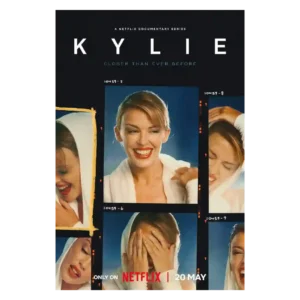
Choose Kylie for a heartfelt, candid music documentary with rich archives, sharp editing, and big emotional payoff. Skip it if you need a fully exhaustive career chronology or dislike authorized...
Pros: episode pacing, season finale quality
Cons: episode structure, season pacing

Best for heartfelt family drama, strong performances, natural faith themes, and an easy binge. Skip it if you need fast pacing, strict doctrinal portrayals, or a satisfying romantic resolution.
Pros: season finale quality, screenplay quality
Cons: character consistency, continuity

Best for exceptional performances, heartfelt family chemistry, and a humane take on motherhood and sex work. Skip it if you need gritty realism, fast setup, or perfectly cohesive tone.
Pros: episode structure, dialogue quality
Cons: plot twists, season finale quality