If you want better combat system
Choose BlazBlue Entropy Effect X. It scores 4.7 vs 4.2 for combat system, with a 4.0 overall score.
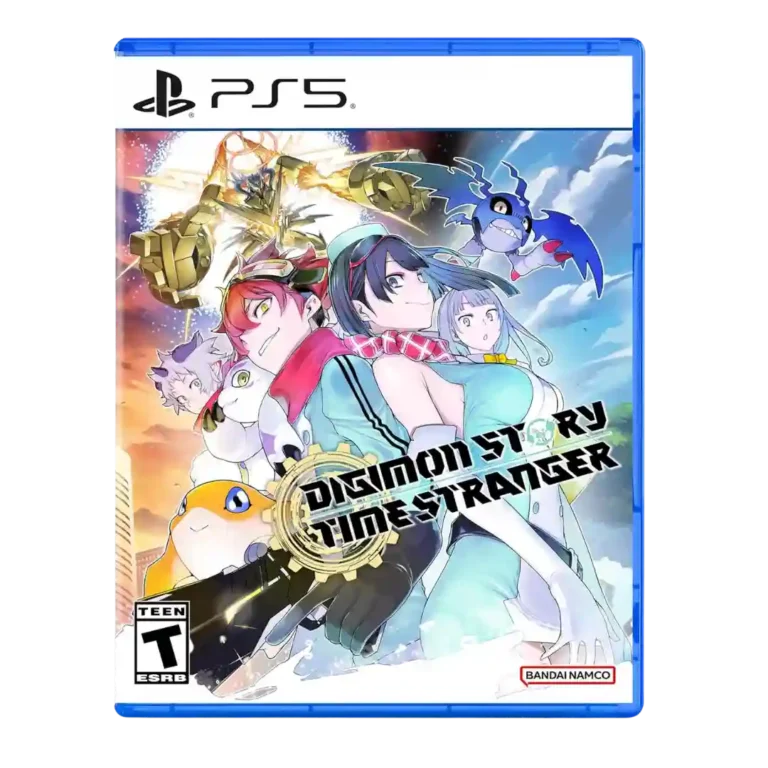
Choose it for deep Digivolution, lively worlds, and rewarding monster-taming combat. Skip it if slow pacing, menu friction, repetitive quests, or DLC paywalls would sour the experience.
Best for Digimon fans and monster-taming JRPG players who enjoy deep evolution paths, team-building, and a lively creature-filled world. It also works for newcomers who want a standalone entry point.
Not ideal for players who dislike slow starts, repeated side quests, menu-heavy training systems, or grind. Platform-sensitive players should also note the mixed frame-rate and Steam Deck evidence.
Digimon Story Time Stranger lands as a strongly liked monster-taming JRPG because reviewers repeatedly praised its Digivolution depth, lively Digital World, large roster, and strategic boss battles. The clearest tradeoff is that its best systems are wrapped in uneven pacing and some clunky UX: normal battles can become automated or grindy, the DigiFarm/evolution menus interrupt flow, and side quests often lean basic. Visuals, animation, and franchise feel earned broad praise, while performance and DLC value depended on platform and tolerance for paid extras. Overall, the review evidence points to a rich, fan-pleasing RPG whose depth and charm outweigh its slower, messier stretches.
Compared with other Video Games, this product is above average in progression system, AI behavior, map and navigation design, near average in combat system, difficulty balance, below average in fast travel convenience, level design, protagonist appeal.
| Attribute | This product | Category average | Difference |
|---|---|---|---|
| fast travel convenience | 2.0 | 3.9 | -1.9 |
| level design | 2.3 | 3.9 | -1.6 |
| protagonist appeal | 2.5 | 4.0 | -1.5 |
| HUD clarity | 2.0 | 3.4 | -1.4 |
| frame rate stability | 2.8 | 4.0 | -1.3 |
| exploration quality | 3.0 | 4.1 | -1.1 |
| progression system | 4.5 | 3.9 | +0.6 |
| content variety | 3.2 | 4.1 | -0.9 |
Choose BlazBlue Entropy Effect X. It scores 4.7 vs 4.2 for combat system, with a 4.0 overall score.
Choose Clair Obscur: Expedition 33. It scores 4.8 vs 2.5 for protagonist appeal, with a 4.5 overall score.
Choose Saros. It scores 4.7 vs 2.0 for fast travel convenience, with a 4.3 overall score.
Choose Donkey Kong Bananza. It scores 4.8 vs 2.3 for level design, with a 4.5 overall score.
Products reviewers directly compared with this model, grouped into quick takeaways.
Yes. Several reviewers said the story is standalone and approachable, with no prior Digimon knowledge required.
The strongest praise centered on Digivolution depth, a huge roster, strategic boss battles, and a Digital World that feels alive.
Boss fights often ask for planning, weakness use, and team switching. Normal encounters were more mixed, with some reviewers relying on speed-up and auto-battle.
Yes. Many reviewers said the opening is slow or the middle drags, even when they liked the story’s eventual payoff.
Reviewers liked its training and personality-growth value, but several criticized the menu friction between the farm and Digivolution screens.
Performance depended on platform. PC impressions were strong, Steam Deck was playable with dips, and some PS5 coverage criticized 30 fps and stutters.
No reviewer evidence suggested DLC is required for core progress, but several disliked paywalled quests, Digimon, or grind-focused extras.
These are a few of the reviews included in our analysis.




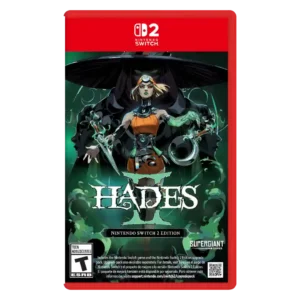
Good if you want fast, tactical roguelite combat with huge progression depth, striking art, and standout music. Skip it if repetition, resource micromanagement, or a less emotionally satisfying sequel story...
Pros: skill tree depth, dialogue quality
Cons: emotional impact, economy and resource balance
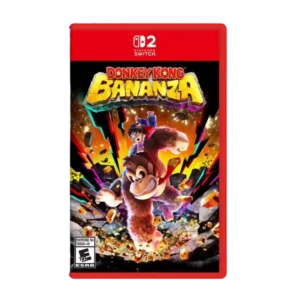
Best for joyful destruction, dense exploration, and a charming DK-Pauline adventure. Skip it if camera quirks, frame-rate dips, easy bosses, or premium Switch 2 pricing are dealbreakers.
Pros: gameplay mechanics, world interactivity
Cons: economy and resource balance, enemy variety
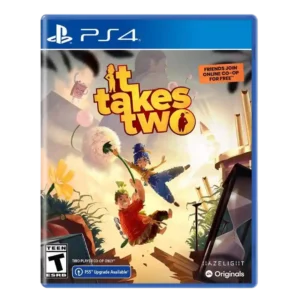
Best for joyful, inventive co-op with a partner, especially on couch. Skip it if divorce themes, uneven story tone, or Switch visual compromises would distract you.
Pros: core gameplay loop, movement feel
Cons: character development, dialogue quality
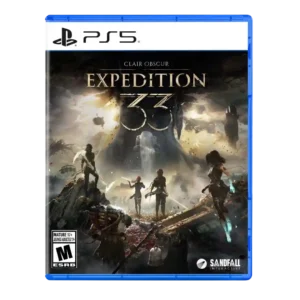
Choose Clair Obscur if you want a story-rich RPG with thrilling timed combat, gorgeous art, and standout music. Skip it if poor maps, tight parry timing, or occasional bugs and...
Pros: monetization fairness, microtransaction impact
Cons: platforming precision, menu usability