If you want better particle removal effectiveness
Choose AirDoctor AD1000. It scores 4.9 vs 1.0 for particle removal effectiveness, with a 4.0 overall score.
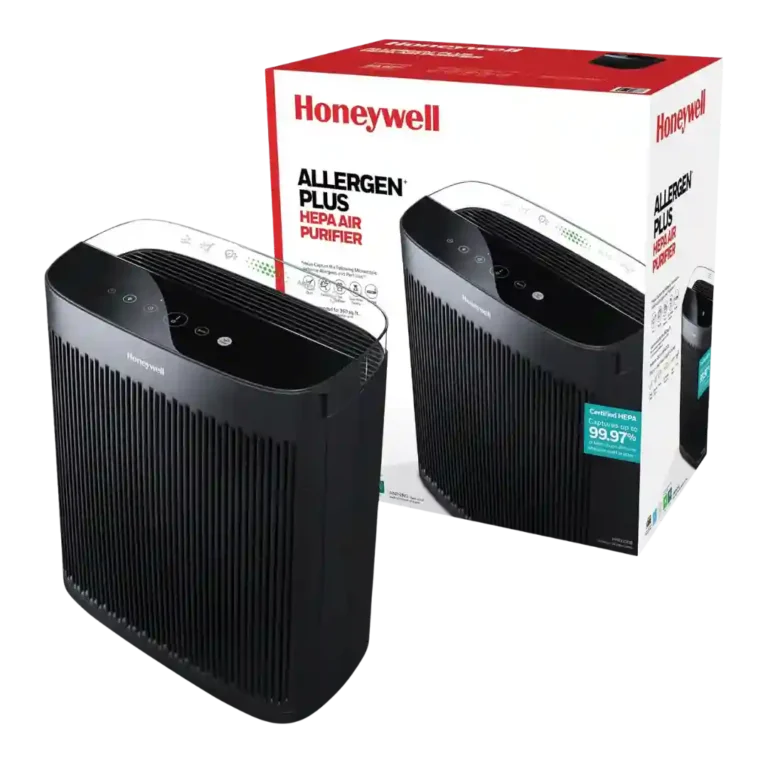
Choose the Honeywell HPA5200 for cleaner air, odor help, easy controls, and good value. Skip it if high-pitched noise, bright indicators, filter costs, or return hassles would bother you.
Best for buyers who want a straightforward room air purifier for cleaner air, odors, dust, and allergy-related comfort, especially if they value simple controls and lower-speed quietness.
Not for very noise-sensitive sleepers, buyers who need included enhanced odor/VOC charcoal filters, or anyone who wants a low-risk return and replacement experience.
Customer evidence for the Honeywell HPA5200 leans positive but not spotless. Many buyers say it cleans rooms well, reduces odors or dust, helps breathing, runs quietly on lower settings, and offers strong value. Ease of use, filter replacement, and styling also get praise. The tradeoff is consistency: several negative reviews describe high-pitched or excessive noise, bright indicator behavior, confusing filter expectations, difficult returns, damaged or used arrivals, and units that failed early or arrived defective. It looks strongest for shoppers who prioritize practical air cleaning and can tolerate normal fan sound, but the defect and noise complaints keep the consensus from being fully strong.
Compared with other Air Purifiers, this product is above average in filter availability, handle design, value for money, near average in ease of use, overall satisfaction, below average in particle removal effectiveness, air circulation, durability.
| Attribute | This product | Category average | Difference |
|---|---|---|---|
| particle removal effectiveness | 1.0 | 4.3 | -3.3 |
| air circulation | 1.0 | 4.0 | -3.0 |
| durability | 1.0 | 3.3 | -2.3 |
| size and footprint | 2.0 | 4.0 | -2.0 |
| VOC reduction | 2.0 | 3.6 | -1.6 |
| filter availability | 5.0 | 3.5 | +1.5 |
| control placement | 2.0 | 3.5 | -1.5 |
| listing accuracy | 1.3 | 2.6 | -1.3 |
Choose AirDoctor AD1000. It scores 4.9 vs 1.0 for particle removal effectiveness, with a 4.0 overall score.
Choose Honeywell HPA3100. It scores 5.0 vs 2.0 for size and footprint, with a 4.2 overall score.
Choose Honeywell HPA5300. It scores 4.7 vs 1.0 for air circulation, with a 4.1 overall score.
Choose Shark MAX HP202. It scores 5.0 vs 1.8 for condition on arrival, with a 4.2 overall score.
Products reviewers directly compared with this model, grouped into quick takeaways.
Many reviewers say it is quiet on low or medium, but several complain about high-pitched, ticking, or too-loud noise, especially for sleep-sensitive users.
Most positive reviews say it makes the air cleaner, reduces stuffiness, captures dust, or improves perceived air quality.
Limited but strong evidence says it removed odors from smoke, cooking, cats, and stale apartment air.
Opinions are mixed. Some buyers liked interchangeable filters and reasonable costs, while others disliked needing multiple filters or missing charcoal filters.
Yes. Users describe the controls as clear, concise, easy to use, and simple to operate.
The main complaints are noise on some units, bright or annoying indicator lights, misleading filter information, difficult returns, and defective or used arrivals.
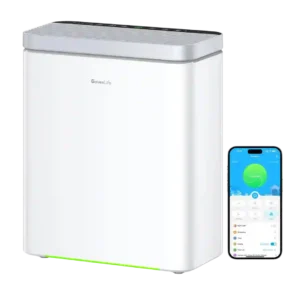
Choose the H7124 if you want a quiet smart purifier for odors, dust, pets, and app control. Skip it if you need foolproof Wi-Fi, wall-facing intake, UV light, or strong...
Pros: particle removal effectiveness, pollen removal
Cons: UV-C light effectiveness, air dryness
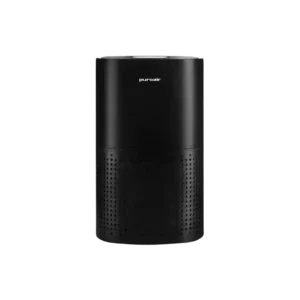
Best for quiet, simple cleaning in bedrooms or apartments. Skip it if you need verified large-room CADR value, app control, or guaranteed neighbor-smoke removal.
Pros: particle removal effectiveness, dust removal
Cons: CADR rating, air changes per hour
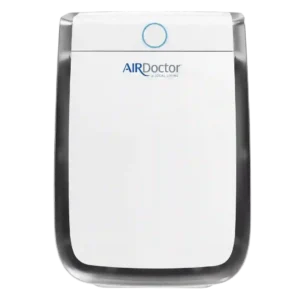
Best for strong room cleaning, allergy relief, odor control, and simple operation. Skip it if high filter costs, a larger footprint, or possible nighttime fan noise would bother you.
Pros: particle removal effectiveness, HEPA filtration
Cons: customer support, warranty coverage
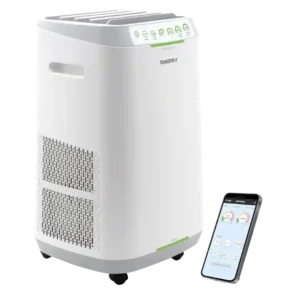
Choose this if you want strong odor, dust, smoke, and pet-air cleanup with washable filters. Skip it if turbo noise, Wi-Fi setup, or a high upfront price will bother you.
Pros: filter replacement cost, allergen reduction
Cons: Wi-Fi reliability