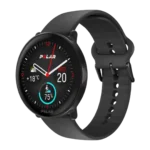
Polar Ignite 3 Feature Scores
Explore all 51 feature scores for Polar Ignite 3, organized into pros and cons.
Scores by Feature
Summary
51 reviewed features-
Very positive 4.5-5.010 (20%)
-
Positive 3.5-4.416 (31%)
-
Neutral 2.5-3.49 (18%)
-
Negative 1.5-2.411 (22%)
-
Very negative below 1.55 (10%)
Pros
Sort
-
Display quality was the strongest consensus positive, with reviewers repeatedly praising the AMOLED screen as bright, sharp, vibrant, and attractive.
-
Comfort was a strong positive, with reviewers repeatedly praising the thin, light case and sleep-friendly wear.
-
Coaching features were consistently liked, especially FitSpark, Work-Rest guidance, training suggestions, voice guidance, and heart-rate-based recommendations.
-
Workout variety was a clear strength, with reviewers repeatedly praising the broad sports-profile selection and support for many training types.
-
Style and design were widely praised for a sleek, slim, attractive look, including stronger enthusiasm for Titanium and fashion-focused use.
-
Wellness insights were a major strength where reviewed, especially exercise/sleep analysis, body-readiness interpretation, and Energy Sources-style feedback.
-
Outdoor visibility was praised, with reviewers saying the display remained readable in sunlight and challenging outdoor conditions.
-
Sleep tracking drew broad approval for solid duration, stage, and SleepWise-style insights, with occasional caveats about access or app presentation.
-
Heart-rate accuracy was mostly praised, with many reviewers saying it tracked well against straps, though a few reported mixed or questionable readings.
-
Customization was praised where reviewed, especially watch-face complications, color choices, and configurable widgets.
-
Body temperature tracking was viewed as useful enough for trends, with some reviewers finding the results accurate or aligned with comparison devices.
-
Reviewers who judged overall health tracking were positive, grouping heart rate, sleep, steps, location, and wellness insight as accurate enough to trust.
-
Charging convenience was mixed: reviewers liked rapid or simple charging but complained about proprietary, fiddly, or awkward cables.
-
Fitness tracking accuracy was generally solid for workouts and overall tracking, though some reviewers kept caveats around GPS and heart-rate consistency.
-
Music controls were one of the better smartwatch staples, generally described as working well or being well optimized, though only as phone controls.
-
Build quality was positive where reviewed, with the Titanium model’s glass and the standard model’s non-cheap feel both noted favorably.
-
Brightness had limited but very positive evidence, with one reviewer calling the display Polar’s most brilliant to date.
-
Charging speed had limited strong praise, with one reviewer emphasizing extremely fast charging.
-
Materials quality had limited positive evidence, centered on the Titanium model’s strong, lightweight bezel.
-
The user interface was mixed: several reviewers liked the streamlined widgets and readable stats, while lag still hurt the broader experience.
-
Fit had limited positive evidence, with the strap described as snug and comfortable on the wrist.
-
Watch face quality had limited positive evidence, focused on easy-to-use customizable complications.
-
Cross-platform compatibility was positive in limited evidence, with the Android and iOS app experience described as essentially the same.
-
Stress support was mentioned positively through Polar’s guided breathing feature, which one reviewer framed as useful for relaxing body and mind.
-
Water resistance had limited positive evidence, with one reviewer judging it fit for swimming, bathing, and showering.
-
Recovery insights were useful to some reviewers, but another found the extra sleep and recharge data overwhelming in how it was presented.
Cons
Sort
-
Contactless payments were a repeated complaint, with reviewers consistently noting the lack of NFC or mobile payment support.
-
Onboard music storage was consistently weak because reviewers repeatedly noted that music must come from a phone.
-
Button controls were largely criticized because one button felt stiff, limiting, or awkward for workouts, rain, sweat, or quick control.
-
The app ecosystem was criticized for missing installable apps and broader smartwatch software features.
-
Call handling was a clear weakness because reviewers emphasized that calls cannot be answered or taken directly from the watch.
-
Software smoothness was one of the biggest pain points, with many original Ignite 3 reviews citing lag, sluggishness, and slow transitions; Titanium reviews were better.
-
Smartwatch features were consistently seen as limited: reviewers liked simple staples but criticized missing payments, apps, calls, replies, and music storage.
-
Mapping and navigation were weak, with reviewers noting no mapping, no route/course support, and only basic back-to-start style help.
-
Notifications were available but often judged basic, buggy, slow, or non-actionable, keeping the smartwatch experience limited.
-
Step counting was criticized as inconsistent, with reviewers reporting extra desk steps, delayed updates, or meaningful differences from manual counts.
-
GPS accuracy was the most divided tracking area: a few reviewers found it reliable, but many saw drift, building cut-throughs, or poor multiband results.
-
Pairing and syncing reliability was mixed to negative, with repeated sync complaints and some unit-specific pairing issues that later disappeared.
-
Third-party app support was explicitly described as missing, reinforcing the Ignite 3’s limited smartwatch ecosystem.
-
Reliability had limited negative evidence, with reviewers reporting random rebooting or an activity-start crash.
-
Band quality was mixed and often negative: Titanium and one written review praised comfort, but many reviewers disliked the stiff or awkward original strap.
-
Bluetooth connectivity had limited but negative evidence, with one reviewer saying the watch-to-phone connection was not very robust.
-
Menu navigation had limited but negative evidence, with basic workout-start tasks described as erratic and less user-friendly.
-
Size options were criticized in limited evidence because the watch only comes in one size.
-
Value for money was mixed to negative overall because praise for features and screen was often offset by lag, GPS issues, missing smartwatch tools, and strong rivals.
-
Calorie usefulness had limited evidence and was only mildly negative, with one reviewer saying calorie burn estimates appeared slightly high.
-
Operating system experience was limited by missing software features despite some interface improvements.
-
Touchscreen responsiveness was mixed: some Titanium and DesFit evidence was positive, but original-model reviews often complained about lag and wake delays.
-
Durability was mixed: Titanium reviews reported scratch-free use, while the original Ignite 3 picked up a notable scratch.
-
Battery life was mixed: reviewers liked multi-day use, but many criticized always-on drain, GPS drain, overnight drain, or shortfalls against claims.
-
The companion app was mixed: reviewers valued its data depth and support, but some found Polar Flow busy, complex, or not intuitive.