If you want better Cable quality
Choose Activo Scoop. It scores 4.4 vs 3.0 for Cable quality, with a 4.7 overall score.
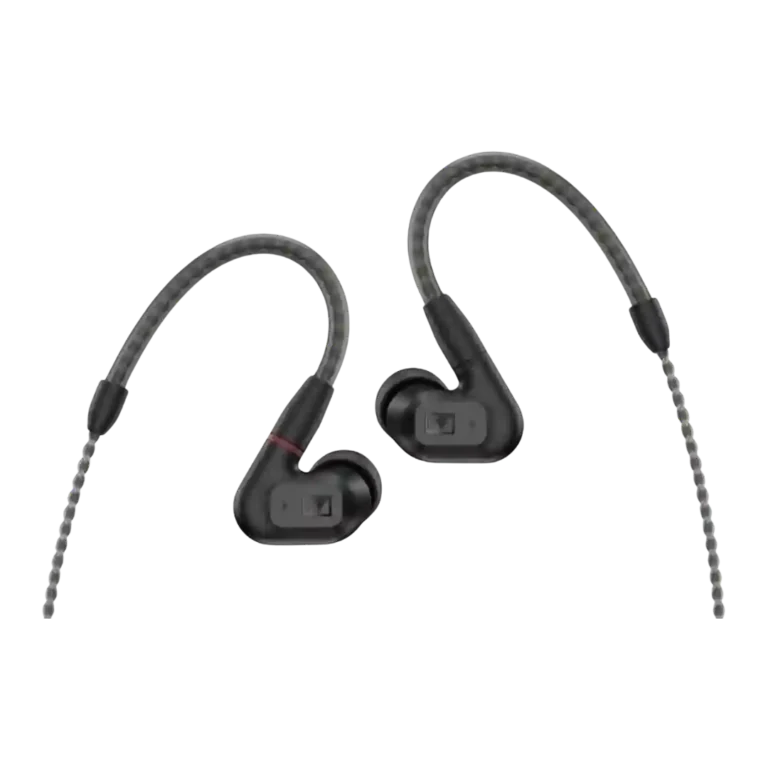
Choose the IE 200 for balanced wired sound, comfort, and strong separation at an approachable price. Skip it if you need wireless convenience, call mic, onboard controls, big bass, or a stock cable reviewers consistently liked.
Best for listeners who want a compact, comfortable wired IEM with balanced sound, strong instrument separation, and better-than-basic audiophile detail without paying flagship prices.
Not for buyers who need wireless features, calls, onboard volume/playback controls, rugged workout use, or heavy bass without experimenting with tips or source gear.
Reviewers framed the Sennheiser IE 200 as a strong entry into wired audiophile listening, with clear sound, controlled bass, strong separation, and standout long-session comfort. The main tradeoff is that its simple wired design prioritizes sound over convenience: there is no mic, no onboard controls, and modern phones often need a dongle. Cable reactions were the sharpest split, ranging from premium and durable to tangly, noisy, or cheap-feeling. Fit also depends heavily on tips and seal, but when fitted well, the IE 200 earned broad praise for balanced, immersive listening at its price.
Compared with other Earbuds, this product is above average in Maximum volume clarity, Stability, Frequency response accuracy, near average in Value for money, Instrument separation, below average in Water/sweat resistance rating, Integrated microphone, Microphone quality for calls.
| Attribute | This product | Category average | Difference |
|---|---|---|---|
| Water/sweat resistance rating | 1.0 | 3.9 | -2.9 |
| Integrated microphone | 1.6 | 4.2 | -2.6 |
| Microphone quality for calls | 1.5 | 3.9 | -2.4 |
| Button control usability | 2.2 | 3.6 | -1.4 |
| Maximum volume clarity | 5.0 | 4.0 | +1.0 |
| Stability | 5.0 | 4.1 | +0.9 |
| Frequency response accuracy | 4.5 | 3.8 | +0.7 |
| Comfort during long use | 4.8 | 4.2 | +0.6 |
Choose Activo Scoop. It scores 4.4 vs 3.0 for Cable quality, with a 4.7 overall score.
Choose Sennheiser CX 80U Wired Earbuds. It scores 4.8 vs 3.5 for Eartips fit, with a 4.3 overall score.
Choose House of Marley Smile Jamaica. It scores 4.3 vs 1.5 for Microphone quality for calls, with a 3.7 overall score.
Choose Sony WF-C510 Earbuds. It scores 4.7 vs 4.2 for Value for money, with a 3.9 overall score.
Products reviewers directly compared with this model, grouped into quick takeaways.
Yes. Reviewers broadly praised the IE 200 for clear, balanced, detailed sound and strong value, though a few felt cheaper or competing IEMs could challenge it once cable and tip upgrades are considered.
Comfort was one of the strongest points. Multiple reviewers described the shells as tiny, light, secure, and comfortable for hours, although fit still depends on ear shape and tip choice.
Most reviewers heard the bass as controlled, punchy, and clean rather than boomy. Bassheads may find it too restrained, and several reviewers said seal and tip position can noticeably change the low end.
No. Reviewers repeatedly called out the lack of an integrated mic and inline controls as a convenience drawback, especially for calls, walking, running, or phone use.
Cable reactions were mixed but often critical. Some liked the braided feel, while others complained about tangling, microphonics, cheap construction, or Sennheiser’s recessed MMCX compatibility limitations.
They provide passive isolation when sealed properly, especially with foam tips. Reviewers found it useful for reducing outside noise, but they do not offer active noise cancellation.
These are a few of the reviews included in our analysis.





Best for detailed, natural wired sound, three connector options, and standout value around $99. Skip it if you need wireless features, stronger bass, softer treble, or a compact fit for...
Pros: Sound quality, Midrange clarity
Cons: Software/setup simplicity, Portability/foldability
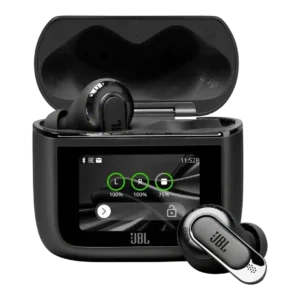
Choose the JBL Tour Pro 3 if you want feature-packed earbuds with strong sound, ANC, LDAC and a genuinely useful smart case. Skip them if you have smaller ears, want...
Pros: Codec support, Dongle
Cons: Sound leakage, Find My
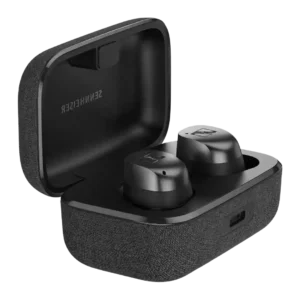
Choose these for excellent sound, deep app control, strong codec support, and a premium true-wireless package. Skip them if call quality, best-in-class ANC, iPhone integration, or a compact case matters...
Pros: Maximum volume clarity, Stability
Cons: Spatial audio, Microphone noise reduction
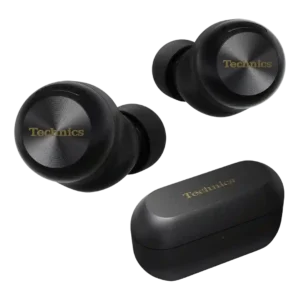
Choose the Technics EAH-AZ100 if sound quality, bass, ANC, battery life, and multipoint matter most. Skip them if you need flawless calls, Bose-level ANC, the most natural transparency, or a...
Pros: Volume output, Maximum volume clarity
Cons: aptX, Auracast support