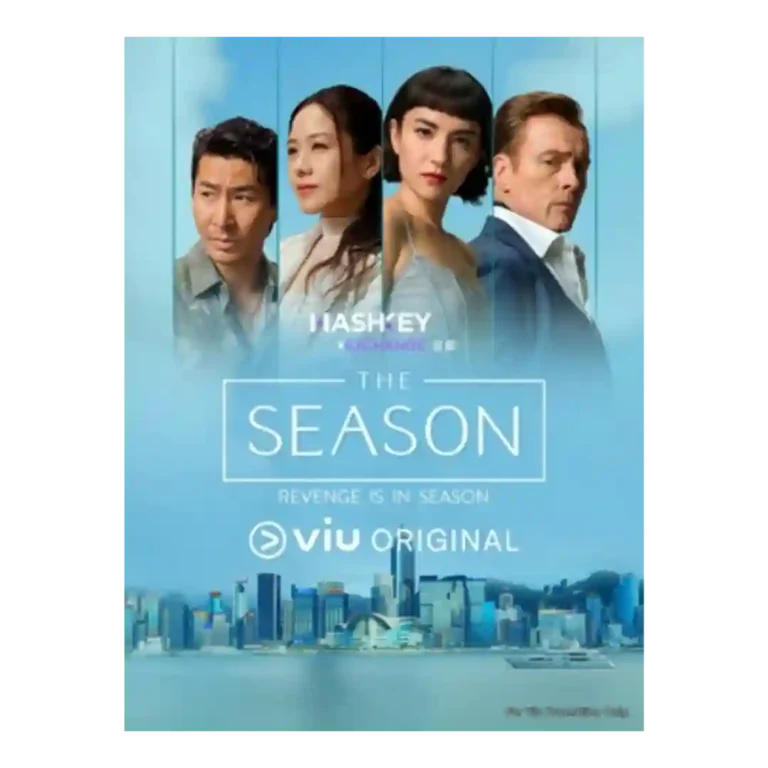
Choose The Season if you want glossy Hong Kong high-society scenery, light summer intrigue, and some engaging cast dynamics. Skip it if stiff dialogue, familiar revenge plotting, thin character work, or weak suspense will ruin the yacht-soap appeal.
Best for
Best for viewers who want glossy Hong Kong high-society escapism, yachts, social scandals, and a light revenge hook. It works better as breezy summer soap than as a demanding thriller.
Not for
Not for viewers expecting sharp satire, deep characterization, natural dialogue, or sustained revenge-thriller tension. The most critical reactions found it derivative, underwritten, and unsatisfying by the end.
Verdict
The Season, Season 1 works best as a glossy summer soap: critics repeatedly admire its Hong Kong setting, polished skyline views, and brisk enough plotting to keep the next episode tempting. Its strongest moments come from the setting, the Carrie/Cola and Carrie/David dynamics, and a handful of twists that add momentum. The tradeoff is that the revenge engine feels overly familiar and often underpowered. Multiple reviews call out stiff or clunky dialogue, thinly sketched characters, convenient plotting, and suspense that rarely becomes truly thrilling. For viewers who enjoy rich-people scandals and scenic escapism, the show can be a pleasant distraction; for anyone expecting sharper satire or a gripping revenge thriller, it may feel frothy, derivative, and forgettable.
Compared in Reviews
Products reviewers directly compared with this model, grouped into quick takeaways.
Crazy Rich Asians
Better: glossy dynastic soap writingCollider says the show aims for Crazy Rich Asians-style gloss but falls short in the writing.
Better: ending satisfactionThe ending is considered less satisfying than Crazy Rich Asians’ conclusion.
Better: luxury fantasyThe wealthy glamour is described as less convincingly luxe than Crazy Rich Asians.
The White Lotus
Better: eat-the-rich biteCollider says the show aims for The White Lotus-style bite but lands in shallow water.
Better: upstairs-downstairs class themeThe class theme is considered less sophisticated than The White Lotus.
Similar: rich-people ensemble feelDecider says the show has a very similar feel to The White Lotus.
Industry
Better: critique of the upper crustIts critique of elite wealth is considered weaker than Industry’s sharper approach.
Hong Kong is the show’s richest asset. Reviews praise the way the series uses elite yachts, restaurants, markets, apartments, and city vistas to make the setting feel specific and immersive.
The roughly 48-minute episodes keep stronger installments from feeling overextended. The compact size helps plot points pay off before individual episodes stretch too long.
Visuals are the clearest consensus strength. Even negative takes praise the gorgeous Hong Kong setting, yacht-party glamour, and scenery that sometimes outshines the script.
The strongest chemistry sits in the relationship pairings rather than the revenge machinery. Carrie and Cola, Carrie and David, and the long-married Hexts all drew praise for adding warmth or lived-in tension.
The Hong Kong setting gets more texture than a generic rich-people backdrop. Cantonese-English movement and a lovingly rendered city give the show a welcome sense of place.
supporting cast performance: 4.0, based on 2 reviews
The supporting players often fare better than the plotting around them. The social circle can be entertaining, and characters like Madeline get enough spark to stand out.
Jessie Mei Li’s Cola gets the most consistent acting praise, especially for balancing charm, calculation, and uncertainty. Some broader performance concerns remain, but the lead work is one of the steadier elements.
Twists are one of the better-liked story tools here. The plot can be predictable, but surprise turns and midseason momentum give the final stretch something to work with.
The buried family scandal gives the season a decent mystery backbone. New pieces of past and present history keep the mystery moving even when the thrills are uneven.
The show has enough motion to keep casual viewers pressing next. Big turns and the central revenge hook make it easy to continue even when the writing disappoints.
Production design draws mixed reactions. Some loved the polished interiors and well-appointed locations, while another critic thought the supposedly luxe sets and costumes looked chintzy.
The show is best suited to viewers who like glamorous elite scandals and scenic escapism. Broader appeal is limited by weak suspense, familiar plotting, and uneven dialogue.
The six-episode format is divisive. It keeps the season compact and easy to watch, but another critic felt it was far too short to build proper investment in the revenge story.
Entertainment value depends on expectations. It works as glossy, low-effort summer escapism for some, but others found it merely moderate or even a waste of time.
The show gestures toward colonial wealth, class divides, and the sins behind elite privilege. Those themes add texture, but one critic felt the critique of the upper crust was half-hearted.
The show touches on social pressure, appearance, and class expectations, especially within wealthy Asian circles. Those ideas are present, though not developed as deeply as the strongest prestige soaps.
The story has a workable rich-people revenge setup, but reactions split hard on execution. Some found it engaging and breezy, while others felt the plot soured, rushed through too many threads, or never found enough force.
Episode momentum varies by storyline. Some parts drag under crowded plotting, while another review felt the plot generally moved without making the viewer feel dragged along.
Critical response is mixed. The kinder take frames it as an easy summer distraction, while the harsher take says to enjoy the scenery and keep expectations low.
Pacing is one of the clearest tradeoffs: a compact structure keeps some episodes moving briskly, but others found the season rushed or uneven. The short run helps momentum yet leaves threads underdeveloped.
Suspense is inconsistent. The secrets and dishonesty create some intrigue, but several reviewers felt the show rarely sustains real tension or delivers the payoff its setup promises.
Emotional connection is limited outside a few relationship moments. The Carrie/David subplot worked for one critic, while Cola’s revenge mission left another critic struggling to care.
Characters are watchable but often thinly drawn. Cola gives the show a rooting interest for some, yet several reviews say the cast falls into archetypes or lacks enough background and growth.
As a revenge drama, the show lands in the middle-to-low range. It has enough intrigue to watch, but several reviewers found the revenge angle underpowered, unthrilling, or hard to invest in.
The opener has a hooky final reveal, but reviewers were mixed on whether the hour earns its intrigue. Some saw promise in the last scene, while others thought the early exposition and execution were weak.
For scandal-soap fans, the series has some appeal, but its thriller and elite-scandal promises are uneven. Viewers hoping for sharper, wilder scandal drama may come away underwhelmed.
Costumes do not fully sell the ultra-wealthy fantasy for everyone. One critic specifically felt the wardrobe looked surprisingly chintzy for a show built around elite wealth.
Acting reactions are mixed to weak overall. Selected performers land well, but line delivery is also described as stilted, abrupt, uneven, or simply meh.
The revenge infiltration often strains believability. Cola gets access to information and people too conveniently, which makes some turns feel engineered for the plot.
The writing is one of the show’s main liabilities. Critics point to clunky names, exposition-heavy scenes, and a script that does not do enough underneath the glossy surface.
The premise is repeatedly described as familiar, borrowing from revenge dramas and wealthy-society soaps. Its Hong Kong setting freshens the package, but the underlying beats rarely feel new.
Several episodes rely heavily on announced backstory and crowded subplots. That structure makes the world easy to understand, but it can feel mechanical rather than lived-in.
The screenplay has the ingredients for a sleek thriller, but one review says the deeper writing work under the gloss is missing. It leaves the show looking expensive while feeling underwritten.
The season can feel overloaded, with too many storylines competing for limited space. One viewer called out unexplained situations and plot holes, making the revenge arc harder to follow.
Dialogue is a repeated weak point. The show is described as leaden, stiff, and overwritten, with characters often sounding like they are explaining the world instead of speaking naturally.
Continuity and internal follow-through are concerns in the more negative response. Unexplained situations and plot holes made the season feel loose rather than tightly engineered.
The ending left some viewers frustrated rather than satisfied. The season’s closing setup and last-episode payoff were criticized for feeling disappointing or not fully working.
The finale appears to push toward another conflict, but it did not land cleanly for the more critical reviewers. The final episode left at least one viewer disappointed and another unconvinced by the next-season setup.
Compared With Category Average
Compared with other TV Shows, this product is below average in season finale quality, cliffhanger effectiveness, rewatch value.
Summary
8 compared features
Above average0.4+ pts higher0%
0 features
Same as averagewithin 0.3 pts0%
0 features
Below average0.4+ pts lower100%
8 features
Attribute
This product
Category average
Difference
season finale quality
1.8
4.1
-2.3
cliffhanger effectiveness
2.0
4.2
-2.2
rewatch value
2.0
4.2
-2.2
acting quality
2.4
4.3
-1.9
finale satisfaction
1.8
3.5
-1.8
costume design
2.5
4.3
-1.8
dialogue quality
1.9
3.5
-1.7
continuity
1.8
3.5
-1.7
FAQ
Is The Season, Season 1 worth watching?
It is worth trying if you want glossy, low-effort Hong Kong high-society escapism. It is less rewarding if you need sharp writing or strong thriller tension.
What is the show’s biggest strength?
The Hong Kong setting is the clearest strength, from skyline views and yacht parties to restaurants, markets, and polished interiors.
What is the biggest weakness?
The most repeated weakness is the writing: stiff dialogue, heavy exposition, familiar revenge beats, and characters who can feel thin.
Is it similar to Crazy Rich Asians or The White Lotus?
Several reviews compare it to those glossy, wealthy-world stories, but most direct comparisons say it does not match their sharpness, luxe polish, or bite.
Does the season have good twists?
The twists are one of the better-liked parts. Even mixed reviews mention a twisty plot or turns that keep the final stretch moving.
Is the finale satisfying?
Finale reaction leans negative in the available reviews. The ending and next-season setup left some viewers disappointed or unconvinced.
Is it easy to binge?
Yes, the six-episode format and frequent plot turns make it easy to keep watching. The tradeoff is that the short season can make characters and storylines feel rushed.
Sample Expert Reviews We Analyzed
These are a few of the reviews included in our analysis.

Choose The Pitt Season 2 for a gripping, realistic medical drama with superb acting and emotional depth. Skip it if graphic procedures, unresolved arcs, or slower character-driven pacing bother you.
Choose Dark Winds Season 4 for moody noir suspense, excellent acting, and richer Native-centered themes. Skip it if uneven pacing, thin conspiracy plotting, or a stranger L.A. detour would frustrate...
Choose The Agency Season 2 for adult spy drama with superb acting, tense intrigue, and a stronger pace. Skip it if you want simple plotting, constant action, or a Fassbender-only...
Choose Silo Season 3 for revealing, ambitious sci-fi with strong performances and a rewarding finale. Skip it if slow-burn pacing, amnesia plots, or dense mystery-box storytelling test your patience.