Best for world-building
Stranger Things: Tales From '85
5.0 feature score
Highest scored product for this feature based on supporting review evidence.
Highest scored product for this feature based on supporting review evidence.
Balances feature score, supporting reviews, and overall product strength.
Has the broadest review evidence for this feature.
Strongest overall product among items with scored evidence for this feature.

Animated Hawkins is richly realized, preserving familiar locations while adding snowy streets, vivid interiors, and a slightly heightened storybook quality.
Pros: world-building, production design
Cons: plot clarity, realism

Small adaptation changes and the layered family, wrestling, church, college, and creator communities expand the story beyond its central premise.
Pros: episode structure, dialogue quality
Cons: plot twists, season finale quality

The interconnected households, church, school, and neighborhood feel fully formed quickly, making it easy to settle into the characters' shared lives.
Pros: season finale quality, screenplay quality
Cons: character consistency, continuity

The remote woods, local legends, sinister businesses, and mansion rituals create a strange, specific pocket of reality that feels richer than a generic cabin setting.
Pros: special effects quality, soundtrack quality
Cons: screenplay quality, series finale quality

The hospital world feels immersive enough that viewers talk about being stuck inside the shift with the characters. Later episodes also suggest fresh night-shift angles that could expand the show’s...
Pros: episode structure, main cast performance
Cons: age appropriateness, plot clarity

Hong Kong is the show’s richest asset. Reviews praise the way the series uses elite yachts, restaurants, markets, apartments, and city vistas to make the setting feel specific and immersive.
Pros: world-building, cinematography
Cons: finale satisfaction, season finale quality

Virgin River’s biggest enduring asset is the town itself: close-knit friendships, communal support and scenic locations make it feel warm and inviting even when the stories become implausible.
Pros: supporting cast performance, acting quality
Cons: character consistency, screenplay quality

Rutshire feels expansive and lived-in, with interlocking homes, companies, political circles, and social hierarchies that support the sprawling ensemble.
Pros: score quality, critic appeal
Cons: character consistency, plot clarity

Ludlow works best as a populated hangout space, with students, faculty and recurring oddballs making the campus feel connected and lived-in.
Pros: screenplay quality, genre satisfaction
Cons: continuity, family friendliness

World-building is praised through the island’s folklore, history, and curse mythology, which make Widow’s Bay feel lived-in and strange.
Pros: episode structure, main cast performance
Cons: family friendliness, language level

World-building works best as a stylized alternate 1930s New York populated by familiar Spider-Man figures in new pulp forms. Some critics want deeper social texture, but many enjoy the lived-in...
Pros: plot twists, cliffhanger effectiveness
Cons: family friendliness, age appropriateness

Hell’s Kitchen and Fisk’s New York feel more socially and politically alive, with media, street-level fear, and institutional power making the city part of the drama.
Pros: costume design, score quality
Cons: realism, plot clarity

Barry’s Bay grows beyond a backdrop for some viewers. Reviews that praise the world-building point to the lake, Tavern, and future Charlie setup as reasons the setting can support more...
Pros: directing quality, cinematography
Cons: character consistency, writing quality
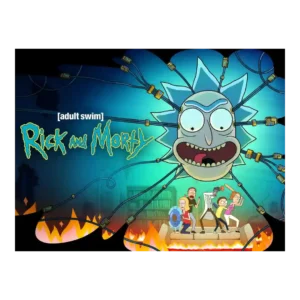
World-building is praised for its multiverse threats, science concepts, and wild ecosystems. The season still feels able to stretch the show’s universe without losing internal logic.
Pros: critic appeal, genre satisfaction
Cons: family friendliness, age appropriateness

Ooo still feels open-ended and imaginative, with reviewers seeing room for countless smaller adventures. The season’s world-building is more about playful possibility than dense new mythology.
Pros: production design, animation quality
Cons: pilot episode quality, score quality
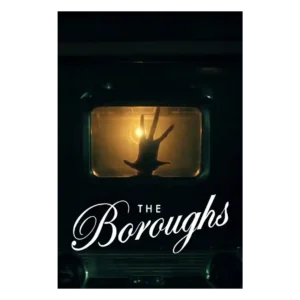
World-building is strongest when the retirement community feels like a complete, eerie little society. Reviewers liked the time spent building the town, while later lore questions suggest the larger mythology...
Pros: main cast performance, acting quality
Cons: cancellation satisfaction, plot clarity

The move deeper into Viltrumite history, cosmic conflict, and supernatural corners makes the universe feel broader and more ambitious. Some reviewers still want a clearer sense of the full scale...
Pros: finale satisfaction, continuity
Cons: plot clarity, screenplay quality

World-building is one of the strongest areas of agreement. Critics praise the expanded scope beyond Silo 18, the origin material, and the way the show makes its underground world feel...
Pros: drama quality, finale satisfaction
Cons: character development, season pacing

The spy world feels broad and interconnected, stretching across London, Iran, Sudan, Ukraine, Africa, and rival agencies. Critics like the global scope most when it feeds character pressure instead of...
Pros: directing quality, bingeability
Cons: none

The compact Glasgow world has a strong sense of place, and its small social orbit can effectively mirror how trapped the protagonists remain in their formative damage.
Pros: season finale quality, screenplay quality
Cons: realism, rewatch value

The world expands through police, media, yakuza, streamers, and corrupt institutions without losing the central investigation. Positive reviews say those factions make the mystery feel bigger rather than distracting.
Pros: plot originality, emotional impact
Cons: humor, writing quality

World-building is strongest when the show expands from Paula’s apartment into a wider web of scams, coworkers, police, and conspirators. Some reviewers admire that expansion; others think parts feel like...
Pros: acting quality, main cast performance
Cons: family friendliness, age appropriateness
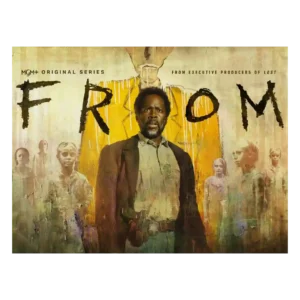
World-building continues to deepen through cycles, rituals, systems, and town mythology. Fans of the mystery-box side find plenty to chew on, even when the rules remain incomplete.
Pros: directing quality, rewatch value
Cons: value for money, makeup quality

The Texas move gives the series room to build a fresh ranch community around Beth and Rip. Critics like the new frontier and long-term threads, though one review frames the...
Pros: cast chemistry, acting quality
Cons: continuity, cultural representation

The Calabasas setting gets a useful early frame through Jemma’s description of the city, giving some background for why the cast behaves the way it does.
Pros: world-building, costume design
Cons: family friendliness, age appropriateness

World-building is generally praised for its authoritarian Soviet setting, spy apparatus, and franchise backstory, though one critic finds the parent-show timeline constraining. The best responses value how fully the series...
Pros: cliffhanger effectiveness, main cast performance
Cons: humor, family friendliness

World-building benefits from the L.A. move, the Native community center, and the 1970s setting, but not everyone thinks the expansion is fully used. The organized-crime side draws the most complaints...
Pros: costume design, directing quality
Cons: family friendliness, age appropriateness

The school, marriage market, and privileged girls make familiar Gilead feel fresh to many reviewers. Detractors think the show overexplains a world audiences already know and treats old information like...
Pros: supporting cast performance, realism
Cons: family friendliness, sexual content level

The show expands Larry David’s world to all of American history, which gives it a broad comic canvas even when the character stays the same.
Pros: realism, costume design
Cons: editing quality, episode length

The show builds a glossy, fictional version of Manhattan rather than a gritty young-adult world. That sheen gives it escapist charm but also makes the setting feel more aspirational than...
Pros: renewal interest, bingeability
Cons: plot clarity, soundtrack quality

The forest world is most praised when animal instincts shape dating, flirting, and social rituals. Criticism rises when the rules of clothing, jobs, species behavior, and civilization feel inconsistent.
Pros: realism, cultural representation
Cons: age appropriateness, violence level

World-building is one of the show’s most debated choices. The Seattle grunge setting can be fun and distinctive, but the school and city often feel flattened into flannel-heavy stereotypes.
Pros: cast chemistry, bingeability
Cons: episode length, episode pacing

Seville and the expanded criminal circle bring fresh texture, though some critics feel the larger Money Heist universe gains little meaningful growth.
Pros: main cast performance, bingeability
Cons: realism, season length

The supernatural-tinged world-building is intriguing but undercooked. Reviewers repeatedly say the strange cabin and mystical hints needed stronger commitment or cleaner removal.
Pros: supporting cast performance, season finale quality
Cons: season pacing, humor

The show’s two-world construction is visually clear but ideologically lopsided for one harsh critic, who felt Montana gets nuance while New York is reduced to a straw-man setting.
Pros: main cast performance, suspense
Cons: world-building, language level