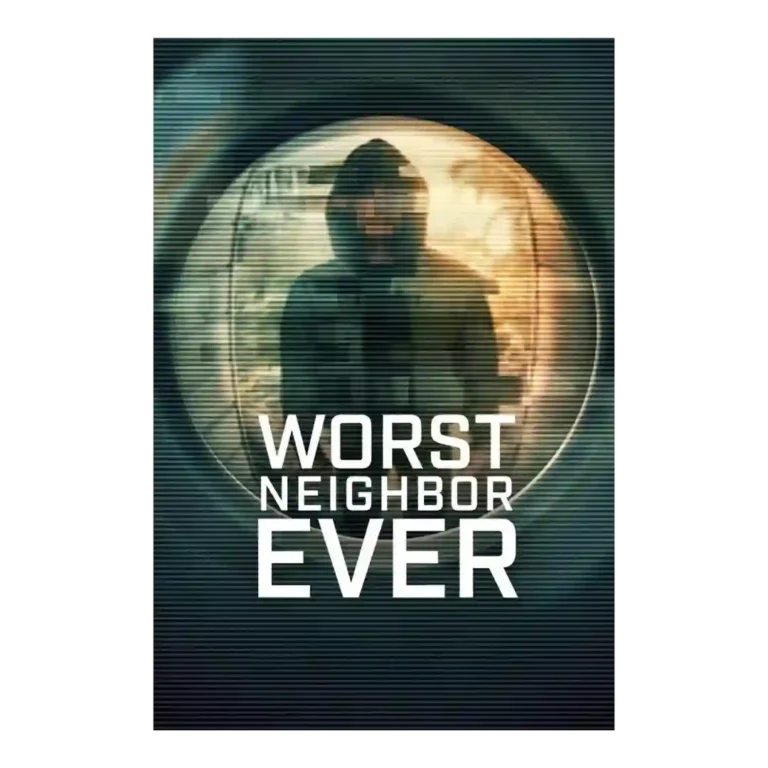
Choose Worst Neighbor Ever if you want a compact, tense true-crime binge with strong firsthand accounts. Skip it if exploitative cases, intense violence, or formulaic Netflix docuseries structure bothers you.
Best for
Best for Netflix true-crime fans who want a short, gripping season with disturbing cases, firsthand accounts, and a familiar anthology format.
Not for
Not for viewers who avoid graphic real-life violence, dislike emotionally heavy crime stories, or want a deeper investigative documentary rather than a slick binge.
Verdict
Worst Neighbor Ever works best as a polished, fast-moving true-crime binge built around disturbingly relatable neighbor disputes that escalate into devastating crimes. Critics often praise its tension, emotional impact, animated reenactments, interviews, and compact four-episode structure. The tradeoff is depth: several reactions say the season follows the established Worst Ever formula too closely, and the harshest critic argues it turns real grief into filler television instead of probing the systems and psychology behind the cases. For true-crime fans, it is gripping and easy to finish; for viewers wanting a more probing documentary, it may feel too slick and too familiar.
Compared in Reviews
Products reviewers directly compared with this model, grouped into quick takeaways.
Worst Roommate Ever
Similar: anthology franchiseComic Basics frames it as the next true-crime anthology entry after Worst Roommate Ever.
Similar: creative lineageDecider ties it directly to the creators of Worst Roommate Ever.
Similar: franchise formulaThe season is recommended for viewers who liked the earlier Worst Ever installment.
Worst Ex Ever
Similar: formatDecider says the show uses a similar interview-and-reenactment format to Worst Ex Ever.
Similar: franchise formulaThe season is positioned as another satisfying entry for fans of the prior series.
The Perfect Neighbor
Compared: justice-system throughlineThe show is compared with The Perfect Neighbor but judged less formally distinctive.
Bingeability is one of the clearest positives. Multiple critics describe watching straight through, calling it an easy one-night binge or the kind of true-crime format that keeps you pressing play.
Emotional impact is high for many critics, especially in the episodes centered on grieving families and failed protection. The same intensity also feeds concerns that the show can feel exploitative.
interview and source material quality: 4.5, based on 3 reviews
The strongest reactions often come from the firsthand accounts, bodycam material, and documentary sources. Several critics felt the interviews gave the cases weight, even when the series leaned on familiar true-crime structure.
Editing earns positive marks where archival footage, interviews, visuals, and documentary material are woven into a slick package. Critics who mention it tend to see it as part of the show's easy-watch momentum.
Episode length works for a true-crime binge, with hour-ish installments giving viewers enough material to settle into each case without making the season feel overlong.
The season-ending episode stands out for its wild, disbelief-inducing final case. Its impact comes more from shock and emotional force than from a major formal change.
Audience appeal is strongest for true-crime viewers who already like the Worst Ever style. Several critics expect fans to show up, while the subject matter is clearly not for everyone.
The storytelling is generally described as clear and direct, especially by critics who liked its straightforward true-crime delivery. It is not treated as especially deep, but it is easy to follow.
The four-episode season is compact and easy to finish quickly. Critics frame the short runtime as a benefit for binge-watchers, though the stories are intense enough that some may want breaks.
Suspense is one of the season's reliable strengths, with critics repeatedly pointing to tension, dread, shocking escalations, and gripping true-crime turns.
The franchise connection is obvious and mostly works for existing Worst Ever fans. The same familiar formula is also the reason some critics feel the format is beginning to run thin.
Animated reenactments are generally viewed as useful and distinctive, especially compared with actor dramatizations. The main reservation is that restrained animation sometimes illustrates events without adding much tension.
The drama is heavy and often painful, driven by real violence, harassment, and loss. Even recap-style coverage frames the cases as deeply serious rather than lightweight spectacle.
The show can sketch relationships and family dynamics clearly enough to make the stakes matter. Decider especially credited the first episode with building a good picture of Shawna and David's family life.
The neighbor-from-hell angle gives the season a distinct hook: danger comes from the person next door rather than a distant stranger. That premise helped the show feel immediately relatable and unsettling.
Renewal interest is lightly positive, with one critic openly imagining more episodes and expecting another season. There is not enough broad discussion to call it a major consensus.
Entertainment value is strong for true-crime fans who want gripping, unsettling cases in a polished package. The low-end reaction comes from critics who find the treatment too thin or exploitative.
The episode format is sturdy: introduce the people, build the dispute, reach the crime, then sit with the aftermath. That structure is effective but can feel repetitive by the later episodes.
The visual style is a selling point when the mix of stylized visuals, reenactments, and documentary material feels slick. One critic disliked inconsistent visual transitions, so the presentation is not universally praised.
As a Netflix true-crime entry, the season mostly satisfies: several critics say to stream it or call it a must-watch for fans. The dissent is that it can feel like filler or a competent crime digest rather than essential TV.
Most critics found the real cases strong enough to carry the season, with several calling the stories gripping, heartbreaking, or momentum-building. The main caveat is that one critic felt the show flattens major trauma into thin TV storytelling.
Season pacing lands well for viewers who want a quick, contained binge, with breezy momentum across four cases. A few critics noticed the formula wearing thin as the episodes accumulated.
Individual episodes usually move quickly and get to the point. One critic was pulled out by inconsistent date-jump styling, so the pacing is not seamless for everyone.
Theme depth is the biggest split. Some critics appreciated the attention to broken systems, mental health, and resilience, while others wanted the series to probe causes and failures much more deeply.
The writing and overall framing are serviceable but not especially ambitious. One critic felt the familiar Worst Ever approach leaves these serious stories wanting more effort.
The violence level is intense. Critics and recaps repeatedly point to shootings, murder, gruesome details, and real family trauma, so this is not gentle background viewing.
Compared With Category Average
Compared with other TV Shows, this product is above average in episode length, season length, plot clarity, below average in violence level, theme depth, writing quality.
Summary
8 compared features
Above average0.4+ pts higher63%
5 features
Same as averagewithin 0.3 pts0%
0 features
Below average0.4+ pts lower38%
3 features
Attribute
This product
Category average
Difference
episode length
4.5
3.1
+1.4
violence level
2.0
3.2
-1.2
theme depth
2.9
3.9
-1.0
writing quality
2.5
3.6
-1.1
season length
4.3
3.2
+1.0
plot clarity
4.3
3.3
+1.0
finale satisfaction
4.5
3.5
+1.0
editing quality
4.5
3.6
+0.9
FAQ
Is Worst Neighbor Ever bingeable?
Yes. Several critics call it easy to finish quickly, with four hour-ish episodes and a compact total runtime.
Is the season emotionally heavy?
Yes. Critics describe the cases as heartbreaking, traumatic, and centered on families dealing with real violence and loss.
Does it fit the Worst Ever franchise style?
Yes. It uses the same familiar mix of interviews, documentary material, and animated reenactments associated with Worst Roommate Ever and Worst Ex Ever.
Are the animated reenactments effective?
Mostly. Critics often liked them as a distinctive alternative to dramatizations, though one felt they sometimes only illustrated events without adding tension.
Does the show explore the deeper causes behind the crimes?
Only partly. Some critics appreciated its attention to broken systems, but others wanted much more analysis of psychology, institutions, and prevention.
Is it too violent or disturbing for casual viewing?
It can be. The supplied coverage repeatedly mentions murder, harassment, shootings, gruesome details, and family trauma.
Sample Expert Reviews We Analyzed
These are a few of the reviews included in our analysis.

Choose The Pitt Season 2 for a gripping, realistic medical drama with superb acting and emotional depth. Skip it if graphic procedures, unresolved arcs, or slower character-driven pacing bother you.
Choose Dark Winds Season 4 for moody noir suspense, excellent acting, and richer Native-centered themes. Skip it if uneven pacing, thin conspiracy plotting, or a stranger L.A. detour would frustrate...
Choose The Agency Season 2 for adult spy drama with superb acting, tense intrigue, and a stronger pace. Skip it if you want simple plotting, constant action, or a Fassbender-only...
Choose Silo Season 3 for revealing, ambitious sci-fi with strong performances and a rewarding finale. Skip it if slow-burn pacing, amnesia plots, or dense mystery-box storytelling test your patience.