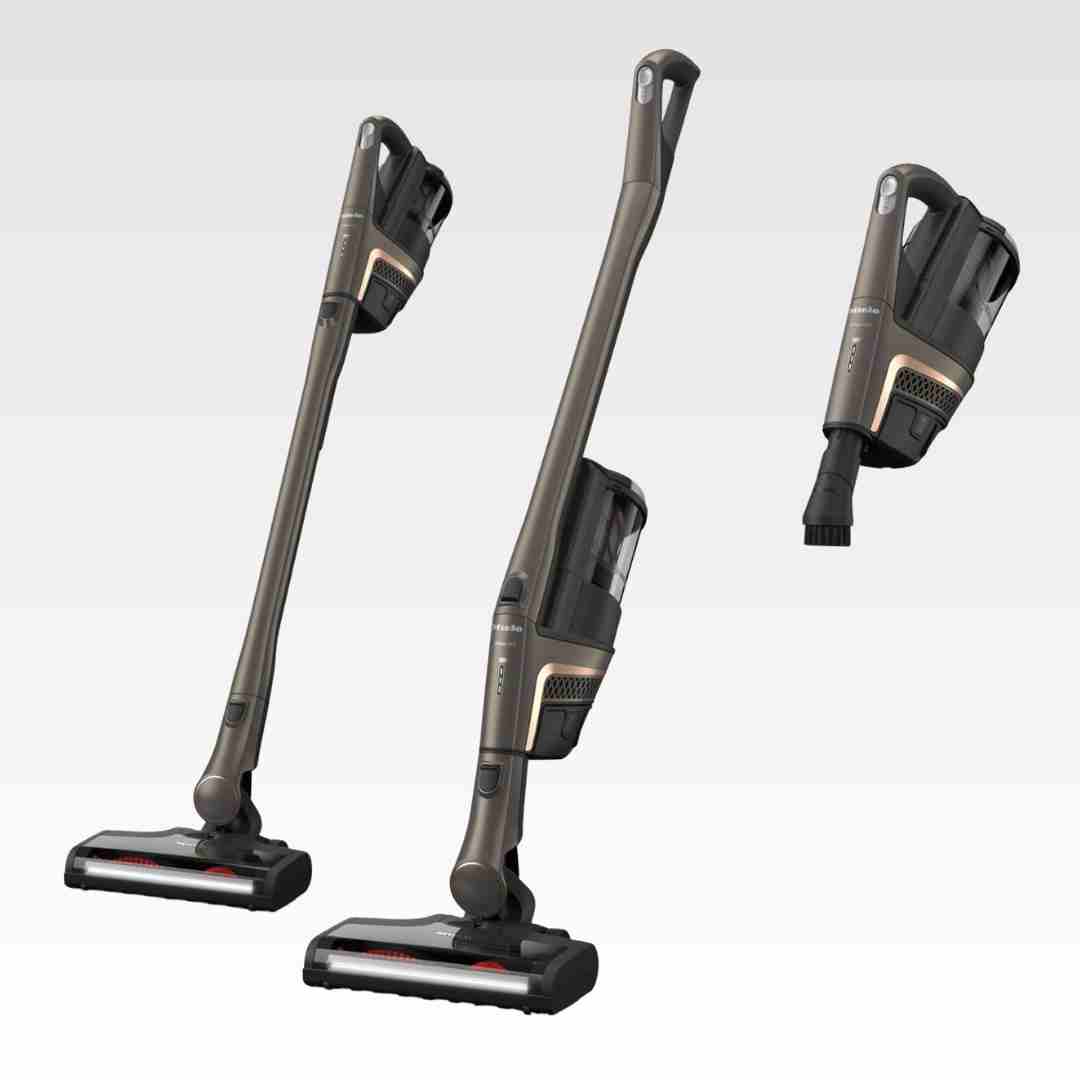
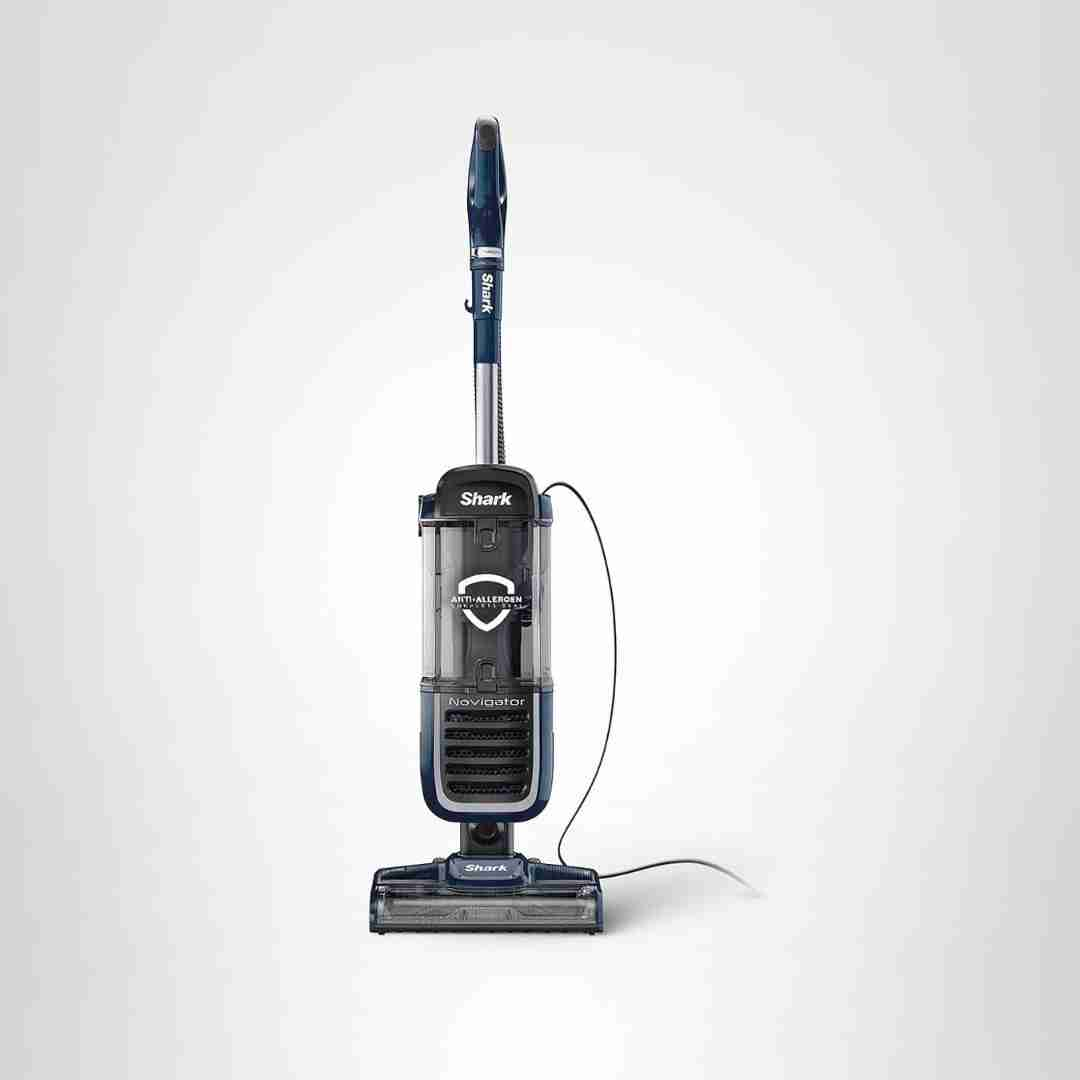
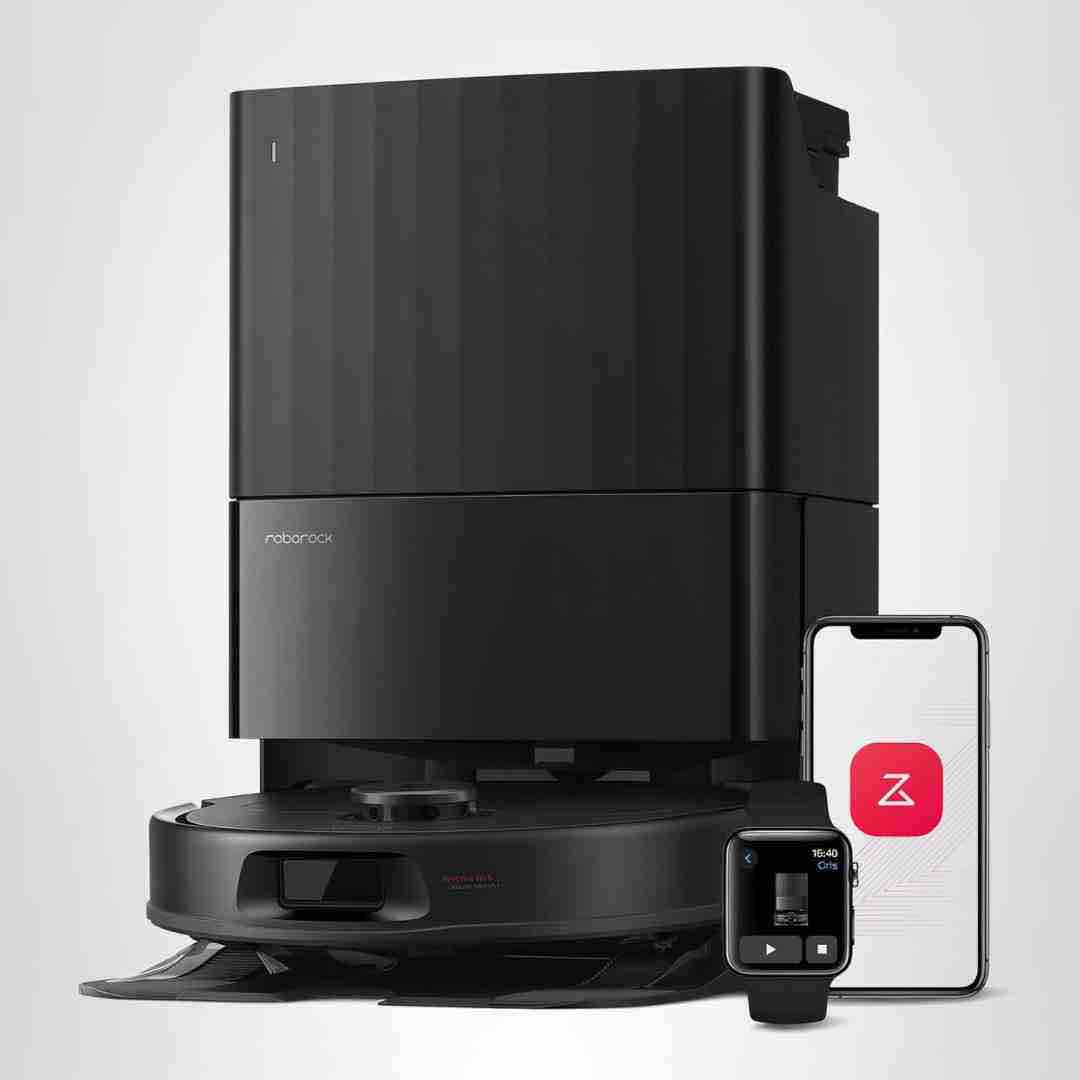
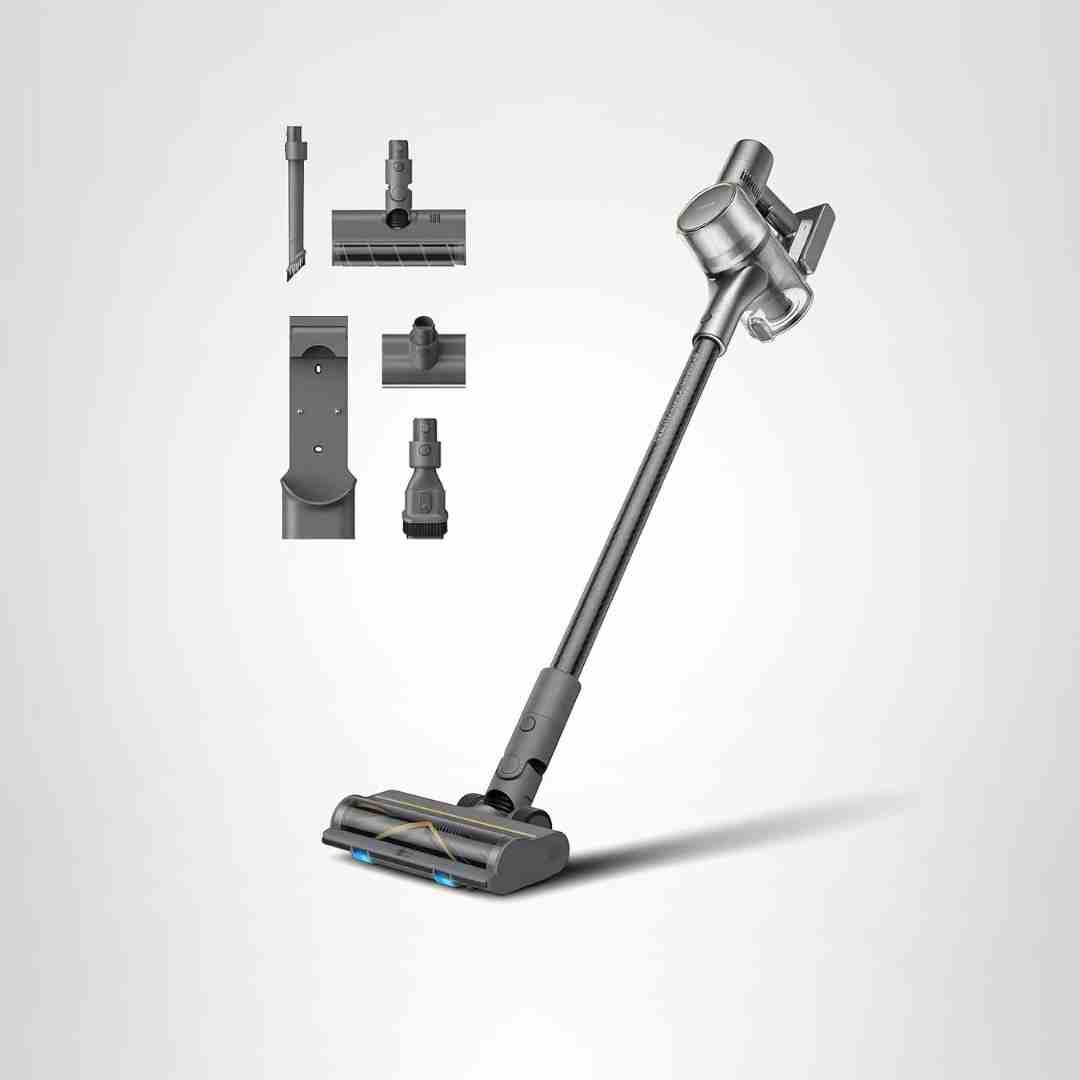
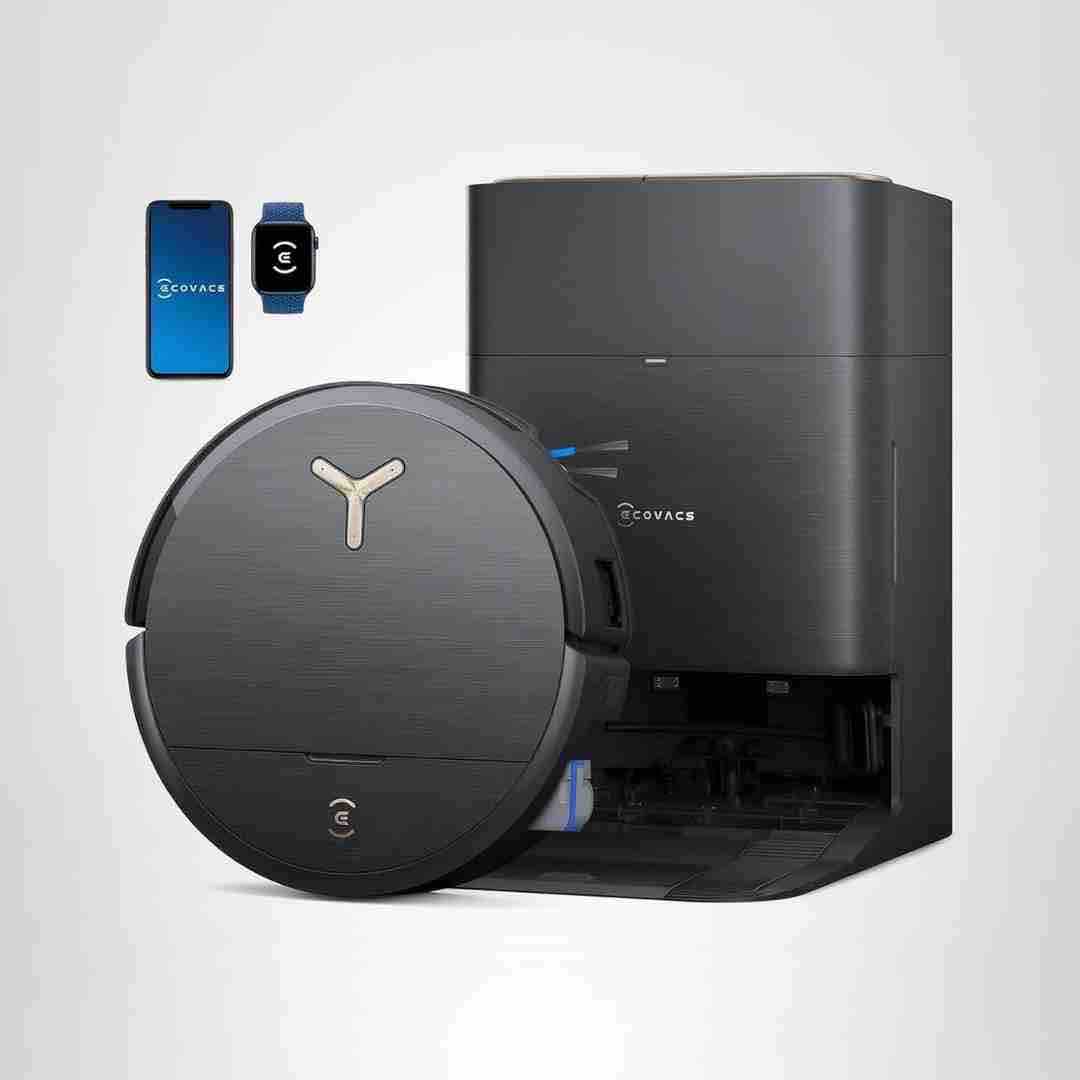
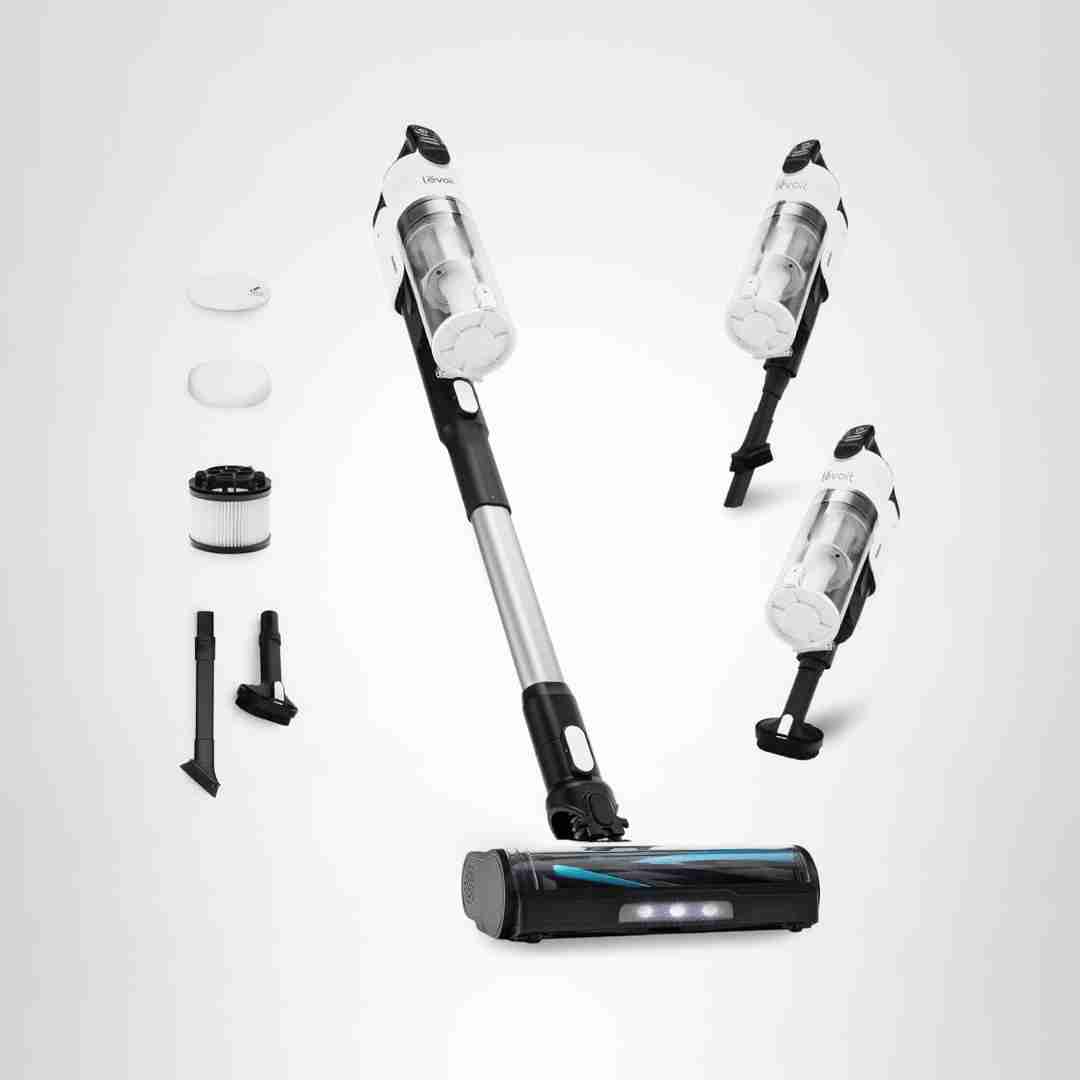
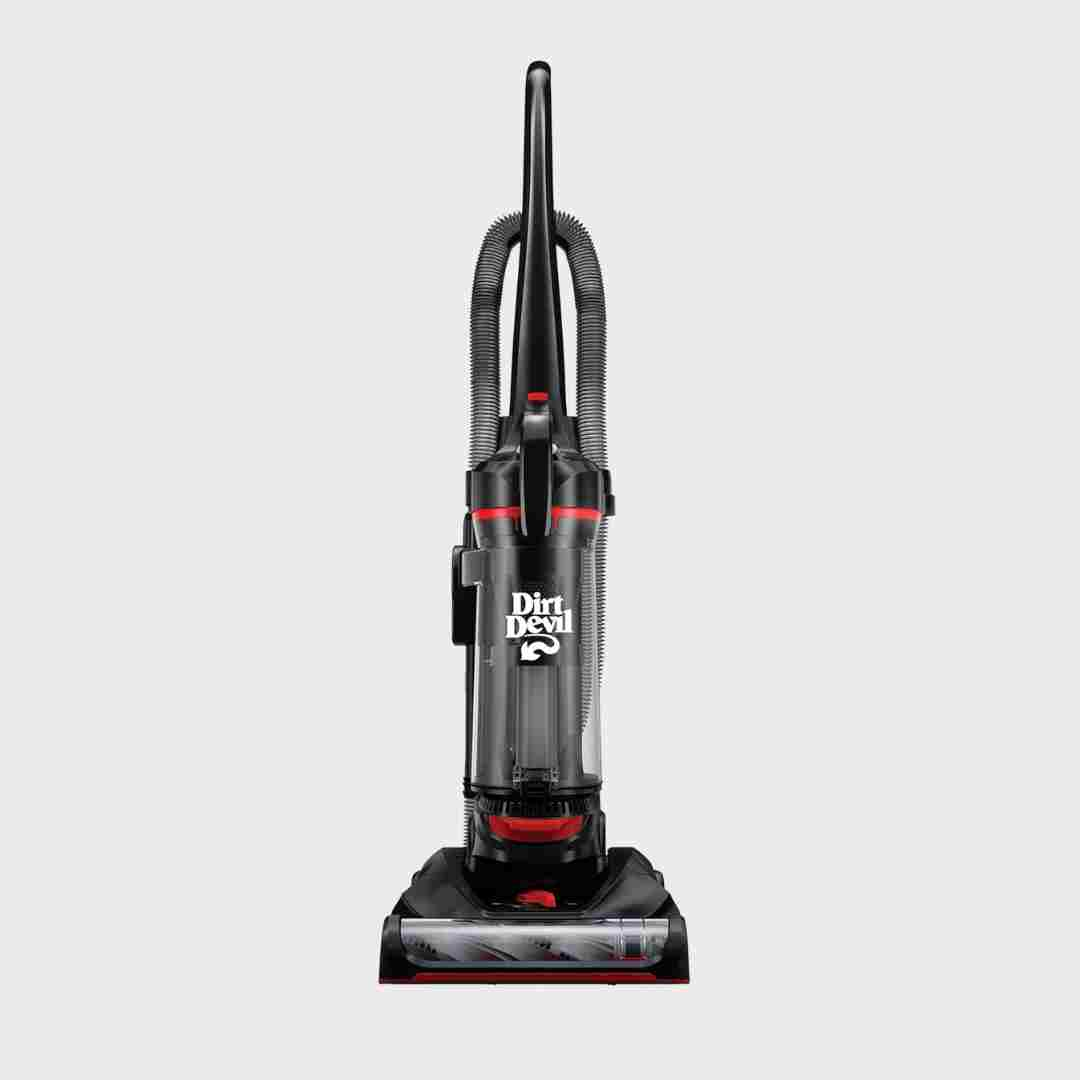
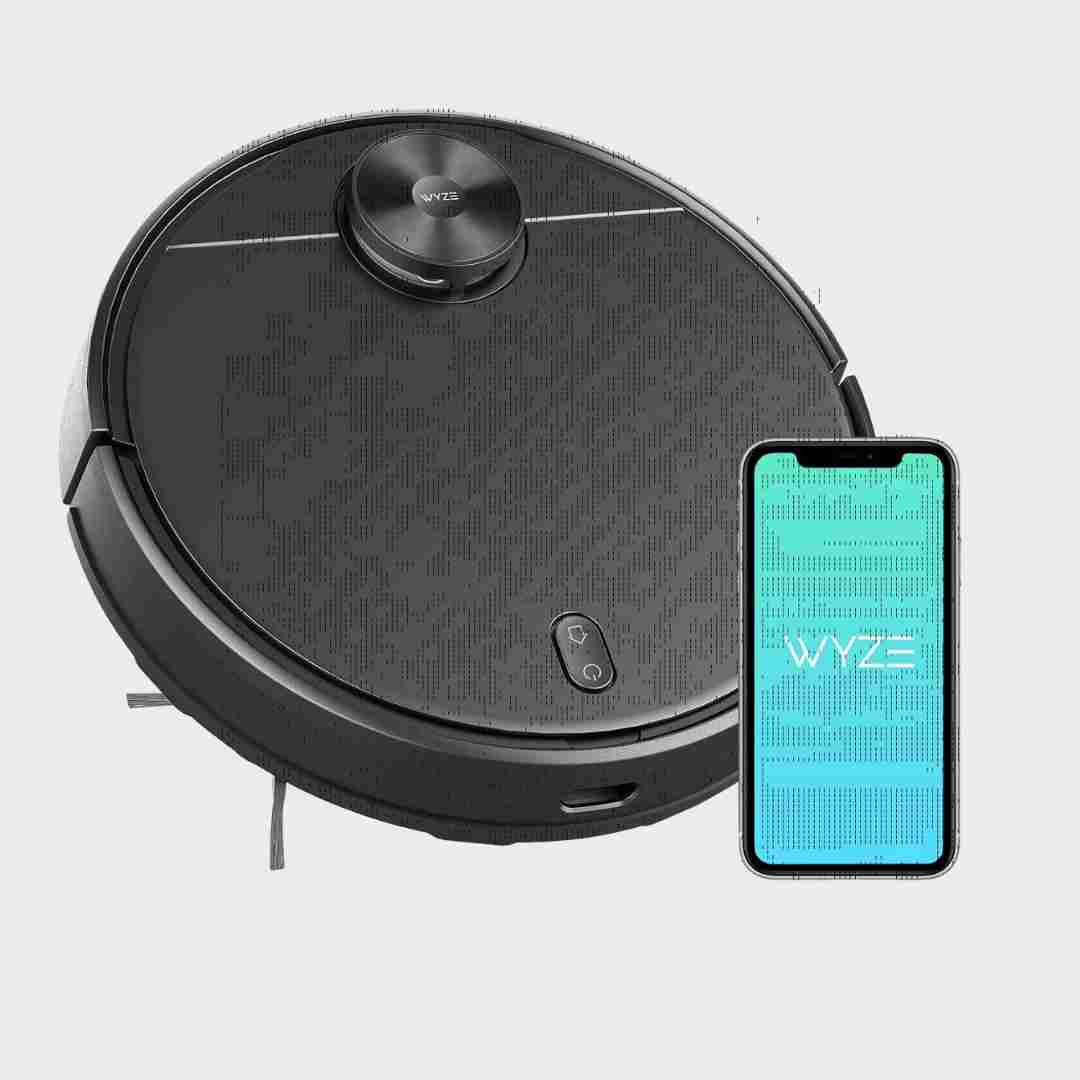
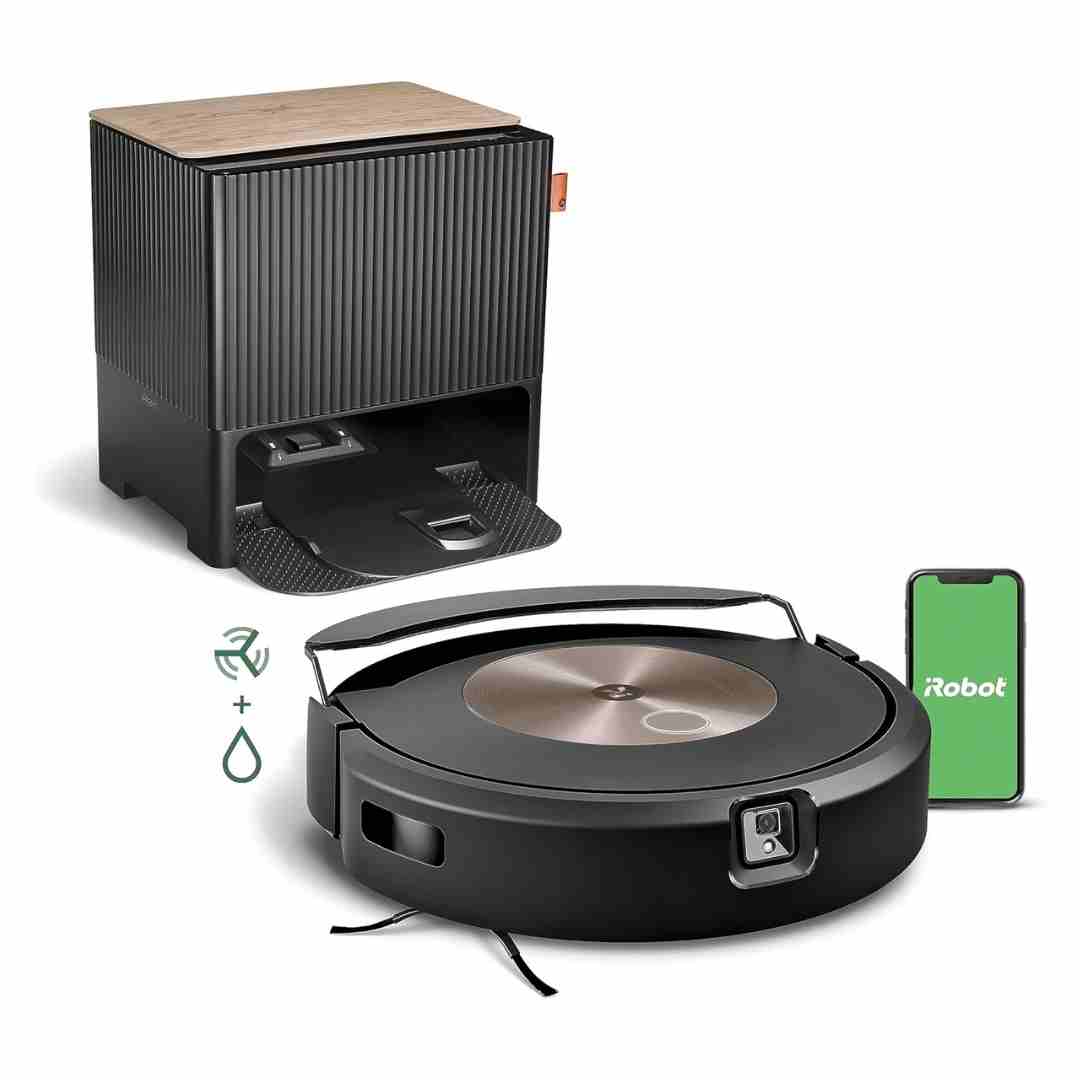
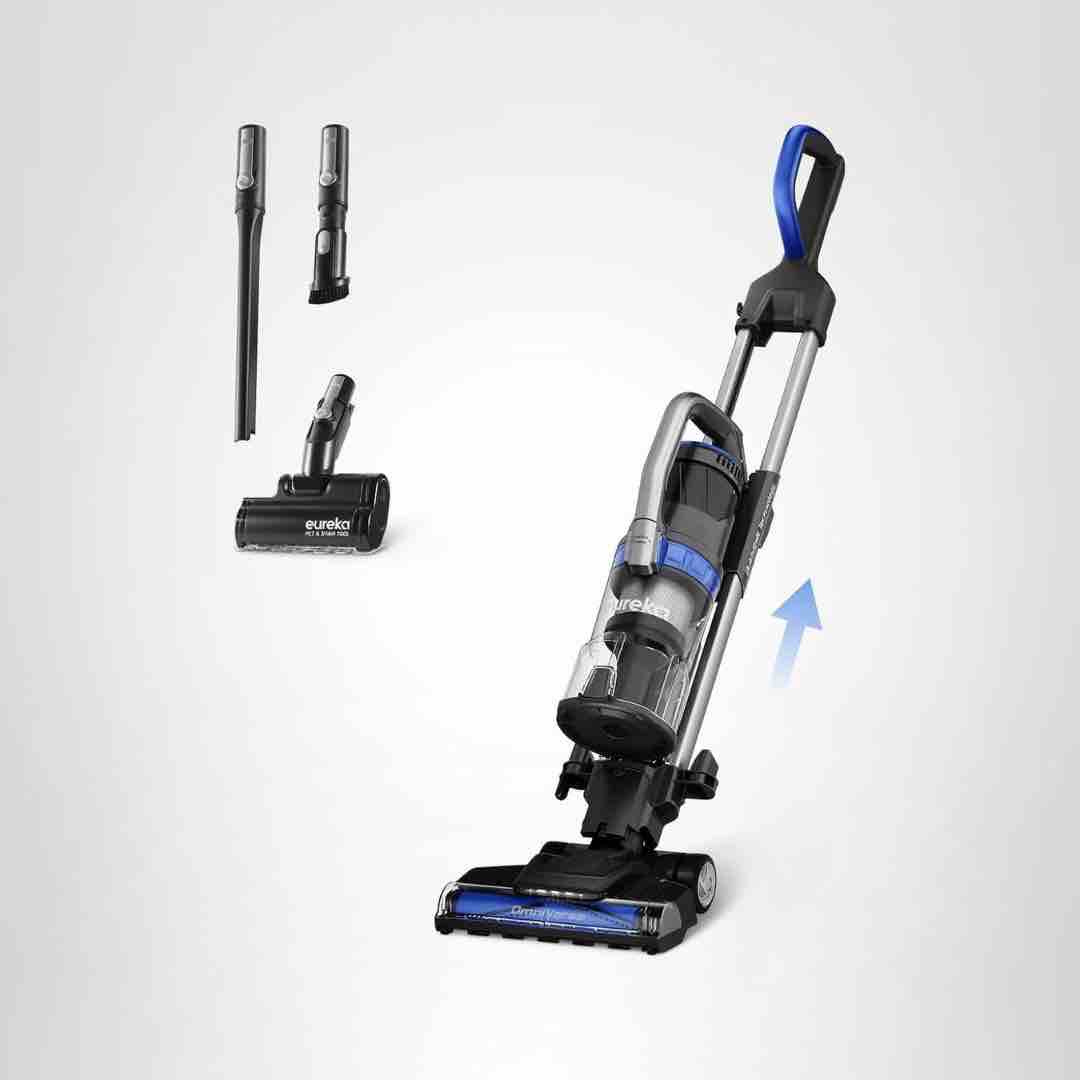
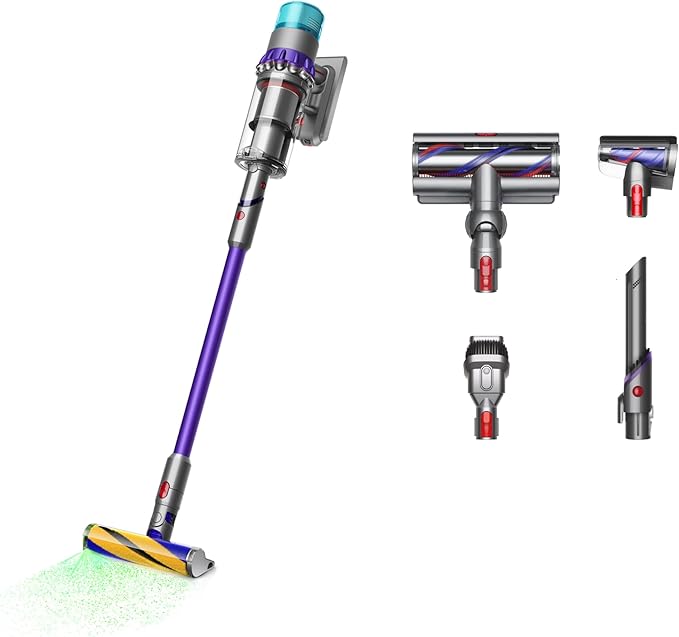
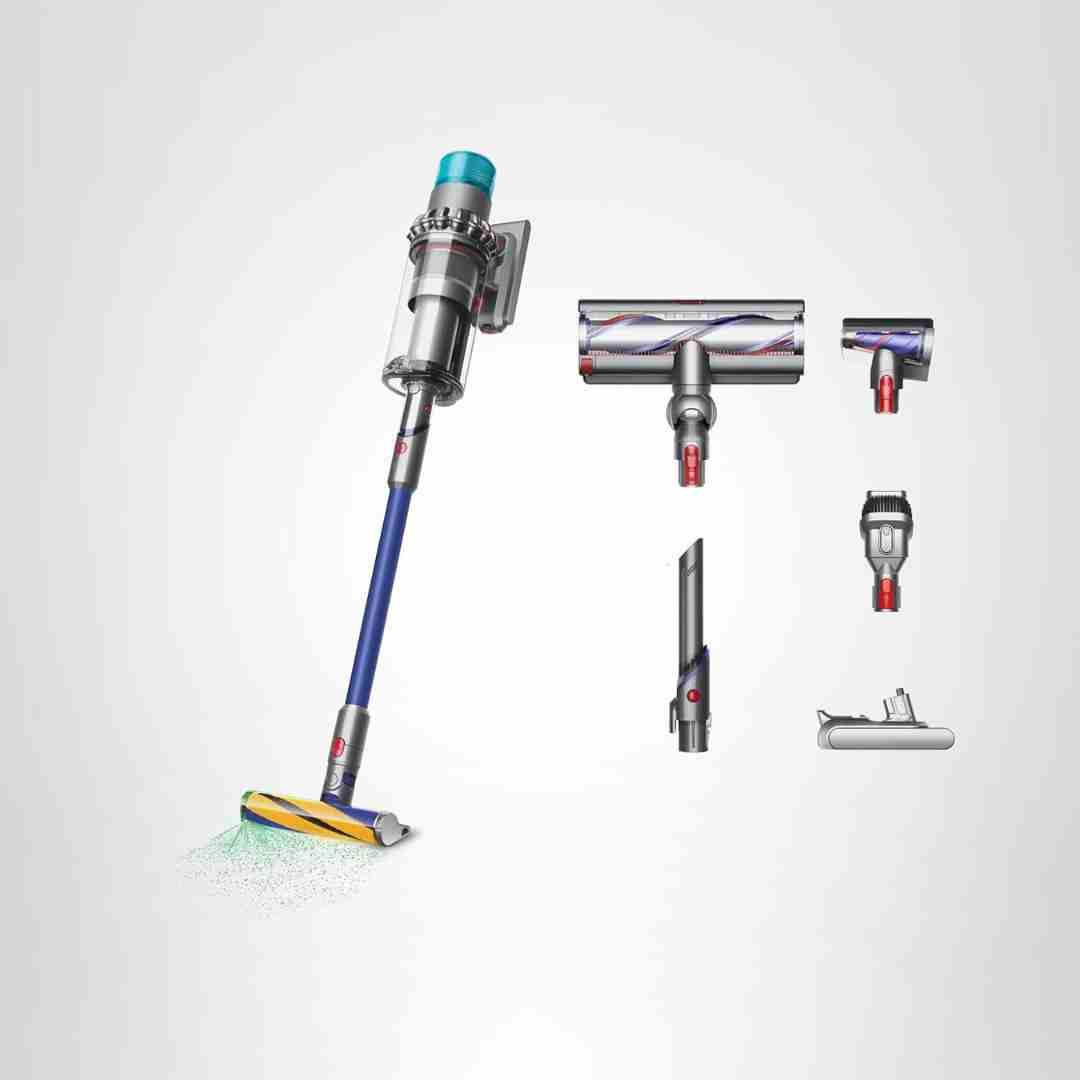
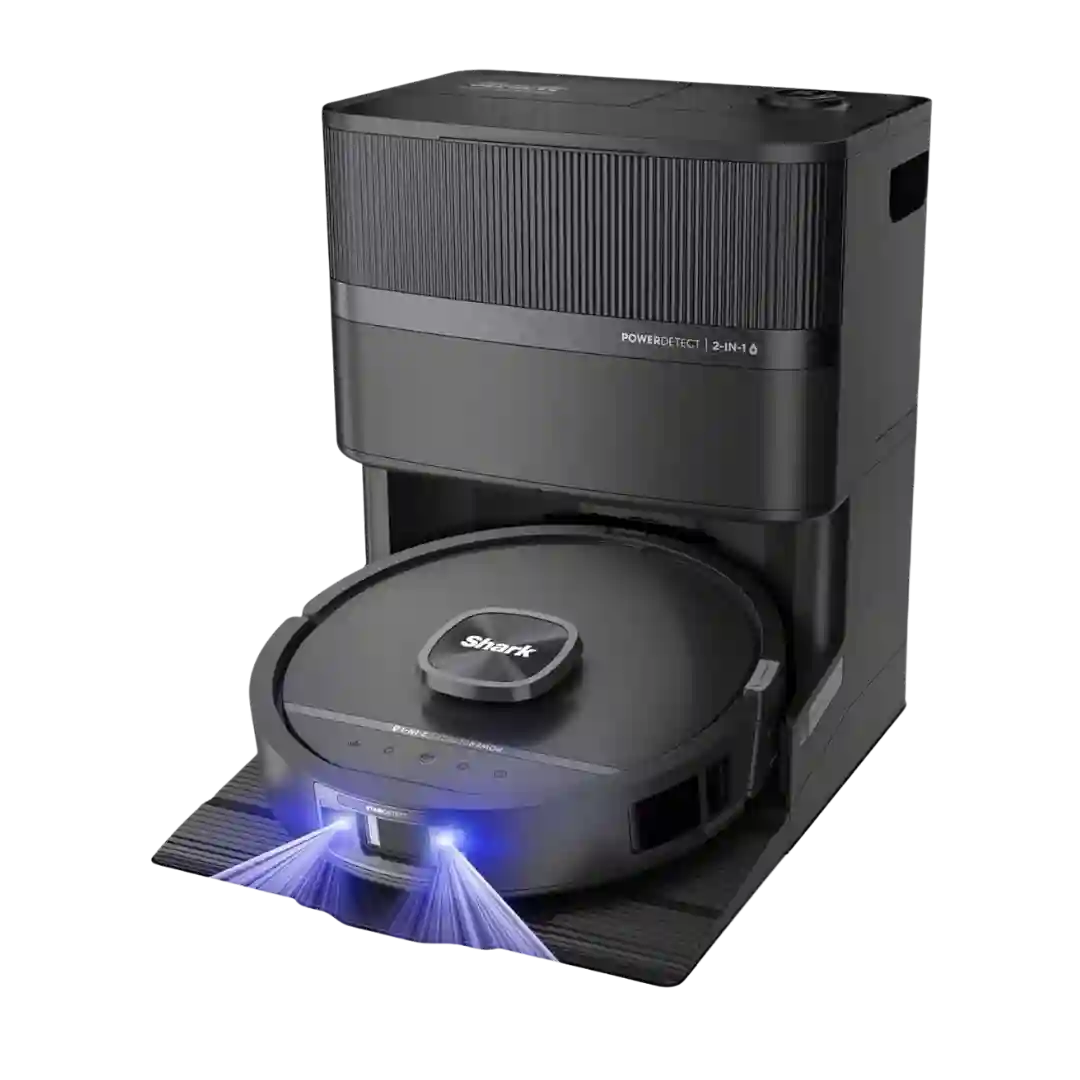
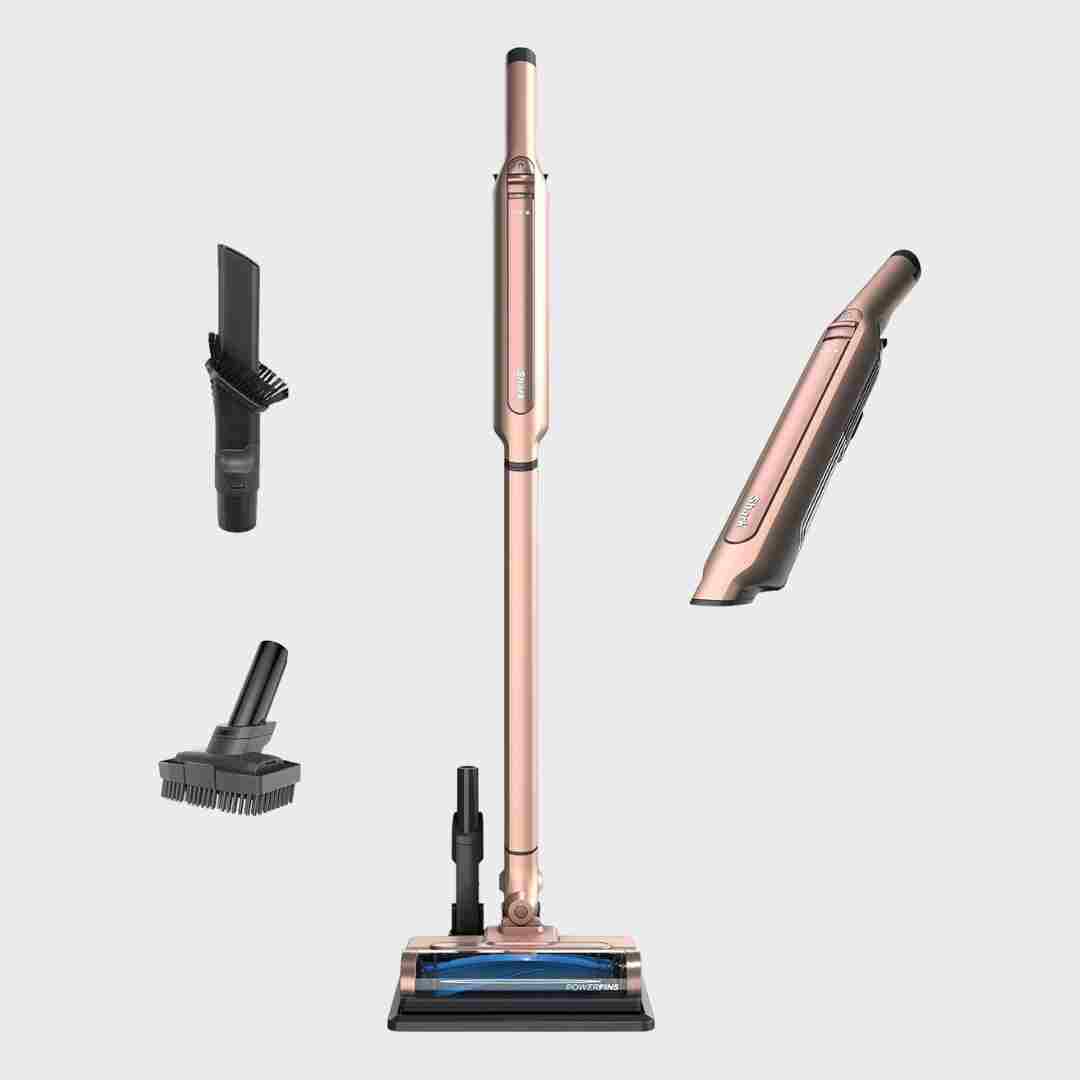
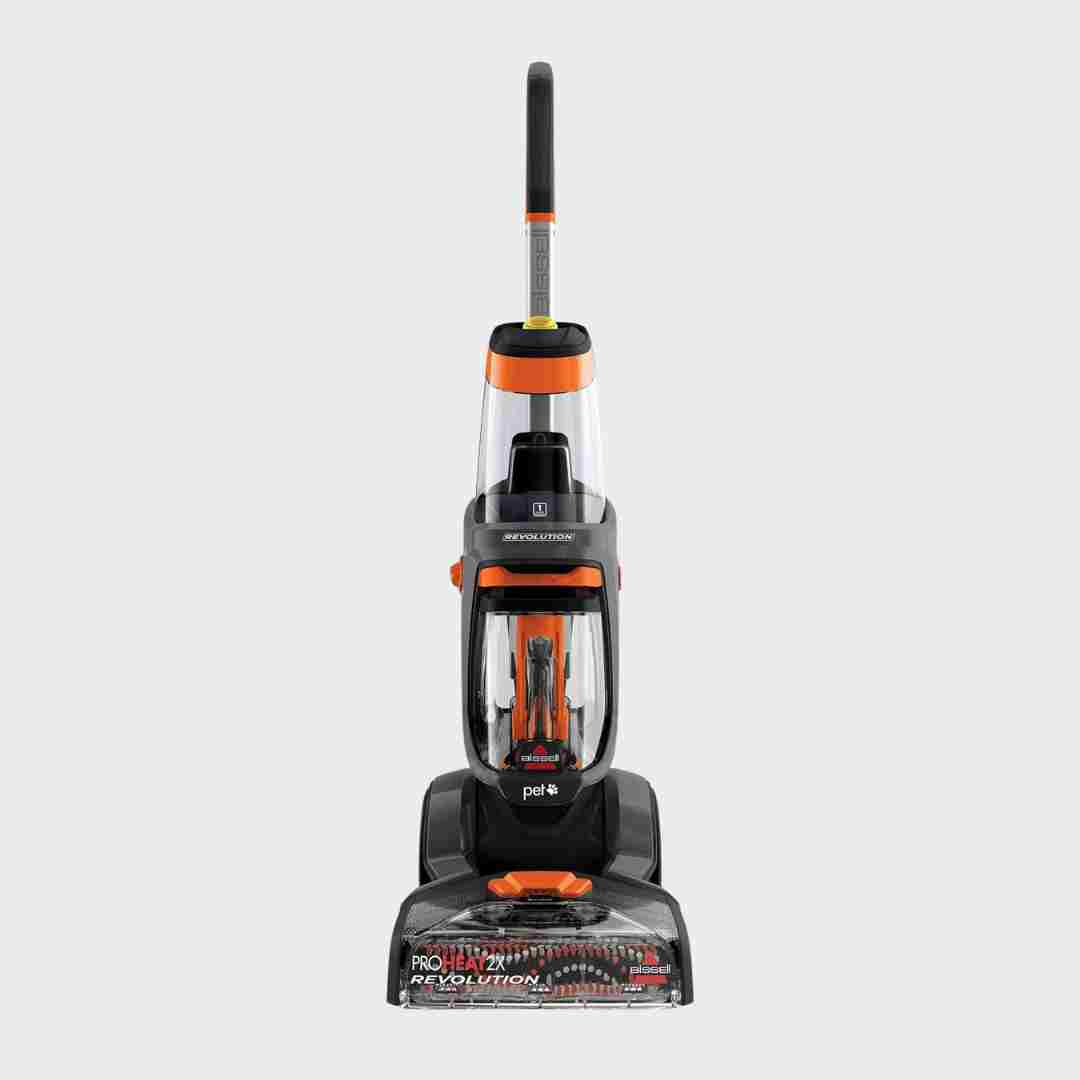
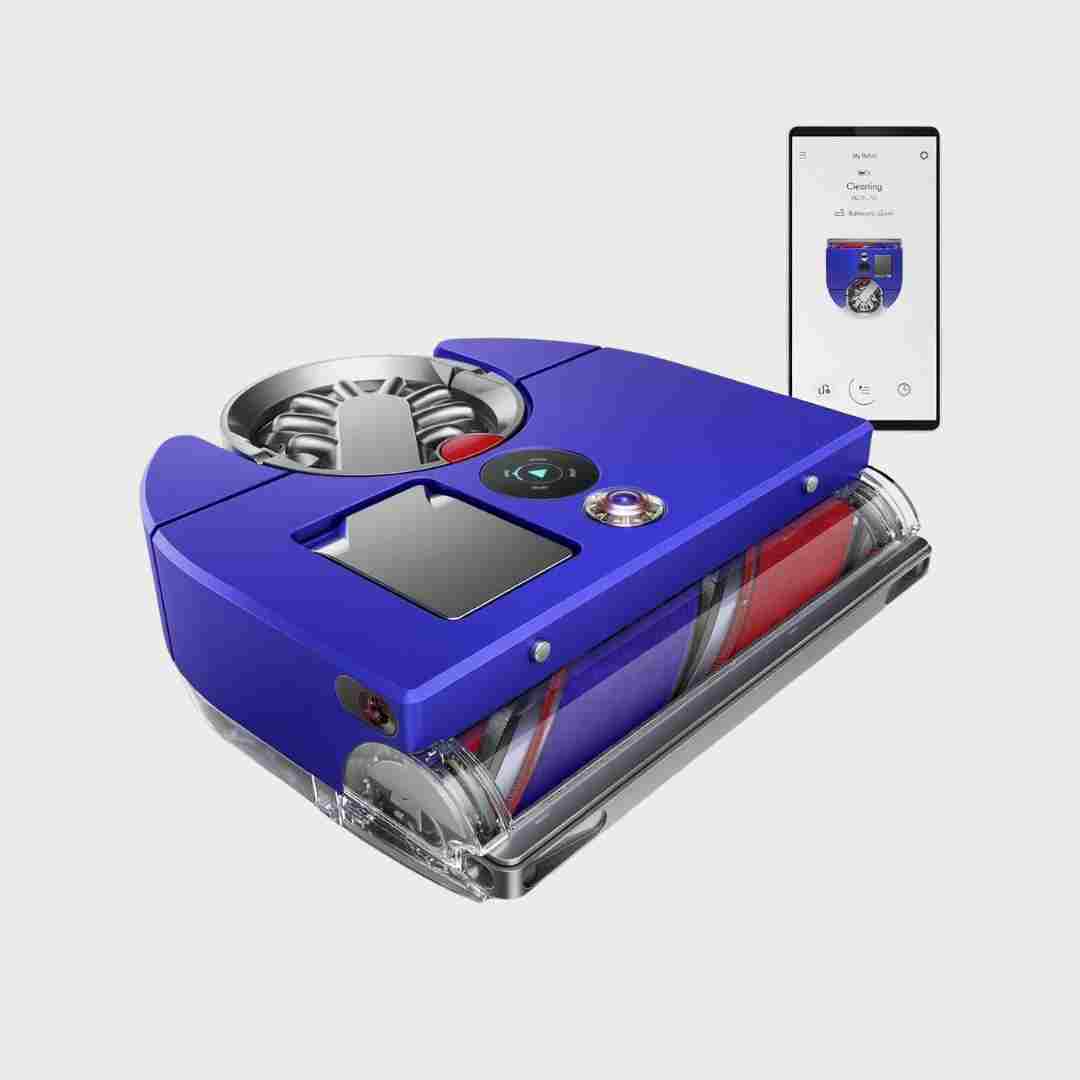
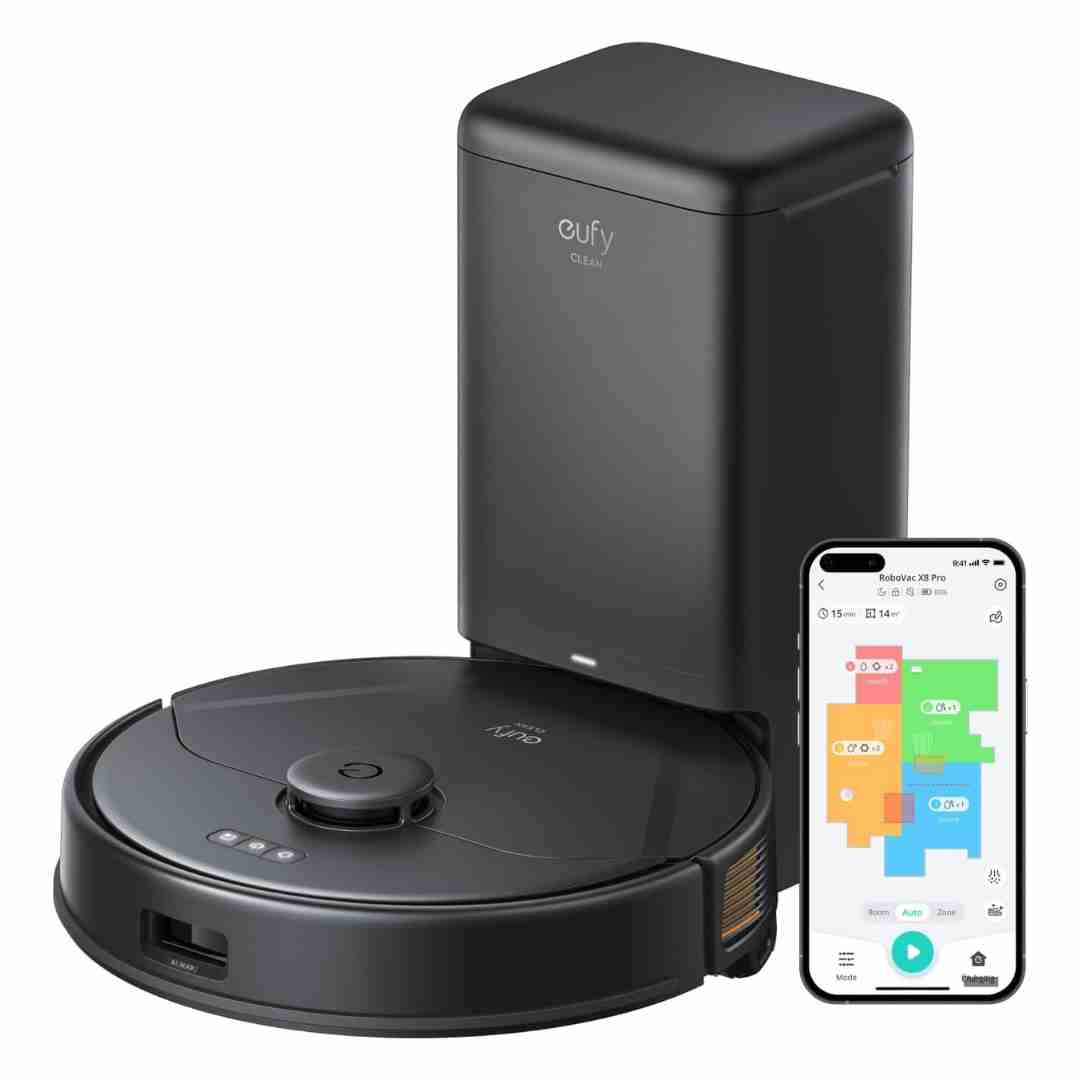
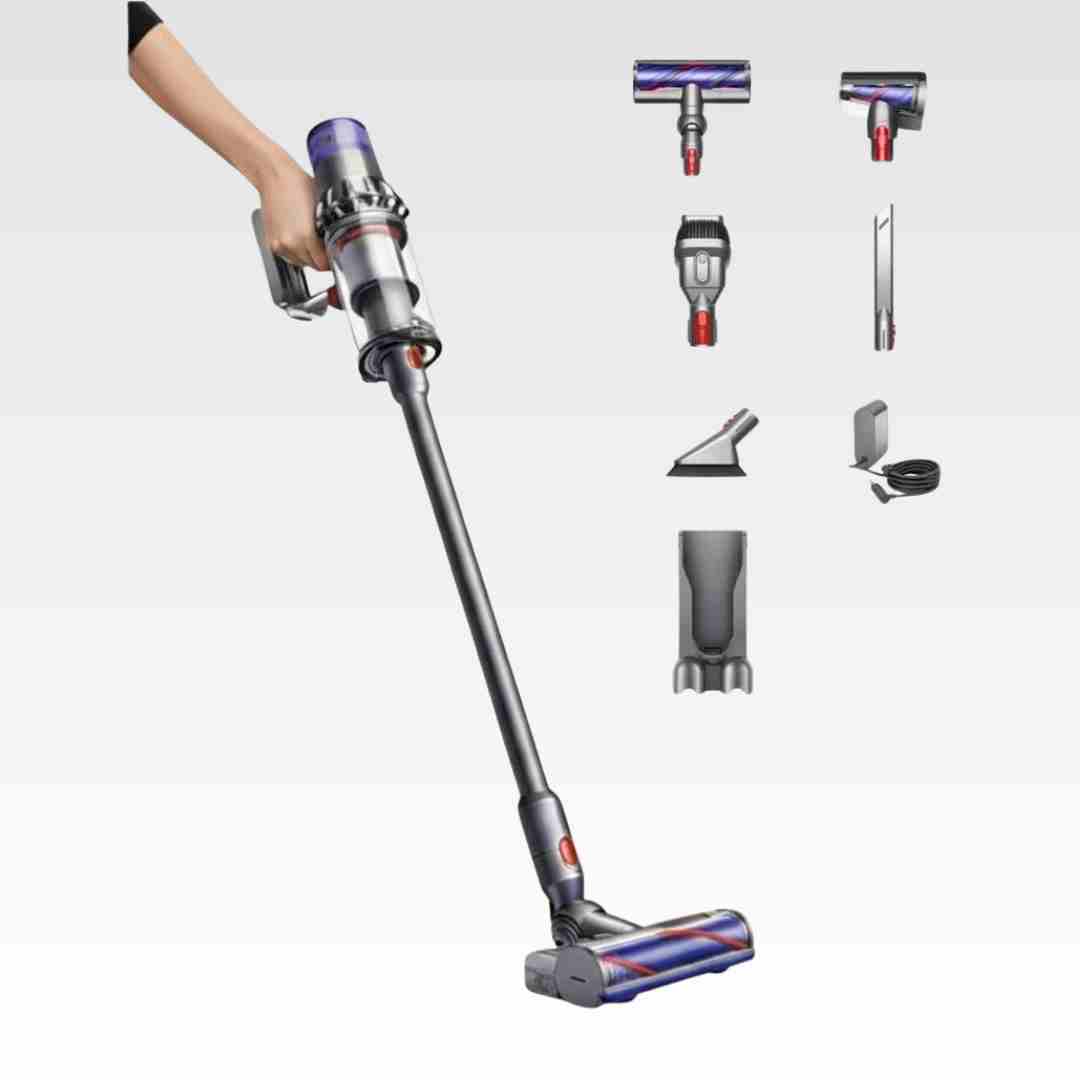
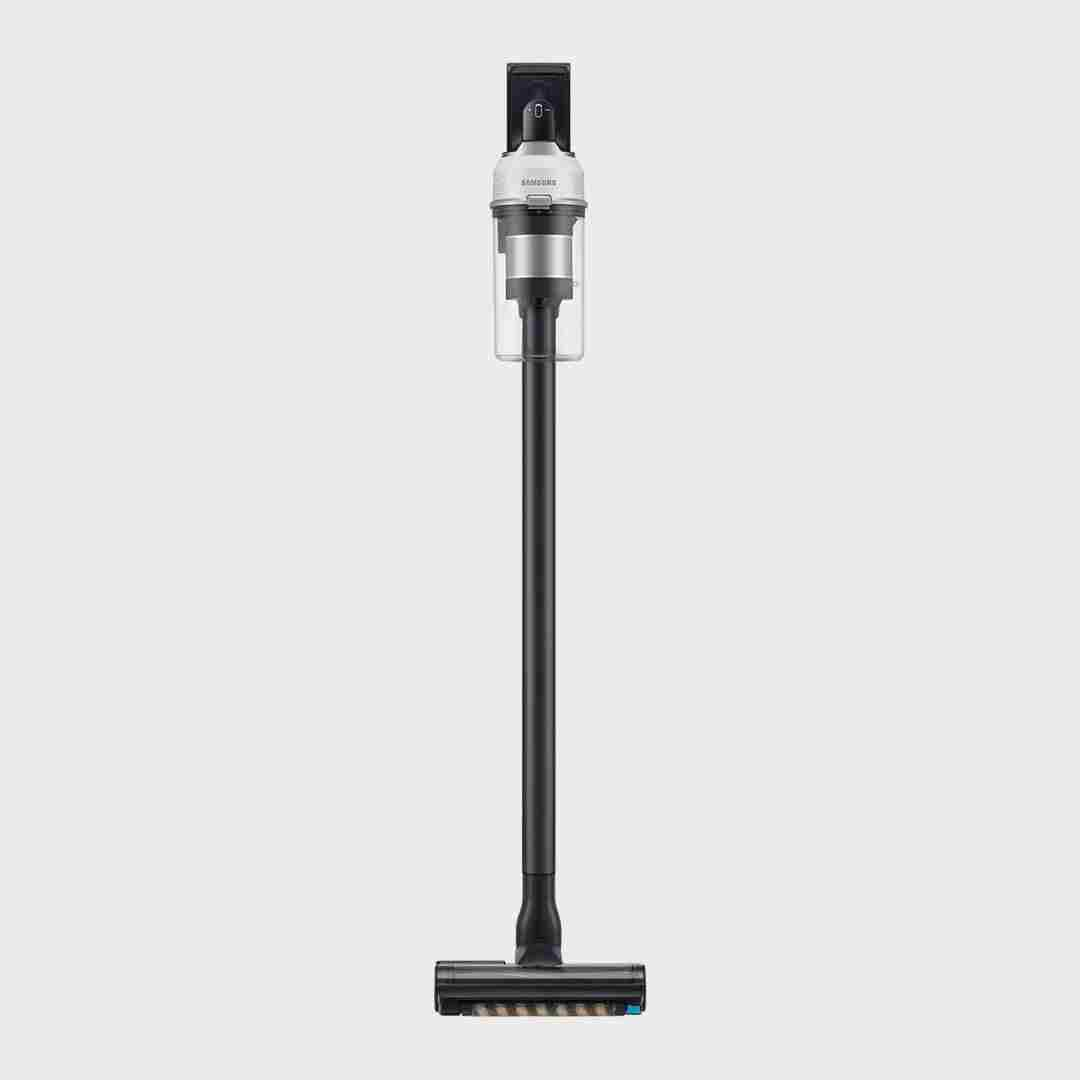
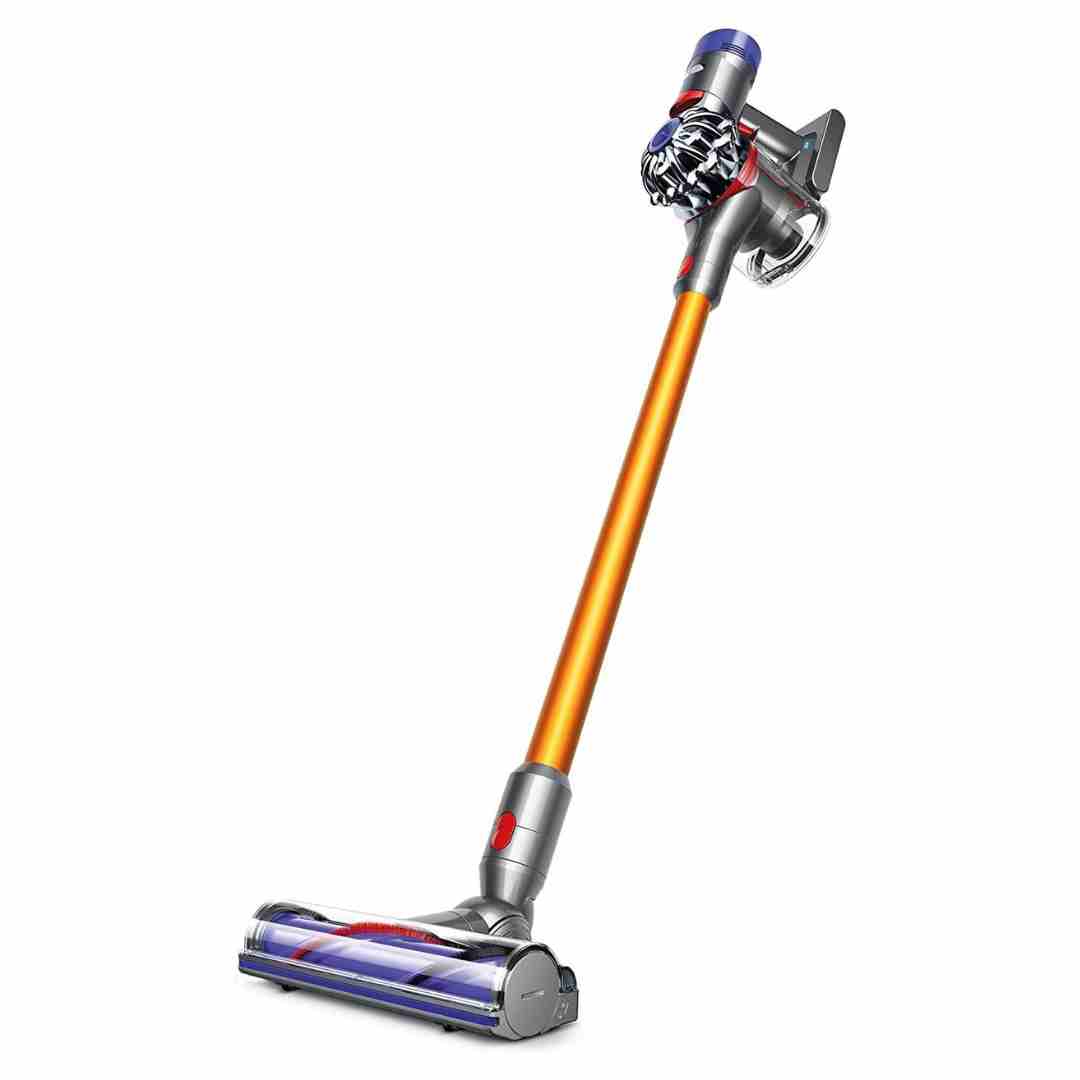
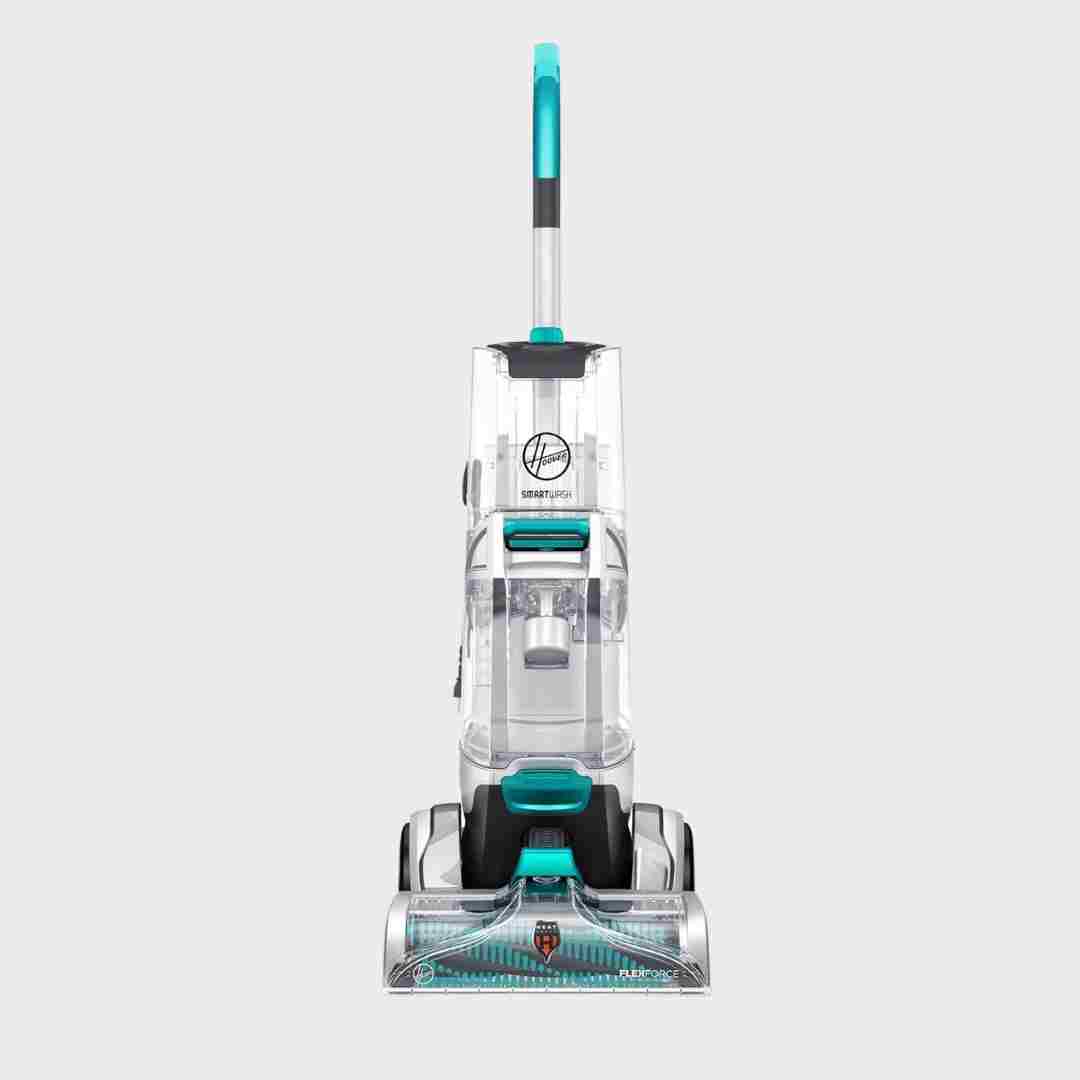
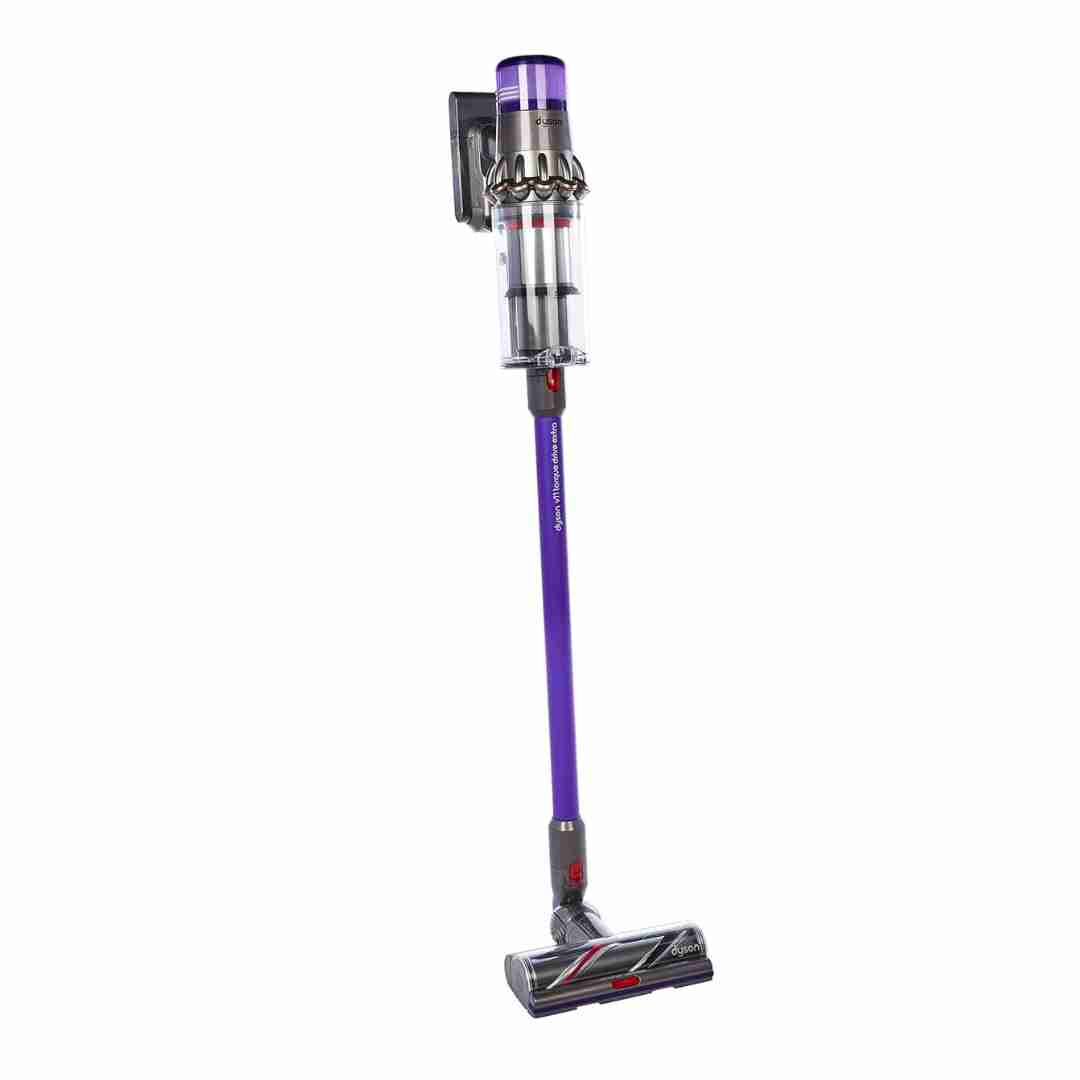
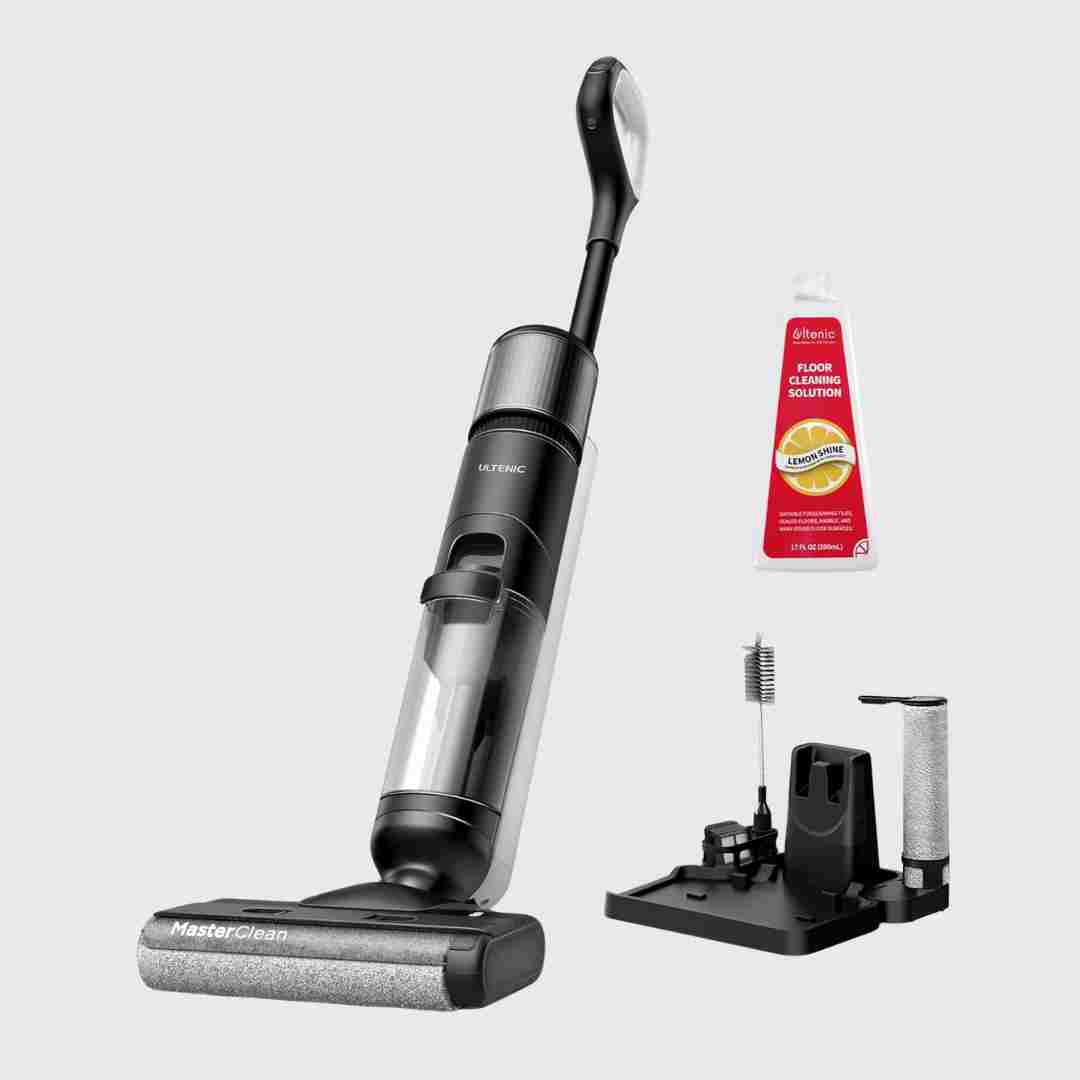
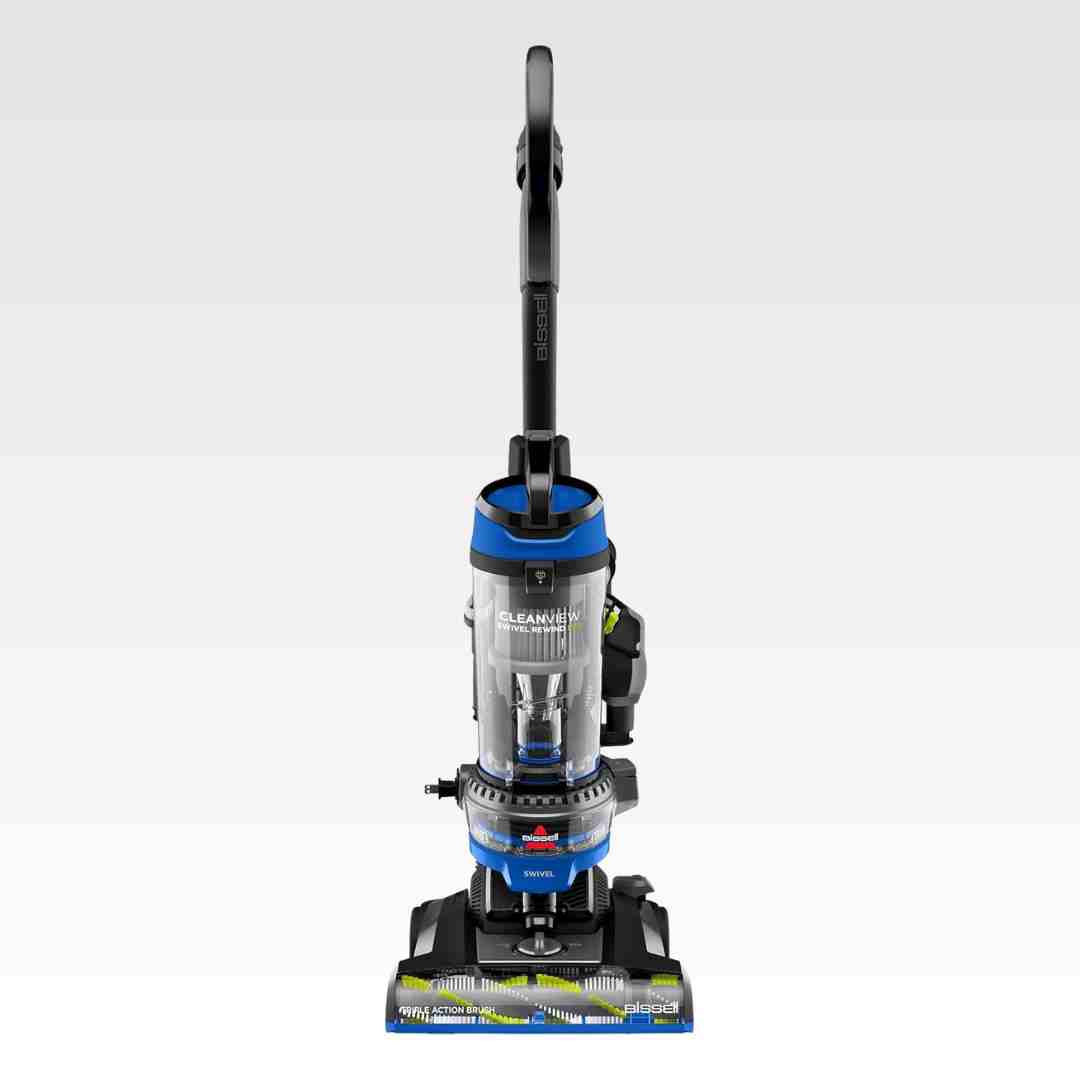
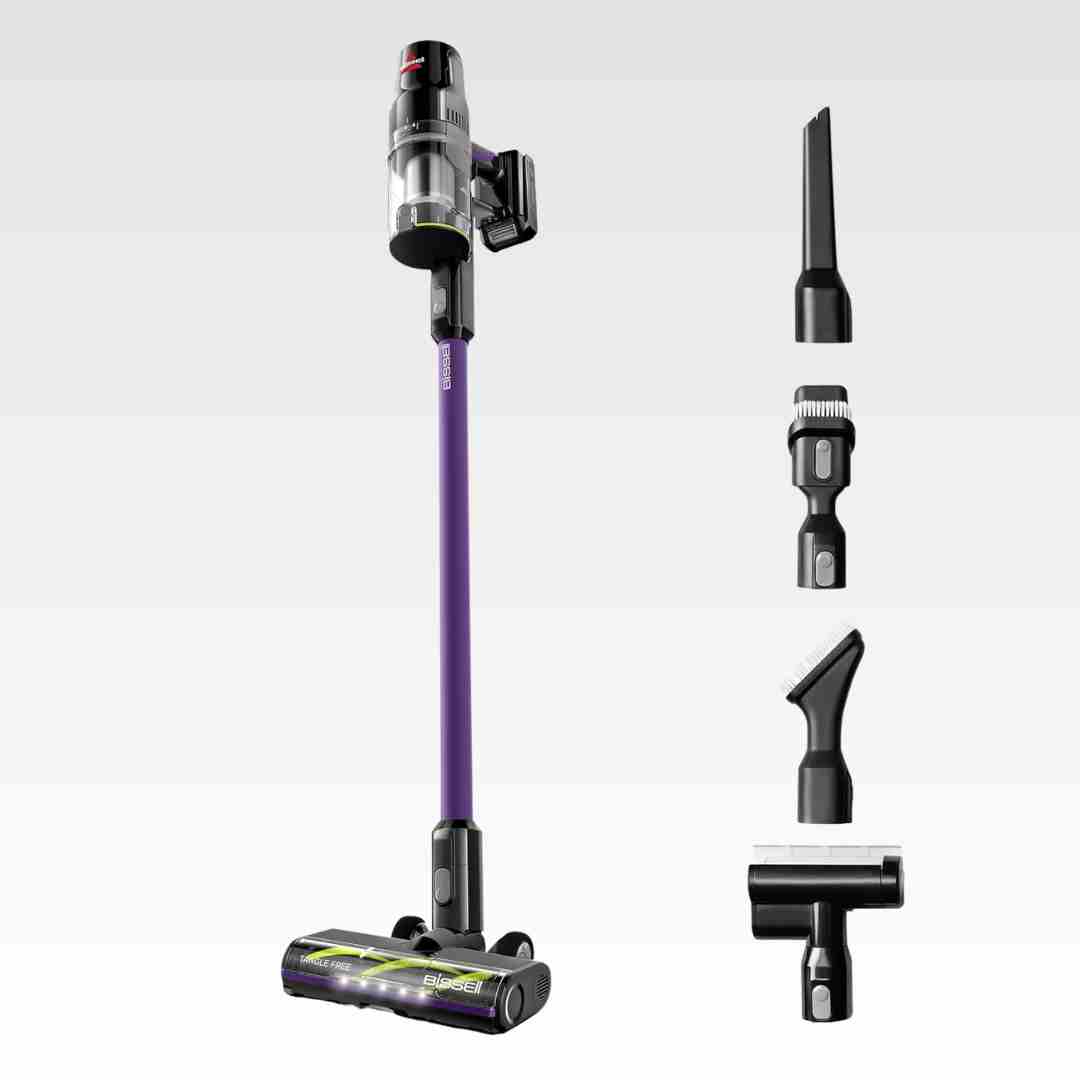
Debris scatter/blowback is generally low, and reviewers contrast it favorably against uprights that ‘shoot’ particles forward. Safety interlocks and DuoClean design help keep debris moving into the bin instead of back into the room.
At least one detailed review praises the side/backward venting for avoiding debris being blown around during cleaning, reducing blowback issues compared to some competitors.
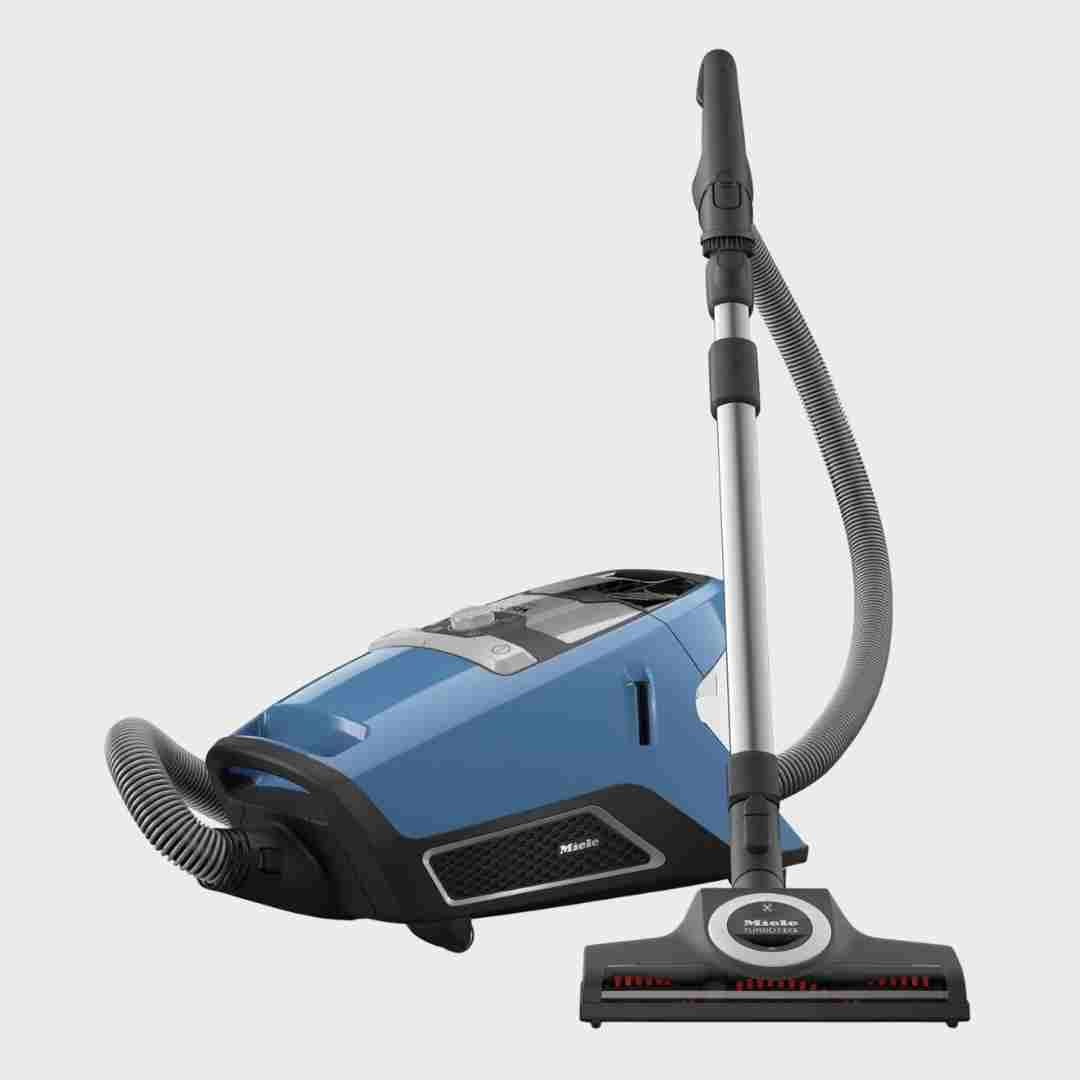
Sealed filtration is repeatedly credited with minimizing dusty exhaust and blowback compared with less-contained vacuums. This is positioned as especially beneficial for allergy sufferers and fine-dust homes.
One reviewer specifically praises the exhaust airflow diffusion for avoiding blowing debris around while working close to a mess. This suggests thoughtful airflow directionality compared to tools that create disruptive blowback.
The airbelt exhaust is repeatedly framed as a practical design: it diffuses exhaust and helps avoid blasting debris around, while also acting as a protective bumper.
Hard-floor scattering/blowback appears well controlled in most accounts, with reviewers often noting little debris spray-back when picking up mixed messes.
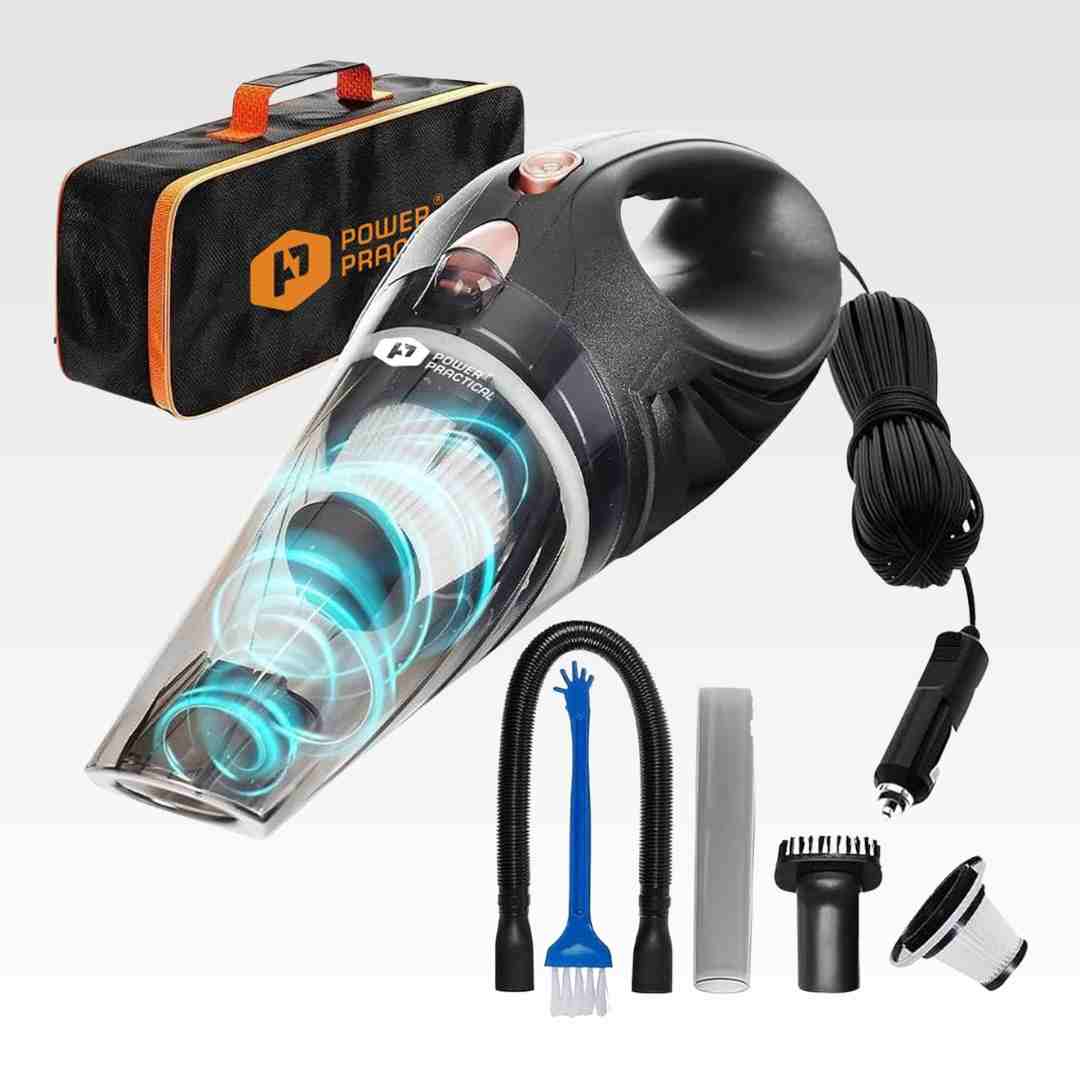
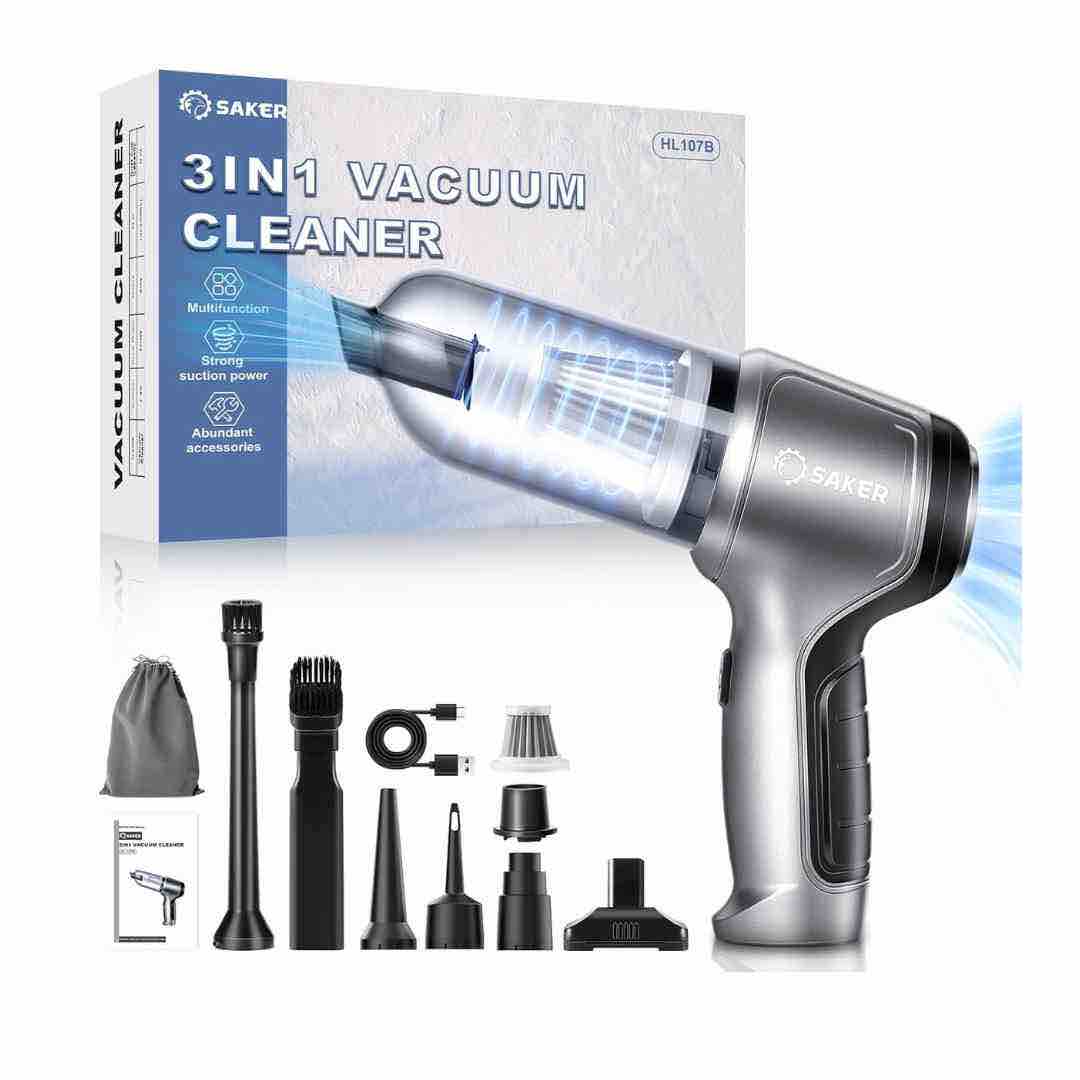
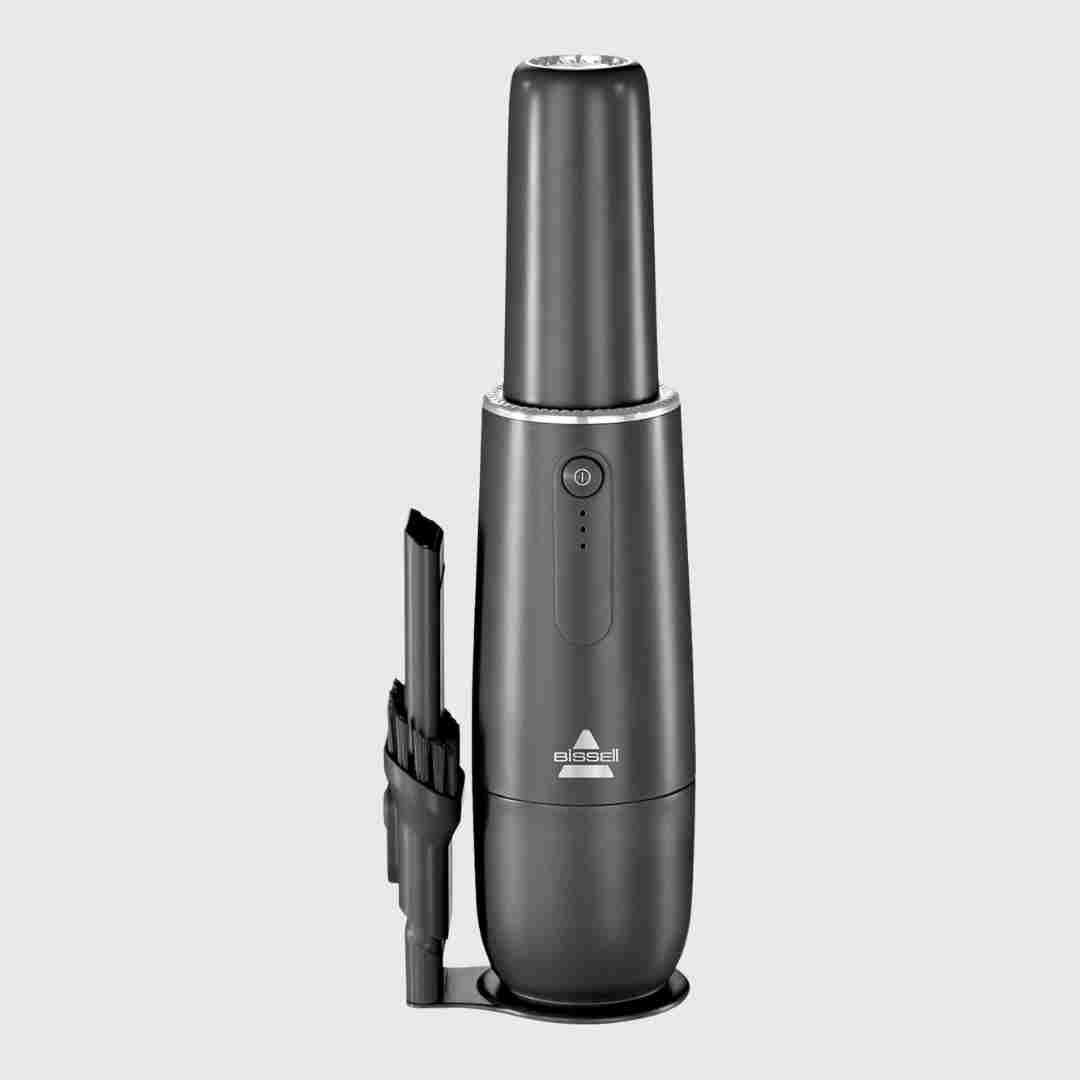
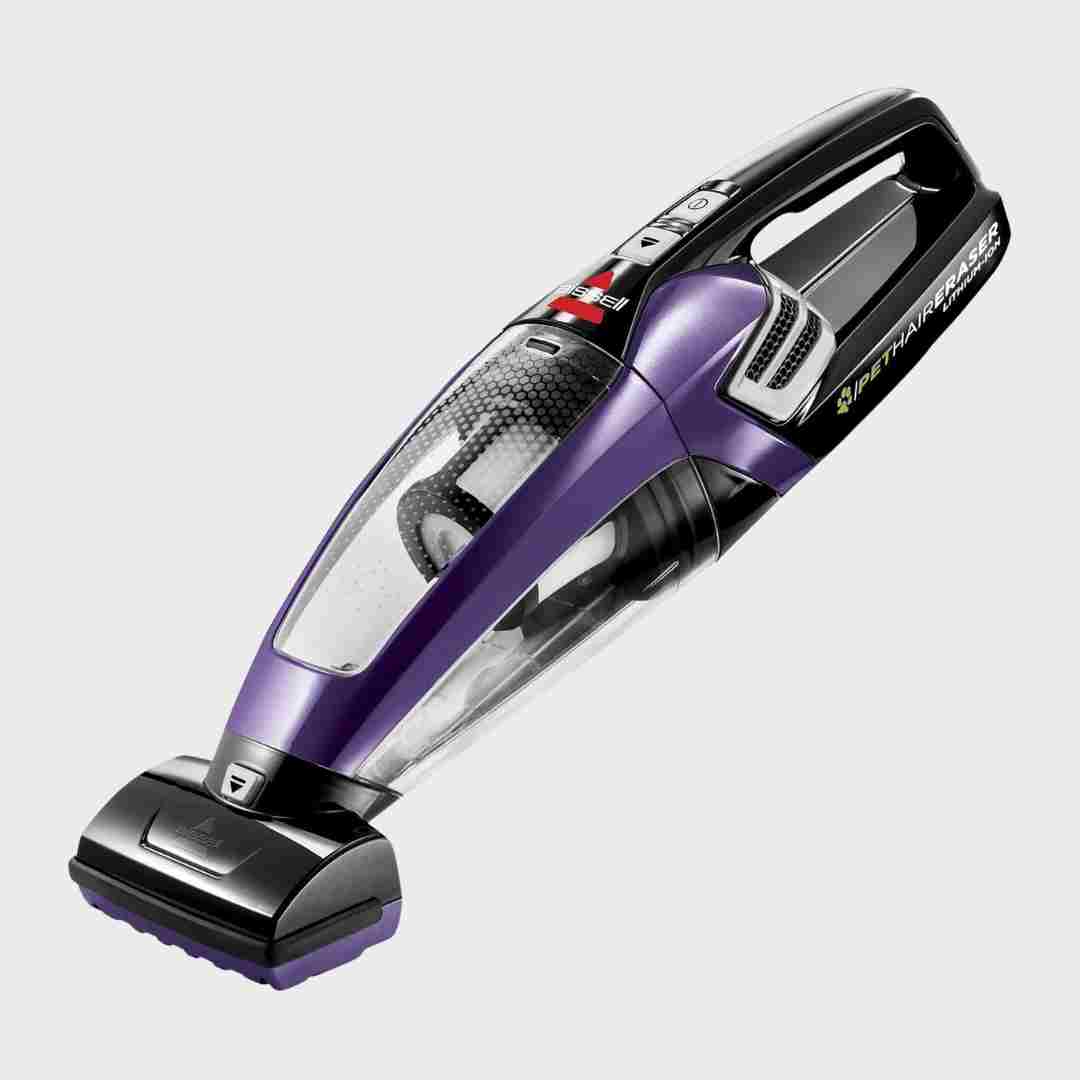
Air-blowing performance is a highlight in many reviews, effectively blasting dust from keyboards, fans, and crevices and inflating balloons or floats quickly. Blowing can scatter debris, so reviewers often follow with vacuum mode.
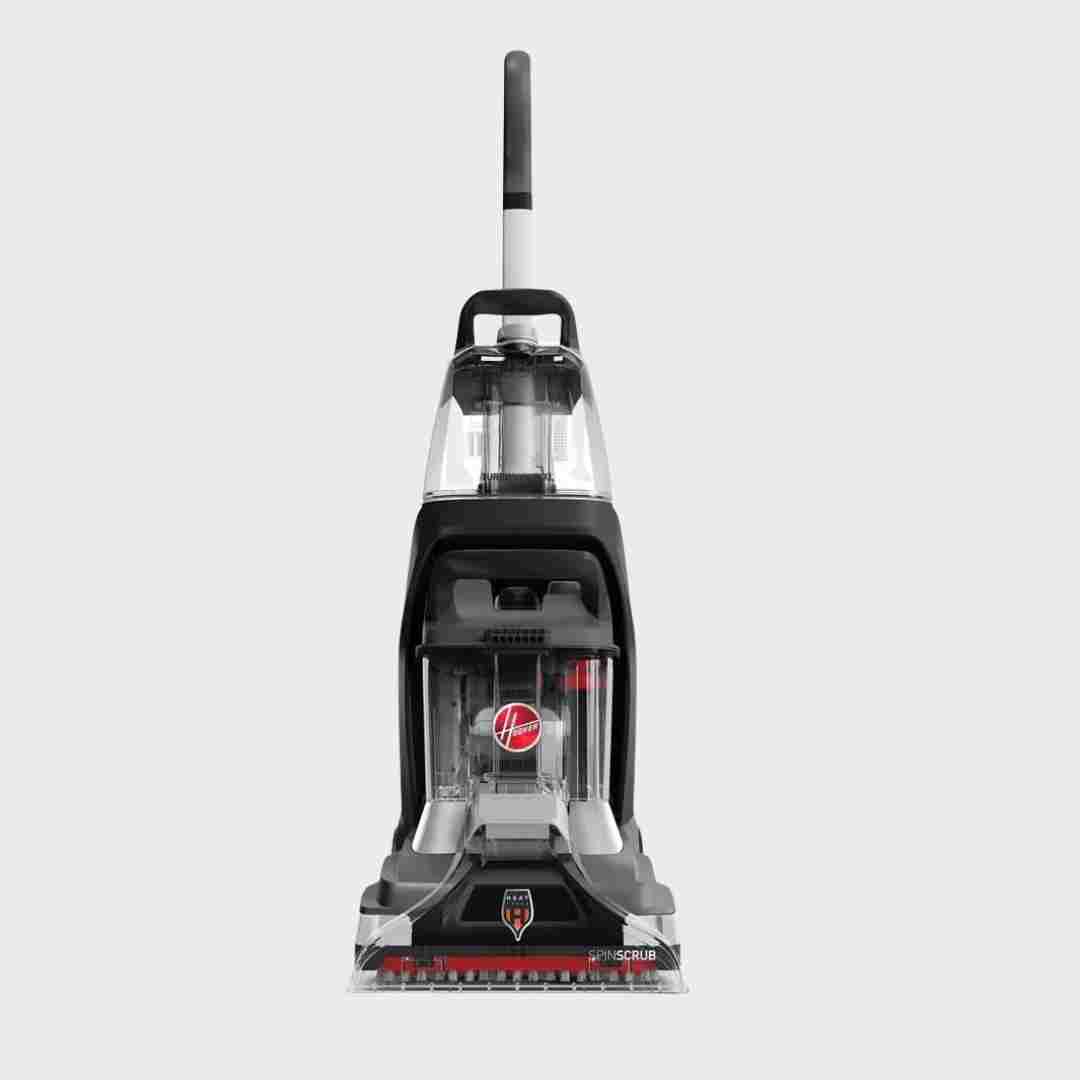
Airflow/exhaust is repeatedly framed as part of the drying story, with some reviewers noting heated airflow that helps speed dry times. A comparative test ranked airflow/blow speed near the top for the PowerScrub among peers.
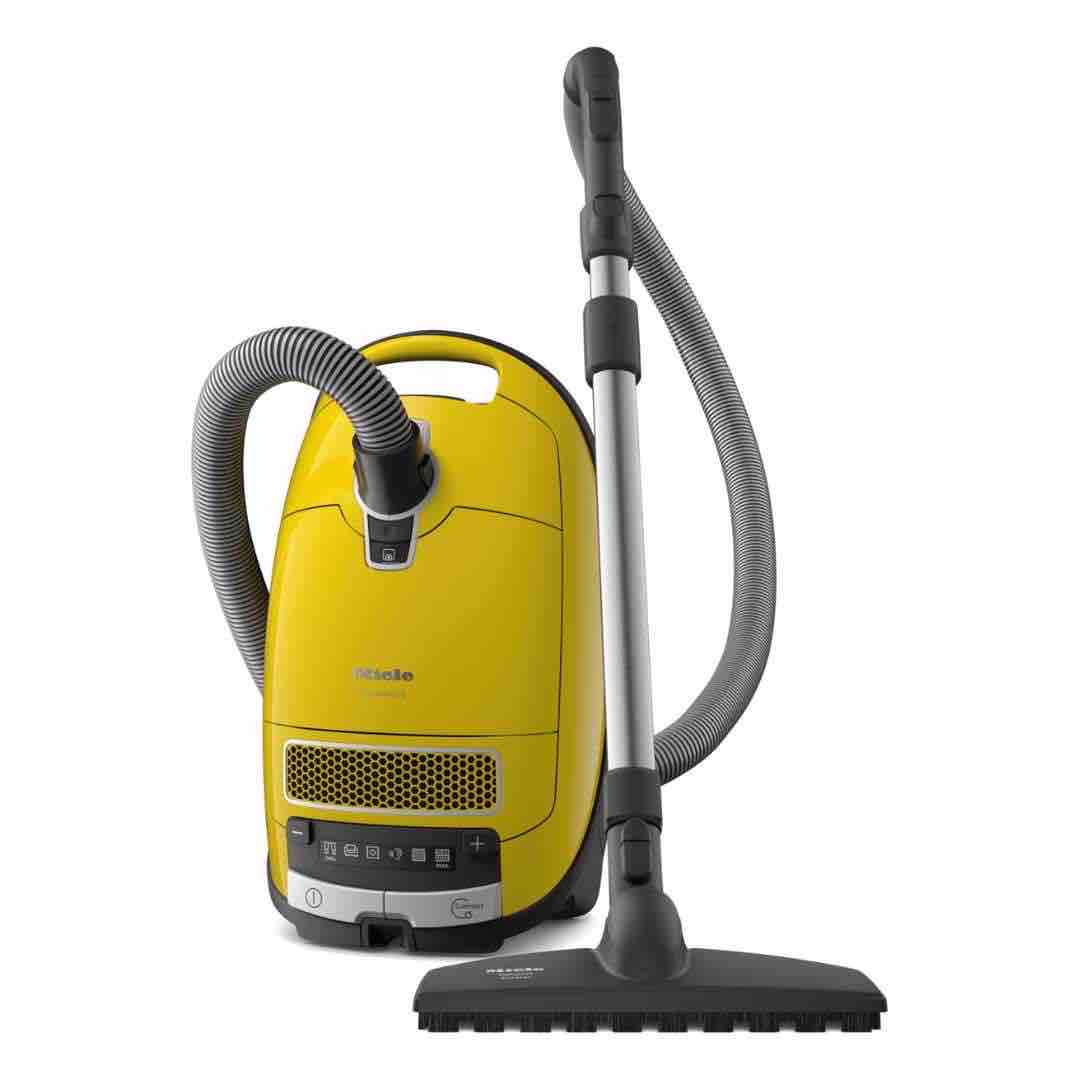
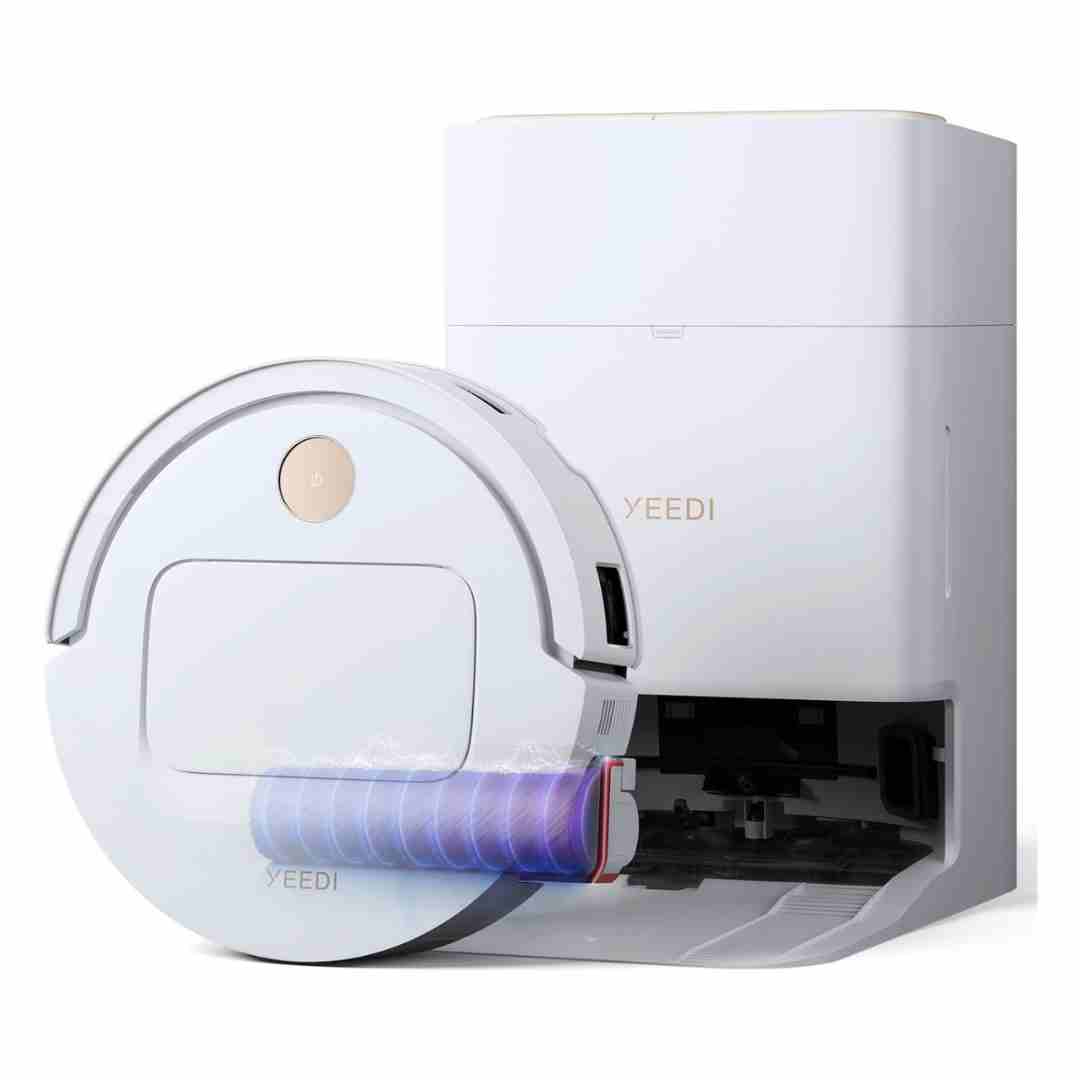
Several users contrast it with older vacuums that blew dust back into the room, saying this model has minimal blowback and no spit-back on hard floors. This is closely tied to sealed filtration and strong suction.
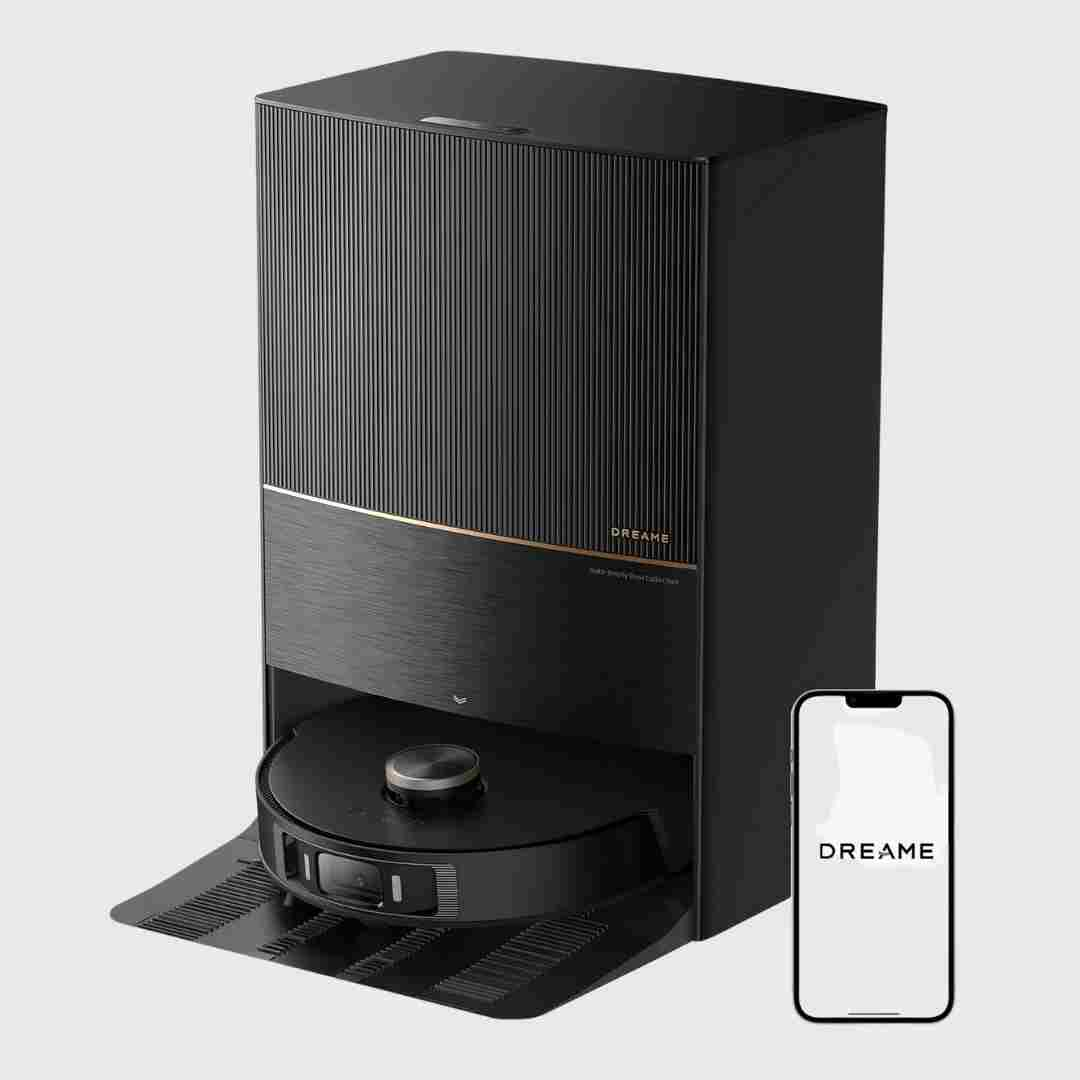
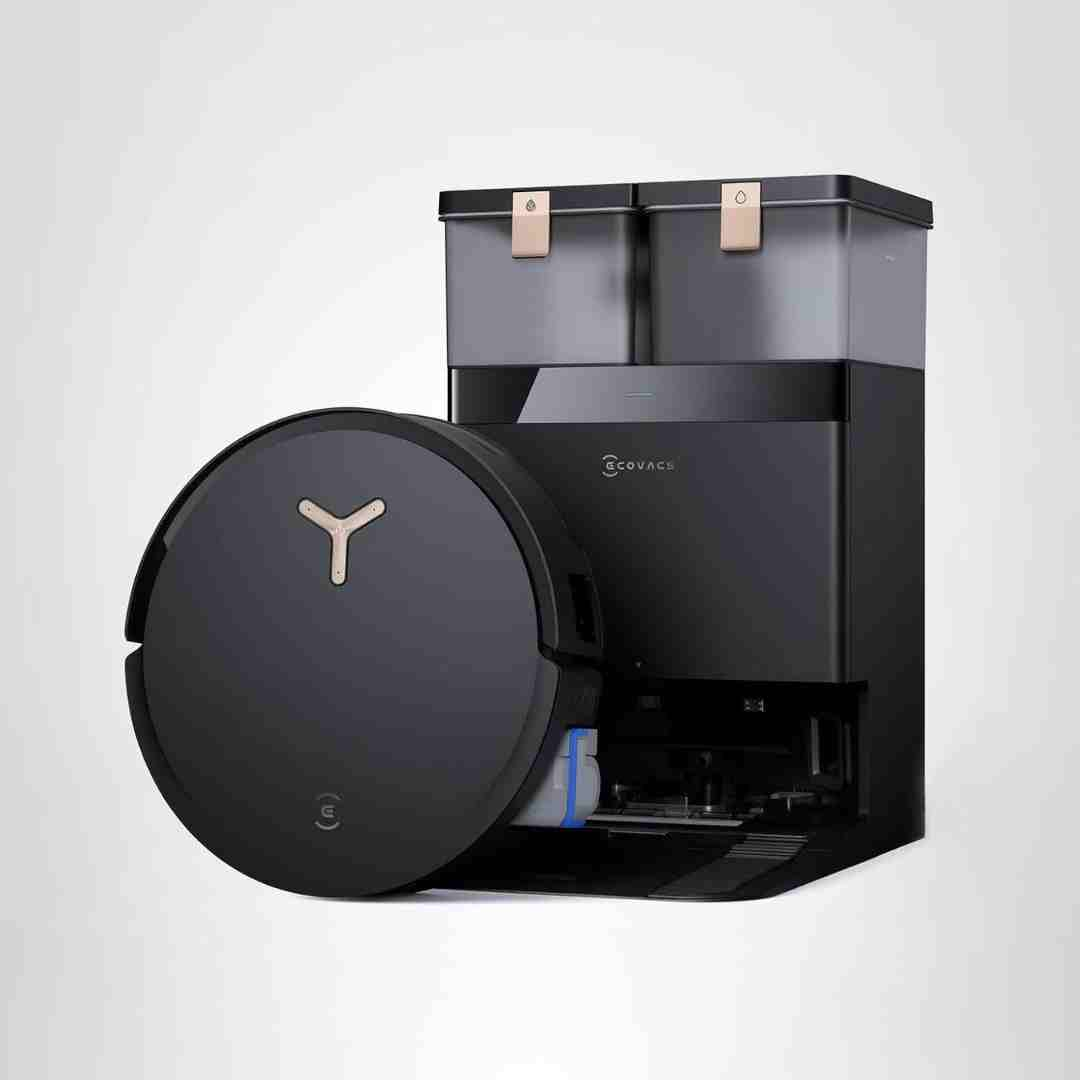
During auto-emptying, one review highlights reduced dust puffback thanks to a more sealed, multi-layer bag/door setup. Overall, airflow-related mess during emptying is described as minimal.
Airflow and blowback control is mostly positive: one review highlights exhaust vents that direct air away from the user, and another notes minimal dust blowback when emptying carefully. Fast or forceful bin opening can still create a dust puff, so technique matters.
Multiple reviewers note reduced debris scattering compared with earlier models, sometimes crediting a slowed or redesigned side brush. Conversely, some negative experiences describe debris drops around thresholds or during return-to-dock events.
Blowback/scatter control is described positively in some marketing-style commentary and in bare-floor sealing discussions, but performance varies by model and floorhead seal quality.
Debris scatter or blowback appears controlled in most tests, with side and main brushes generally keeping debris moving inward rather than spraying it outward.
Blowback and scattering are usually controlled, with some reviewers noting it avoids flinging small particles. However, the side brush can flick larger debris around, and a few tests report scattered grains on hard floors.
Debris blowback is generally well controlled, with at least one test noting little to no kickback. Some hardwood tests mention minor backplowing (especially on reverse passes), suggesting technique and an extra pass can matter.
Debris scatter/blowback feedback is mixed: some tests report the brush design stays gentle and doesn’t fling larger debris, while at least one real-world test noted grains like quinoa being scattered and partially missed. Results appear to depend on debris type and approach angle.
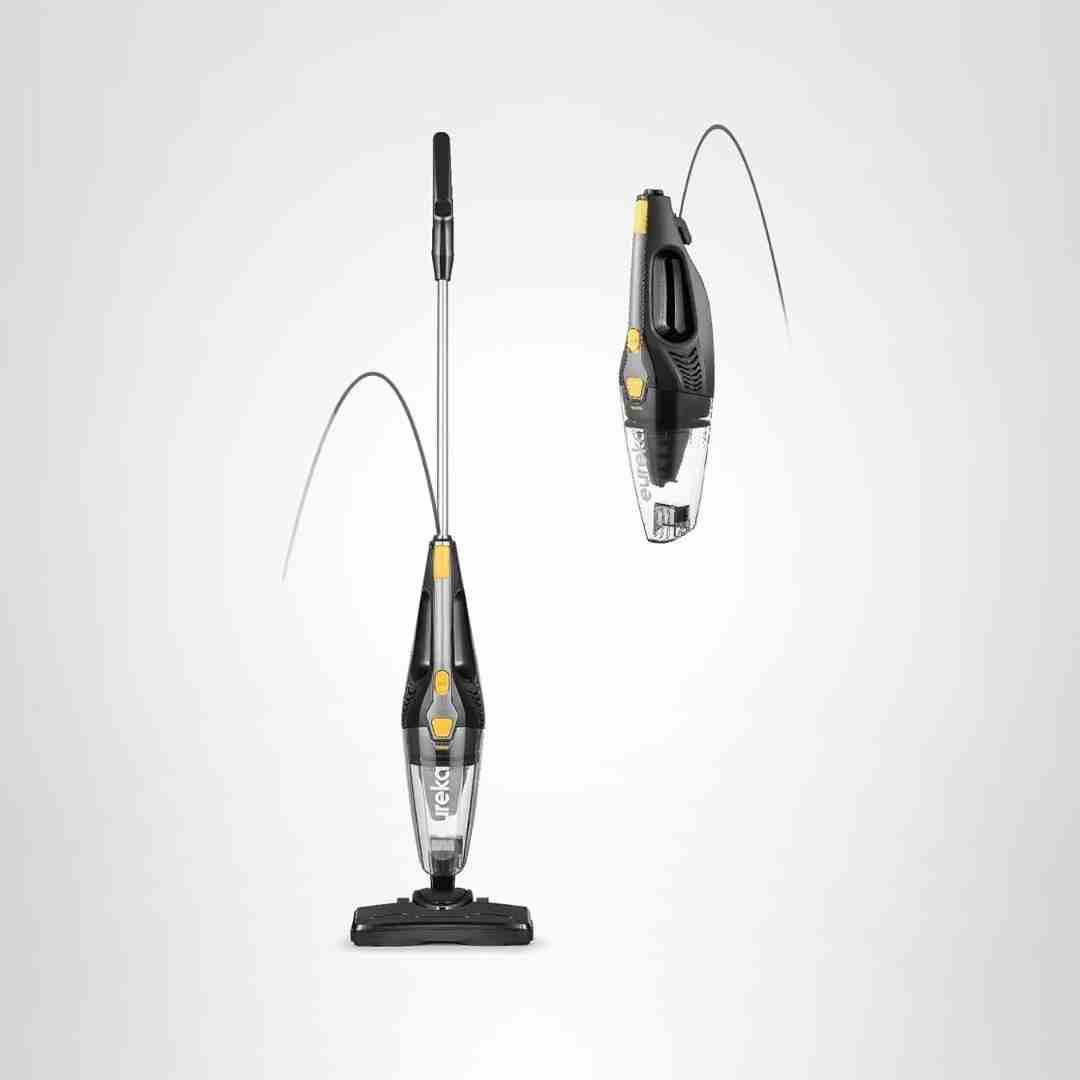
Some reviewers note the exhaust/airflow you can feel while vacuuming; it is not typically described as disruptive, but it is noticeable in close quarters.
Exhaust airflow is noticeable. Some users like that it blows cool air near the handle, while at least one reviewer disliked the vent direction (toward the face) and wished it vented downward.
A recurring performance quirk is blowback or scattering of lighter debris (like sugar or small litter) during certain pickup scenarios, where the vacuum’s strong airflow can move debris around until you slow down, reposition, adjust head gates/vents, or make extra passes.
Some reviews note airflow can cause minor blowback with very small debris in certain situations. It is presented as an occasional annoyance rather than a major failure, but it’s a notable edge case for a high-suction cordless vacuum.
Airflow blowback or scatter is occasionally noted on hard floors, where small crumbs can get pushed or scattered and may require extra passes to fully collect.
Blowback and kick-out are usually controlled on fine debris, but multiple users mention crumbs, litter, or larger pieces can be pushed around or fall back out when the vacuum stops.
Debris scatter can happen due to aggressive brush behavior, reported as noticeable in heavier-debris scenarios but not always a day-to-day deal breaker.
A small number of notes mention debris escaping after shutdown or scatter when using the wrong tool on hard floors, suggesting some backflow or blowback in certain scenarios.
A few tests note that some larger debris can drop back out of the nozzle when the vacuum is switched off, suggesting occasional backflow in the hose/head rather than fully reaching the bag.
One test-focused review notes moderate exhaust airflow and a rear exhaust design; drying performance relies more on passes and the chosen mode than on a powerful air blast.
A few users note the rear airflow can blow light pet hair aside during turns, though it usually still gets picked up on subsequent passes if coverage reaches the area.
Several testers mention light debris can scatter on hard floors before capture, especially at lower power or with certain gate settings, but it usually cleans up with additional passes.
Some tests and anecdotes show debris can be pushed around or even dropped after stopping the vacuum, implying imperfect containment/flow behavior with chunkier debris.
Fine dust management is a common compromise: multiple reviewers describe air leakage at the floorhead and some exhaust of fine particles, implying more blowback/dust recirculation than sealed, HEPA-style systems.
A few reviews mention blowback behaviors: side exhaust can disturb dust, and some floorheads can push the lightest debris ahead instead of swallowing it immediately. It is not universal, but it shows up enough to be a noted quirk.
The aggressive side brush can create blowback/scatter when debris loads are heavy, especially on hard floors; most reviewers call it manageable but noticeable in stress tests.
At least one review mentions noticeably stronger exhaust airflow out the back when max mode is engaged. It is generally treated as a side effect of higher suction rather than a major functional problem.
A few reviews note that the standard head can blow or fling light debris on hard floors before it is captured, especially compared with a dedicated soft roller head.
Some scattering or blowback is reported on hard floors or with certain debris, especially when height is set too high or the brush action outpaces suction.
Debris blowback/scattering shows up in multiple hard-floor demos, where the roller head can push larger particles outward rather than pulling them in. Other users report minimal kickback on fine debris, so the issue appears most pronounced with larger chunks.