Best for Amplifier power requirements
Soundcore Boom 2 Plus Portable Speaker
4.5 feature score
Highest scored product for this feature based on supporting review evidence.
Highest scored product for this feature based on supporting review evidence.
Balances feature score, supporting reviews, and overall product strength.
Has the broadest review evidence for this feature.
Strongest overall product among items with scored evidence for this feature.
Showing Portable Bluetooth Speakers only. Switch back to all Speakers anytime.

Reviewers consistently framed the Boom 2 Plus as a high-output speaker, with 100W normal power and up to 140W with BassUp engaged.
Pros: Bluetooth range, Loudness / maximum volume
Cons: Smart assistant integration (Alexa, Voice assistant responsiveness
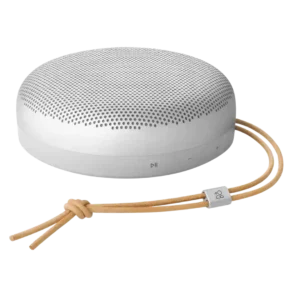
Multiple reviews cite the dual 30W Class D amplification or 60W total output, supporting unusually strong output for the compact chassis.
Pros: Wired input, Water resistance rating
Cons: AirPlay compatibility, Wi-Fi streaming reliability
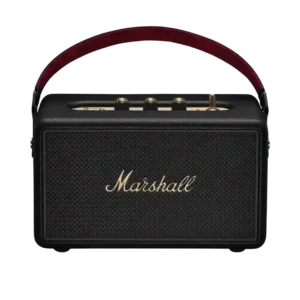
Power references point to a strong 50W Class D amplifier setup, repeatedly tied to the speaker's loud, forceful output.
Pros: Battery life (if portable), Loudness / maximum volume
Cons: Smart assistant integration (Alexa, Speakerphone quality
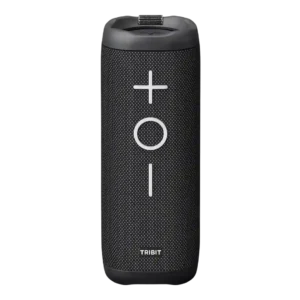
Reviews described the 34-watt output or dual 17-watt amplification as a meaningful upgrade for the size class.
Pros: Value for money, Privacy and data
Cons: LED lighting effects, Lighting effects
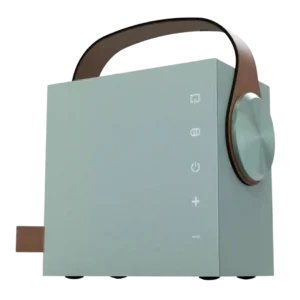
Reviews consistently describe the Biggie as a 60-watt Class D, bi-amplified design, supporting its strong output for a compact speaker.
Pros: Stereo imaging accuracy, Design and aesthetics
Cons: Wi-Fi streaming reliability, App reliability
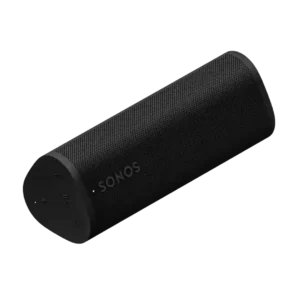
Amplifier evidence is clear: the Roam 2 uses two Class-H/digital amplifiers powering its tweeter and mid-woofer architecture.
Pros: Dust resistance rating, Water resistance rating
Cons: Multipoint connectivity, Google

Power output evidence centers on the Charge 6's 45-watt driver setup, which reviewers connect to its stronger portable-speaker punch.
Pros: Dust resistance rating, Power bank function
Cons: Wi-Fi streaming reliability, Smart assistant integration (Alexa
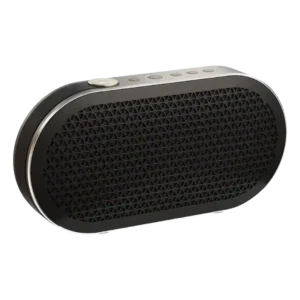
Power output is presented as substantial for the category, including 50W for one unit and 100W when stereo paired.
Pros: Battery life (if portable), Cabinet construction / bracing
Cons: App reliability, Dust resistance rating
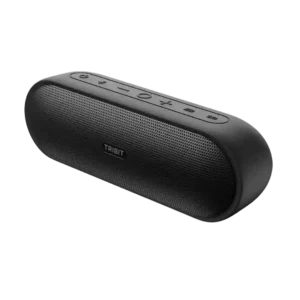
Power output is supported by the dual-driver 30W design, usually framed as strong for the speaker's size.
Pros: Price / value for money, Value for money
Cons: Dust resistance rating, Audio format support
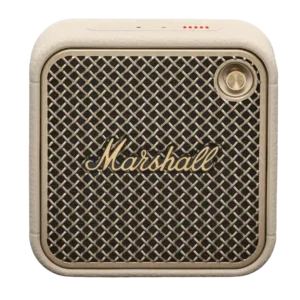
Reviewers cite the 10W full-range driver and, in some sources, a 38W amplifier as impressive for the speaker's very small body.
Pros: Charging time, Bluetooth range
Cons: Wired input, Power bank function

Power-related evidence focuses on the built-in 7W output, repeatedly presented as stronger than older Clip models for a small speaker.
Pros: Water resistance rating, Dust resistance rating
Cons: Wired input, Speakerphone quality
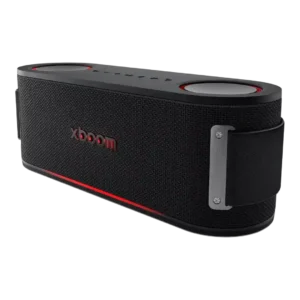
Power output was described through the 30W woofer and 40W total power claim.
Pros: LED lighting effects, Bluetooth connection stability
Cons: Wi-Fi streaming reliability, Spotify Connect reliability

Review evidence mentions Class-D amplification and a multi-driver architecture, but does not provide wattage or detailed power-draw requirements.
Pros: Latency with TV (lip sync), Dynamic headroom
Cons: Chromecast compatibility, Speakerphone quality
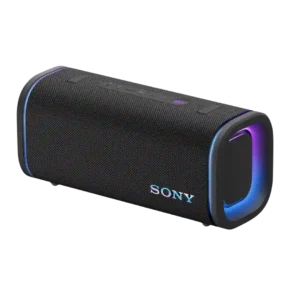
Power evidence was mixed: one review cited a low 27-watt consumption rating limiting headroom, while another noted a 20-watt adapter was needed for a plugged-in boost.
Pros: Dust resistance rating, Water resistance rating
Cons: Smart assistant integration (Alexa, Omnidirectional sound
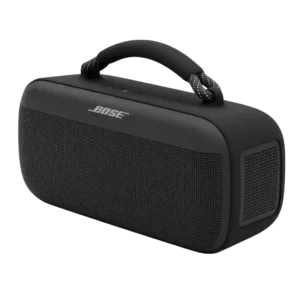
Amplifier power transparency is weak because reviewers say Bose does not reveal available power or wattage.
Pros: Float capability, Dust resistance rating
Cons: Wi-Fi streaming reliability, Smart assistant integration (Alexa