Best for Amplifier power requirements
KEF LSX II Wireless HiFi Speakers
5.0 feature score
Highest scored product for this feature based on supporting review evidence.
Highest scored product for this feature based on supporting review evidence.
Balances feature score, supporting reviews, and overall product strength.
Has the broadest review evidence for this feature.
Strongest overall product among items with scored evidence for this feature.
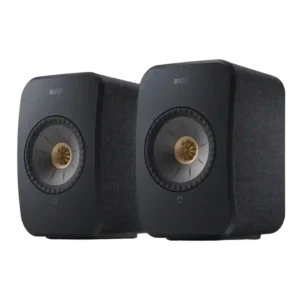
Amplifier integration drew strong praise where evaluated, with reviewers saying the amps are well matched or fine-tuned to the drivers.
Pros: Soundstage height, Amplifier power requirements
Cons: On-device controls, Surround sound simulation
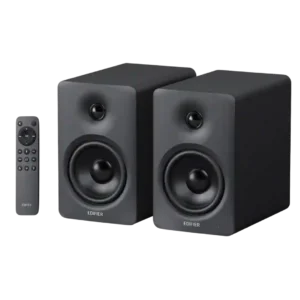
The active, bi-amplified design needs no separate receiver, DAC, or power amplifier, simplifying both desktop and TV systems.
Pros: HDMI ARC, Low-volume performance
Cons: AirPlay compatibility, Wi-Fi streaming reliability
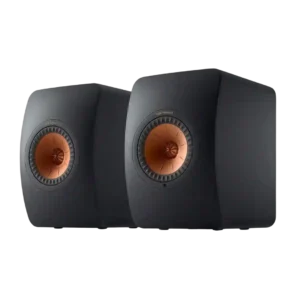
The built-in amplification is presented as a major convenience because buyers do not need to match the speakers with a separate amplifier.
Pros: AirPlay compatibility, Chromecast compatibility
Cons: Spotify Connect reliability, Status indicators
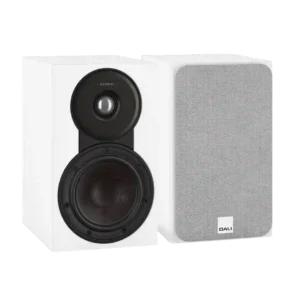
The Sonik 1 is less demanding than its sensitivity figures might suggest. Reviewers had excellent results with common 50-60 watt integrated amplifiers and did not find exotic amplification necessary.
Pros: Distortion at high volume, Dynamic headroom
Cons: Warranty support, Included accessories
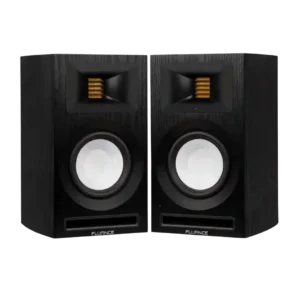
Reviewers who discussed power felt the built-in amplification saved space and provided enough drive for the Ri71’s intended small-to-medium-room use.
Pros: Setup simplicity, Bluetooth connection stability
Cons: optical, Smart features
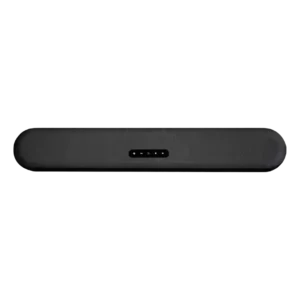
The built-in power is viewed as more than enough for small to medium rooms. Reviewers tie the 280W design to confident output from the compact cabinet.
Pros: Distortion at high volume, Loudness / maximum volume
Cons: Chromecast compatibility, Google
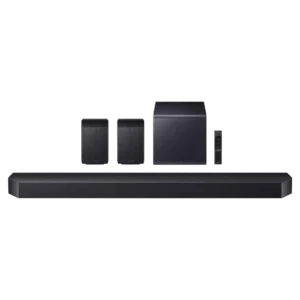
Available power is considered ample for typical home-theater use.
Pros: Loudness / maximum volume, Stereo imaging accuracy
Cons: Smart assistant integration (Alexa, Status indicators
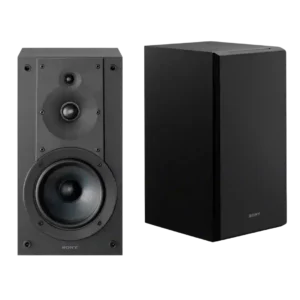
One reviewer judged the speaker easy enough to drive from a normal AVR rather than needing costly separate amplification.
Pros: Value for money, Home theater integration
Cons: Audio format support, Loudness / maximum volume
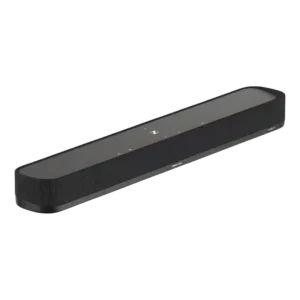
Reviewers note that the compact bar has enough amplifier muscle to feel surprisingly powerful for its size, with one video calling out the 250-watt output positively.
Pros: On-device controls, Dynamic headroom
Cons: Multi-speaker pairing reliability, Inter-speaker connectivity
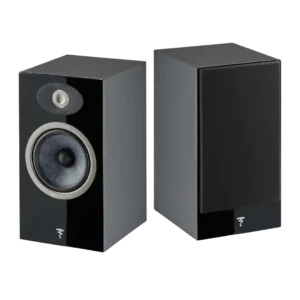
Most reviewers found the Theva No.1 easy to drive, with benign amplifier demands, though one noted it benefits from an amplifier with extra grunt and another heard gains with better...
Pros: Dialogue clarity (for TV/soundbar use), Loudness / maximum volume
Cons: Wired input, Low-volume performance
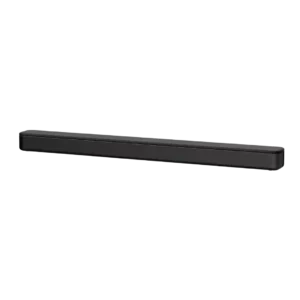
Reviewers viewed the 120-watt output positively, connecting it to stronger loudness for a compact soundbar.
Pros: Distortion at high volume, Setup simplicity
Cons: Dolby Atmos height effects, On-device controls
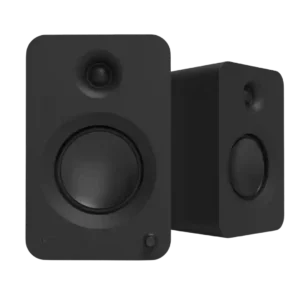
The amplifier power was judged sufficient for speakers of this type.
Pros: HDMI ARC, Stereo imaging accuracy
Cons: Surround sound simulation, Bluetooth codec support
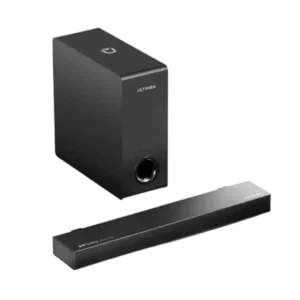
One reviewer liked that the passive subwoofer did not need its own power supply, calling the setup neat.
Pros: Setup simplicity, Value for money
Cons: Design and build quality, Low-volume performance
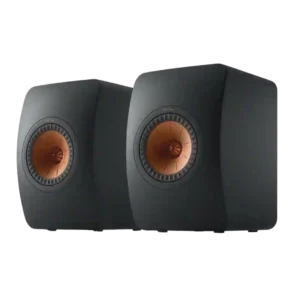
Amplifier matching was a repeated caveat: many amps can drive the LS50 Meta, but reviewers said better, more robust, or carefully matched amplification unlocks its best sound.
Pros: Dialogue clarity (for TV/soundbar use), Low-volume performance
Cons: Soundstage height, Subwoofer

Power behavior was a tradeoff: several reviewers heard better output plugged in, while others questioned or disliked the AC-versus-battery power gap.
Pros: Bluetooth range, App reliability
Cons: Bluetooth codec support, Omnidirectional sound
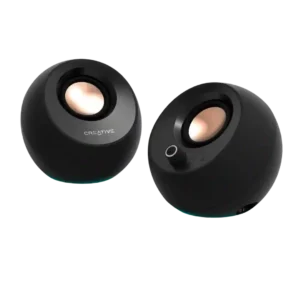
A separate 30W USB-C PD adapter unlocks noticeably more volume, bass, and fullness for many users. The speakers work from a computer port, but not including the adapter is one...
Pros: Battery life (if portable), Detail retrieval
Cons: optical, Audio format support
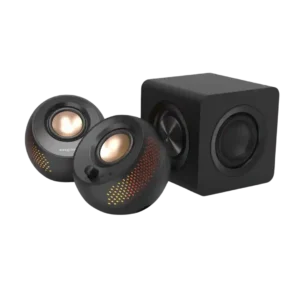
Power requirements were a repeated caveat because full performance often required a separate 30W or higher USB-C PD adapter that was not included.
Pros: Bluetooth connection stability, Surround sound simulation
Cons: Bluetooth codec support, Audio format support

Imported H7 units may need a voltage converter in 220V regions. That practical complication makes local-market models preferable.
Pros: Chromecast compatibility, Spotify Connect reliability
Cons: Rear speaker cable length, Gaming HDMI passthrough
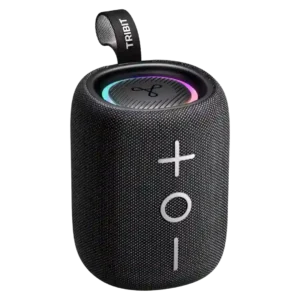
Power output is limited for loud listening; one reviewer warned that 12 watts is not head-thumping.
Pros: Multi-speaker pairing reliability, Drop resistance durability
Cons: Multipoint connectivity, Smart features

The dedicated adapter helps the GS5 produce more output than USB-powered bars, but it adds cable clutter. Multiple buyers also reported short cords, coil whine, or early adapter failure.
Pros: Bluetooth range, optical
Cons: Home theater integration, Headphone output quality

One reviewer criticized the high-wattage adapter requirement and unclear power-adapter situation.
Pros: Dust resistance rating, Low-volume performance
Cons: Speakerphone quality, Backwards compatibility
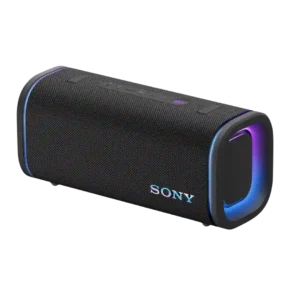
One reviewer links the Field 5’s limited output rating to reduced headroom and compression when volume is pushed high.
Pros: Latency with TV (lip sync), Multi-speaker pairing reliability
Cons: Energy efficiency, Amplifier power requirements