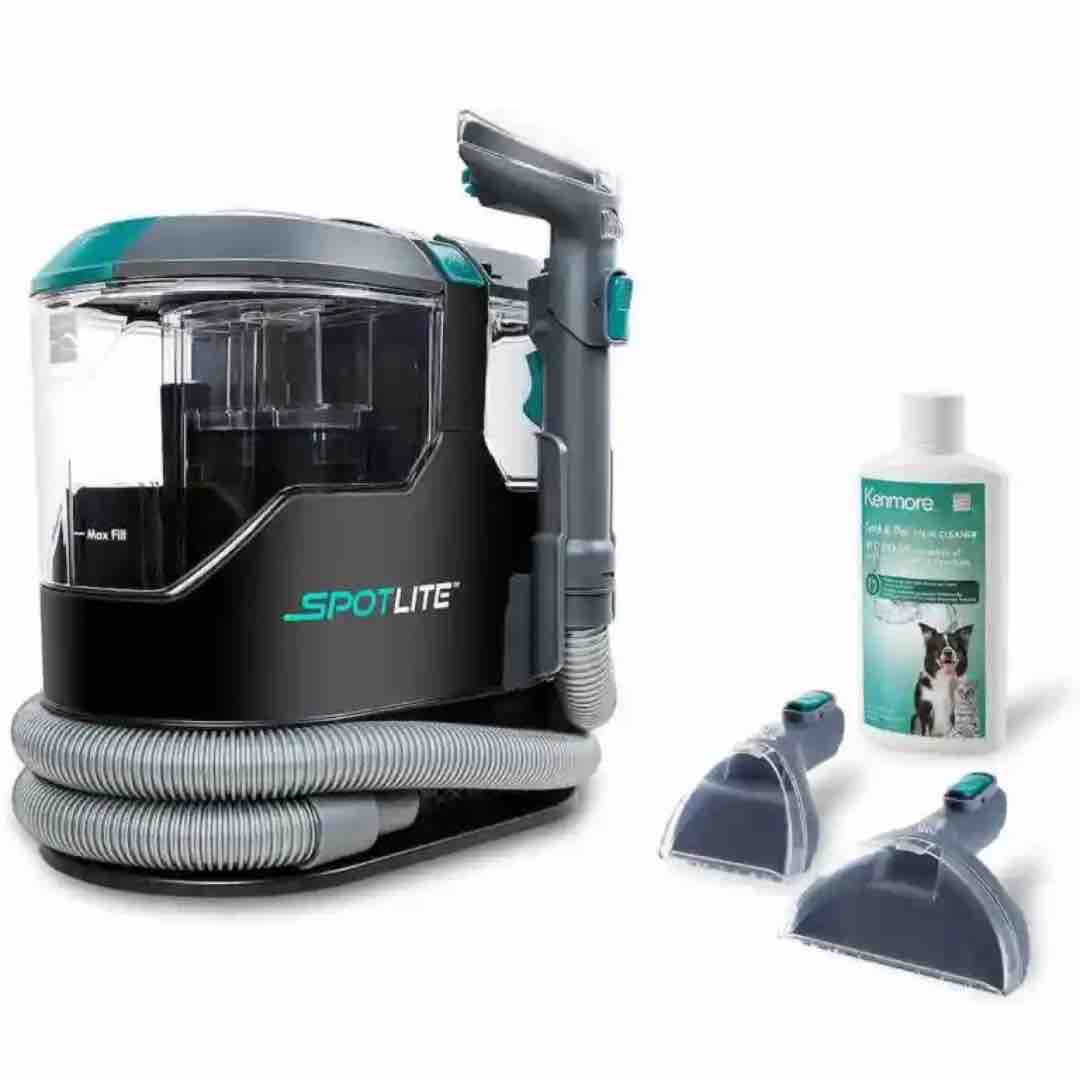
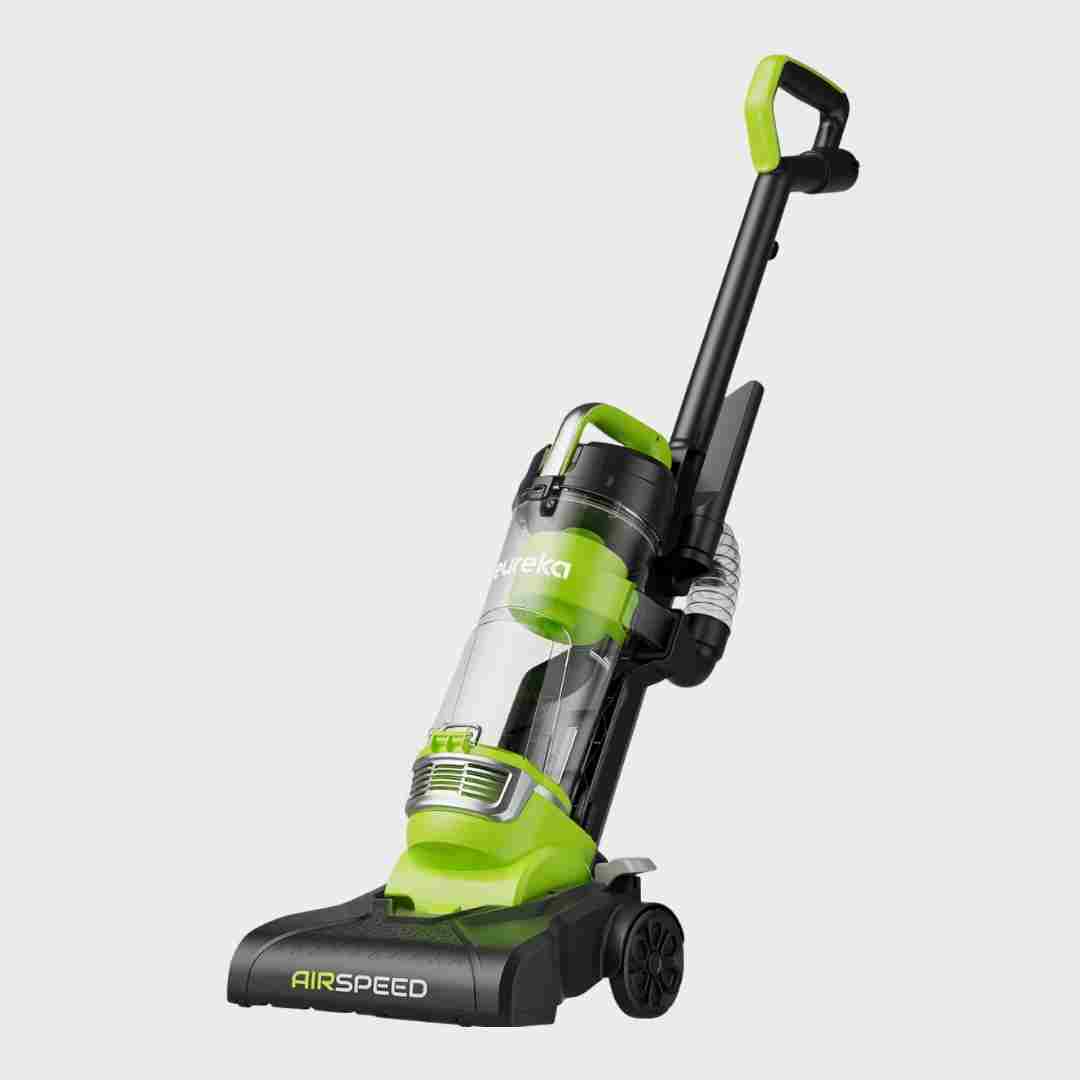
Area rugs and thick carpet settings are included, and most reviewers describe smooth movement and strong pickup. Lift‑Away mode on carpet can feel less controlled or even ‘run away’ without the pod’s weight.
Rug handling is described as smooth, with transitions from hard floors to rugs/carpets not requiring mode changes and without excessive bogging or pulling in at least one detailed review.
Carpet/rug detection is frequently praised, with consistent mop-lift behavior at transitions and suction increase behavior mentioned during carpet cleaning.
For mixed flooring, mop lifting and carpet detection are praised for keeping rugs dry while maintaining cleaning coverage; reviewers generally see it as well-suited to homes with area rugs.
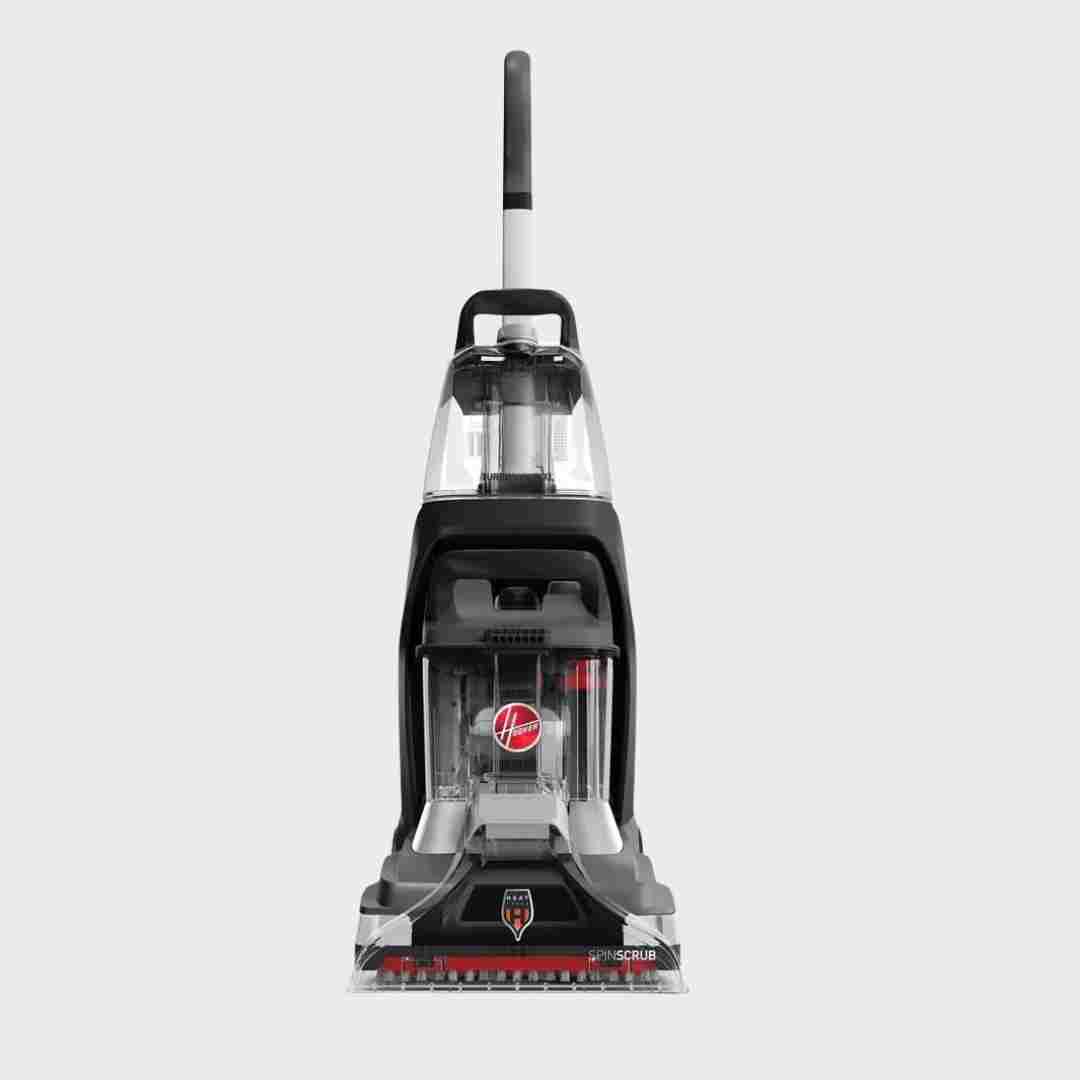
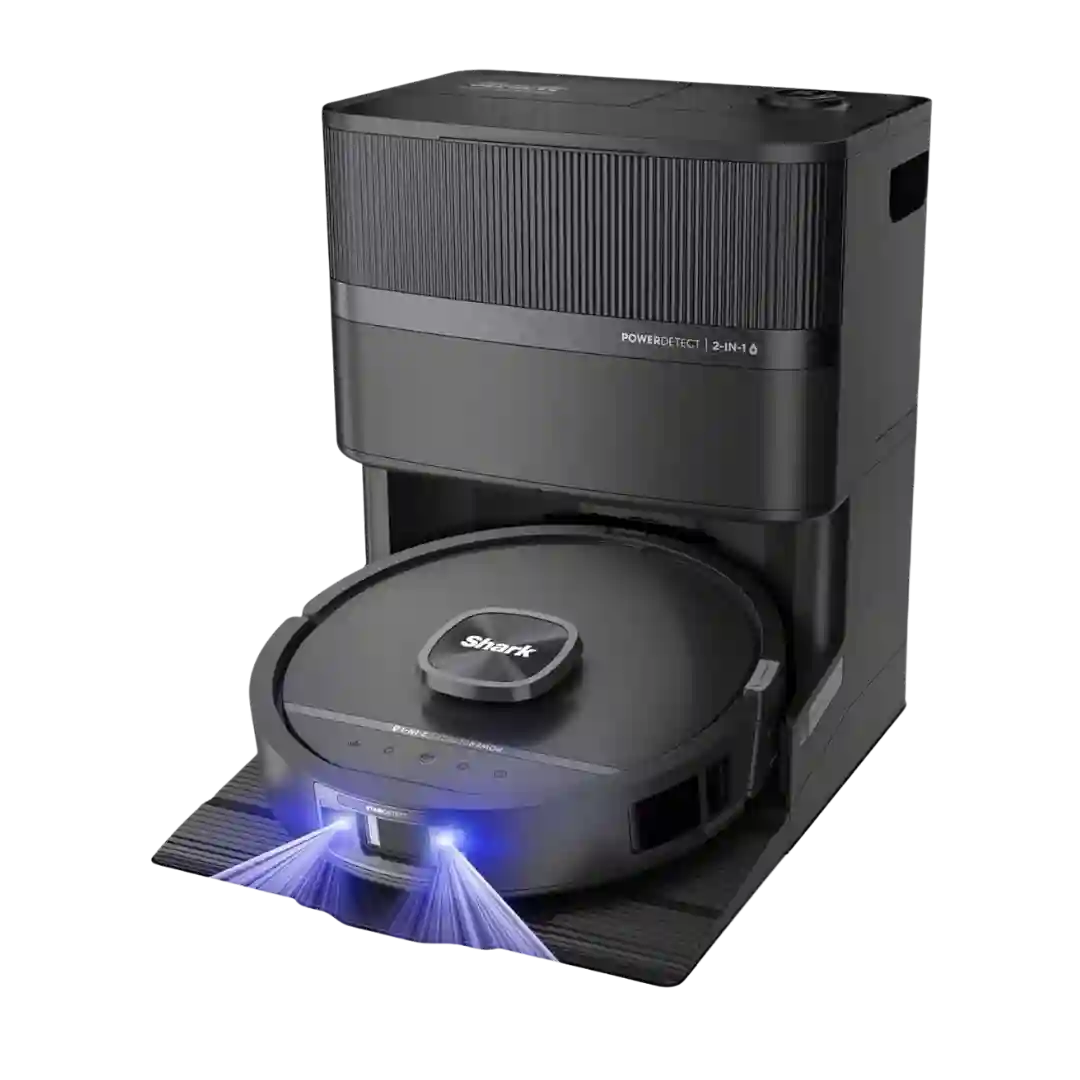
Several reviews highlight the SpinScrub approach working well on thicker or higher-pile rugs/carpets without quickly tangling, positioning it as a practical choice for area rugs and longer pile surfaces.
Area rugs are handled well thanks to carpet detection and automatic power adjustments, and the mop-lift helps avoid wetting rugs in mixed runs. Some advise refining carpet boundaries in-app for best results.
Rug handling is generally confident, including the ability to lift the mop or avoid wet contact by changing mop workflows. A few reviewers still recommend tuning carpet/rug settings to prevent dampness in homes with many area rugs.
Carpet and rug handling is often praised because the robot can lift the mops and, in some modes, leave mop pads at the dock to avoid wetting textiles. A dissenting note is that mop hardware can still catch on some carpet edges or that pad removal is not always automatic, so settings matter.
Area rugs and mats are generally handled well, including transitions that trip up some other robots; performance improves when carpet settings are tuned.
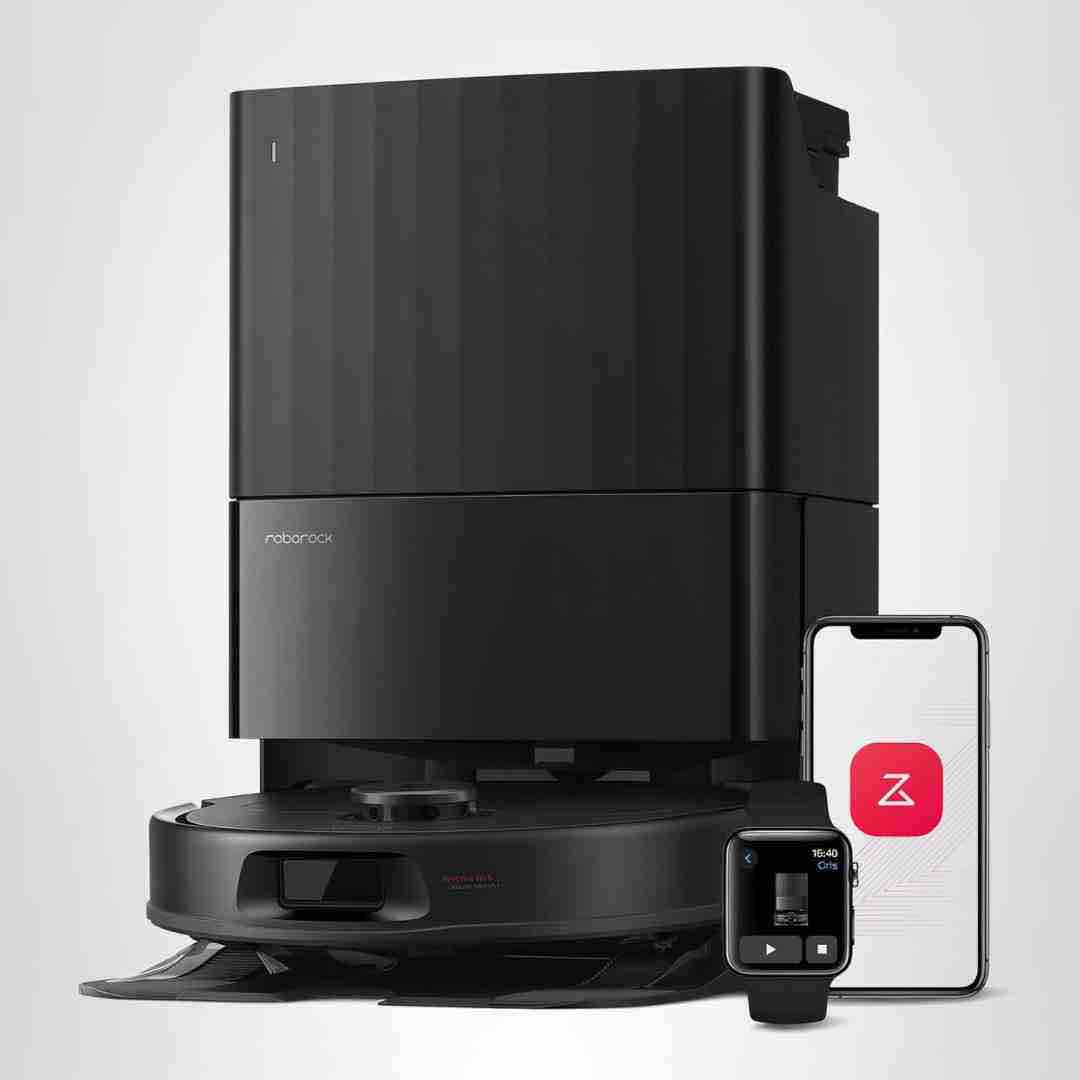
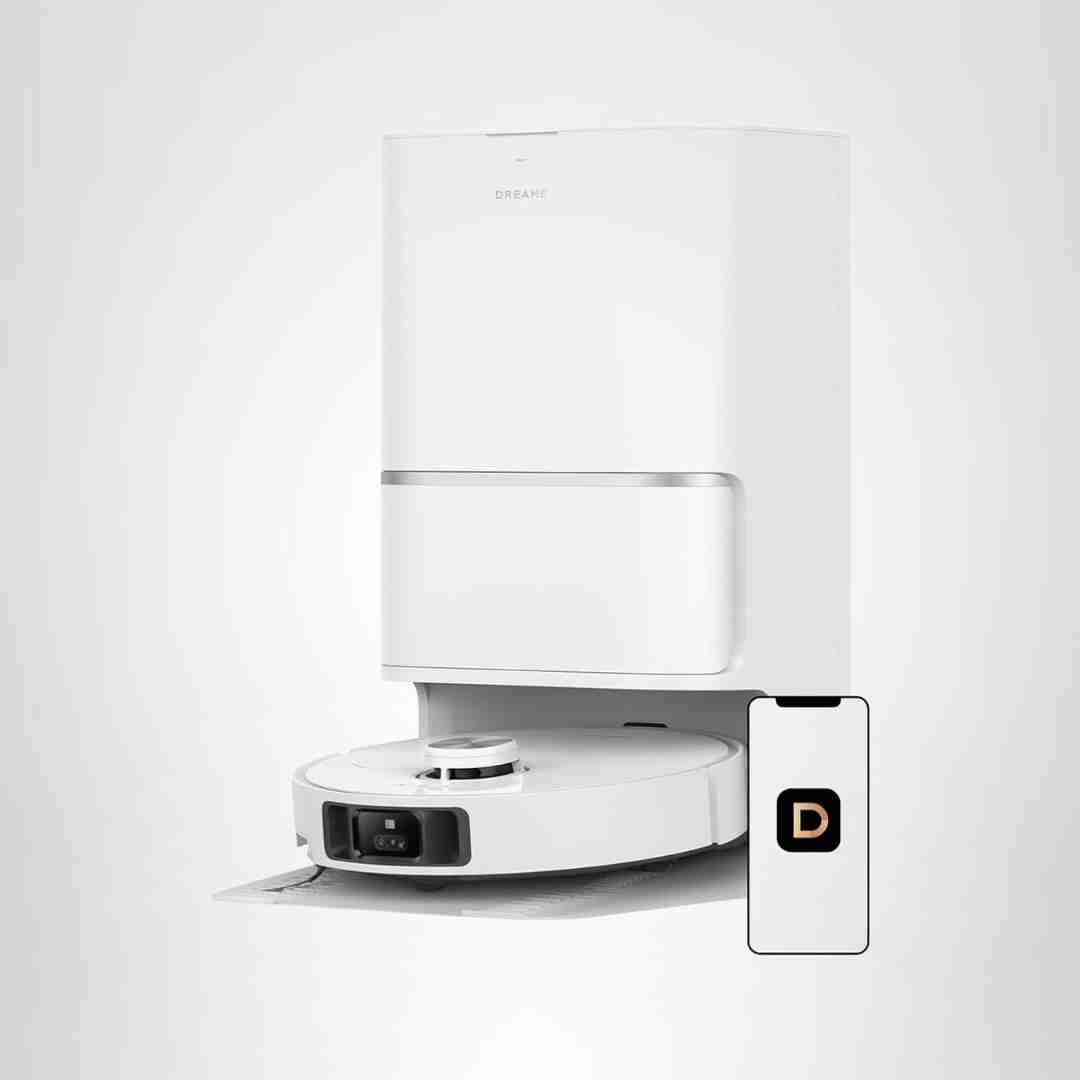
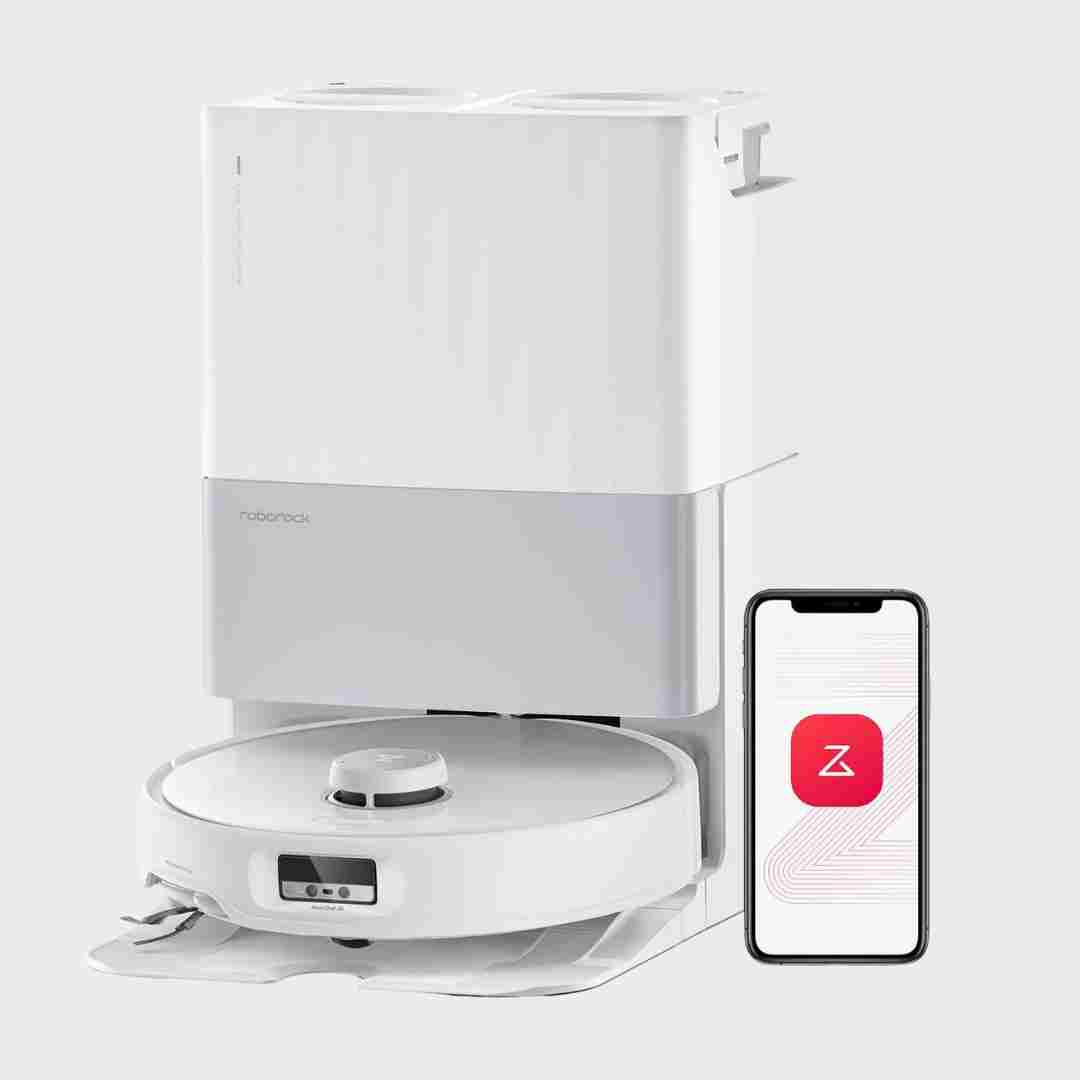
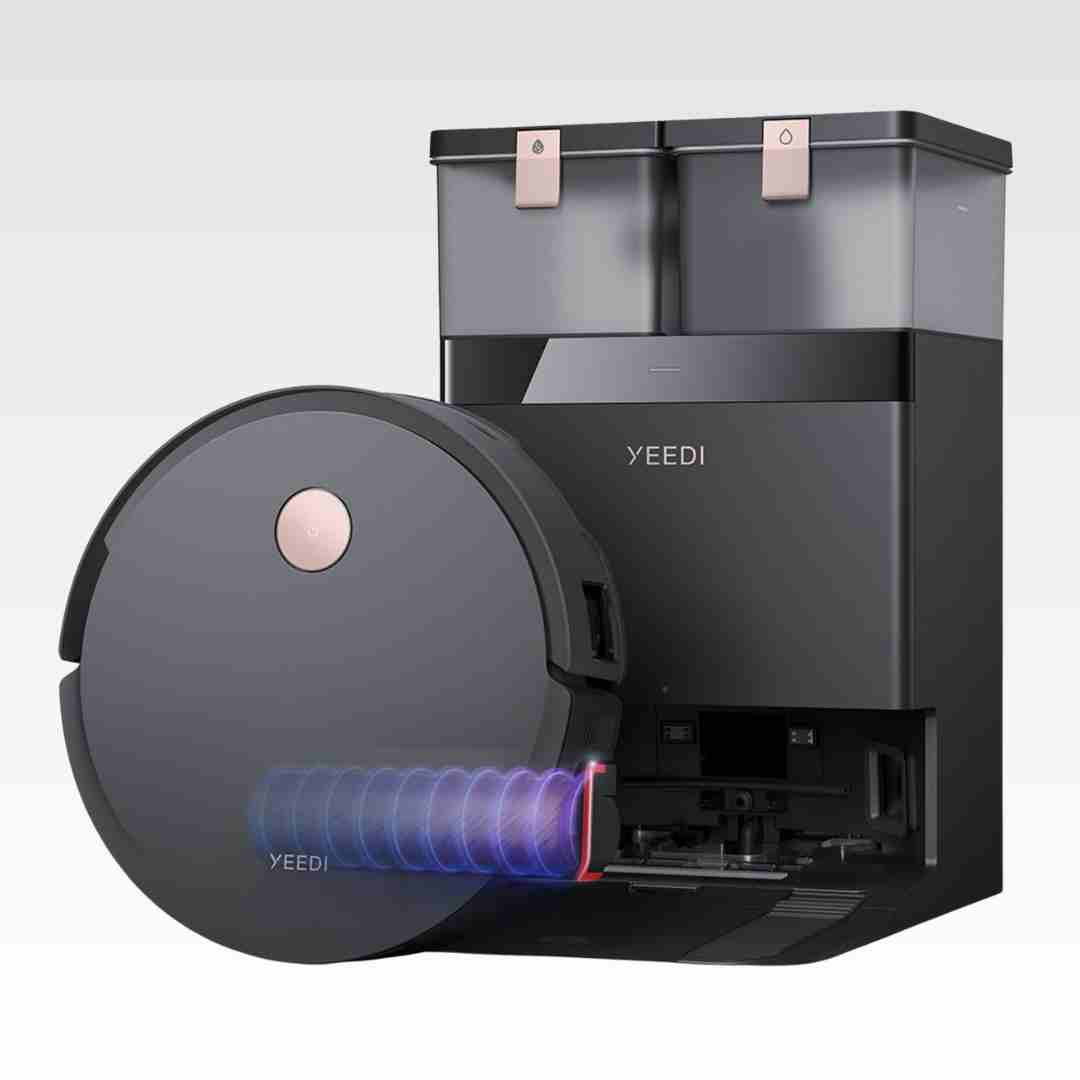
Rug handling is a standout feature because it can lift mops and also detach and leave mop pads at the dock for vacuum-only cleaning. A recurring annoyance is that adding or resizing rugs in the map can require manual tweaks to get perfect edge coverage.
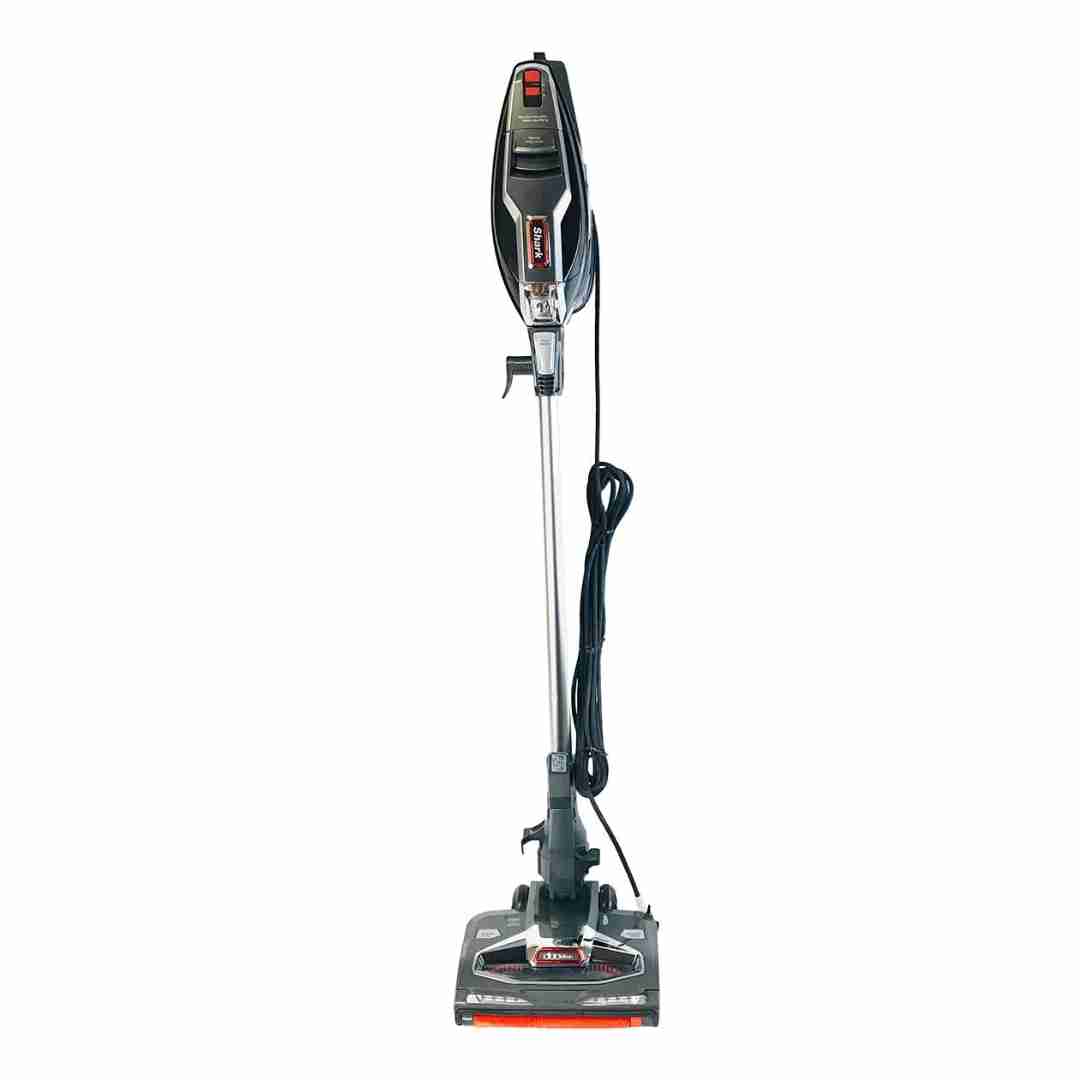
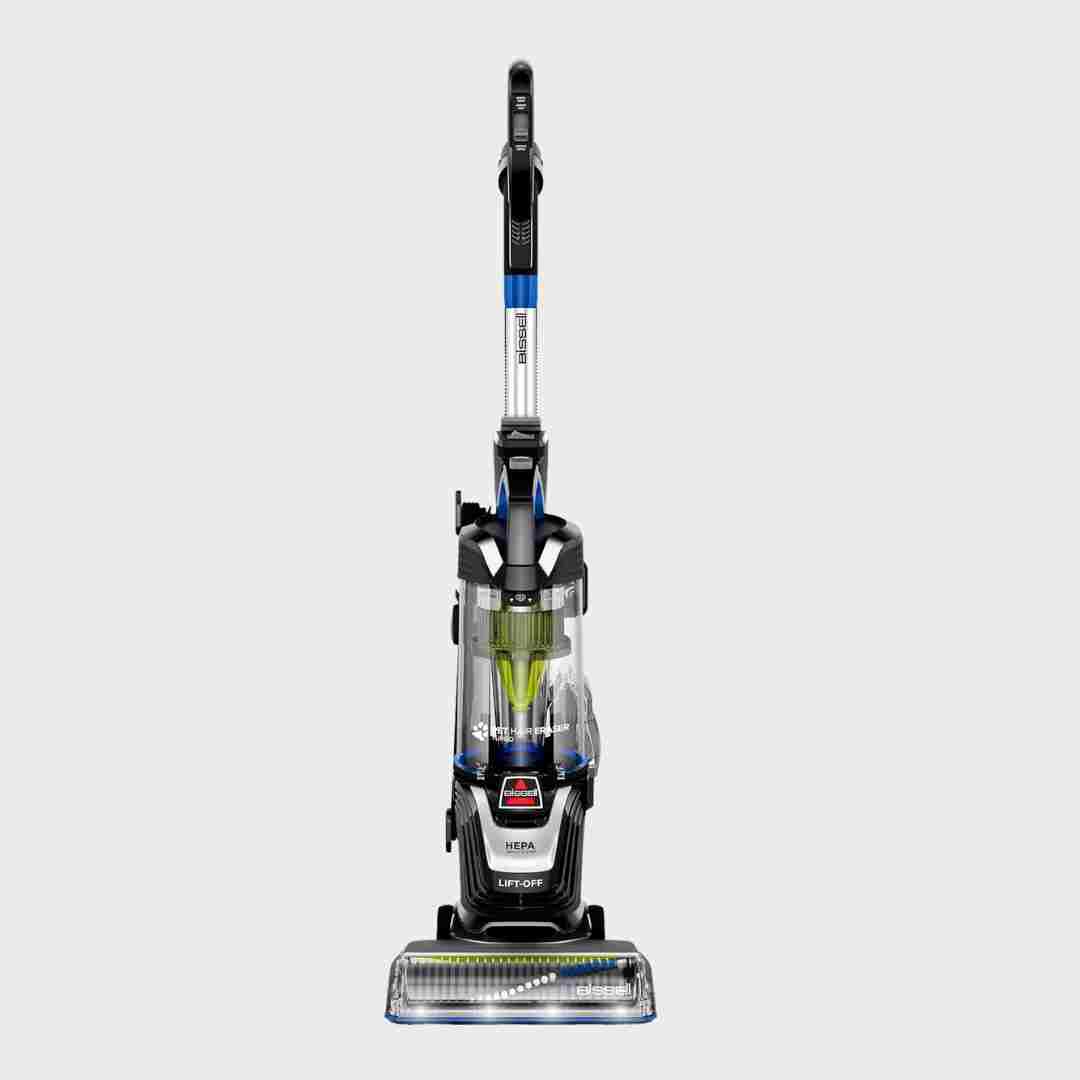
On rugs, reviewers note the head senses resistance and ramps up (often strongly enough to tug lighter rugs), improving agitation and pickup. Rug transitions and auto-adjust behavior are generally described as quick and effective.
Area rugs and mixed carpet/rug homes are a strong use case, with easy switching between floor types and impressive overall pickup. Maneuvering around tight chair legs can be less refined for some users.
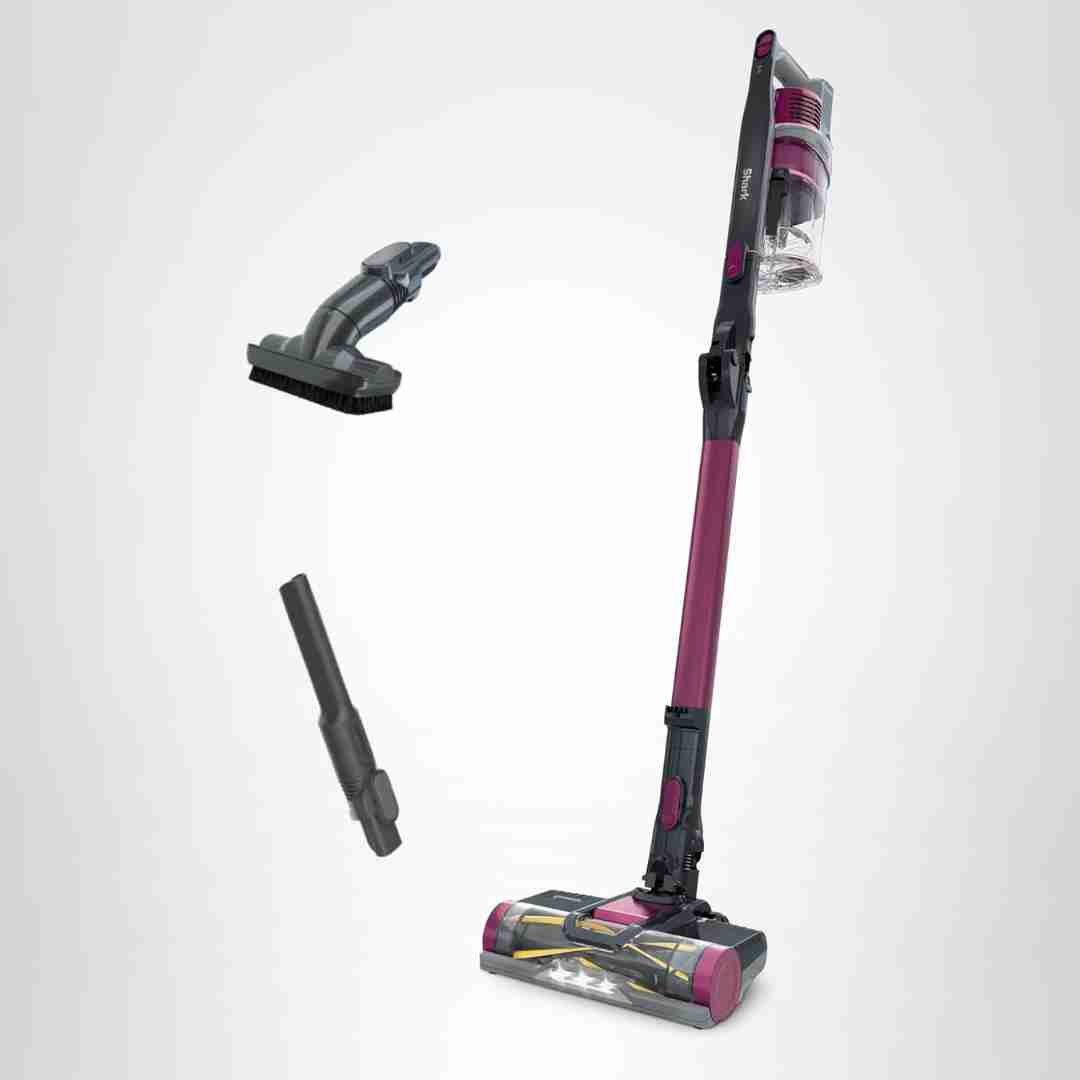
Area rugs are commonly cited as an easy transition surface, with DuoClean helping move between rugs and hard floors without swapping heads. The vacuum’s pull-forward glide can be helpful or annoying depending on preference.
Transitions and area rug handling are commonly reported as smooth, with the robot moving between hard floors, rugs, and standard carpets without major issues.
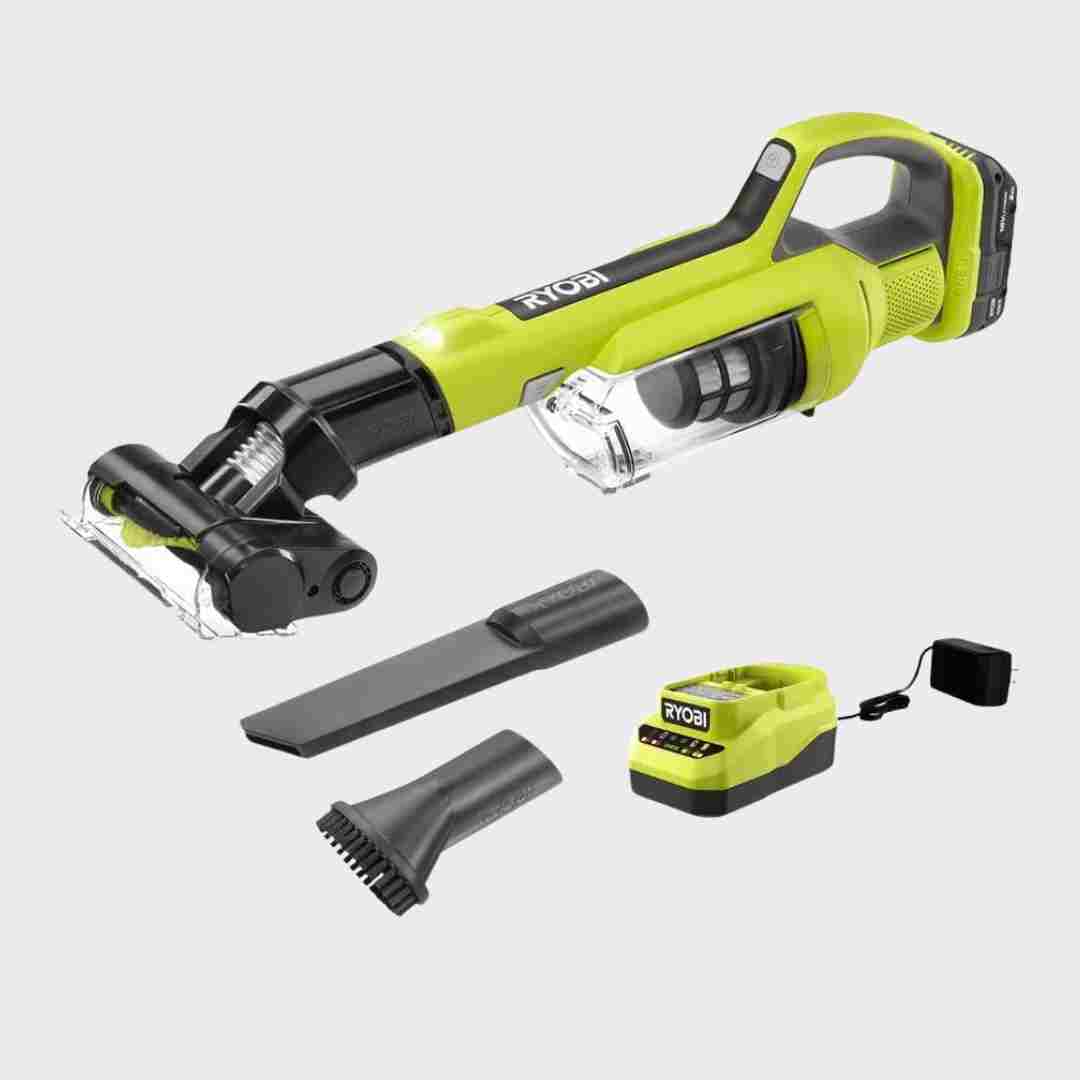
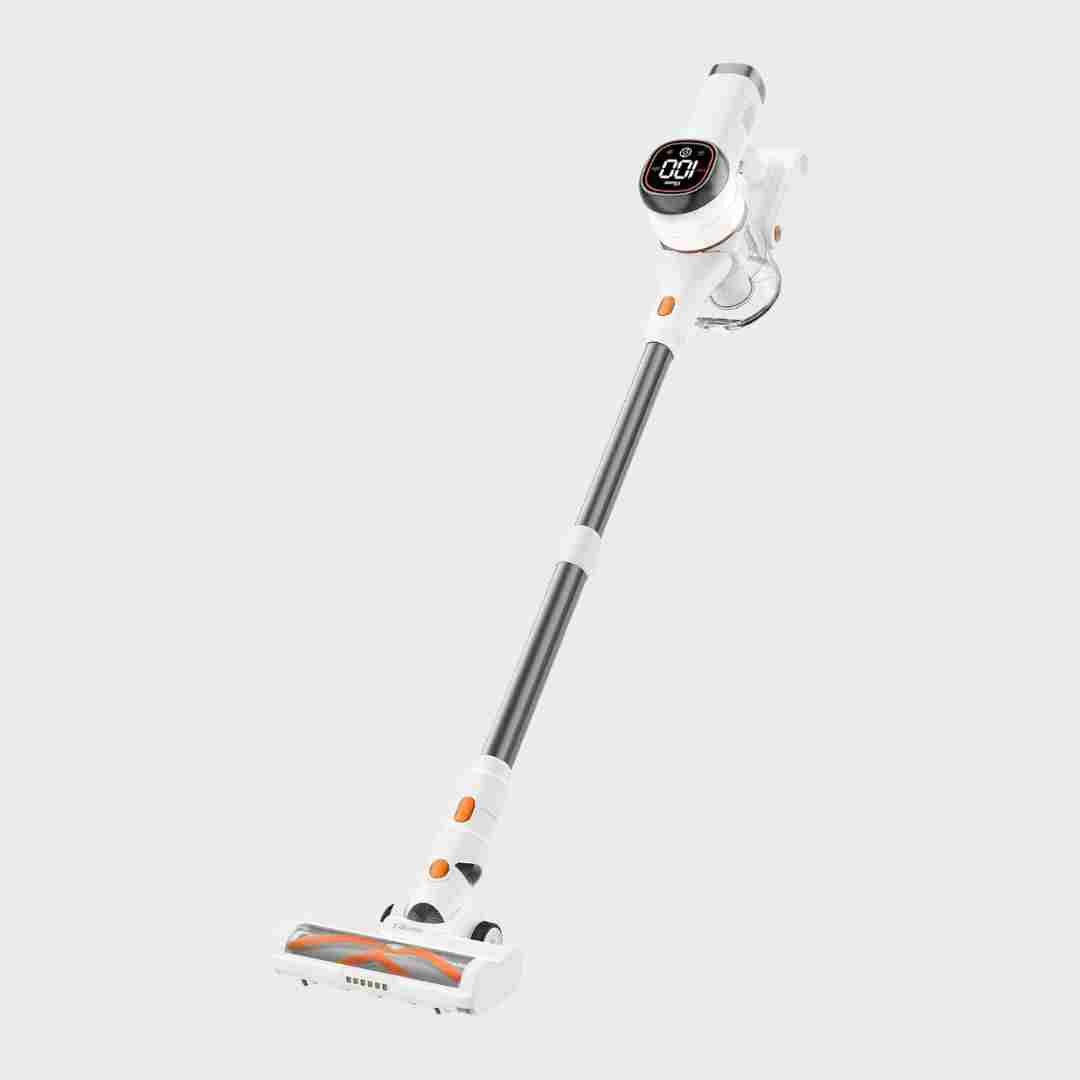
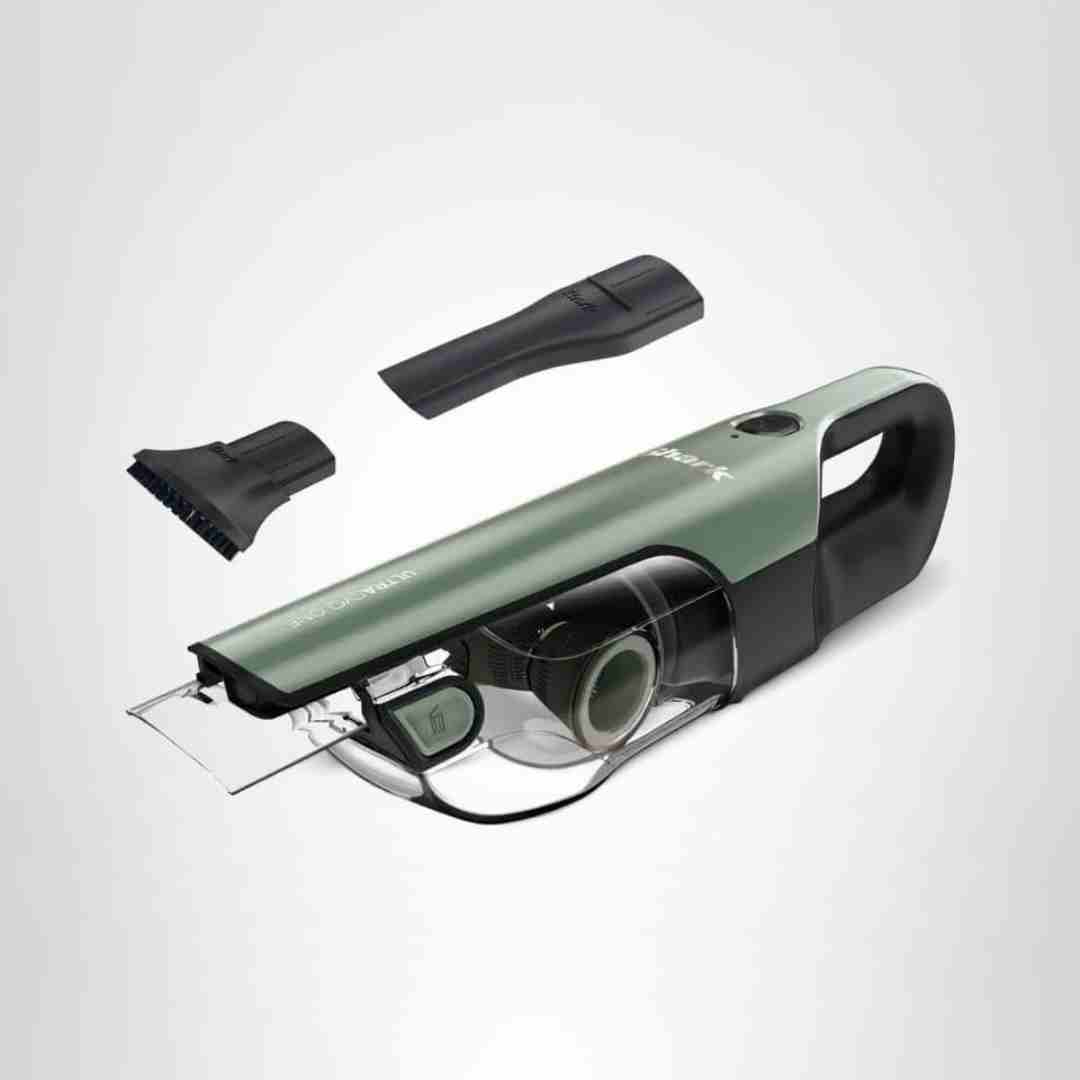
Area rug use is described positively for light, quick cleanups—especially throw rugs—where a full-size vacuum isn’t worth dragging out. Runtime limits keep it in the “spot cleaning” lane rather than whole-home rug cleaning.
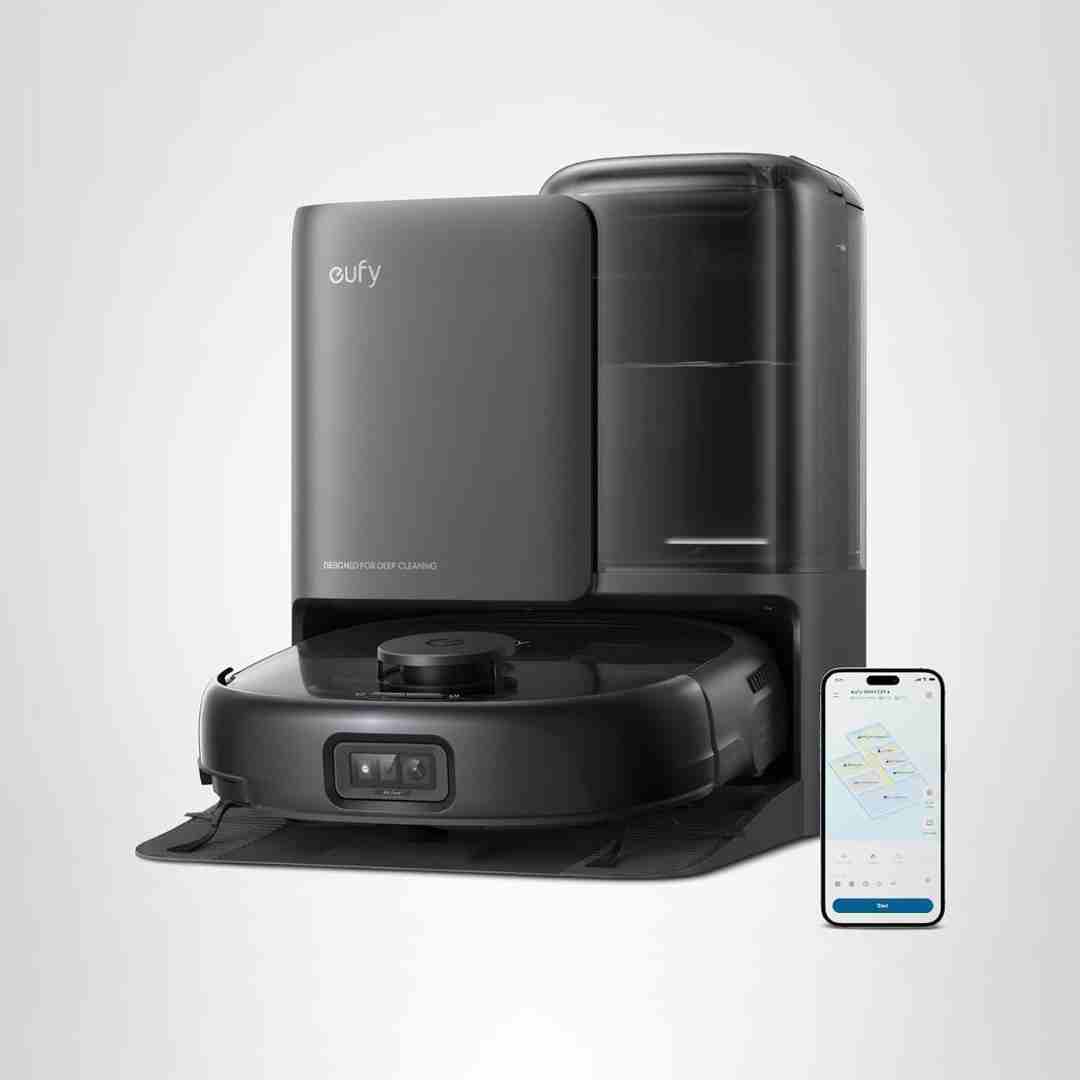
Carpet and rug handling is a strength: the robot can detect carpet, lift the mops about 10 mm, and adjust behavior (including carpet boost and vacuum-first options). Some users still prefer to avoid carpets during mopping for best results.
The robot transitions well onto rugs, can lift the mop to keep fabrics dry, and is reported to pull debris from rug fibers effectively in test scenarios.
Rug handling is commonly described as confident, including climbing onto higher-pile rugs. Some homes may still see edge catches on certain rugs or a need to adjust settings for specific thresholds.
Area rugs are handled well overall, but strong suction can tug on lightweight/thin rugs and may require extra passes for larger debris. Better results are reported on thicker or more stable rugs.
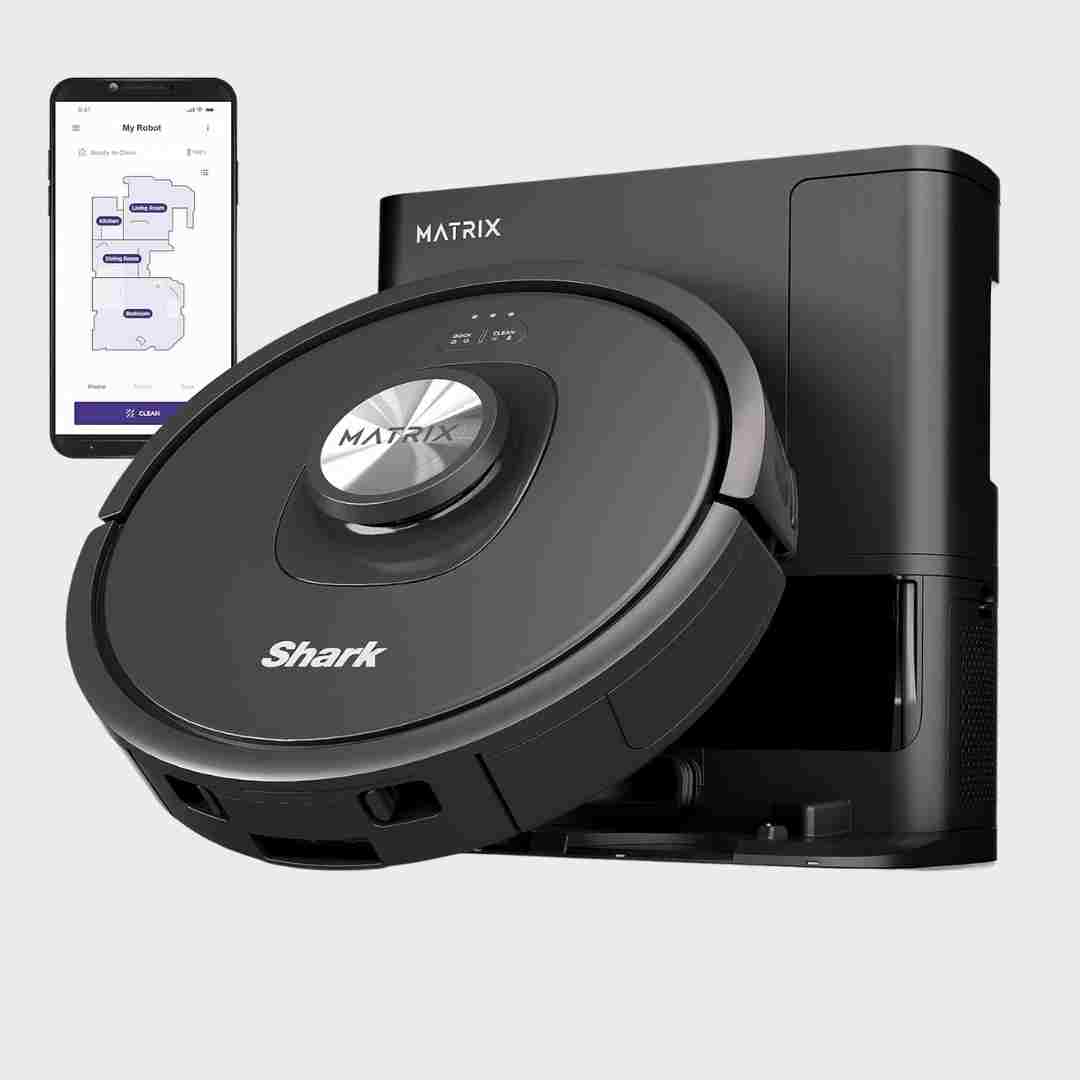
Rug handling is generally strong (including loose rugs/tassels for some users), but reviewers also mention over-cautious carpet detection or occasional avoidance/skipping behavior that may require app adjustments.
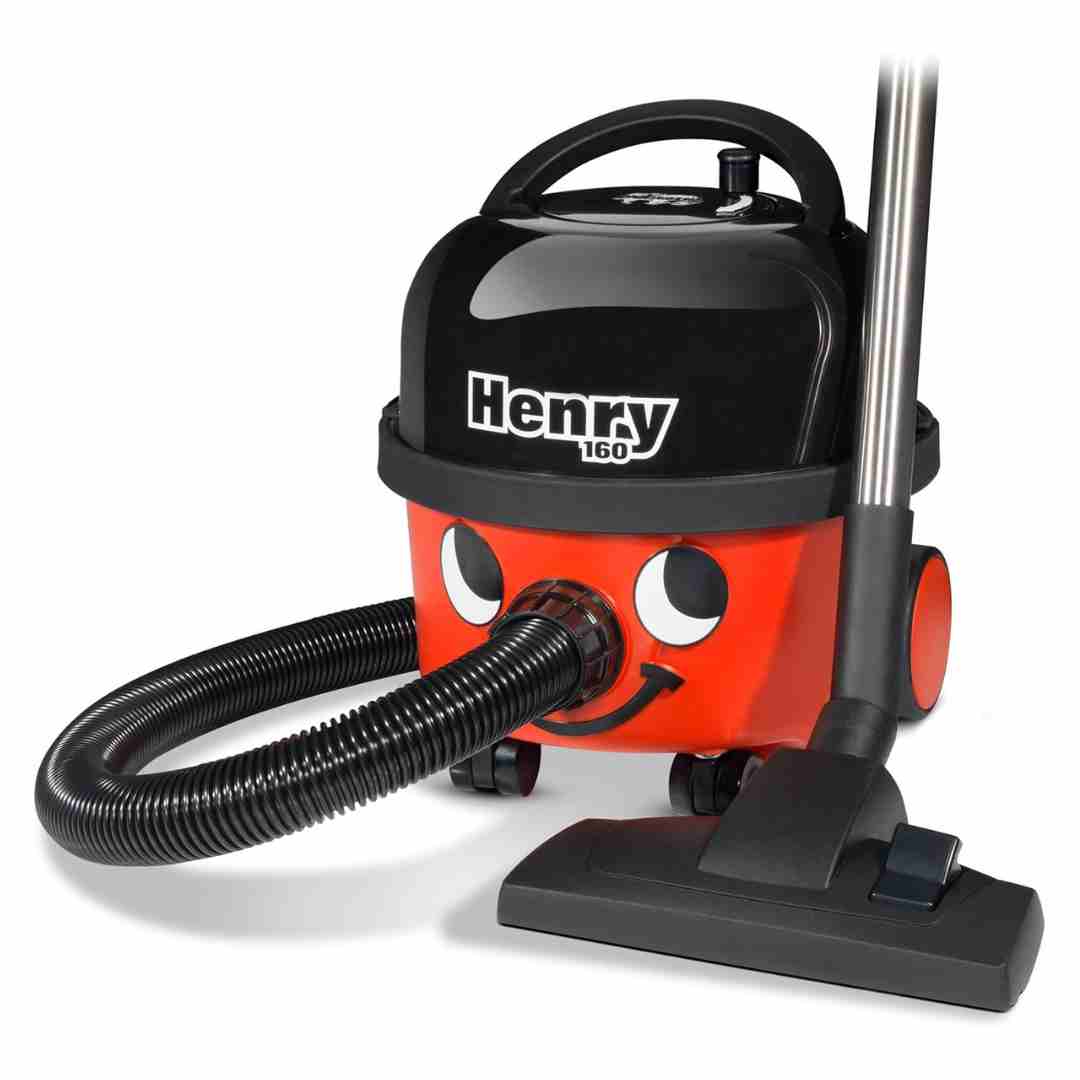
Area rugs are a good match for Henry’s strong suction, especially low/medium pile; thicker rugs may require lowering suction to keep the head moving smoothly.
Mixed-floor and rug handling is strong overall: rugs often look refreshed, and the robot transitions between vacuuming and mopping better than many combo bots.
Transitioning between hard floors and rugs/low carpet is generally smooth, and multiple reviewers note it moves across mixed surfaces without much trouble.
On durable area rugs, reviewers report noticeable brightening and strong soil removal, including on oversized washable rugs. Heavy buildup may require multiple sessions, and several sources caution against delicate rugs or recommend spot-testing first.
Area-rug handling is generally good because the robot detects carpets and can avoid leaving wet patches, though one review still calls carpet performance only average overall.
Rug handling is generally good, but the mop module can drag over rugs if you do not set zones or avoid-mop rules. Transitions are typically handled, though clutter near rugs can still be an issue.
Transitions onto area rugs and mixed-floor homes are generally smooth; rare cases mention thin rugs getting damp if the mop-lift does not trigger correctly.
It generally transitions well between hard floors and rugs, can climb onto taller rugs, and is rated for moderate thresholds, but very tall thresholds or some rug features (e.g., tassels/shag) can cause issues.
It handles rugs by lifting the mop pads and, with the lift chassis, can traverse many transitions; very thick or shaggy rugs may still be better managed with no-go zones.
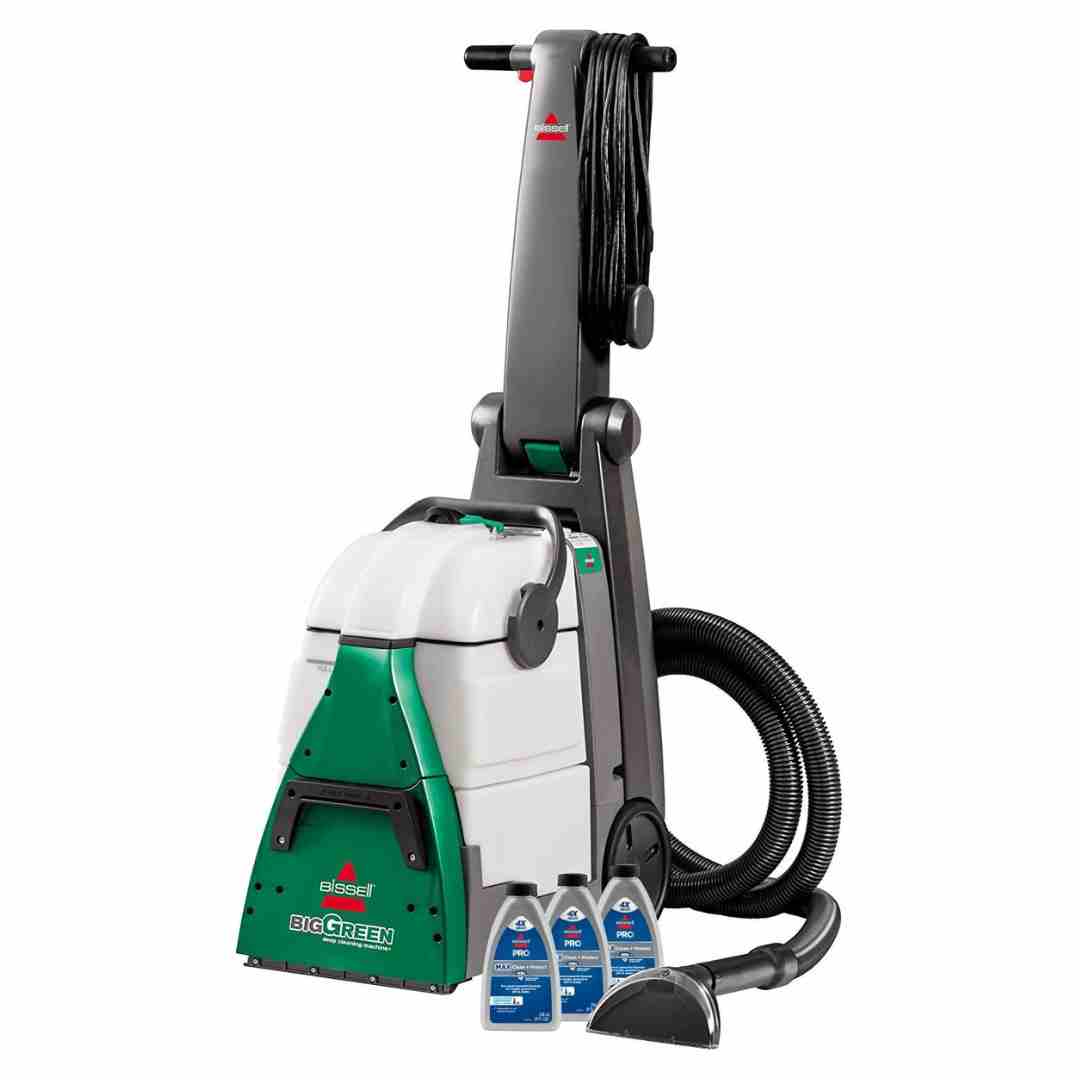
Multiple sources state it can deep clean area rugs as well as carpet, though one outlier review suggests best results are on smaller areas and rugs, reflecting the importance of matching technique and rug care requirements.
A how-to video explicitly lists area rugs as a supported surface, and a long-form reviewer tested successfully on low- and medium-pile carpet. As with other fabrics, spot-testing and avoiding over-saturation are emphasized.
Several reviewers report good area-rug results (including thicker rug litter tests), with the main limitation being larger debris that can plow ahead of the head.