Best for aspect ratio
Alogic Edge 40-inch 5K ultrawide
4.9 feature score
Highest scored product for this feature based on supporting review evidence.
Highest scored product for this feature based on supporting review evidence.
Balances feature score, supporting reviews, and overall product strength.
Has the broadest review evidence for this feature.
Strongest overall product among items with scored evidence for this feature.
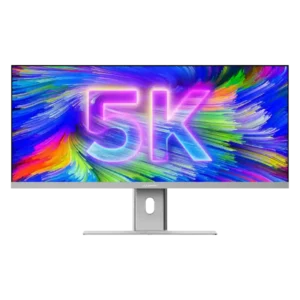
The 21:9 format is exceptionally effective for side-by-side apps, long timelines, and anamorphic footage without letterboxing. Reviewers repeatedly saw it as a cleaner alternative to two or even three displays.
Pros: productivity versatility, aspect ratio
Cons: HDR performance, HDMI 2.1 support
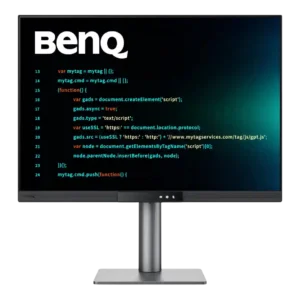
The unusual 3:2 shape is the monitor’s defining strength. It may feel odd briefly, but programmers, traders, writers, and creative users repeatedly preferred its extra vertical room.
Pros: VESA mount compatibility, productivity versatility
Cons: HDR performance, local dimming performance
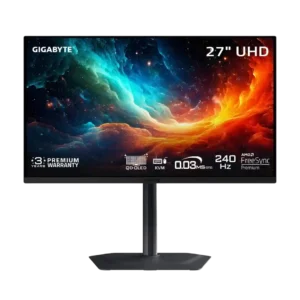
Tactical Switch can quickly move from 16:9 to 4:3 or 5:4 and a 24-inch view, which is especially useful for competitive shooters.
Pros: input lag, viewing angles
Cons: color accuracy, software support
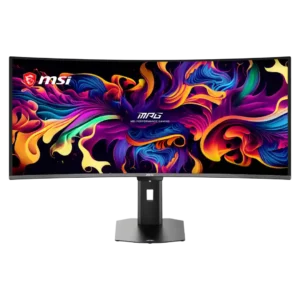
The 21:9 format adds useful horizontal space and strong immersion while remaining easier to drive than 4K. Some games and 16:9 video still produce pillarboxing.
Pros: screen size, panel type
Cons: Resolution, cable management
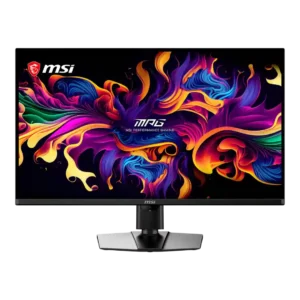
Selectable screen-size modes and a forced 4:3 option give competitive players extra flexibility. The feature is useful for shrinking the active image without changing monitors.
Pros: panel type, response time
Cons: built-in speakers, curved screen immersion
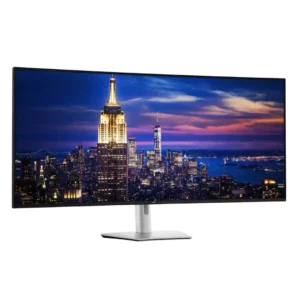
The tall ultrawide shape preserves more vertical room than super-ultrawides, which editors and multitaskers value. Some users still prefer standard 16:9 or wider 32:9 layouts, and the extreme width can...
Pros: input lag, backlight bleed control
Cons: overdrive tuning, ghosting control