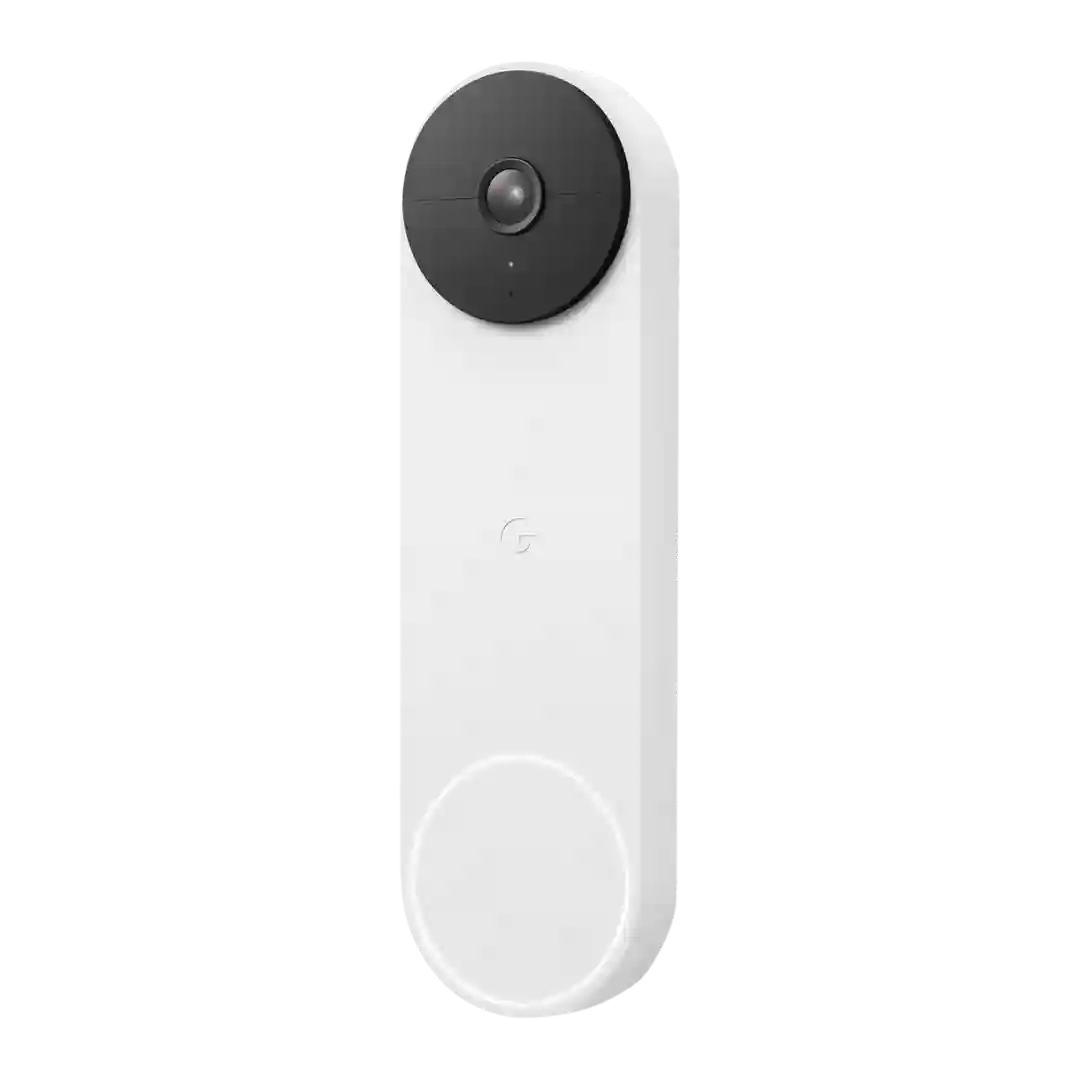
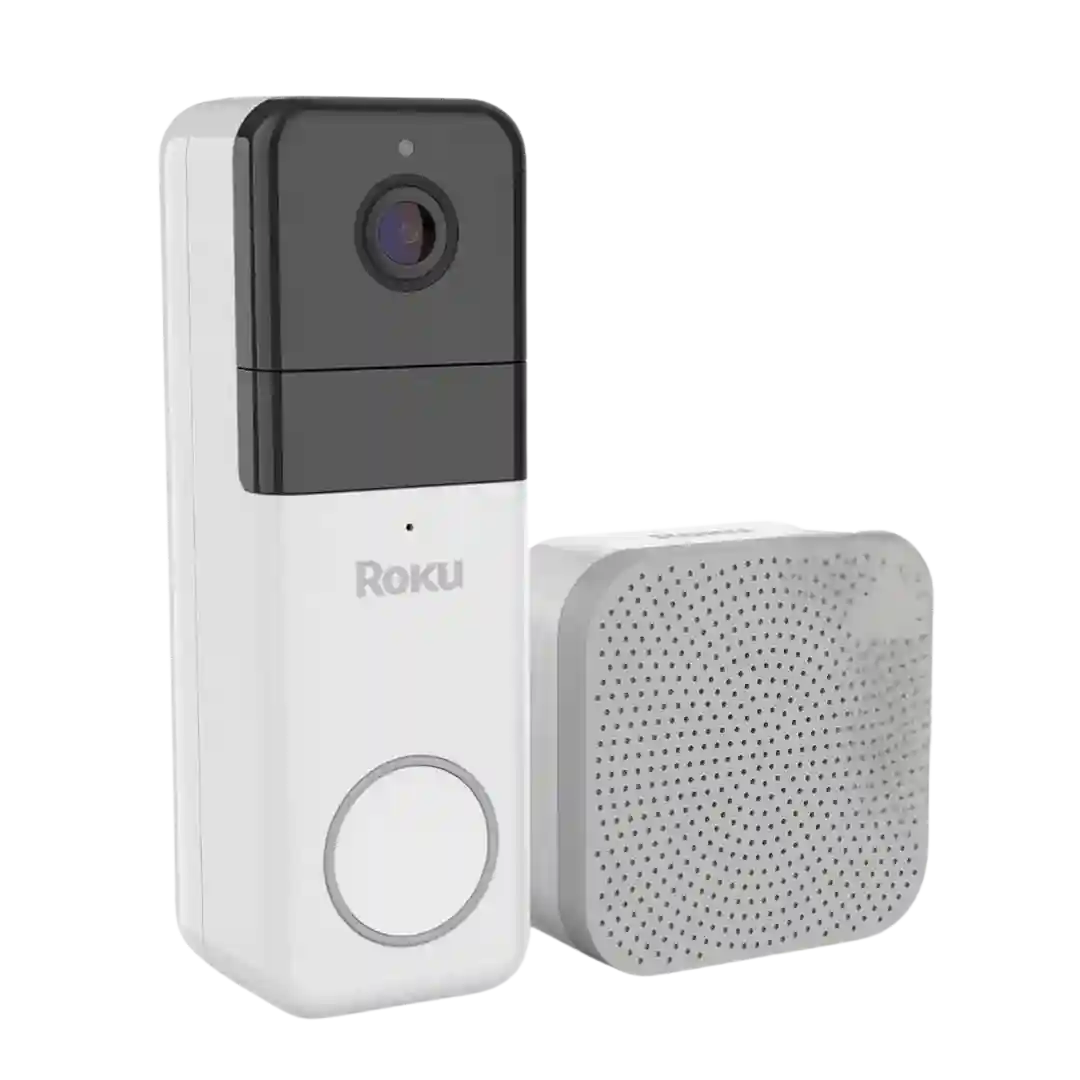
Automation support is broader than expected at this price, with reviewers calling out Alexa, Google, Amazon smart displays, SmartThings triggers, and useful light/display routines. It is not the most open platform, but it is flexible in common smart-home setups.
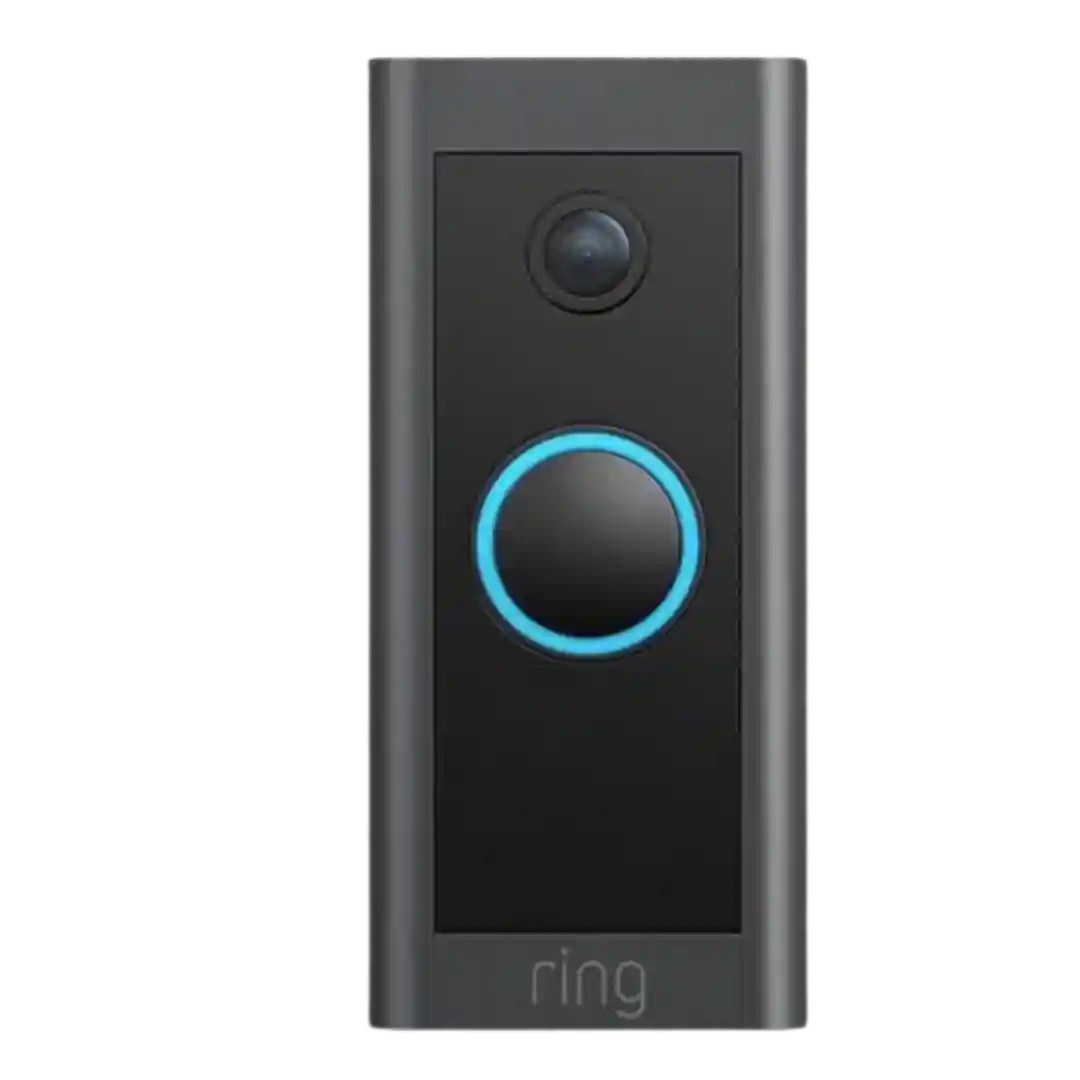
Automation options mostly revolve around Alexa routines and, in some cases, IFTTT applets, enabling simple actions like triggering a smart light when the doorbell rings. It is less flexible than platforms with broader ecosystem or local-automation support.
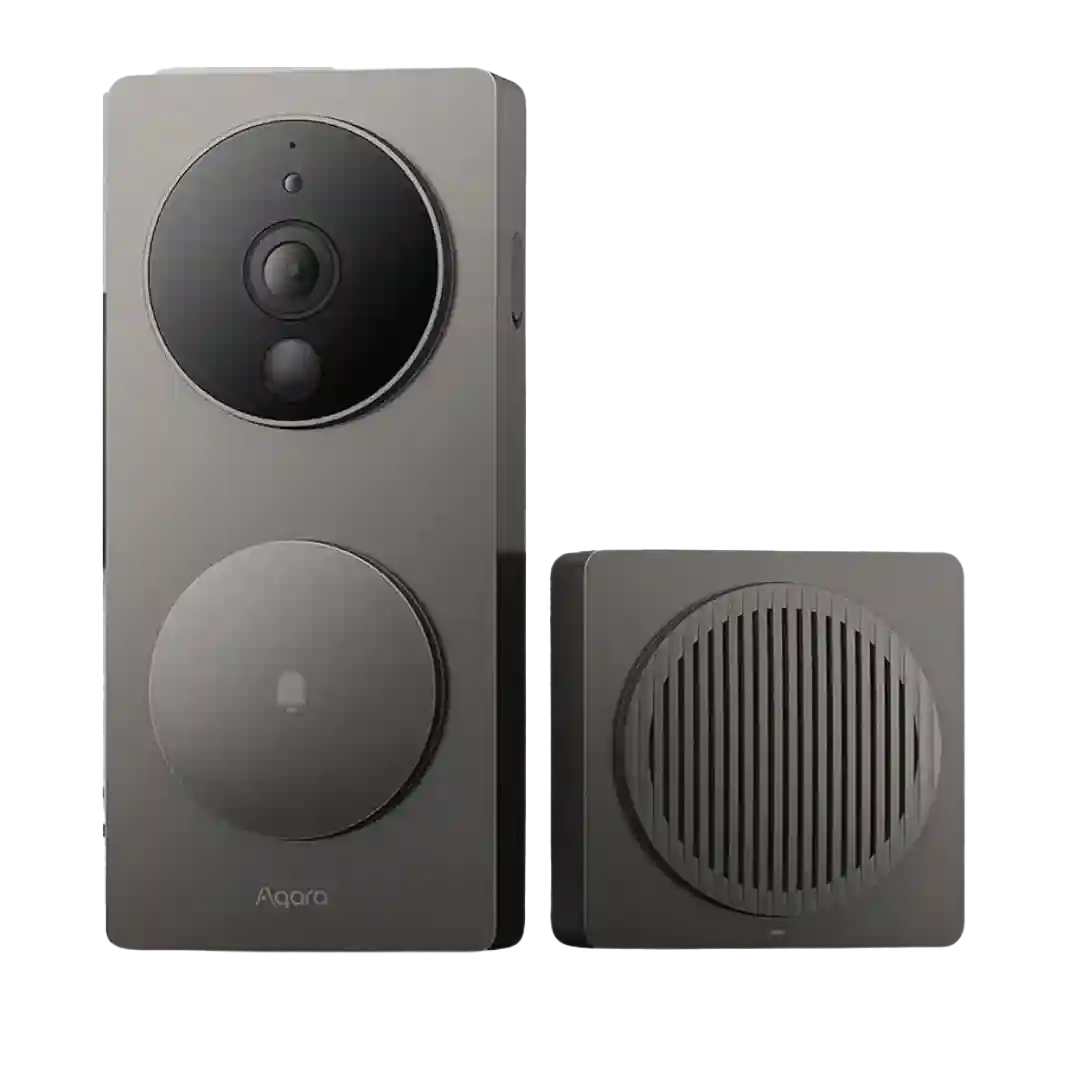
Automations are a major selling point in the reviews, especially using recognized faces or presence to trigger locks, lights, and routines across Aqara, Home Assistant, and other ecosystems. The most powerful workflows generally require staying inside Aqara or using bridges that expose triggers outward.
Automation options include Alexa and Google integrations, plus IFTTT and SmartThings references in some reviews, enabling routines like showing the feed or triggering lights.
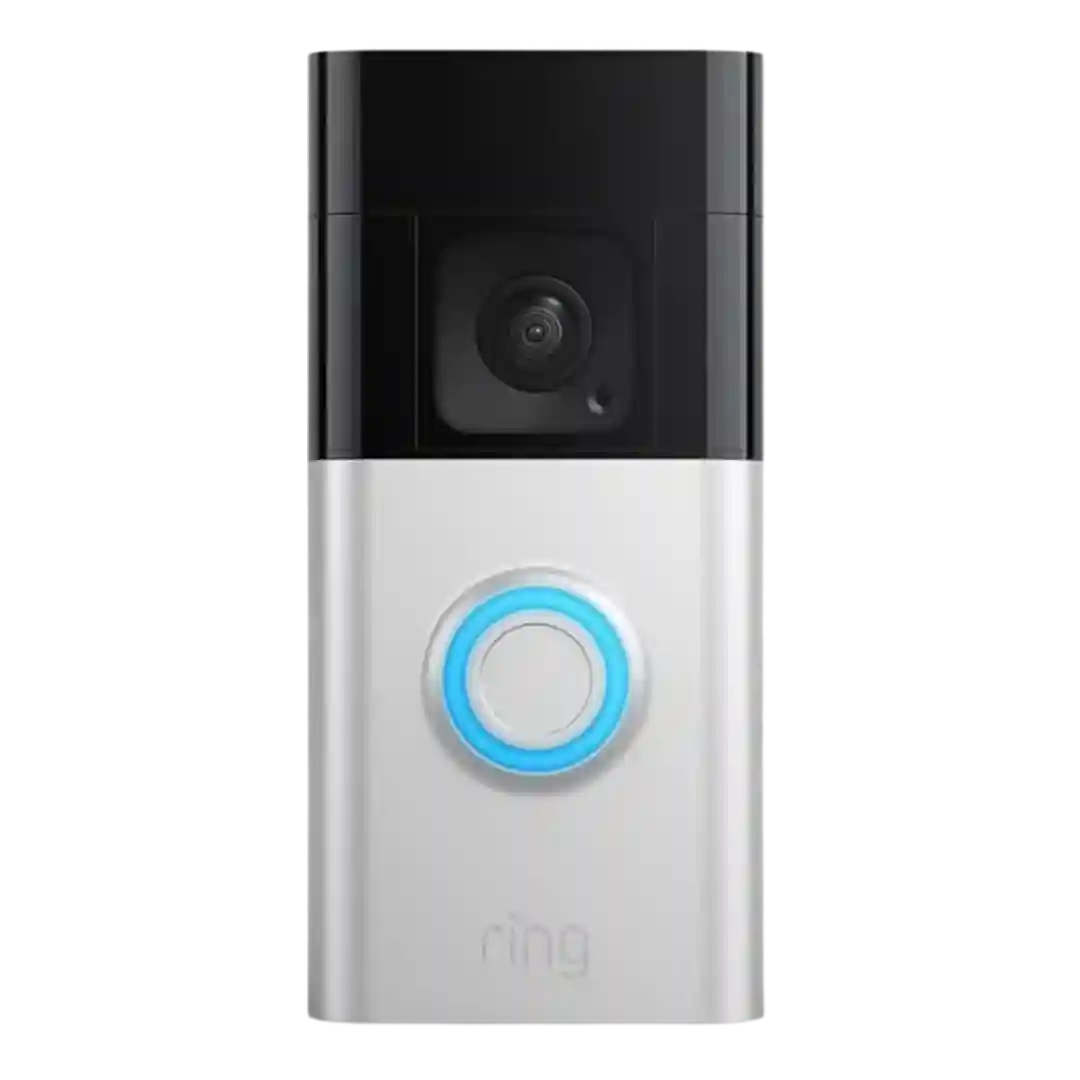
Automation is a strong point inside Ring/Amazon: linked-device triggers, Alexa routines, and (in some reviews) third-party automation via services like IFTTT enable multi-camera and lighting workflows that meaningfully improve coverage.
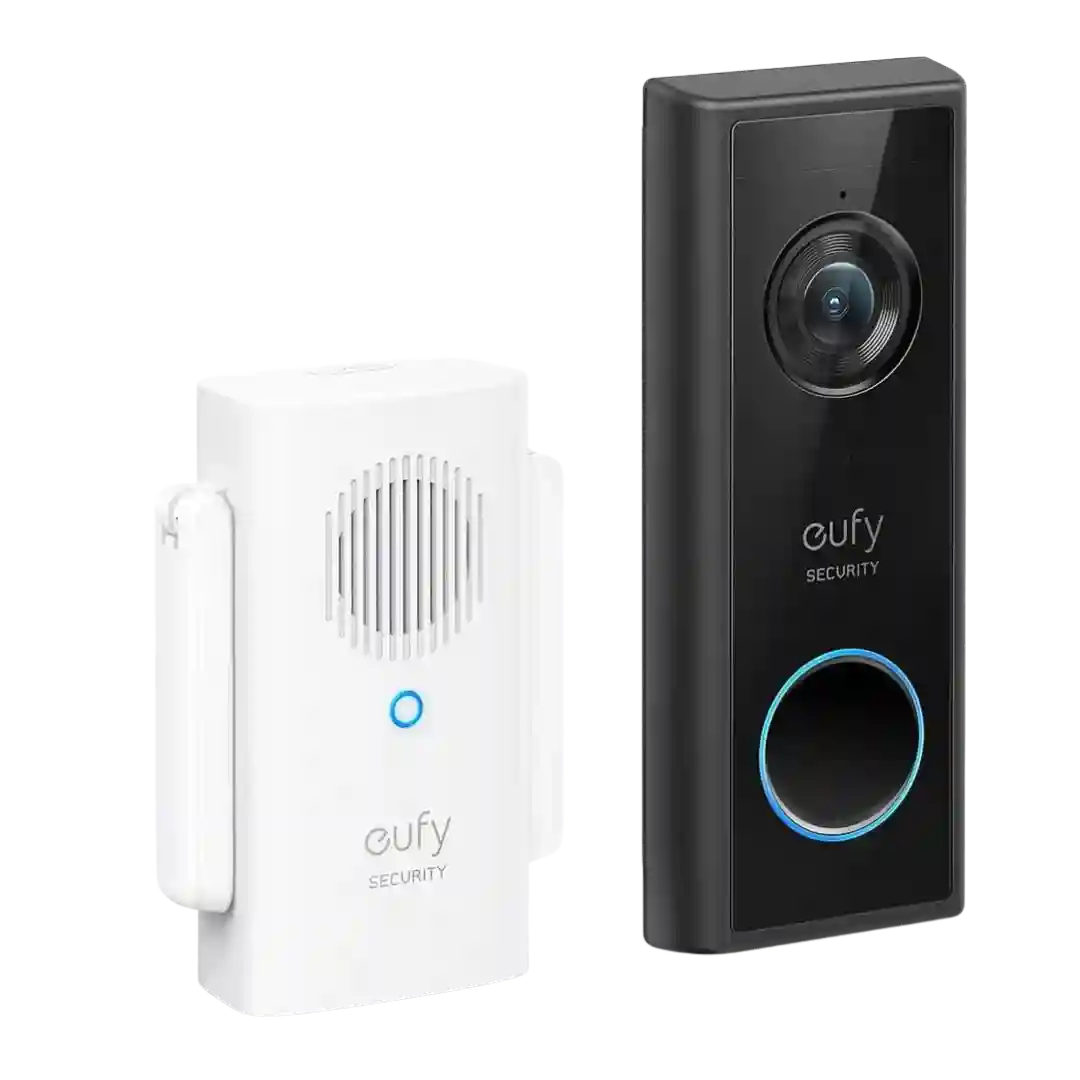
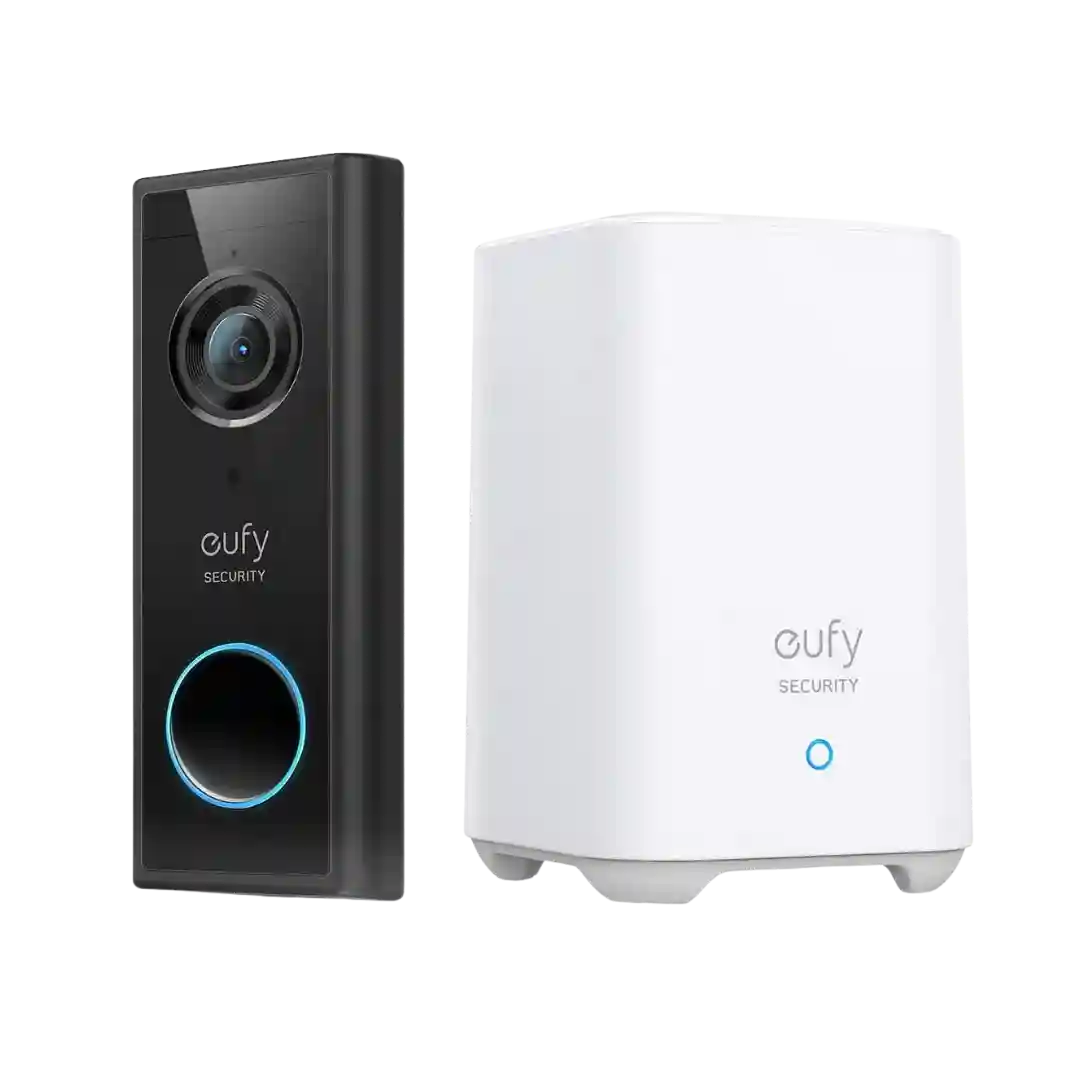
Reviewers show multiple security modes (home/away/disarmed), scheduling, geofencing, and the ability to have the chime act as an alarm, offering decent flexibility for basic automations inside the Eufy ecosystem.
Automation and ecosystem hooks (linked Ring devices, Alexa routines, and in some cases IFTTT) are commonly cited as a major strength, especially for homes already using Ring/echo hardware.
Automation options show up through integrations like Alexa routines/IFTTT and HomeKit/Shortcuts-style workflows in some reviews. It is not positioned as an open, locally streamable automation device, but can trigger useful smart-home actions.
Where mentioned, automation flexibility is strong via Alexa routines and IFTTT applets, giving the doorbell ways to interact with third-party smart-home devices.
Automation is mostly discussed as using smart assistants as chimes or launching live views via voice command, plus optional custom routines in assistant ecosystems. Phone viewing remains the fastest path in most reviews.
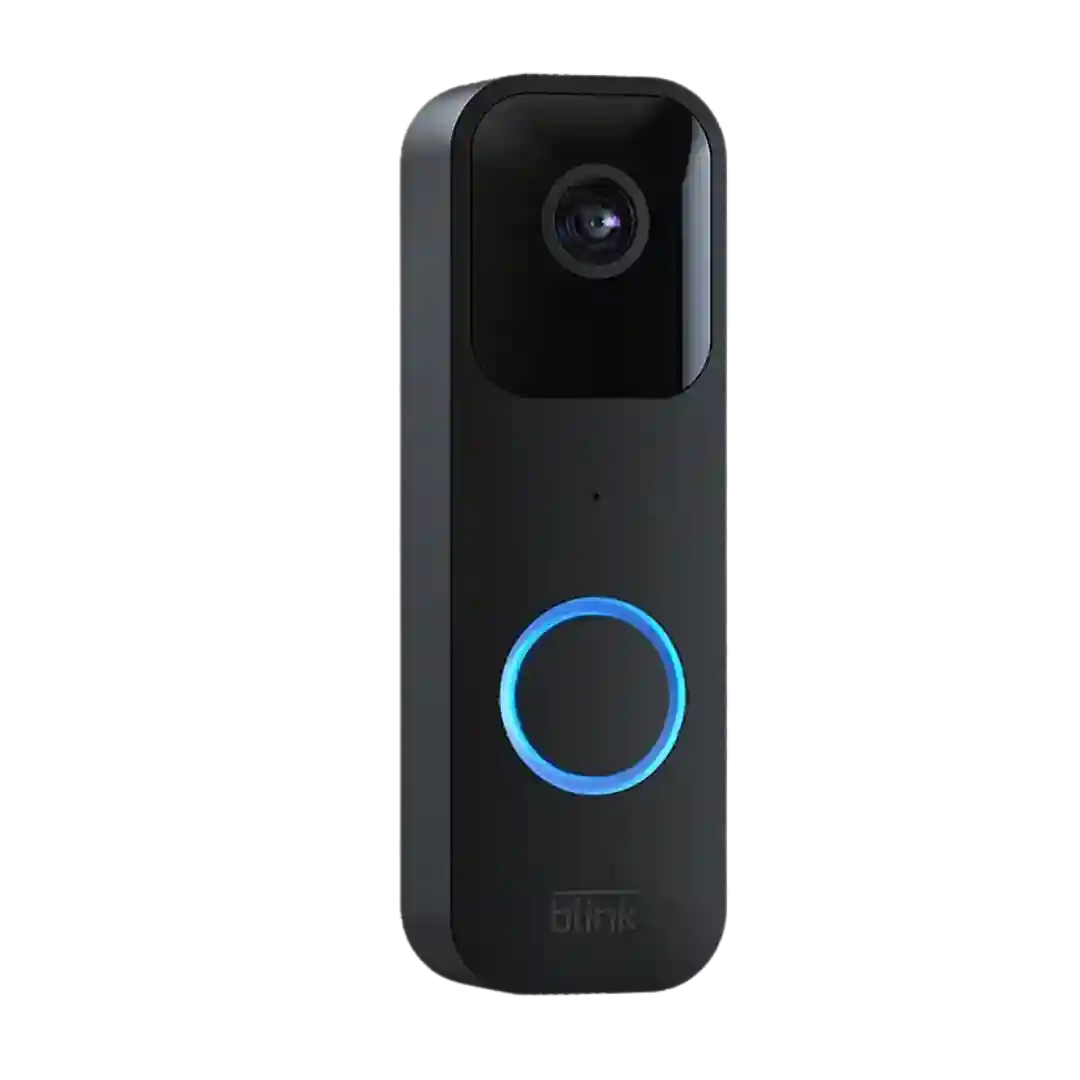
Automation is mainly delivered through Alexa, such as using a doorbell press to trigger routines like turning on lights. Outside the Amazon ecosystem, automation flexibility is more limited and may require third-party bridges.
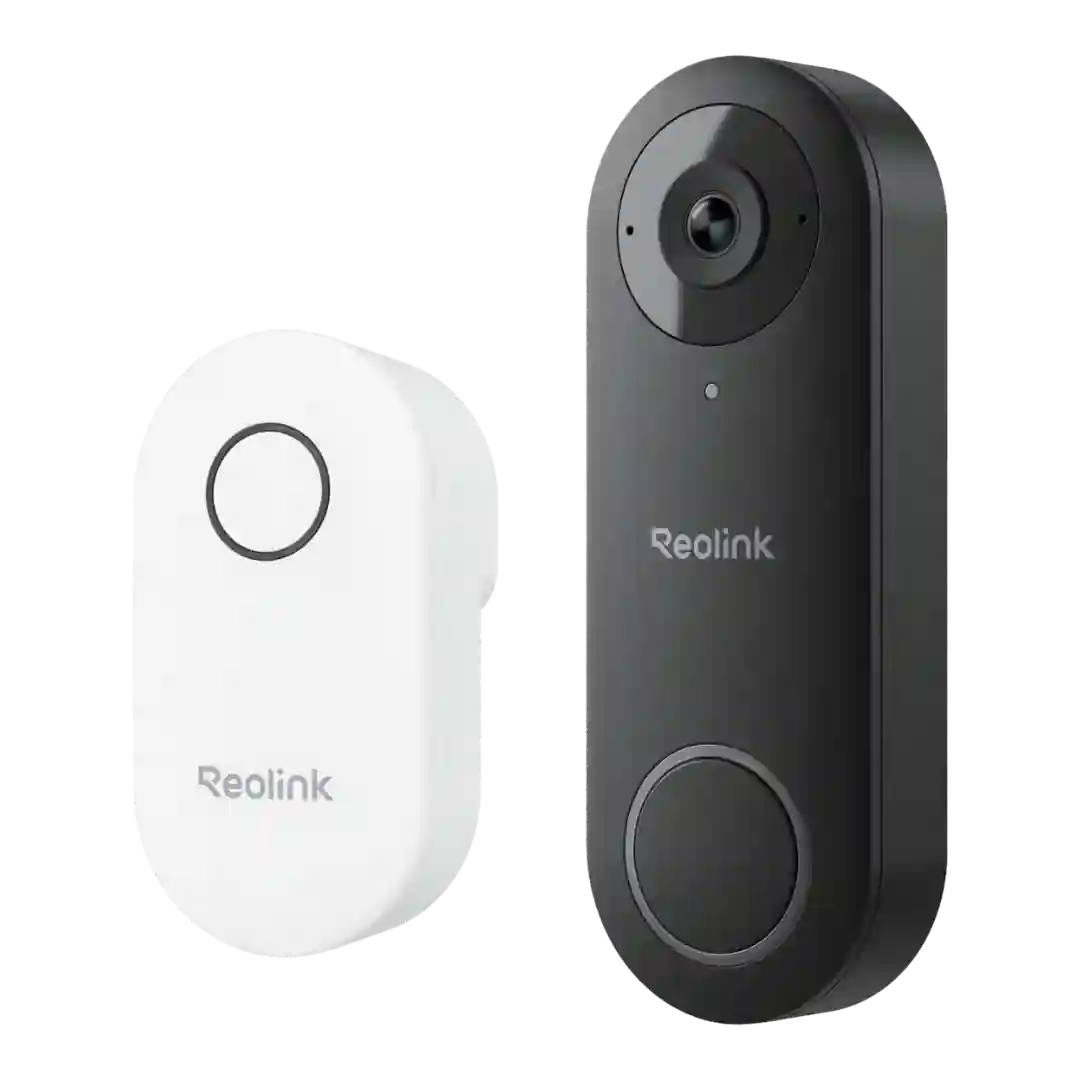
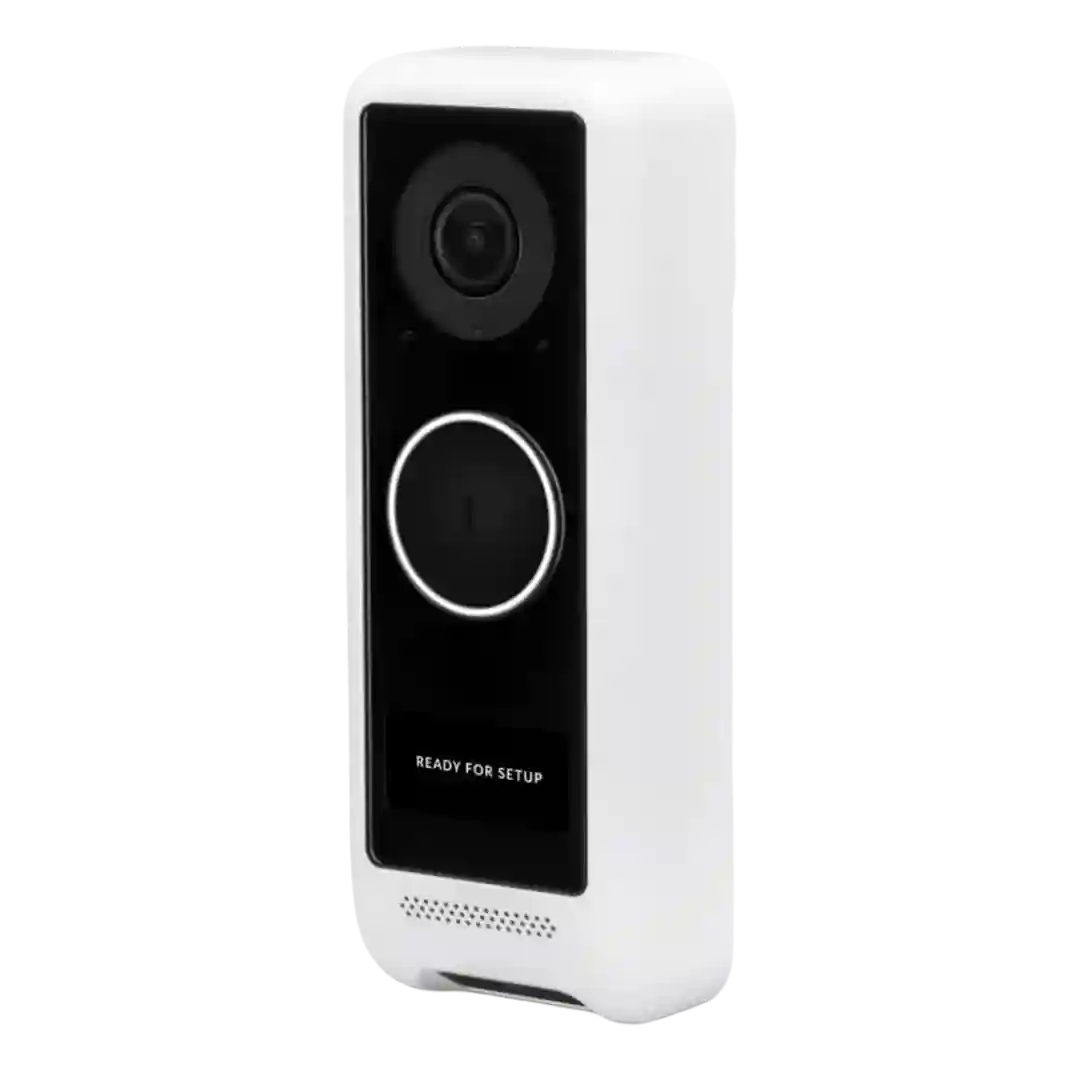
It supports local-friendly integrations like RTSP/ONVIF, NVR recording, FTP, and Home Assistant automations, but lack of IFTTT is a recurring complaint for broader third-party automation.
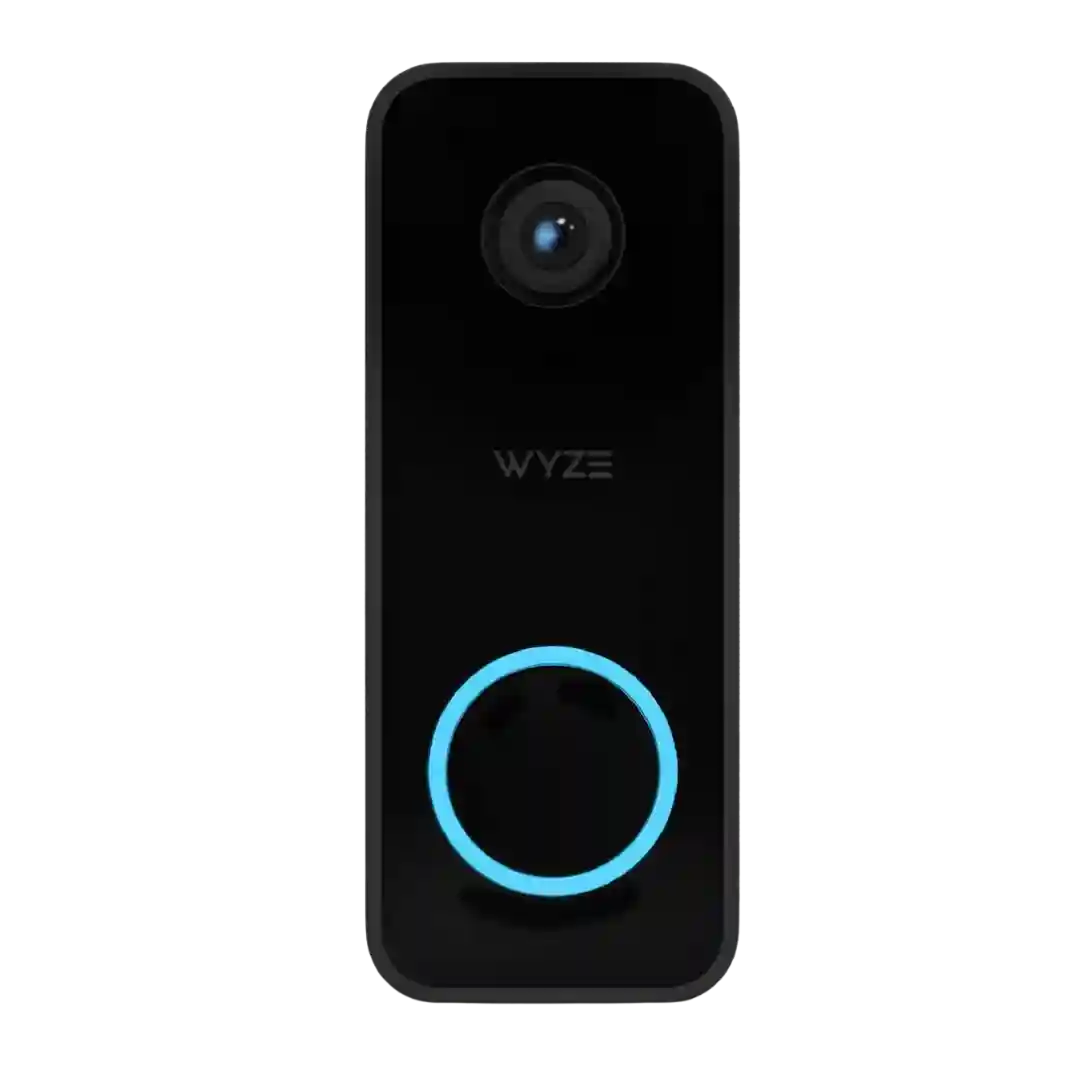
Automation options are stronger than expected for the price, including in-app automations and integrations like IFTTT, with some mention of lock/light routines.
Automation-oriented controls like recording schedules, notification schedules, and some system organization features are mentioned across reviews. A notable limitation described is that certain grouping behaviors and platform gaps feel unfinished depending on Protect version.
Automation is strongest within the Eufy ecosystem and via voice-assistant routines, but broader smart-home automations are constrained by limited third-party integrations.
Automation options are strong within Apple Home and the Aqara ecosystem, plus support for Alexa, Google, and in some cases IFTTT. Tradeoffs include limited granularity in some platforms and missing triggers or features depending on the ecosystem used.
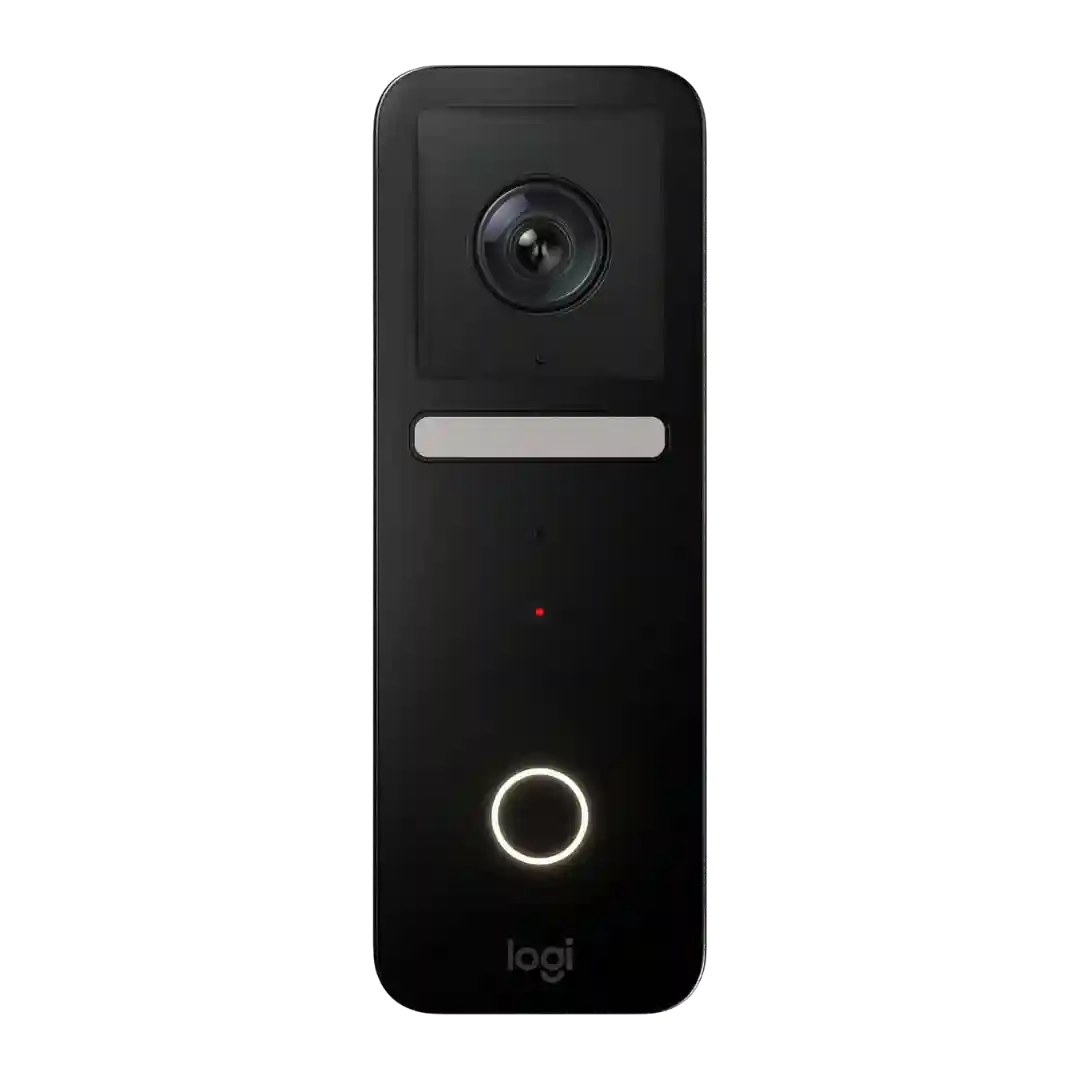
HomeKit automations can be powerful using motion/light sensors or third-party apps, though some integrations (like richer Apple TV interaction) feel limited compared with smart displays from other ecosystems.
Automation support exists through Google Home and compatible ecosystems, but some reviews report limited routine-style triggers/actions at launch or inconsistent control options.
Automation flexibility is limited outside major assistants: reviews highlight no IFTTT compatibility and no HomeKit support, even though Alexa/Google voice support is present.
Automation support is a consistent limitation: reviewers repeatedly call out the lack of IFTTT and limited ecosystem depth compared with Ring/Arlo/Google. Basic routines and voice-assistant actions (especially via Alexa) are possible, but advanced automation flexibility is not a strength.