Best for Automation flexibility
Eufy Video Doorbell E340
5.0 feature score
Highest scored product for this feature based on supporting review evidence.
Highest scored product for this feature based on supporting review evidence.
Balances feature score, supporting reviews, and overall product strength.
Has the broadest review evidence for this feature.
Strongest overall product among items with scored evidence for this feature.
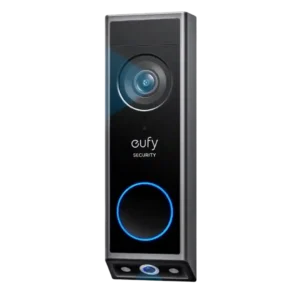
Automation flexibility received a strong mark from a reviewer whose Alexa routine triggered another smart light perfectly.
Pros: Ongoing ownership costs, Complete kit in box
Cons: Pre-roll buffer, Data-usage efficiency (bandwidth)
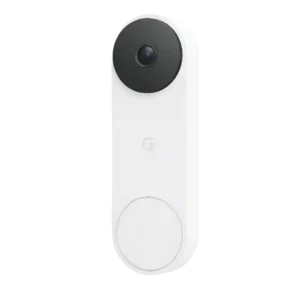
Automation evidence was limited but positive, with one reviewer saying a motion-triggered Google automation worked perfectly.
Pros: Complete kit in box, Automation flexibility
Cons: Security ecosystem integration, Ongoing ownership costs
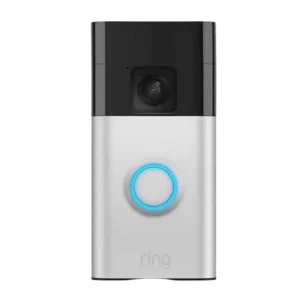
Automation flexibility was a strength in the automation review, especially custom routines and linked-device behaviors.
Pros: Quick-reply / pre-recorded message usefulness, lag)
Cons: Lens distortion handling, Storage
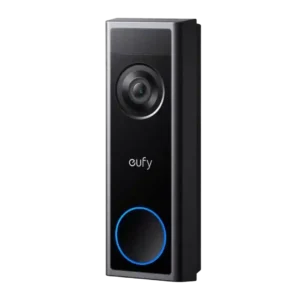
Automation and custom modes were praised, especially auto responses and stranger or recognized-person triggers.
Pros: Wi-Fi range and stability, Ongoing ownership costs
Cons: Smart-home integration (Alexa, Google
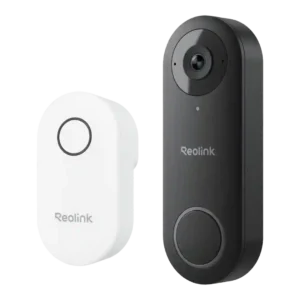
Home Assistant support gives the doorbell strong automation potential, with reviewers using person and visitor triggers for broader smart-home routines.
Pros: Ongoing ownership costs, Automation flexibility
Cons: Face recognition, Delivery package monitoring
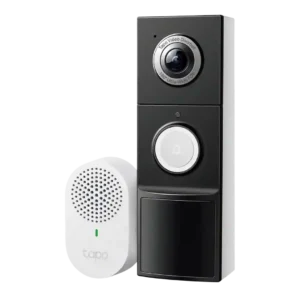
Automation evidence was positive, especially with Amazon/Alexa routines that triggered reliably and with little delay.
Pros: Complete kit in box, Base / Hub integration
Cons: Face recognition, RTSP stream availability
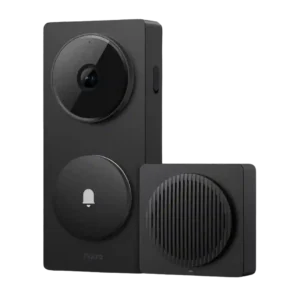
Automation flexibility is a standout when used with Aqara, Matter, or face-recognition triggers, though one Apple Home-focused review found the presence sensor less useful inside Apple’s camera workflow.
Pros: Multi-user sharing ease, Ongoing ownership costs
Cons: Phone call integration, Weather and temperature tolerance
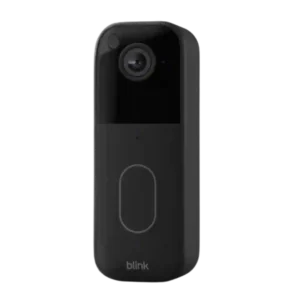
Automation flexibility was positive in testing where an Alexa/IFTTT-linked routine worked as intended.
Pros: Reliability (general), Automation flexibility
Cons: Quick-reply / pre-recorded message usefulness, Pre-roll buffer
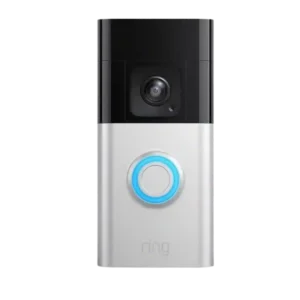
Automation evidence is positive inside Ring and Alexa-style routines, with reviewers noting linked Ring devices and routines can react to doorbell motion.
Pros: Wi-Fi range and stability, lag)
Cons: Subscription, Storage
Automation evidence centered on Alexa routines, with a reviewer reporting a linked routine triggered by a doorbell press worked perfectly.
Pros: Upgrade value vs previous model, Peace of mind
Cons: Law enforcement policy transparency, Community feature usefulness
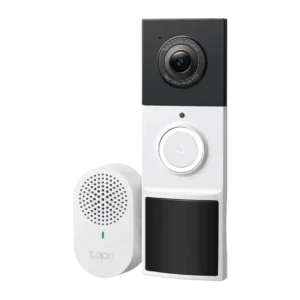
Automation flexibility was praised most strongly around Amazon and Tapo scenarios where video feeds and lighting automations worked well.
Pros: Wi-Fi range and stability, Subscription
Cons: Recording, Delivery package monitoring
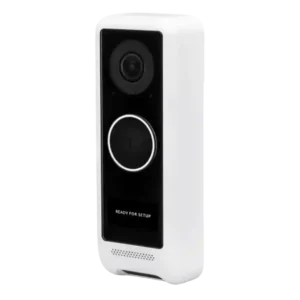
Custom scheduling for alerts was viewed positively and gives the doorbell useful automation flexibility.
Pros: Field of view and framing, Object and person detection
Cons: Face recognition, Wi-Fi range and stability
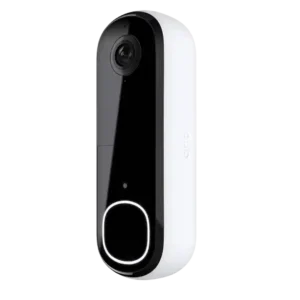
Automation flexibility was strong where reviewers tested Alexa routines and IFTTT applets.
Pros: Phone call integration, System completeness
Cons: Recording, Subscription
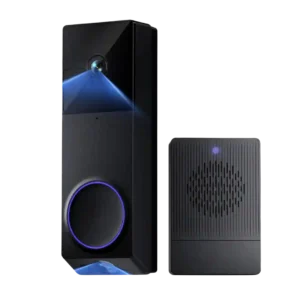
Automation flexibility was a plus, with reviewers praising Wyze automations, chime triggers, and full-featured device actions.
Pros: Weather and temperature tolerance, lag)
Cons: Quick-reply / pre-recorded message usefulness, Theft and Tamper
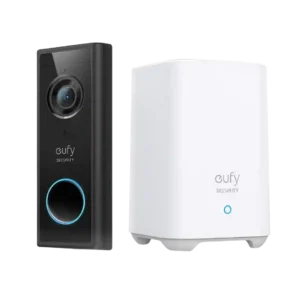
Automation flexibility is supported mainly through custom routines and simple mode switching; reviewers found these controls useful rather than extensive.
Pros: Ongoing ownership costs, Privacy
Cons: Controls and indicators, Smart-home integration (Alexa
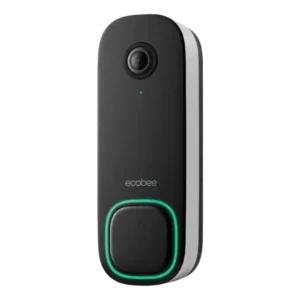
Automation flexibility had limited but positive evidence, mainly around HomeKit/Ecobee automation and alert setup.
Pros: Warranty and Support, Controls and indicators
Cons: Storage, Face recognition
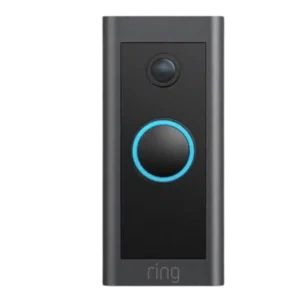
Automation flexibility was supported mainly through PCMag's positive view of IFTTT and third-party smart-device interactions.
Pros: Battery and Charging, Security ecosystem integration
Cons: Face recognition, Video sharing options
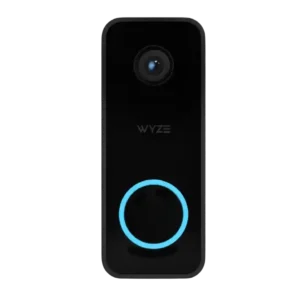
Automation flexibility was viewed positively where reviewers discussed Wyze rules, schedules, and doorbell-triggered actions.
Pros: Quiet-time / do-not-disturb scheduling, Personalization options
Cons: Privacy, Security policy history
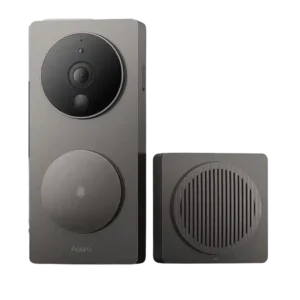
Automation flexibility was mixed: Aqara routines sounded powerful, but HomeKit automations were criticized as too all-or-nothing.
Pros: lag), Ongoing ownership costs
Cons: RTSP stream availability, Motion detection
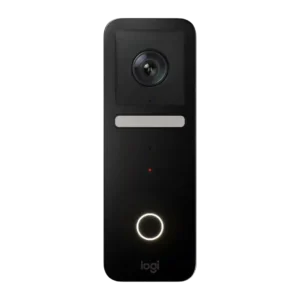
Automation support was mixed: third-party HomeKit apps unlocked useful doorbell-press triggers, but Apple’s own app exposed some sensors unevenly.
Pros: Privacy, Security ecosystem integration
Cons: Warranty and Support, Color options
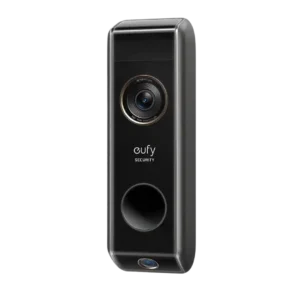
Automation evidence was limited and conditional, with one reviewer noting reactions depend on using other Eufy products.
Pros: Ongoing ownership costs, Subscription
Cons: Wi-Fi range and stability, Law enforcement policy transparency
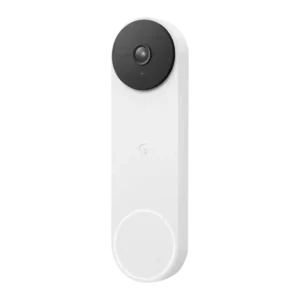
Automation flexibility was mixed, with one reviewer unable to use routines for camera on/off while another described useful home automation triggers.
Pros: Object and person detection, lag)
Cons: Law enforcement policy transparency, Privacy
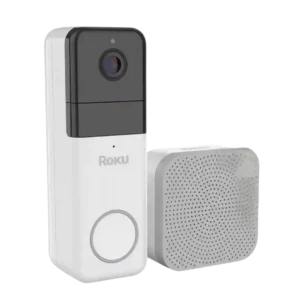
Automation flexibility is limited because the doorbells are not compatible with IFTTT.
Pros: Audio, Installation and Mounting
Cons: Storage, Porch light brightness