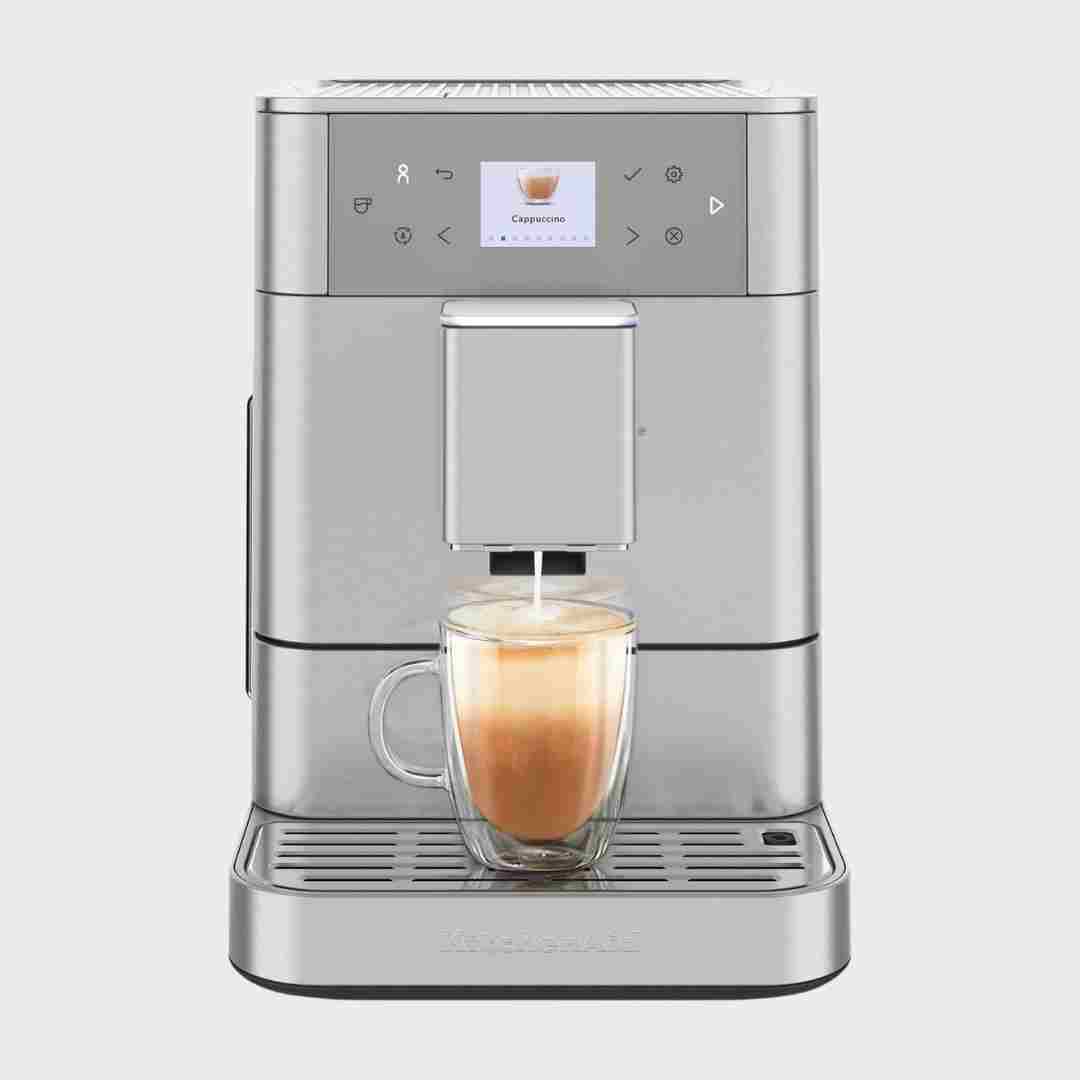
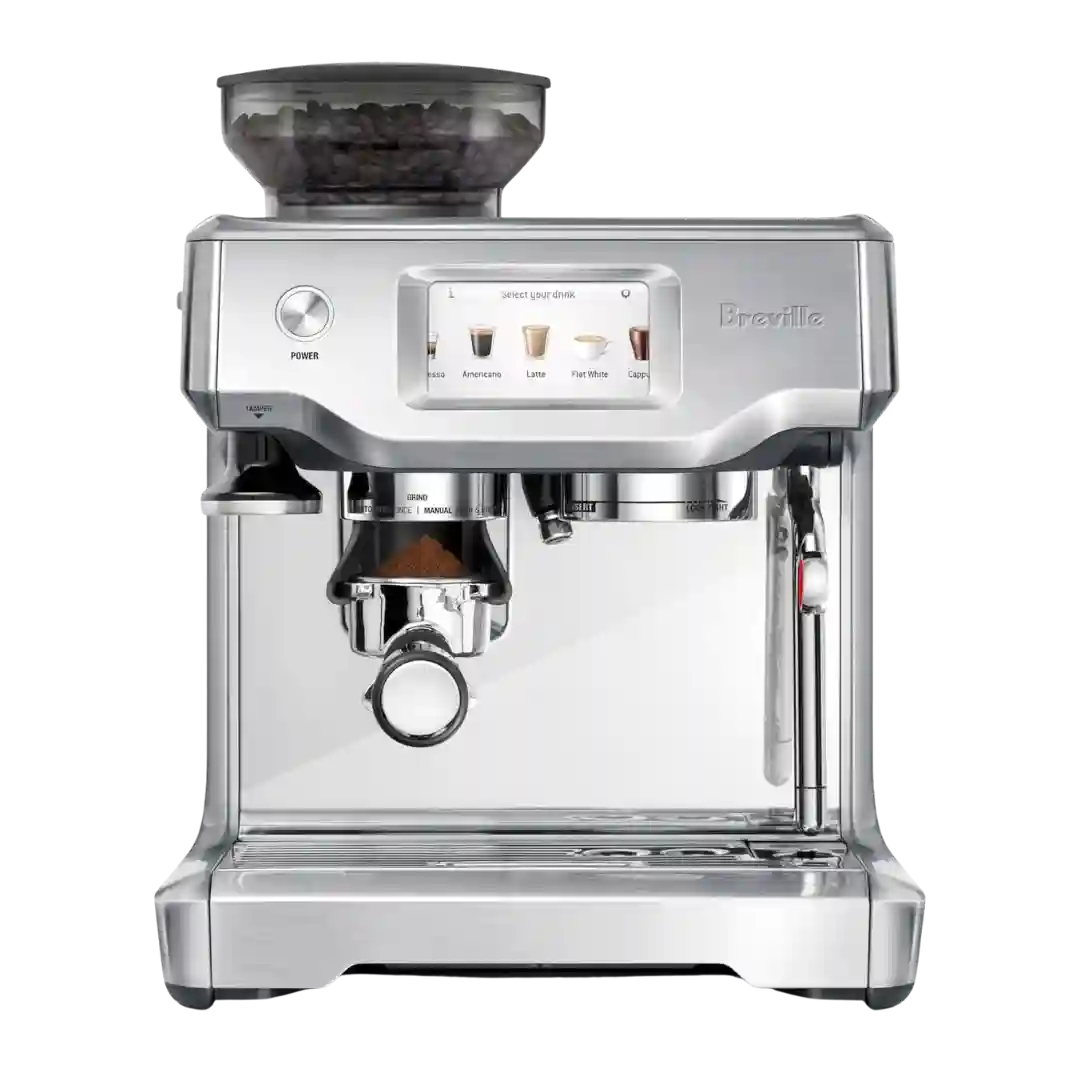
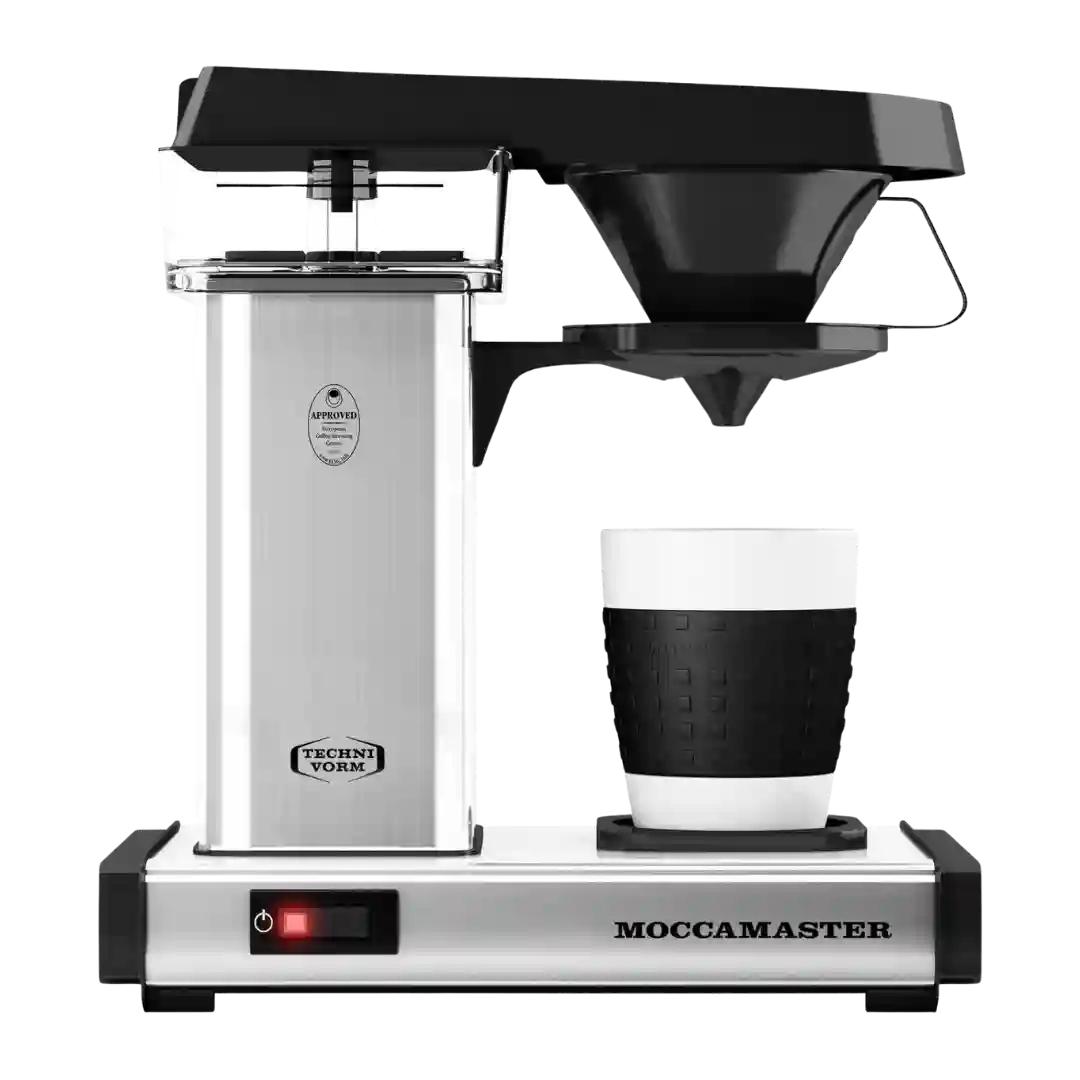
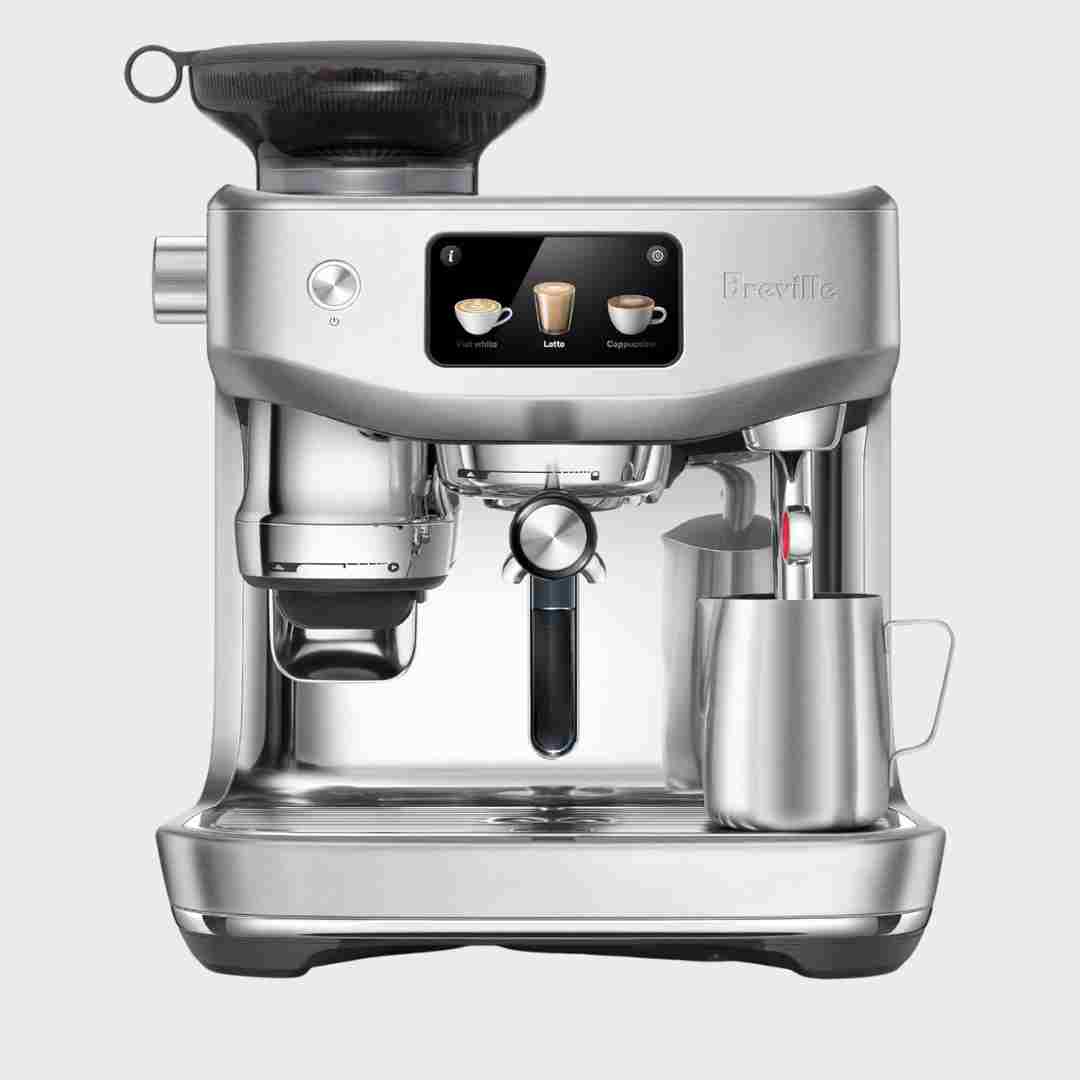
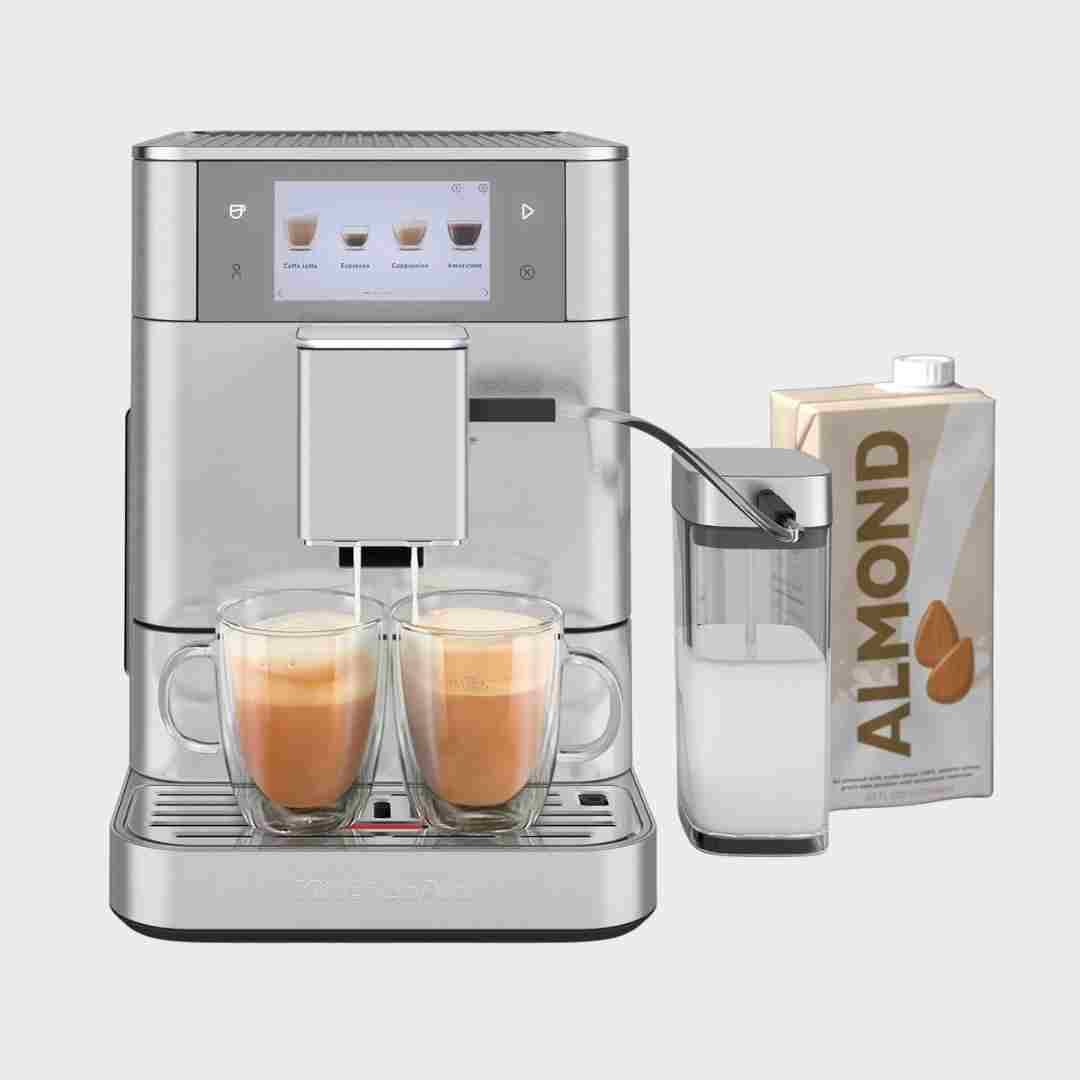
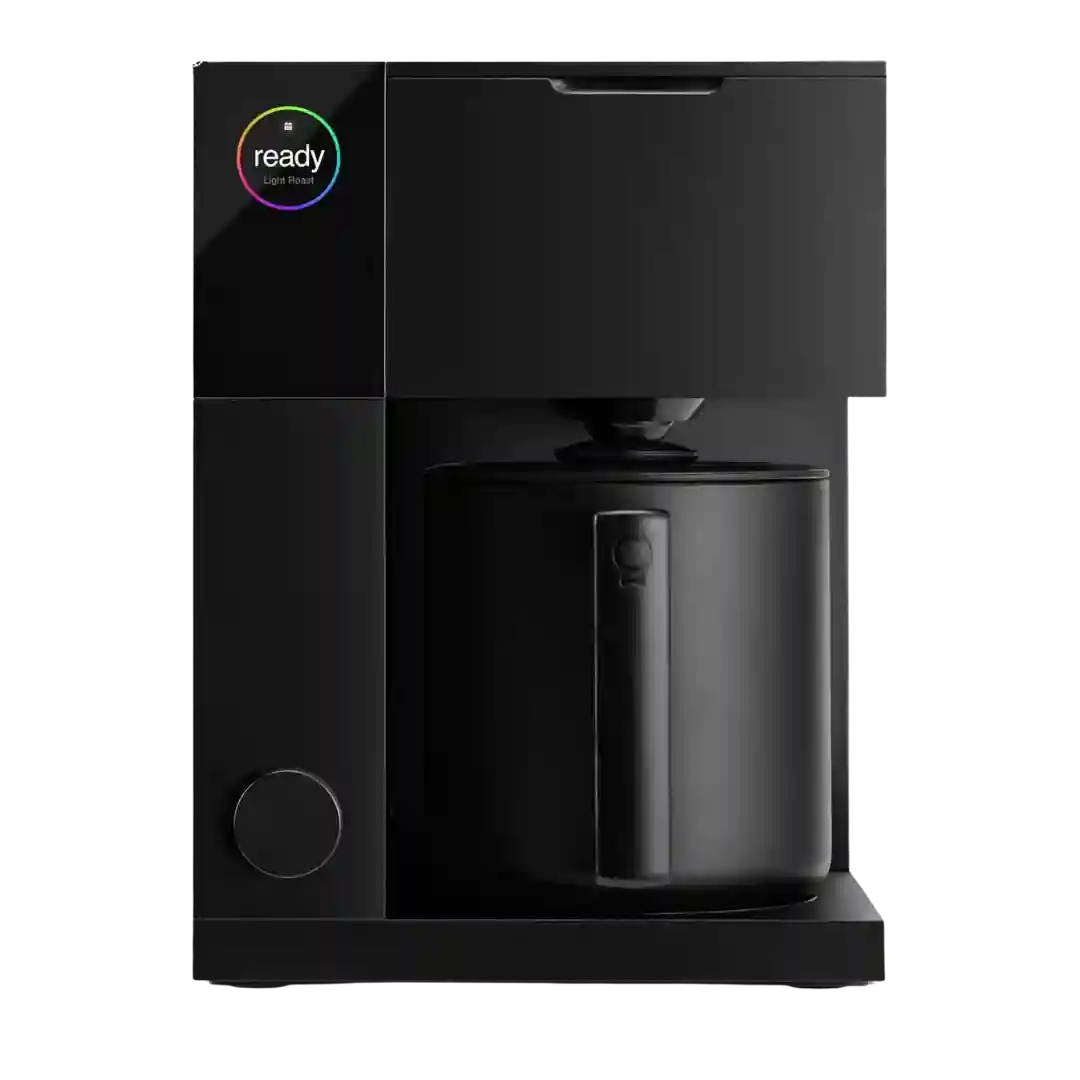
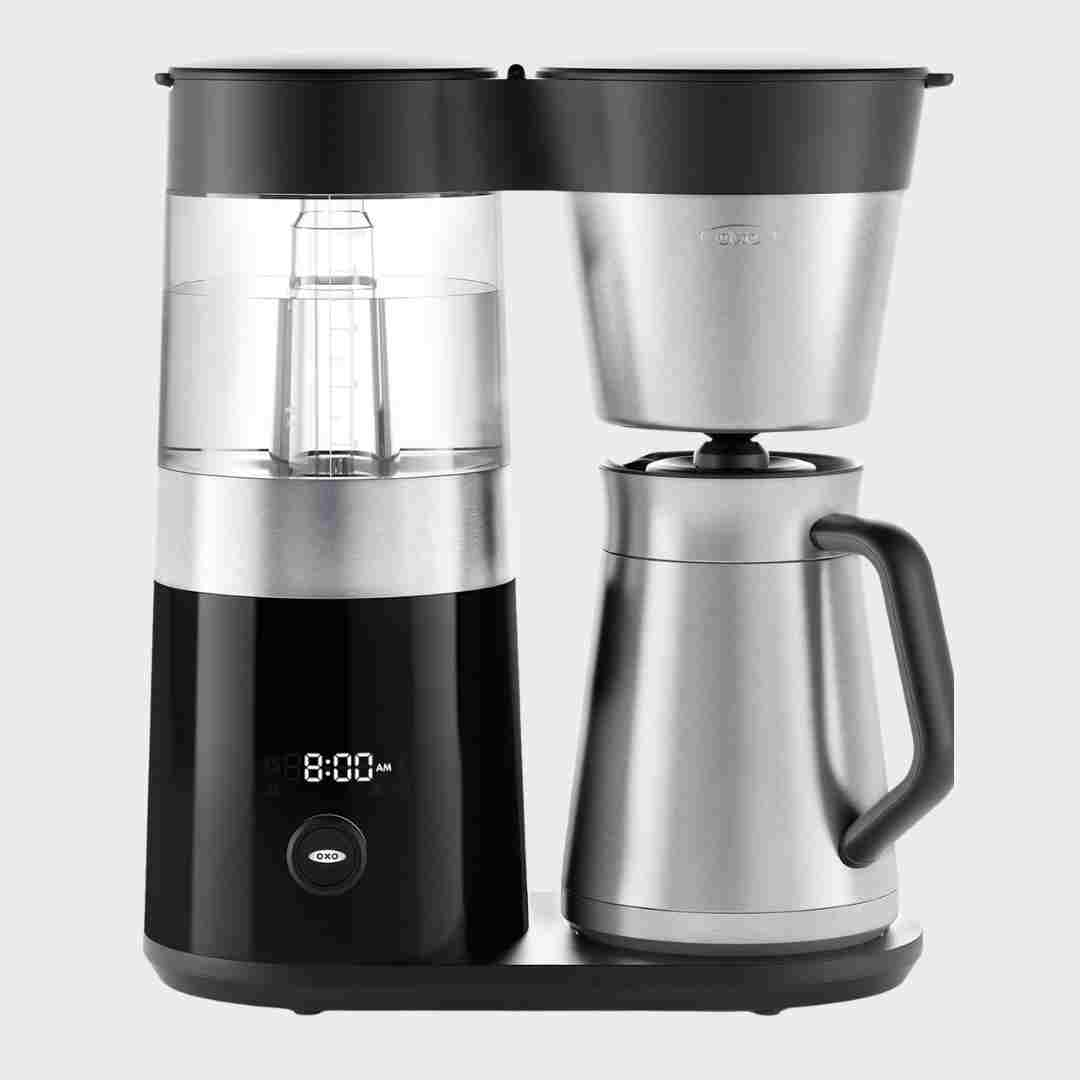
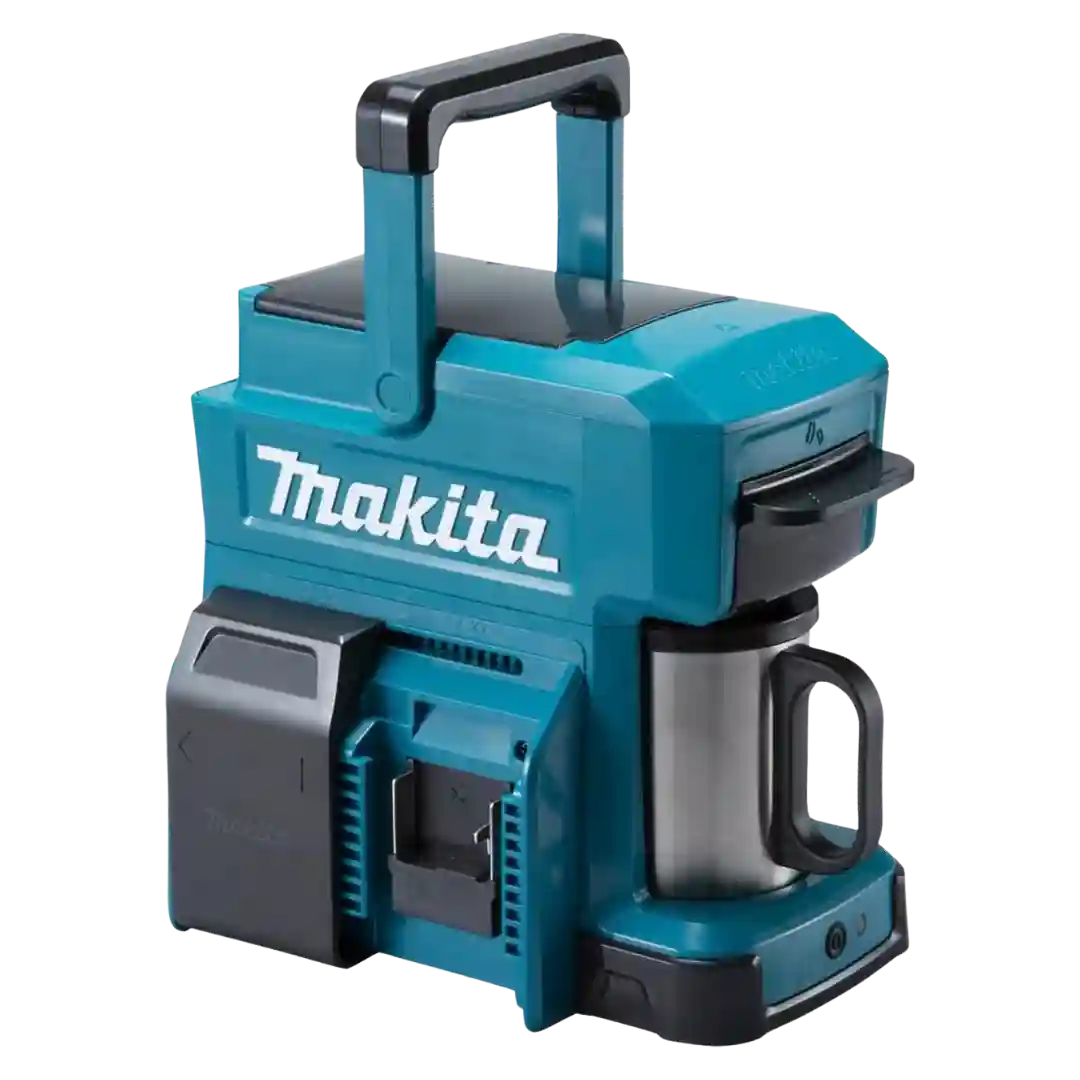
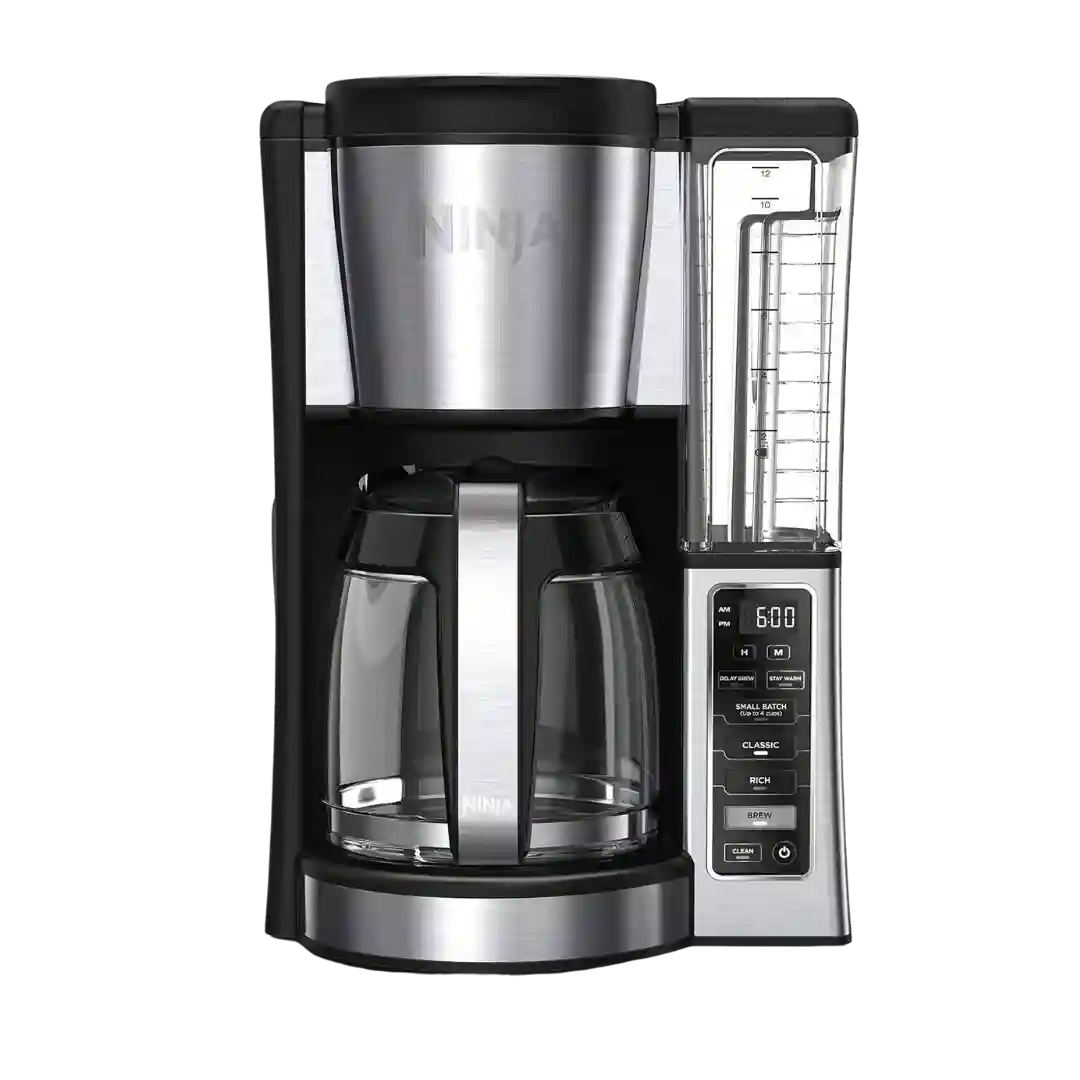
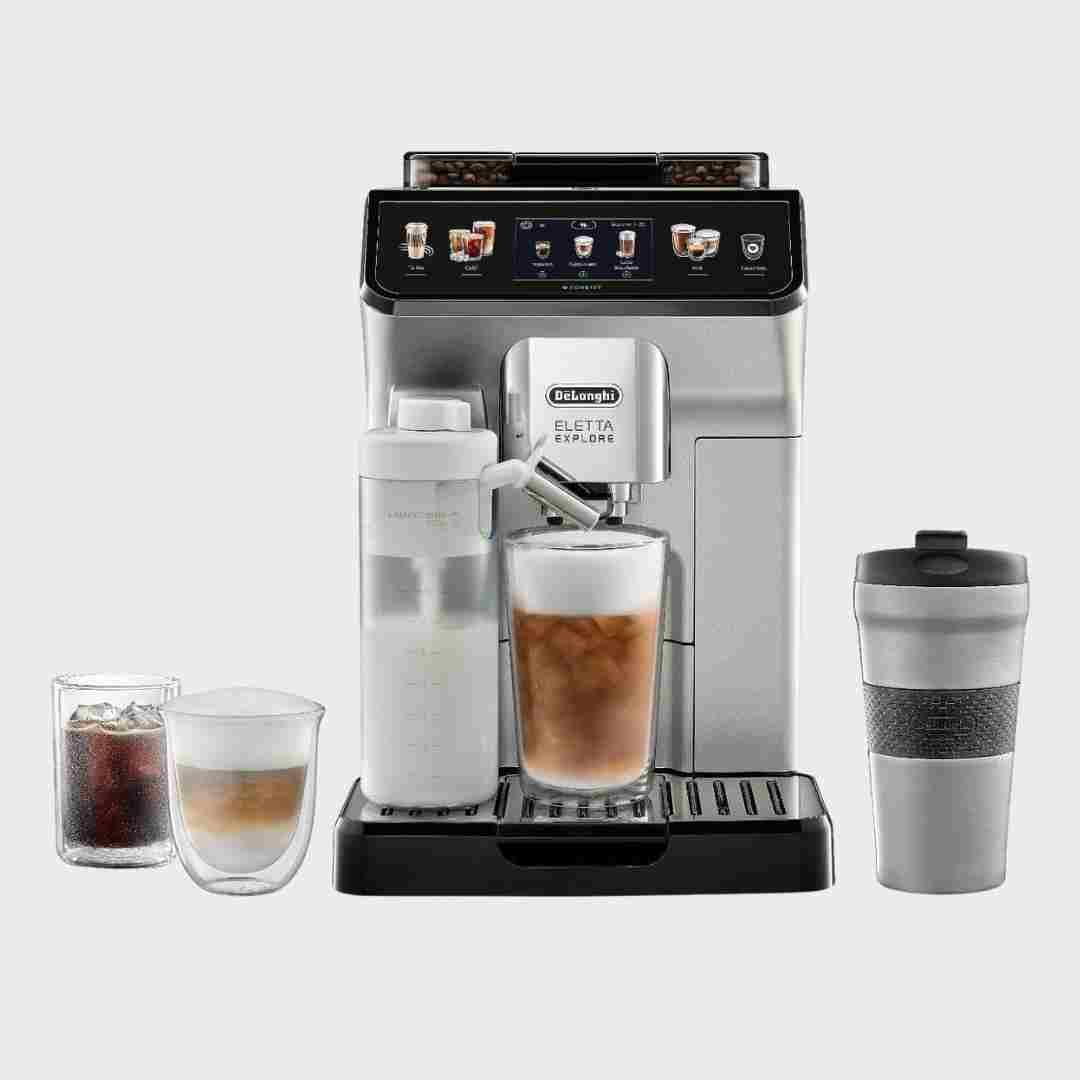
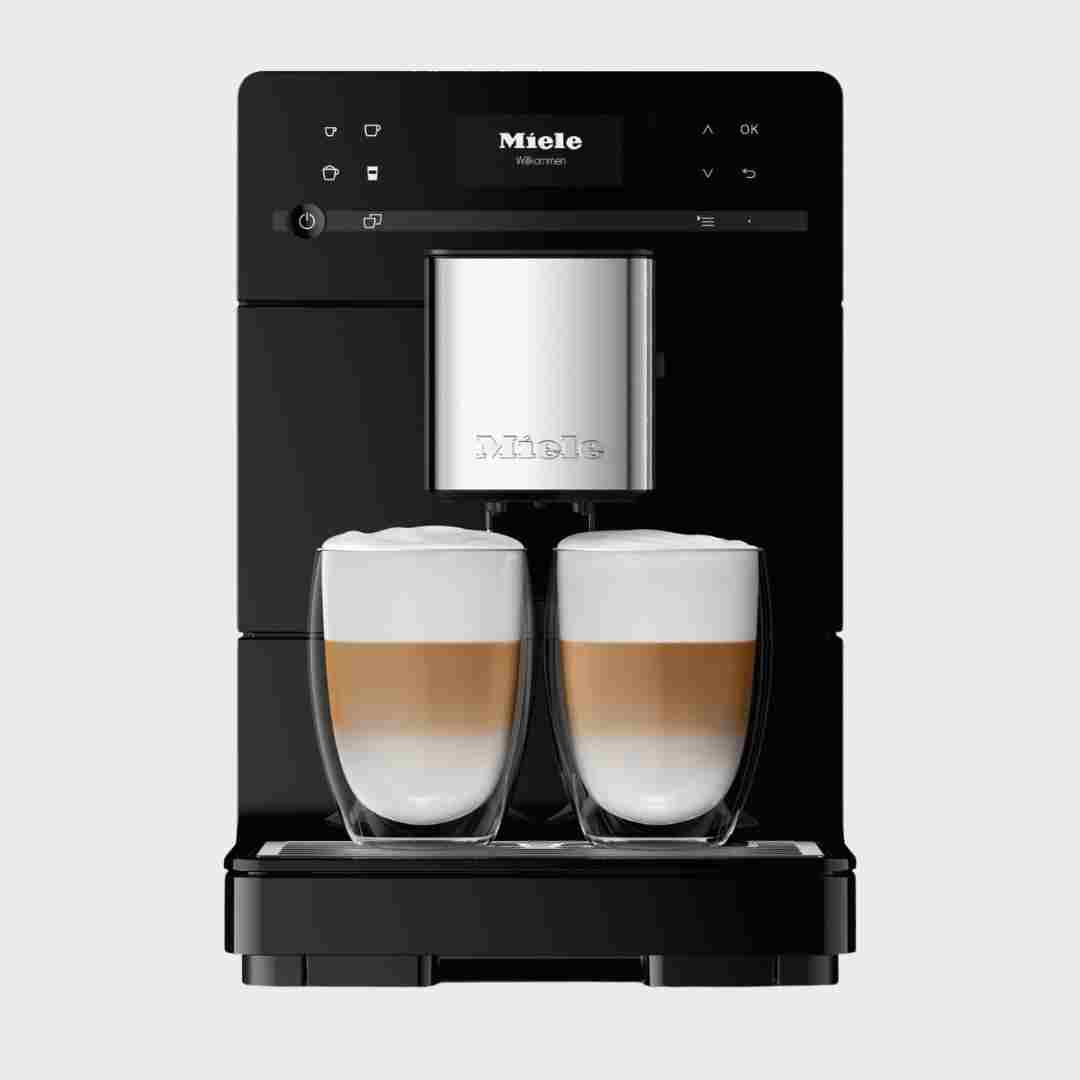
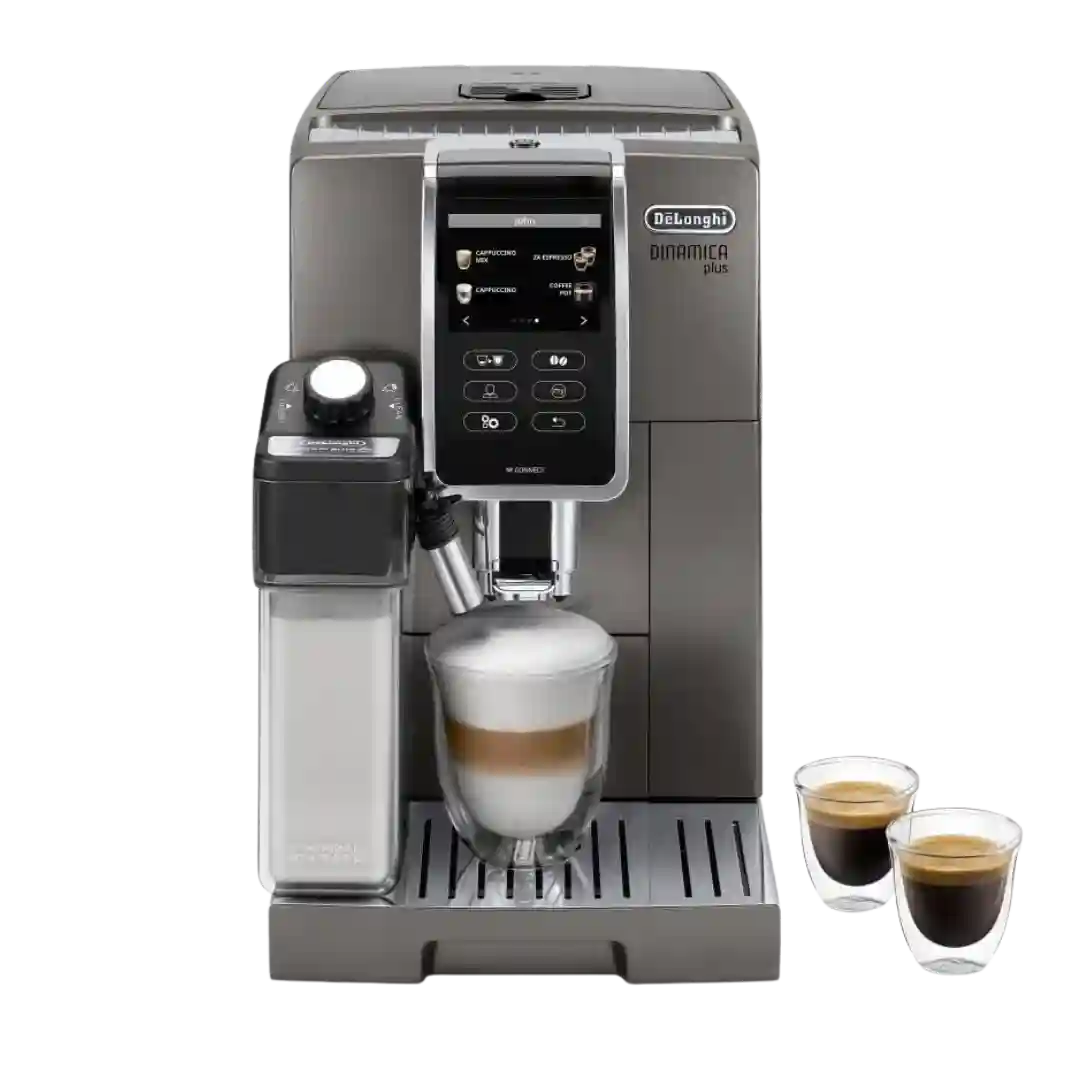
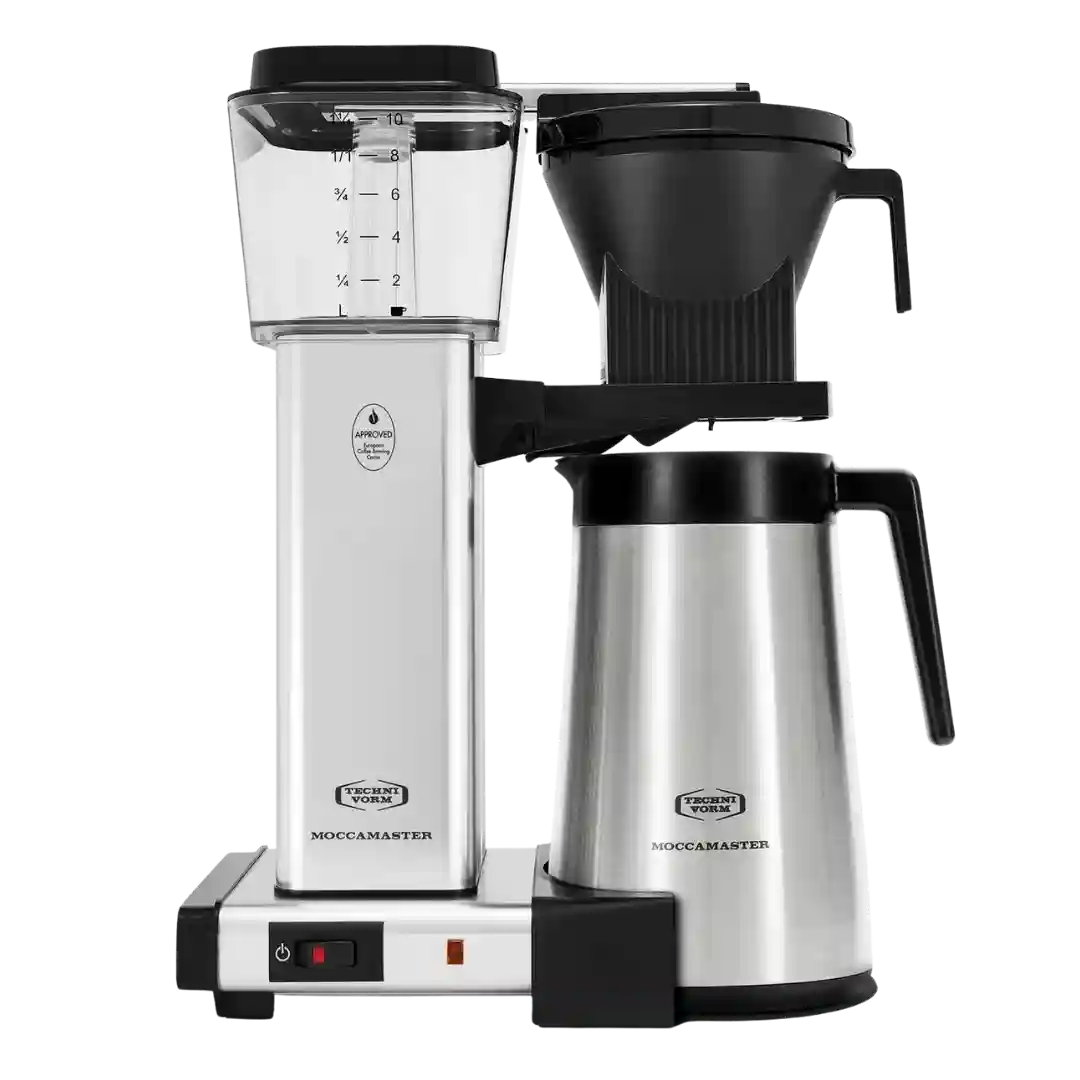
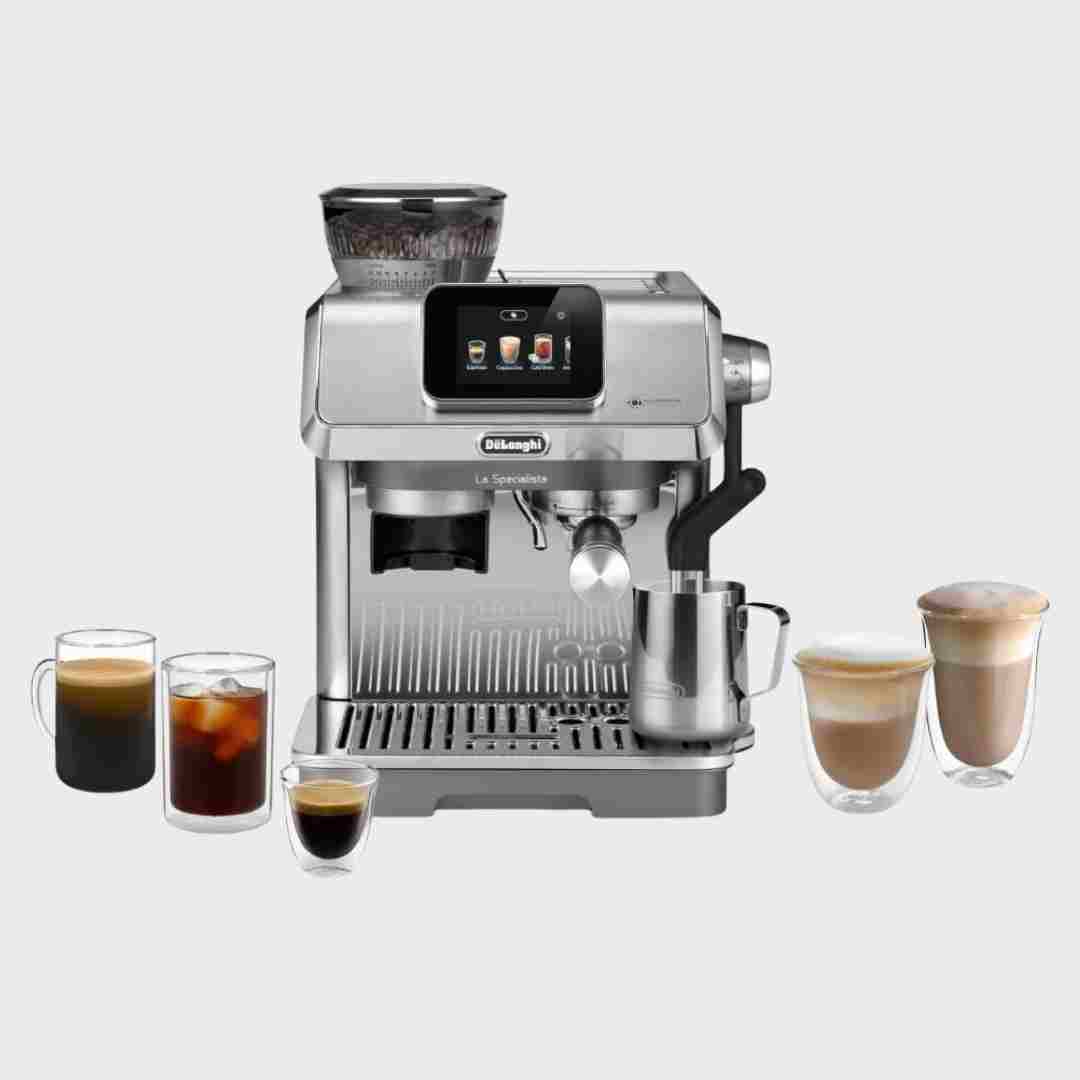
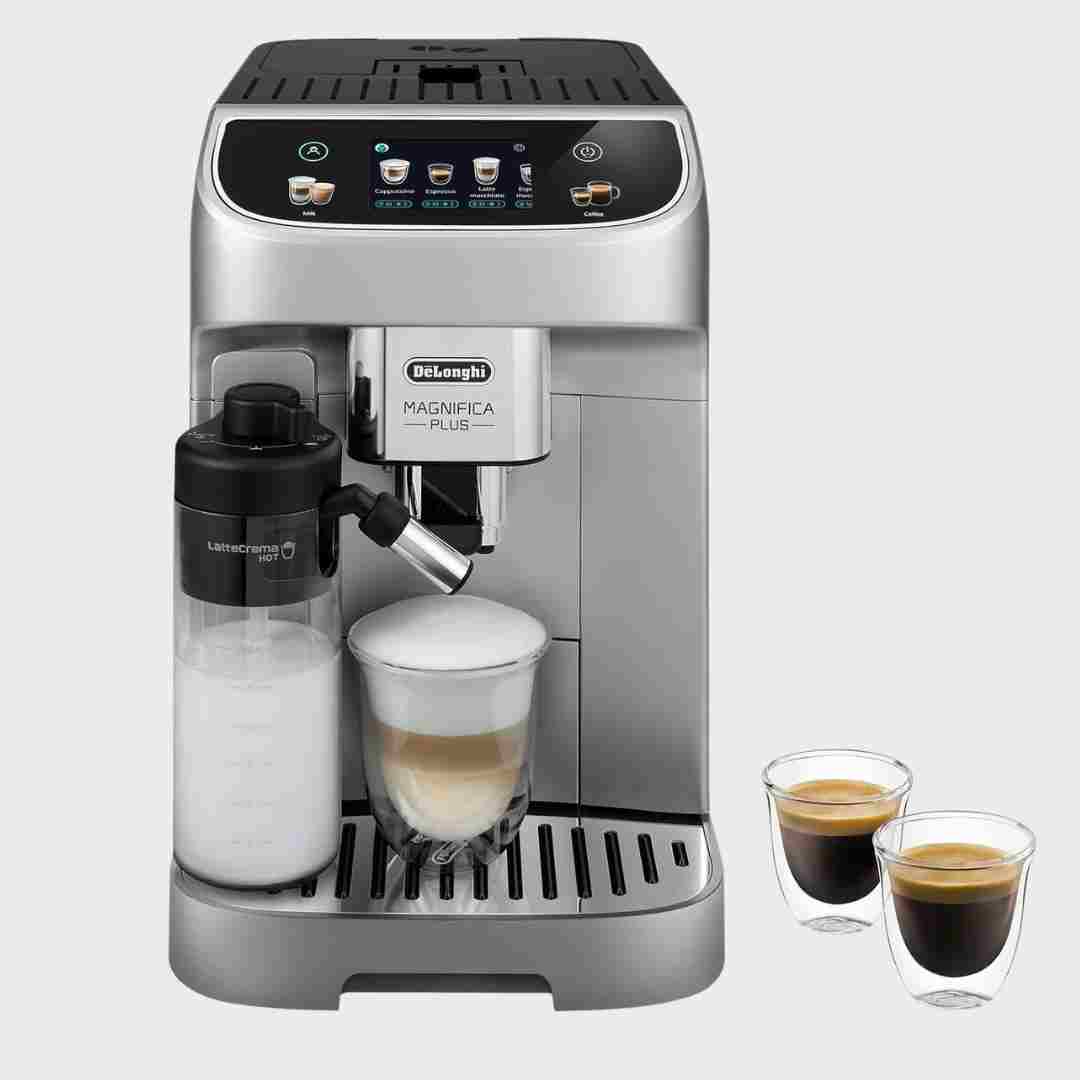
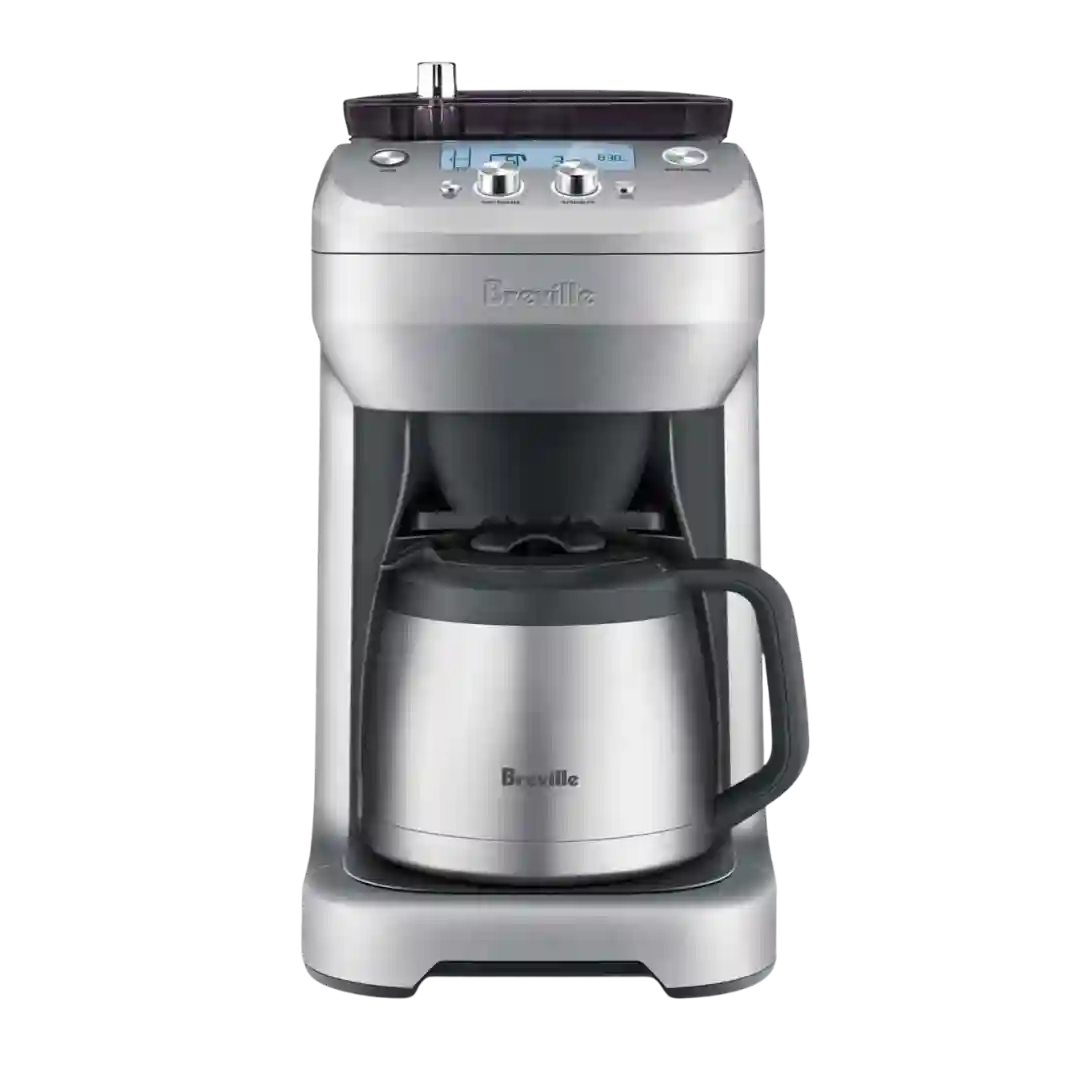
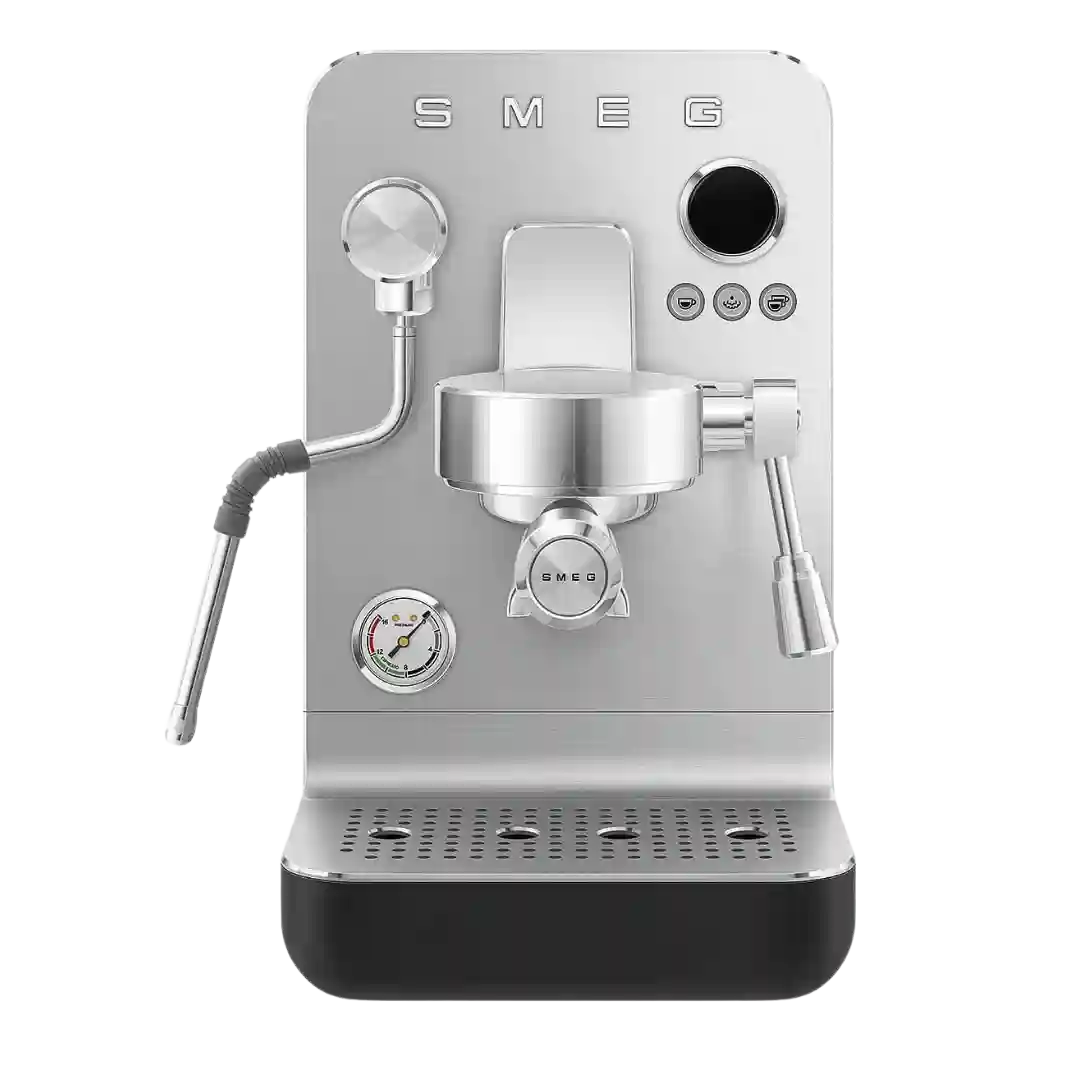
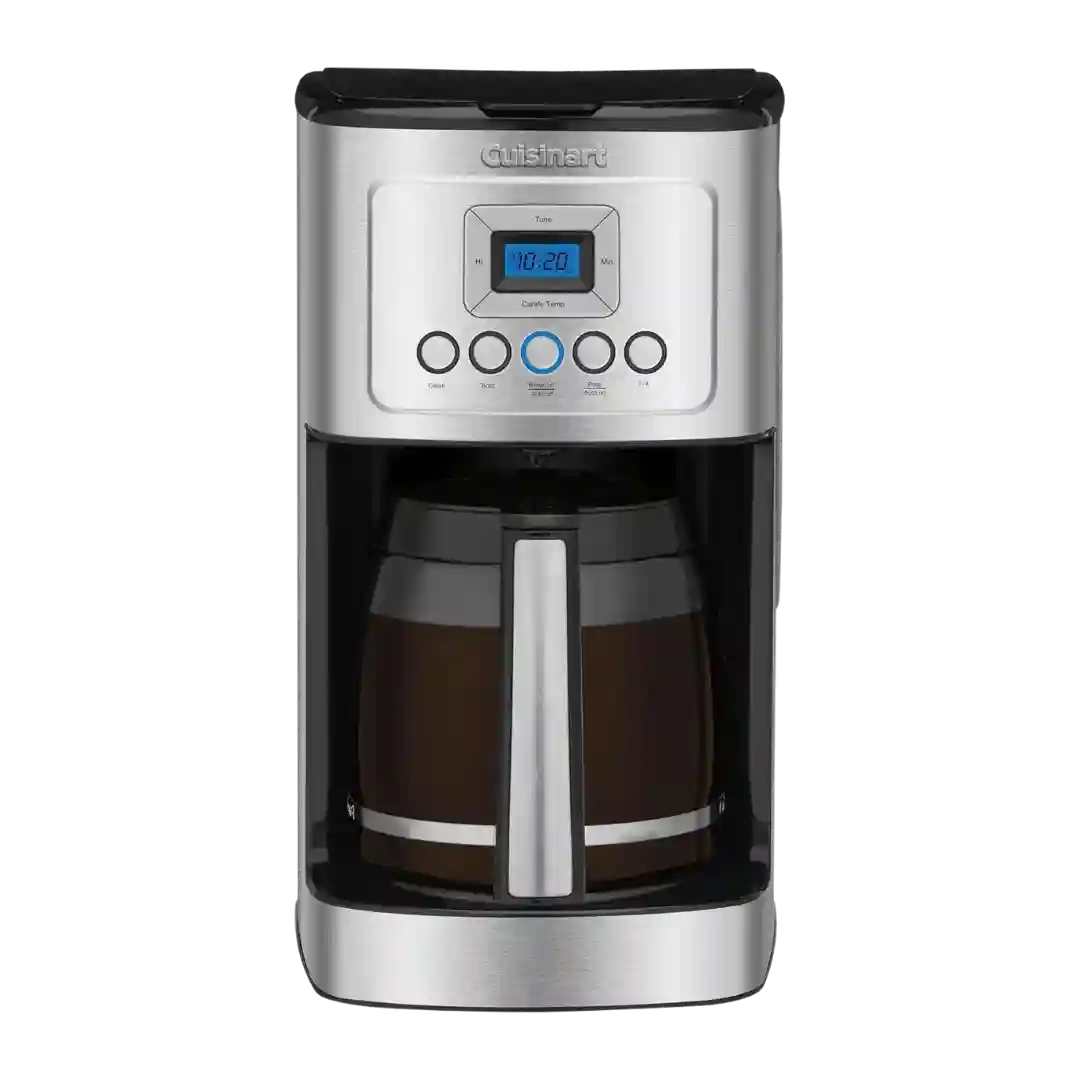
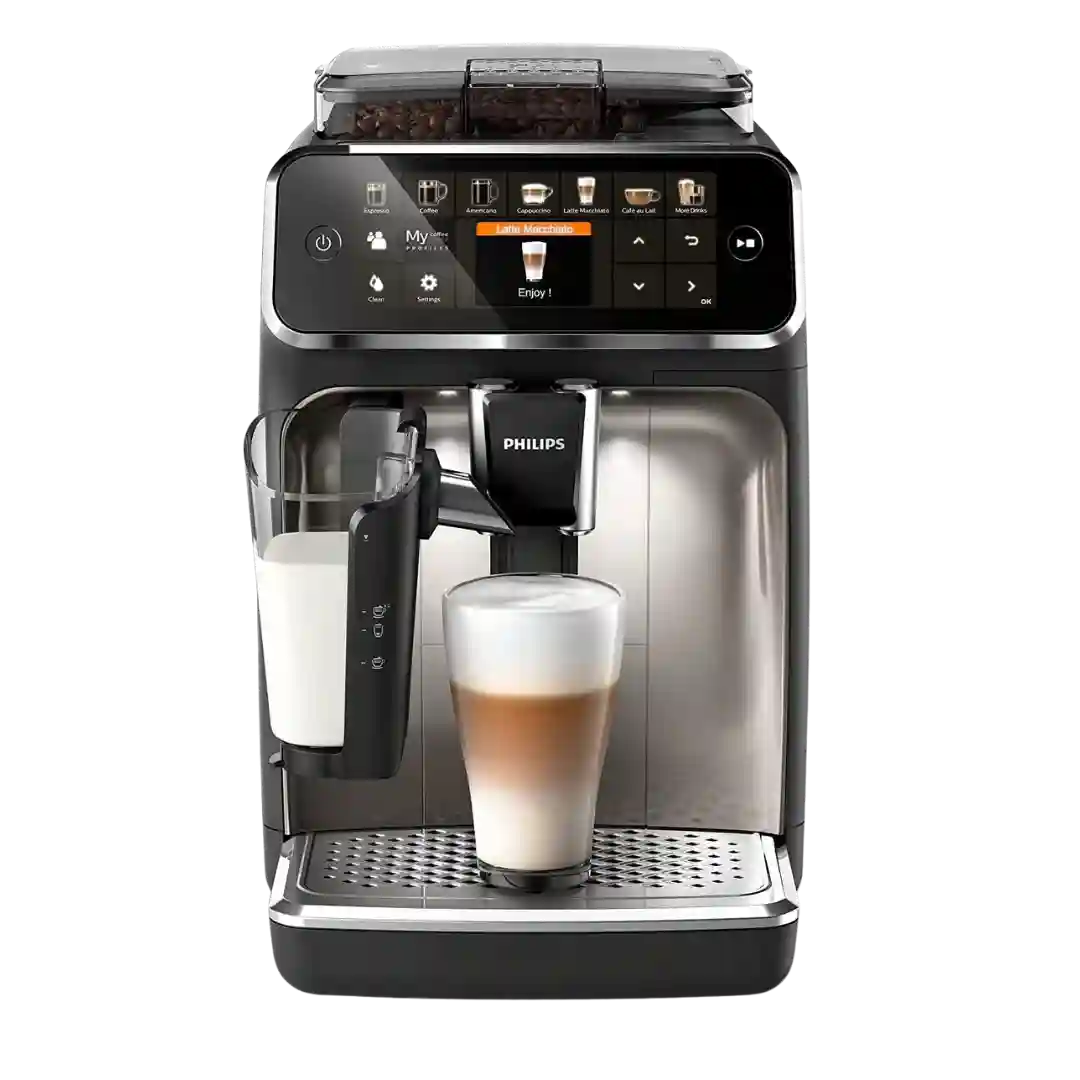
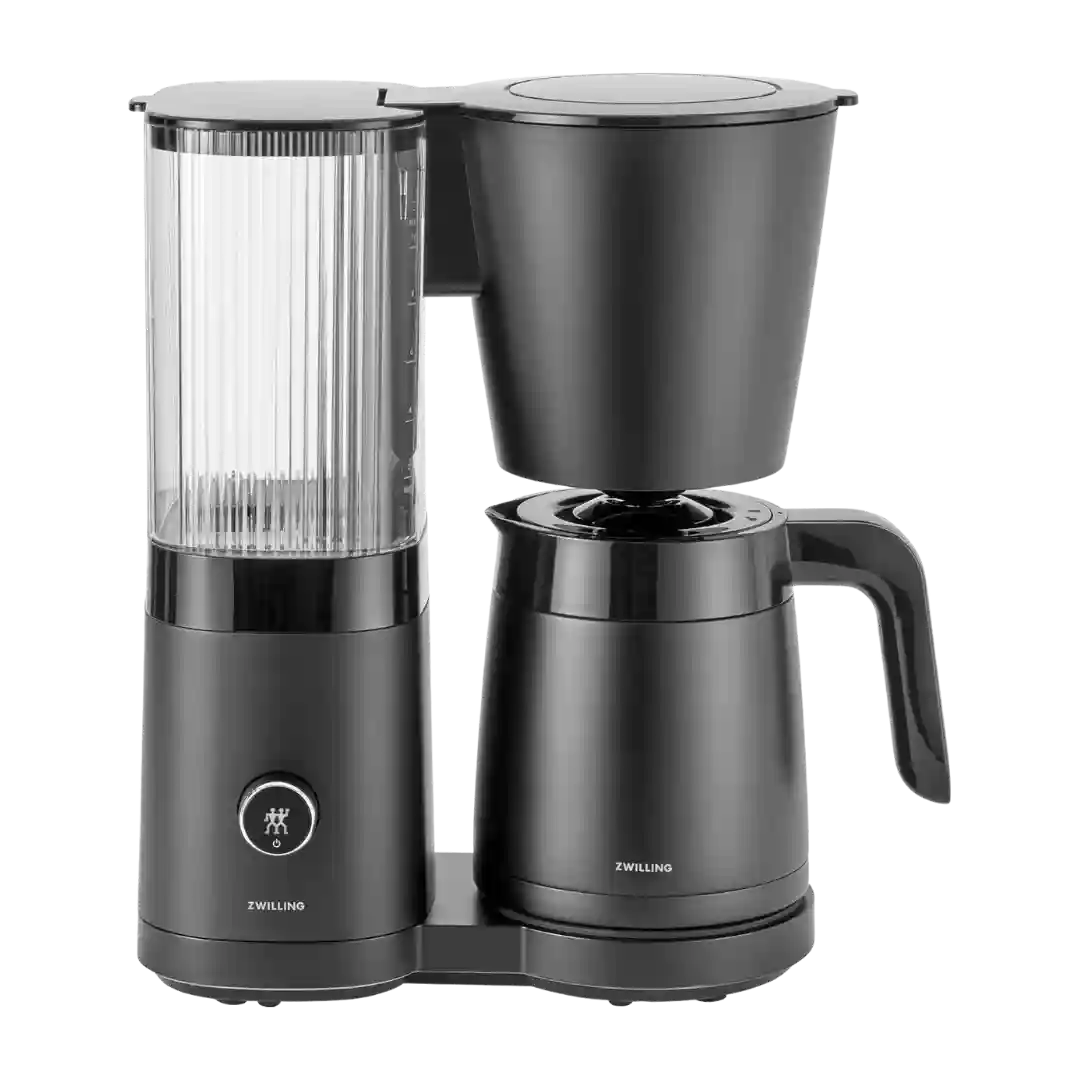
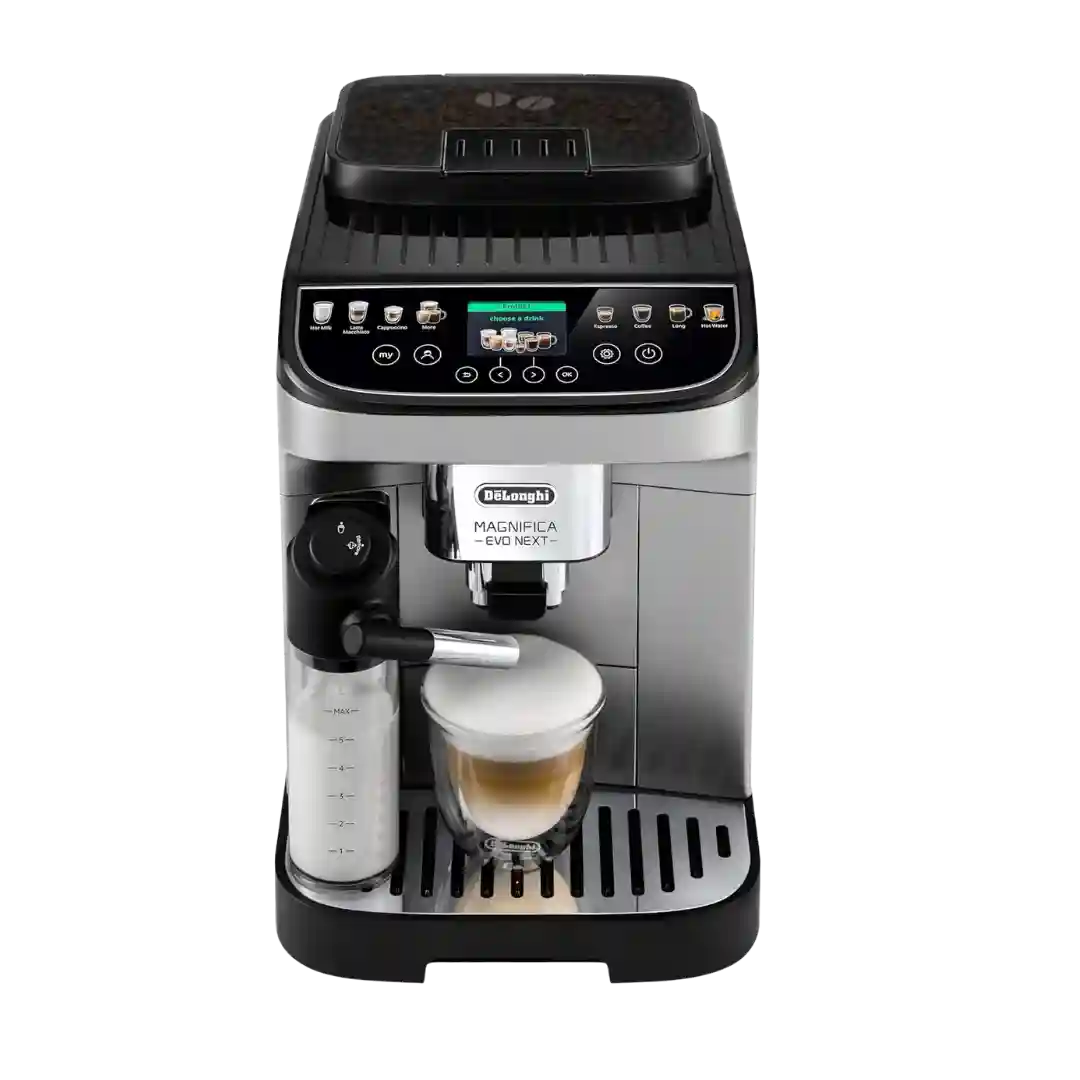
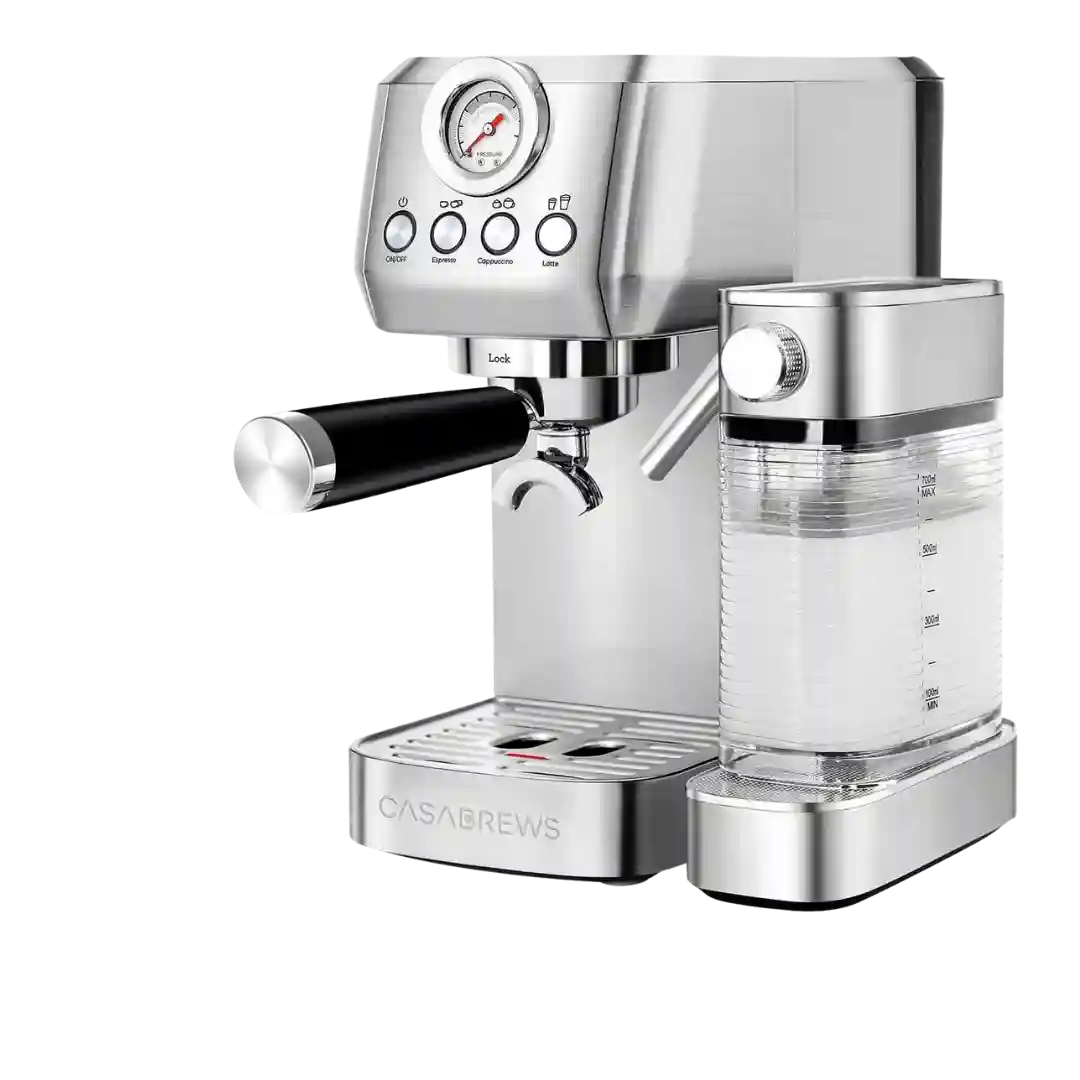
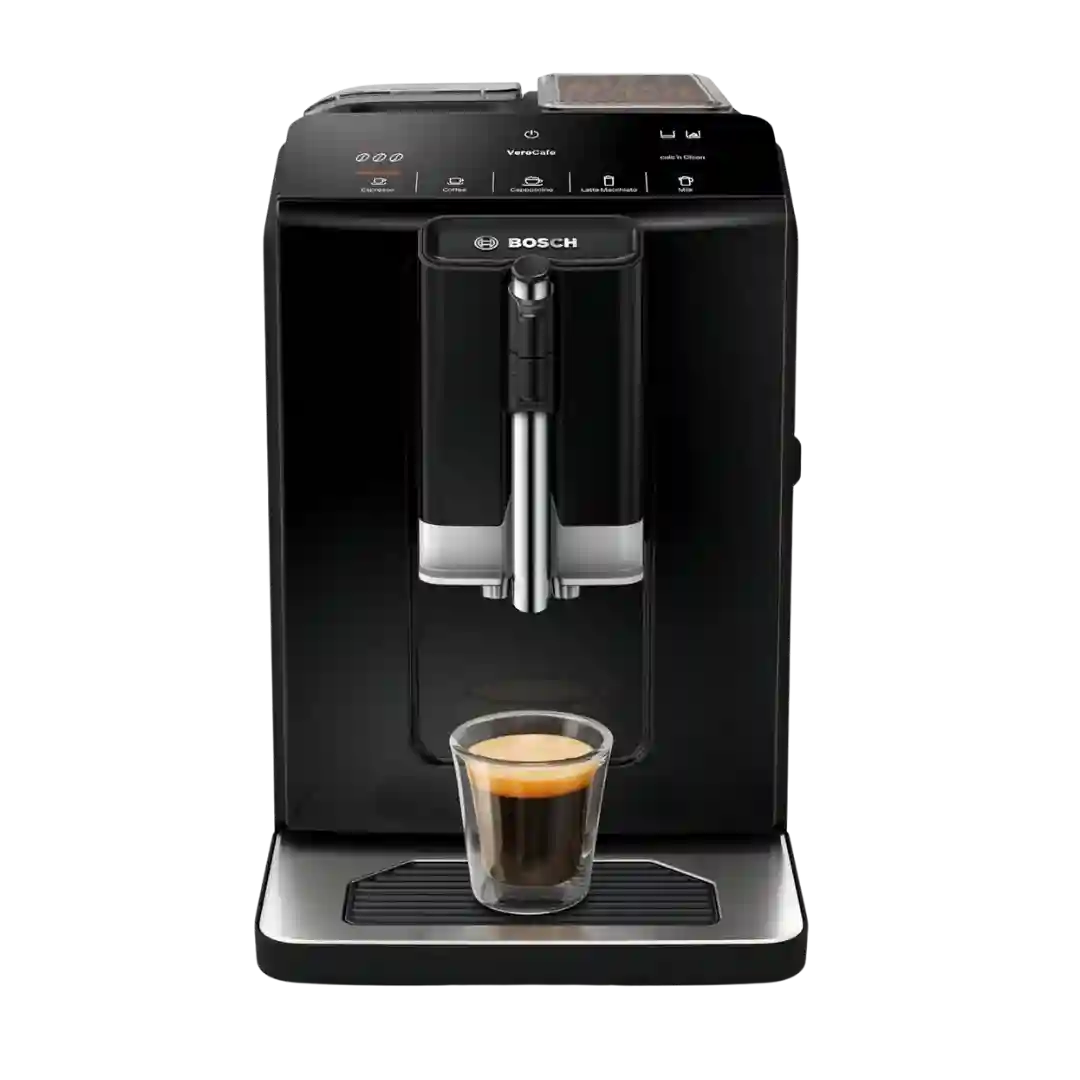
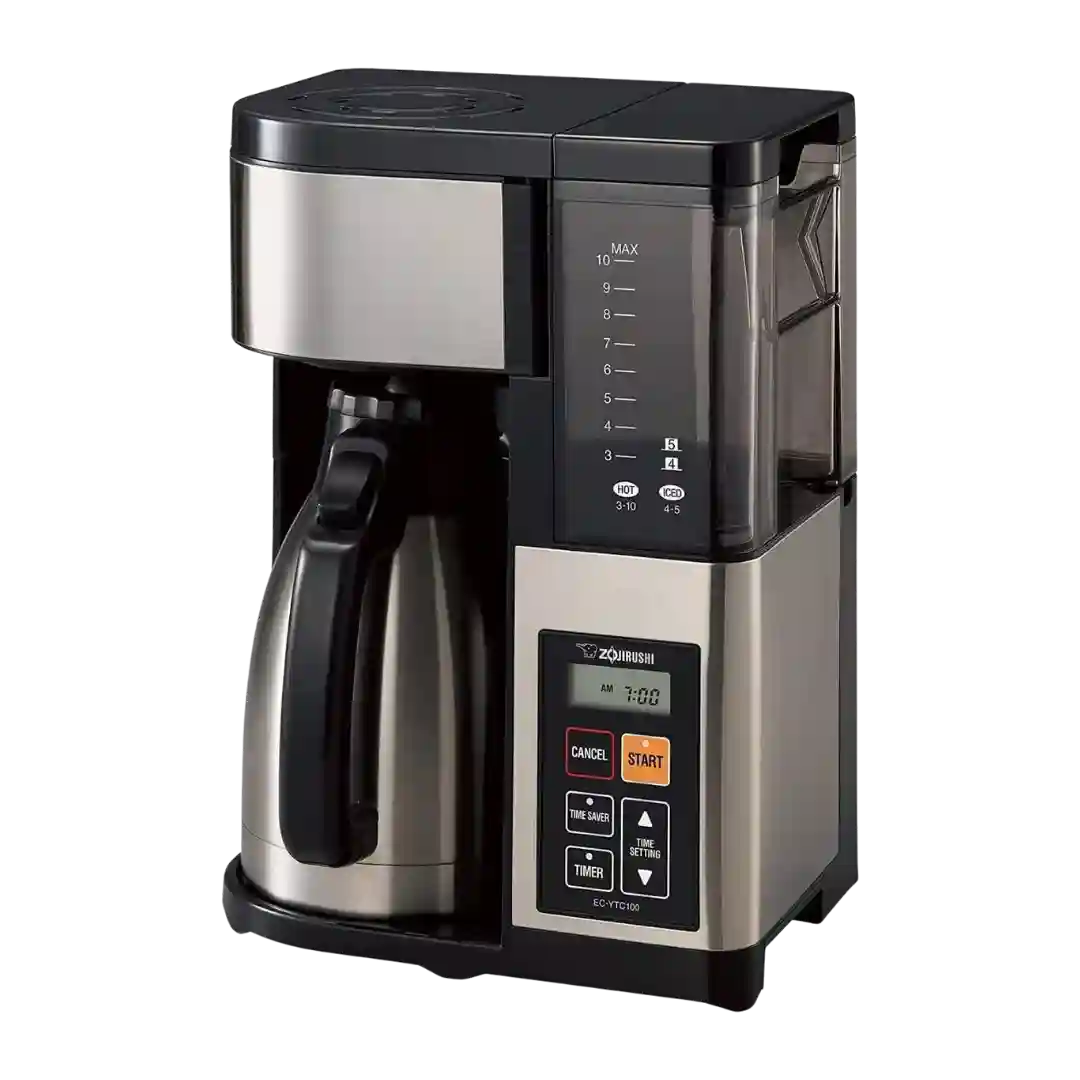
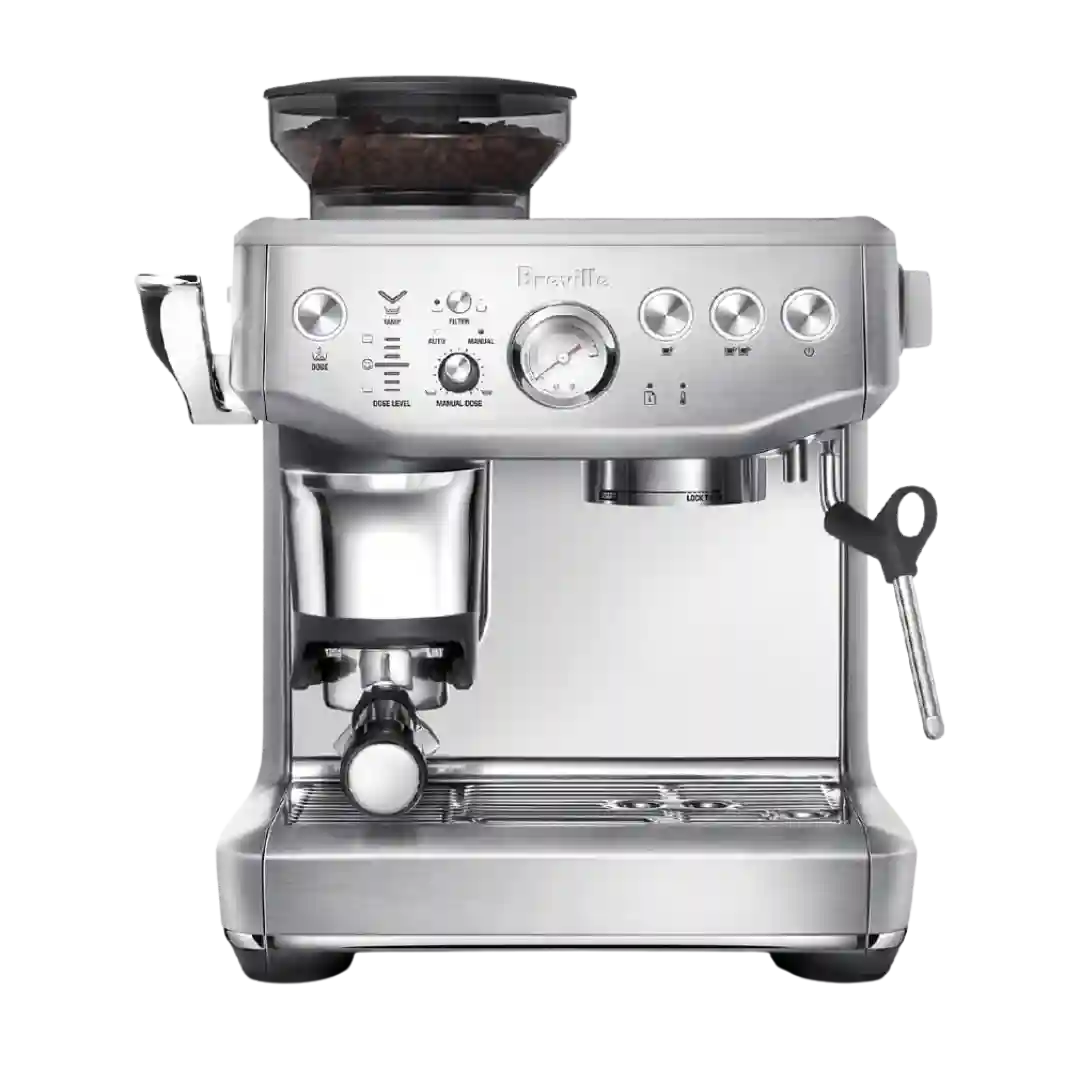
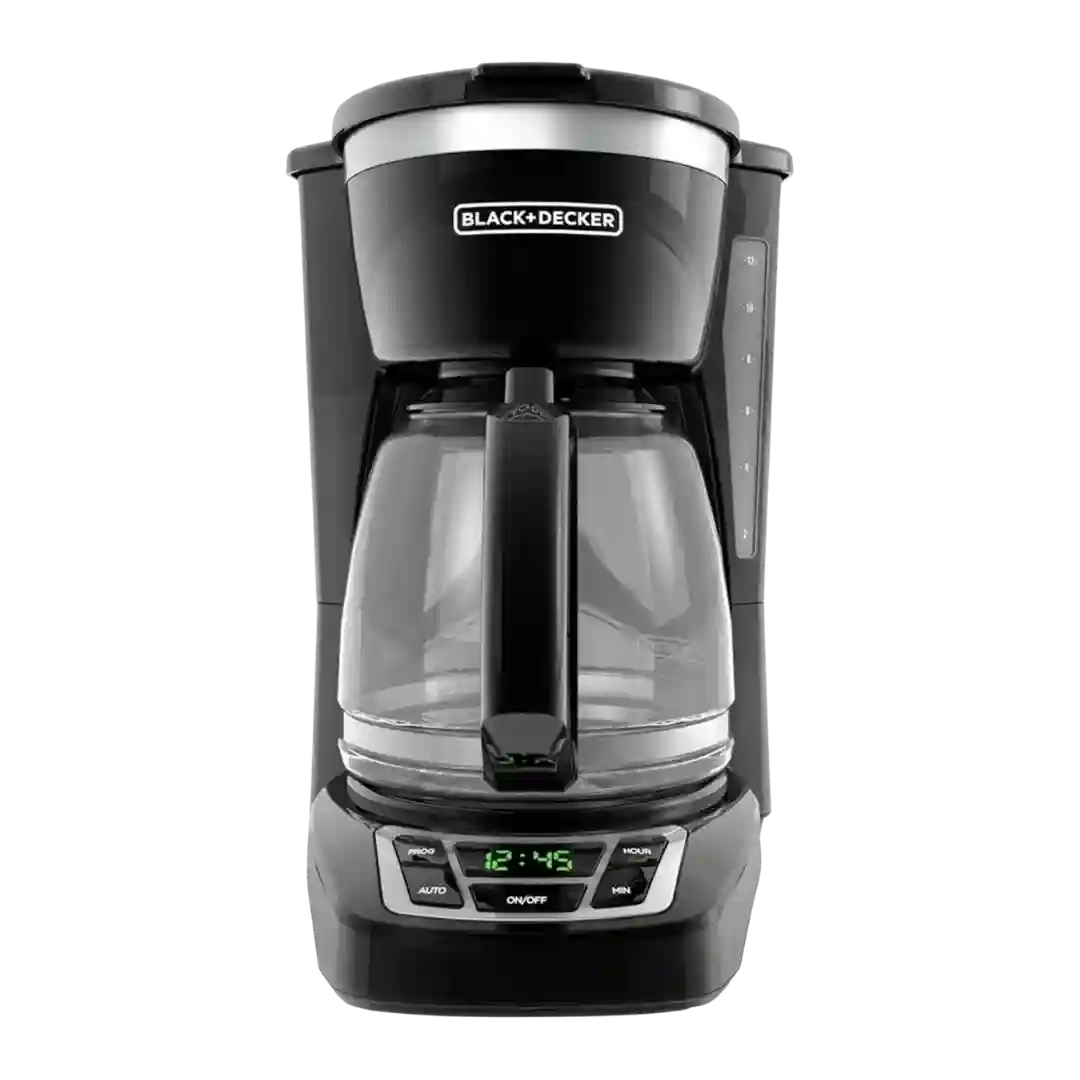
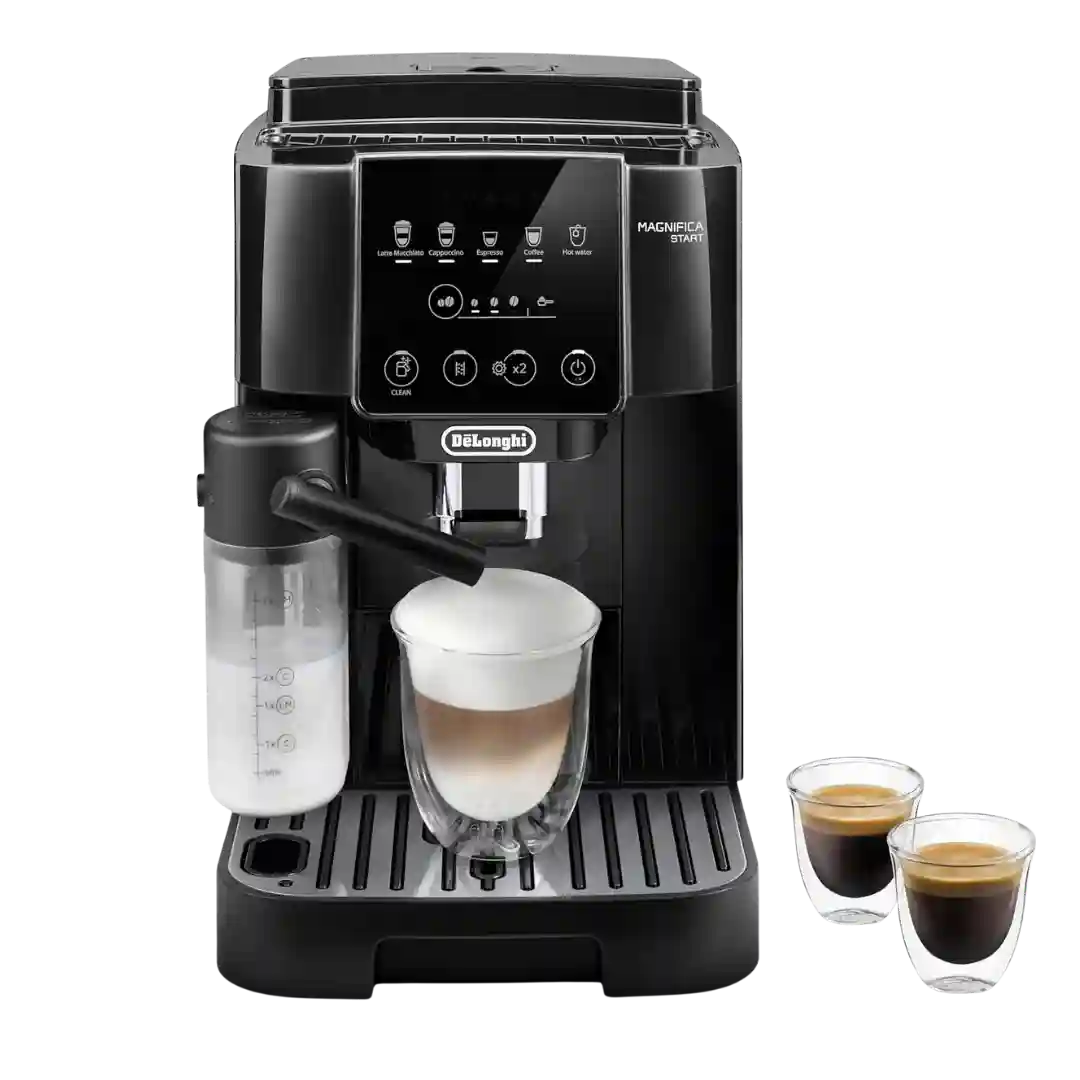
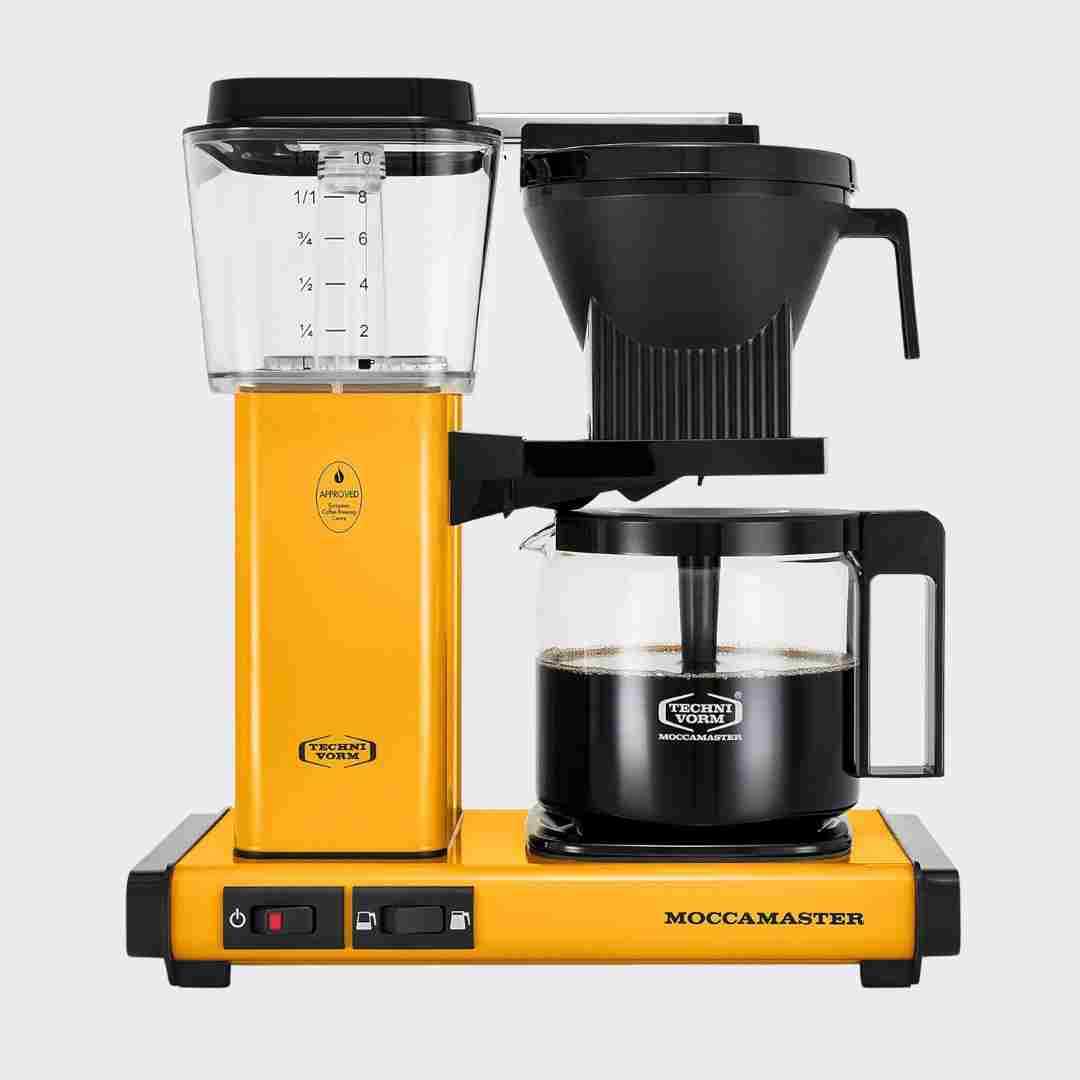
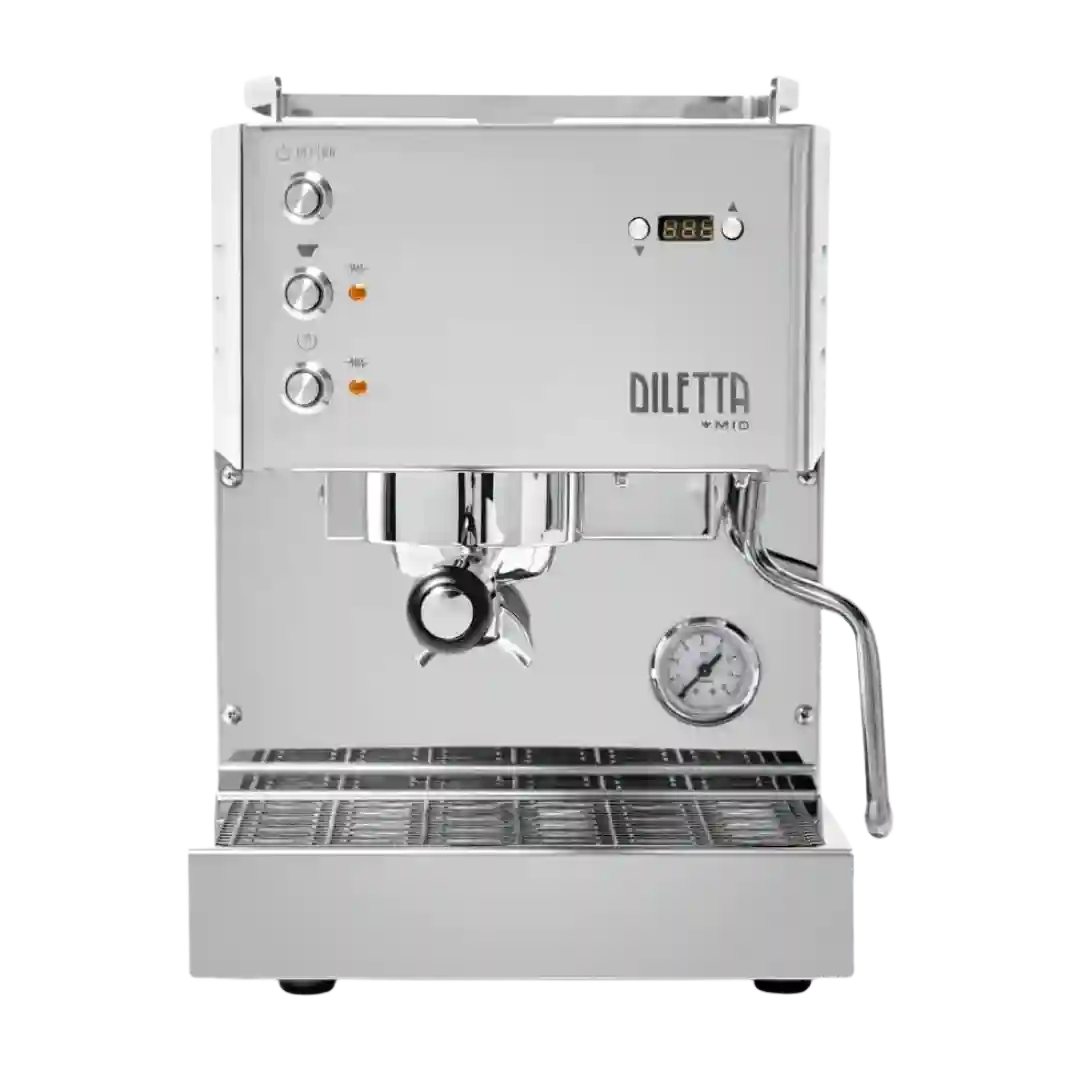
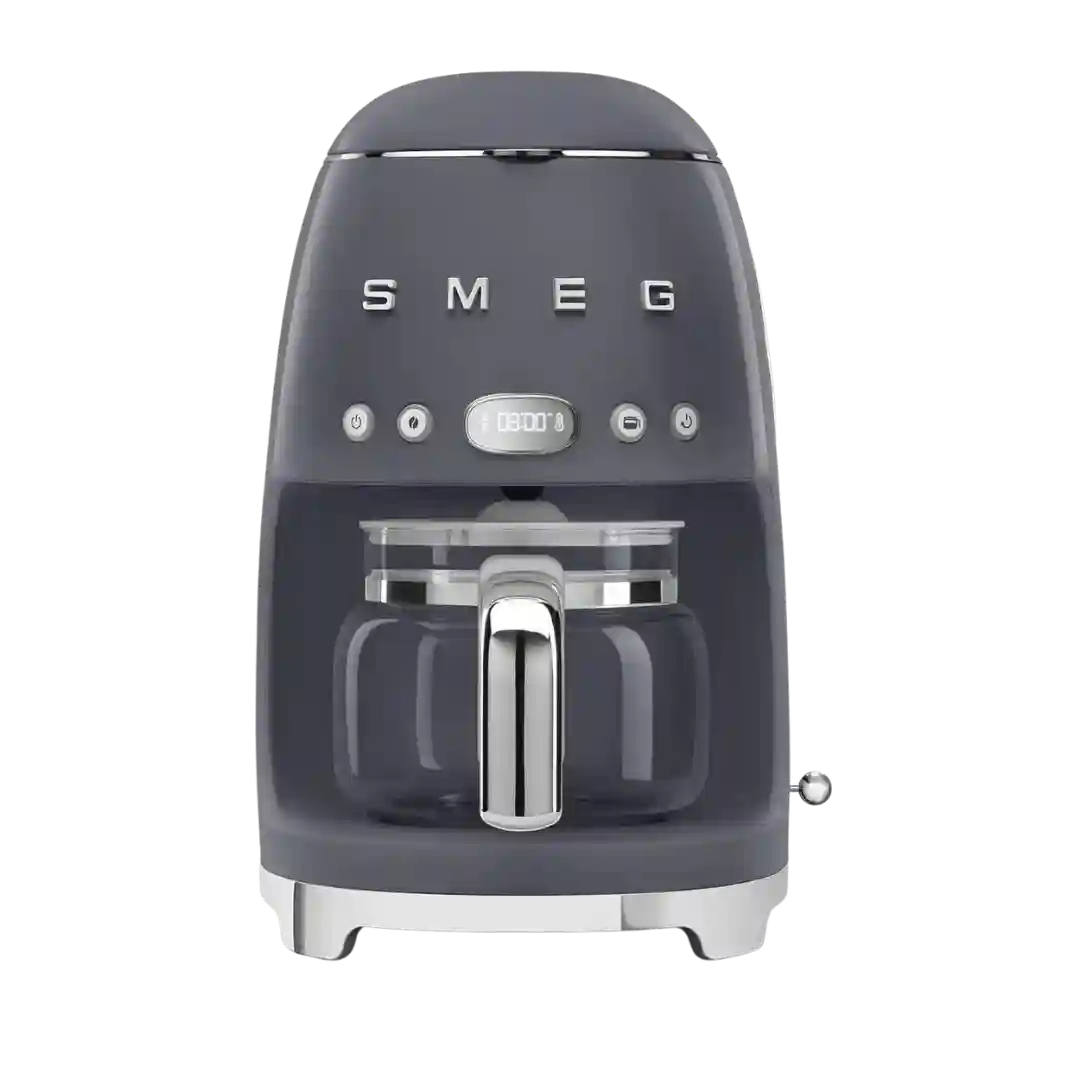
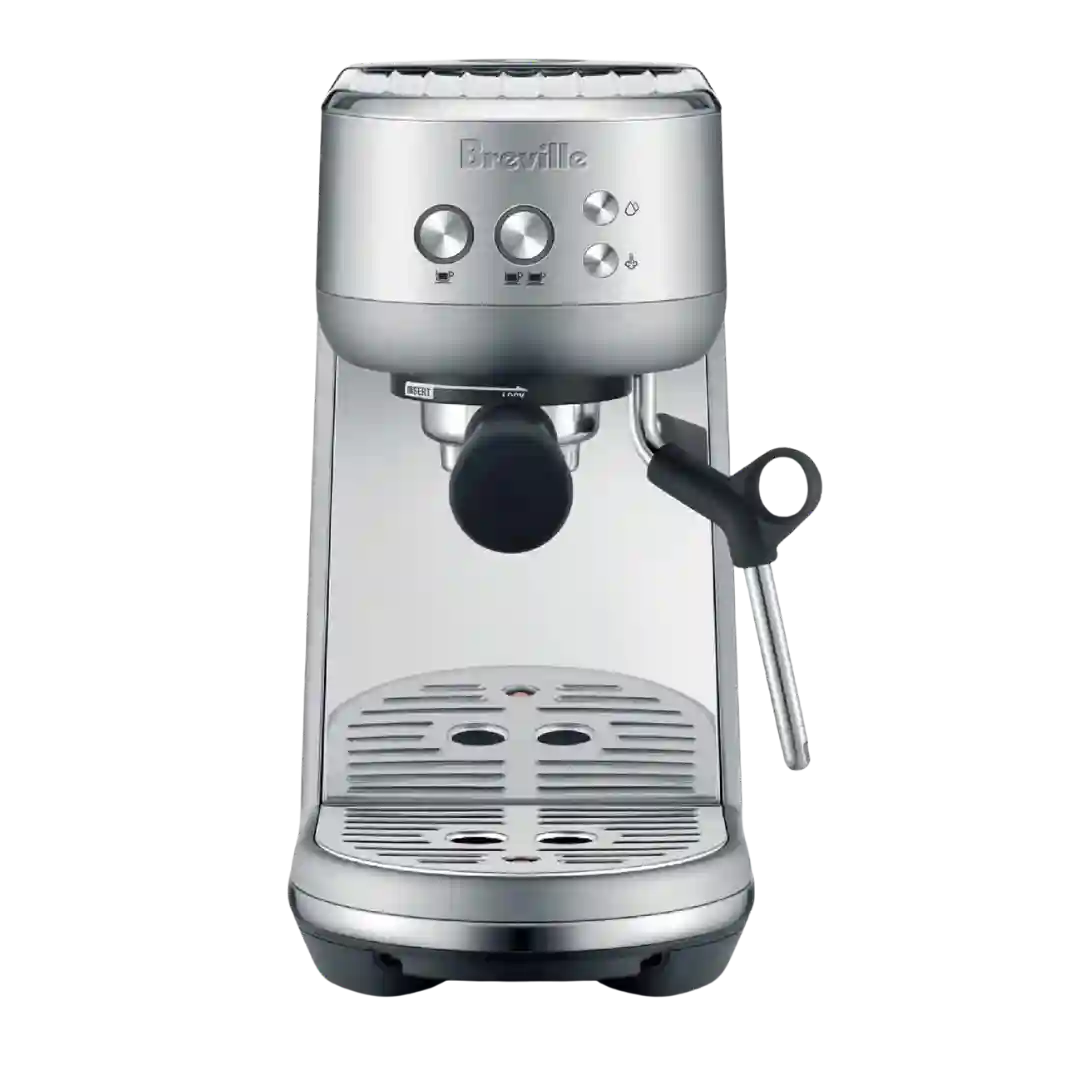
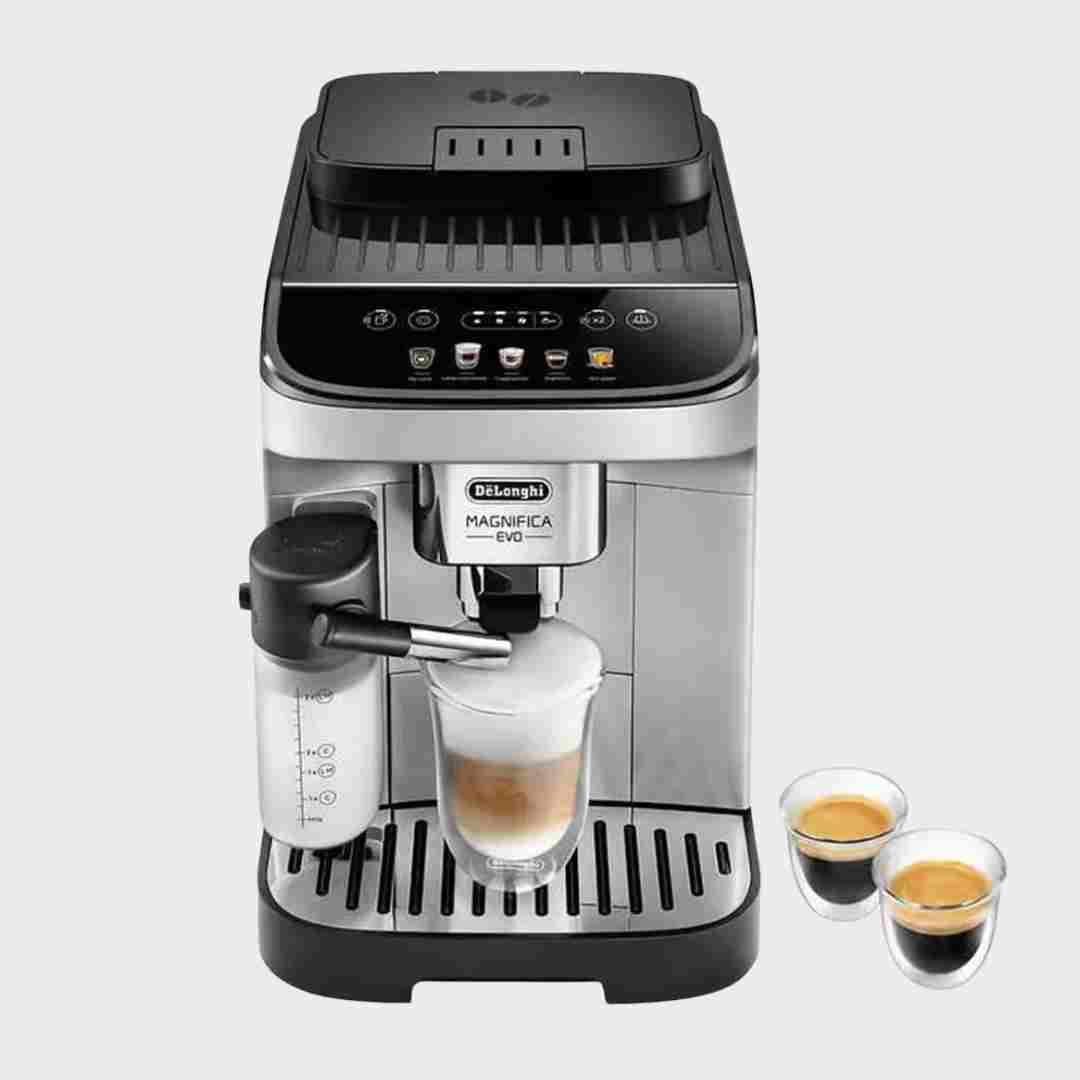
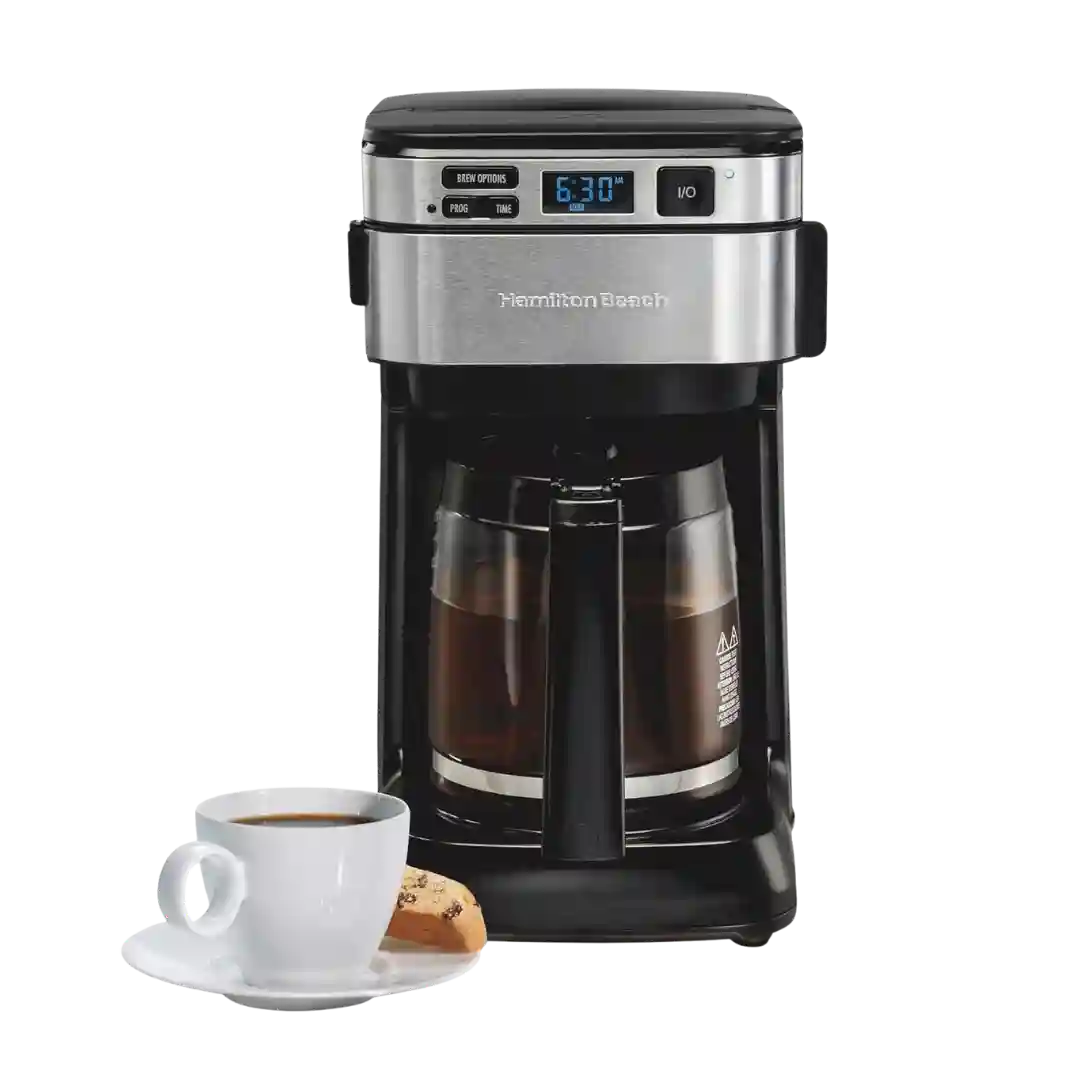
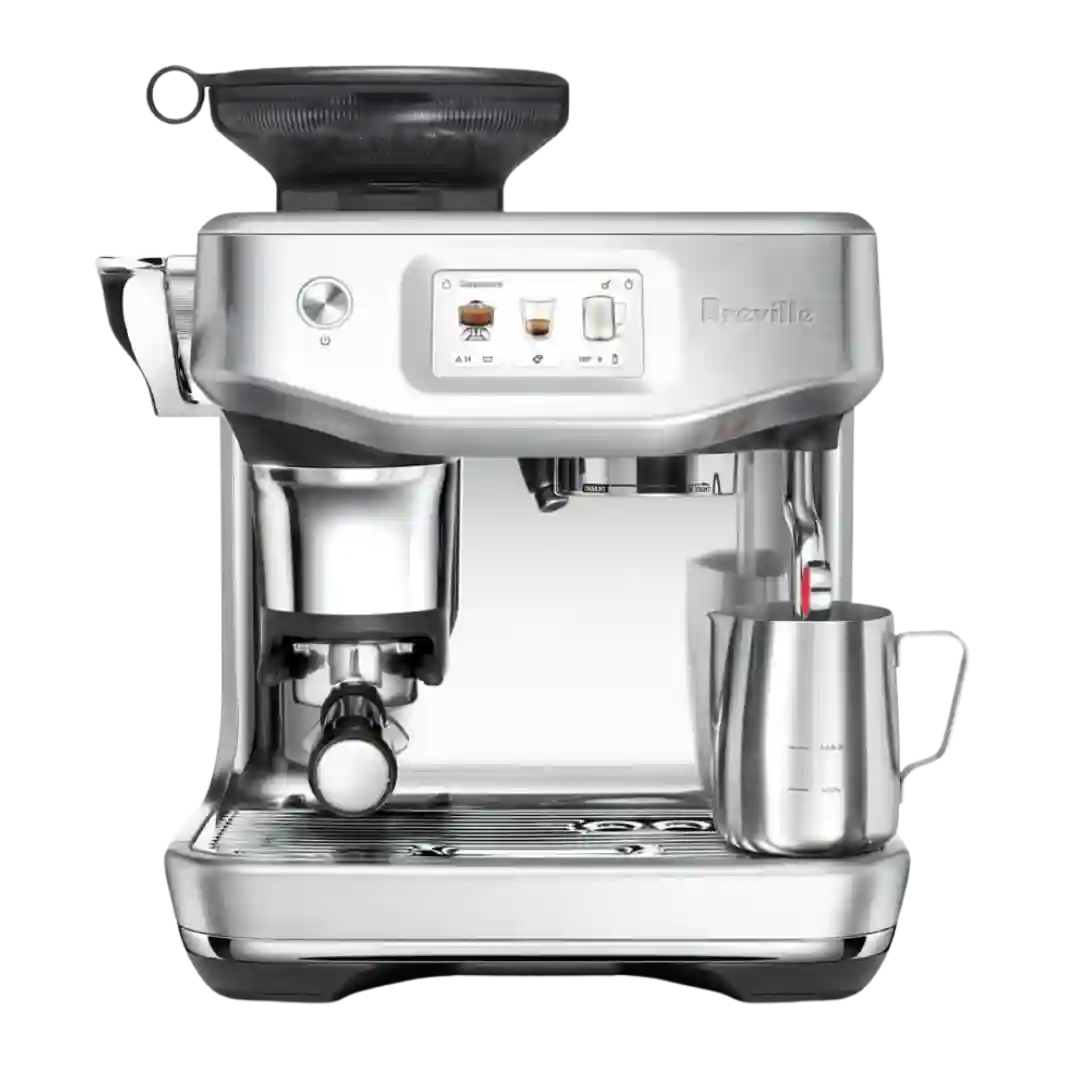
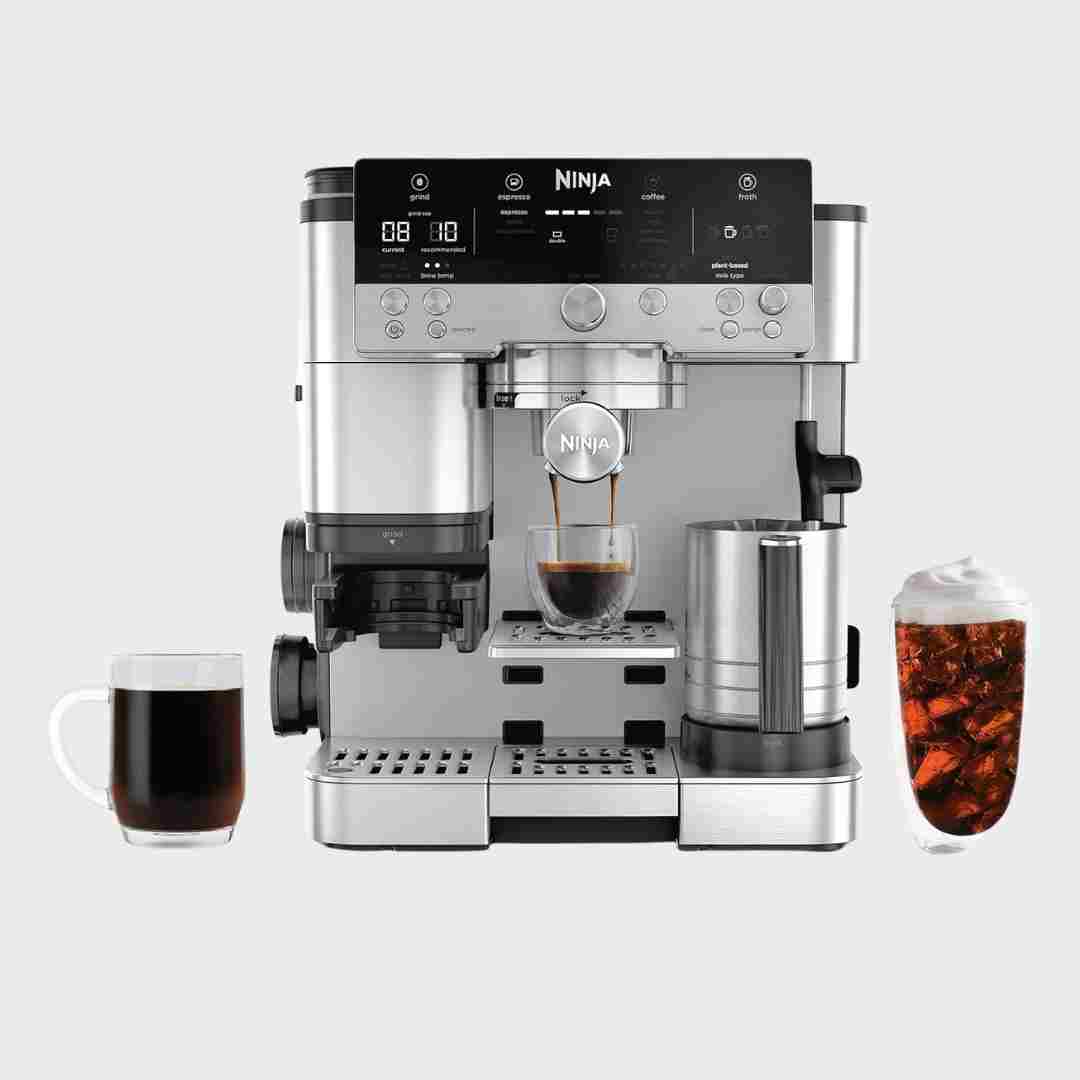
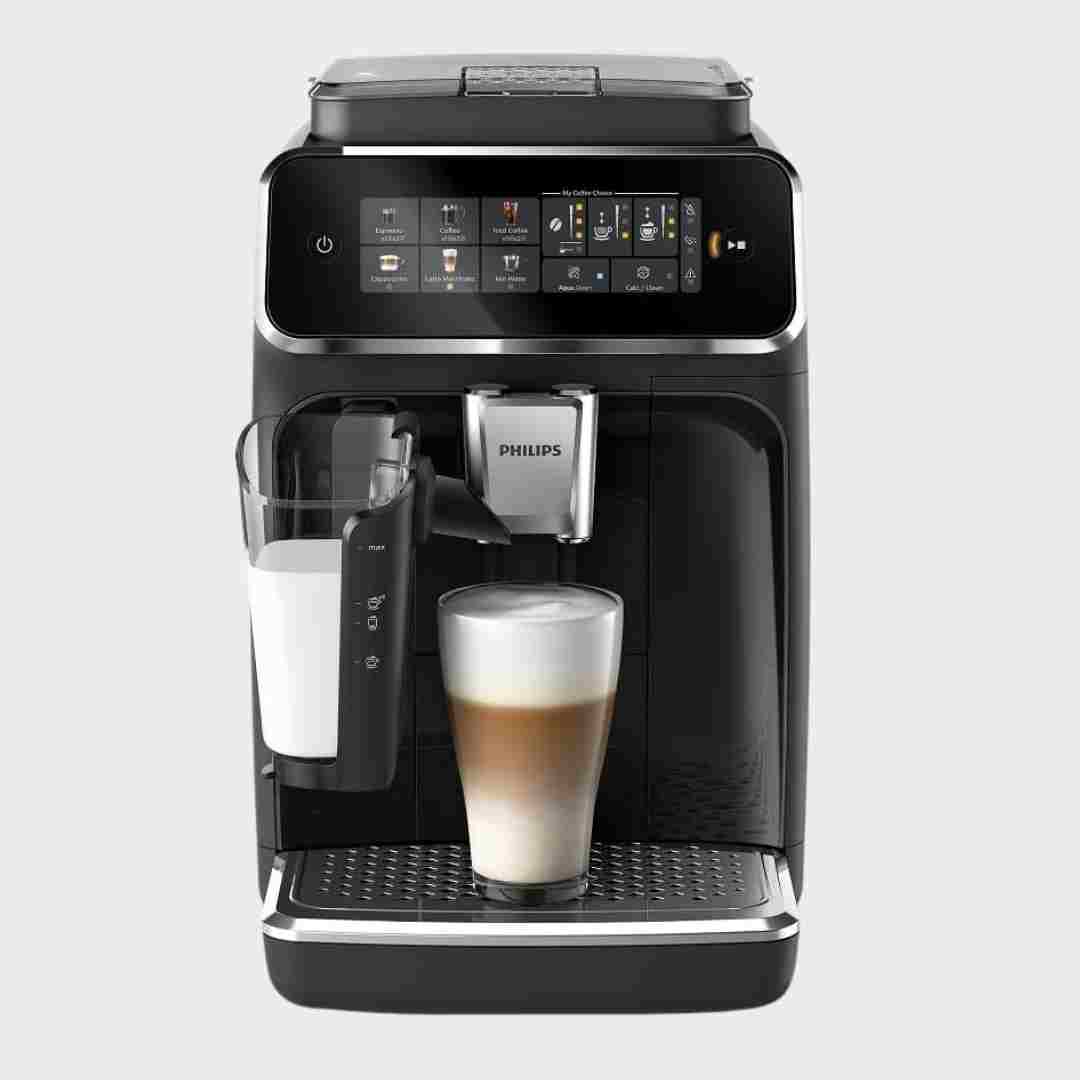
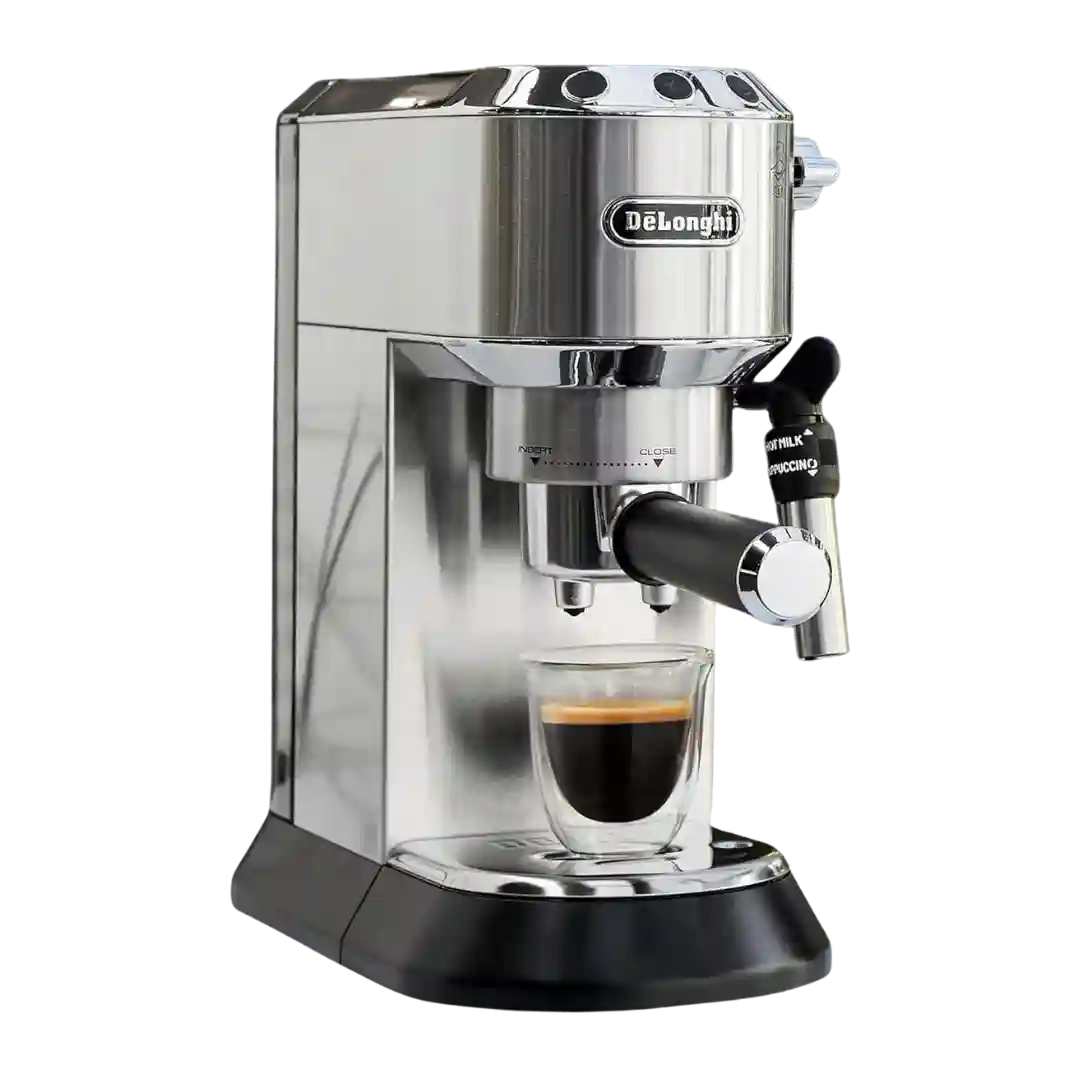
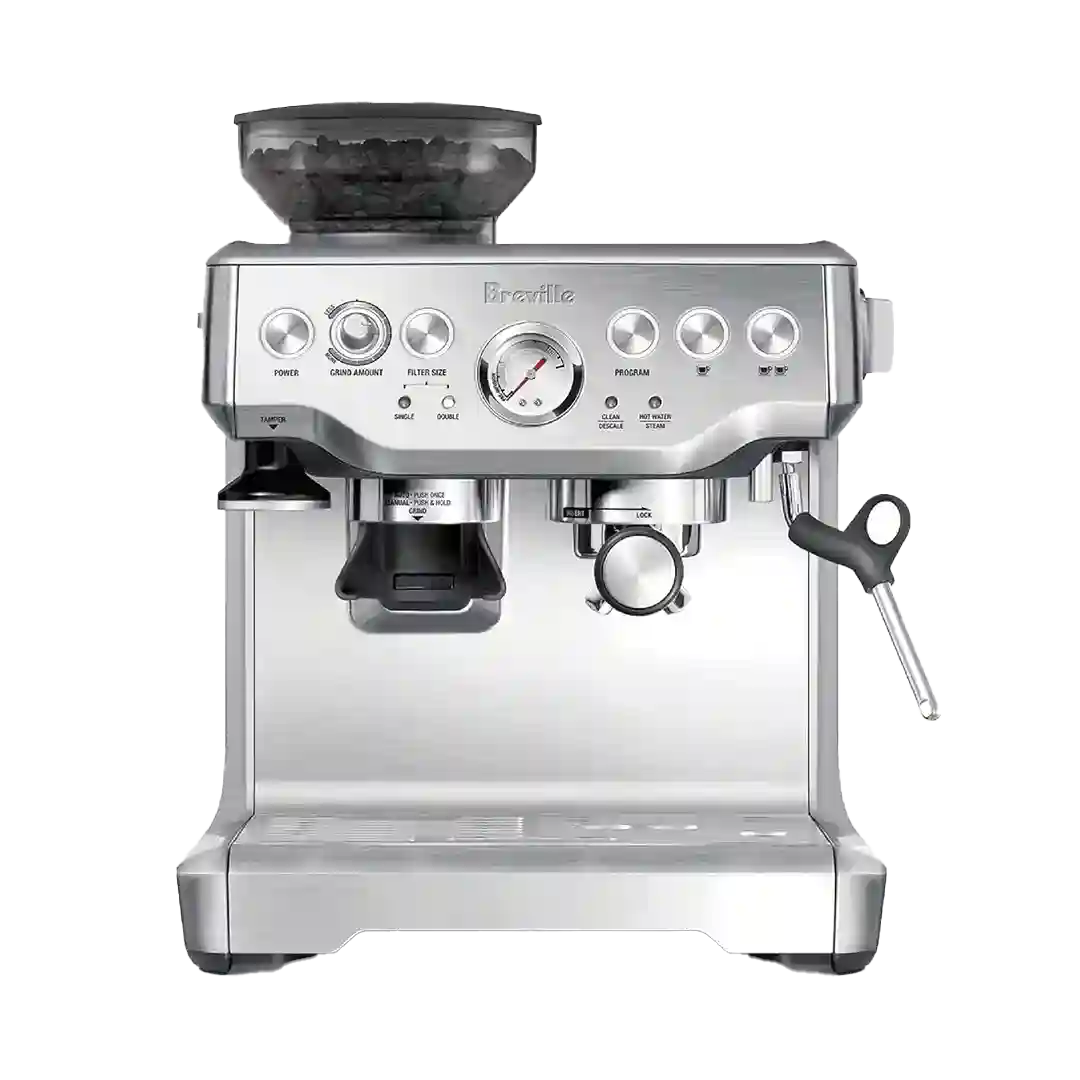
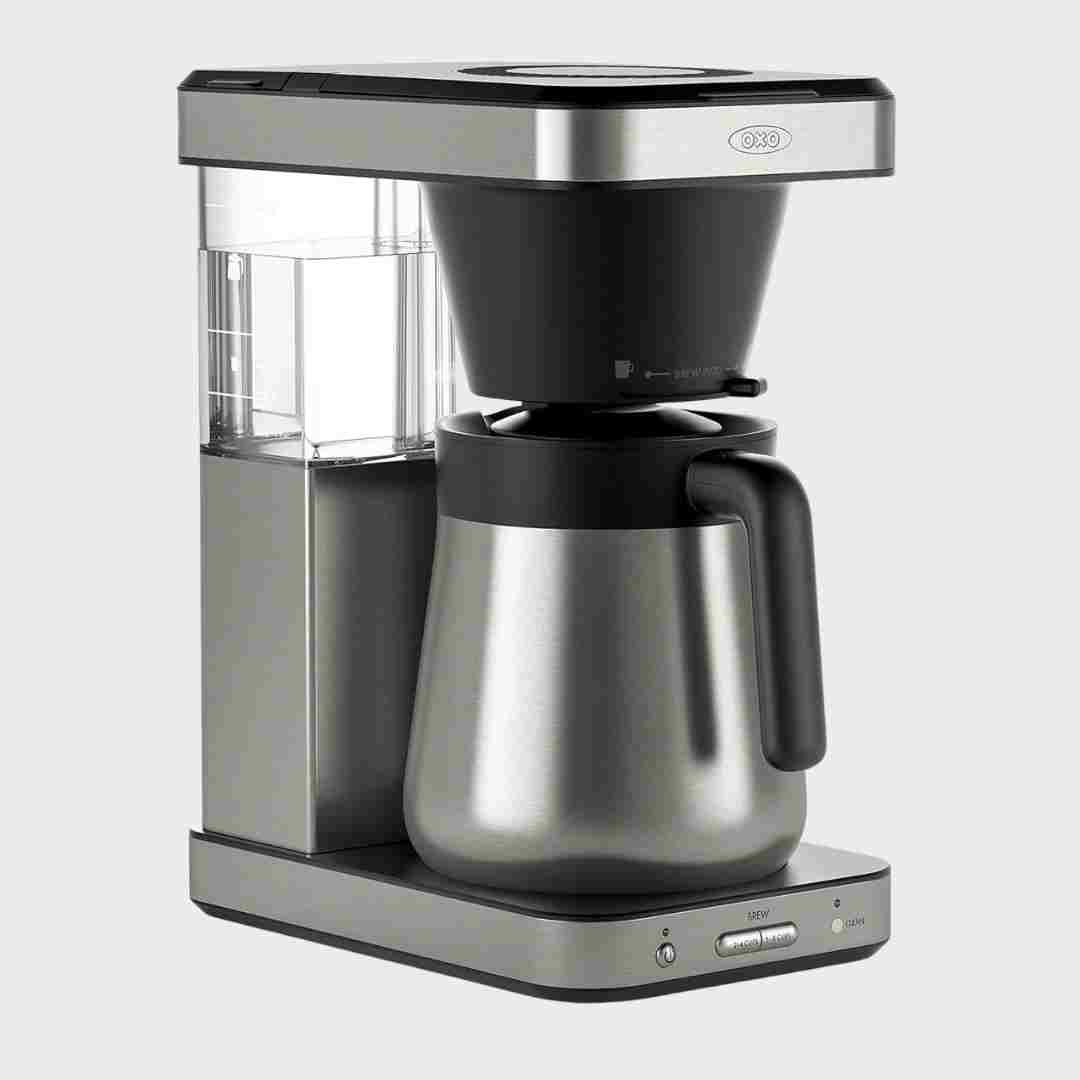
The KF6 earns strong marks for automation thanks to profile saving, bean purging, milk-line rinsing, cleaning reminders, and other low-effort guided functions.
Automation is a core selling point in the reviews: the touchscreen drink menu, guided steps, programmable drinks, and automated milk texturing reduce the skill barrier. Reviewers often describe the workflow as interactive and fast, even though tamping is still manual.
Automation is a headline feature: touchscreen guidance, built-in dialing help, one-touch workflows, and assisted routines make it easy to produce consistent drinks. Some users find the reminders/prompts a bit frequent, but overall the automation is seen as a key reason to buy.
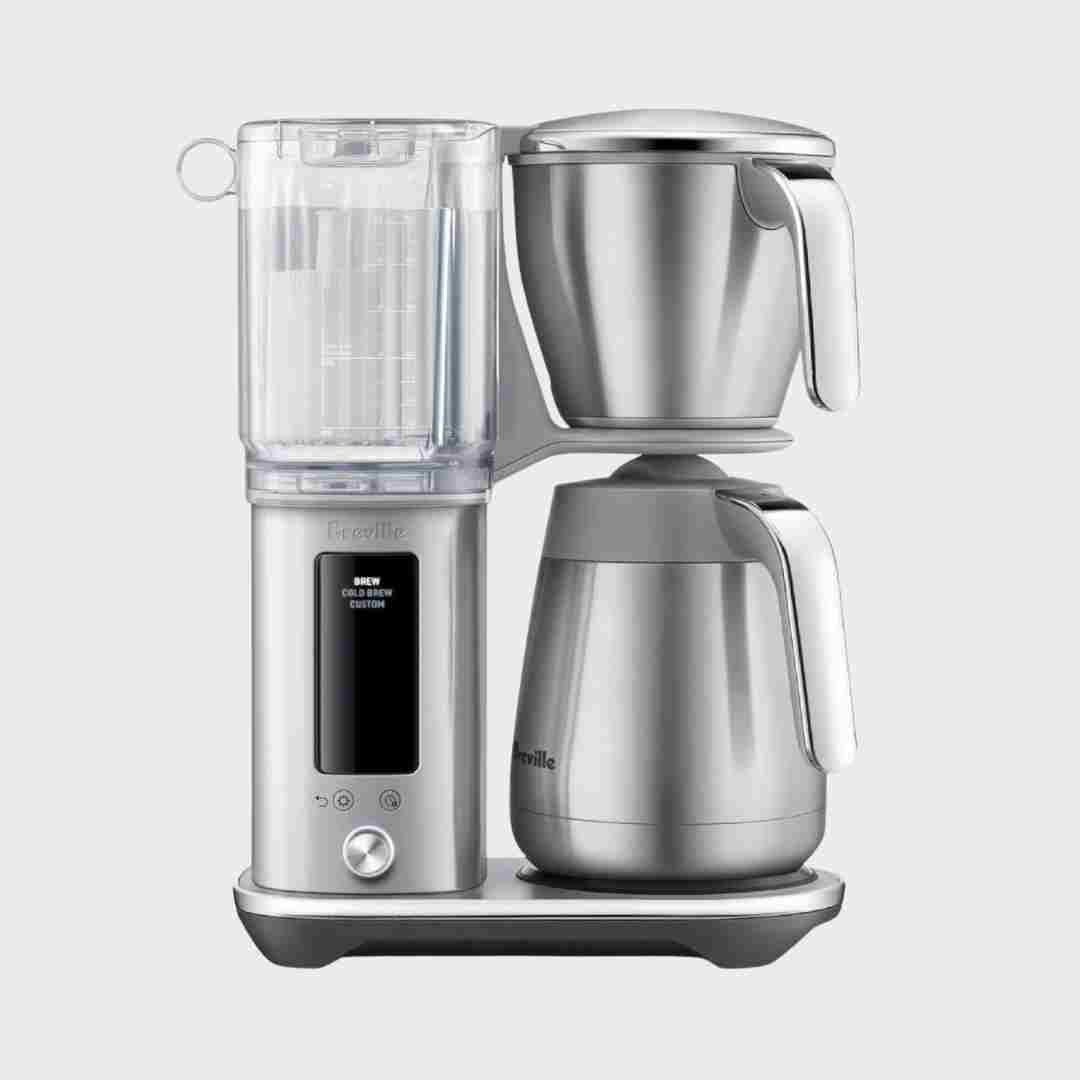
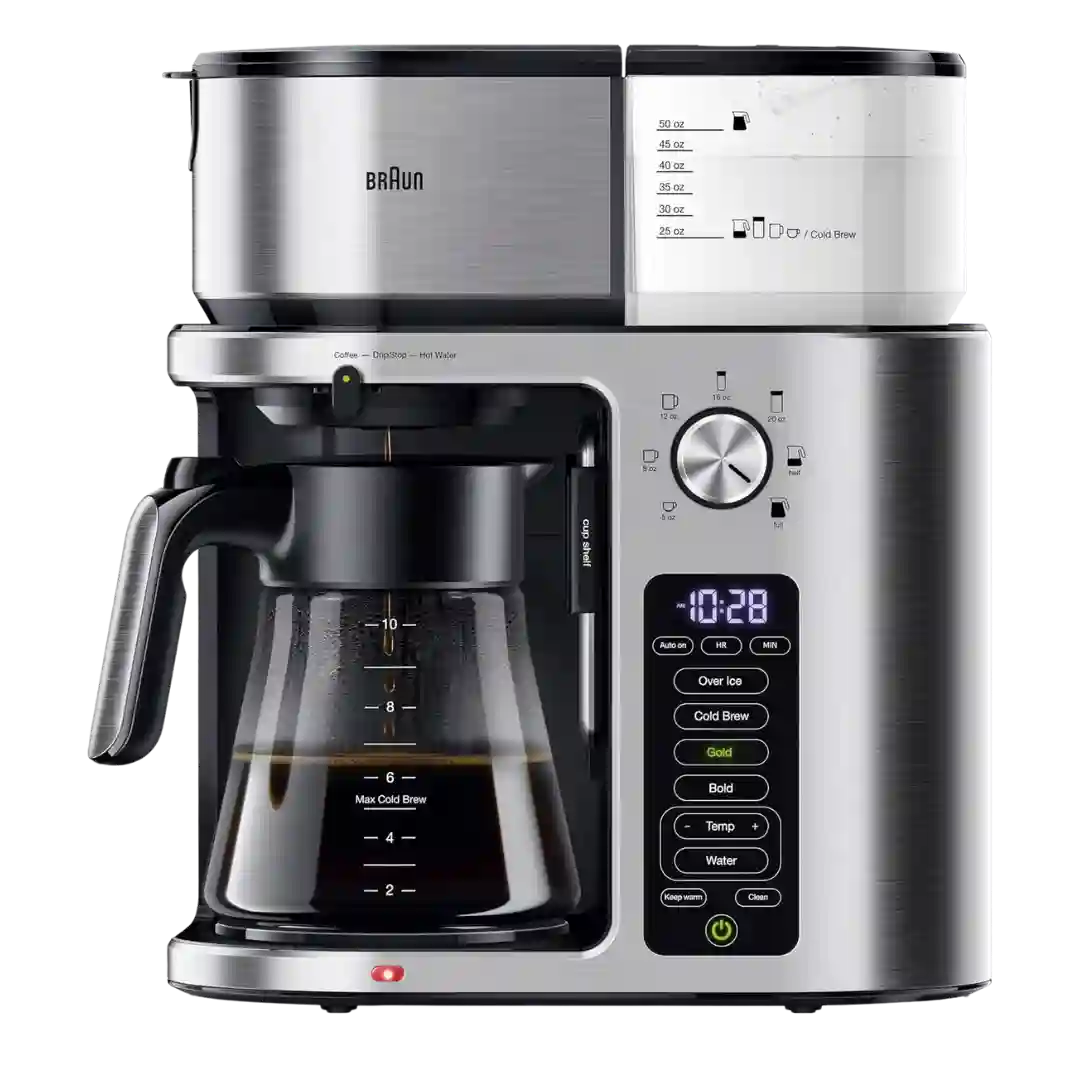
Programmability is frequently praised: presets like Gold Cup, options to adjust bloom/pre-infusion and batch size, and a timer for waking up to coffee. Control is primarily on the machine, leaning into flexible on-device profiles rather than smart-home automation.
Automation is a core strength: one-touch drink recipes, deep customization (strength, temperature, volumes, milk order), and multiple user profiles. Auto-rinse and step-by-step cleaning prompts reduce guesswork, but the forced cycles can add time and fill the drip tray.
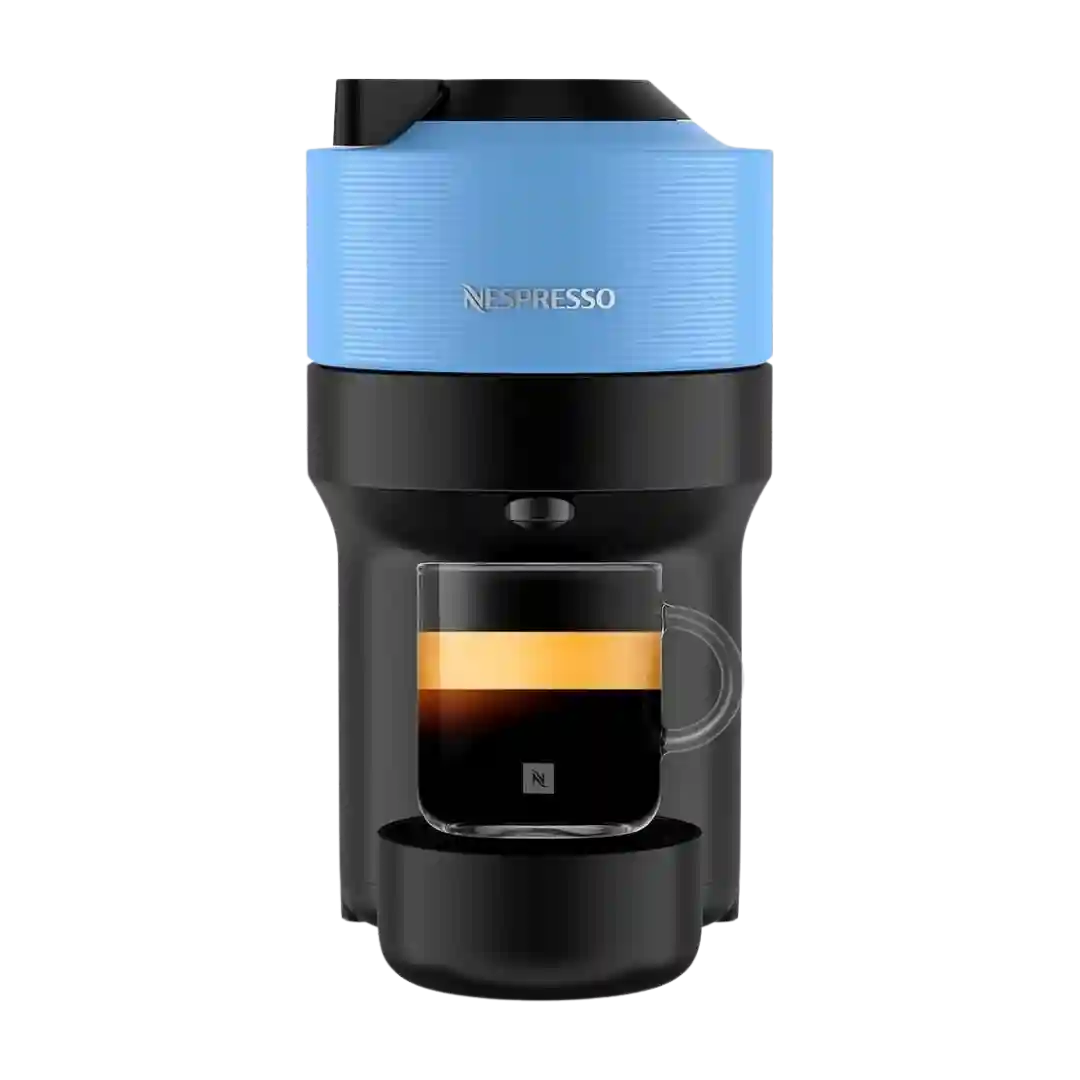
Barcode scanning drives one-button brewing by setting volume and parameters automatically, while features like auto-off and automatic capsule ejection reinforce the hands-off experience.
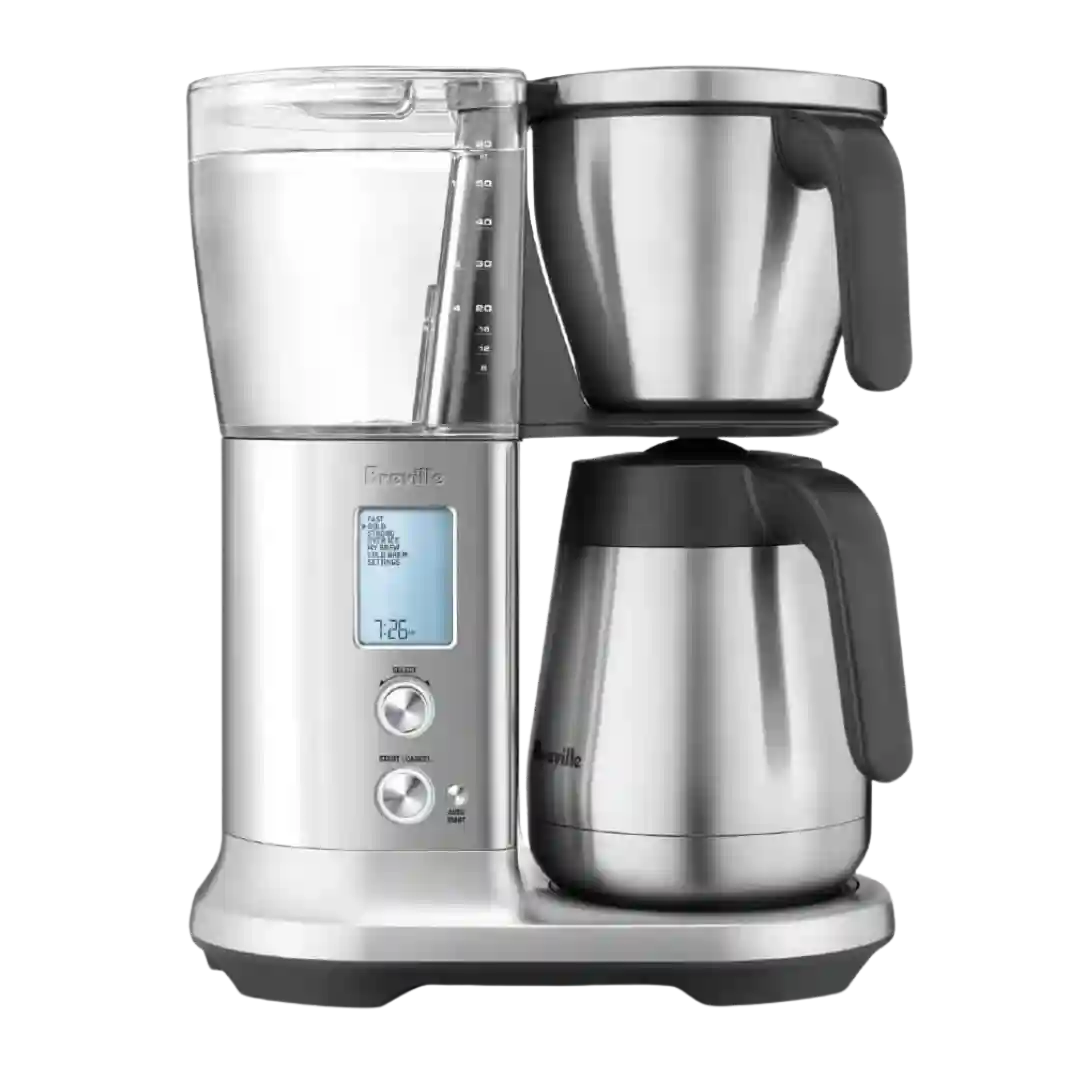
Automation is strong for this class. Auto start, water-hardness calibration, timers, reminders, small-batch adjustments, and preset brew logic make the machine feel unusually intelligent for a drip brewer.
Automation is a major reason people like it: programmable shot buttons, automatic milk steaming, temperature sensing, and auto purging simplify routine drinks. The automation reduces skill demands, with only occasional gripes about how the controls are implemented.
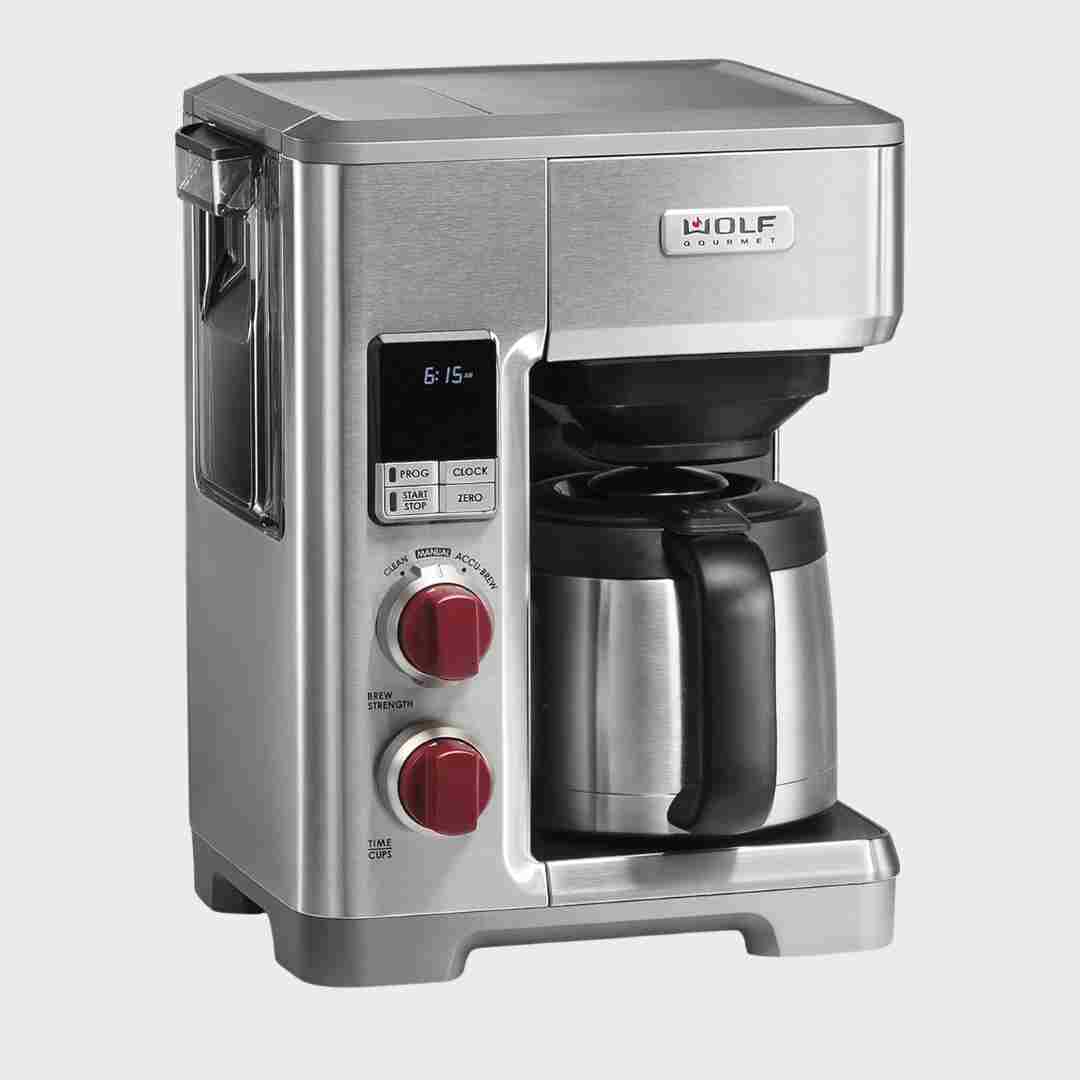
The standout automation is AccuBrew: a built-in scale that guides how much ground coffee to add based on cups and strength. Reviews also cite programmable start, brew-age timers, filter-change reminders, cleaning prompts, and at least one mention of a low-water safeguard.
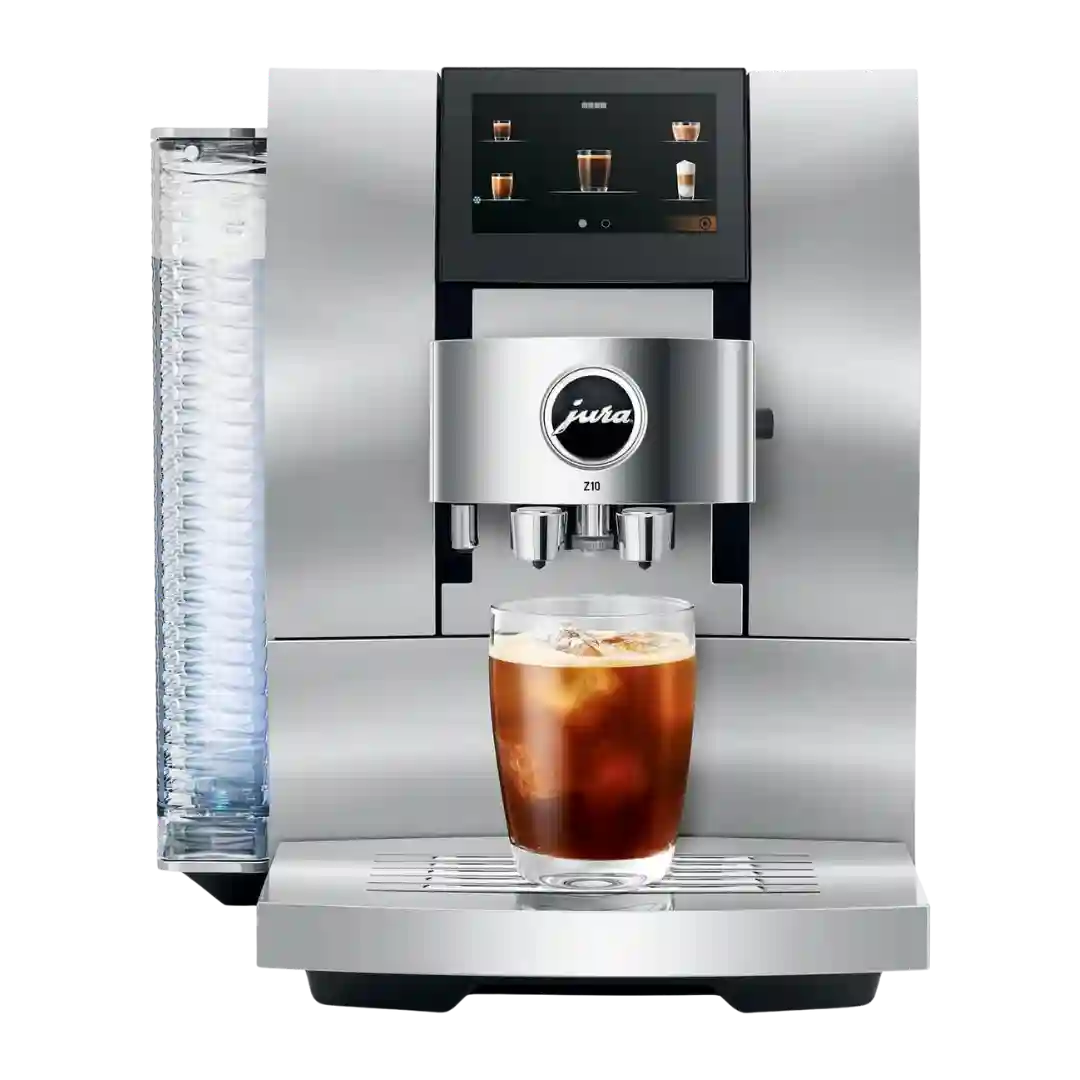
Automation is top-tier for a superautomatic, with a wide beverage library, per-drink grind logic, and deep customization without manual skill requirements (426, 4052, 14546). The system is optimized for consistent results with minimal hands-on work.
Automation is a core strength: Bean Adapt-style guidance, user profiles, and prompts that steer grind/temperature and maintenance. Some reviews also mention the machine surfacing different drink options by time of day or remembering prior tweaks (like extra shots).
Automation is a core strength: guided brewing, basket detection, showerhead distribution selection, temperature profiling, and scheduling all come up repeatedly. The main critiques are software polish issues, missing water-level feedback in some cases, and workflow constraints tied to sensors.
A standout strength: auto-brew scheduling, automatic bloom or pre-infusion behavior, batch-size logic (2-4 vs 5-9), pause-and-pour with carafe detection, no-water warnings, freshness timer, and descale reminders are repeatedly praised.
Auto shutoff when the reservoir empties is frequently mentioned, and some sources describe boil-dry or low-water protection. Overall, the automation is simple but helpful for job-site use.
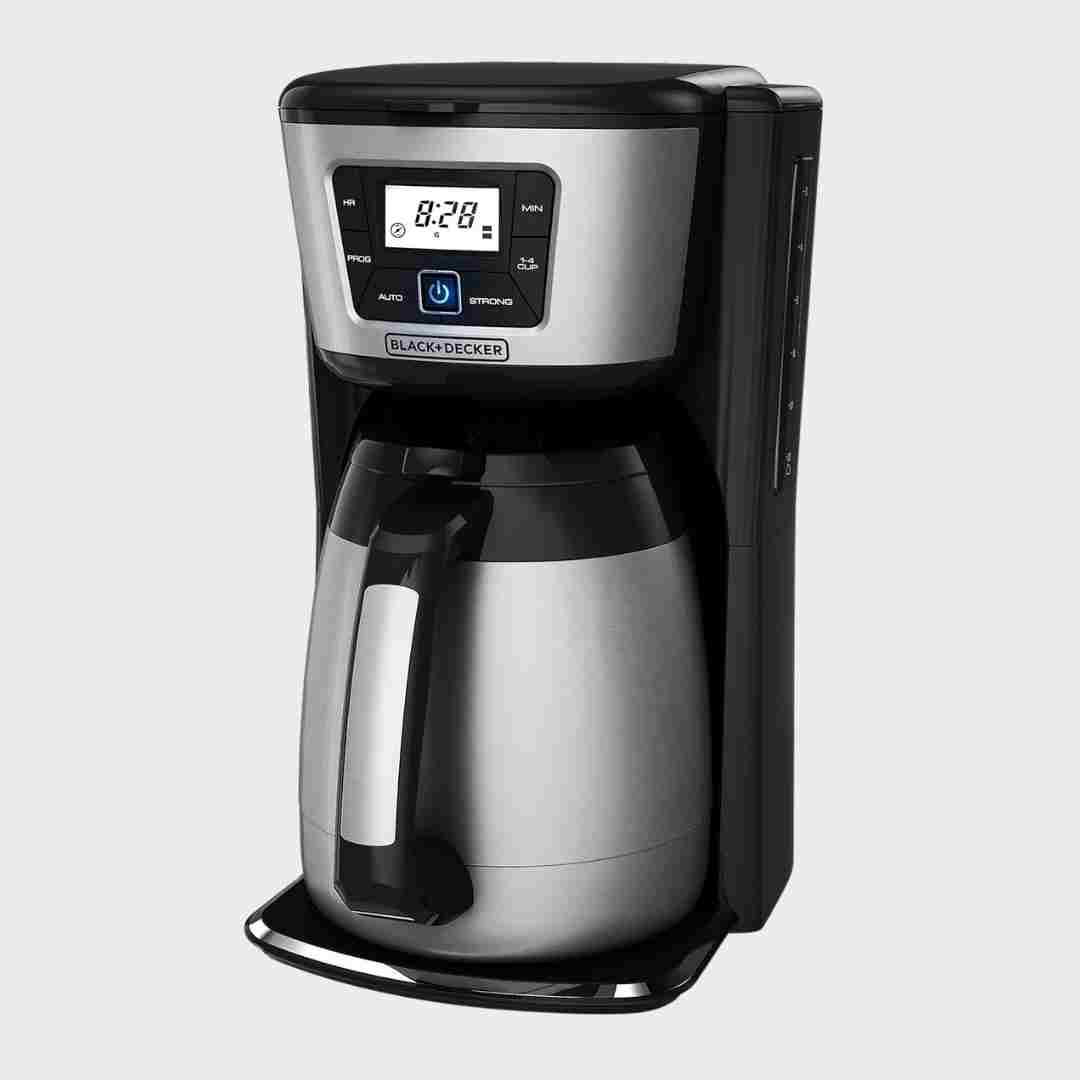
Programmable features are a standout: delay brew, clock controls, small-batch mode, rich/classic options, keep-warm timing, and clean indicators are repeatedly praised for being easy to use.
Automation features are repeatedly called out as standout for the price: 24-hour programmability, auto-brew, a freshness timer (time-since-brew), brew-strength selection, and a 1-4 cup mode. Reviews also mention a descale indicator and a dedicated descale mode.
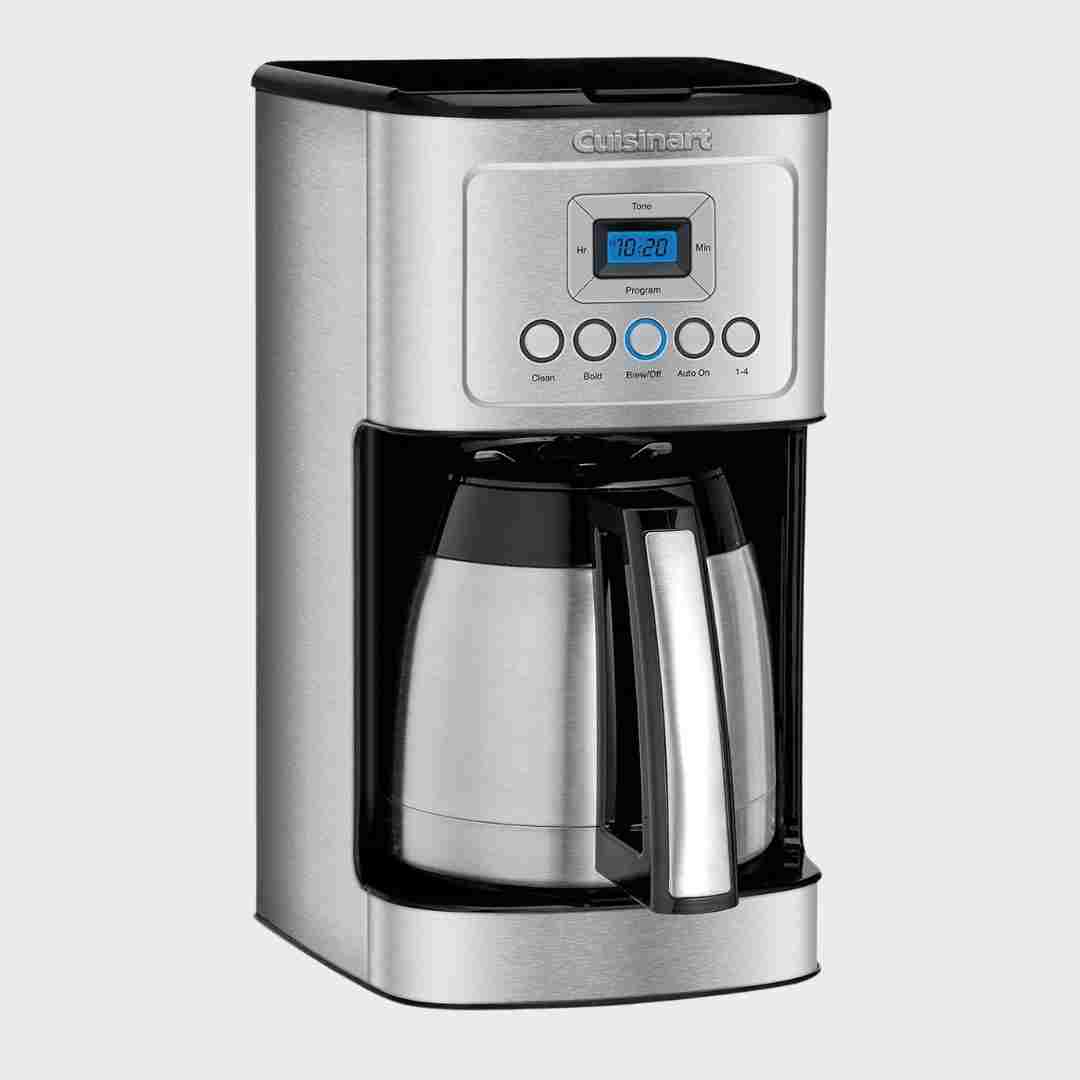
Feature set is a clear strength: 24-hour auto-brew programming, Bold and 1-4 Cup modes, brew-pause (in some accounts), tone on/off, and a clean/descale indicator are repeatedly highlighted as everyday conveniences.
Automation is robust for a budget drip machine, including programmable auto-brew, multiple brew profiles, audible beeps that can be disabled, and settings for water hardness and shutoff timing.
The machine is described as automatically using only the water it needs, ExactBrew is said to calculate flow, temperature, and speed automatically, and the machine can retain programmed information through a power interruption.
Automation is a core strength: user profiles, one-touch drink recipes, Bean Adapt-style calibration, and guided “wizard” prompts help dial in beans and drinks. Remote convenience exists, but rinse/clean cycles and app limitations reduce true hands-off control.
Automation is a core strength: one-touch drinks, OneTouch-for-Two, alerts, and guided rinse/milk-cleaning/descale prompts show up across reviews. The pot/bulk-brew option is also repeatedly mentioned for serving guests.
Automation is a major strength: one-touch drinks, Smart-One-Touch favorites, and user profiles (often 3). Customization is broad enough for most users, though some call it limited versus pricier machines.
Operation is largely one-touch with automatic brew flow and a drip-stop mechanism; reviewers also mention sensor-like behavior (water detection) and pulse-style delivery that keeps extraction on track.
Bean Adapt, guided dosing, and automated milk steaming provide a lot of hands-holding and reduce guesswork, especially for new users. The main critique is that some automation feels more like guidance than true sensing, and can add steps or friction for tinkerers.
Automation is a clear strength: profiles, guided screens, cleaning prompts, and one-touch drink workflows reduce effort and user error. The main downside is that some automated cleaning steps are partial (milk nozzle only) or can create small splashes and extra wiping.
Reviews highlight strong programmability and customization: adjustable grind size and brew strength, selectable batch sizes, and options that support both single-serve and full-carafe brewing with clear LCD prompts/beeps.
Reviews note both manual and automatic extraction options, display-based alerts, and standby-style convenience settings that add ease without removing manual control.
Programmability is a major strength: 24-hour auto-brew scheduling, adjustable auto-off (up to 4 hours), brew-strength options (Regular/Bold), a small-batch setting, and a toggle for the ready-tone. Several reviews also mention a Clean/descale indicator that prompts maintenance.
Automation is a consistent strength, with one-touch recipes, user profiles, and automatic rinsing/cleaning behaviors that support day-to-day convenience.
Automation focuses on practical essentials: bloom on/off, brew-size selection, a programmable timer, and maintenance prompts influenced by water hardness. There are few customization settings beyond those basics.
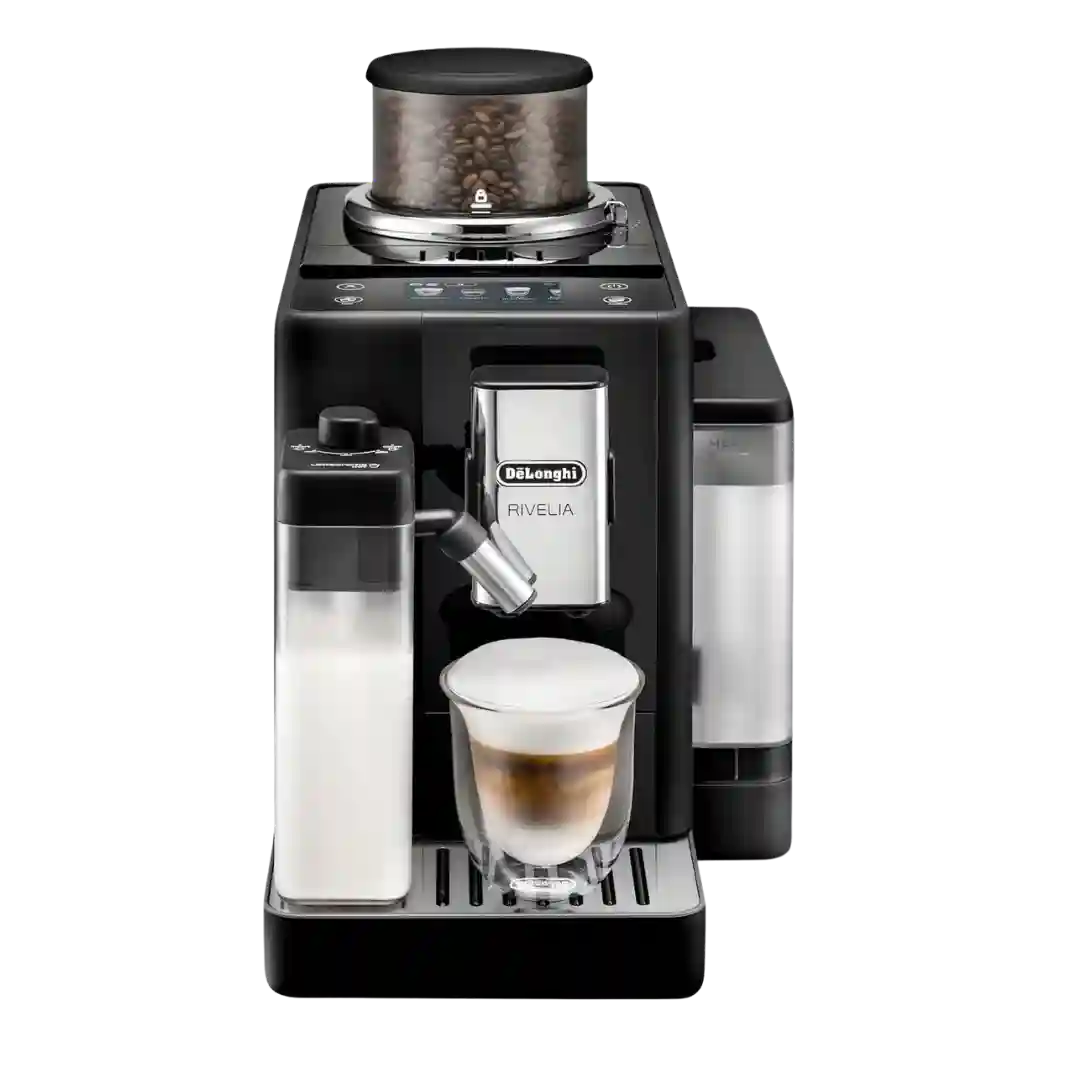
Reviewers repeatedly emphasize one-touch automation, with around 13 recipes and three user profiles commonly mentioned. Customization is strong for drink strength and basic parameters, but milk-based drink customization is often seen as more limited than on De’Longhi’s higher models.
Automation is centered on button-based drink modes, indicator lights, and safety behaviors like cooldown/flush steps; some reviewers also mention auto shutoff and milk-path cleaning modes. It streamlines routine lattes/cappuccinos but still asks us to manage preheating and post-milk cleanup.
Automation is strong for daily use: one-touch drink buttons, strength levels, auto rinse, and maintenance prompts. Customization and user profiles are described as limited compared with competitors.
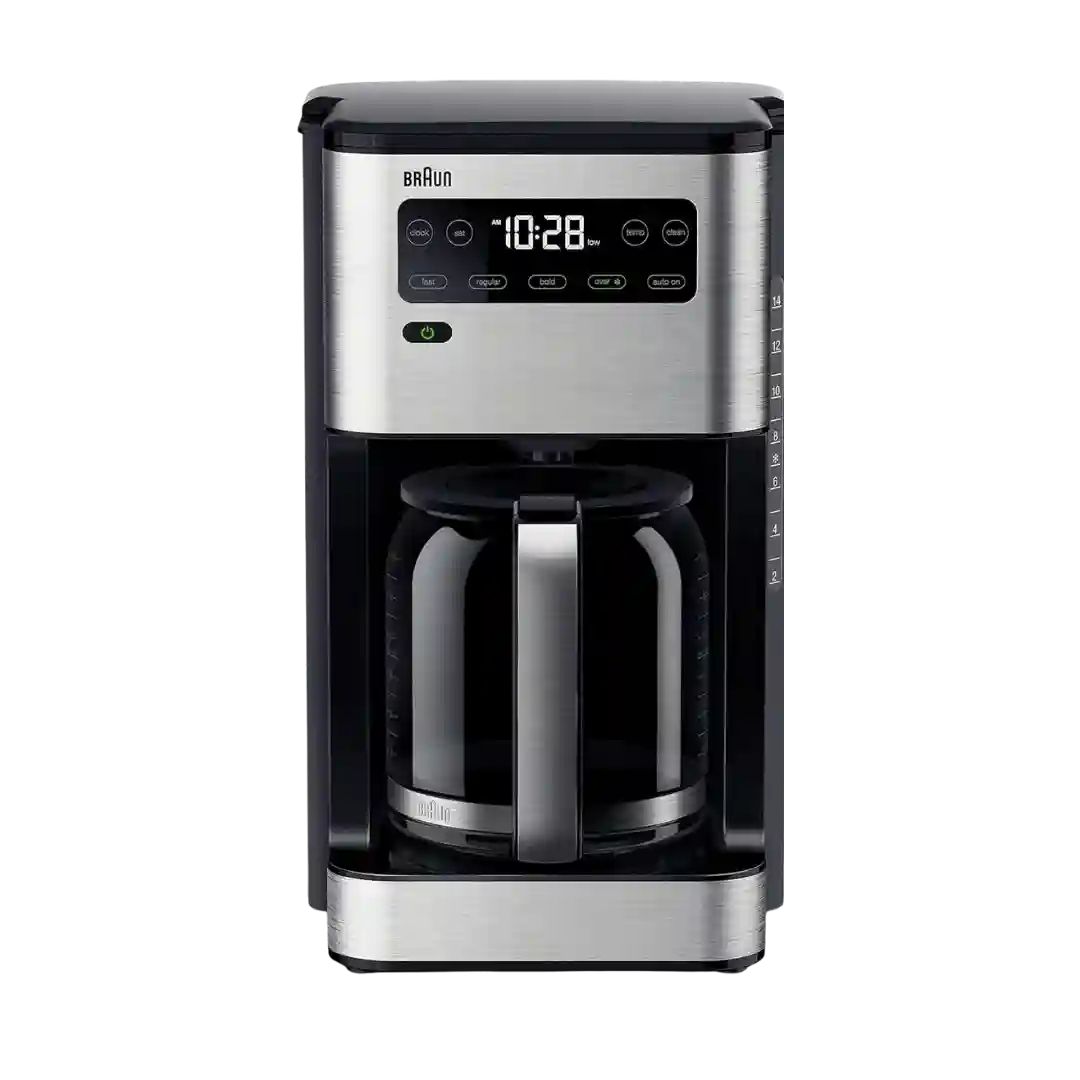
Automation centers on practical features: 24-hour programming/timer controls, optional quieter alerts, and brew-mode options (including a faster mode). Some sources also mention clean/descale indicators.
Adaptive dosing that remembers prior shots and prompts under/over dosing is repeatedly praised, and the assisted tamping adds consistency without going fully automatic. Reviewers still appreciate that grind size, temperature tweaks, and manual steaming keep it hands-on.
Commonly praised for automation: 24-hour programmable auto-brew, QuickTouch-style setup, a 2-hour auto shutoff, and a pause-brew or Sneak-a-Cup function that temporarily stops flow when the carafe is removed (typically around 30 seconds).
Automation is a core strength: the machine grinds, doses, tamps, and brews at the press of a button, supports basic customization (strength/volume/temp), and runs automatic rinse cycles on startup/shutdown.
Automation is minimal but practical: two-switch operation, auto drip-stop when the carafe is removed, a hotplate with automatic shutoff, and temperature/flow behavior that adjusts based on the half/full selection. There is no programmable timer or recipe automation.
Convenience automation is a real plus here, with eco or standby behavior and automatic shutoff mentioned across reviews. One review notes the lack of a clock or automatic start.
The programmable auto-start timer is a recurring highlight, and several reviews like the simple button layout. A few mention notifications/alerts or mode limitations (for example, keep-warm behavior changing with the small-batch setting).
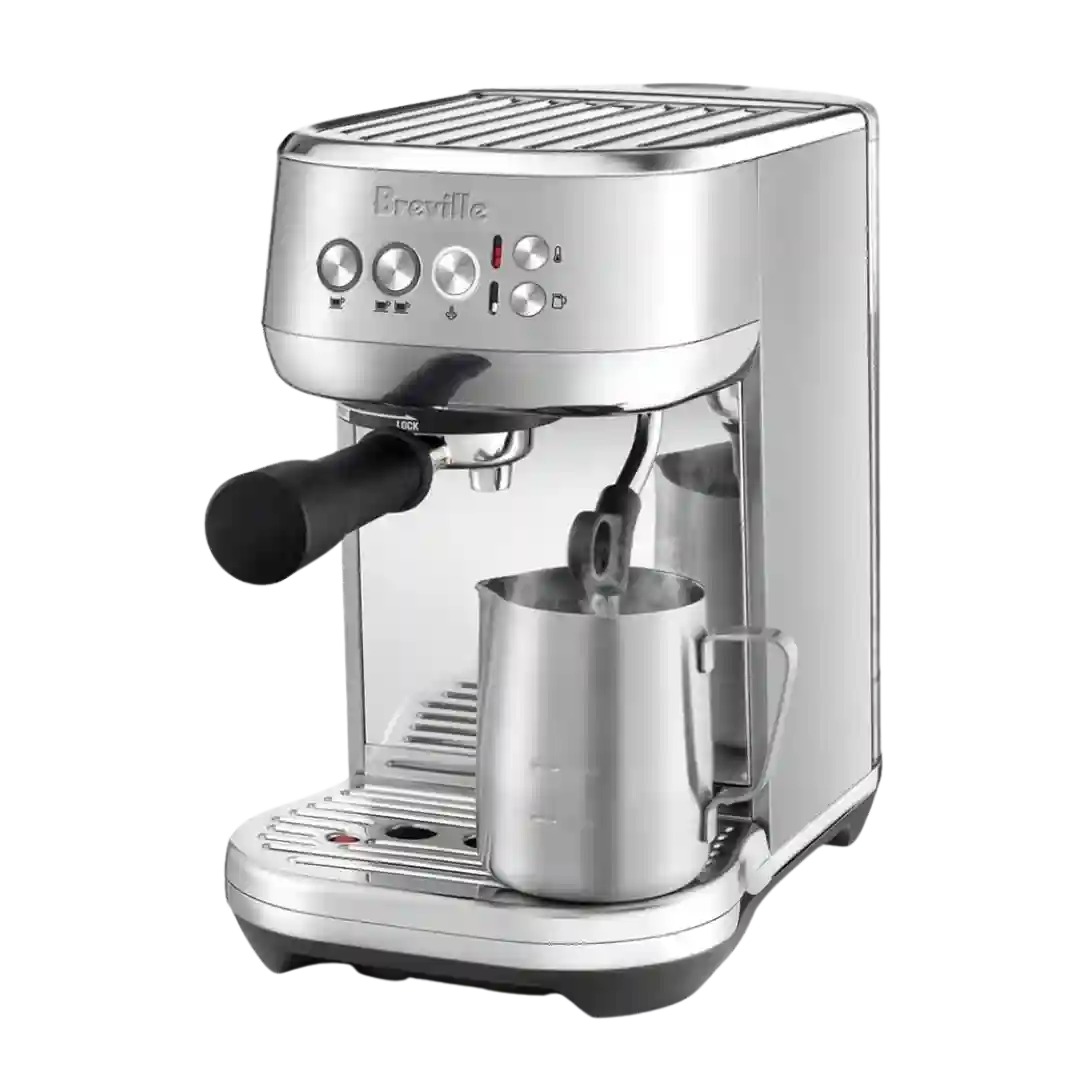
Automation is limited but helpful: volumetric shot buttons, a short pre-infusion behavior, and quick mode switching between brew and steam. Reviewers also note what is missing at this price, like auto-frothing, a low-water sensor, or deeper temperature controls.
Automation is a core strength: one-touch drinks, automatic rinses, My Latte, and sensor-driven milk-carafe detection show up in multiple reviews. The tradeoff is that deeper settings can feel hidden behind manual-style button sequences.
Automation features are solid for a budget drip maker: programmable start, brew-strength modes (regular/bold) and small-batch mode, plus 2-hour auto shutoff and a clean reminder. The main downside is the lack of an audible completion beep and sometimes-finicky button workflow.
This machine leans heavily into barista assistance: guided steps, automated dosing help, assisted tamping, and automatic milk routines. It stops short of a true superautomatic, but it meaningfully reduces manual workload.
Automation is a headline strength: Barista Assist guidance, grind-by-weight dosing, basket recognition, and auto wand purging show up repeatedly. Some users find the prompts and beeps a bit appliance-like, but they also reduce beginner error.
One-touch programs, auto-rinse behavior, and maintenance reminders support a hands-off experience; customization exists, but advanced personalization remains limited.
Automation is modest but helpful: volumetric/programmed single/double shots, flow-meter guidance, auto-off options, and descaling indicators/modes are commonly mentioned. It is not a smart or app-connected machine, and it lacks higher-end sensor-driven assistance found on more expensive models.
Automation is focused on brew-process assists (bloom/pre-infusion, drip-stop/sneak-a-cup behavior, and a clean/descale mode) rather than scheduling. The big repeated limitation is no programmable auto-start timer.