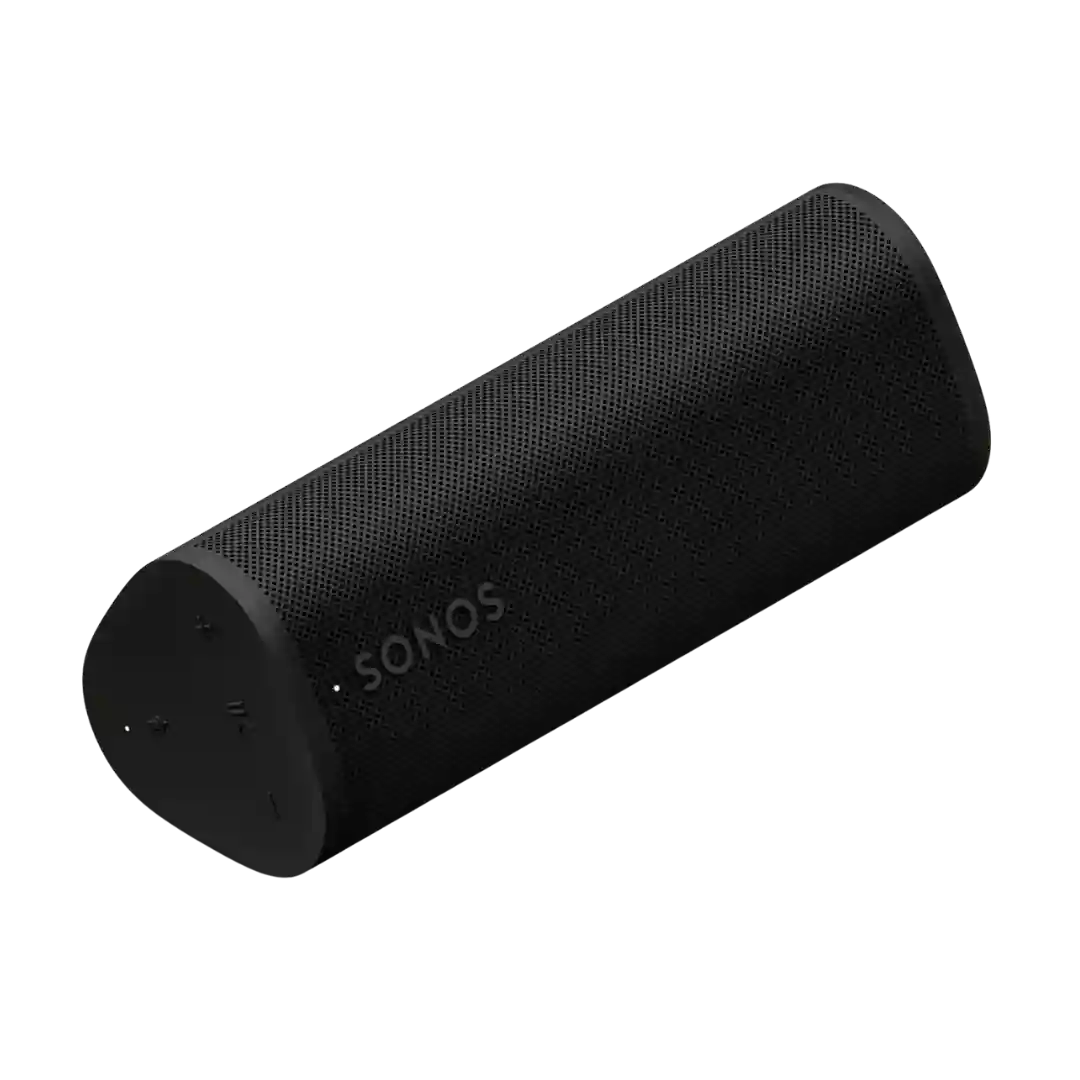
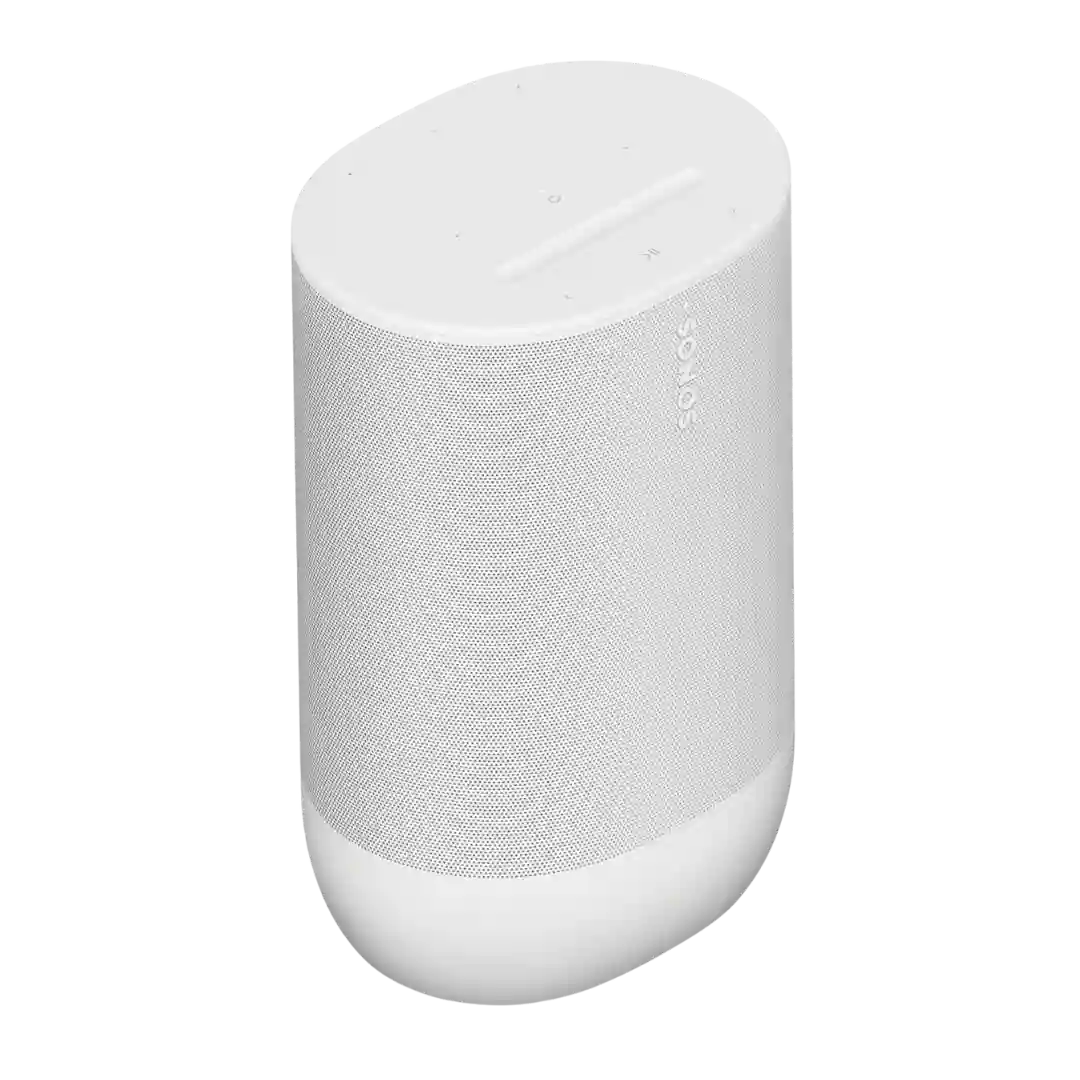
Backward compatibility is a plus: pairing and system integration with other Sonos gear is straightforward, and some setups allow mixing Roam generations for stereo pairing.
Compatibility is good across TVs via HDMI eARC/ARC, and optical offers a fallback; region-specific streaming feature availability (like Chromecast) is the main compatibility caveat.
Backwards compatibility is supported by multiple wired options (notably optical) that allow it to work well with older TVs lacking HDMI ARC convenience.
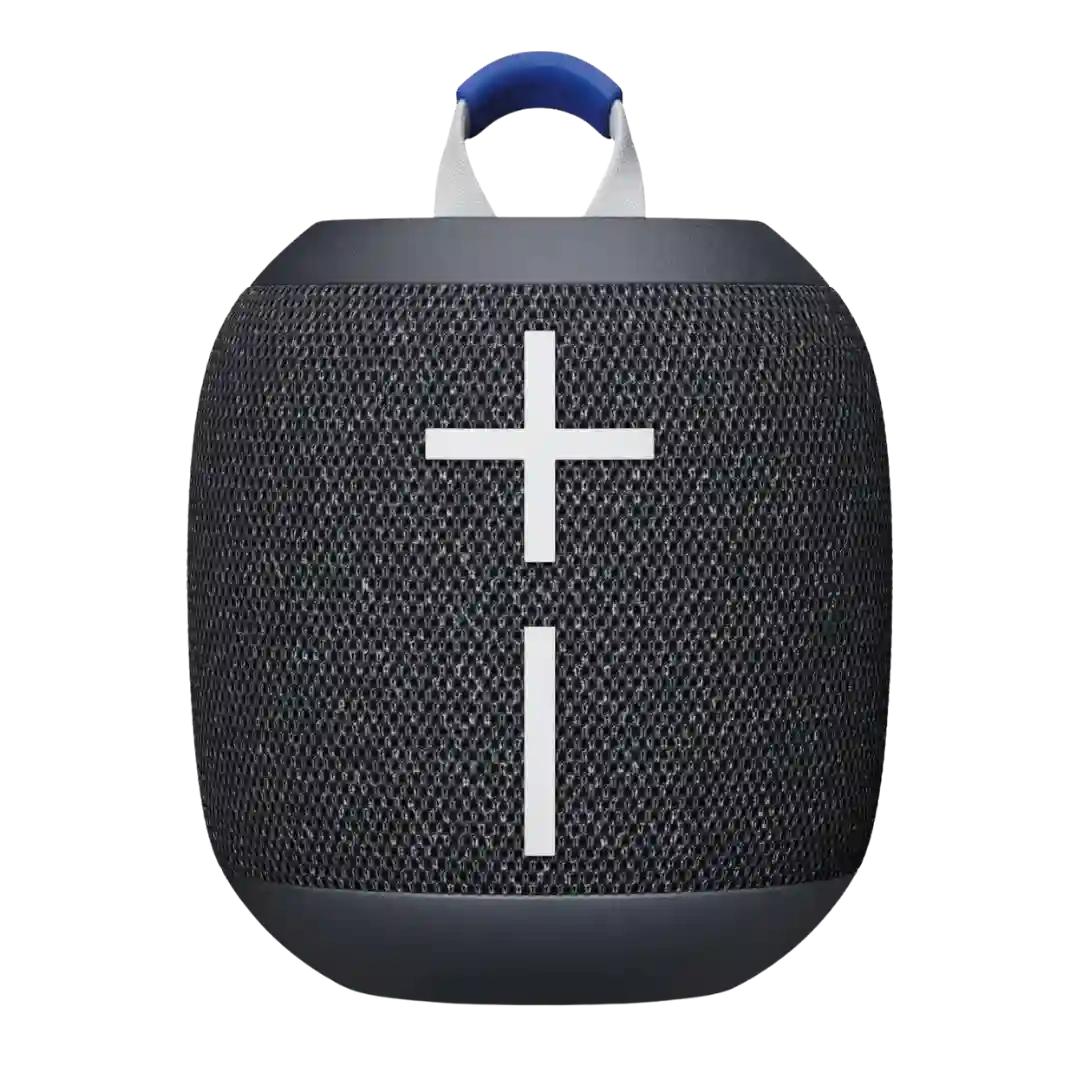
Backward pairing behavior is reported inconsistently: some sources state pairing with Wonderboom 3 is supported, while at least one review claims stereo pairing only works with another Wonderboom 4.
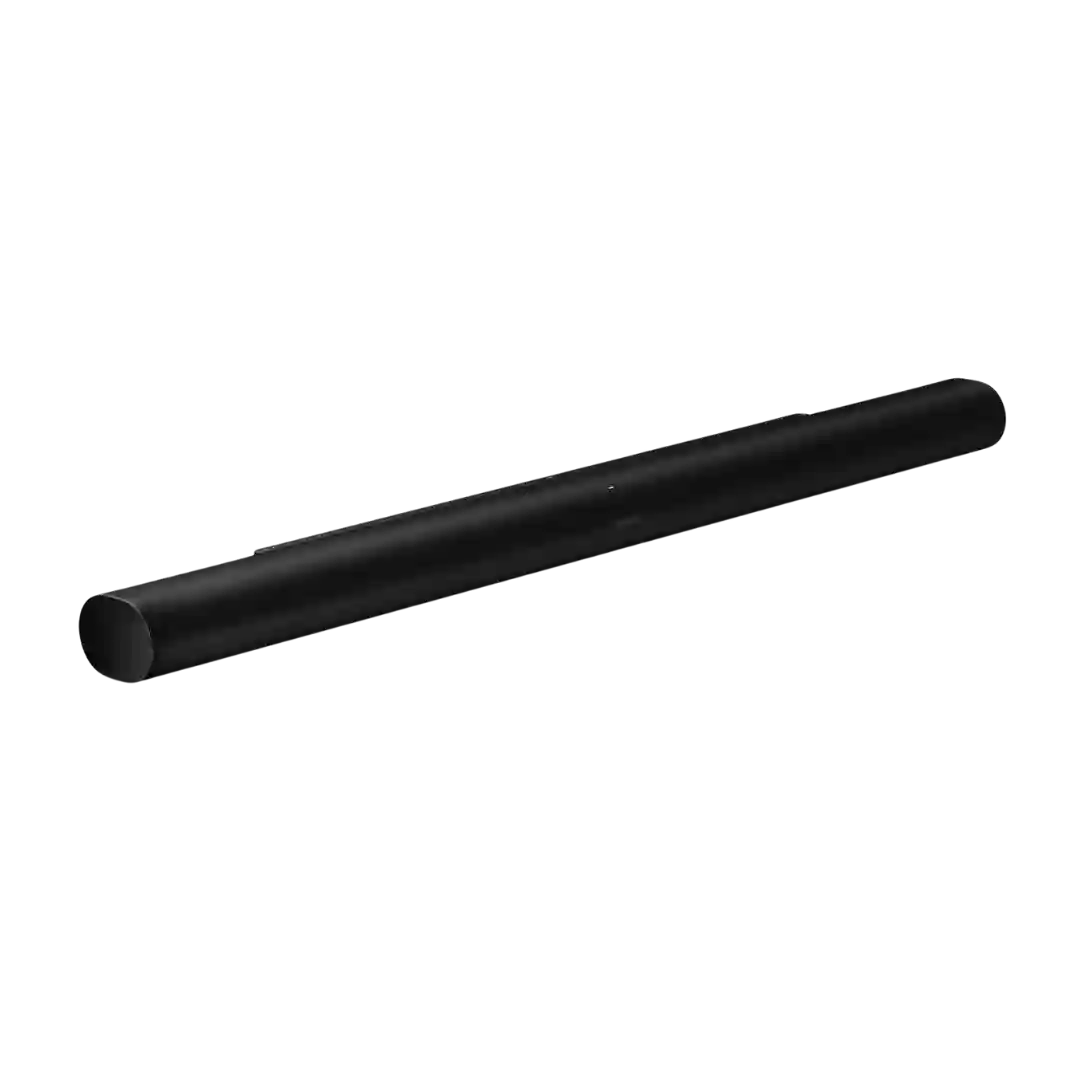
Arc runs on the Sonos S2 platform and may not play nicely with some legacy Sonos hardware or older software setups, which can be a friction point for long-time Sonos households.
Compatibility is generally fine with typical TVs and sources, but the use of ARC instead of eARC and the absence of Atmos make it less future-proof for feature hunters.
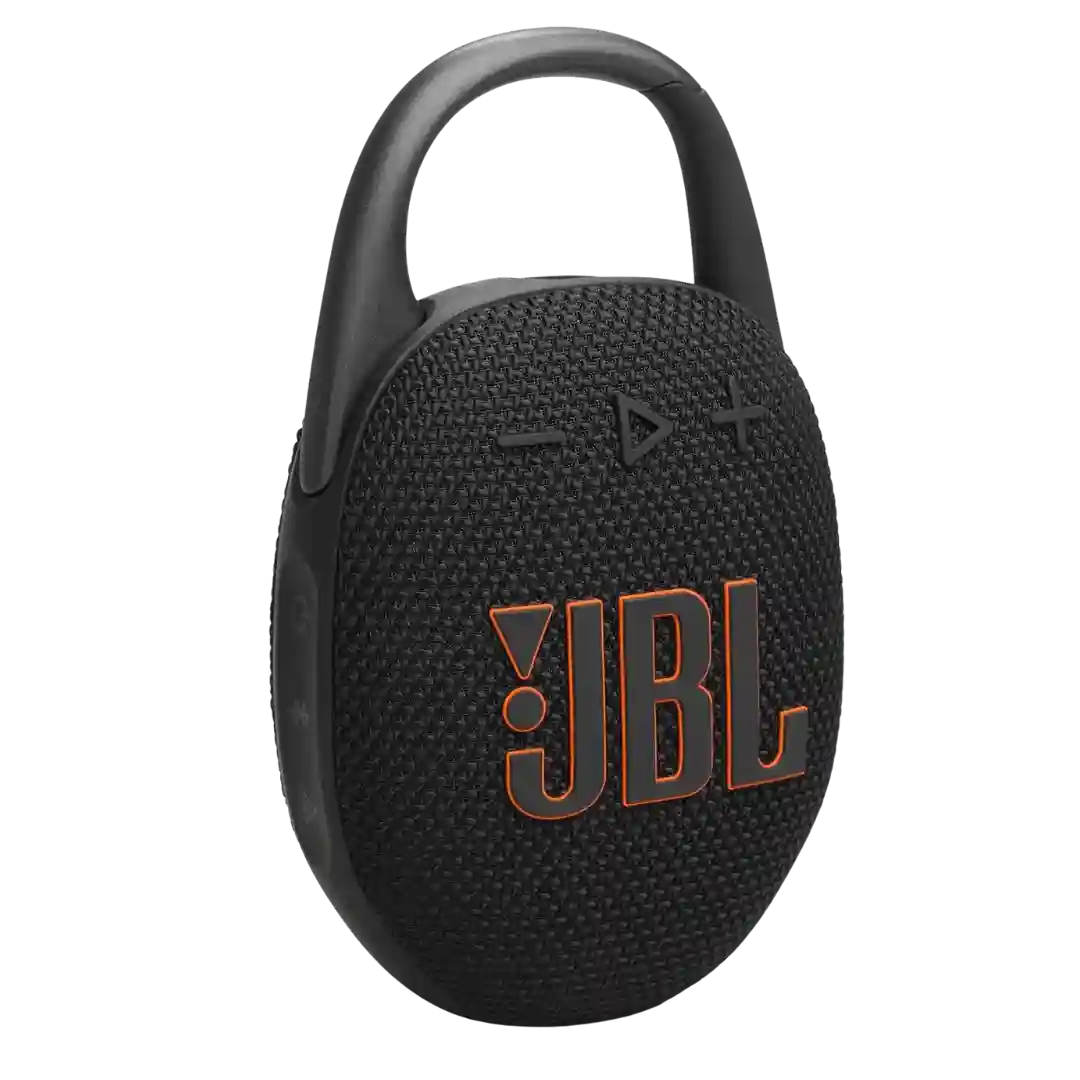
Compatibility is best within JBL’s newer Auracast ecosystem; reviewers note limitations pairing with older JBL PartyBoost models and that stereo requires a matching Clip 5.
A recurring limitation is that Auracast models do not connect with older JBL speakers that rely on PartyBoost, which multiple reviews call out directly.
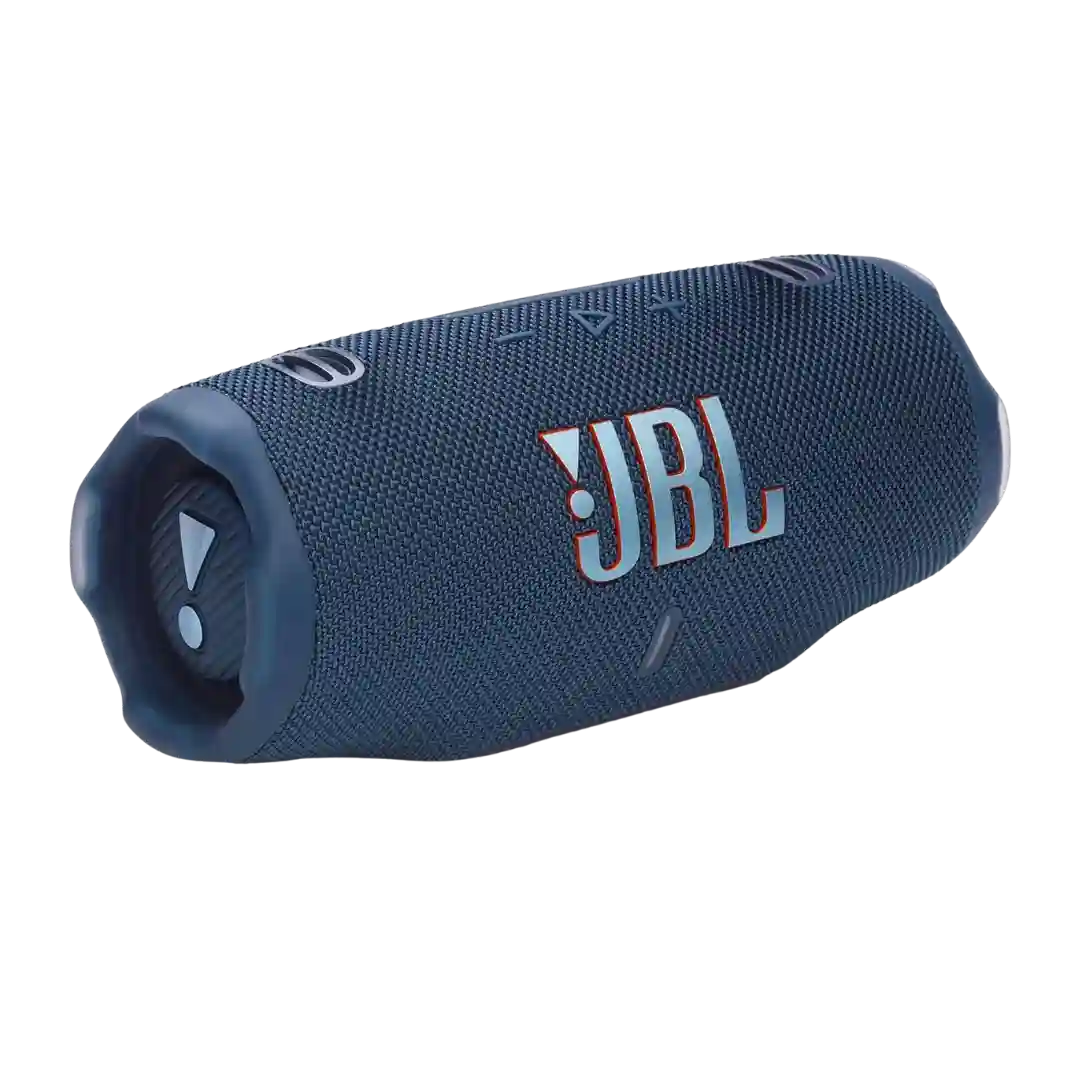
Backwards compatibility is a common complaint: multiple reviews stress it will not pair in the usual way with older JBL speakers that rely on PartyBoost, including the Charge 5.
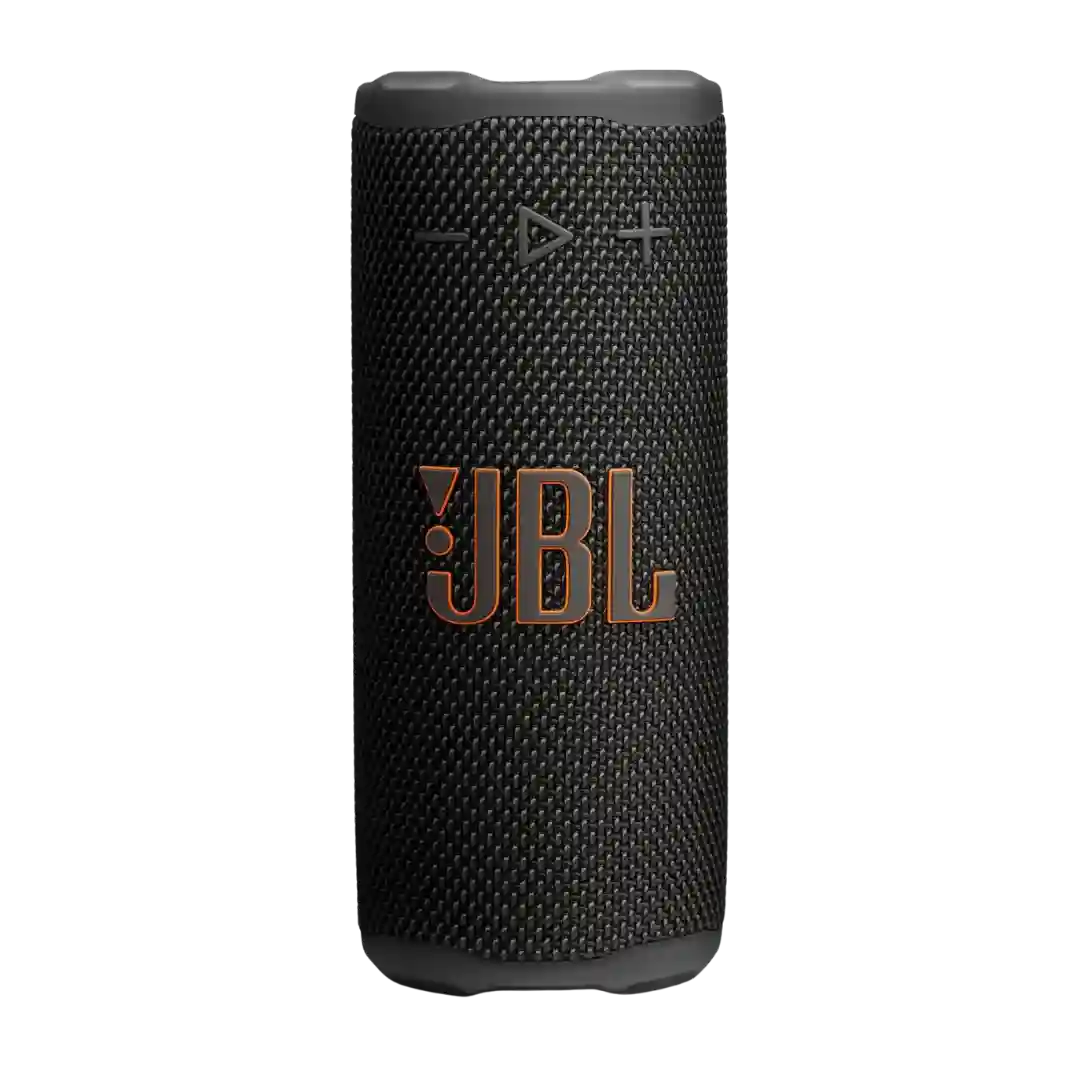
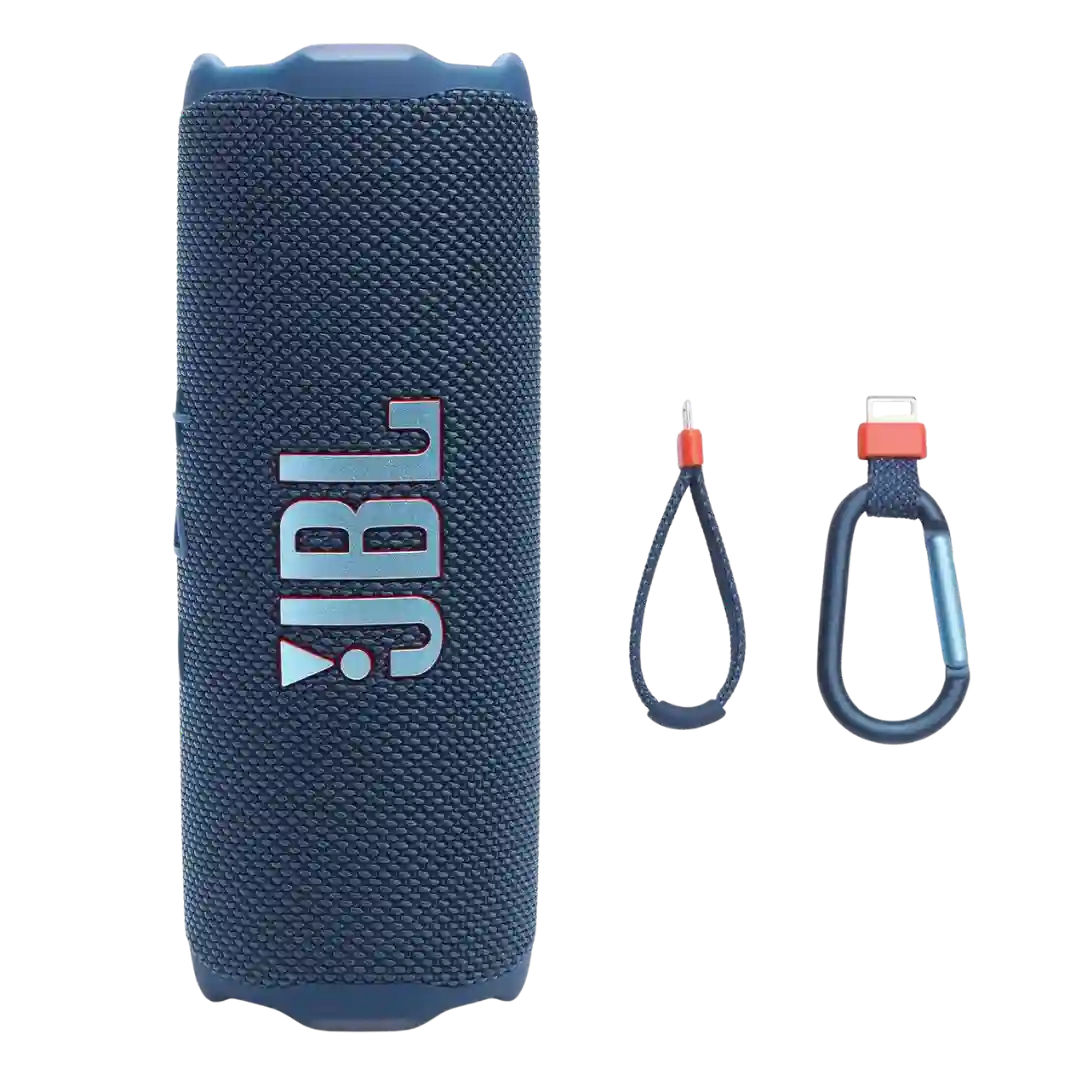
Backwards compatibility is a consistent negative: many sources state Flip 7 cannot pair with older PartyBoost/Flip generations, and stereo pairing requires another Flip 7.